
Arthur Parker
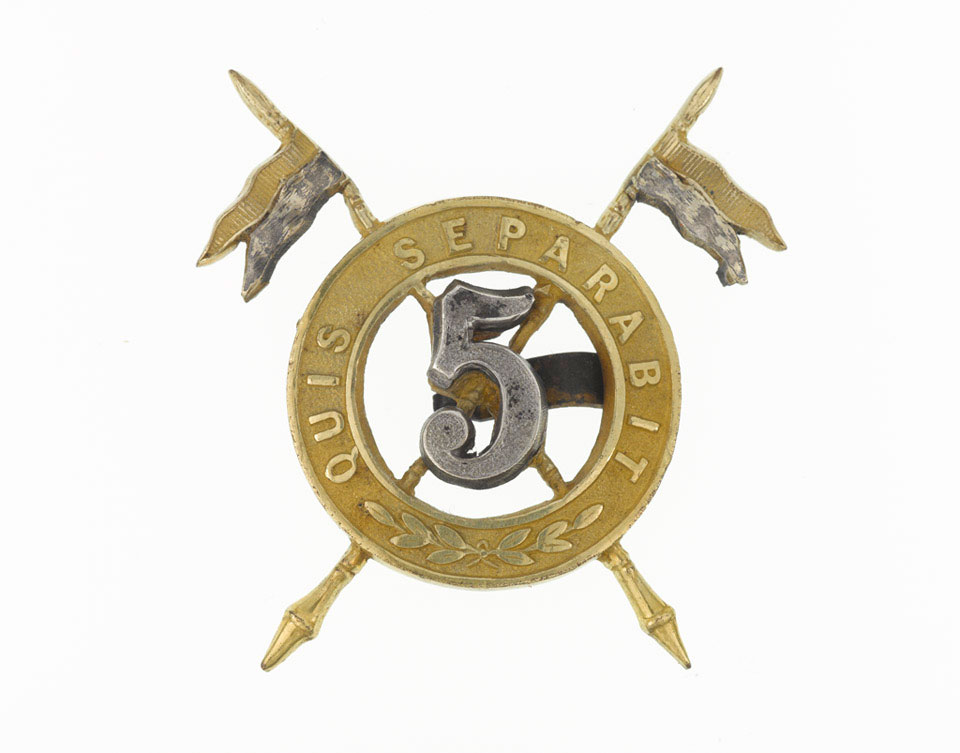
Arthur Parker played a significant role in the history of the British Army even before the outbreak of the First World War. As CO of the 5th Royal Irish Lancers, he was one of the leading ‘rebels’ during the Curragh Mutiny of Hubert Gough’s 3rd Cavalry Brigade. Believing that their regiment might be ordered to take military action against the people of Ulster, who opposed the Liberal Government’s moves to grant home rule to the Irish, Parker, together with 16 other officers of the 5th Lancers, declared his intention to resign his commission and leave the Army rather than accept the Government’s orders. Officers of the 16th Lancers made a similar declaration. Parker and his counterpart in that regiment, Lieutenant-Colonel Maurice MacEwen, together with Gough, comprised the delegation that met government officials on 23 March 1914 in an attempt to resolve the crisis. Subsequently, a face-saving agreement was reached and all the ‘rebels’ (including Parker) were able to resume their military careers.
Arthur Parker was born on 14 January 1867, the second son of Lieutenant-Colonel C J B Parker of Stonebridge, near Grantham, in Lincolnshire. He was commissioned in the 5th (Royal Irish) Lancers on 6 November 1887 from the Militia and served with them in South Africa. He was at Ladysmith and was subsequently a staff officer for Caldwell’s column. He was twice mentioned in despatches.
On the outbreak of the First World War, Parker took his regiment to France. However, he was wounded at Angre on 24 August 1914 and evacuated home. He was awarded the CMG in 1915. He subsequently commanded 92nd Infantry Brigade, part of the New Army’s 31st Division from July 1915 until June 1916 - just prior to the division’s appallingly bloody and brief part in the first day of the Somme offensive. In July 1916 he became CO of the 5th Reserve Regiment of Cavalry, and in January 1917 commander of 2/1st Northumberland (Hussars). He trained this second-line unit and took it to France in March 1917 - where it became the Corps Cavalry for Lieutenant-General Sir Herbert Watts’s XIX Corps. In May 1917 he became Commandant Corps Troops - a post he held until December 1917.
In March 1918 he joined the Tank Corps and became GOC the newly formed 5th Tank Brigade but, less than a month later, exchanged this command with Anthony Courage for that of 2nd Tank Brigade. Parker commanded this Brigade until 24 September 1918, being absent sick when the war ended.