
Divisional Elitism and the SHLM Project
In the British Expeditionary Force (BEF) during the Great War, the division was the "mobile fighting formation of all arms". Although many historians write in terms of corps or armies, it was the division that was, in the words of Martin Middlebrook, "the unit of currency". Because it was the largest mobile formation, divisions were moved about as circumstances and battle plans dictated. Battalions of infantry and other troops tended to remain with the division and, therefore, other than after occasional reorganisations, divisions were the largest generally homogenous unit within the BEF. For these reasons, it is therefore doubtless that General Headquarters [GHQ] was much concerned with how successful, or otherwise, divisions were.
There has been much written about the superior qualities of the Dominion forces of Australia and Canada, and there can be little doubt that these formations were very good.
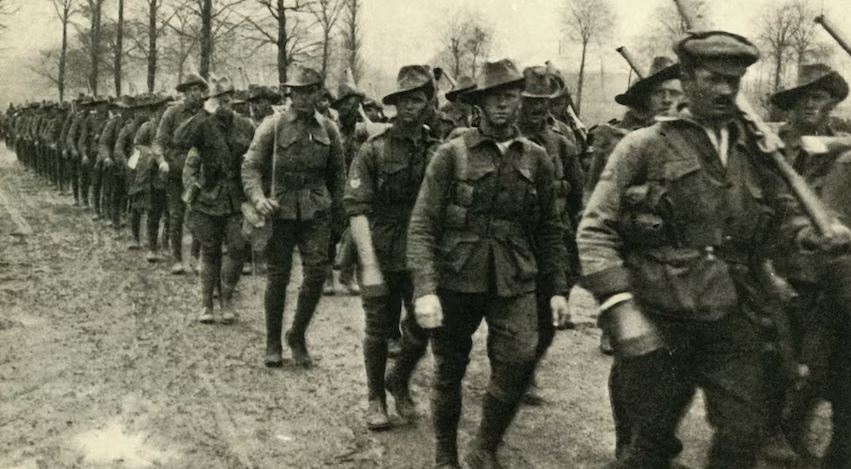
But how good were British divisions? More than fifty British divisions served in France and Flanders, although the number in this theatre was not constant. Most of these divisions took part in at least one of the offensive battles undertaken by the BEF, but the employment of these divisions was far from even; some divisions seem to have been used far more than others. The simple explanation for under- or over-usage would seem to be that some divisions were better than others. The question, "Which divisions were successful and why?" is still being studied to this day.
During the war a myth circulated that the Germans had a book detailing the value of British divisions. Richard Holmes has said:
It was commonly asserted that the Germans kept a list of the fifty most reliable British divisions, and that this always included the Canadians, Australians, New Zealanders, and the Guards, together with other well-regarded formations (9th, 18th, 29th and 51st generally among them) and, of course, the speaker's own division. There is no evidence that such a list existed, but the frequency with which it was discussed by contemporaries points to the importance soldiers attached to their division's reputation.
Robert Graves suggests that GHQ chose the best divisions for the most important tasks:
...about a third of the troops forming the British Expeditionary Force were dependable on all occasions: those that were always called upon for important tasks. About a third were variable: divisions that contained one or two weak battalions but could usually be trusted. The remainder were more or less untrustworthy: being put in places of comparative safety, they lost about a quarter of the men that the best troops did. It was a matter of pride to belong to one of the recognised top-notch divisions - the Second, Seventh, Twenty-Ninth, Guards'....The dependability of divisions also varied with their seniority in date of formation. The latest New Army divisions and the second-line territorial divisions, whatever their recruiting area, ranked low because of inefficient officers and warrant-officers.
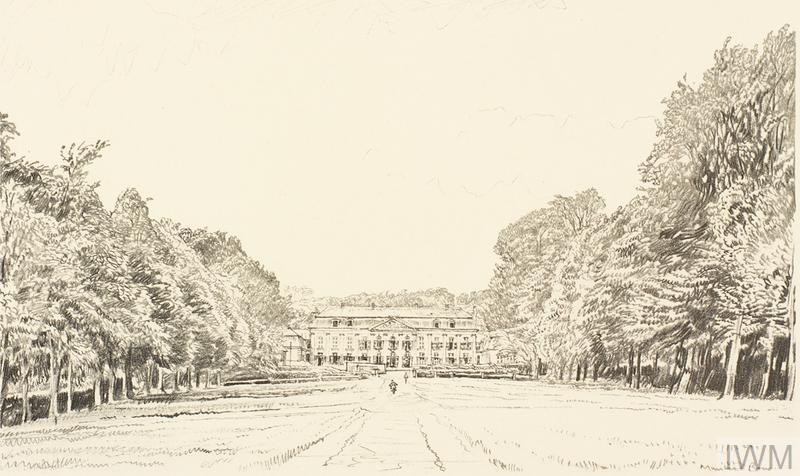
Graves' assertion that reliable divisions were used for the more important attacks is borne out by a record of an Army Commanders' Conference held at Rollencourt Chateau on 27 January 1917, which states:
The Commander in Chief also drew attention to the necessity of studying the value of the different divisions allotted to the attack so that the best divisions might be given the most important roles.
Paddy Griffith picked up on this, stating that "Once a division won a reputation it would be sought after". Other writers took up the same theme as Graves; J.C. Dunn (in The War the Infantry Knew) observed that:
Although some of the Territorial and Kitchener Divisions that have been out for a time did very well [at Loos], I'd rather have a brigade of the Old Army, for all the wastage and replacement of fourteen months, than a division of the new.
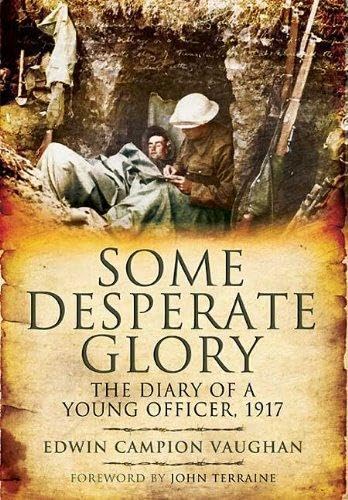
Some divisions may have become tarnished owing to one incident, such as the 42nd (East Lancashire) Division, which was accused of being "windy" by soldiers in Edwin Vaughan's battalion (see Some Desperate Glory).

Other divisions have gained a reputation of being elite, the 51st (Highland) Division being the most obvious example of this.
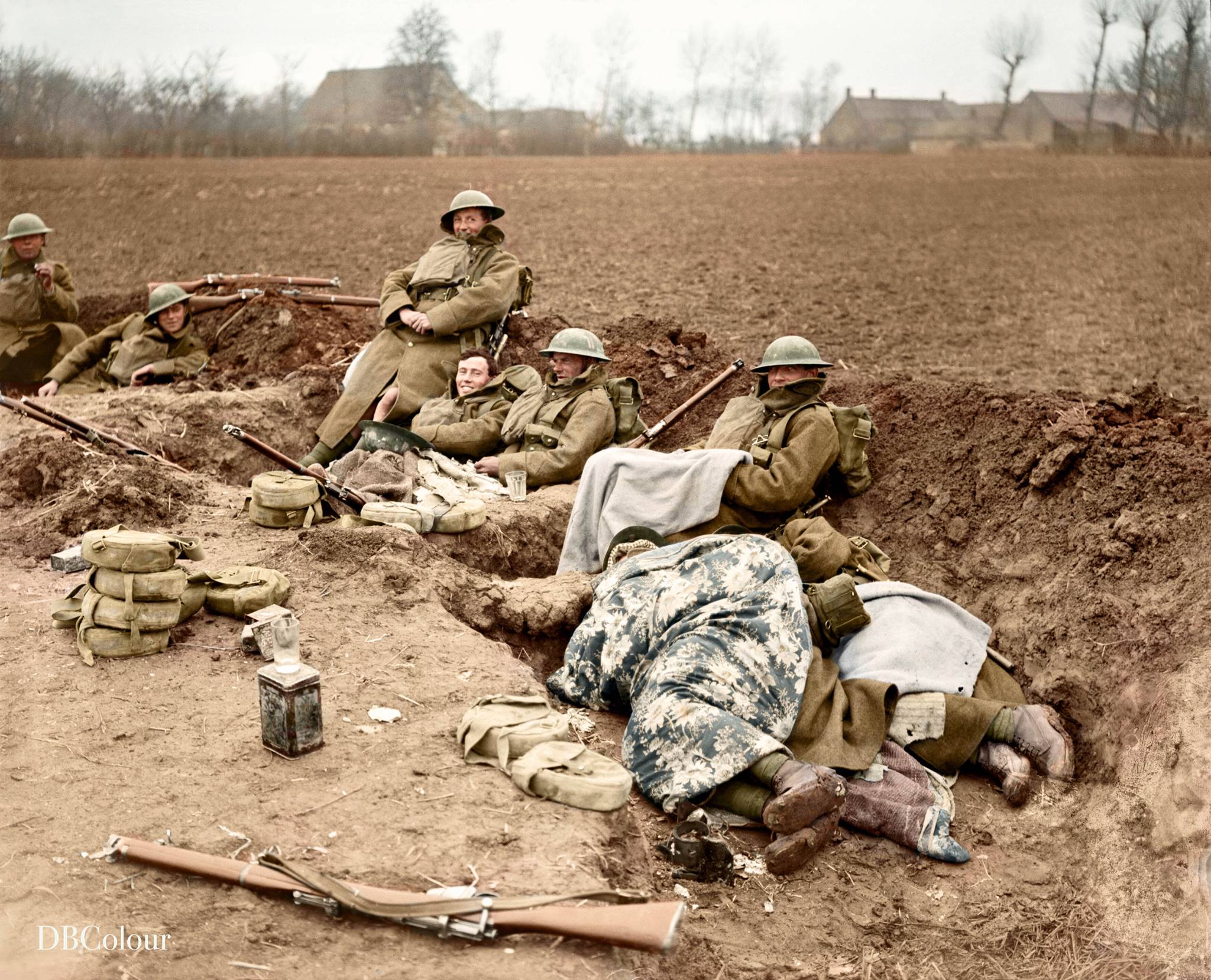
However, some divisions may have ‘earned' their reputation by other means: Paddy Griffith suggests that the 55th (West Lancashire) Division's reputation came about owing to its commander, Major-General H S Jeudwine, being on friendly terms with the Official Historian, James Edmonds. There seems to be no evidence that troops in the 55th felt they were superior, but as Graves states, the elite list always contained "the speaker's own division".
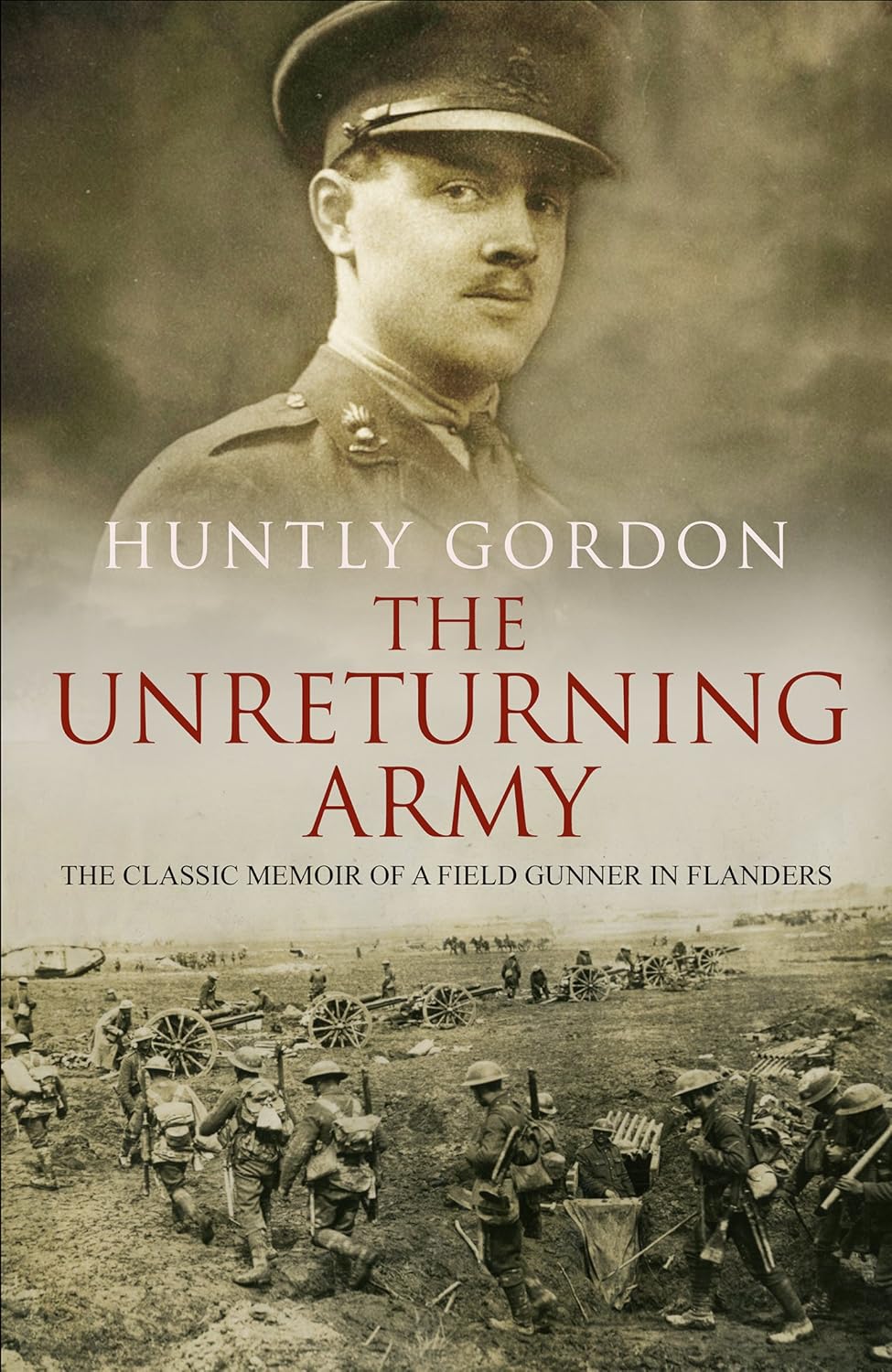
This is supported by Holmes, quoting Huntly Gordon's The Unreturning Army: "...there is no doubt the 25th is one of our crack divisions, what the Boche calls ‘storm troops'..."
Perversely, some soldiers may have revelled in having a poor reputation. Martin Middlebrook tells us that the 61st (South Midland) Division called itself the ‘sixty-worst'. This has the feeling of an accurate quotation, as this will have obtained this from an interview with an old soldier but, according to Gary Sheffield, the 31st is "... unkindly known to some historians as the Thirty-Worst". Knowing the performance of this famous ‘pals' division, the tag seems more appropriate to the 31st Division than the 61st.
The SHLM Project (named after its originators Peter Simkins, Bryn Hammond, John Lee and Chris McCarthy who gave their initials its title) was intended to create a comprehensive database of BEF divisions, rating them individually and against each other according to a series of performance indicators including variables such as weather, terrain and the enemy. This undertaking however, in the words of John Bourne, has "collapsed under its own weight". It is to be hoped that this important project will at some stage be recommenced.
Further details of SHLM can be seen in John Lee's ‘The SHLM Project - Assessing the Battle Performance of British Divisions' in Paddy Griffith (editor) British Fighting Methods in the Great War.
Becoming a member of The Western Front Association (WFA) offers a wealth of resources and opportunities for those passionate about the history of the First World War. Here's just three of the benefits we offer:

This magazine provides updates on WW1 related news, WFA activities and events.

Access online tours of significant WWI sites, providing immense learning experience.

Listen to over 300 episodes of the "Mentioned in Dispatches" podcast.


