
My Most Thrilling Flight
The following account was written by 'Captain' (as he styled himself) W.E. Johns and was published in 'Popular Flying' in June 1932. The text is true to the original, but end notes have been added.
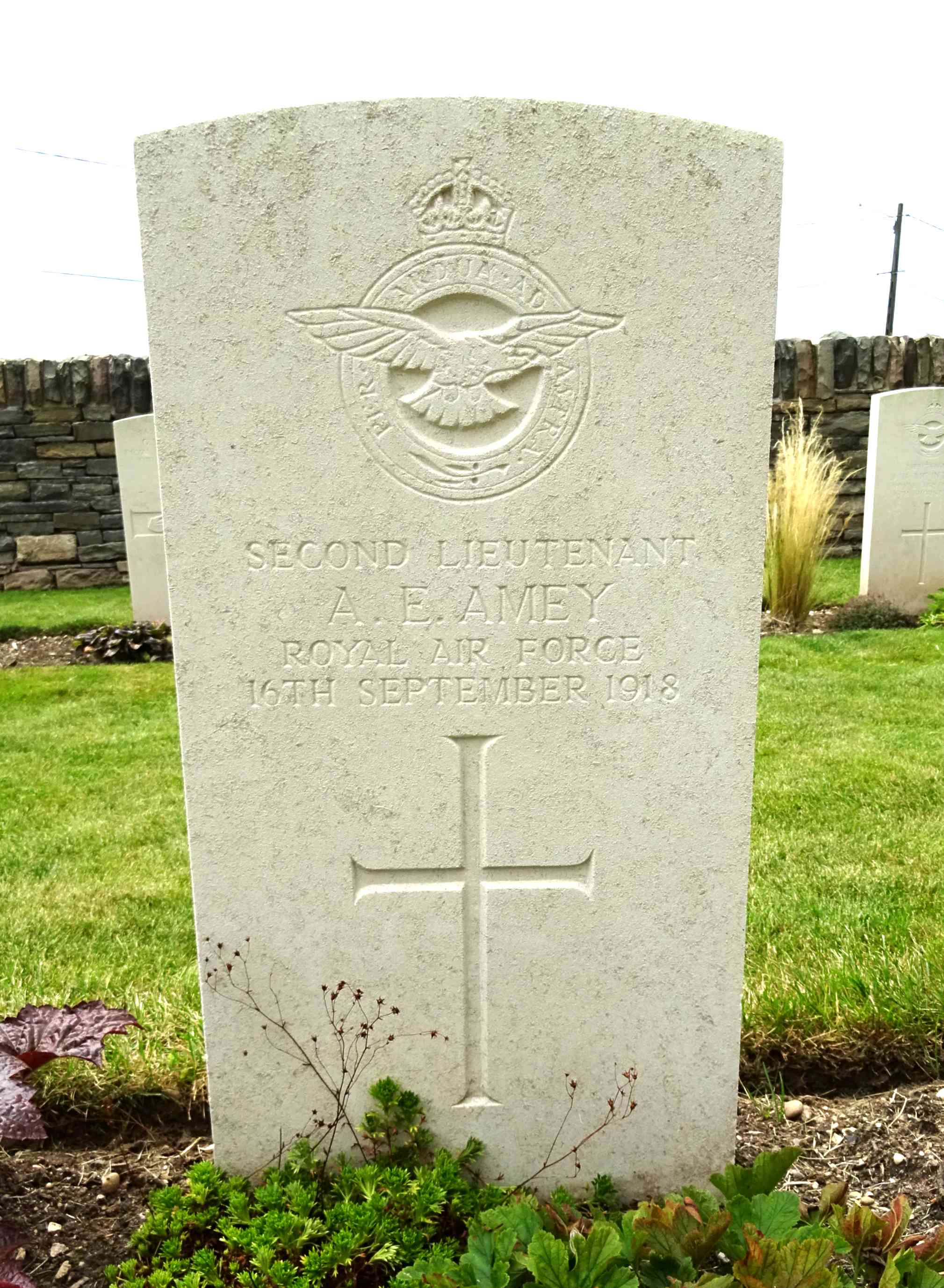
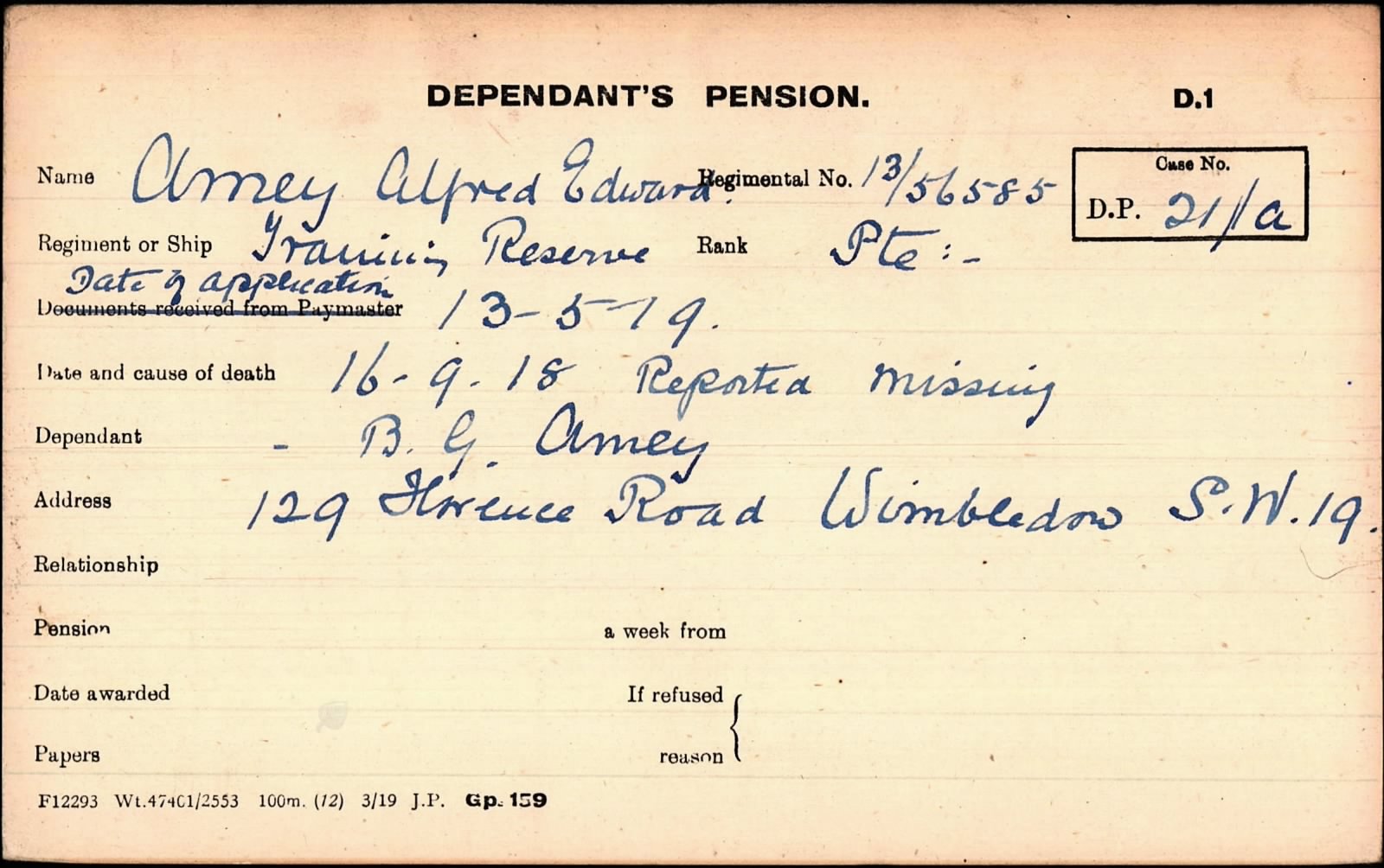
In the Air Ministry official history of No. 55 Squadron appears the following extract:— "The following day the bombers left for Mannheim . . . 2nd Lieutenants W. E. Johns and A. E. Amey failed to return. It was subsequently learned that Amey was dead, Johns made prisoner."
A concise statement of facts, but the details of this insignificant event were not so simple as the brief announcement might lead one to believe—at least, as far as I was concerned.
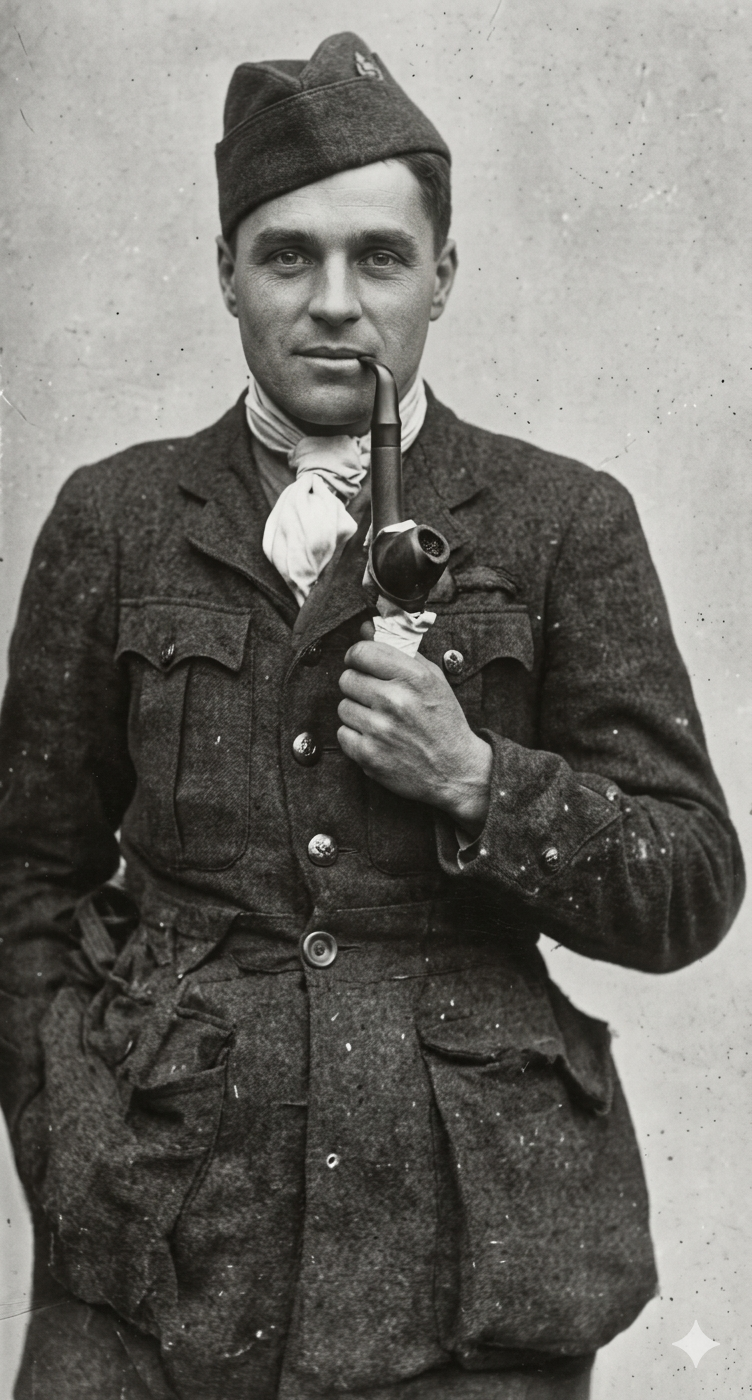
In September, 1918, things were going badly with 55. During the preceding month twenty officers had failed to return, and the machines which had returned staggered home shot to pieces, often with dead gunners in the cockpits. Twice, one machine only out of a formation of six had got back to the aerodrome at Azelot. The fact that five fire-eating Jagdstaffels, including Udet's,[1] had been sent down from up north to reinforce the enemy probably had something to do with it.
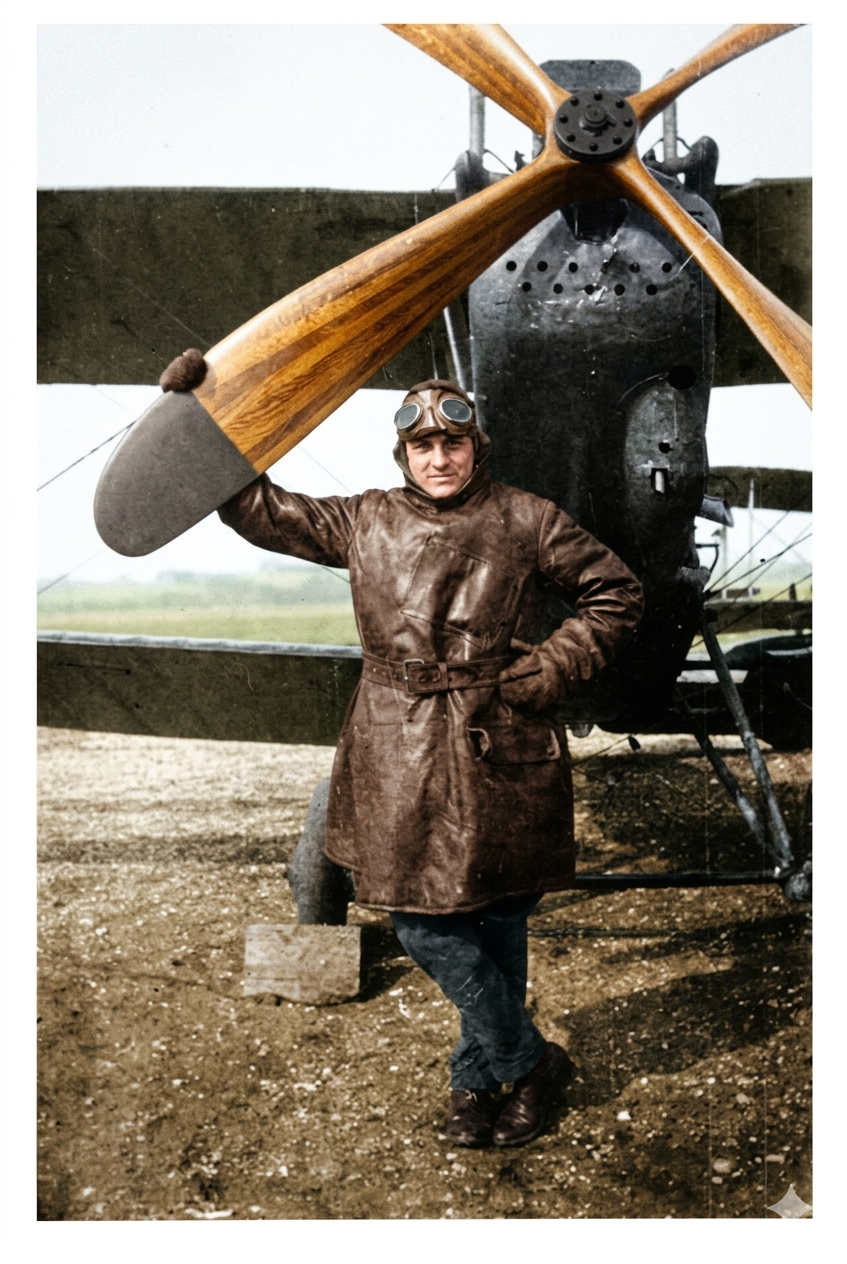
At 5 a.m. on September 16th I sat yawning in the cockpit of a D.H.4, waiting for the engine to warm up. I had done five long shows in as many days and was beginning to feel the strain; four to five hours on end at 21,000 feet fighting most of the time, tends to become exhausting. To-day, six of us were going to bomb Mannheim; I was about to start my most thrilling flight. My time had come, but fortunately I did not know it.
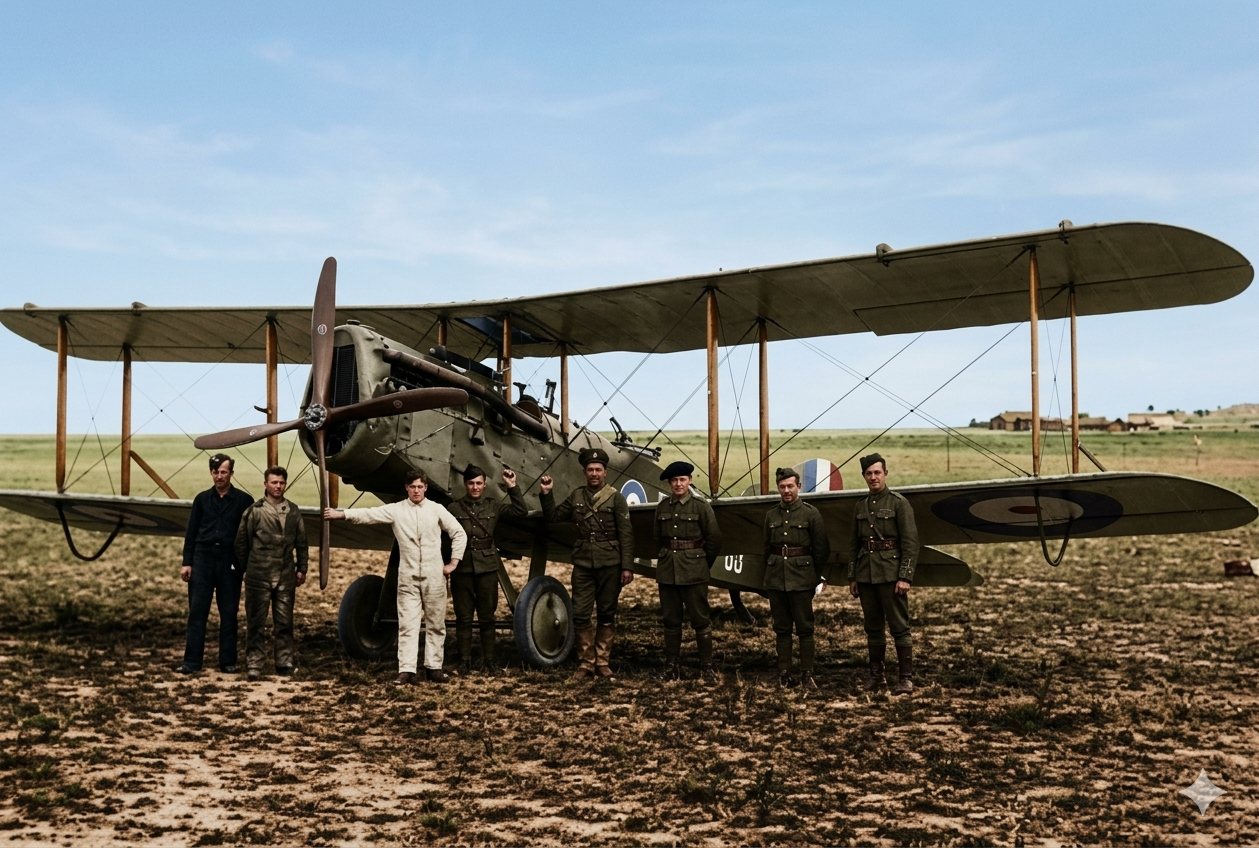
The trouble began near Savern.[2] I was watching a string of what appeared to be gaudy butterflies crawling along the ground; now and then the sun flashed on their wings. It was a full squadron of Fokker D.VII’s trailing us, and climbing fast. There was a bit of archie about, nothing to worry us, but the odd chance came off. There was a terrific explosion almost in my face, and a blast of air and smoke nearly turned my machine over. I tried the controls anxiously and all seemed well, but a stink of petrol filled my nostrils and I glanced down; my cockpit was swimming with the stuff.
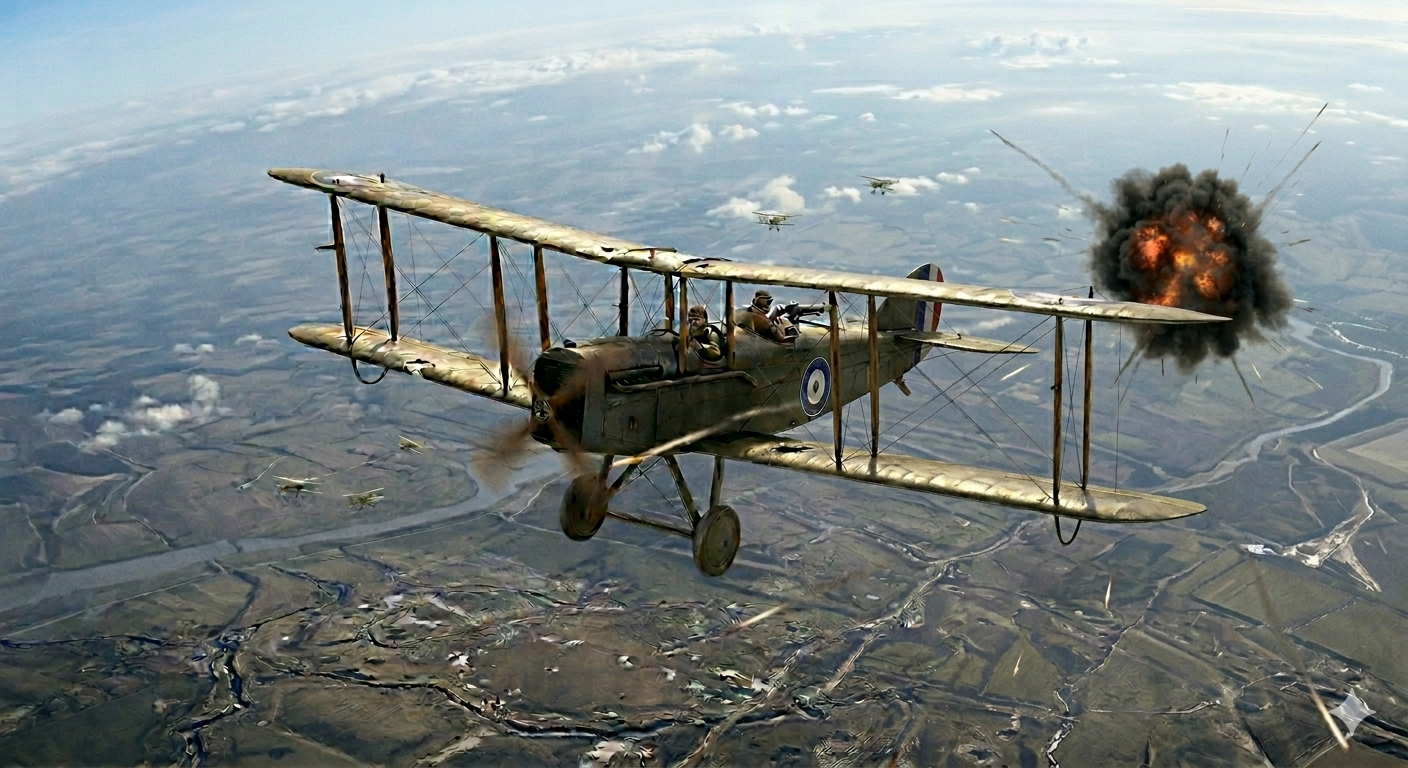
I switched over to my near main tank—it was empty. A quick glance revealed the Fokkers now about 4,000 feet below and two miles behind. I could not go on with the formation for I had not enough petrol, but I had just about enough to reach the lines if I could get through. I was about sixty miles from home; my altimeter read 19,500 feet.
Pulling the bomb-toggle I sent my single 230-lb. bomb on its last journey; where it fell I do not know, for there were other things to attend to. As I swung up into the sun Amey fired a green Very light to let the others know we were leaving the formation, and why the flash did not fire the petrol-soaked machine will always be a mystery. I settled down for the race home hoping the enemy would not see me. What a hope!
Within five minutes Amey’s gun was talking; seven or eight Fokkers had not only caught us, but had height of us.
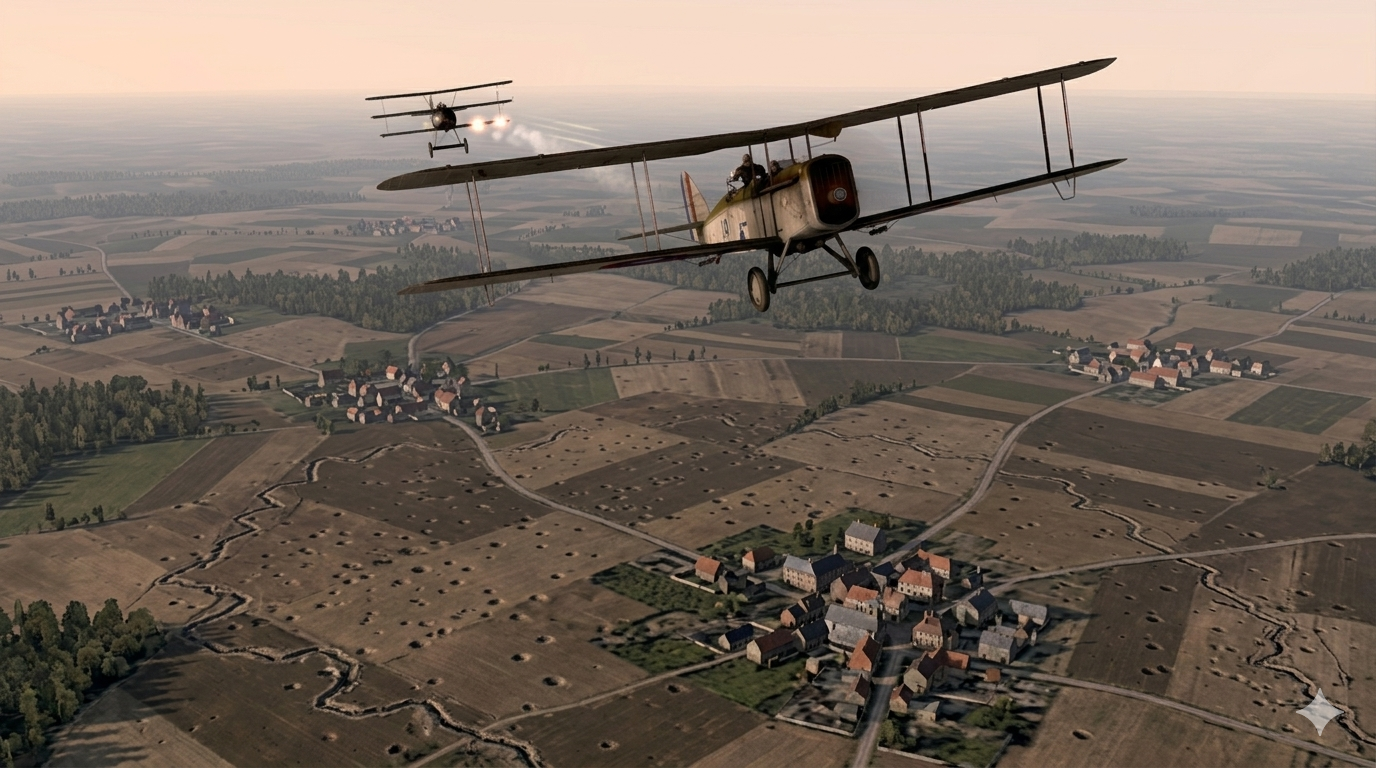
Toying with the compensator I climbed to 21,000 feet, but the coloured gentlemen were still with me. The leader came in with a rush and I touched the rudder-bar to let his tracer go by. A bunch of them came up under my elevators and I kicked out my foot, slewing Amey round without losing height, to bring his guns to bear. The Fokkers came right in and I give them credit for facing Amey’s music. One turned over, a second spun out of it, but another came right in to point-blank range; Amey raked him fore and aft without stopping him. Others came down on us from above.
My sky-light was ripped to shreds, the instrument board shed glass and sawdust, a bullet ripped my goggles off and another seared my hip. Wiping the blood out of my eyes, I looked back. Poor Amey was sagging slowly on to the floor of his cockpit.
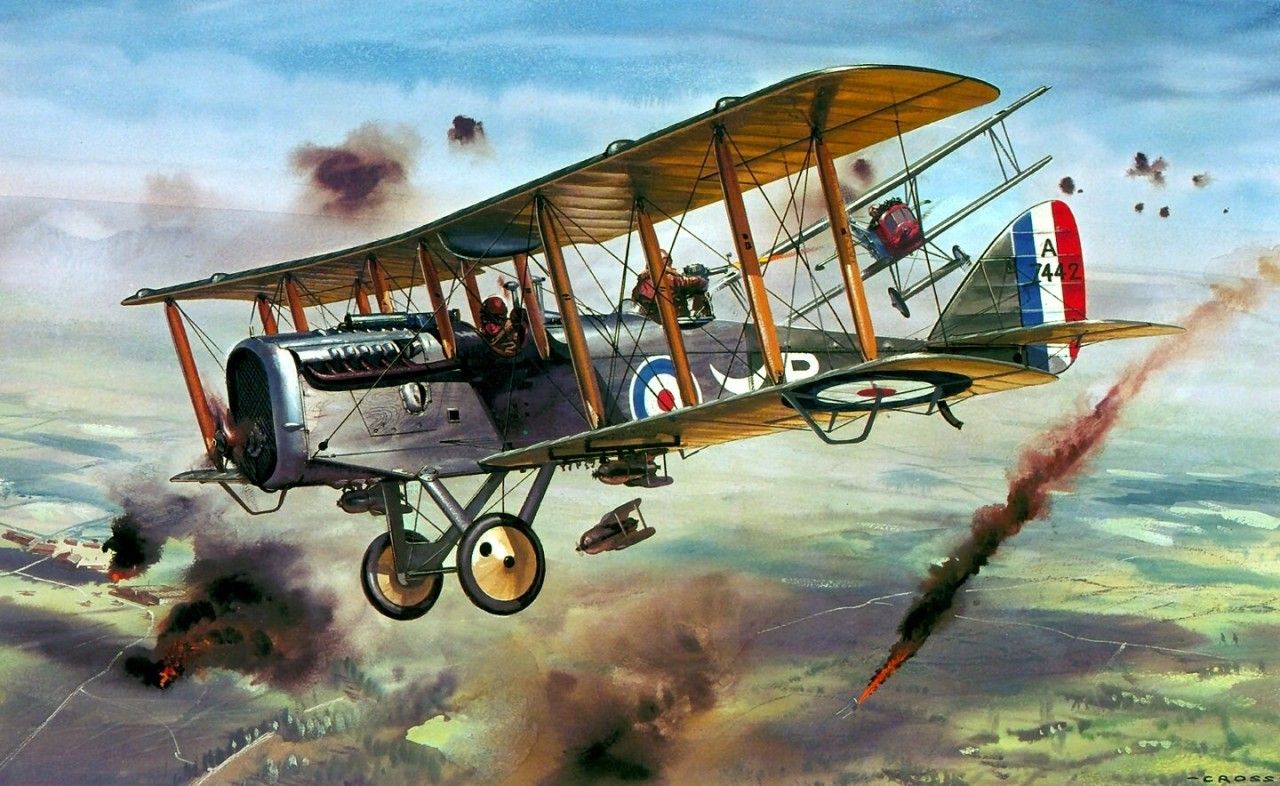
Sick with fright and fury I looked around for help, but from horizon to horizon stretched the unbroken blue of a summer sky. Bullets were striking the machine all the time like whip-lashes, so I put her in a steep bank and held her there while I considered the position. For perhaps five minutes we tore round and round, the enemy getting in a burst now and then and me "browning" the whole bunch of them, but I could not go on indefinitely. My ammunition was running low and I was still over forty miles from home.
Things looked bad. To try to make forty miles against ten or a dozen enemy machines (several others were joining in the fun) was going to be difficult. In fact, I strongly suspected that my time had come.
I shot off at a tangent, but they were on me before I had gone a mile, shooting the machine to pieces about me. I think I must have gone crazy then, for I yanked the machine round and went for them like a mad dog.
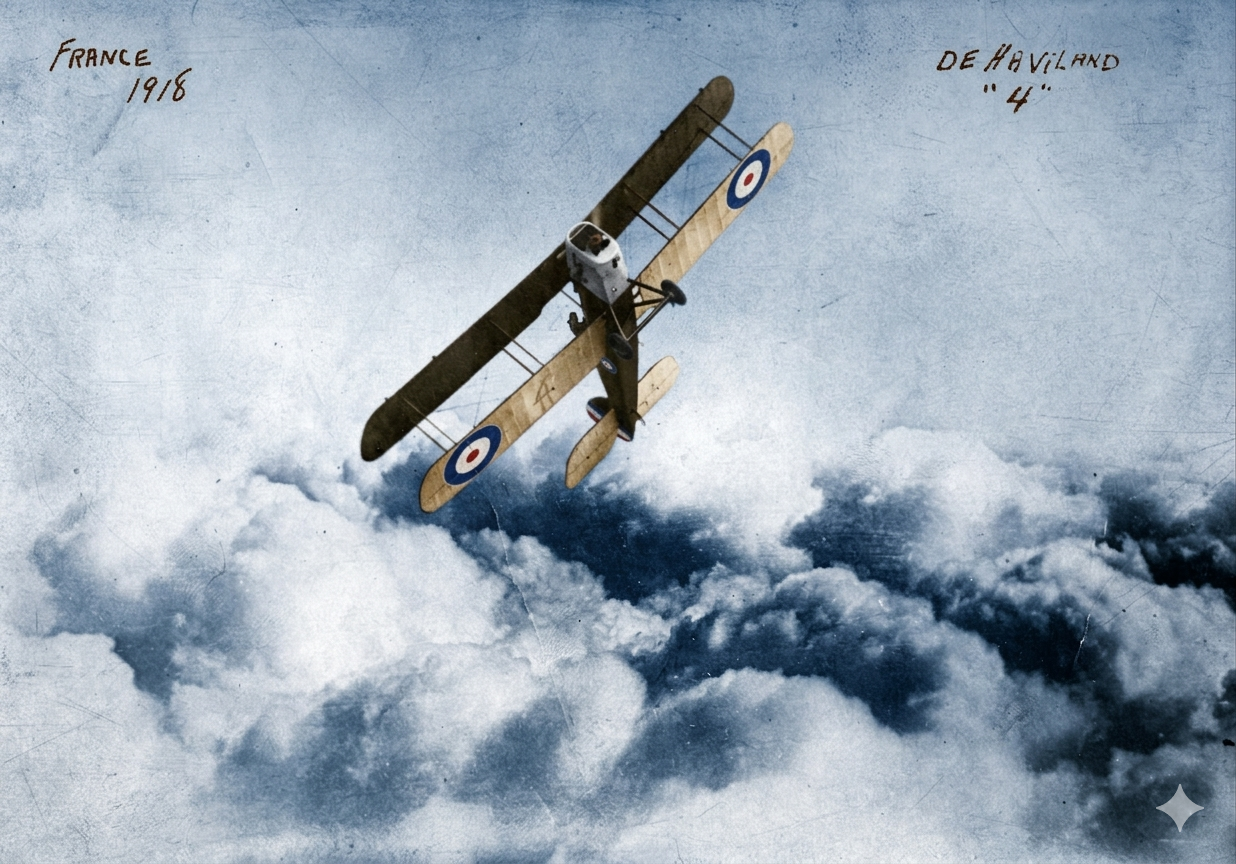
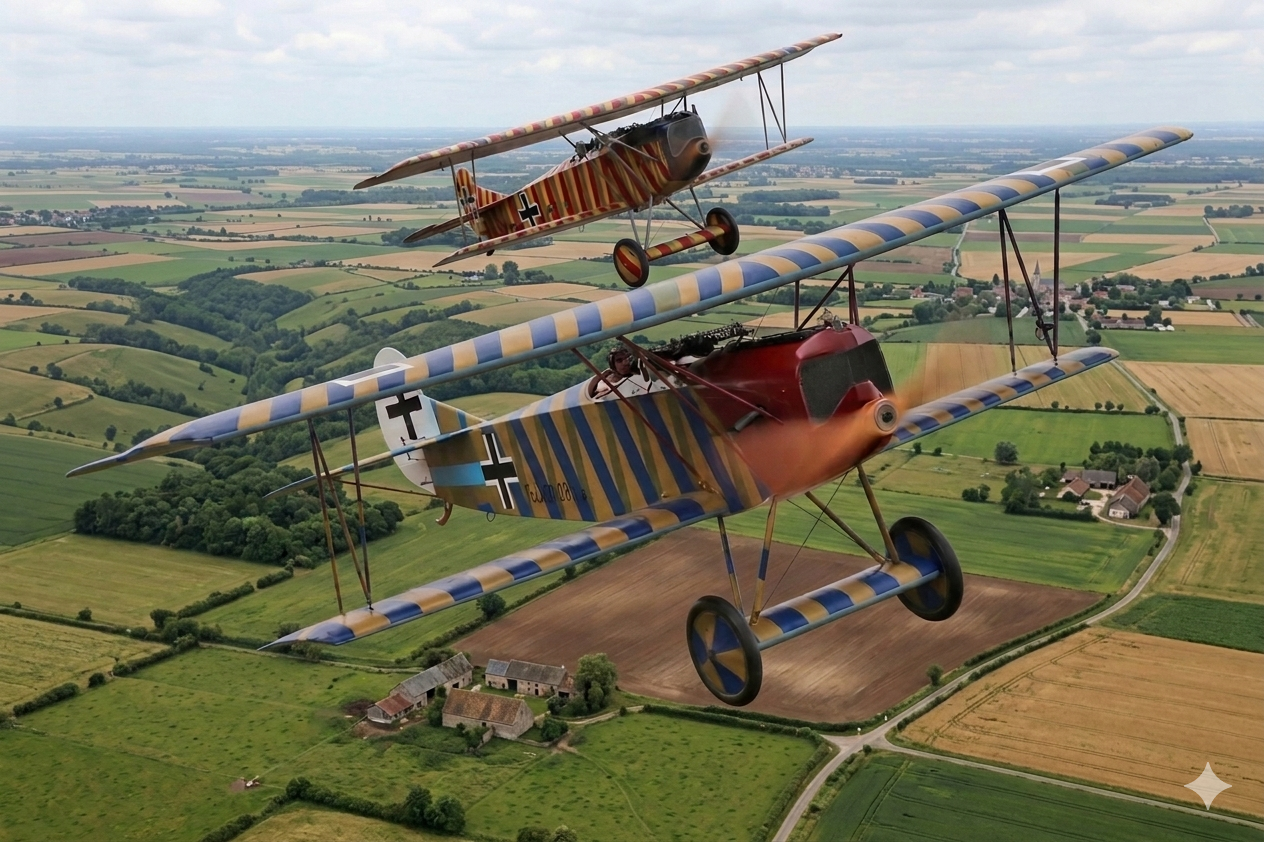
The next few minutes were like a bad dream. Whichever way I looked I saw Fokkers, red, blue, yellow, orange, striped like tigers and spotted like leopards.
You will believe me when I say I threw that old "four" about like a single-seater, not so much to fight as to try to dodge the hail of lead. How it held together I do not know. If anyone is doubtful about his ability to stunt, the situation I am describing provides an excellent test. There is nothing like a burst of machine-gun bullets to make you shake the stick. We lost height rapidly of course. Eighteen, fifteen, ten, eight thousand, and we were still at it.
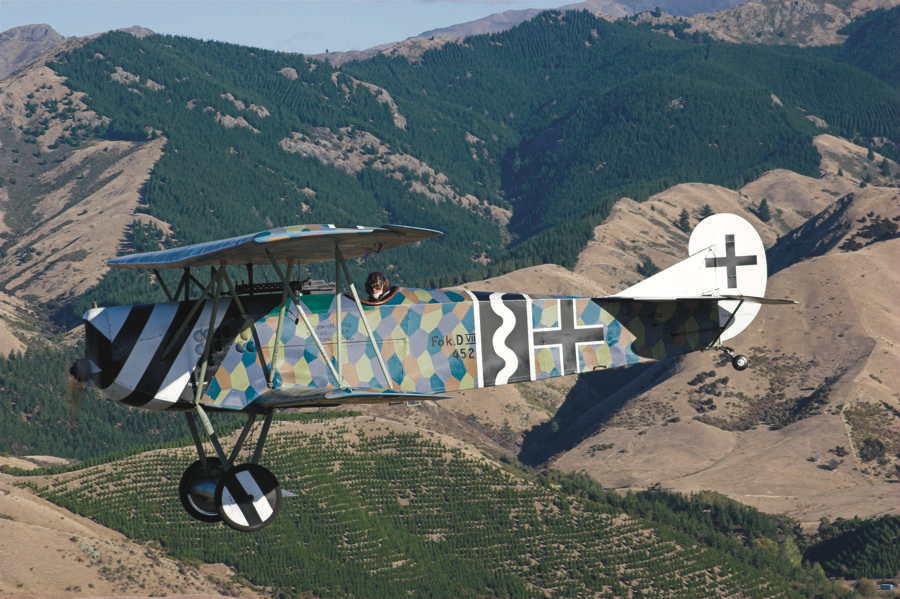
Wires trailed loose behind me, fabric stripped off, and a centre-section strut splintered at the fuselage junction. At 6,000 a striped gentleman put his gun nearly in my ear and sent a stream of lead over my shoulder into the engine;[3] she cut out dead, a cloud of white petrol vapour trailed aft, and I braced myself for the inevitable flames; I had seen the vapour, and what followed it, before. That was my worst moment. I switched off and literally flung the machine into a vertical sideslip, but she still smoked as the petrol ran over the hot engine. Suddenly the joystick went loose in my hand as the controls broke somewhere; we spun, half came out, and spun again.
With my left hand I tried to wipe the blood and broken goggles off my eyes in order to see where we were going, while with my right I fought to get the machine under control, but it was useless.
Below me a man who had been ploughing was running in one direction and his horse in another; bullets were still flicking up the dust about them. Every detail of that field is stamped on my memory with vivid clarity. I knew I was going to crash, but curiously enough I do not think I was afraid; (I have been much more scared on other occasions). I hadn't time to be scared. My brain was whirling at full revs.—should I jump as we hit the ground—should I unfasten my belt—and so on, and all the time I was automatically trying to get the machine on even keel.
Twice her nose nearly came up of her own accord as she tried to right herself, and it was in this position that we struck. A clump of trees on the edge of the field seemed to rush and meet me. I remember kicking out my foot instinctively, lifting my knees to my chin and covering my eyes. There was a crash like the end of the world.[4]
My next recollection is fighting like a madman to get out of the wreck before it fired. I still had the horror of fire on me, and I suppose every pilot would feel the same. When I got out I leaned against the vertically poised fuselage and picked pieces of glass from the instrument dials out of my face. I was bleeding pretty badly for my nose was broken and my lips smashed to pulp.
In that frightful crash my feet had thrust the soles off my flying-boots and the eight-inch-deep leather safety-belt went to pieces like tissue paper, ripping all the clothing and skin off my stomach as cleanly as if it had been cut with a razor.
That rattle of a gun made me look up and bullets kicked up the earth around me. (The German pilot afterwards told me he did this to drive me away from the machine as he thought I was trying to set fire to it.) I tried to get Amey out of the wreckage, but couldn't,[5] so I could not set fire to the machine, although I had a Very pistol in the knee pocket of my sidcot.
A long line of grey-coated soldiers with an officer at their head came sprinting down the field and I knew that as far as I was concerned the war was over. By some miracle—it was hardly less—I suffered no serious injury, but I was bruised from head to foot and it was some time before I could stand upright. The safety-belt probably saved my life.
In sixteen years' flying in different parts of the world I have had many more or less thrilling flights, but thank goodness none quite so thrilling as the one on September 16th, 1918.
Further Reading
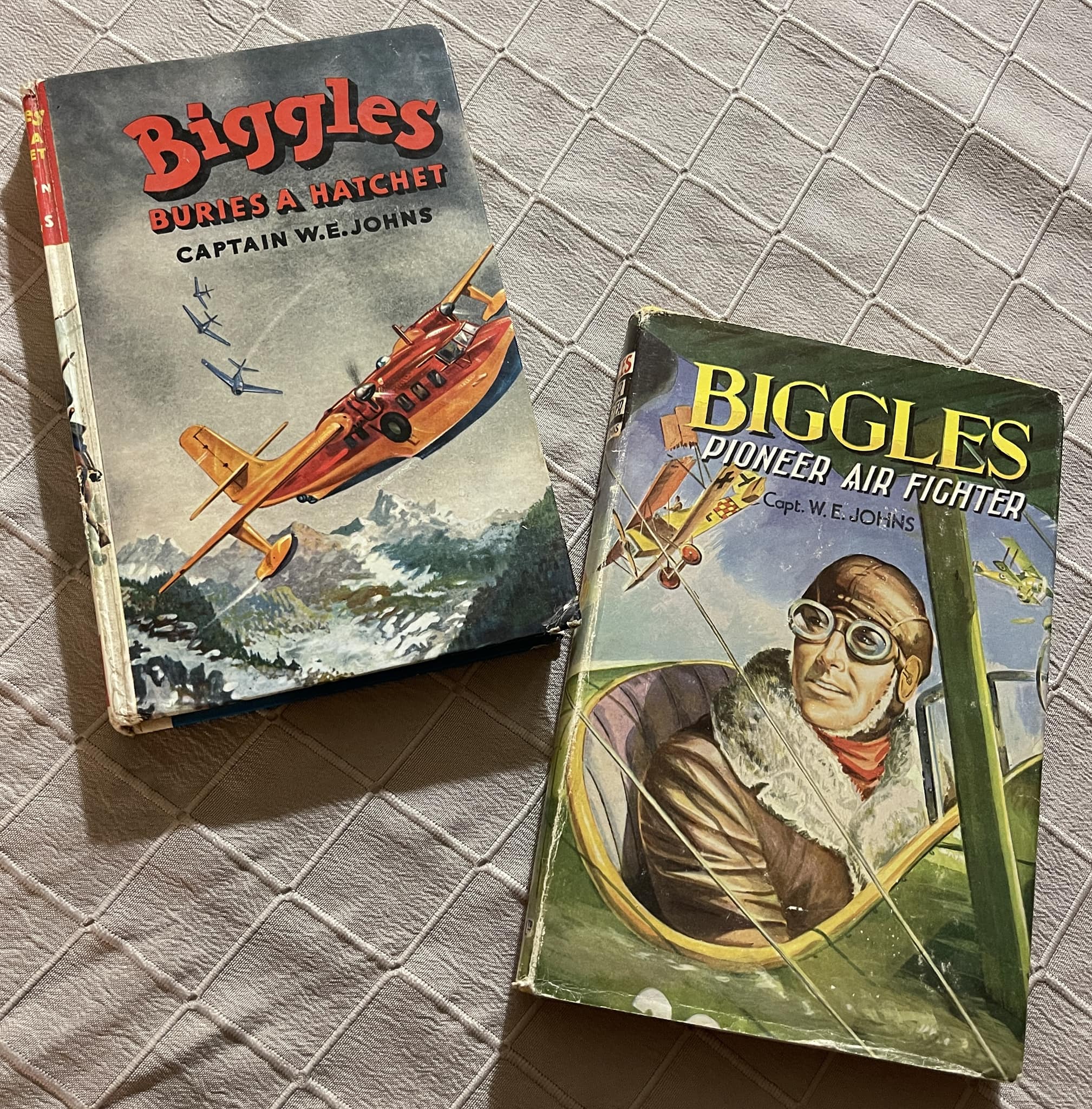
The account above was published in June 1932, three years later Johns described his recollections of 55 Squadron and how he joined the unit. This is entitled 'Memories of 55'
Additionally, Johns described a raid on Stuttgart in an anonymous piece in 'Twenty Years After'. This can be read here: A raid on Stuttgart by 55 Squadron.
The career of W.E. Johns is summarised in a further article here, which digs deeper into the above autobiographical account of Johns being shot down: Biggles’ Last Flight: the flying career of Captain WE Johns
An account of a raid on his aerodrome at Azelot became the basis of a 'Biggles' short story. This can be seen here: Biggles, the Battle of the Flowers and the RAF in the First World War.
References
[1] Ernst Udet, a German 'ace'
[2] The formation from 55 Squadron climbed away from Azelot and crossed the front line near Raon-l'Étape and headed towards Saverne. It was at about this point that Johns' DH4 seems to have been hit by ‘archie’.
[3] The "striped gentleman" he mentions was likely a pilot from Jagdstaffel 3; historical records credit the victory to Georg Weiner. Leutnant Georg Weiner, who was in command of Jasta 3 claimed he had downed an aircraft at 1.30pm on 16 September near Alteckendorf. It is believed that this was Johns’ machine. Weiner was to end the war with a total of nine victims – which was enough for him to be classified as an “ace”.
[4] Using 'Google Maps', the line of Johns’ final flight can be roughly tracked.
[5] Unfortunately, Amey was to die of his wounds later that day.
Becoming a member of The Western Front Association (WFA) offers a wealth of resources and opportunities for those passionate about the history of the First World War. Here's just three of the benefits we offer:

The WFA regularly makes available webinars which can be viewed 'live' from home. These feature expert speakers talking about a particular aspect of the Great War.

Featured on The WFA's YouTube channel are modern day re-interpretations of the inter-war magazine 'I Was There!' which recount the memories of soldiers who 'were there'.

Explore over 8 million digitized pension records, Medal Index Cards and Ministry of Pension Documents, preserved by the WFA.
Other Articles


