
The Boy Who became an Ace: Captain Alexander Beck
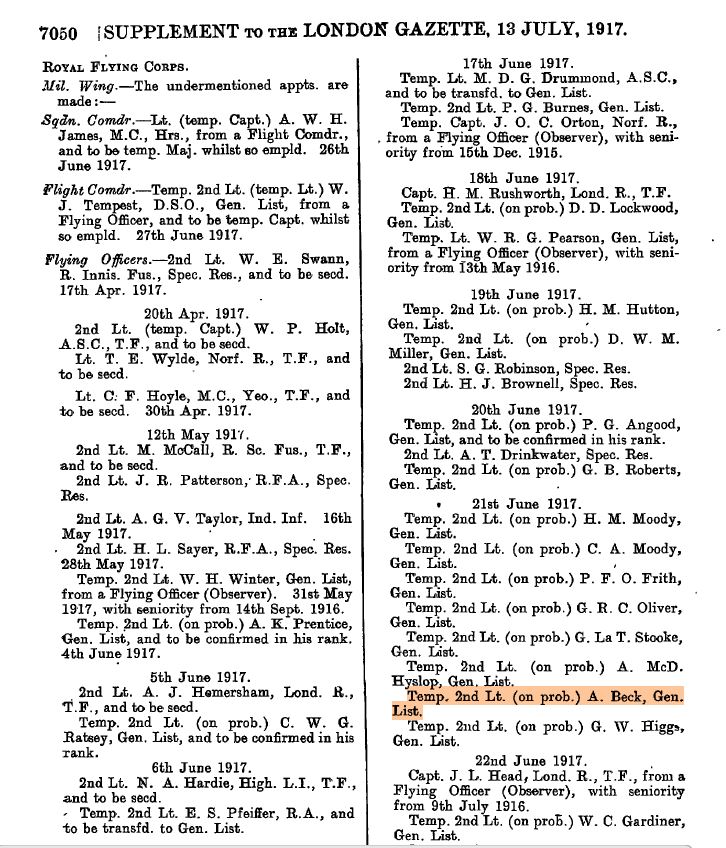
Born on 3 November 1899 in Argentina to English parents who originated in Cumbria, Alexander Beck was sent back to the UK to attend school. While he was in England the First World war broke out and at just 17 years old he lied about his age to join the Royal Flying Corps.
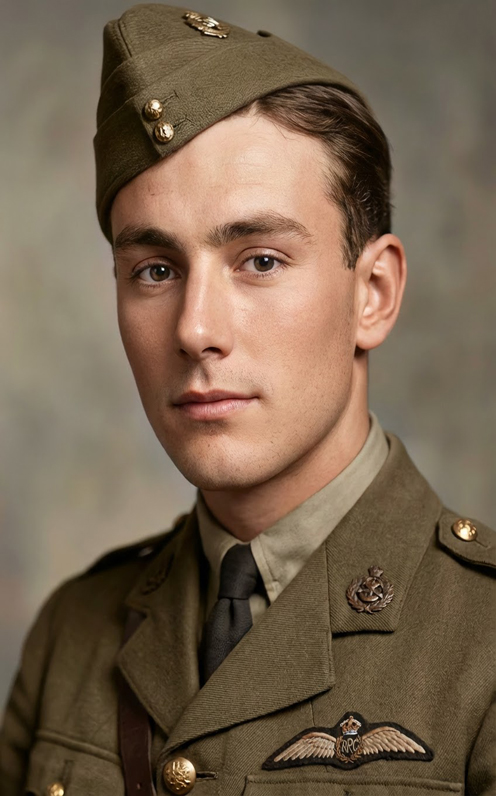
Early combats
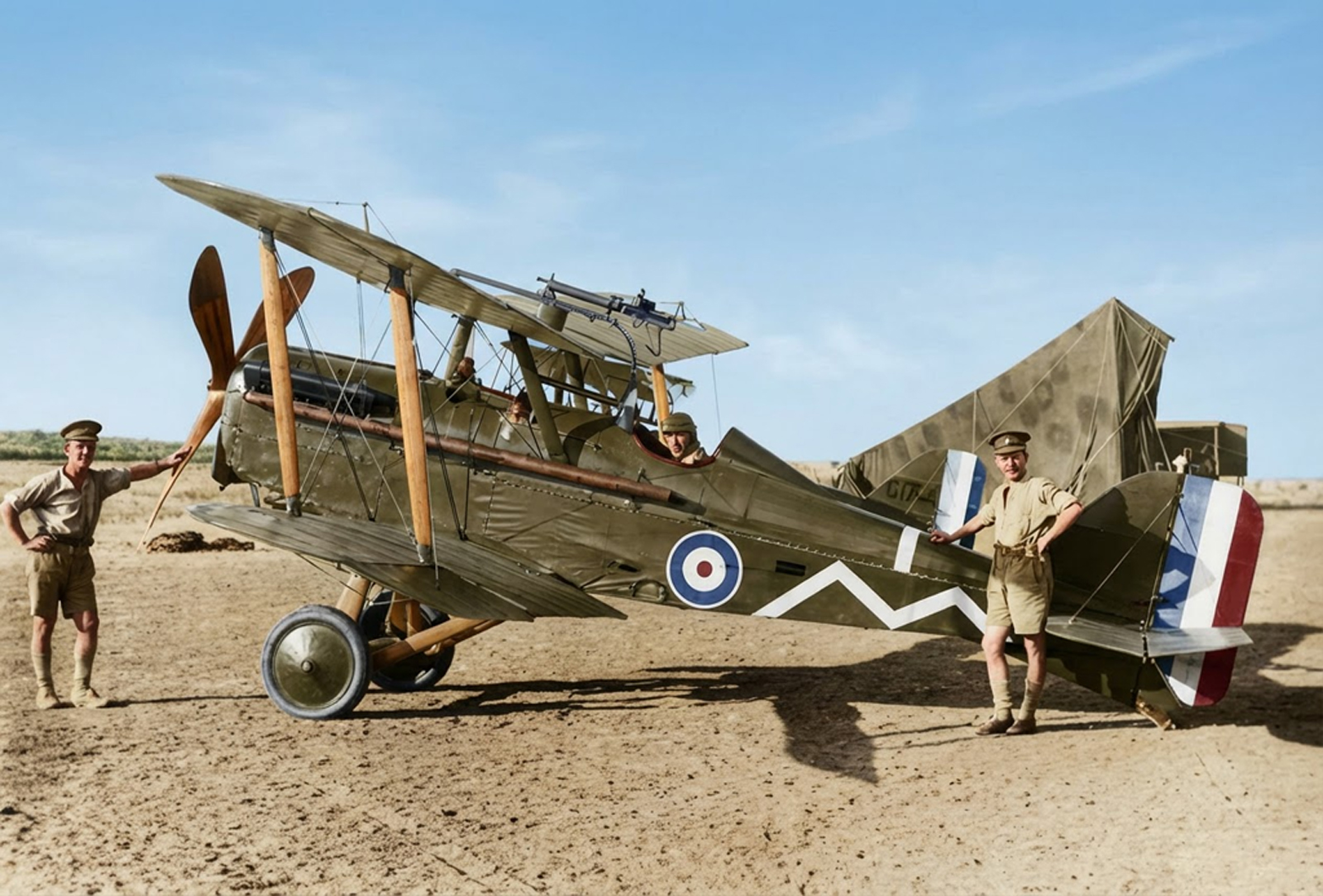
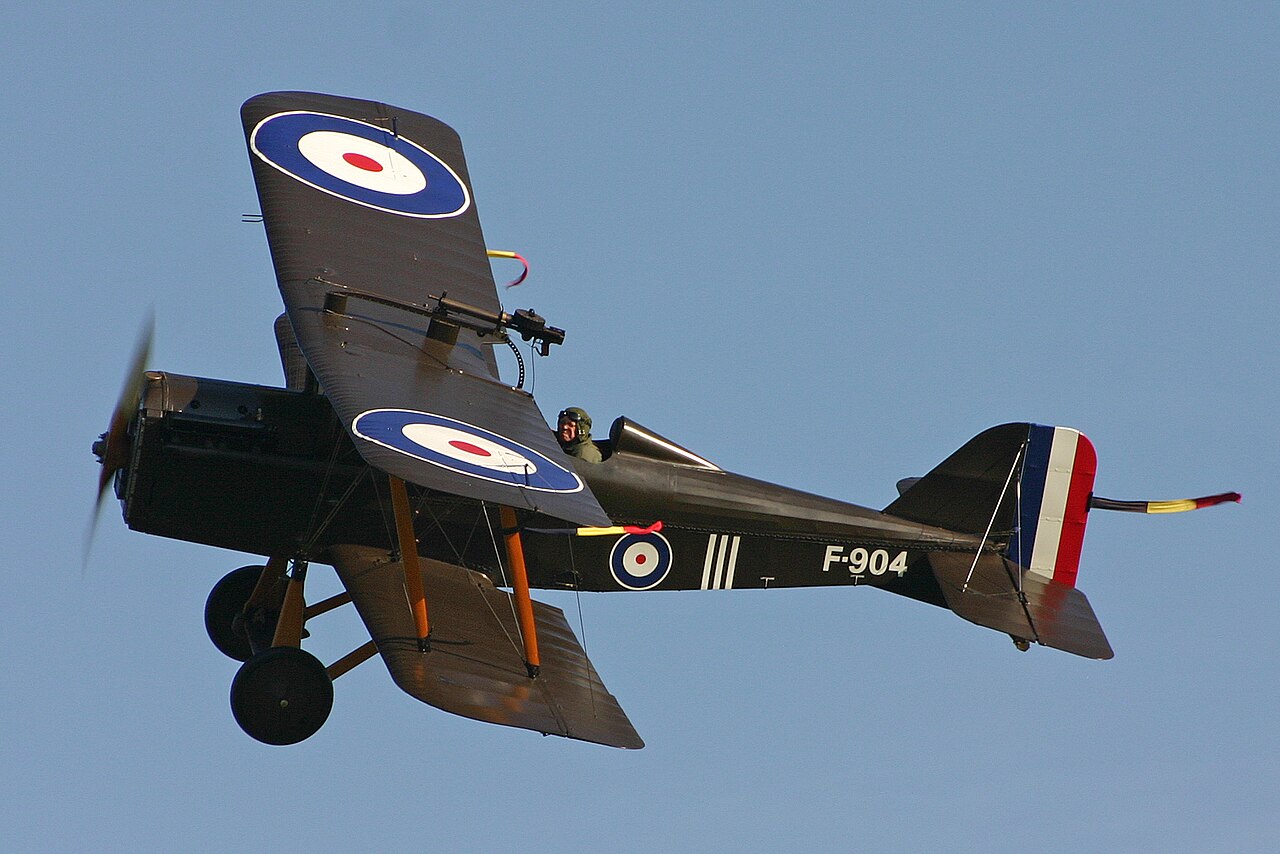
By the summer of 1917, Beck had completed his training and was posted to No. 60 Squadron. He was assigned the Royal Aircraft Factory S.E.5a, one of Britain’s premier fighters. It was a sophisticated beast for its era, powered by a Hispano-Suiza V8 engine and capable of reaching 120mph at an altitude of 15,000 feet. Armed with a synchronised .303 Vickers machine gun and a wing-mounted Lewis gun, the S.E.5a was stable and lethal—but only in the hands of someone who could master its nuances.
Beck proved to be a natural. Before his parents even realised he had left his studies, he had already completed 13 combat sorties over the Western Front, dodging "Archie" (anti-aircraft fire) and seasoned German scouts. When the truth finally came out, his parents notified the authorities of his age, and he was abruptly sent home. However, this was merely a brief intermission. The moment he turned 18 in early 1918, he returned to No. 60 Squadron, possessing a rare commodity for a new recruit: the cold confidence of a man who had already seen the face of war.
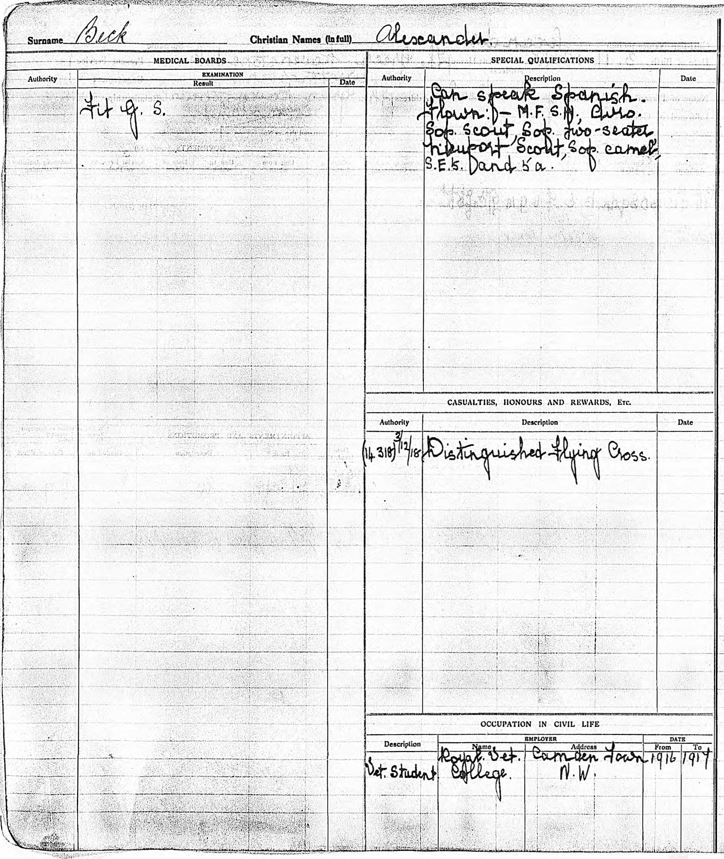
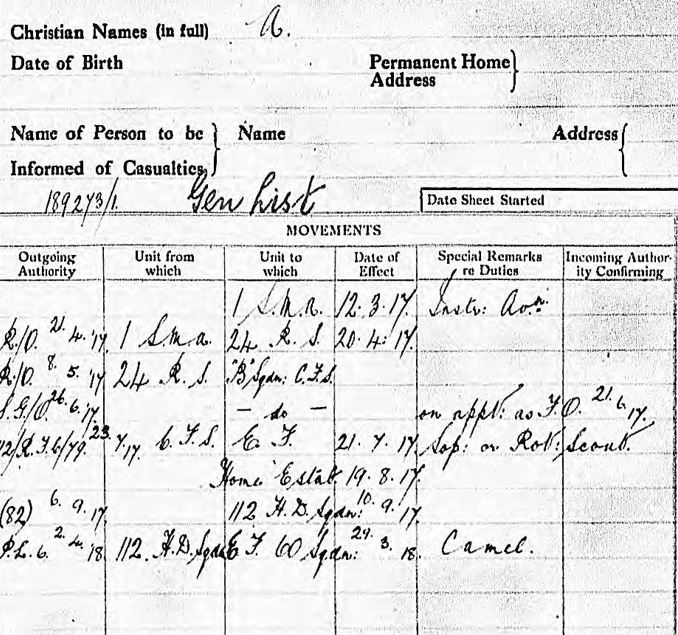
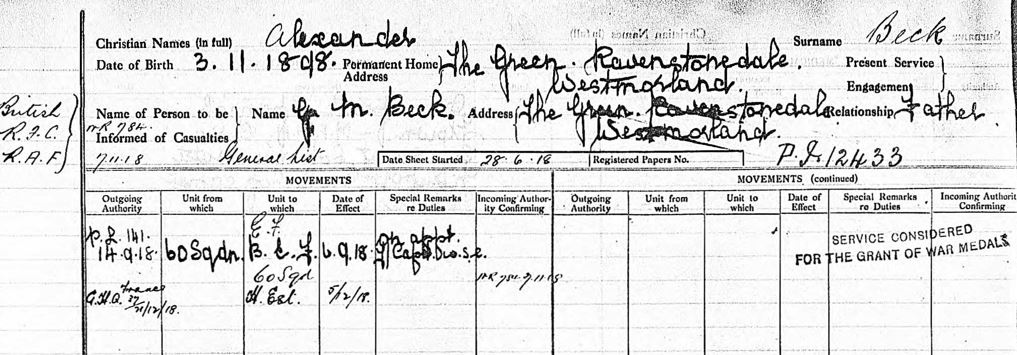
1918 and ‘Ace’ status
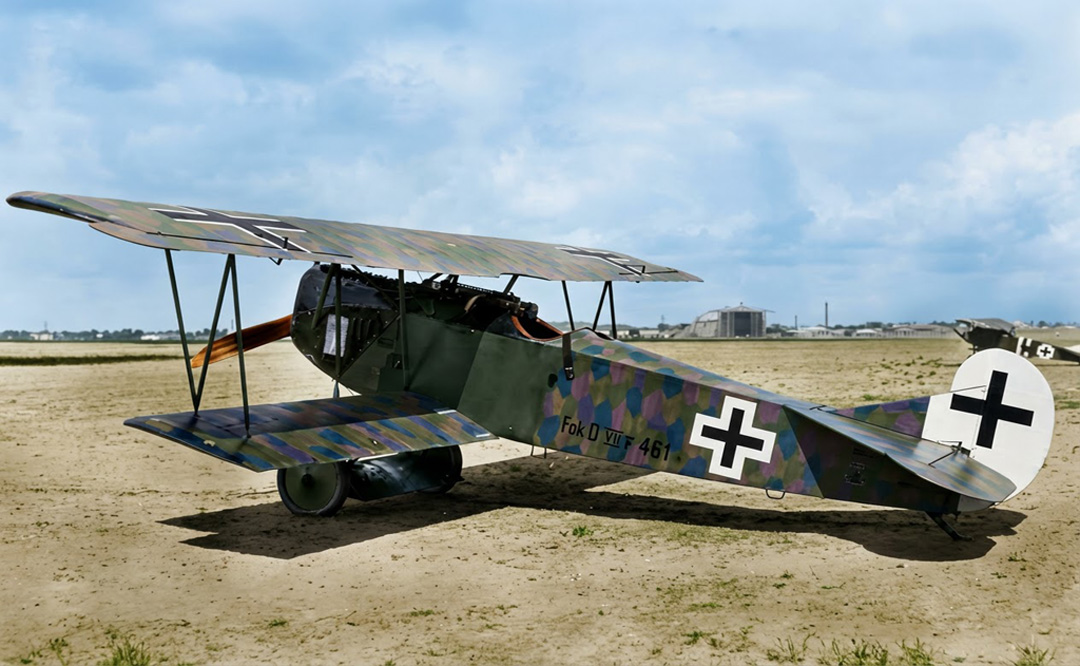
On August 8, 1918, he scored his first victory by downing a German Fokker D.VII over Folies Rosières. His momentum was relentless. Within days, he struck down a Hannover reconnaissance craft and an Albatros D.V.
By late September, after downing an LVG over Cambrai, Beck earned the status of "Ace," a distinction reserved for those with five or more confirmed kills. He had become a specialist in hunting the heavily defended two-seater reconnaissance planes that acted as the eyes of the German high command.
The October Surge and the Final Victory
October 1918 saw Beck reach the height of his prowess. In that single month, he hunted down five more aircraft, including the Halberstadt C-type and multiple Fokker D.VIIs. His aggressive, skillful leadership earned him a promotion to acting captain and flight commander.
On November 1, 1918, over Mormal Woods, Beck scored his 11th and final victory. It was the last victory claimed by No. 60 Squadron before the Armistice was signed. At just 18 years old, he had accomplished more in the air than most men do in a lifetime.
Captain Alexander Beck's list of victories
(Courtesy of www.theaerodrome.com/aces/england/beck.php)
| Date | Time | Unit | Aircraft | Opponent | Location | |
| 1 | 08-Aug-18 | 1255 | 60 | S.E.5a (D6945) | Fokker D.VII (DES) | Folier-Rosières |
| 2 | 14-Aug-18 | 615 | 60 | S.E.5a (D6945) | Hannover C (DES) | Riencourt |
| 3 | 14-Aug-18 | 945 | 60 | S.E.5a (D6945) | Albatros D.V (DES) | Guemappe |
| 4 | 31-Aug-18 | 1020 | 60 | S.E.5a (D6945) | LVG C (DES) 1 | Inchy |
| 5 | 28-Sep-18 | 825 | 60 | S.E.5a (F5455) | LVG C (DES) | Cambrai |
| 6 | 03-Oct-18 | 815 | 60 | S.E.5a (F5455) | Fokker D.VII (OOC) | Esnes |
| 7 | 09-Oct-18 | 1140 | 60 | S.E.5a (F5455) | LVG C (CAP) | Bohain |
| 8 | 22-Oct-18 | 1615 | 60 | S.E.5a (F5455) | Halberstadt C (CAP) | Ovillers |
| 9 | 26-Oct-18 | 1325 | 60 | S.E.5a (F5455) | LVG C (DES) 2 | Le Quesnoy |
| 10 | 29-Oct-18 | 1450 | 60 | S.E.5a (D6953) | Fokker D.VII (OOC) | Mormal |
| 11 | 01-Nov-18 | 1600 | 60 | S.E.5a (D6134) | Fokker D.VII (DES) 3 | Mormal Woods |
1: Shared with Lt A R Oliver (D6887)
2: Shared with Lt H C M Orpen (E6029)
3: Shared with Lt F W McCarthy (E6007), 2Lt W B Newth (D380)
Distinguished Flying Cross
In December 1918, Beck was awarded the Distinguished Flying Cross (DFC). The citation reads:
Lieut. (A./ Capt.) Alexander Beck. (FRANCE) A bold and skilful leader, who has himself shot down four enemy aeroplanes. His personal courage and able leadership have had a marked influence in maintaining the efficiency of the squadron.
Supplement to the London Gazette, 3 December 1918 (31046/14318)
When the guns finally fell silent, the "boy ace" traded the roar of the Hispano-Suiza engine for the quiet of the countryside. He returned to civilian life, eventually managing farms in both Argentina and Northamptonshire. His story remains a powerful insight into the early days of aerial combat—a time of open cockpits, castor oil fumes, and a reliance on nothing but eyesight and raw instinct.
After the war
Alexander married Joan Prudence Picton-Warlow in 1930. They had a long marriage, Joan died in 1985 in South Africa, Alexander lived for a further four years, passing away on 4 January 1989, aged 89 in Cape Town.
The S.E.5a
The Royal Aircraft Factory S.E.5a was a radical departure from the nimble, "spinning-top" style of many early biplanes like the Sopwith Camel. To understand Alexander Beck’s success, it has to be understood that the S.E.5a was designed for energy and stability rather than tight, low-speed turning circles.
Unlike the Fokker Dr.I triplane, which could turn on a dime, the S.E.5a was built for speed. Pilots like Beck utilized "Boom and Zoom" tactics to use their superior ceiling to stay above the enemy, then dive at high speeds to deliver a devastating burst of fire.
Because of the Hispano-Suiza engine’s power, the S.E.5a could zoom back up to altitude or simply outrun German fighters in a straight line if the initial attack missed.
Stability
One of the S.E.5a's greatest assets was its lateral stability. While other planes were twitchy and difficult to keep level, the S.E.5a was a steady gun platform. This allowed the pilots to fire accurately from longer ranges and line up high-deflection shots (hitting a target moving across the pilot’s line of sight) with much higher confidence.
Dual-Gun Versatility
The SE5a featured a unique armament setup that offered tactical flexibility:
The Vickers: Synchronised to fire through the propeller, used for standard tail-chasing.
The Lewis Gun (Foster Mount): Mounted on the top wing, this gun could be pulled down on a curved rail.
The Under-Belly Attack: This was a favourite "ace" move. Beck could fly directly beneath a larger, slower German reconnaissance plane (like the LVG or Hannover) and fire the Lewis gun upward into the enemy’s unprotected belly while staying out of the reach of the German rear observer’s guns.
High-Altitude Dominance
The S.E.5a performed exceptionally well at high altitudes compared to its contemporaries. Beck often hunted "two-seaters"—German reconnaissance aircraft that tried to stay high to avoid ground fire. The S.E.5a's ability to maintain manoeuvrability and engine power at 15,000 feet meant its pilots could intercept these critical intelligence-gatherers before they could return home.
The Result: A Lethal Efficiency
By October 1918, Beck had mastered the "hit and run" nature of the S.E.5a. He wasn't getting into prolonged, swirling dogfights where the German Fokkers might have the advantage; he was using his aircraft's speed and steady aim to strike quickly and disappear before the enemy could react.
Comparison
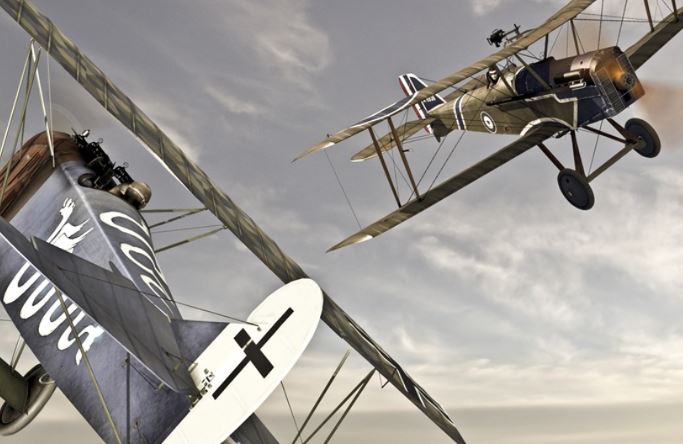
The battle between the S.E.5a and the Fokker D.VII was a classic clash of engineering philosophies: Speed and Stability vs. Agility and Innovation.
The "Propeller Hang" vs. The "Foster Mount"
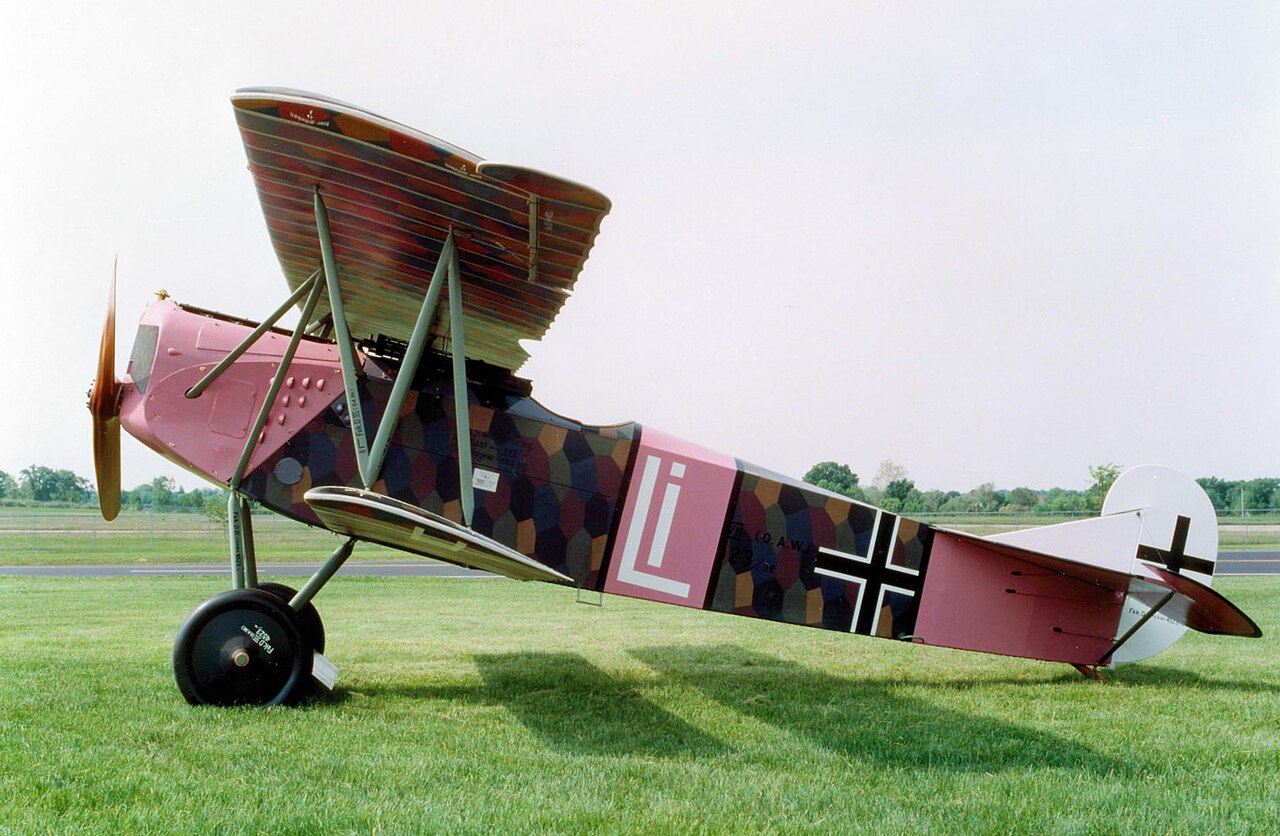
The Fokker D.VII had a legendary ability to "hang on its propeller." Because of its thick wing design and high-torque BMW or Mercedes engines, it could pitch its nose nearly vertical and hover at the edge of a stall without falling out of the sky.
The Fokker Tactic: German pilots would sit below an Allied plane, pull the nose up into a near-stall, and "spray" the belly of the opponent with their twin Spandau guns.
Pilots didn't need to stall their aircraft to hit a target above. They could use the Foster Mount on the SE5a’s top wing to pull the Lewis gun and fire upward at a 45-degree angle while maintaining level, stable flight.
Diving: Confidence vs. Fear
This is where SE5a pilots held an advantage.
The S.E.5a was a "structural tank." pilots could push their planes into a screaming dive, reaching speeds up to 225 mph without any fear of the wings being ripped off. This allowed them to "Boom and Zoom" with impunity.
The Fokker D.VII: While much stronger than earlier German fighters, the D.VII was initially prone to longitudinal instability in a long dive. Early models even suffered from engine fires during high-speed descents. Pilots knew that if things got too hot, they could simply dive away; the Fokker often couldn't follow without risking a structural failure.
Turning Circles vs. Straight-Line Speed
If pilots were lured into a "twisting match" (a low-speed turning dogfight), they could find themselves in trouble.
The Fokker Advantage: The D.VII was significantly more agile in tight turns and maintained better control at low speeds. It could "out-turn" an S.E.5a with ease.
The SE5a Advantage: Speed. The S.E.5a was roughly 15-20 mph faster than the standard Fokker D.VII. Pilot’s tactic were to keep speed high.
High-Altitude Performance
At altitude, the air was thin and freezing, and engines often choked
The Fokker D.VIIF: Later versions with the BMW "altitude" engine were very good at high altitudes, almost matching the S.E.5a.
For most of 1918, the S.E.5a remained the superior high-altitude interceptor. Pilots would use this "ceiling" to stay above the German patrols.
Summary Comparison Table
|
Feature |
S.E.5a (Beck's Mount) |
Fokker D.VII (The Adversary) |
|
Top Speed |
~138 mph |
~117-124 mph |
|
Best Tactic |
Boom and Zoom (Diving attacks) |
Turn Fighting / Hanging on the prop |
|
Structure |
Extremely rugged in high-speed dives |
Agile, but prone to early cooling issues |
|
Gunnery |
Very stable platform |
Exceptional at low-speed, high-angle firing |
Becoming a member of The Western Front Association (WFA) offers a wealth of resources and opportunities for those passionate about the history of the First World War. Here's just three of the benefits we offer:

The WFA regularly makes available webinars which can be viewed 'live' from home. These feature expert speakers talking about a particular aspect of the Great War.

Featured on The WFA's YouTube channel are modern day re-interpretations of the inter-war magazine 'I Was There!' which recount the memories of soldiers who 'were there'.

Explore over 8 million digitized pension records, Medal Index Cards and Ministry of Pension Documents, preserved by the WFA.
Other Articles


