
French military justice from the Monarchy to WWI
At the time of the Monarchy, the French Army used corporal punishments and also the death penalty. Their use was at the discretion of the military high command.
Things changed after the French Revolution. The death penalty was freely used by the courts of justice. Dereliction of duty was considered to threaten the newly born Republic and was considered treason.
Things changed again when Napoleon came to power and ruled the French Empire. The major crimes were considered to be pillage, desertion and surrender. In order to maintain discipline within the army, military tribunals were held with the power to judge and summarily execute any soldiers found guilty of these crimes.
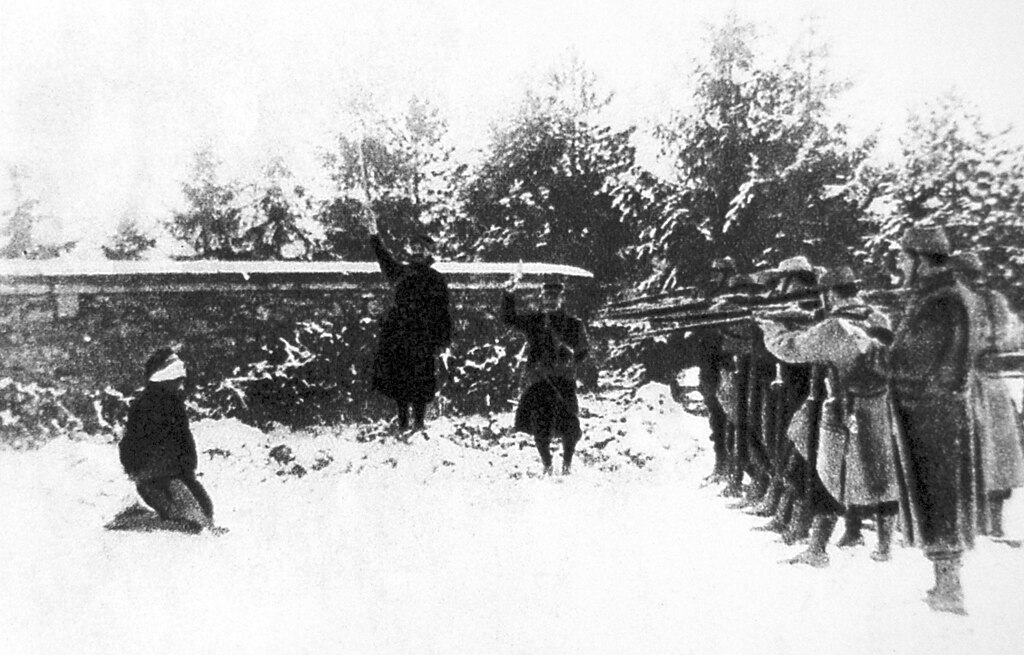
On August 4th 1857, under Napoleon III, nephew of Napoleon I, now emperor of the French since 1852, a new code of military justice was created. This code formalised a scale of sanctions from fines up to the death penalty for all military offences. It was further updated in 1875. The absence of extenuating circumstances for charges of desertion, rebellion, insubordination, rioting, spying or treason was widely used during World War I to sentence to death any guilty military personnel.
The May 18th 1875 law reduced the number of judges of the Army Courts from seven to five. The same law also, under certain circumstances, removed the possibility of any appeal for reprieve. Anyone sentenced to death was to be shot.
Evolution of military justice during WWI
1914
On 2nd August 1914, the French government, using the law of 9th August 1849, declared a state of siege for the whole of France. Maintenance of law and order, formerly the responsibility of the police, passed to the military. On this same day, the government, at the behest of Joffre and his GHQ, abdicated more of its power by decreeing the country to be an army zone in which the Army had all power, even the administration of civil justice.
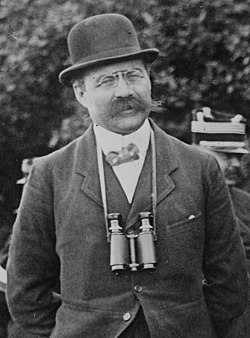
On August 10th, Adolphe Messimy, a former professional officer now War Minister gave even more power to the military by declaring:
"If you think that an immediate execution of the sentence is necessary for the maintenance of the discipline and the national security, you don’t need to refer to me”
On August 17th, the appeal for reprieve was temporarily suppressed.
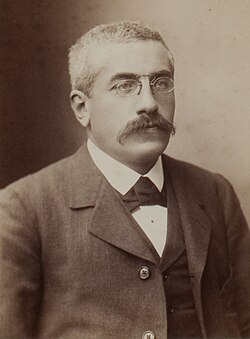
On September 1st, the new War Minister, Alexandre Millerand, limited the power of Presidential reprieve to extremely exceptional cases. Joffre had won. The Government, having taken refuge during the Marne battle in Bordeaux, had transferred most of its power to the military. The execution of the death sentence was no longer in the hands of the government. One of the reasons behind this abdication came from the pre-war rise of anti-militarism at the end of the 19th Century. The rate of desertion during mobilisation was expected to be about 13%. It was actually only just above 1%. Primary teachers had done a very good job in indoctrinating patriotism into the young.
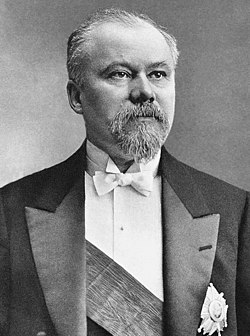
On September 3rd, Joffre asked the War Minister for authorisation to create a three-member Court Martial in every regiment to deal immediately with all crimes as they were committed - self-mutilation, pillage, desertion of post and insubordination. The decree was signed by the President of the Republique, Raymond Pointcaré and the War Minister, Millerand. Sentences were to be carried out immediately, no appeal for reprieve, no annulment. The representative for the defence in many cases had no knowledge of the law. He received the defendant's file at the last minute giving him little time to call a defence witness and making any real defence almost impossible. Furthermore, the judges were not independent; the officer who initiated the case could also be the president of the jury. The same procedure was used in cases of desertion and self-mutilation, crimes which usually didn't have a witness.
At that time, the military judiciary system had three different Courts of Justice. The permanent Court Martial which had existed in peace time; the war time ordinary Court Martial; and the special Court Martial, created specifically by Joffre in every regiment.
Other measures were taken in order to increase the discipline of the troops. All prison sentences were to be delayed until the end of the war. Sentences were made known to his fellow soldiers, sometimes even to the population of the village the soldier came from, in order to shame him.
1915
These practices only lasted for a short time. Many officers and generals became aware of the faults of the special Court Martial, preferring justice to be more under their control following better investigation. Through 1915, the number of special Courts Martial dwindled in favour of the ordinary Court Martial with five judges. The number of executions decreased.
Some of the reasons behind a more normal military justice were:
- The revelations of judicial errors in the press.
- By sharing the same harsh life at the front, officers gained a better understanding of their men which resulted in greater clemency. This also resulted in the prosecutors going for lesser indictments.
- The number of Presidential pardons increased steadily. 15% in October; 37.5% in April; and 70% in December.
On August 25th, the War Minister, Millerand, warned the juries to be extra careful with cases of self-mutilation, the source of many judicial errors.
On September 1st, a decree from the interior ministry returned the powers of police and the maintenance of law and order to mayors and prefects outside the army zone.
Number of executions Sept 14-October 15: 421
Number of executions Nov 15-April 16: 42
1916
Military justice started to show greater respect for the rights of the accused resulting in fewer executions.
Number of executions May 16-October 16: 83
1916 was the year that the government struggled to regain its judicial rights from Joffre, who grudgingly conceded some aspects. His struggle then was with his lack of success in his operations in Artois, Champagne and the Somme - these being the reason for his eviction from the head of the French Army toward the end of the year.
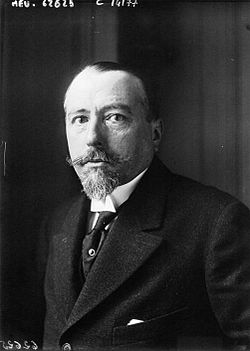
One of the leading voices for a normalisation of power-sharing and democratic society was the MP, Paul Meunier.
The creation of a list of officers and men with a legal background in civil life to represent the accused. The counsel for the defence was still chosen by the prosecutor but the accused could choose a second counsel from this list
On April 28th 1916, compulsory attendance of a counsel, time to prepare the defence, extenuating circumstances, appeal for reprieve, annulment, and Presidential pardon, were all restored.
On 8th June, the right of appeal was reinstated for anyone sentenced to death. Half of the prisoners sentenced to death in 1916 were reprieved by the President. About 16% of judgements were annulled for judicial issues. This was also the end of the special Court Marshal.
On 3rd October, Meunier’s Law was tabled in that "no execution could take place during an appeal for a reprieve". This was confirmed by the war minister in April 1917.
On 12th November, a surprise directive from Joffre: “Judges of the Court Martial must take into consideration the mental state of the accused … the prosecutor must order a psychiatric test"
Outside of the army zone came the directive that “no execution will take place without the sentence being reviewed by the President of the Republic”
If, in 1916, the death penalty was used less as a dererrent, their numbers still increased with the intensity of the battles. So three-quarters of the executions took place during the Battles of Verdun and the Somme.
1917
On the 27th May, General Pétain, commander-in-chief of the French Army sent a note to the War Minister explaining the problems consequent to the 27th April law, in times of general indiscipline and mutiny. A month later, on June 10th, the government accepted his demand. An exception was allowed in military justice, just for the period of unrest. The right of appeal for clemency for all ranks sentenced to death for inciting to desert, insubordination, and rebellion was suspended.
On the July 13 1917, the mutiny having died down, these exceptional measures were repealed. Number of executions
November 16 - May 17: 43; June 17th - July 17th: 34
1918
Even with the intensity of the 1918 fighting, the number of executions stayed low, August 17 -November 18: 45
Was it as a result of an improved military justice system with greater respect for the rights of the accused? The fear of repeating the judiciary mistakes of 1914/15? A reassessment of the usefulness of the death penalty?
Perhaps the result was a combination of all three or, after July 1918, because at last victory was in sight?
Becoming a member of The Western Front Association (WFA) offers a wealth of resources and opportunities for those passionate about the history of the First World War. Here's just three of the benefits we offer:

This magazine provides updates on WW1 related news, WFA activities and events.

Access online tours of significant WWI sites, providing immense learning experience.

Listen to over 300 episodes of the "Mentioned in Dispatches" podcast.


