
The Navy takes to the air. RNAS 1914-17
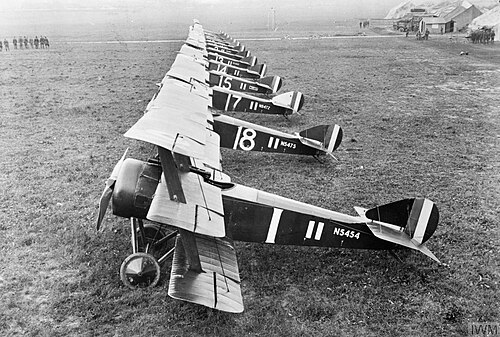
This talk by Graham Kemp examines the experiences of the men who served in Royal Flying Corps over the Western Front. From its early days, when your greatest danger was the plane, to the later years of trying to drive the German air force from the skies.
Drawing from personal experiences and anecdotes of those involved, Graham reveals what was like to fly and survive – physically and mentally, bringing out the human story. The presentation refers not just to the pilots, but also their observers, and the forgotten half of RFC, the ground crew. Graham also explains why RFC lost far more than the smaller German air force opposing it.
The Royal Naval Air Service (RNAS) was the air arm of the Royal Navy during World War I and existed from 1914 until 1918 when it merged with the British Army's Royal Flying Corps to form the Royal Air Force (RAF).
The RNAS was responsible for a range of activities, including reconnaissance, bombing raids, and anti-submarine patrols. It operated a variety of aircraft, including seaplanes and airships, and played an important role in the Battle of Jutland, one of the largest naval battles in history.
The RNAS also had a number of notable pilots, including the famous ace, Raymond Collishaw, who flew a variety of aircraft on multiple fronts and was credited with over 60 aerial victories. Overall, the RNAS made significant contributions to the Allied war effort during World War I and laid the foundations for the development of the RAF in the years to come.
By August 1914 the RNAS boasted no less than 39 planes, 52 seaplanes, 6 airships and 2 captive balloons. The associated personal amounted to 727 men of all ranks and 120 pilots, spread among 12 bases for airships along the British coasts.
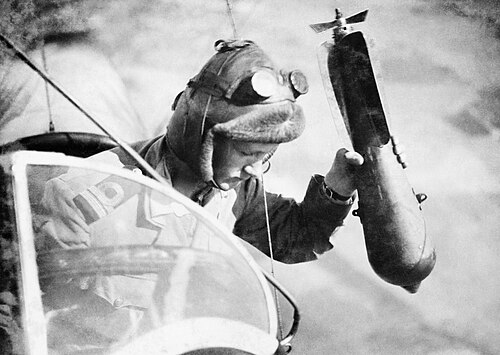
The RNAS was at first responsible for naval reconnaissance (1) combat assistance to the fleet (2) surveillance of the coasts (3) and attack of coastal sectors under enemy control (4), like the Flanders Coast. From the experience driven from HMS Hermes, new seaplane carriers were soon converted from requisitioned civilian steamers, freighters and later even liners. By December already, the RNAS could project its seaplane force from HMS Engadine, Riviera and Empress. First operation was a raid on naval installations of Cuxhaven. Due to the weak bomb load of the seaplanes, the RNAS failed to destroy the solidly built Zeppelin hangars, but it proved the concept and had a certain psychological impact.
Members and non-members of the Western Front Association are very welcome.
(Branch Chairman)

