
The wreck of HMS ‘Stephen Furness’: A century-old mystery solved
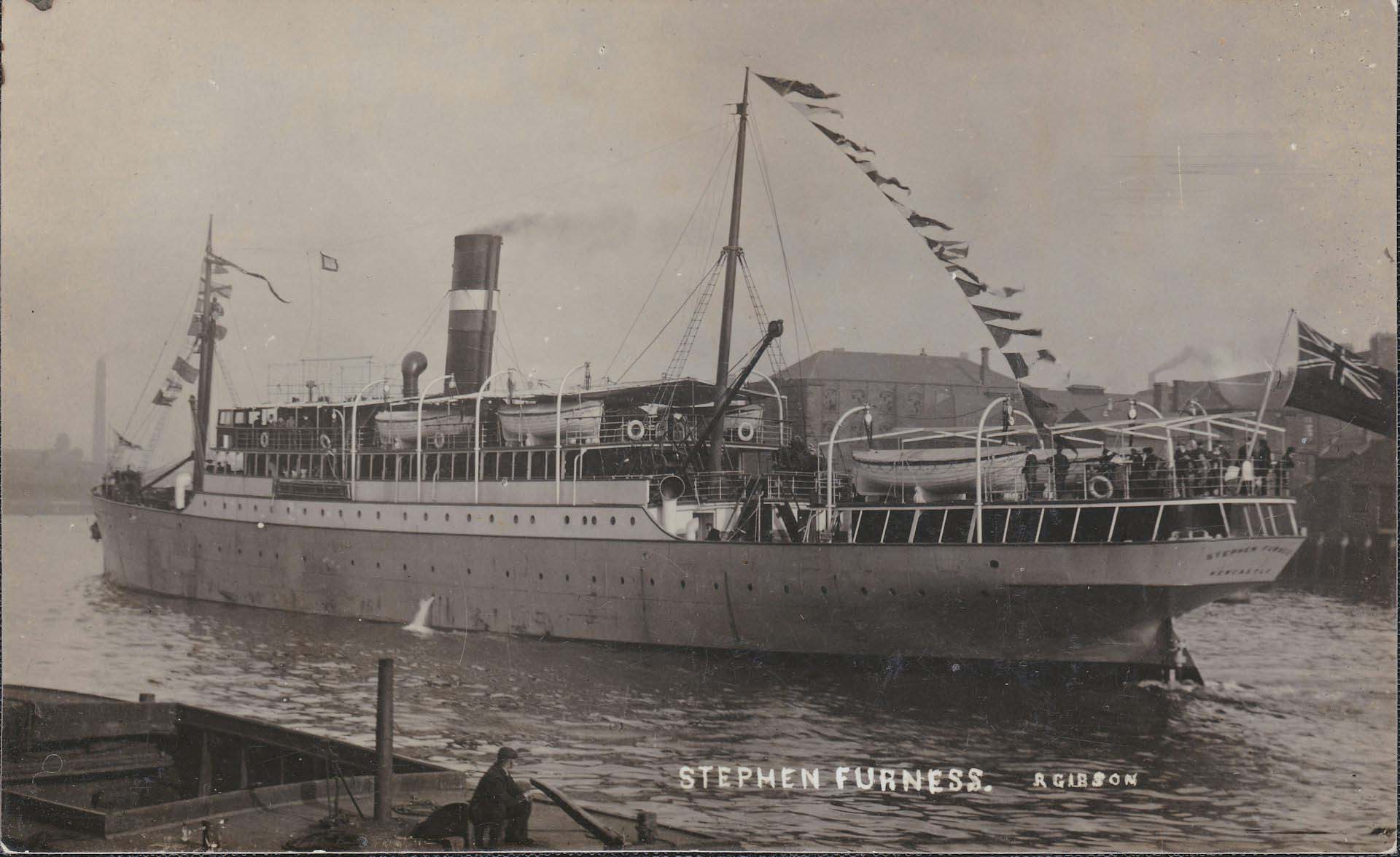
After over a century of uncertainty, the final resting place of HMS Stephen Furness, a British warship torpedoed during World War I, has been identified in the Irish Sea. On December 13, 1917, the ship was struck by a torpedo from the German U-boat UB-64 while en route to Liverpool for repairs. The explosion sank the vessel in just three minutes, claiming the lives of 100 crew members, with only 12 survivors. The precise location of the wreck, until now, remained a mystery despite attempts to pinpoint it based on survivor accounts and war records.
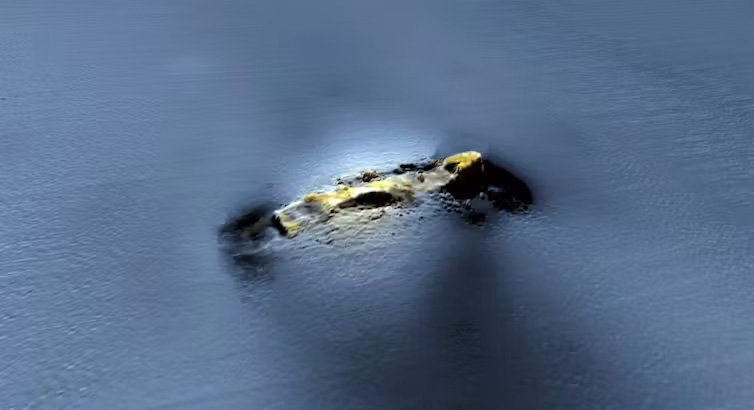
The breakthrough came through a collaborative effort led by Bangor University’s Unpath’d Waters project, which combined cutting-edge multi-beam sonar data with historical records. The team identified a wreck that matched the dimensions of the Stephen Furness and was located near the position where the U-boat’s commander, Kapitänleutnant Walter Gude, had reported striking a green-painted steamer. Previously, this site had been thought to be the wreck of the Swedish cargo vessel Maja, torpedoed a year later. However, further analysis, including sonar data and archival research, pointed to this wreck as the long-lost Stephen Furness, while the Maja wreck site was located a few miles to the south.
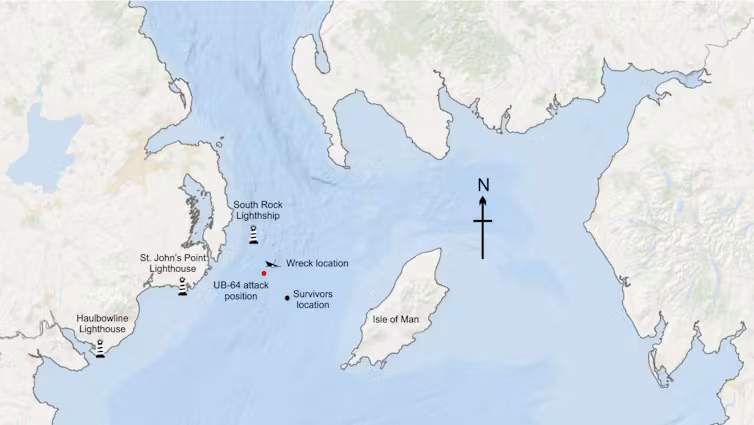
The discovery also led to a fascinating secondary revelation: several of the Stephen Furness’s casualties washed ashore in north Wales nearly a month after the sinking. To investigate how this happened, the team applied “numerical modelling,” typically used for tracking pollutants, to recreate sea conditions in December 1917. This technique, which combined tidal data and wind records, mapped the likely drift paths of the victims. The results corresponded almost exactly with the locations where the bodies were found, supporting the theory that ocean currents carried them from the wreck site to the shore.
The findings are significant not only for identifying the Stephen Furness but also for the broader issue of unknown shipwrecks. Currently, nearly 40% of wrecks in UK waters remain unidentified. The research also raises important questions about the preservation of maritime history, with shipwrecks offering valuable insights into both human tragedy and marine ecosystems.
Read more at theconversation.com.


