
Wilfred Owen hotel given a Grade II listing
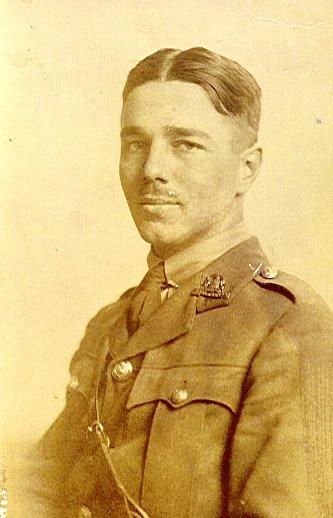
A seaside hotel, renowned for having hosted the esteemed war poet Wilfred Owen, has been awarded a Grade II listing by Historic England. The Clifton Hotel, located in Scarborough, is noted for being the residence where Owen composed part of his literary works in its turret room from 1917 to 1918.
At the age of 25, Owen tragically lost his life in action in France, just one week prior to the signing of the Armistice. Historic England has acknowledged that the Clifton, constructed in 1864, represents a significant example of Scarborough’s Victorian tourism expansion. At the time the hotel was known as the Clarence Gardens Hotel.
Described as a "handsome" establishment, the hotel served as Owen's billet, where he managed an officers’ mess after recuperating from shell shock at a military hospital in Edinburgh. Tom Frater, the regional director of Historic England, remarked that during Owen's stay at the hotel—an environment characterized as "a place of relative tranquility"—he penned some of his most notable poems, including "Strange Meeting" and "Miners."
Frater emphasized that this period constitutes a fascinating chapter in Owen's life, noting, "People associate him with the mud and stink of the trenches; however, a considerable portion of his work was completed at the Clifton."
Owen inhabited one of the turret rooms, where he undertook the role of Mess Secretary, a position entailing a considerable amount of clerical responsibilities. To find respite from his numerous duties, he often retreated to his turret bedroom, a space in which he composed and refined the poems blossoming in his mind. It was within these walls that "Miners," his first published poem, was conceived—a work born from a profound vision of glowing coal, symbolizing not only the fallen miners but also the soldiers who perished underground with the Royal Engineers' Tunnelling Companies during the war.
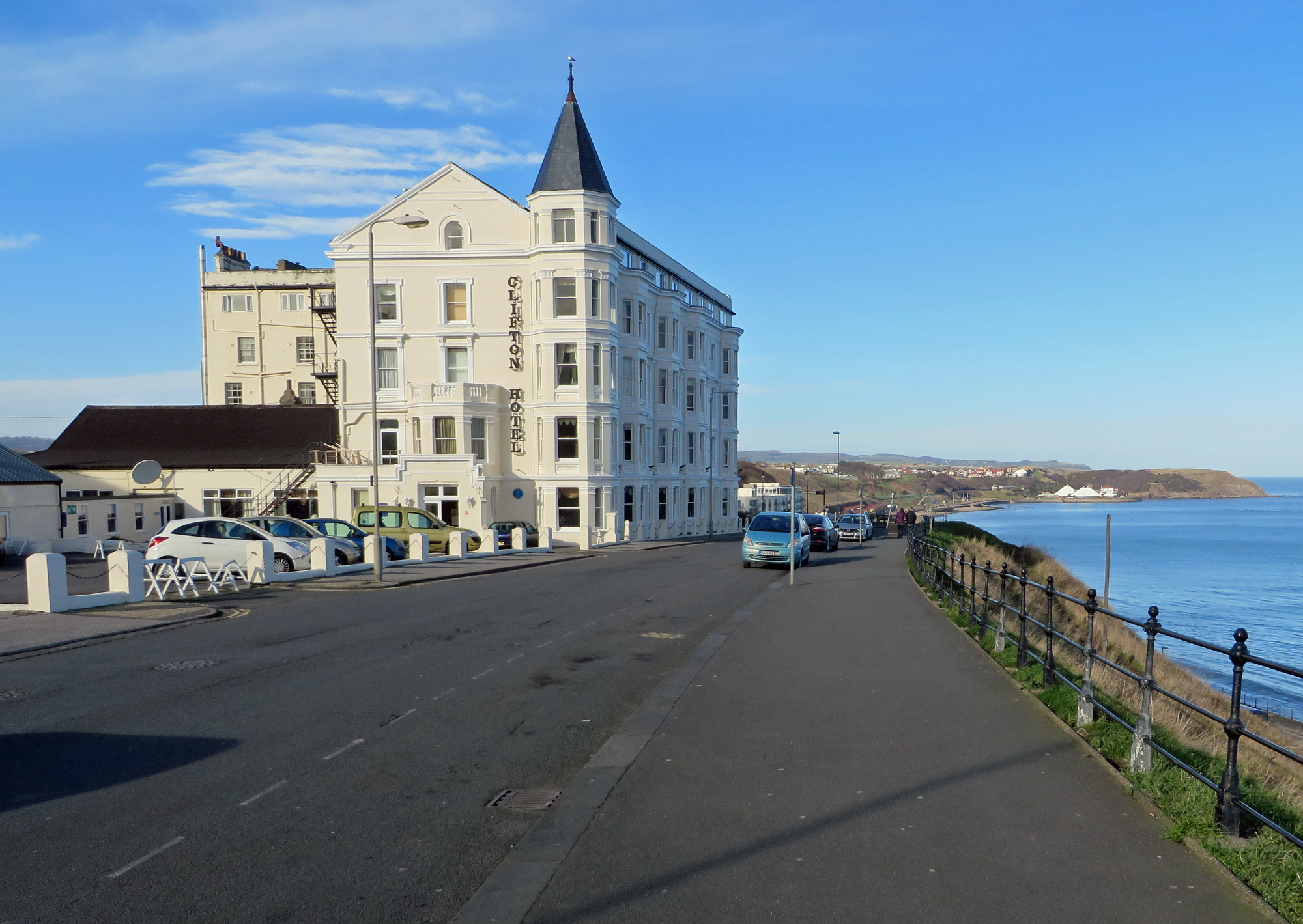
Frater stated that the hotel retains many recognizable architectural features.
"It remains much as Owen would have recognized it during his stay," he remarked.
"This is evident from his letters to his mother, where he provided detailed descriptions of his turret room and other areas, including views of the sea, the glowing fire, and similar aspects, all while composing his renowned poems.
"This level of insight is rare; poets seldom share such meticulous accounts of the spaces in which they create their works."
Historic England has indicated that it has also retained its polished timber dance floor and remnants of a narrow stage within the dining area.
It is recognized as one of only two known buildings in England associated with Owen's war poetry.
Frater added, "Many individuals may be unaware that Owen experienced this significant interlude in Scarborough before returning to the front lines."
"Understanding that he was writing from first-hand experience of combat and trench life, while amidst rather different surroundings, enriches the interpretation of his poetry."
He further remarked on the immense psychological strength required to manage an officers' mess in a coastal resort, all the while contemplating his imminent return to the front line.
Owen departed for training in Ripon in March 1918, subsequently returning to France.
Dulce et Decorum Est by Wilfred Owen
A modern interpretation of Owen's famous poem can be found on the WFA website here: Dulce et Decorum Est by Wilfred Owen
Anthem for Doomed Youth
What passing-bells for these who die as cattle?
Only the monstrous anger of the guns.
Only the stuttering rifles' rapid rattle
Can patter out their hasty orisons.
No mockeries now for them; no prayers nor bells,
Nor any voice of mourning save the choirs, –
The shrill, demented choirs of wailing shells;
And bugles calling for them from sad shires.
What candles may be held to speed them all?
Not in the hands of boys, but in their eyes
Shall shine the holy glimmers of goodbyes.
The pallor of girls' brows shall be their pall;
Their flowers the tenderness of patient minds,
And each slow dusk a drawing down of blinds.


