
Cecil George Sandbrook Rawlings was killed in action on this day in 1915
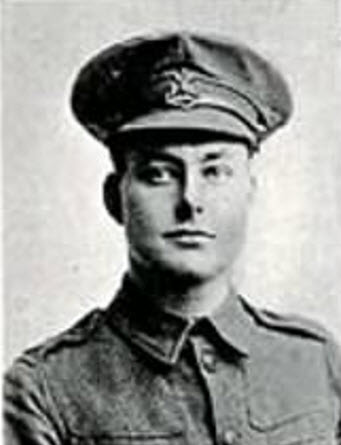
Cecil George Sandbrook Rawlings was born 11 June 1894 in Salisbury. His father was George Rawlings, a house furnisher and shopkeeper; his mother was Ida Jeannie née Sandbrook from Market Drayton.
Cecil had a younger brother, Geoffrey. The family lived at Rosemont, 40 Wyndham Road in Salisbury.
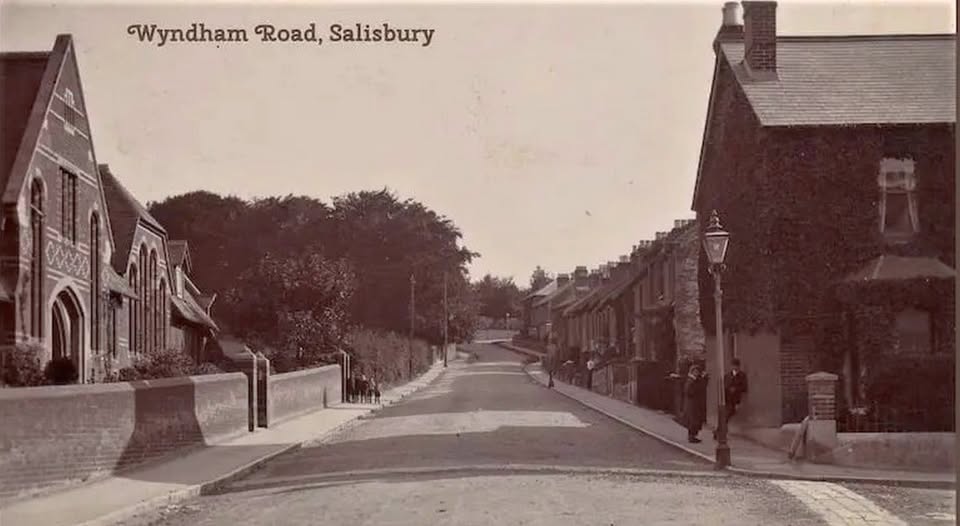
He was educated initially at St. Mark's School just down the road from their house. It can be seen on the left of this image of Wyndham Road.
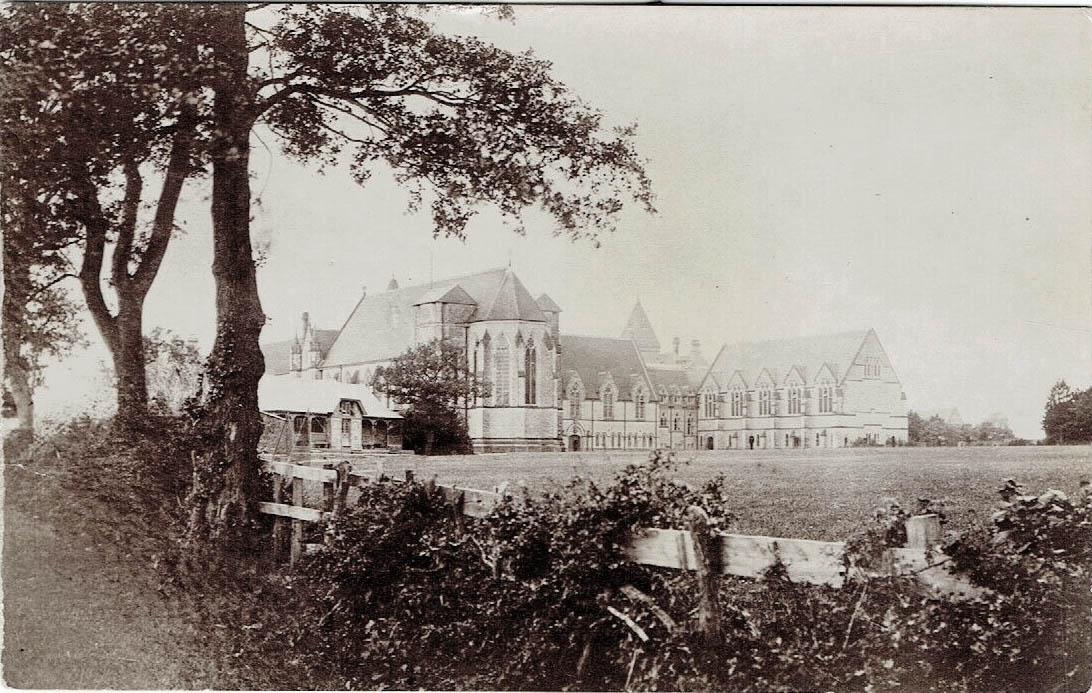
He subsequently boarded at Denstone College in Uttoxeter where he was a member of the O.T.C.
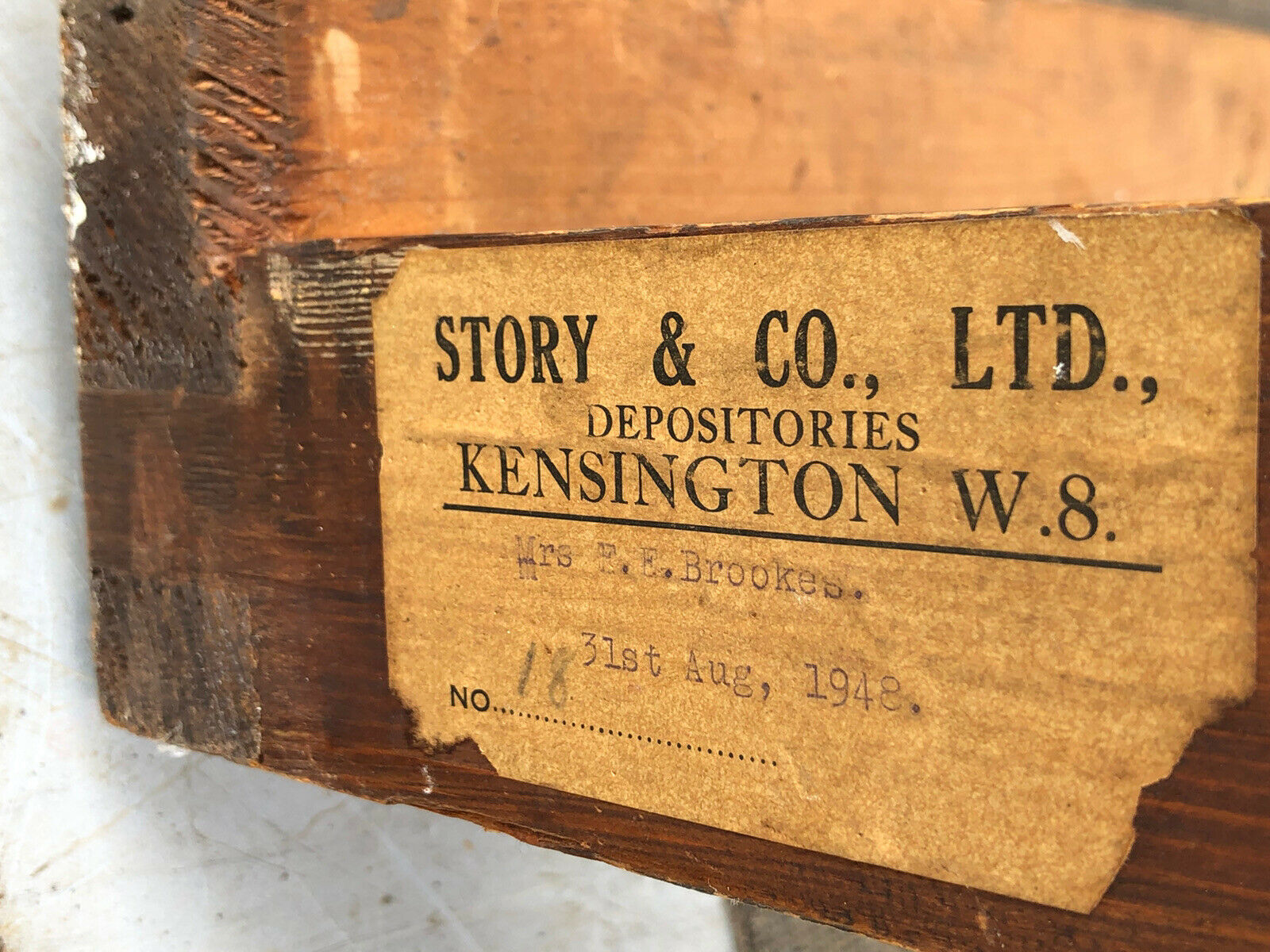
In 1911, aged 17, Cecil was living with his uncle Reginald, a photographer, and his aunt Kate and their servant, at 70 High Road in Streatham, London. He was an apprentice in the furnishing trade, working for Messrs. Story & Co. at 7 Kensington High Street, 7 miles away.
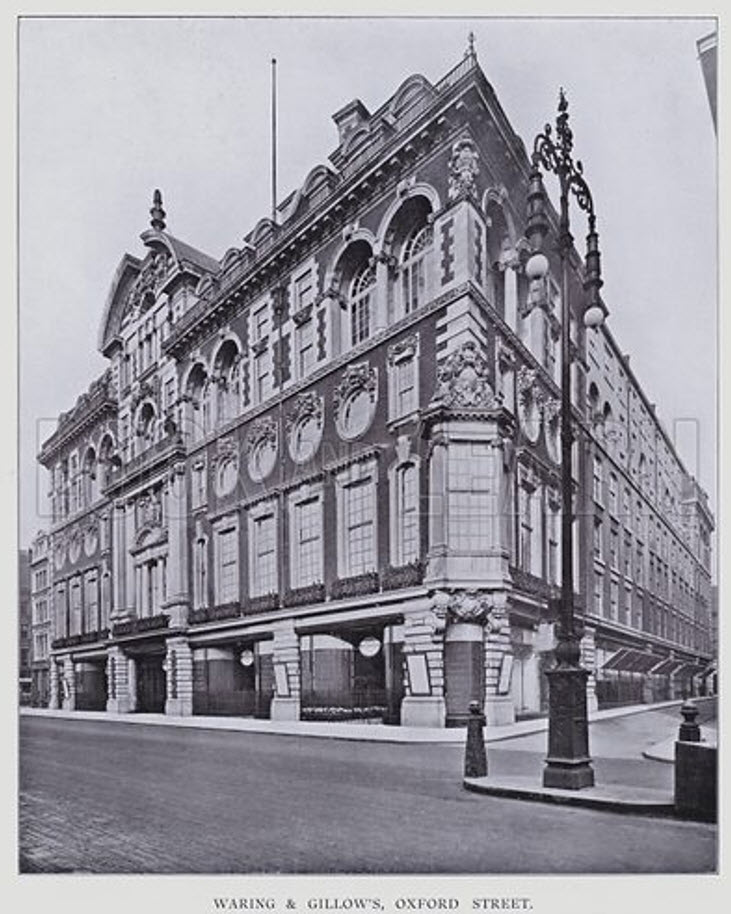
At some point, he left Story's and began work at the prestigious Messrs. Waring & Gillow in Oxford Street.
In October 1913, Cecil joined The Rangers. The Rangers was a volunteer unit of the British Army, originally formed in 1860. When the Volunteers were subsumed into the new Territorial Force (TF) under the Haldane Reforms of 1908, the Rangers were transferred from the King's Royal Rifle Corps to the new all-Territorial London Regiment, as 12th (County of London) Battalion, London Regiment (The Rangers). On 25 June 1908, the battalion took over the Drill Hall in Chenies Street.
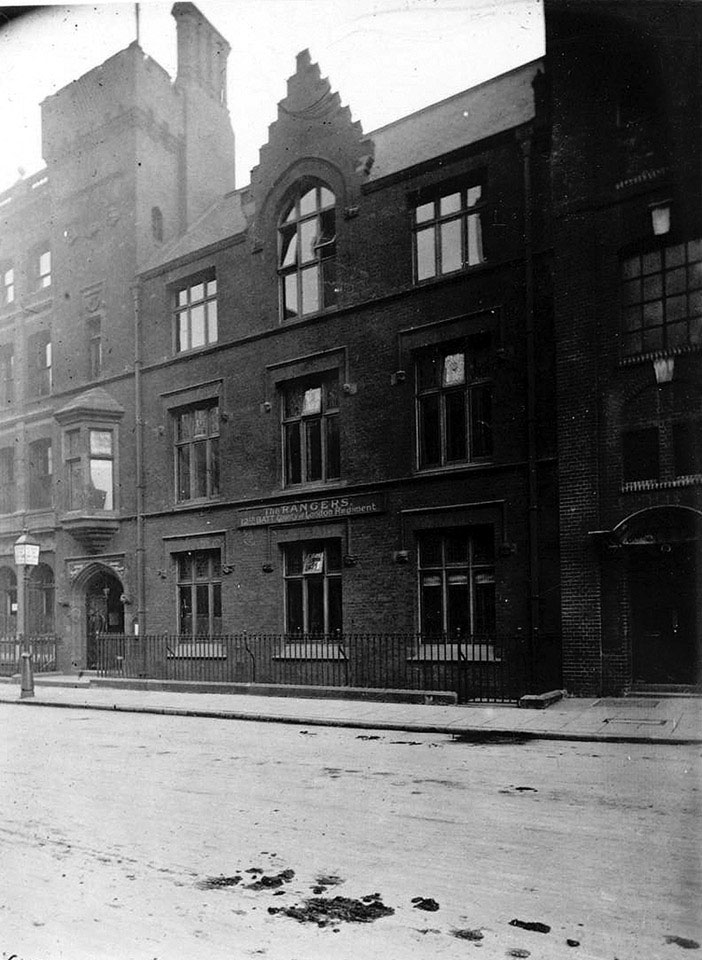
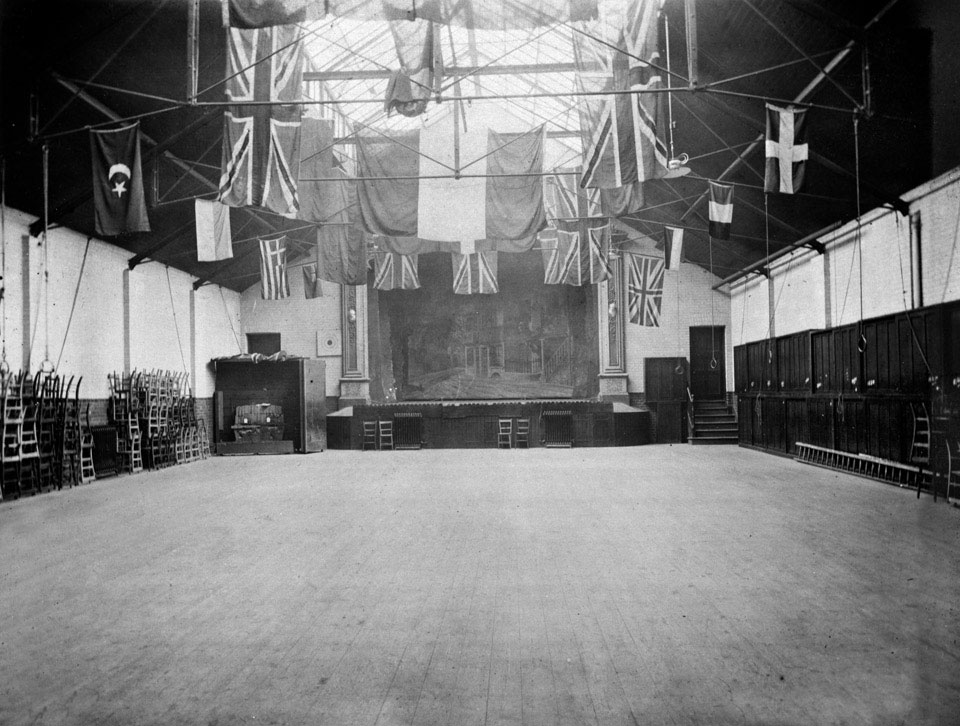
At the outbreak of the First World War in August 1914, the Rangers formed part of 3rd London Brigade within 1st London Division. It was mobilised and moved to Bullswater, then to Crowborough in September and Roehampton in December. In the interim, during October 1914, it was assigned to guard Waterloo-North Camp (Aldershot) railway.
Cecil volunteered for foreign service and, on 24 December 1914, went to France with his battalion, landing at Le Havre. The following day, 25 December 1914, the battalion left its division and, on 8 February 1915, it was put under the command of 84th Brigade within 28th Division.
In early 1915, they moved to the Ypres Salient and, on 15 February 1915, Cecil was killed in action at St Eloi. His company commander, Captain Arbuthnot, described what happened when he wrote to Cecil's parents.
"Just as it was getting light on the morning of the 15th, two platoons under Major V. Hoare were sent out to obtain information for the Brigade General, and to act as supports to some troops in front. It was not an easy task to move across the open in daylight, but Major Hoare's leading was skilful, and he found the way into the shelter of a trench. When he had got about three-quarters of the men in the trench, a shell burst right in the trench, and I most deeply regret to say killed Major Hoare and three men. One of those killed I grieve to say was your son. He was killed in action doing his duty. When darkness came on in the evening we buried him about 30 yards behind the trench. A Captain of the King's Royal Rifles read the burial service, abbreviated, by the light of an electric torch, while we stood round in a half-circle to prevent the Germans seeing the light and firing on us. I can assure you that your son's death is a real loss to the company; he always did his work so calmly and efficiently, and at the same time he was a great favourite with the whole platoon."
Cecil is buried in Sanctuary Wood Cemetery.
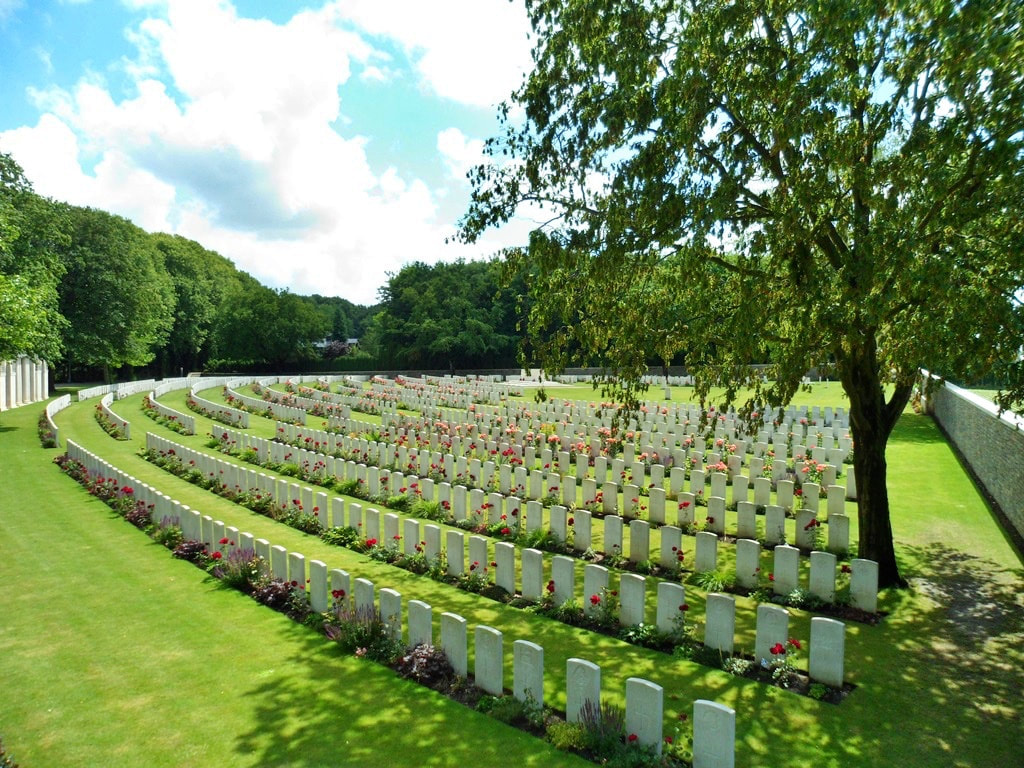
1784 Lance Corporal Cecil George Sandbrook Rawlings, 12th Battalion (The Rangers), The London Regiment (T.F.)