
Captain Edward Barnard Bilton was killed in action on this day in 1917.
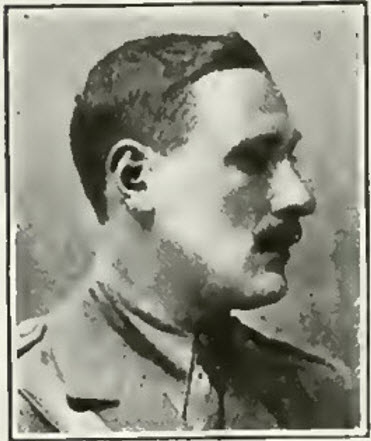
Edward Barnard Bilton was born on 18 June 1887 in Benwell, Newcastle-on-Tyne. His father was Edward Stanton Bilton, a merchant, and his mother was Susanna née Barnard. Edward had one younger brother, Claude Herbert Evelyn Bilton.
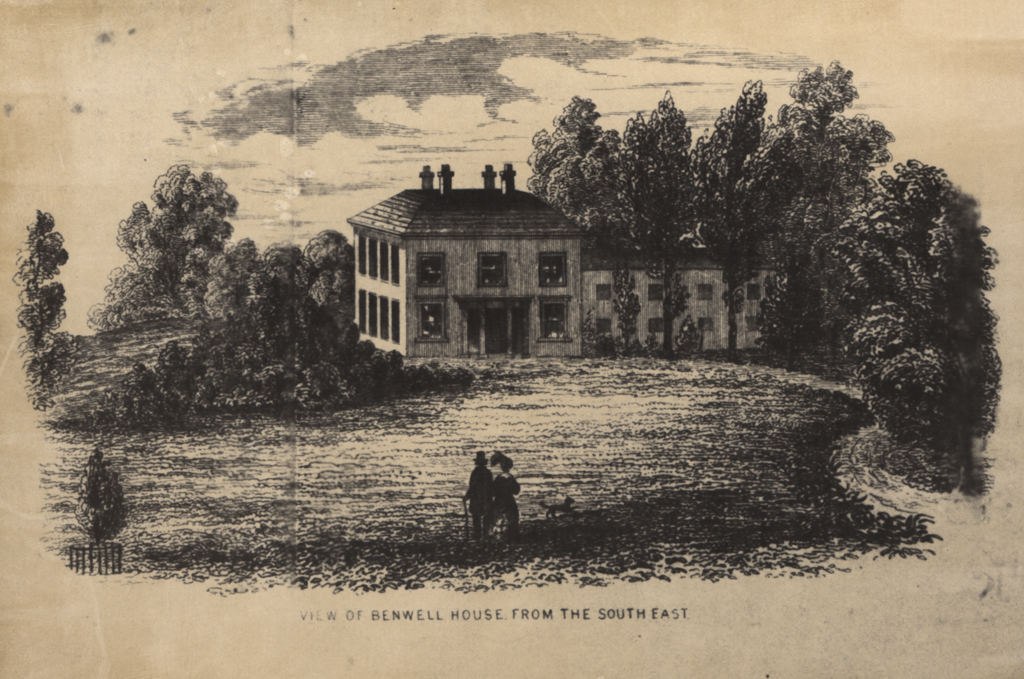
The family home was Benwell House, where they had 4 live-in domestic servants
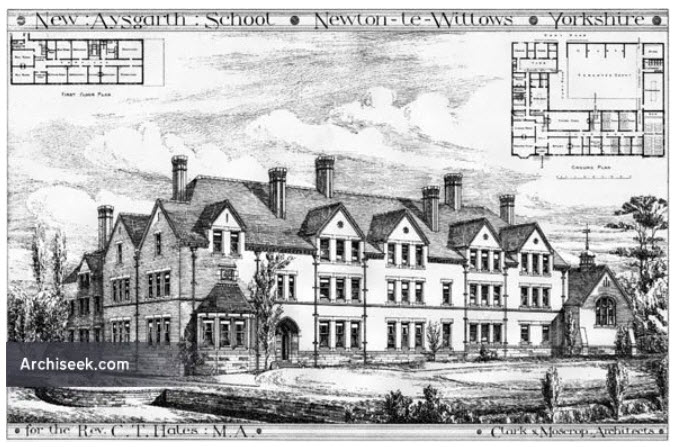
In 1901, Edward aged 13, and Claude aged 12, were both boarding at Aysgarth Preparatory School in Yorkshire.
On leaving Aysgarth, Edward attended Charterhouse School in Surrey then went on to Clare College Cambridge attaining a BA degree.
On 23 February 1909, his father died.
After leaving university, he trained as a Barrister at Inner Temple. In 1911, he was a law student, living alone in Wimbledon Park. In 1913, he was called to the bar as a Barrister-at-Law.
On 11 November 1914, Edward obtained a commission as 2nd Lieutenant in the Highland Cyclist Battalion which had been mobilised on 4 August 1914 at the outbreak of the First World War and moved to its war station at East Linton, East Lothian. It was to be used as mobile infantry, and for work on signals, scouting and similar activities.
On 31 March 1915, Edward was promoted Lieutenant and, on 16 June 1916, further promoted to Captain. He was attached to the 2/5th (Territorial) Battalion, The King's Own (Yorkshire Light Infantry) (KOYLI) and served at Battalion Headquarters as an Intelligence Officer.
From January 1917, he served in France and Flanders. In March, the Battalion was in the area of Achiet-le Petit on the Somme.
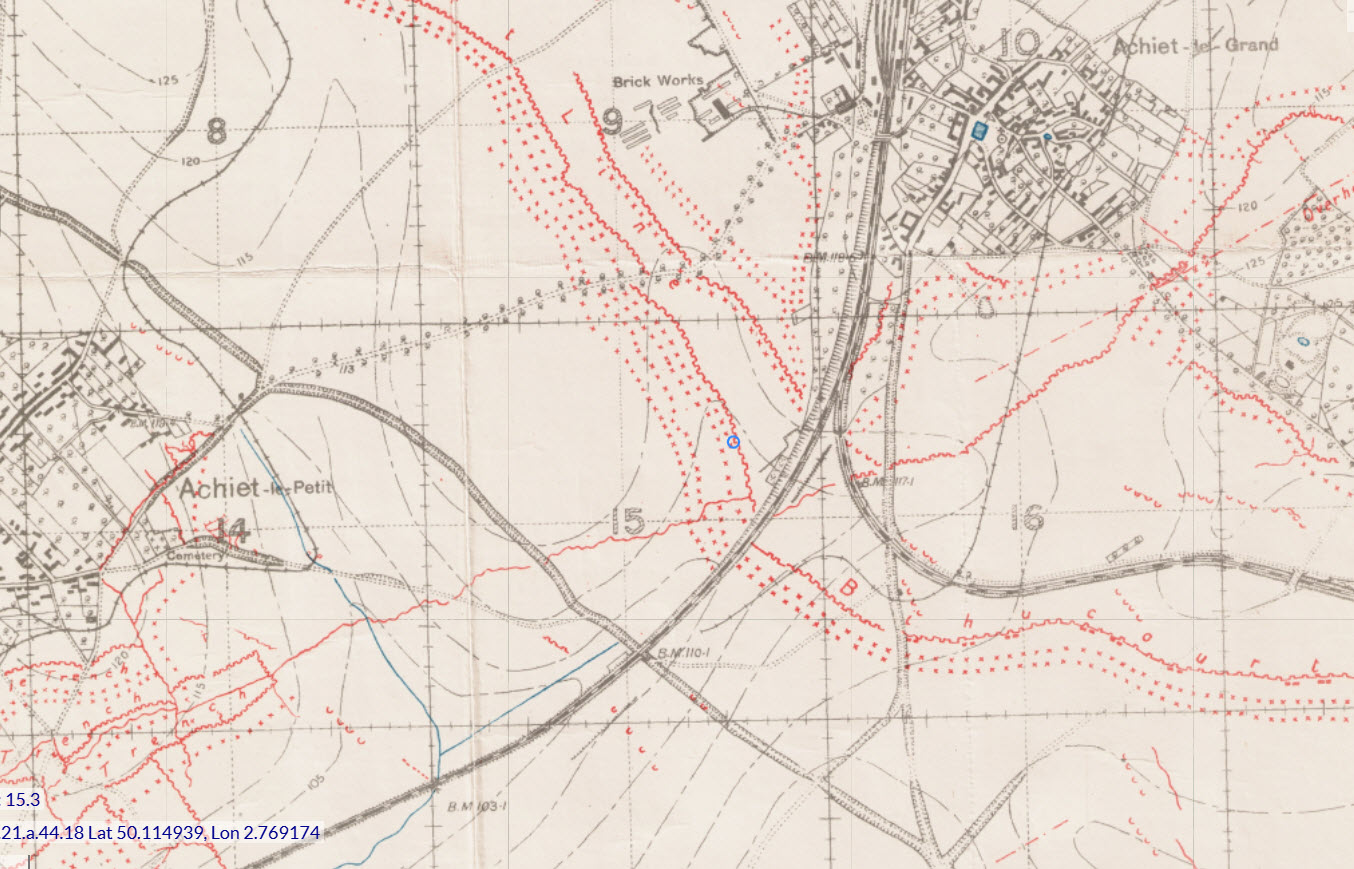
On the 15 March, Captain Bilton led two companies of 5/KOYLI, and two companies of 8/Northumberland Fusiliers, forward into the trenches each side of the Achiet-le-Grand - Miraumont Railway. He continued forward to make a reconnaissance towards the enemy. A fellow officer described how "he was on duty in a dangerous situation for 36 hours, was slightly wounded, but carried on undaunted, and gave us very valuable information, saving many lives". He was shot and killed whilst "endeavouring to ascertain the movement of the enemy".
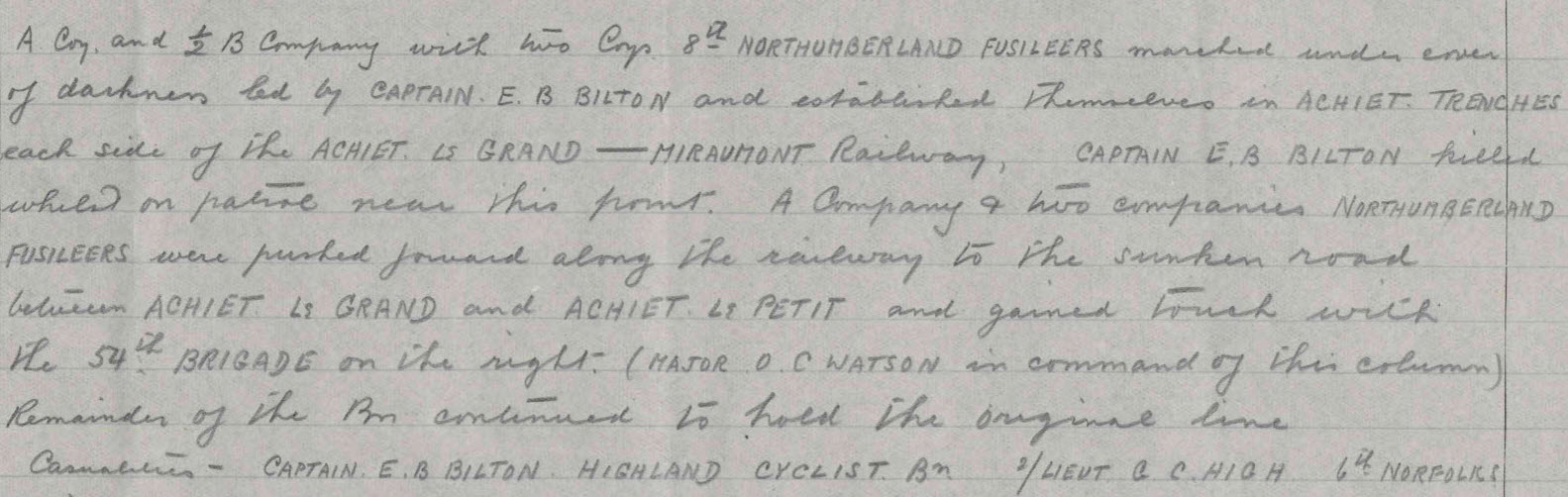
He was buried on the battlefield near Achiet-le-Petit.
His Commanding Officer wrote:
"He was one of the finest and bravest soldiers it has been my privilege to know. He possessed great natural gifts and would, I know, have gone far in any profession. He was my Intelligence Officer, and did extraordinarily good work all the time, and will be quite impossible to replace. We, both officers and men, were devoted to him. He died a hero's death: none in the war have done more. He is a fine example to us all".
He was mentioned in despatches by General Sir Douglas Haig for "gallant and distinguished service in the field" (London Gazette 27 May 1917).
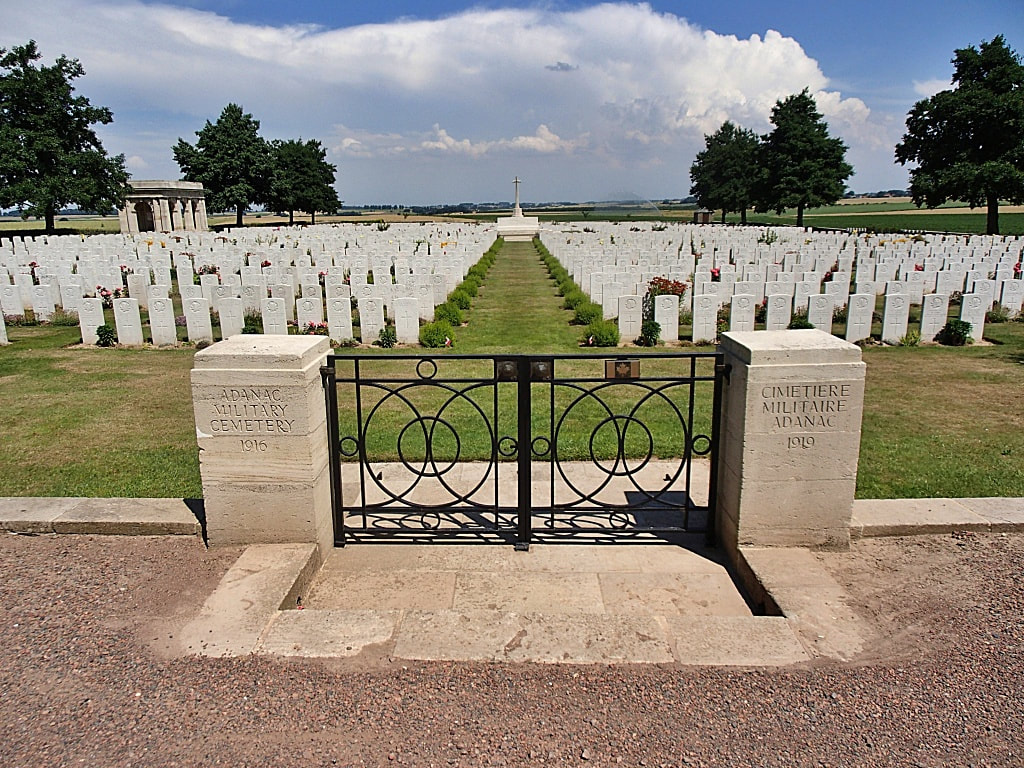
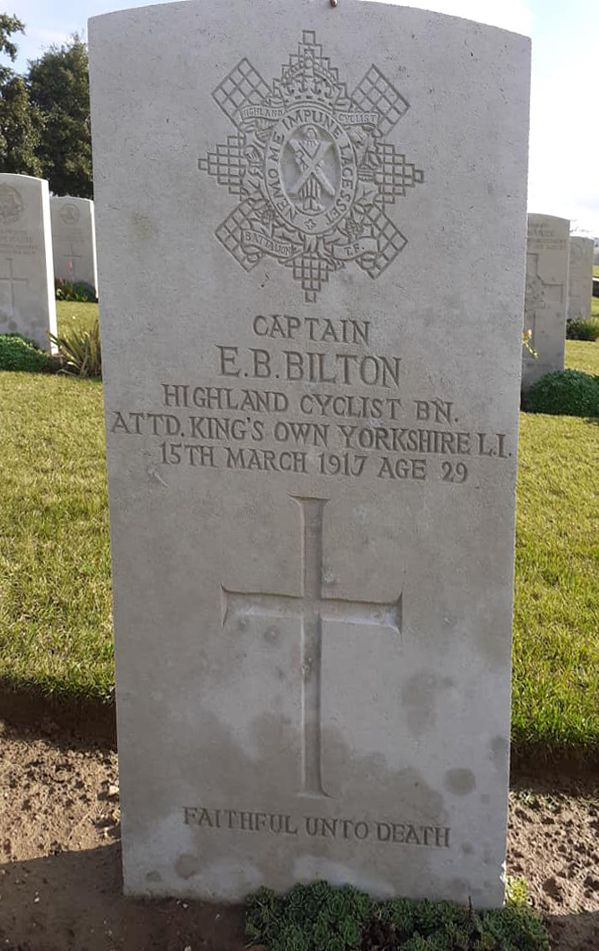
After the war, his body was exhumed and reburied with full honours at Adanac Military Cemetery, Miraumont, Somme. His grave bears the following inscription: "Faithful unto death."
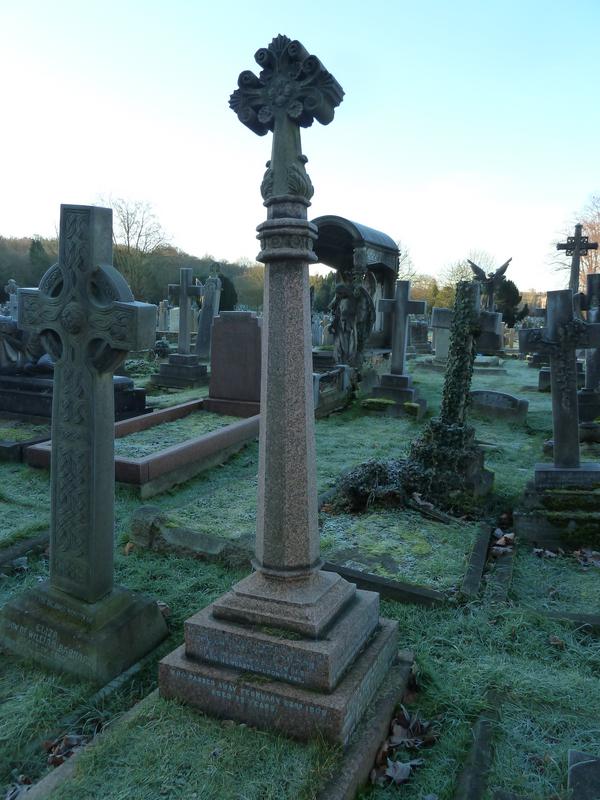
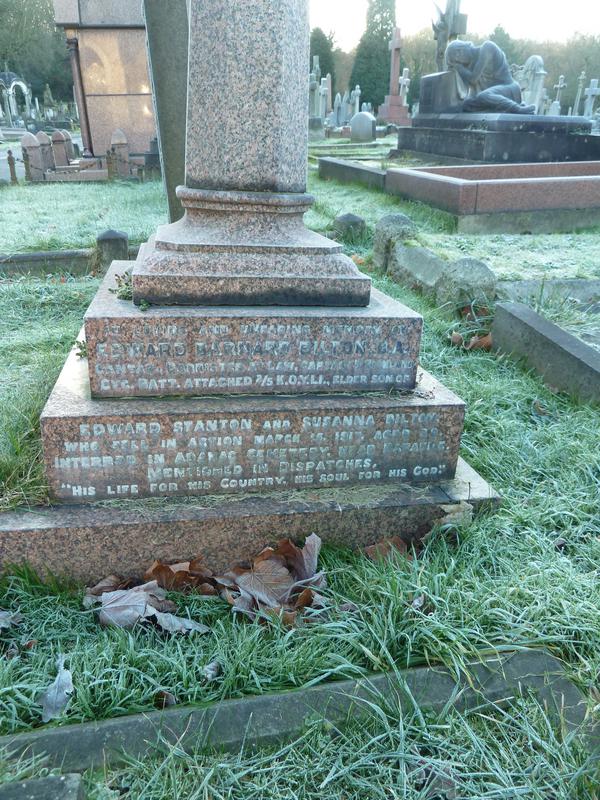
Edward is also commemorated at a family memorial in London
Edward's younger brother, Claude, also served in the Highland Cyclist Battalion with a rank of Captain.
Captain Edward Barnard Bilton 1/1st The Highland Cyclist Battalion (T.F.) attached 2/5th (Territorial) Battalion, The King's Own (Yorkshire Light Infantry)