
Alfred Poole Jones was killed in action on this day in 1915.
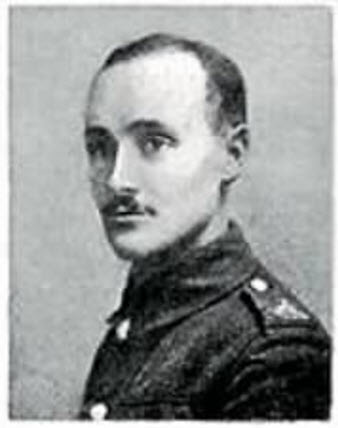
Alfred Poole Jones was born 4 November 1890 in Cardiff. His parents were Arthur Daniel Jones, a painter, and Elizabeth Annie née Lewis. He had three older brothers and a sister - Winifred (1883), Ida (1884), Mathew (1886) and Trevor (1888).
In 1891, the family was living at 40 De Burgh Street, Cardiff.
In 1892, Alfred's father died father died. Six years later, in 1898, his mother remarried, to a corn merchant called James Newton Paterson. In 1899 his half-brother, Edward Labarte Paterson, was born.
Alfred attended Higher Grade School in Cardiff.
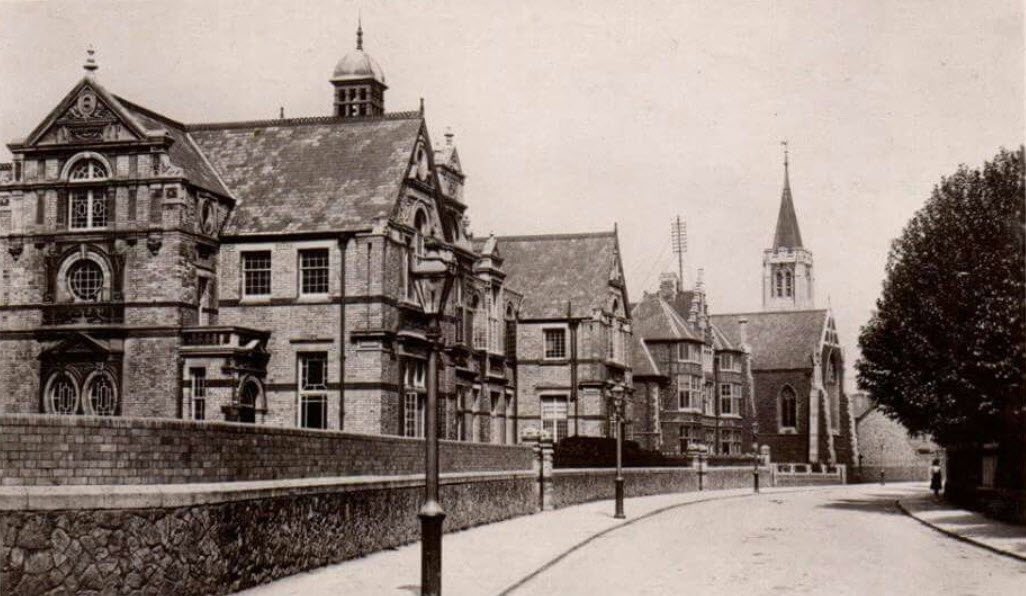
By 1911, the Paterson/Jones family was living at The Elms on Harbour Road in Barry, Glamorgan. They had a live-in domestic servant. Alfred, age 20, was working as a clerk for Glamorgan County Council.
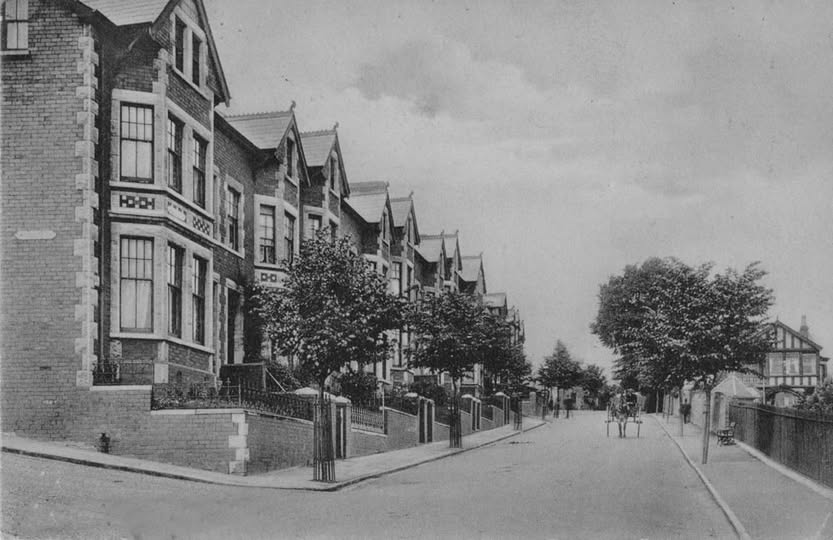
When Alfred left home, he worked in the milling & flour trade for Messrs. James Thomas & Co in Newport on the Isle of Wight and, subsequently, for Messrs. H.N. Bathgate & Co in London.
On 6 August 1914, at the outbreak of war, Alfred joined 1/24 Battalion (The Queen's), The London Regiment (T.F.). He was a keen footballer and represented the regiment on many occasions. On 8 March 1915, the Battalion left for France.
On the night of 25-26 May, 1915, the 1st/24th Battalion was heavily involved in an action near Givenchy during the Battle of Festubert. They were positioned in a frontline trench known as Scottish Trench.
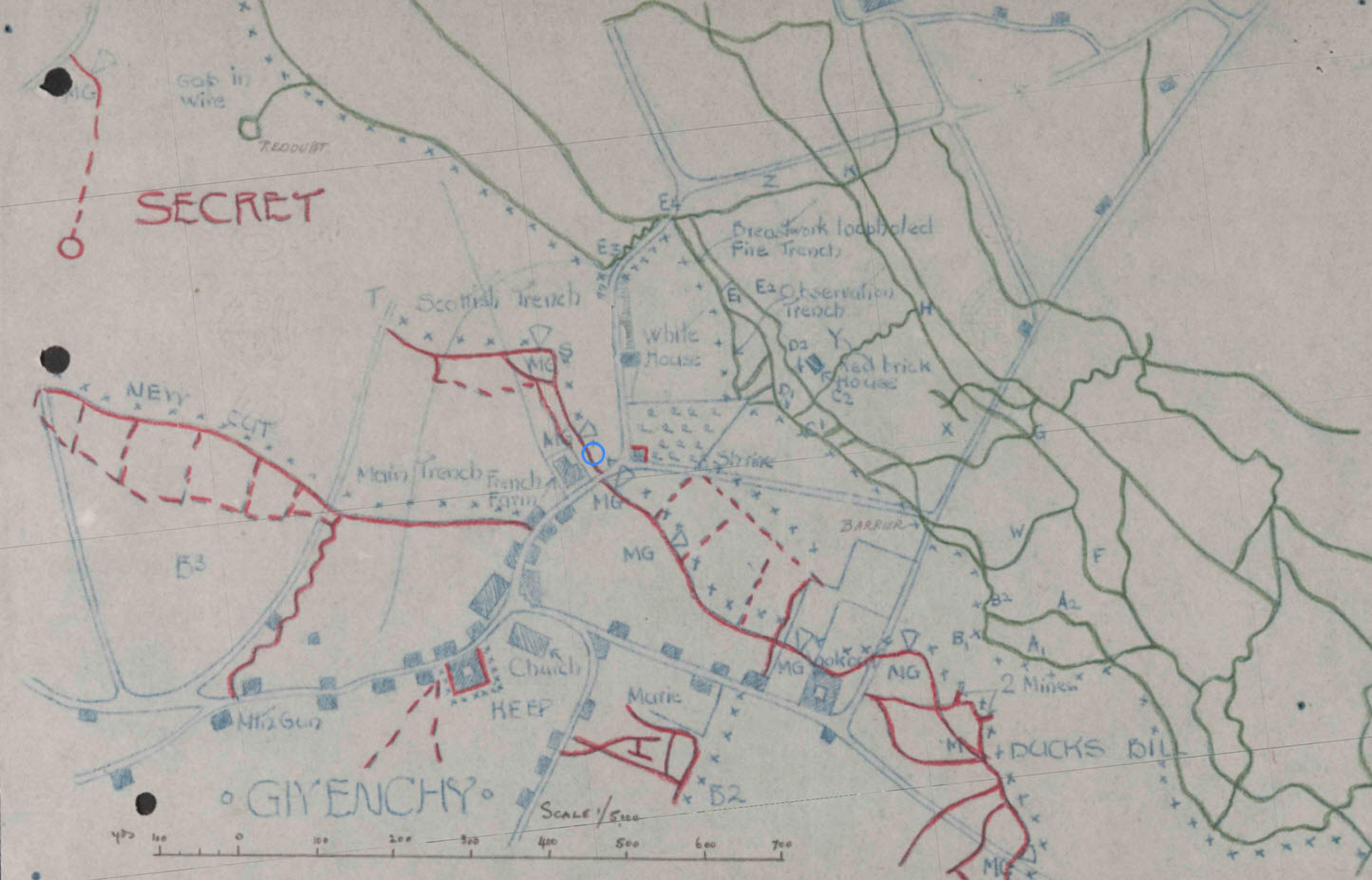
On the evening of May 25, 1915, the Battalion attacked and captured a German trench position known as the "S Bend". The 1st/23rd Battalion also saw significant action there at the same time. Both battalions suffered heavy casualties due to enfilading machine-gun and rifle fire. The 24th Battalion was reduced to 250 men by the time it was relieved, while the 23rd Battalion suffered over 50% casualties (237 killed and 262 wounded) in a few hours. Lance-Corporal Leonard James Keyworth of the 1st/24th Battalion was awarded the Victoria Cross for conspicuous bravery during a bomb attack that night. He stood fully exposed on the German parapet for two hours, throwing approximately 150 bombs (grenades) at the enemy, which effectively stopped a German counter-attack and enabled his unit to hold their position.
Private Alfred Poole Jones was killed during the attack on 26 May 1915 and was buried in the Soldiers' cemetery at Givenchy, about half a mile behind the trenches.
His Captain wrote:
"We captured the trenches which were our objective, but lost over half the battalion in doing so. In Company C alone, 44 were killed and 70 wounded".
The 24th Battalion War Diary records:
"The total casualties of the Battalion during these 28 hours [25-26 May] were 5 officers killed, 3 officers wounded; Other Ranks - 52 killed, 252 wounded, 96 missing."
A fellow soldier wrote:
"When Alf fell, I ran down the slope to what I could do for him. He was lying on his back at the bottom. He said he was hit in the stomach, but would not let me attend to him. 'Never mind about me, get on with the firing, lad' he said, and I had to, as our line was very thin then".
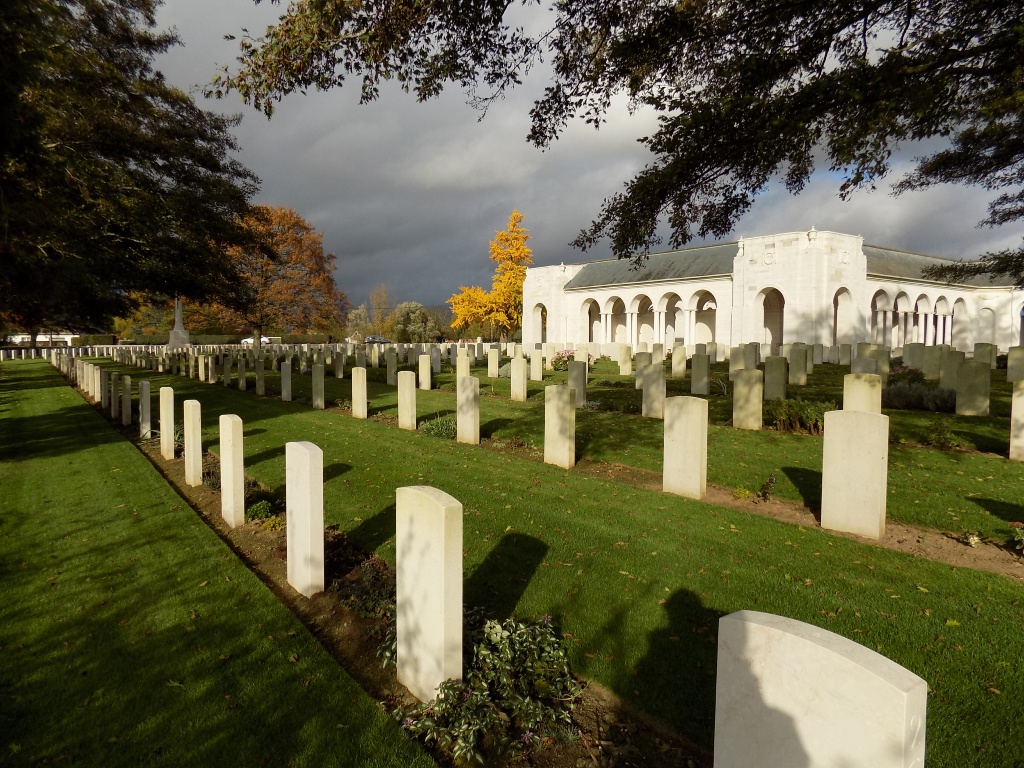
His grave was lost and he is commemorated on the Le Touret Memorial in the Military Cemetery in Richebourg, France.
Alfred's younger brother, Edward Labarte Paterson, a 2nd Lieutenant in the 10/King's (Liverpool Regiment), died of wounds 23 October 1918 at Estaires, France.
2214 Private Alfred Poole Jones, 1/24 Battalion (The Queen's), The London Regiment (T.F.)