
Turkey for Christmas Dinner, 1915
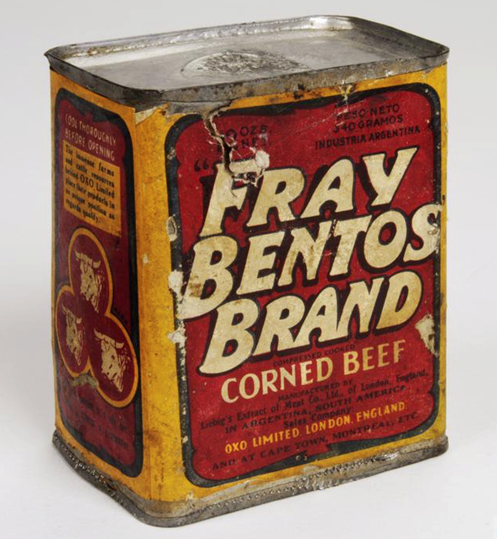
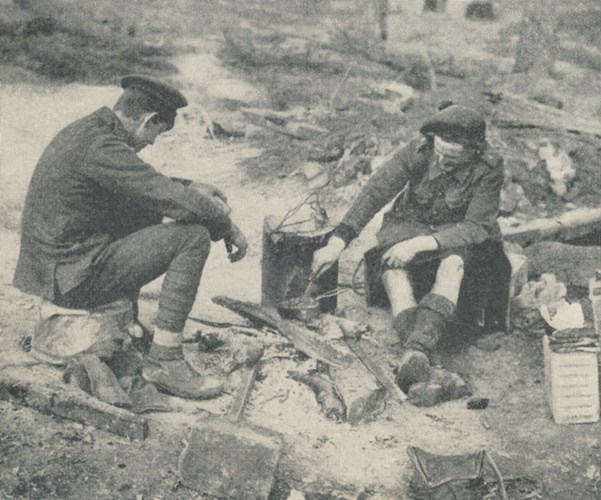
Christmas Day in the front line trenches was (with the possible – partial – exception of 1914) likely to be almost identical to any other day of the year. In terms of a soldier's ‘Christmas Dinner’ – other than the contents of parcels from home – this was again more than likely going to be identical to all other meals: a mixture of Bully Beef, Maconochie stew and other rations.
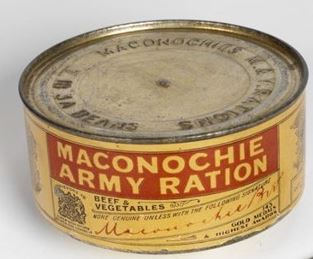
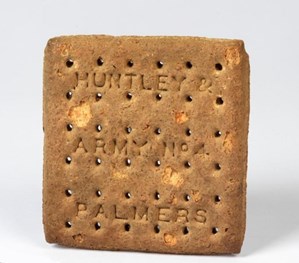
But what of troops at rest, or in the back areas? Did they enjoy a Christmas Dinner similar to what we enjoy today?
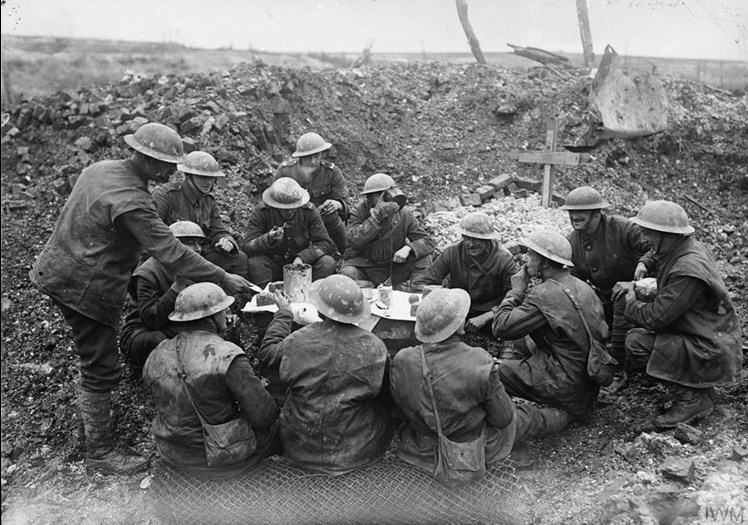
According to one source,[1] American soldiers in France would receive a meal consisting of Christmas turkey, cranberry sauce, sweet potatoes and mince pie.
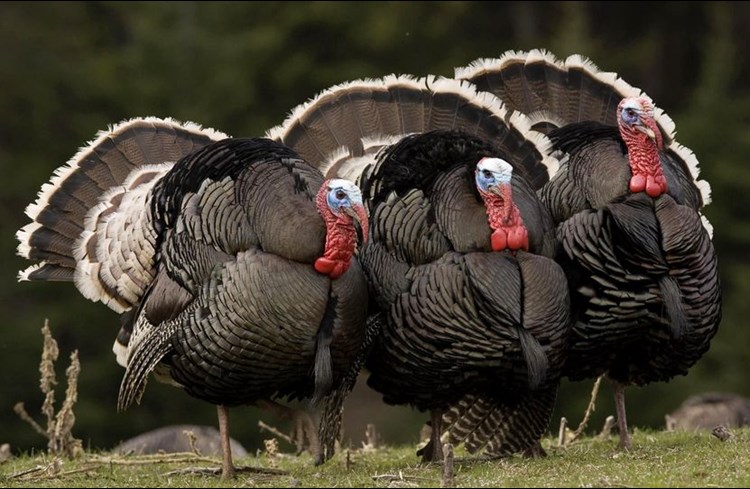
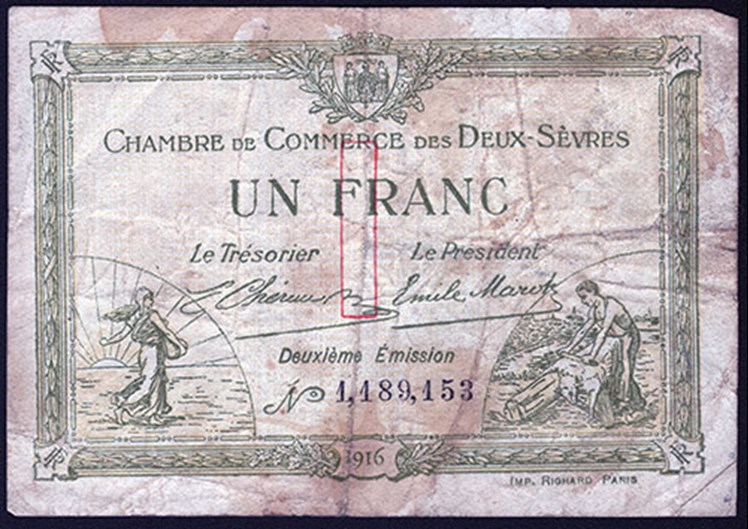
It seems that British troops were also able to acquire Turkeys. One company (67) of the Army Service Corps recorded they paid the Expeditionary Force Canteen the sum of 592 Francs for 25 Turkeys in 1915.[2]
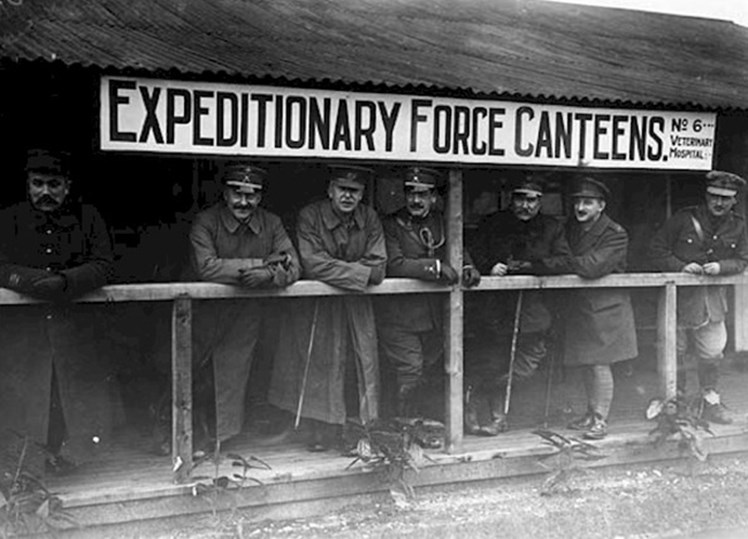
The 67 Company ASC was part of the 38th (Welsh) Division which arrived in France in the first days of December of that year.
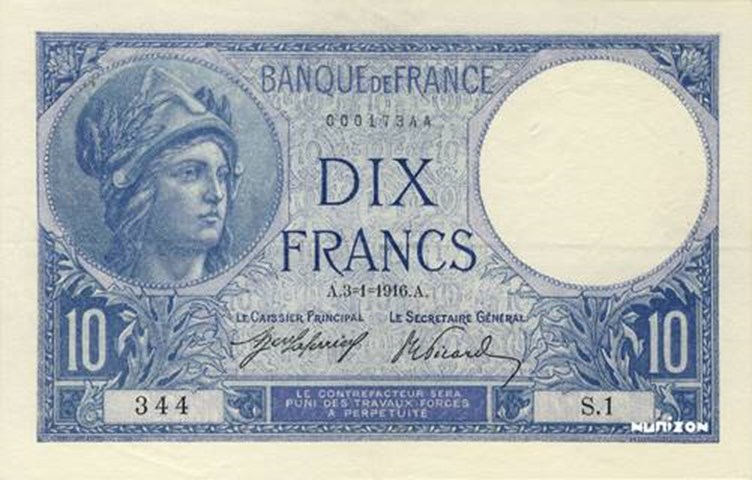
This sum of money needs investigating. Using a currency converter we know that at that time there were about 28 French Francs to the pound.[3] We also know that inflation has taken the equivalent sterling amount (about £21) up to about £2200 in today’s money.[4]
So the ASC of the Welsh Division were paying (in today’s terms) about £88 per bird. This is obviously more expensive than even the ‘organic’ birds we see on supermarket shelves today.
Did the ASC pay over the odds? A Sainsbury’s advert from 1916 advertises turkeys at between 1 shilling and 4d per pound and 1 shilling and 9d per pound (presumably the more expensive ones were part of their ‘Taste the Difference’ range ! ).[5]
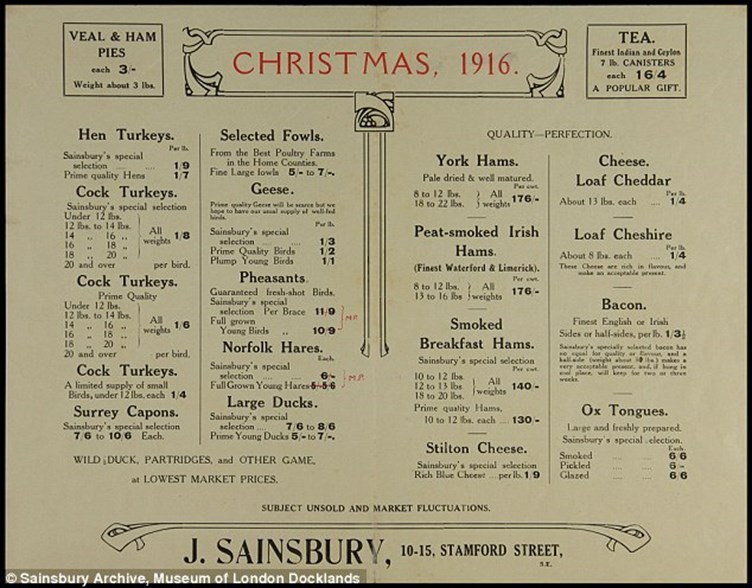
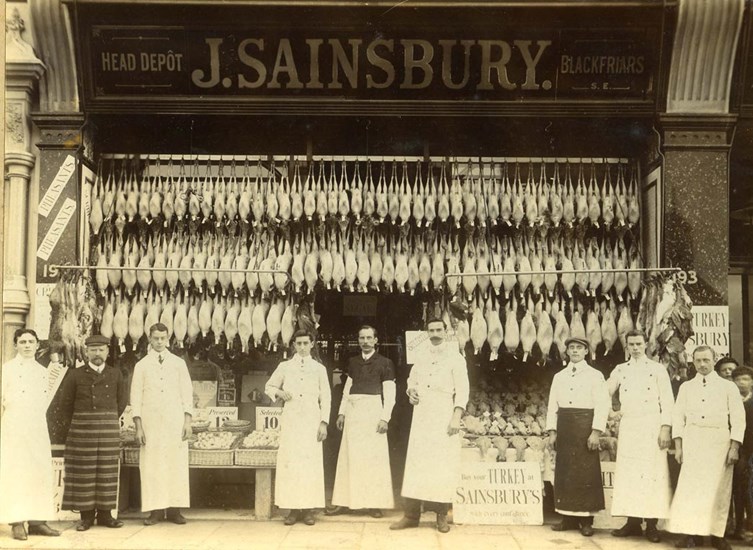
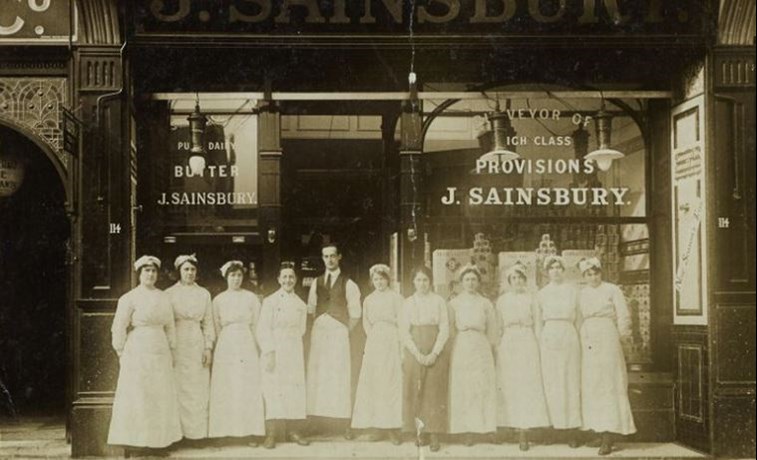
A mid point here is one shilling 6d per pound. This is 8 pence per pound in decimal money. Using the inflation calculator this is around £8.50 per pound today. The same retailer is selling premium Turkeys at Christmas 2021 at £6.40 per kilogram. Given there are 2.2lbs per kilogram, this means today’s Turkeys are retailing at £2.91 per lb.
We don’t know the size of the Expeditionary Force Canteen’s Turkeys but if we suppose they were 14lb birds – had they been sold at Sainsburys in 1915/16 they would have cost the customer £1 1s. (£1.05 today) – this using the inflation calculator would be in today’s money £110. So it seems that either the birds were much smaller than 14lbs or they got a bargain.
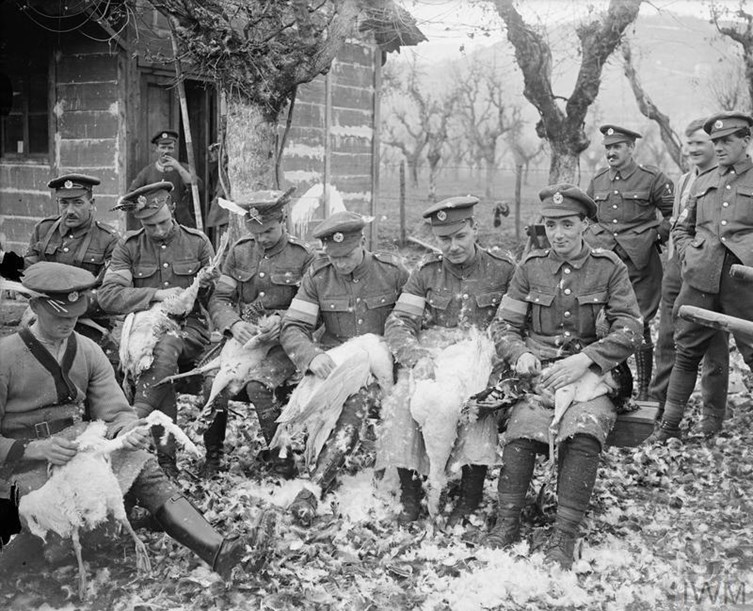
Let’s see if we can estimate the size of the birds the ASC bought for the (then) price of 17 shillings per bird (25 birds at £21 is £0.84; 84% of 20 shillings of 17 shillings).[6]
A 12lb bird ‘off the shelf’ in our 1915/16 Sainsburys would (at 1s6d per lb) cost 18 shillings.
It seems the Expeditionary Force Canteen was selling Turkeys to the ASC at about the correct price and there was no profiteering going on, but the cost of Turkeys (and presumably other food) was significantly higher than we pay today.
What else would have been on the menu?
In 1914 we hear about a Christmas Day meal of pheasant. British officer John Wedderburn-Maxwell described what he did after the 1914 truce….
After the war had recommenced [he means after the truce ended], I went up to see the Lincoln colonel. And there I found the second in command and the adjutant sitting down to a jolly good Christmas, which they’d sent across and told me to come and join. And we had roast pheasant – it was wonderful the way they could cook in those trenches on charcoal fires – roast pheasant and plum pudding and plenty of rum. Of course, the colonel could always get rather more than the ration! No, we had a real slap-up meal.[7]
On the home front civilians may have enjoyed the following in 1915:[8]
Hors-d’oeuvres
Clear Oxtail Soup
Oyster Souffle
Roast Turkey, Chestnut Stuffing
Boiled Ham
Plum Pudding, Mince Pies
Orange Jelly
Olives with Anchovies
Dessert
Coffee, Liqueurs
Australian troops probably ate identical food to the British, and some of the descriptions have been preserved by the AWM (9)
Lieutenant Donald Armstrong in Abassieh in a letter to his mother writes about the Christmas dinner he had in 1915: Roast Beef, Roast Mutton, Pickles, Sauce, Asparagus, Bread, Rolls and fish or meat paste, seven plum puddings, tinned pineapple and apricots, chocolates lollies, almonds, peanuts, brazil nuts, oranges and a bucket of cocoa. After which he has commented “I don’t want any more to eat for a week or so”
Private Charles Bennett wrote in his letters home about the Christmas dinner he had in an English camp in 1916. He had: Turkey, Ham, Roast Potato, Peas, Parsnips, Xmas pudding, Café au Lait, apples, orange, bananas, saffron cakes, mince pies
However Christmas wasn’t always an enjoyable time. Captain Charles Gatliff in a letter to his parents in 1916 from 'somewhere in France' wrote that "...there was no real Christmas dinner just the usual rations as the parcels from home didn’t arrive until the afternoon."
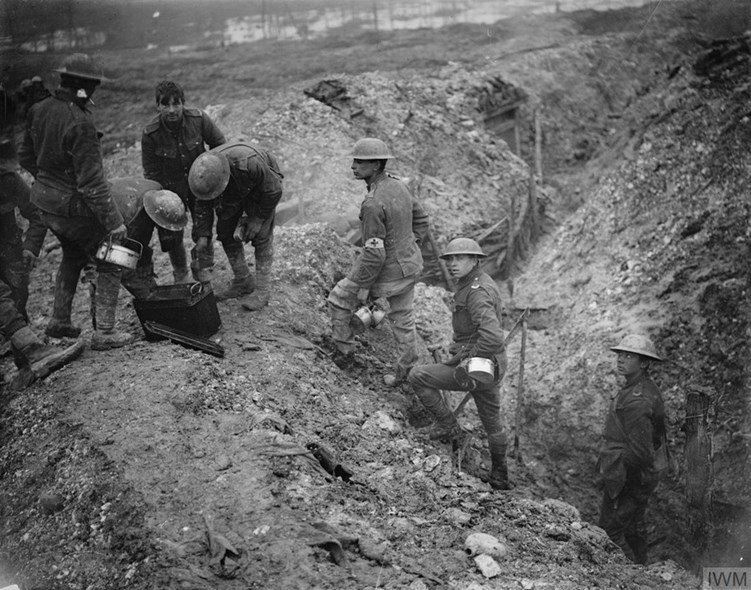
Captain Gatliff did receive some cheer at Christmas though in the form of some Christmas puddings brought by some of the officers returning from leave.
Back in the BEF Maurice Greenwood and his comrades cooked the one they had in a less conventional way.
First Christmas we had, someone got a turkey. But I don’t know where they got it from. But we made a trough in the ground and put a fire in and then put some iron bars across top and laid turkey on the top. It was a sort of a barbecue thing, you know!
British officer William Richards wasn’t quite so lucky with one of his wartime Christmas meals.
Christmas 1916 was an awful winter. My Christmas dinner was a tin of bully beef which I’d dug out of the snow, because it had been discarded by the previous occupants of the gun pit. The cook, together with other people – the commissariat – the ration lorry couldn’t come because the roads were in such a state on account of ice and snow. And so my Christmas was a tin of bully beef and he made a hash of it, you know what I mean. He just fried it up and made a hash of it. That was 1916 !
My thanks to Roy Larkin for drawing the 67 ASC purchase of 25 turkeys to my attention. Roy’s website is www.historicroadways.co.uk
References
[1] State (Columbia, South Carolina), 24 December 1917, page 2
[2] 67 Coy ASC War Diary, WO 95/763.
[3] David Challis, Archival Currency Converter 1916–1940, https://canvasresources-prod.le.unimelb.edu.au/projects/CURRENCY_CALC/
[4] https://www.bankofengland.co.uk/monetary-policy/inflation/inflation-calculator
[6] Calculations via https://www.retrowow.co.uk/retro_britain/old_money/sterling_calculator.html
[7] https://www.iwm.org.uk/history/voices-of-the-first-world-war-christmas-at-war
[8] https://www.historyextra.com/period/first-world-war/wartime-christmas-5-first-world-war-recipes/
[9] https://www.awm.gov.au/articles/blog/christmas-dinner-during-war
Becoming a member of The Western Front Association (WFA) offers a wealth of resources and opportunities for those passionate about the history of the First World War. Here's just three of the benefits we offer:

With around 50 branches, there may be one near you. The branch meetings are open to all.

Utilise this tool to overlay historical trench maps with modern maps, enhancing battlefield research and exploration.

Receive four issues annually of this prestigious journal, featuring deeply researched articles, book reviews and historical analysis.
Other Articles


