
A Tour of Mesopotamian War Cemeteries in 2025
Mesopotamia is a largely forgotten part of First World War history and the Commonwealth cemeteries and memorials there, never well visited or high profile, have almost disappeared from public consciousness.
The article “A Tour of Mesopotamian War Cemeteries in 2003” by Major General (Retd) M A Armstrong is, therefore, a rare historical snapshot-in-time of these sites, written from the perspective of a serving British Army officer during the invasion of Iraq.
The lack of awareness of Mesopotamia as an important Great War theatre is both surprising, but also maybe explained by the unique place the country has in modern British Military history. Since 1914, the UK has invaded Iraq 3 times, held 5 wars, administered the country for 30 years and maintained a military presence there for over 50 years, starting in the age of cavalry through to the age of jets and guided missiles. Over 56,000 Commonwealth service men and women lost their lives there during this period, the vast majority from the Indian Army of the First World War. It surprises many that Iraq is the 5th largest country for Commonwealth war dead and accounts for 3% of the global total but, when Iraq is mentioned, the majority of those in the West immediately think of far more recent conflicts like the Gulf War and the fight against ISIS.
Iraq is a very different country from 23 years ago when the British Army first occupied Southern Iraq with Basra as the centre of operations. The elections in November 2025 went smoothly. European airlines have started flying into Baghdad. International companies are investing heavily. Museums (including the British Museum) and universities are active in archaeological investigation and preservation and the country is enjoying what the Daily Mail refers to as a “mini boom” in tourism.
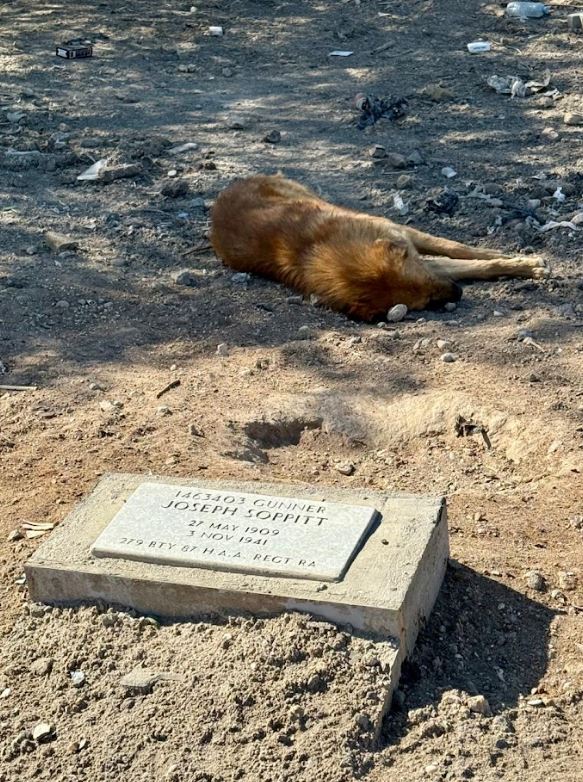
In October 2025, I joined the estimated over-100,000 international tourists annually to visit the country with the aim of seeing the ancient sites, including Hatra, Nimrud and Uruk but also to visit the Second World War grave of my grandfather in Basra War Cemetery, something I had been planning since the 1990s. In the 30-odd years of waiting to visit, I had been frustrated by the complete lack of photography and information available on the cemetery and his grave site.
From this very different time and perspective, I also took the opportunity to visit every Commonwealth war cemetery (as well as German and Ottoman ones), taking photos and video and sharing them on a dedicated Facebook page in an attempt to fill the void in information that had frustrated me for decades, and to enable more people to access and experience them, even if only virtually.
Here then is an update from the 2003 article, updated and extended to the other sites not covered in that article from my own 2025 tour.
A Map of the cemeteries in Iraq
The following map may assist with the location of the various cemeteries mentioned in this extensive article. The map has been created by the author, Ben Soppitt.
Kut War Cemetery and the 147-day siege of Kut (December 3, 1915 – April 29, 1916)
Nikolas Gardner, associate professor at the Royal Military College of Canada, called it
“the most humiliating surrender of British forces since Cornwallis's surrender at Yorktown during the American Revolutionary War in 1781.”
Kut is the single battle in which the largest number (six) of British Generals surrendered together and was a major blow to British prestige in the Middle East and much wider across the Empire.
The chaos of defeat and surrender means statistics are often a challenge but the best estimates are approximately 1,750 British and Indian soldiers died from wounds or disease during the siege, with an estimated 13,300 Allied soldiers captured at the surrender on April 29, 1916, of which 4,250 died on the march to POW camps in Turkey or at the camps themselves.
Around 30,000 died or were wounded in relief attempts vs 10,000 Ottoman casualties and a small but unknown number of German advisor casualties, including Field Marshal Colmar Freiherr von der Goltz (also known as Goltz Pasha) widely viewed as the architect of the Ottoman success of the battle. He died of typhus just days before the British forces surrendered at Kut-al-Amara and is commemorated in the German Soldiers Cemetery in Baghdad in a fine memorial but is actually buried, as per his wishes, in a far more humble grave in Istanbul.
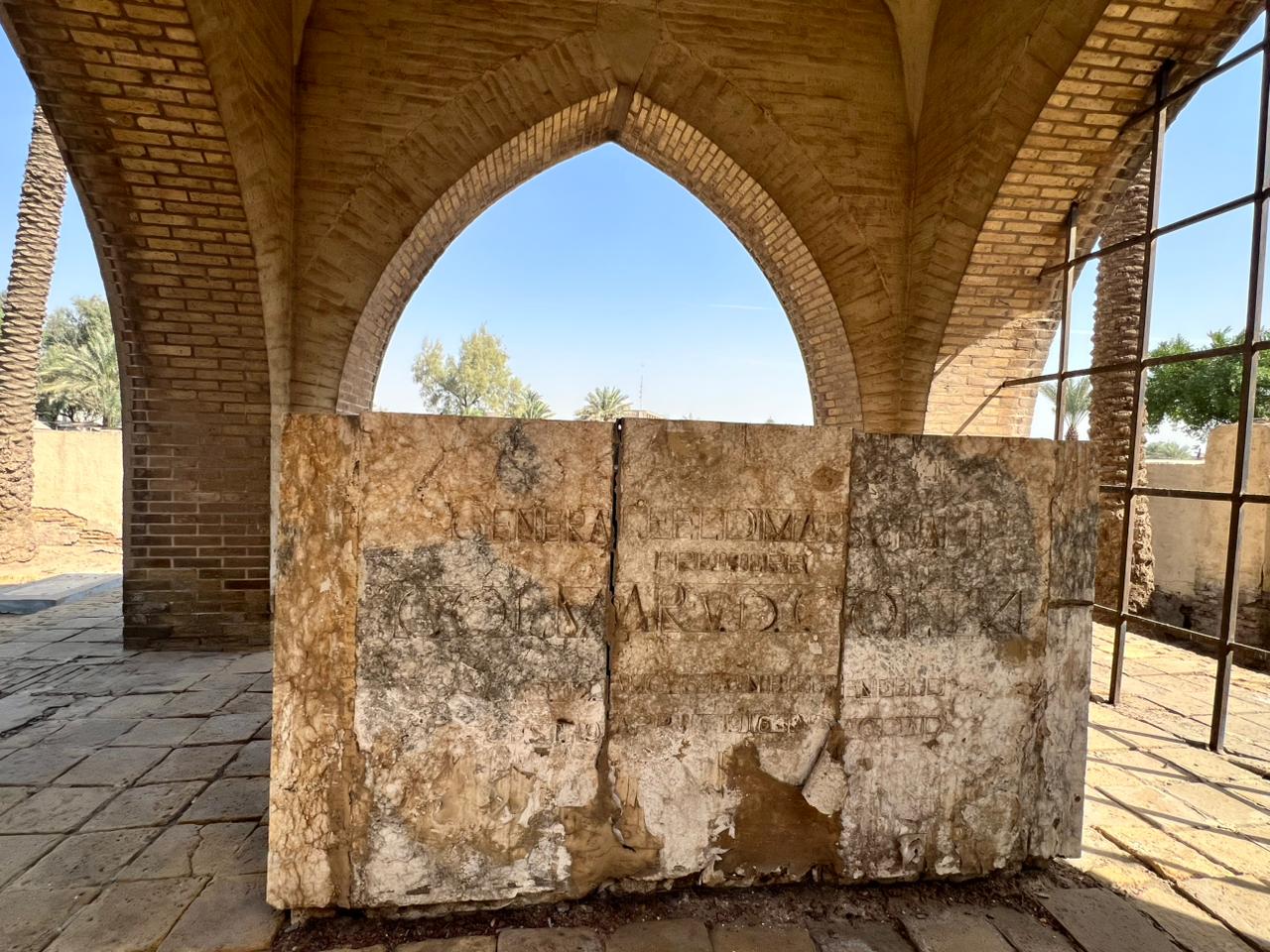
Kut War Cemetery, though, is surprisingly small given the scale of the disaster, with only 410 graves, many of which are from events outside the siege itself with dates of death up to 1921. The cemetery is surrounded by high building walls on three sides and a fence and gate to the front making it feel almost claustrophobic and is, itself, at the centre of the busy souk with the city undergoing rapid expansion and modernisation.
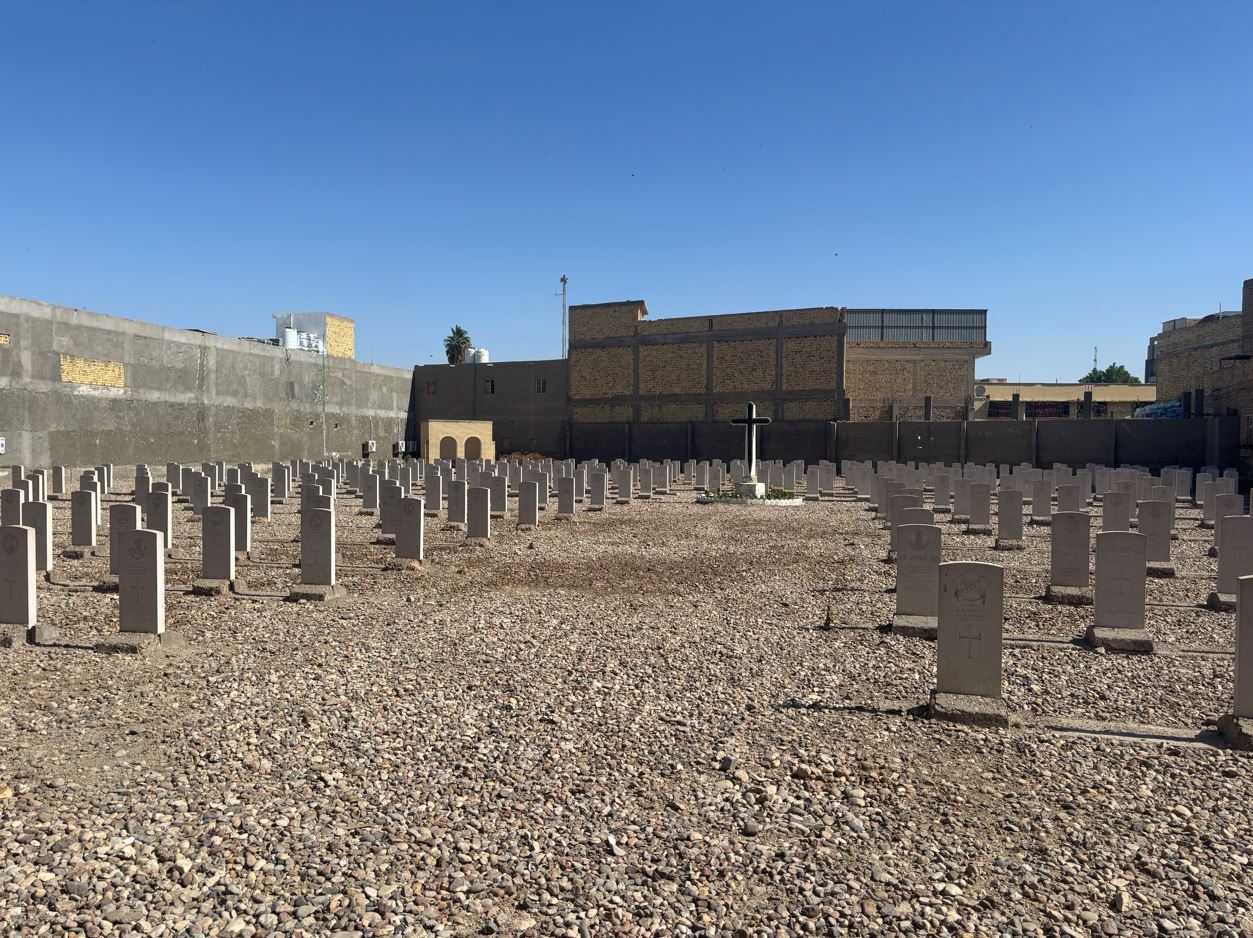
The vast majority of the dead were buried in makeshift graves; these were lost having been buried in the field or on the flood plain of the River Tigris. This fate was shared by the Ottoman dead with all their graves lost to the river. The Ottoman memorial at Kut, whilst looking like a cemetery, is actually a memorial only.
Others killed in the relief efforts, or evacuated for medical treatment to Amara or Basra, were buried there. The rest are on the Basra Memorial which commemorates 40,682 men (and one woman, an Australian, Nurse Dobbes, who died on board a ship and was buried at sea), the majority from the fall of Kut.
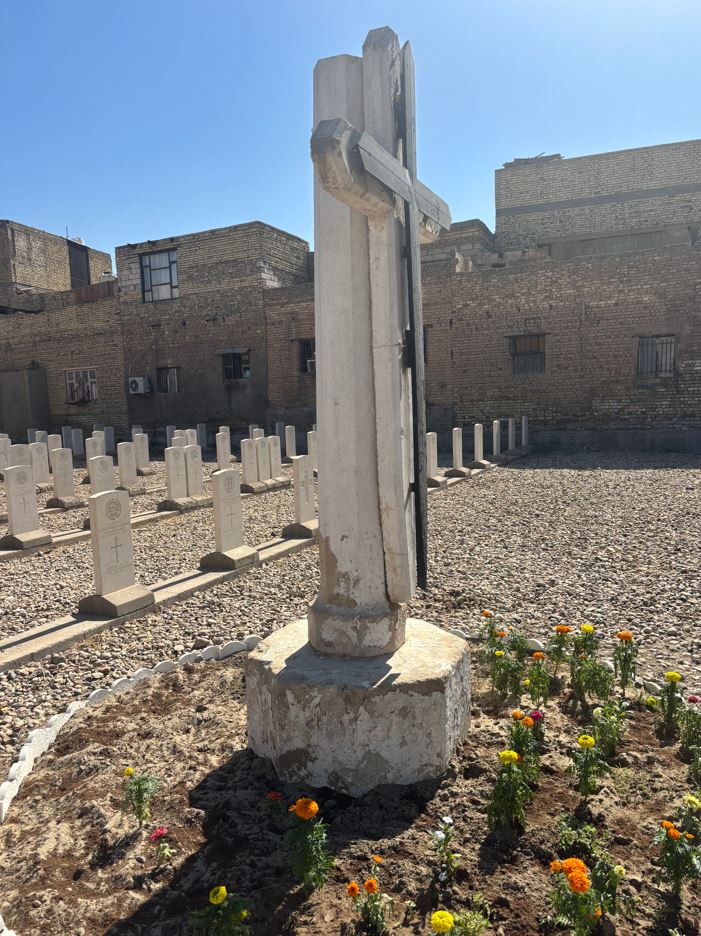
The CWGC partially renovated the cemetery in 2014, with new headstones added and landscaping of the site. The War Stone was not replaced and the damaged Cross of Sacrifice remains as it was in 2003, with two halves of the shaft bolted together and a makeshift sword added. This is the only remaining Cross of Sacrifice of any site in Iraq, albeit in a damaged state.
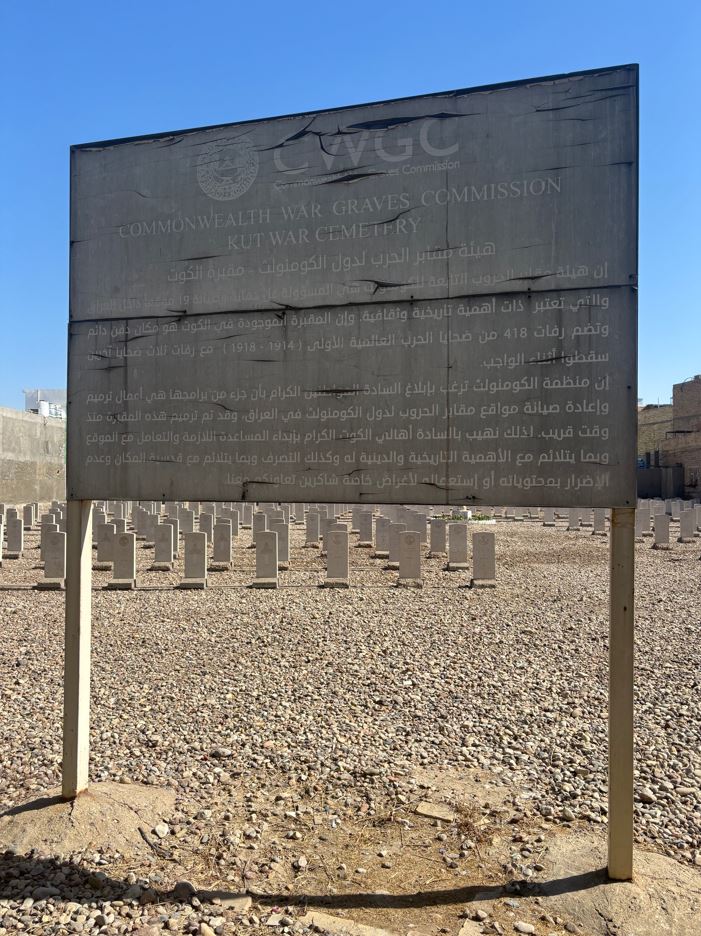
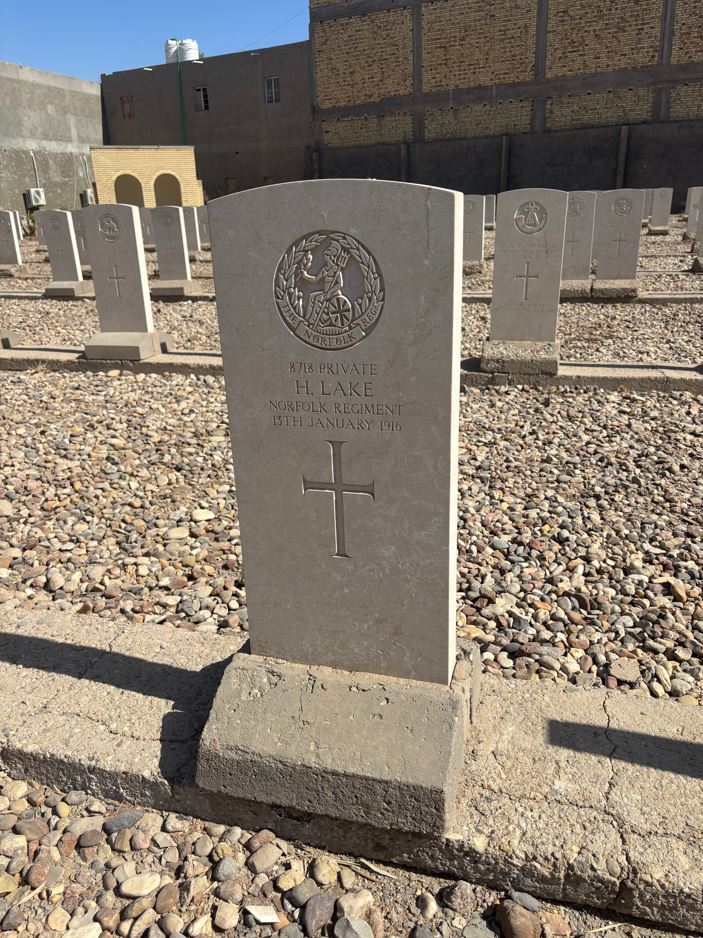
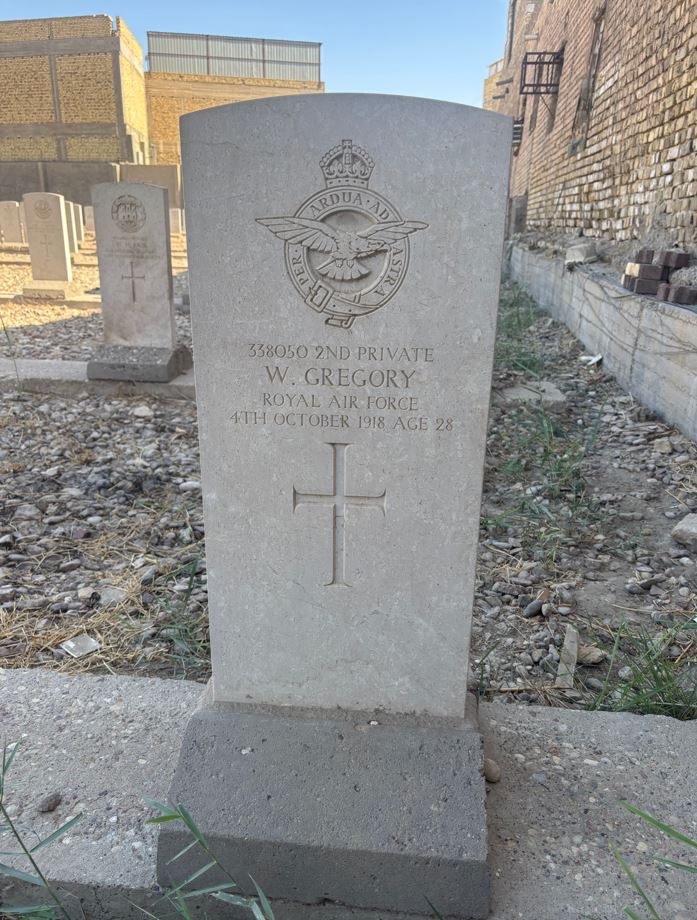
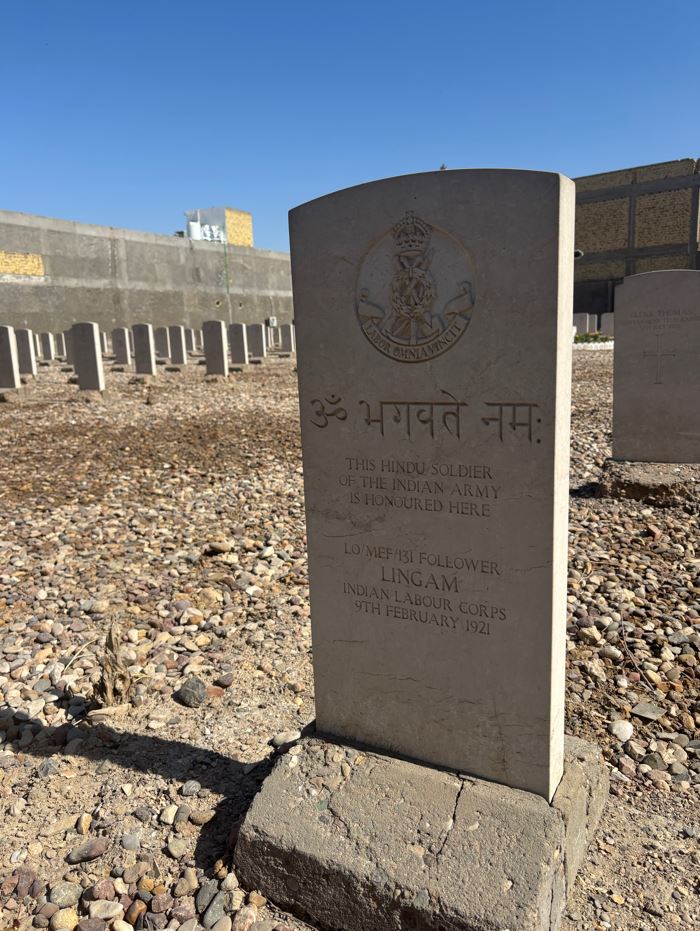
The Norfolk Regiment is especially prominent there and, in addition, occupies over 3 panels at the Basra Memorial. Also present are Royal Air Force casualties, with the air force (including the nascent Australian air force in the form of the Australian Half Wing) having played an important role at Kut and the wider theatre, in bombing, supply and reconnaissance, something the Ottomans lacked. There are also many men of the The 6th (Poona) Division led by General Townsend and other Indian Army casualties.
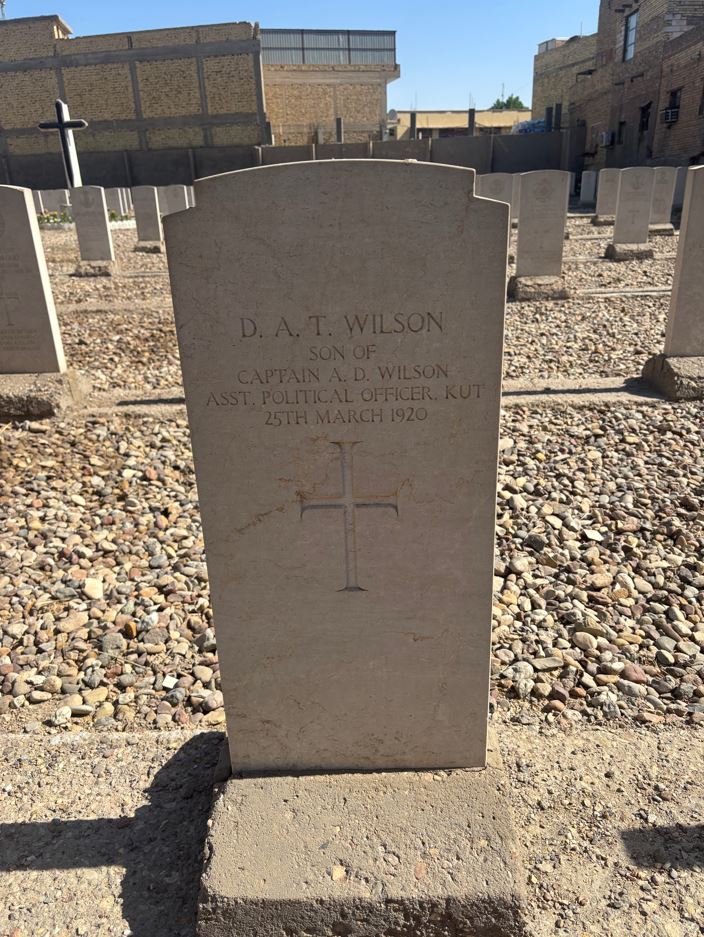
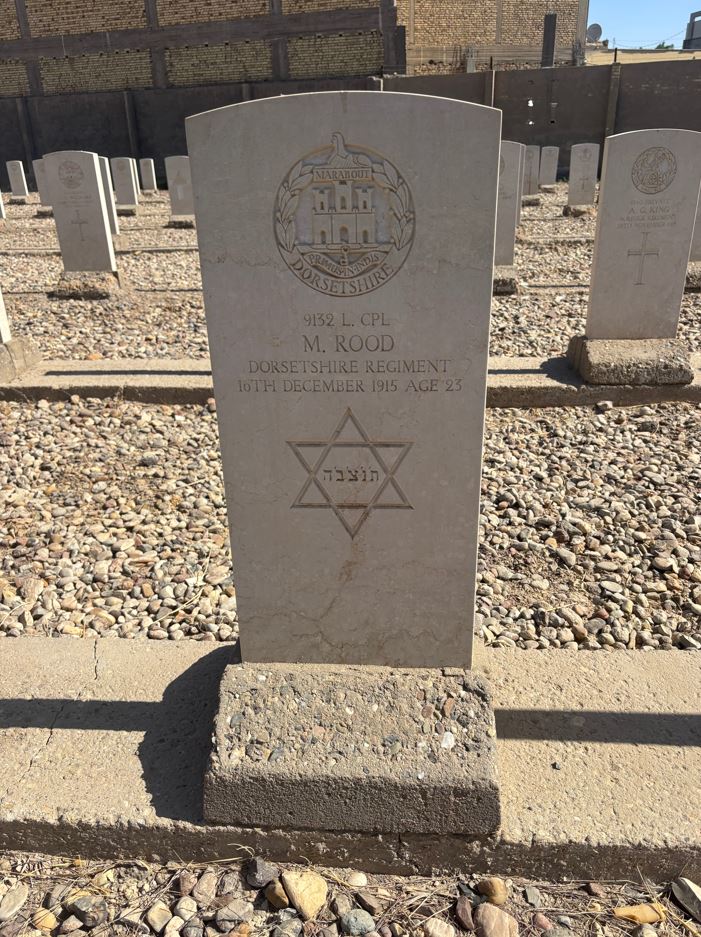
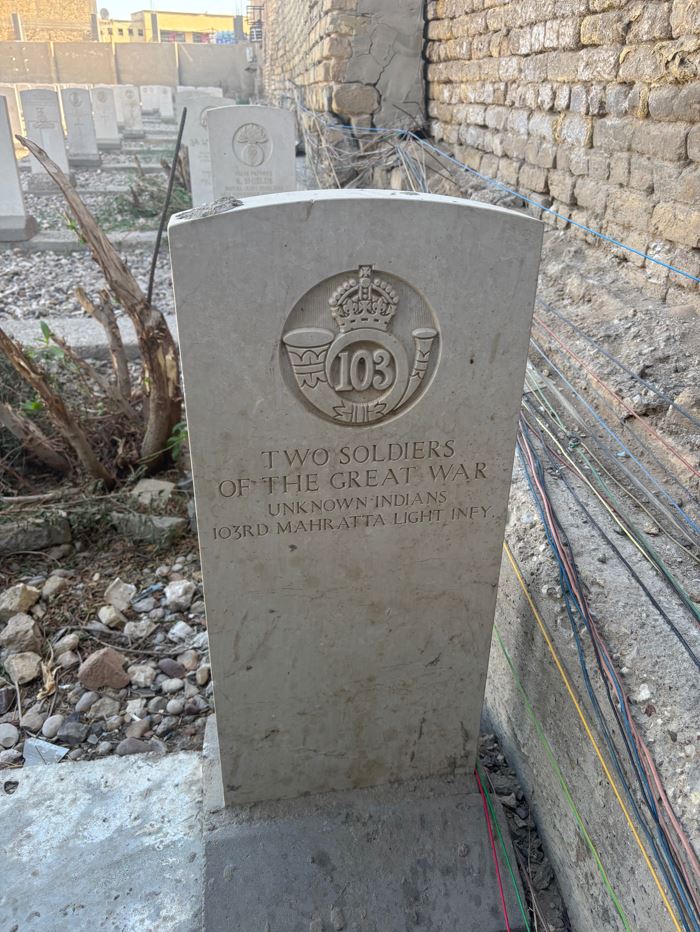
The planting that was done in 2014 has not survived but the caretaker at the site, Mr. Mohammed, maintains a small flower bed and willingly opens the gates for visitors as they come.
Amara War Cemetery
Amara War Cemetery has two parts which have fared very differently over the past few decades - the British Cemetery and the Indian Cemetery (often referred to as the Indian Left Bank Cemetery but is actually only 50 feet from the British one and on the same side of the river).
The British Cemetery covers a large area and has 4,621 graves, almost all known and buried individually. The headstones were removed in the 1930s and replaced with a Memorial Wall.
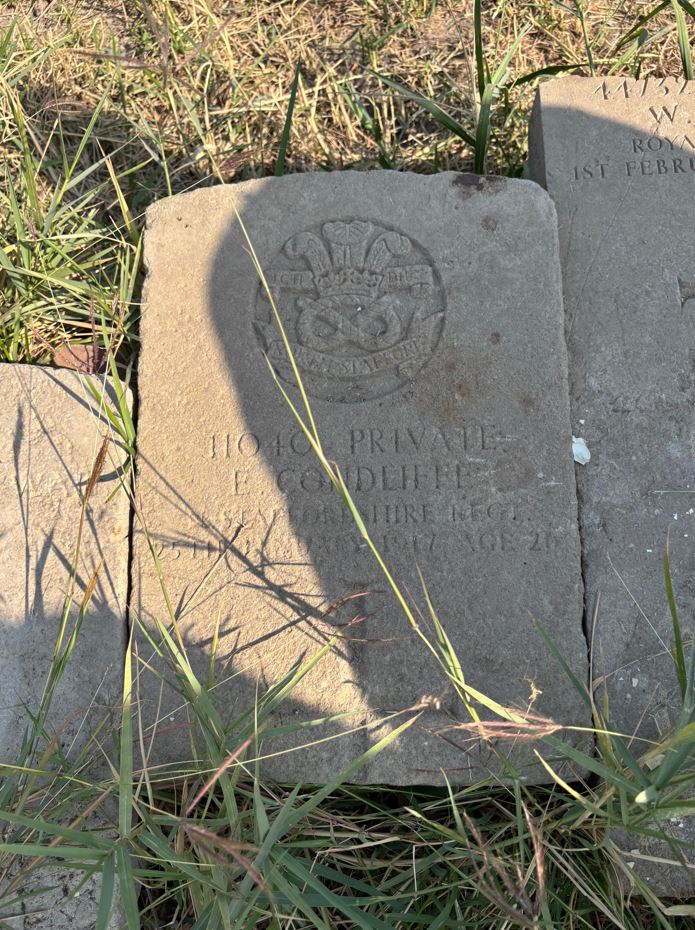
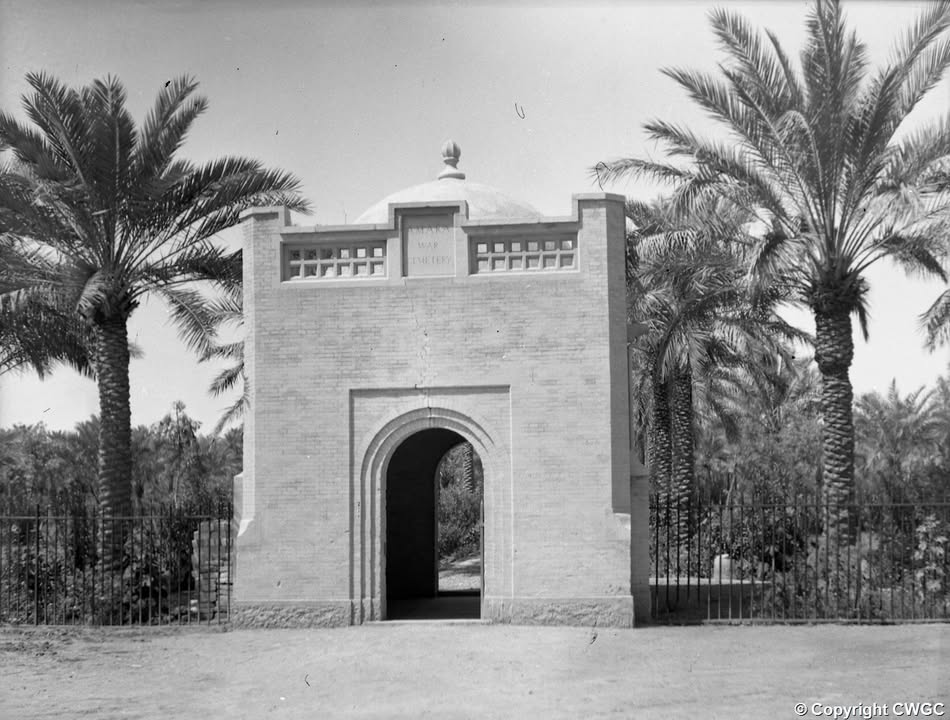
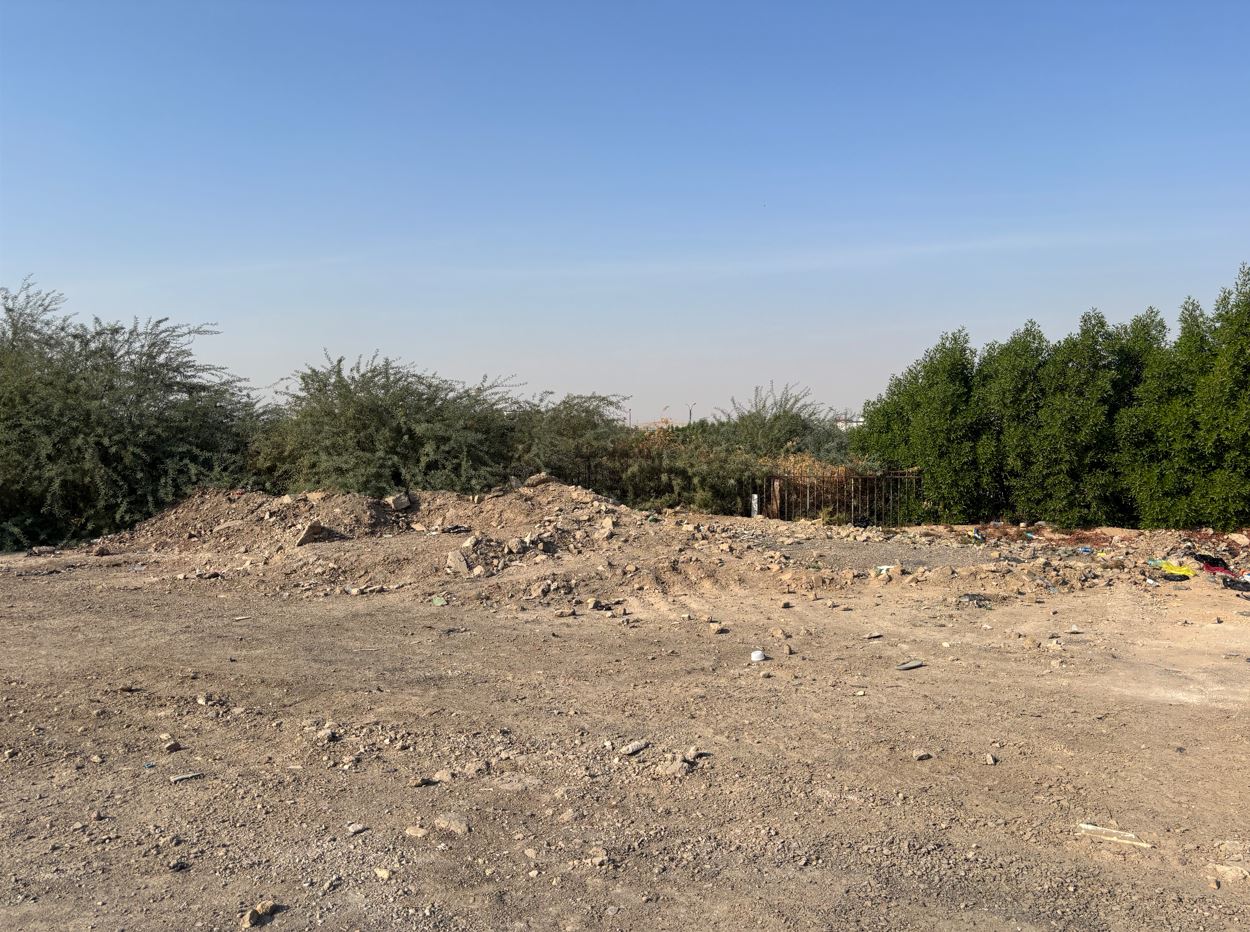
The original gatehouse for the British cemetery was demolished by the CWGC country manager in 1998.
The Cross of Sacrifice that featured in a photo in the 2003 report was destroyed by Militants in 2004, along with the War Stone. The remnants of these features remain on the site in the hope of eventual renovation. Only the pedestal of the Cross remains and, amazingly the Bronze sword, which was retained by the caretaker, the last remaining one.
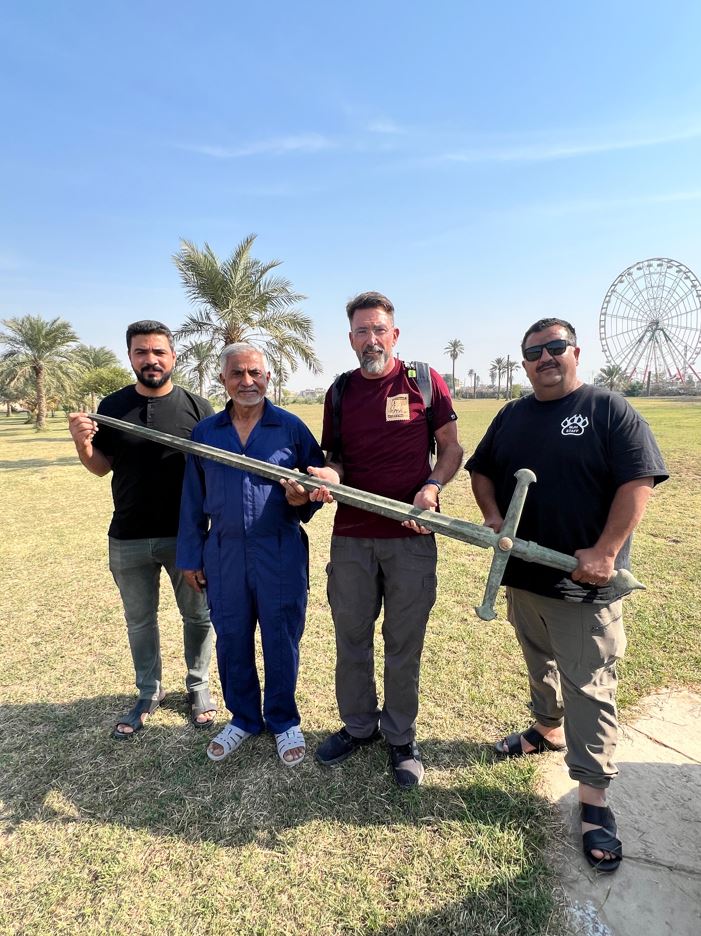
The same family has maintained the site since the 1960s, with Mr Hasan Ahtif Mousa and his son, Mustafa, still there despite being unpaid for many years and at personal risk with little by way of support or resources expected of such a large site. Mr. Hasan is the gentleman mentioned in the original 2003 report.
Mr. Hasan completed a renovation of the memorial wall in 2022 and all the panels are intact and well displayed. A bronze plaque was added in 2004 for a casualty of Op Telic - the only such memorial left in Iraq with the others removed by the British Army in 2009 and re-installed at the National Memorial Arboretum in Staffordshire.
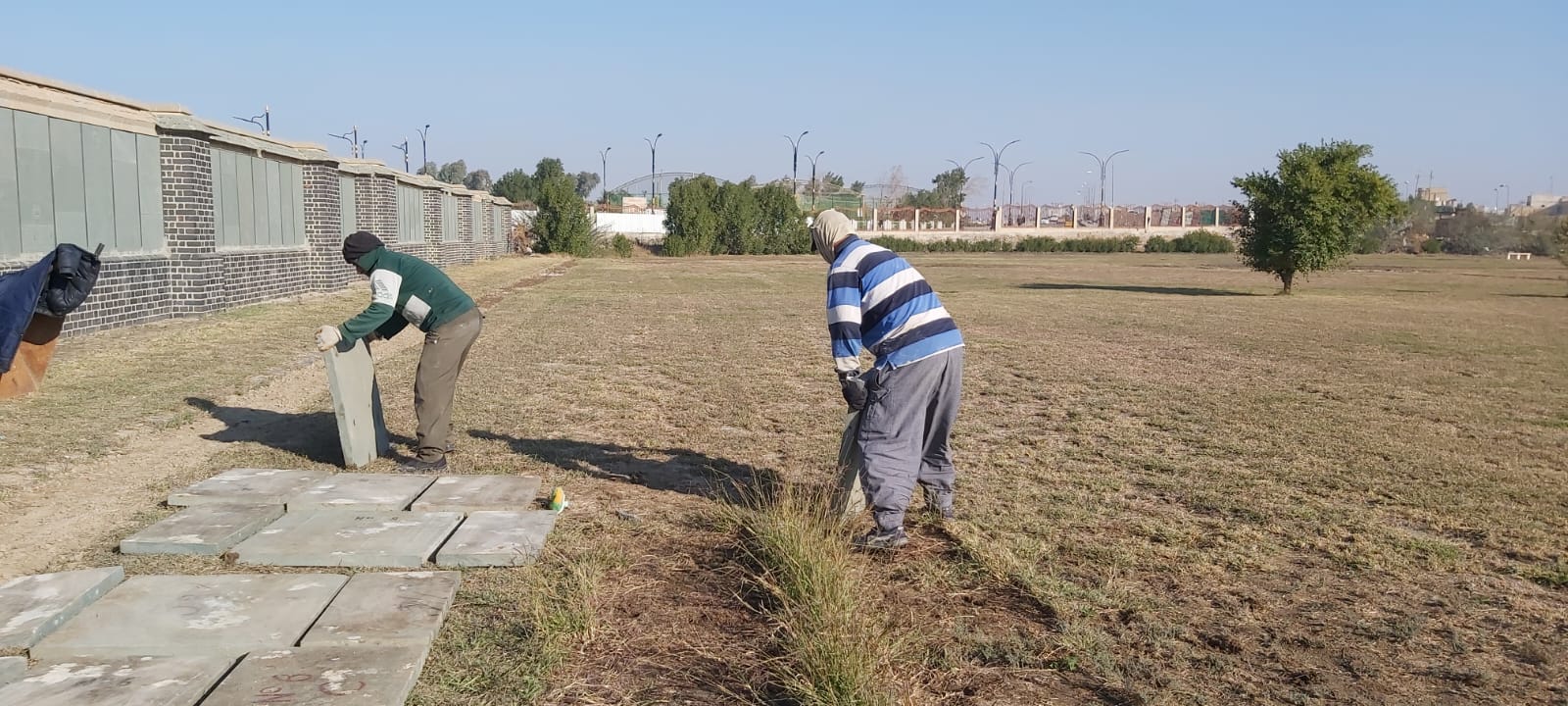
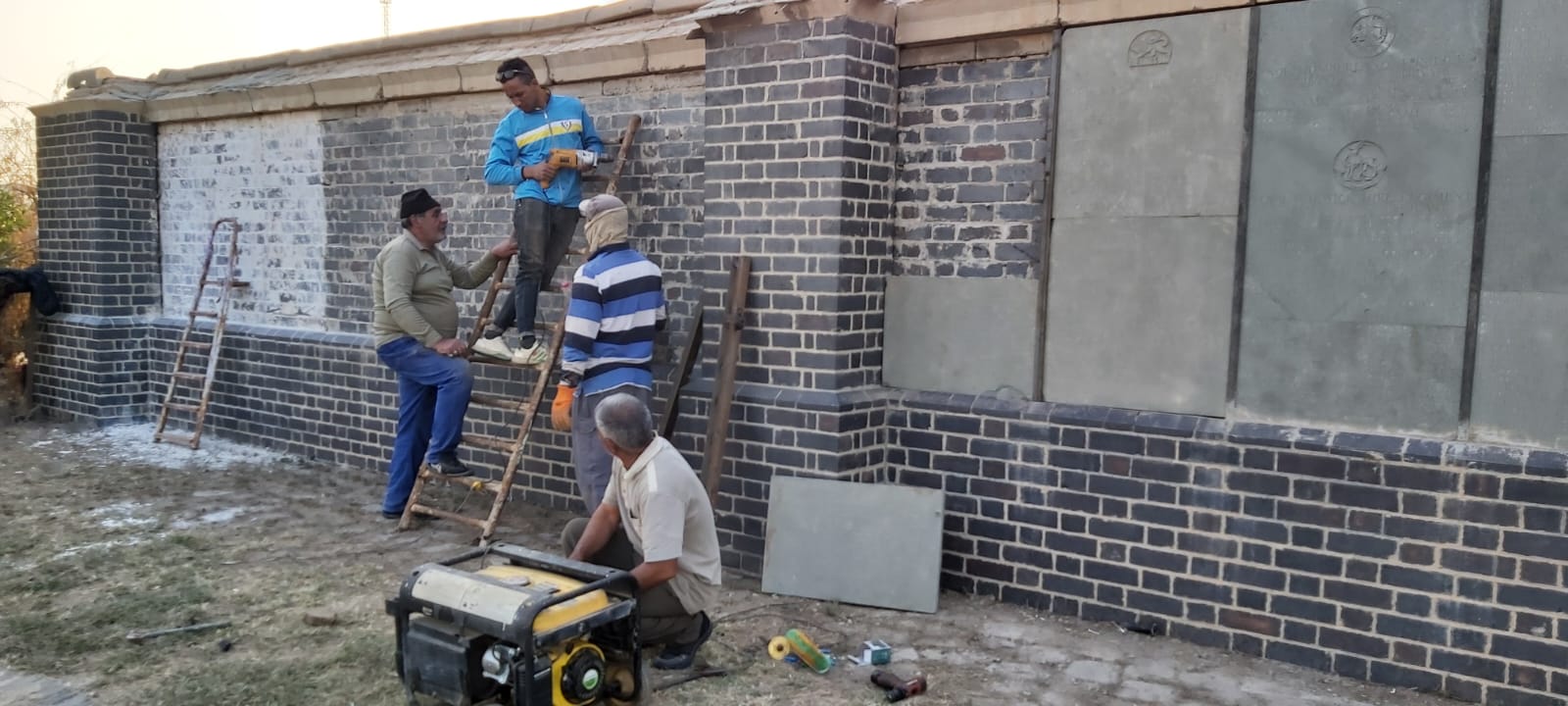
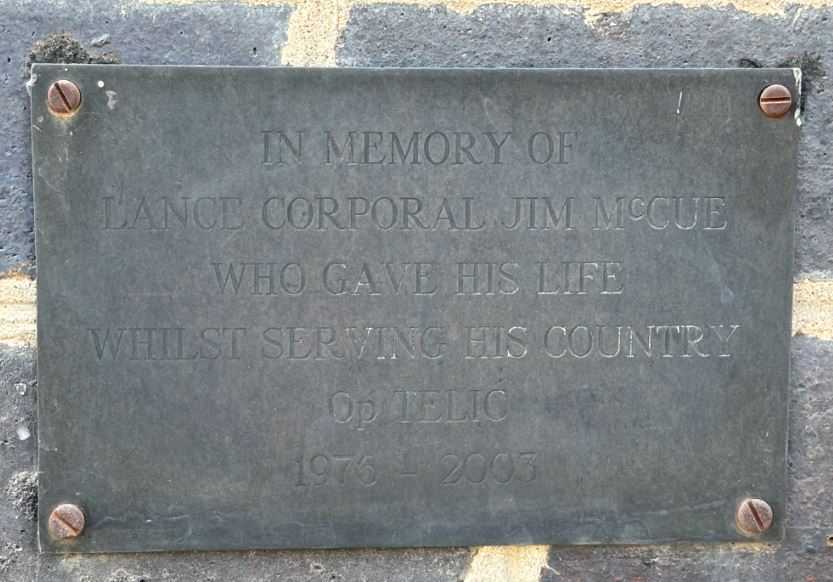
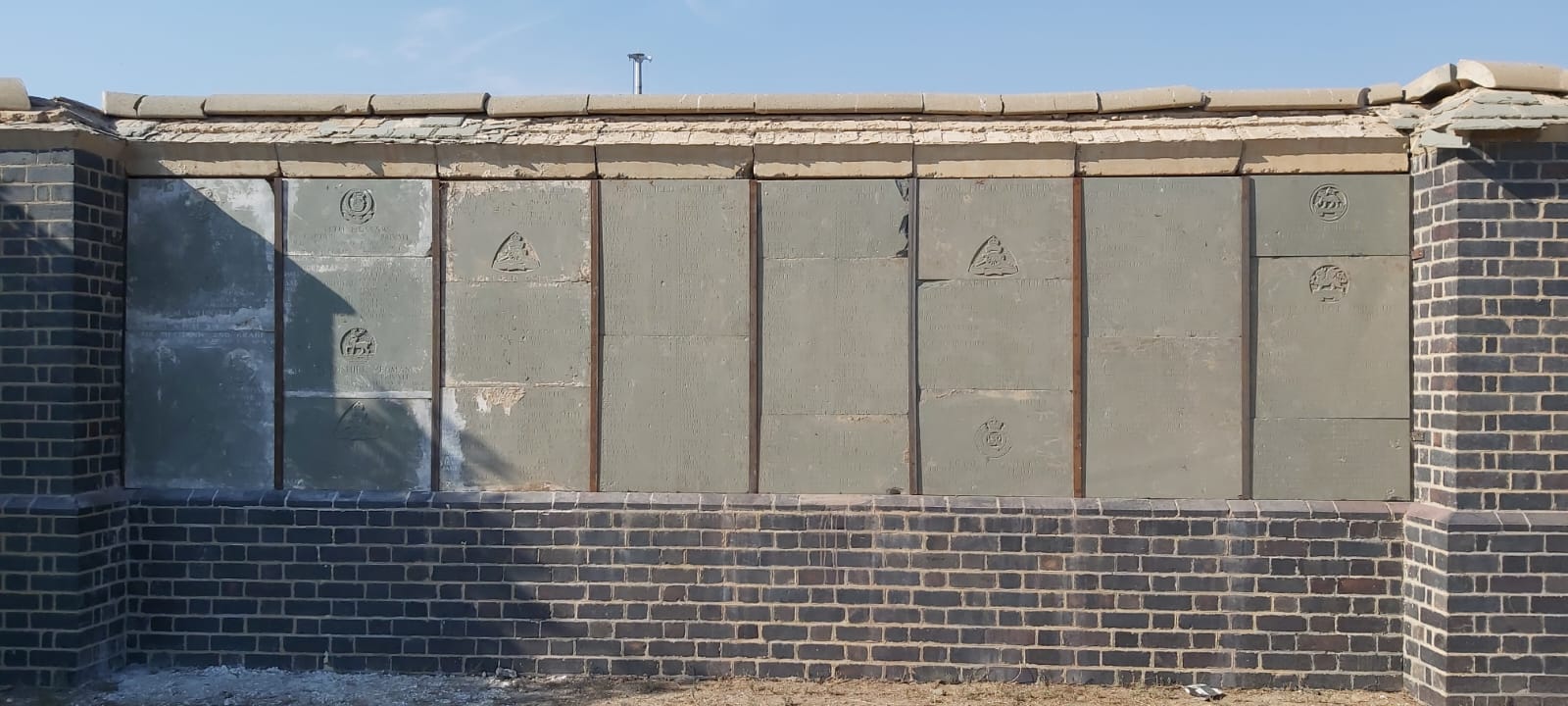
Despite lacking the typical Commonwealth architecture and features, such as the Cross of Sacrifice, Stone of Remembrance, and standardized headstones or the gatehouse, Amara British Cemetery is a beautiful park with grass and mature palm trees and is, by far, the best maintained of all Commonwealth Cemeteries in Iraq.

Notable burials include Lt Commander Cookson VC. "The London Gazette," dated 21st May, 1915, records the following:
"On the 28th September, 1915, the river gunboat 'Comet' had been ordered with other gunboats to examine and, if possible, destroy an obstruction placed across the river by the Turks. When the gunboats were approaching the obstruction, a very heavy rifle and machine gun fire was opened on them from both banks. An attempt to sink the centre dhow of the obstruction by gunfire having failed, Lieutenant-Commander Cookson ordered the 'Comet' to be placed alongside, and himself jumped on to the dhow with an axe and tried to cut the wire hawsers connecting it with the two other craft forming the obstruction. He was immediately shot in several places and died within a very few minutes."
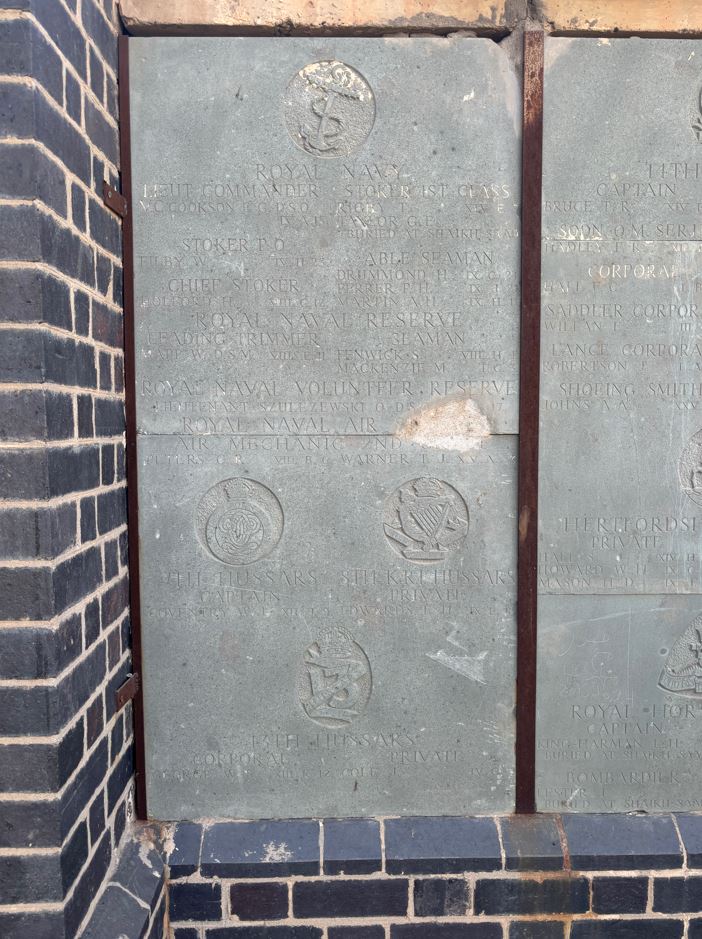
Another notable burial is Maj. Henderson. On 25 January 1917, on the west bank of the River Hai, near Kut, Mesopotamia, he performed the deed for which he was awarded the Victoria Cross.
Maj. (actg. Lt.-Col.) Edward Elers Delavel Henderson, late N. Staffs. R. “For most conspicuous bravery, leadership and personal example when in command of his battalion.
Lt.-Col. Henderson brought his battalion up to our two front-line trenches, which were under intense fire, and his battalion had suffered heavy casualties when the enemy made a heavy counter-attack, and succeeded in penetrating our line in several places, the situation becoming critical.
Although shot through the arm, Lt.-Col. Henderson jumped onto the parapet and advanced alone some distance in front of his battalion, cheering them on under the most intense fire over 500 yards of open ground.
Again wounded, he nevertheless continued to lead his men on in the most gallant, manner, finally capturing the position by a bayonet charge. He was again twice wounded, and died when he was eventually brought in.”
The Indian Cemetery located just a few feet away has, however, fared very differently. Much smaller than the British Cemetery, the site holds around 5,000 Indian Army burials, making it one of the largest Indian cemeteries in the world. Only nine of these burials are recorded as identified, all post-Armistice. The CWGC notes that the original burial records were sent to Simla HQ in 1919 and have since been lost/destroyed, so there is no surviving complete nominal list. Whilst many of these casualties should have been cremated in accordance with their faith, lack of the necessary wood and the exigencies of the time meant they were interred in mass graves with two standardised memorials for Sikhs and Hindus and “Muhammadans” respectively - the same memorial design was used at Basra, Northgate and Mosul.
The Indian Cemetery gatehouse photographed in the 2003 report, which was originally across the road (the road is now a dirt track indistinguishable from the surrounding field) from the British gatehouse, was destroyed in the same attack by Militants in 2004 that saw the destruction of the Cross of Sacrifice in the British cemetery.
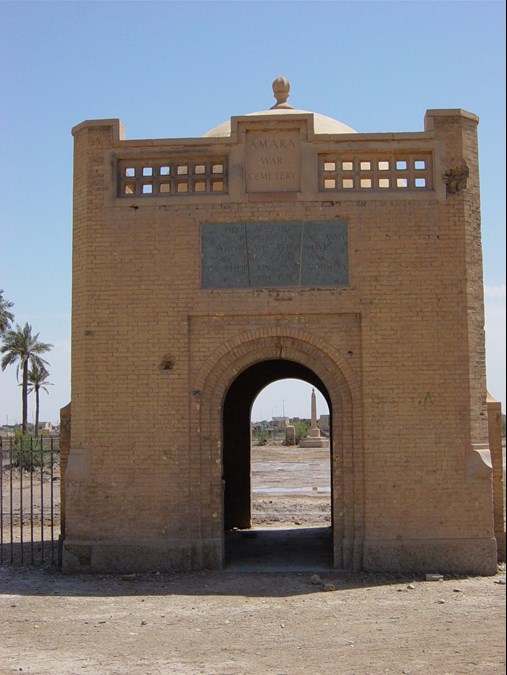
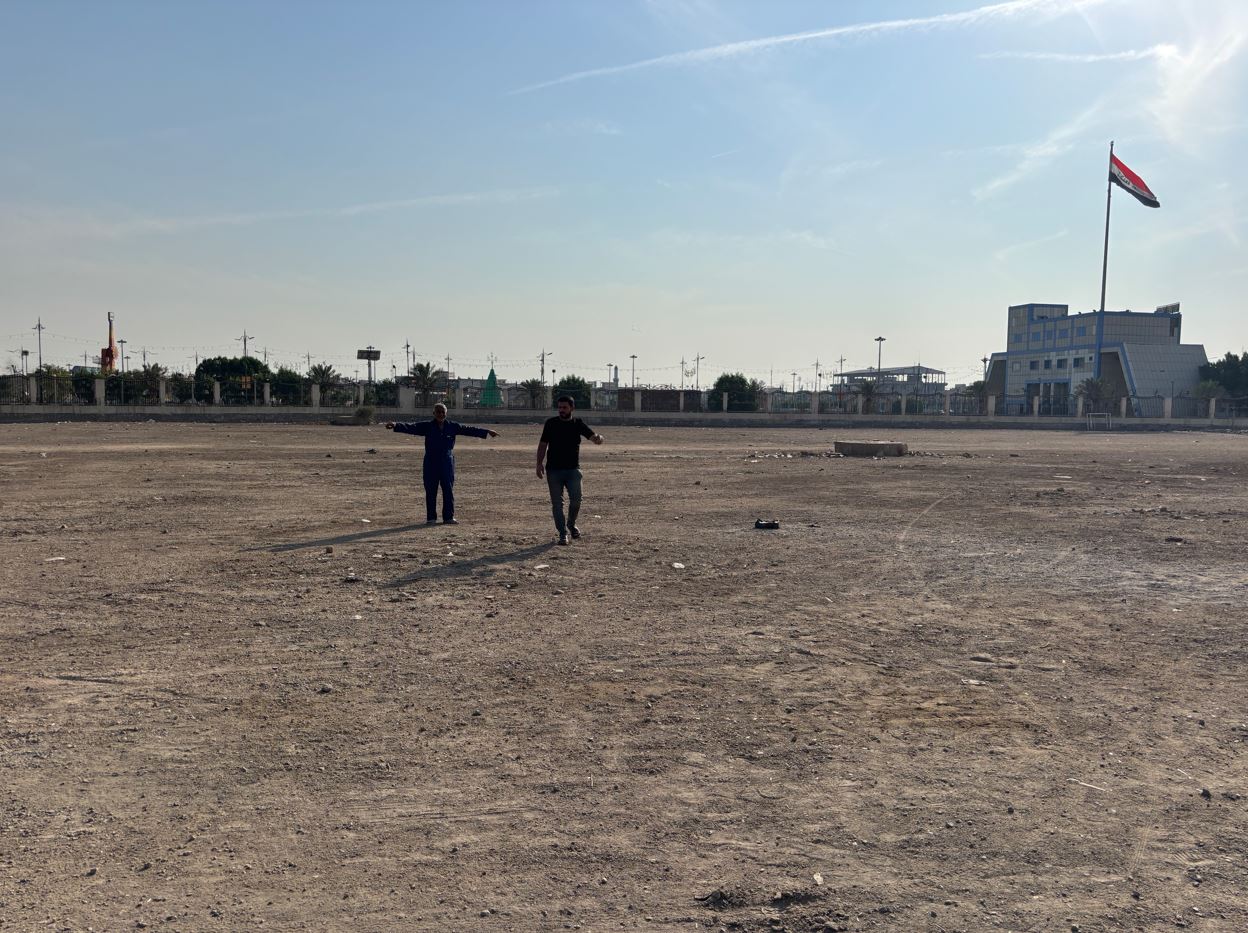
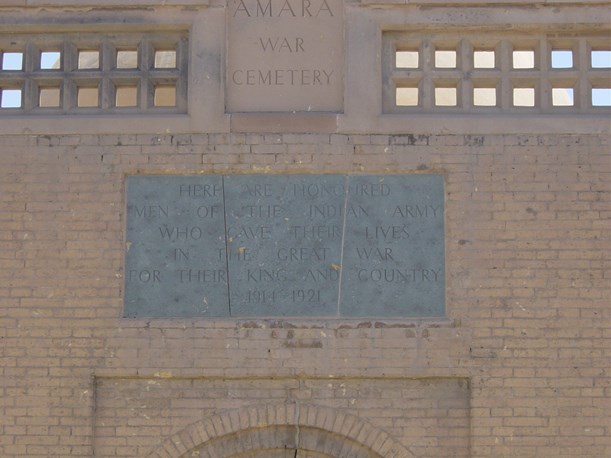
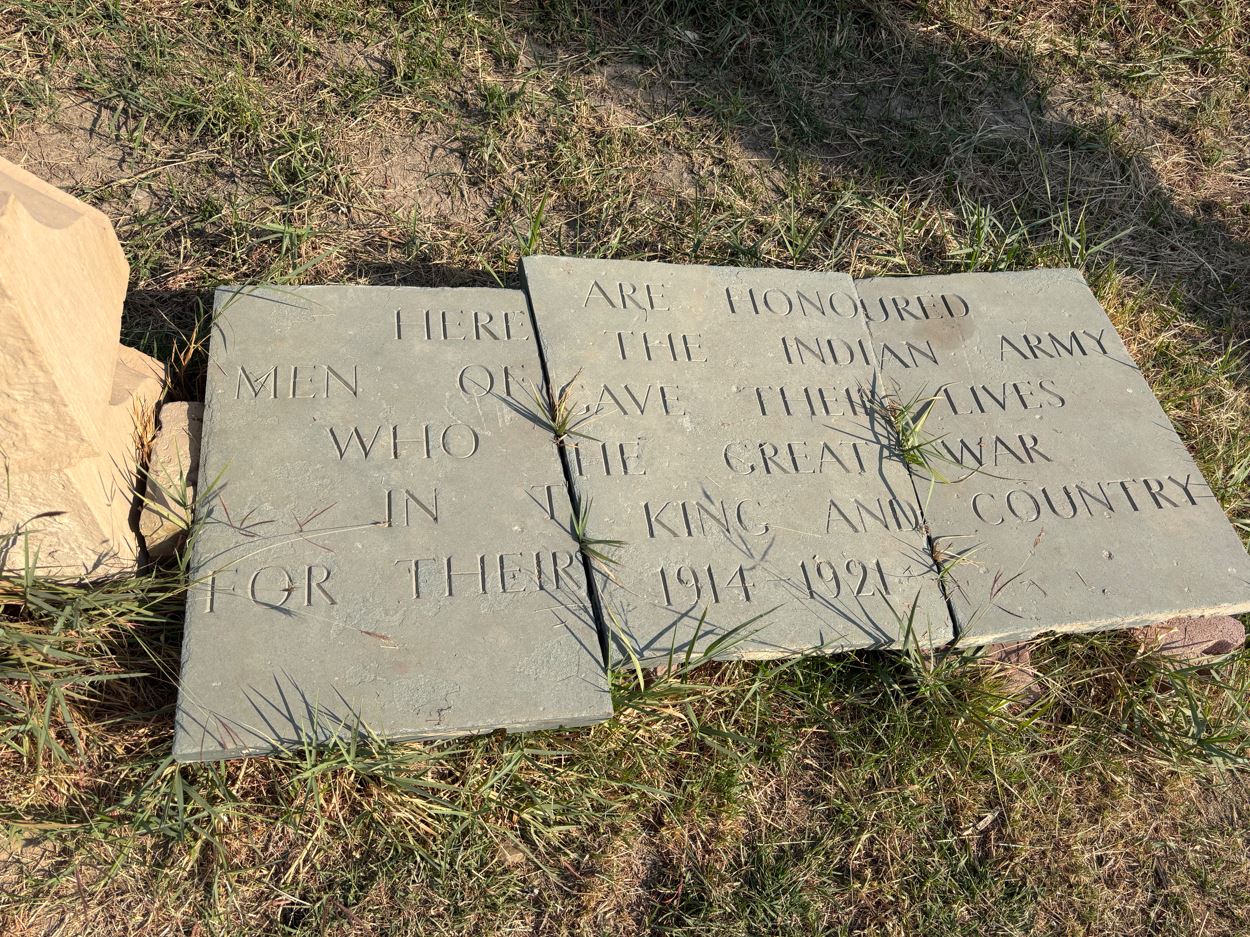
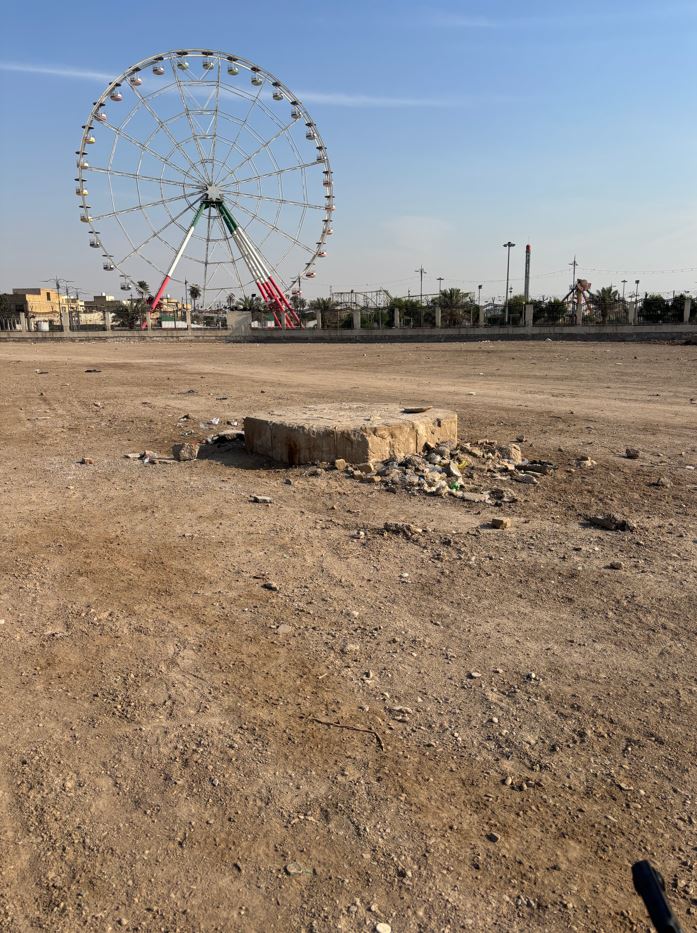
The Hindu/Sikh and Muhammadan memorials were also destroyed and only their pedestals remain. The Indian cemetery has no signage, no perimeter fence and about 30% of it has been built over by an adjacent Amusement Park.
Basra War Cemetery and the Basra Memorial
Basra is strategically placed on the banks of the Shatt-al-Arab river and the Persian Gulf by the border with Iran. It was the main entry point and logistical base for the Mesopotamia campaign, the allied invasion and occupation of World War Two, and the second gulf war.
Basra was the site of one of the largest offensives in the Iran/Iraq war with the Siege of Basra (Operation Karbala-5) January 8 to mid-April 1987. This followed a previous attempt two years earlier. It was a massive, bloody offensive by Iran to capture the Iraqi city, marking one of the largest battles of the war, ultimately resulting in an Iraqi defensive victory but at the cost of an estimated 80,000 deaths, and included heavy bombardment of Basra city by the Iranian Forces.
Those in the UK will be more familiar with the 2003-2009 invasion and occupation of Basra by the British Army and its Allies. This ramped up from a short initial fight with Iraqi Army troops ending April 2003, followed by a period of relative calm immediately afterwards, before the full counter-insurgency started. This peaked in 2007, when the Allied forces moved from their base in Saddam's former Palace on the Shatt Al Arab river to Shaiba Airbase. The fighting included artillery and air bombardment of the city itself to counter militant rocket attacks, with the Allied forces working closely with the Iraqi Army allies.
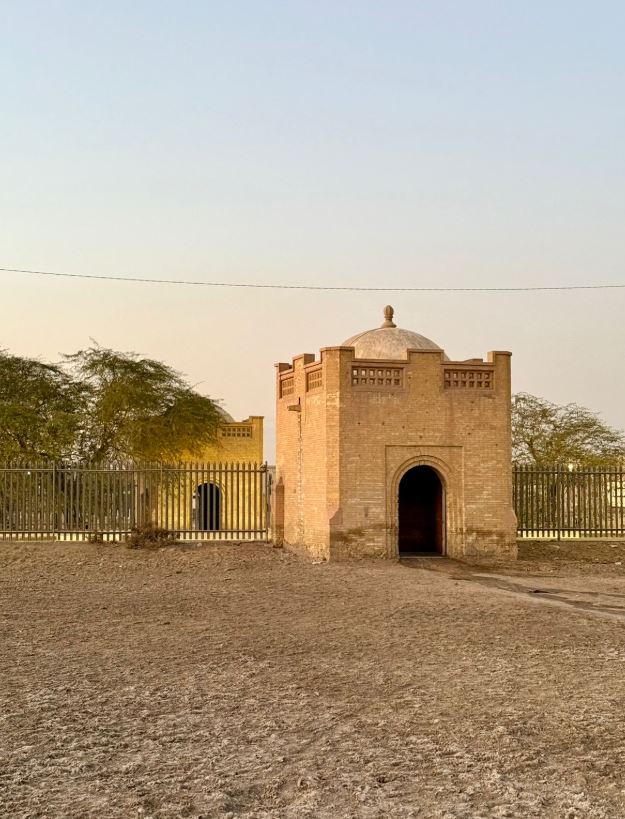
Basra War Cemetery is located near the Shatt-Al-Arab river in the middle of a small, quiet, residential neighbourhood called Al Hakameia. It comprises both an Indian and a British Cemetery, situated across the road from each other with matching gatehouses, the same as was originally at Amara.
The Basra Memorial is located 32 kilometres along the road to Nasiriyah; near to Shaiba Airfield (the main UK forces base in Basra after the 2007 move out of the Basra Palace). The memorial was moved here by Saddam in 1987 from its original location in the city on the banks of the river. The cemetery was apparently used by militants to mortar the British forces at Basra Palace during the insurgency and the top of the Cross of Sacrifice could be seen from their location.
Basra British Cemetery includes the original civil cemetery with the graves of civilians and their families from the 1920s and 30s. It also includes the RAF Peace cemetery (72 interwar deaths - forty-six graves are for Royal Air Force personnel, nine graves for men of the Royal Navy, three from the British Army, five from the Indian Army and eight civilians (source: Steve Buster Johnson). Also included is the main extension for the First World War burials and around 300 Second World War deaths (including my grandfather, an AA gunner tasked with guarding Shaiba RAF base). Altogether, it holds together around 3,190 burials.
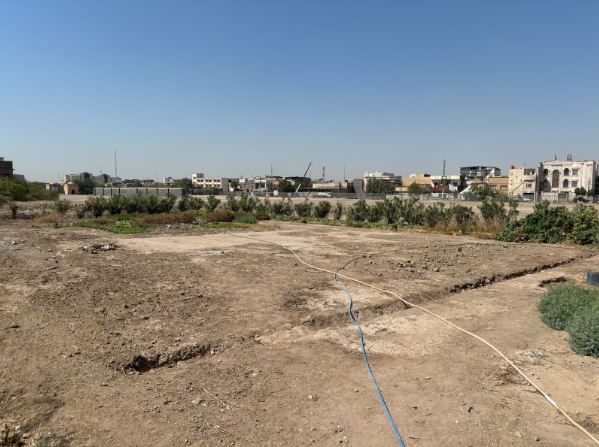
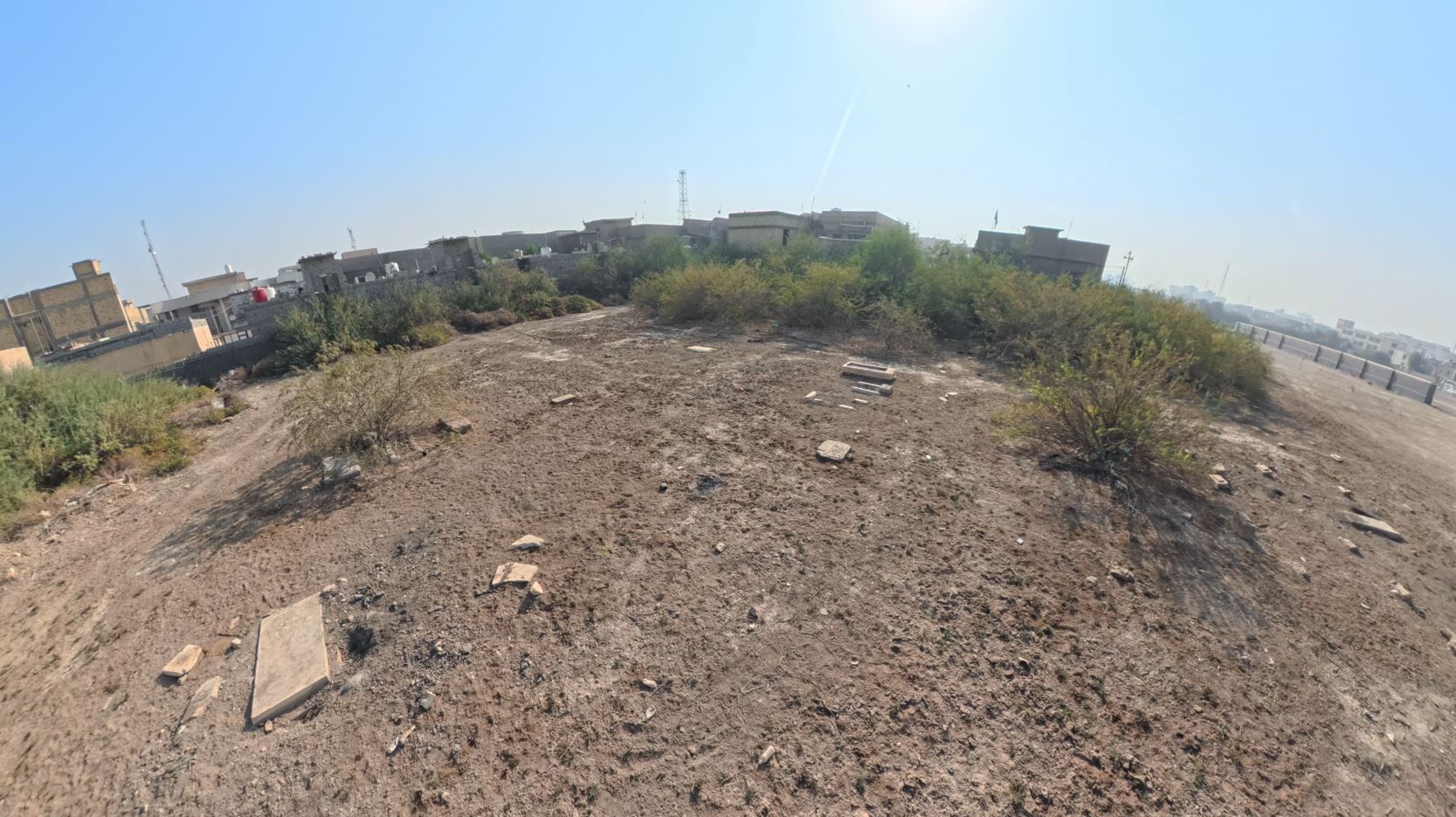
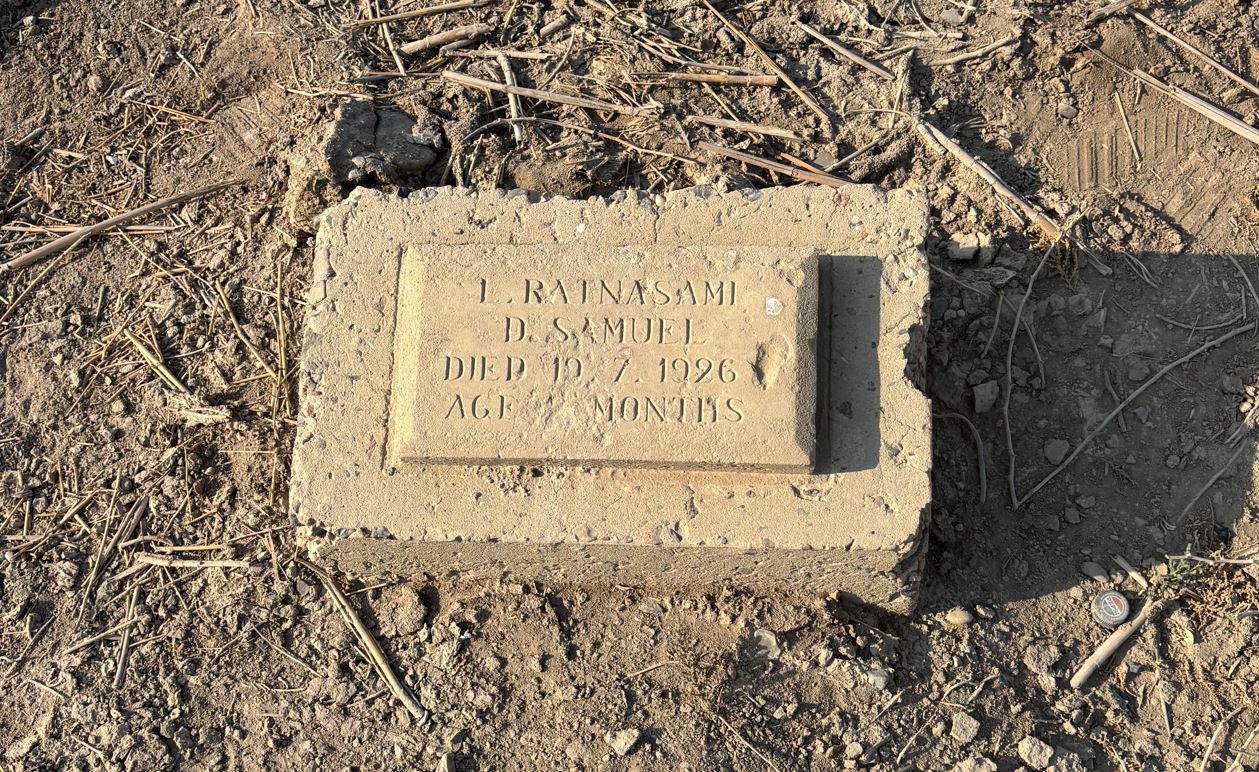
Notable burials include:
- Major George Godfrey Massy Wheeler VC, killed during the Battle of Shaiba on 13 April 1915 while leading a cavalry charge against Turkish position.
- Major Henry Molyneux Paget Howard, 19th Earl of Suffolk, struck by shrapnel through the heart while commanding his battery during the Battle of Istabulat on 21 April 1917.
- 4 nurses (Sister Florence D'Oyly Compton, Sister Alice Welford, Sister Fanny Tindall and VAD Florence Mary Faithfull) who drowned on the 15th January 1918 when a launch capsized on the Tigris river whilst returning from tea with British officers at a nearby hospital.
- Sapper Horace Johnson Rampling, father of Colonel Godfrey Rampling, Olympic gold medallist and British Army officer, and grandfather of actress Charlotte Rampling. He died of heatstroke 17 July 1917.
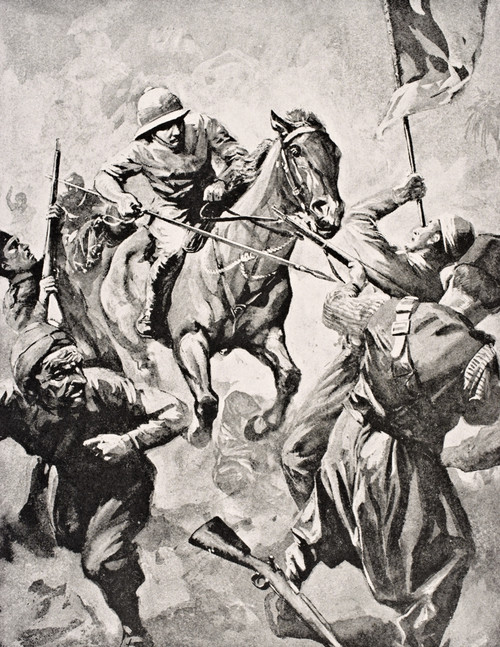
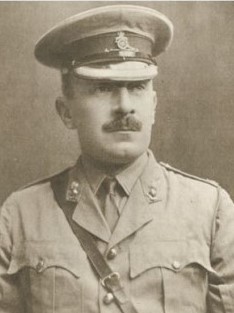
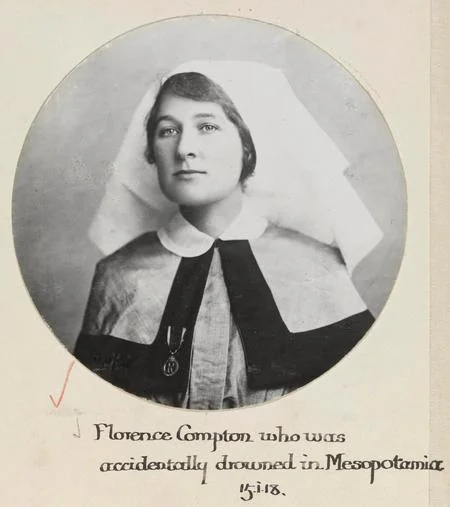
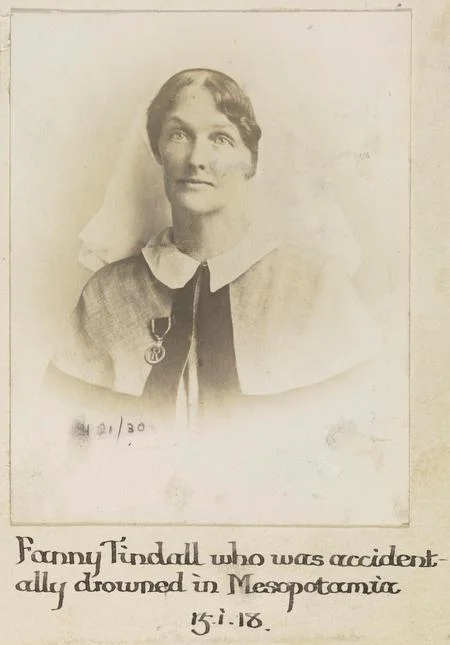
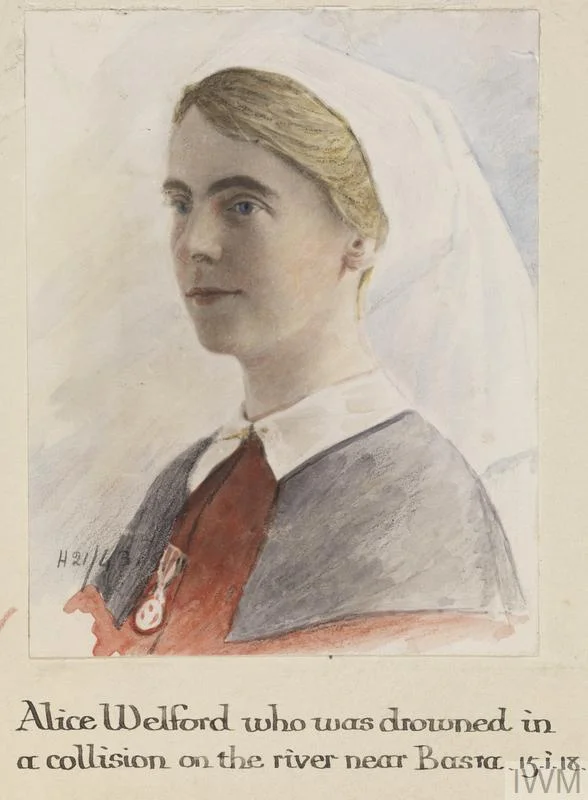
There are a handful of Turkish POW graves, some Russian/Soviet graves (Basra was a key stop in the Persian Corridor supplying the Soviet Union with US supplies during World War Two) and also Polish Second World War burials (Iraq was the route General Anders army took escaping from Soviet invasion on their way to the UK - many losing their lives in Operation Market Garden). Curiously, there are also two Dutch army burials there.
The cemetery is not large and is divided by a memorial wall with exactly the same design as at Amara. It also once contained a small plaque to the 227 Chinese Labour Corps deaths from the lost Tanooma burial ground.
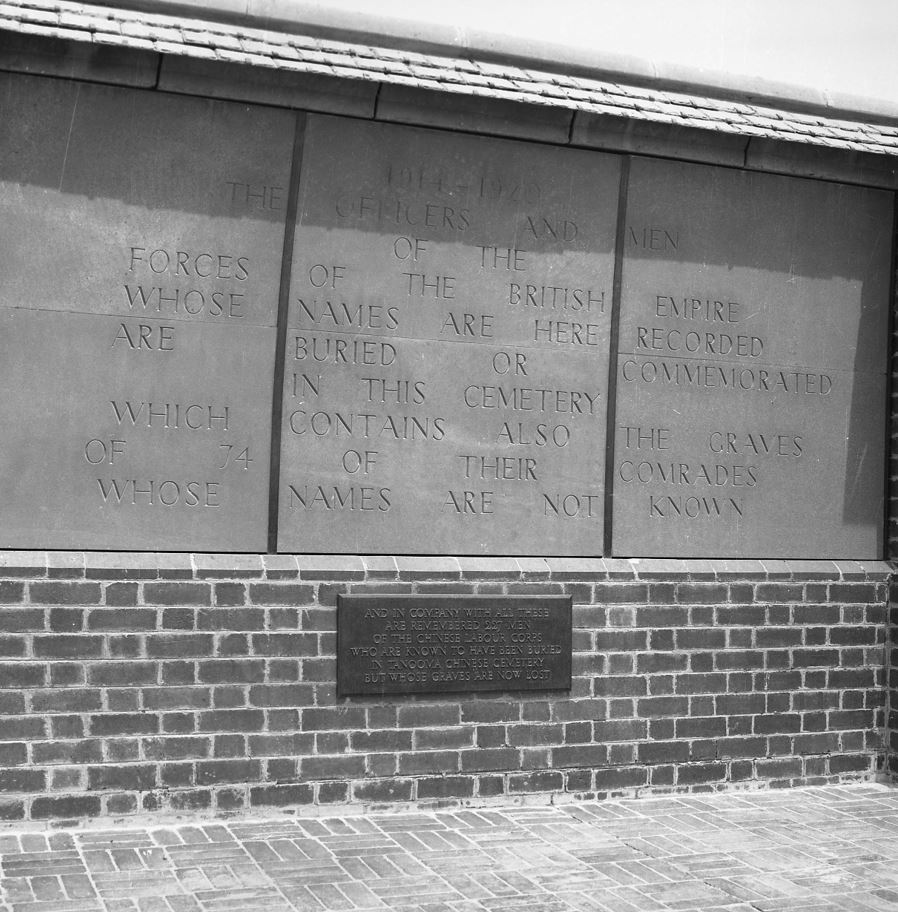
As with Amara, the original Great War individual headstones were removed in the 1930s and replaced with the memorial wall.
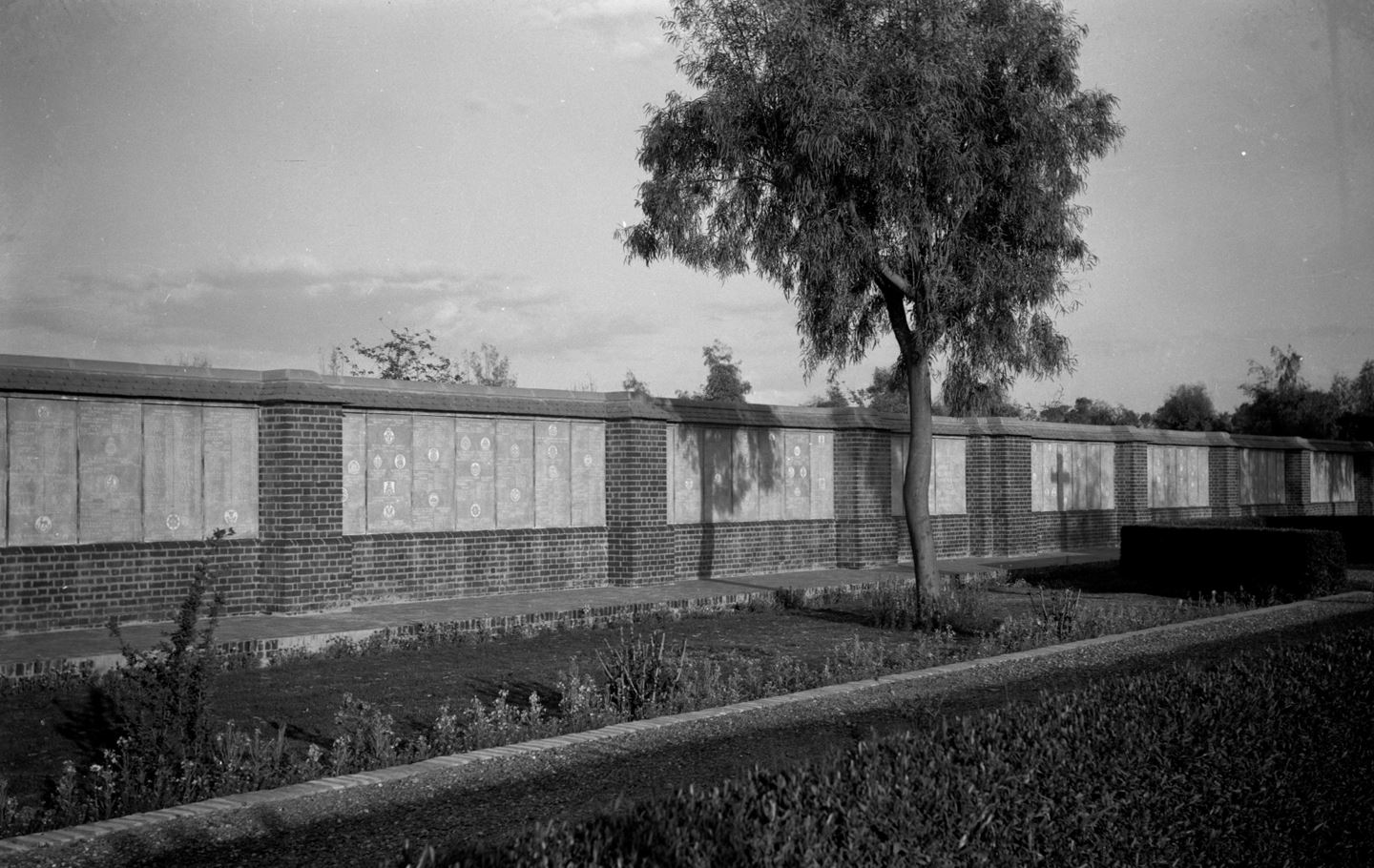
In 2003, many of the headstones were damaged and lying on the ground, as noted in the 2003 report, the result of several decades of conflict and lack of maintenance. In late 2003, the British Army removed the remaining memorial panels and headstones, including several hundred new ones awaiting installation stored on the Indian Forces side. These are shown in the 2003 report, neatly stacked in the gatehouse by the Second World War Cremation Memorial.
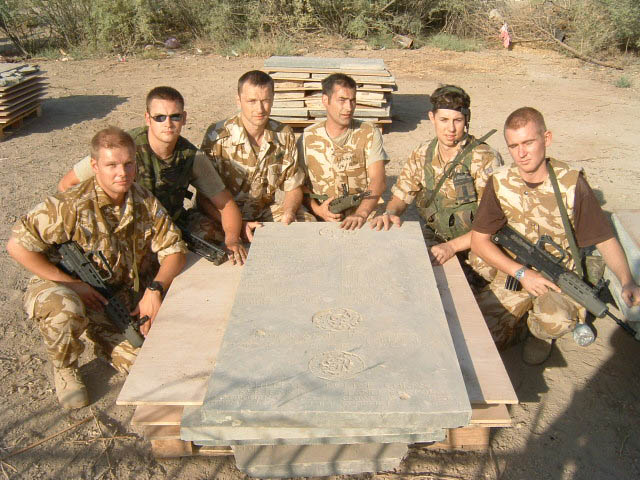
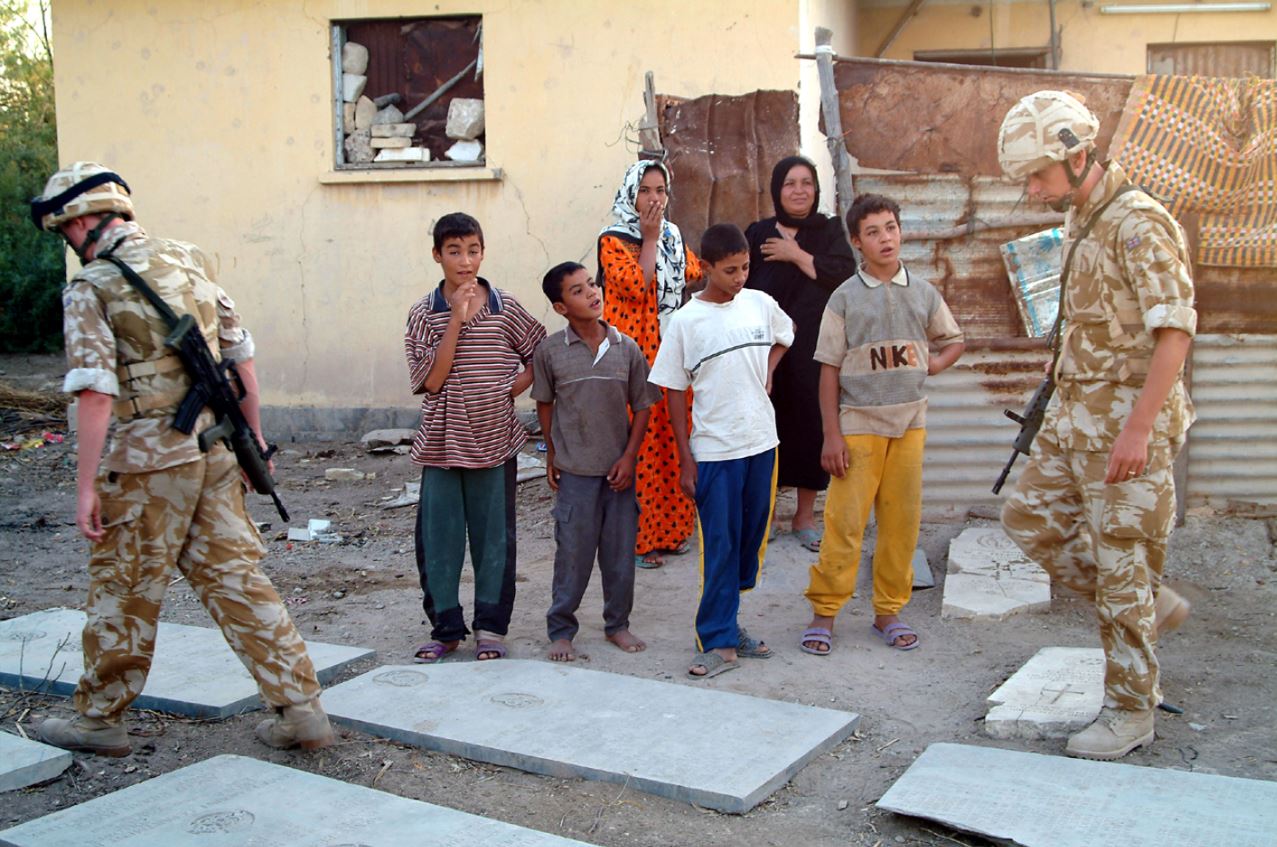
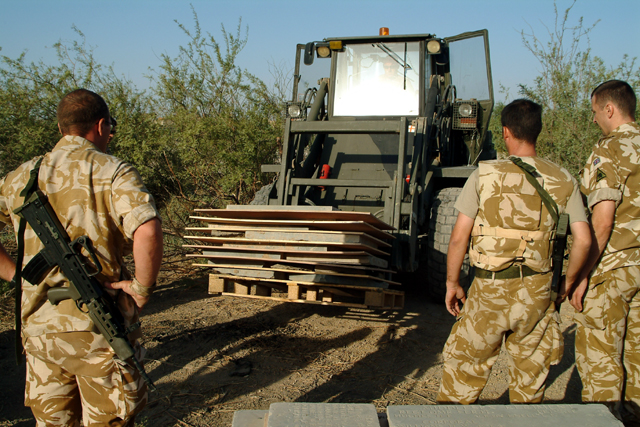
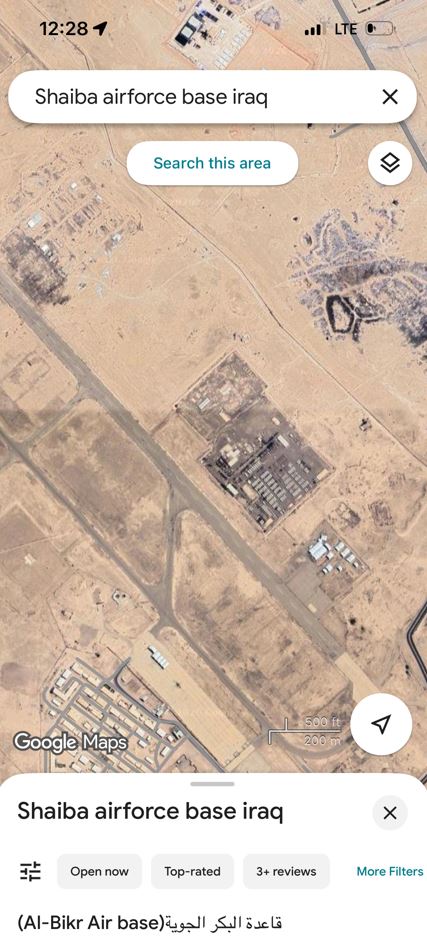
These were taken for safekeeping to Basra Palace and believed to have been moved to Shaiba Airbase in 8 shipping containers (ISOs in military parlance), along with 200 others in 2007. What happened to these on the British withdrawal from Basra in 2009 is unknown with enquiries ongoing.
The Cross of Sacrifice is now gone and just the pedestal remains. The War Stone was pushed from its pedestal to the side of the cemetery where it lies on its side in a poor condition. The gatehouse is still the primary entrance to the site but used by passing motorists as a urinal.
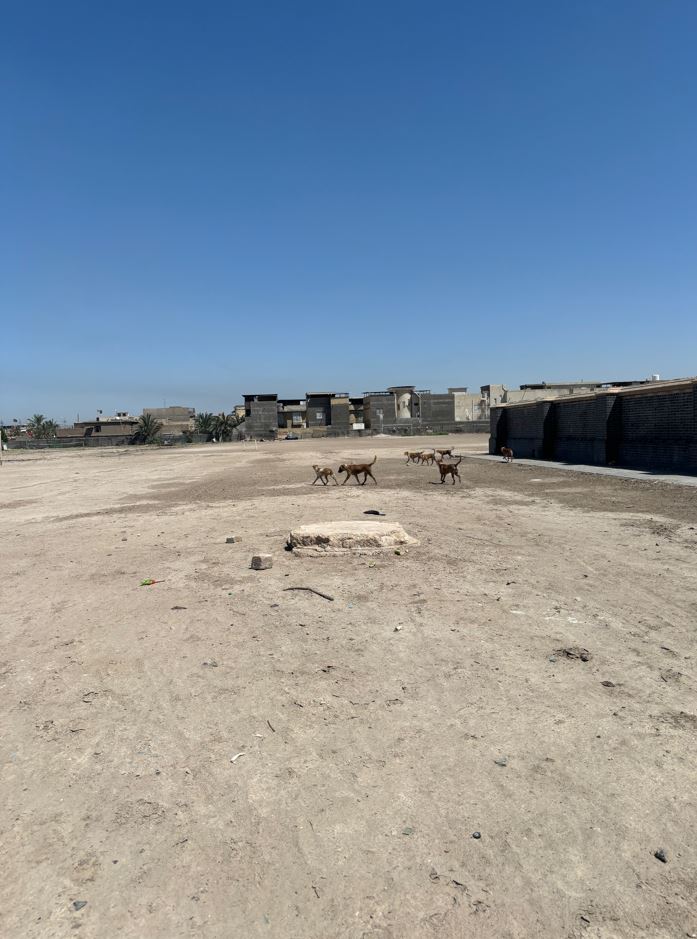
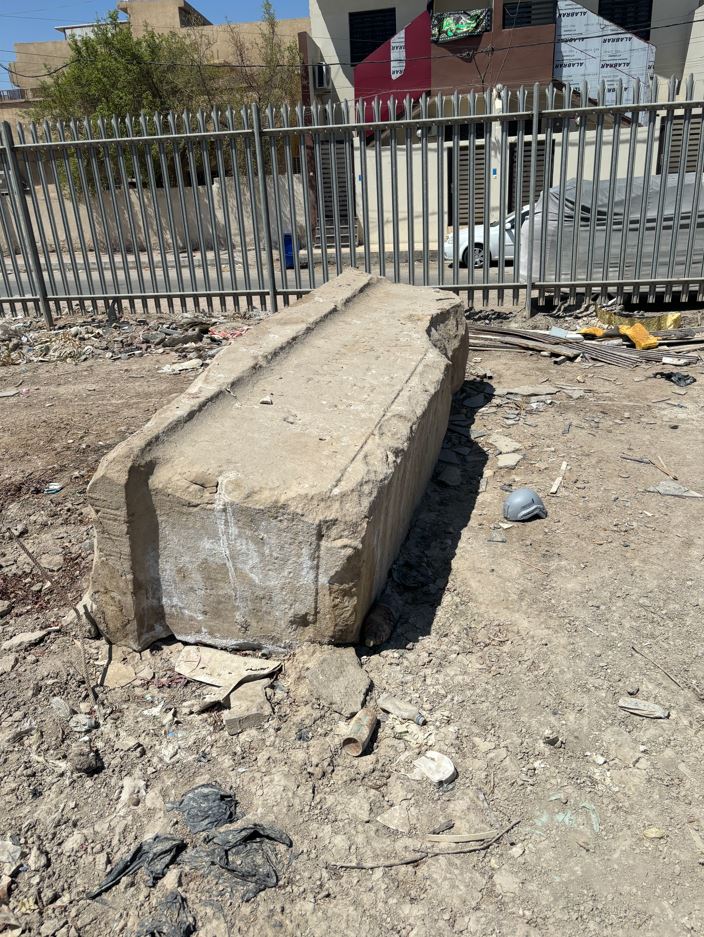
The local community has been using the site for recreation for many decades, with generations of boys using it to play football. It is the only open area of land in a neighbourhood with no alternative facilities and none likely with the rapid development of Basra making unbuilt land increasingly at a premium.
In 2018, the site had a new fence erected by the CWGC to replace the one that the British Army started to demolish to gain access to the site which was needed for the heavy machinery to move the pallets of panels in 2003.
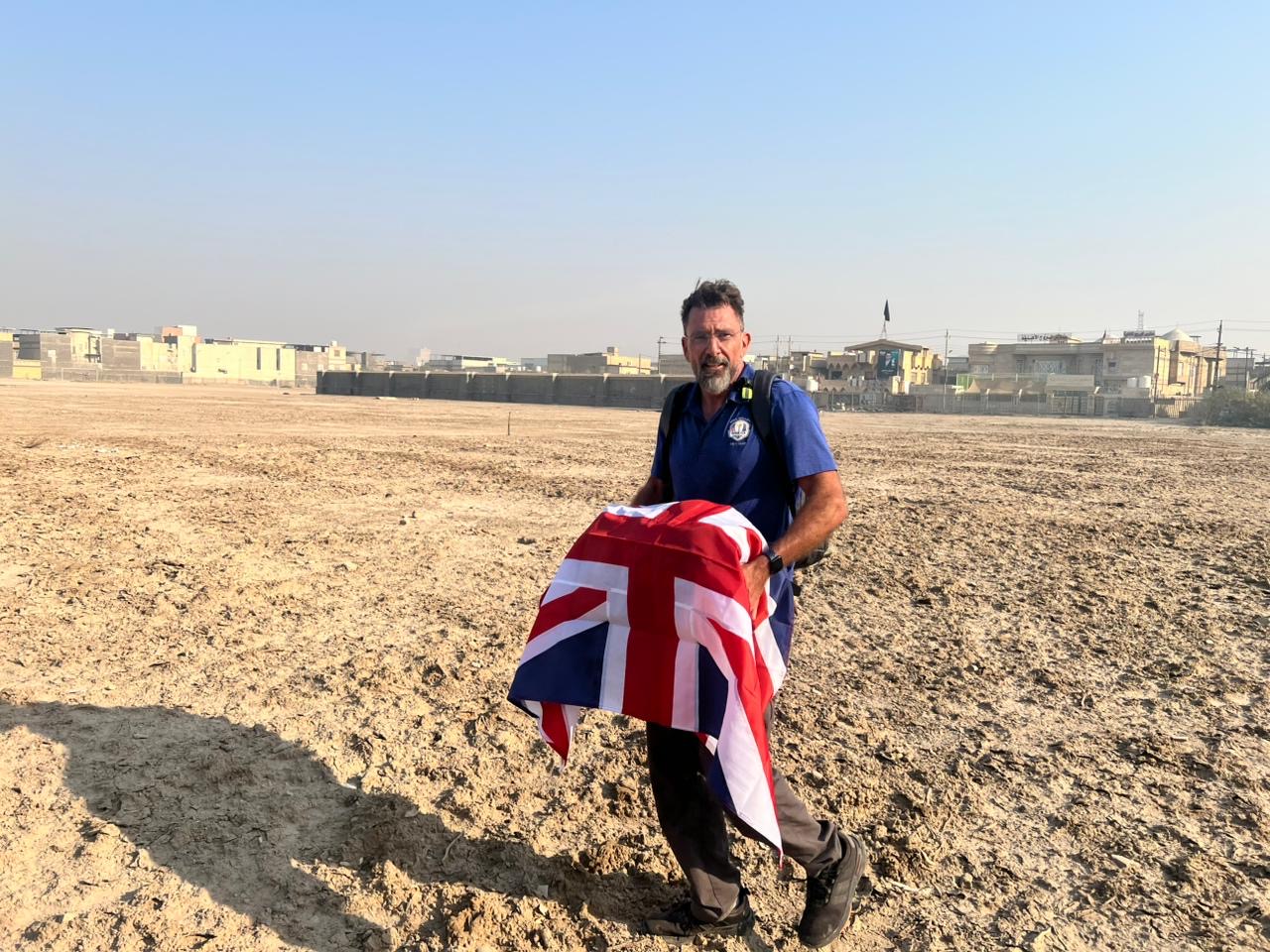
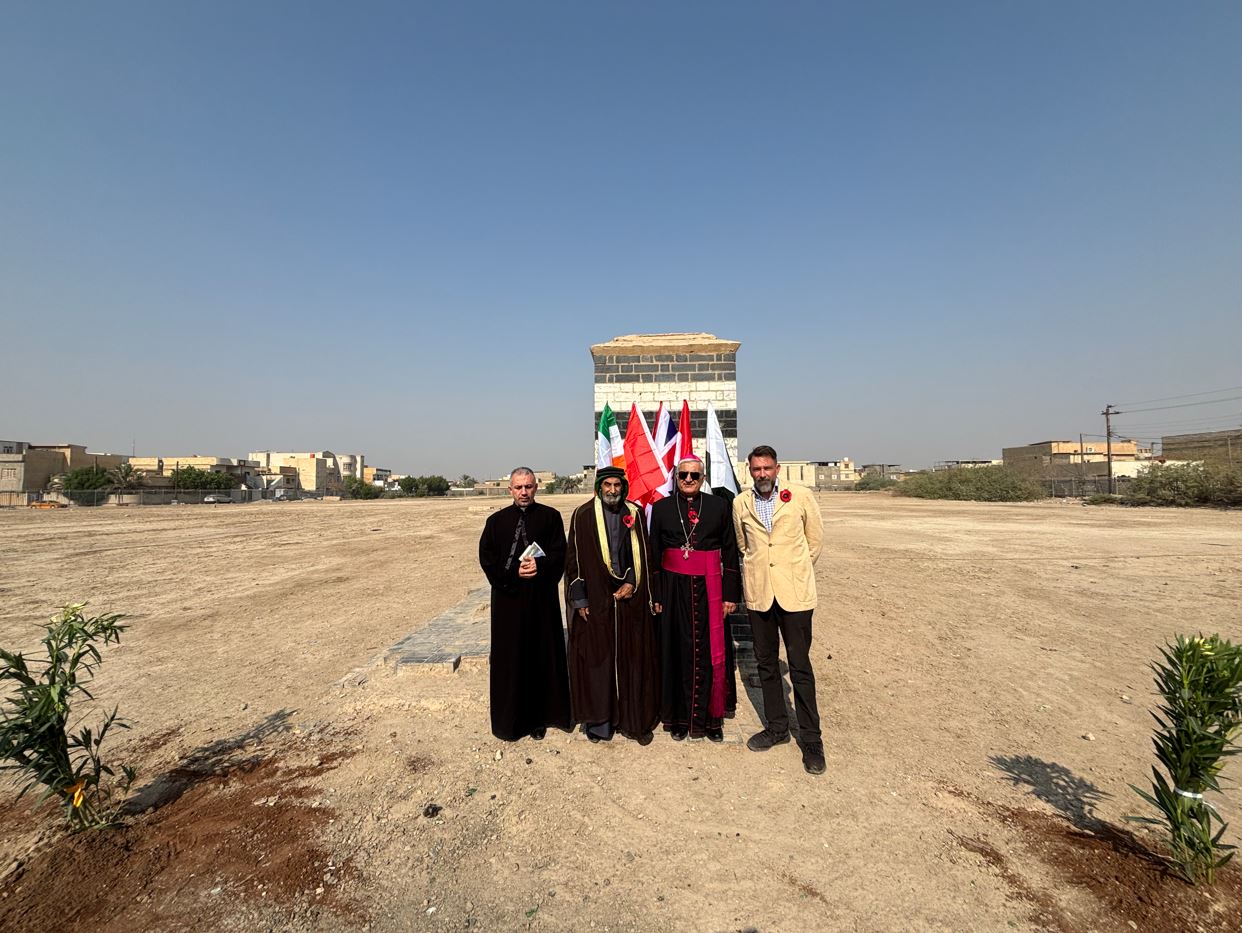
I took the opportunity of my visit to lay a grave stone for my grandfather and hold a Remembrance Day service on November 9th which was attended by the Archbishop of Basra and many in the local community. A number of the boys from the football team helped install the grave-marker and manage the event.

Basra Indian Forces Cemetery
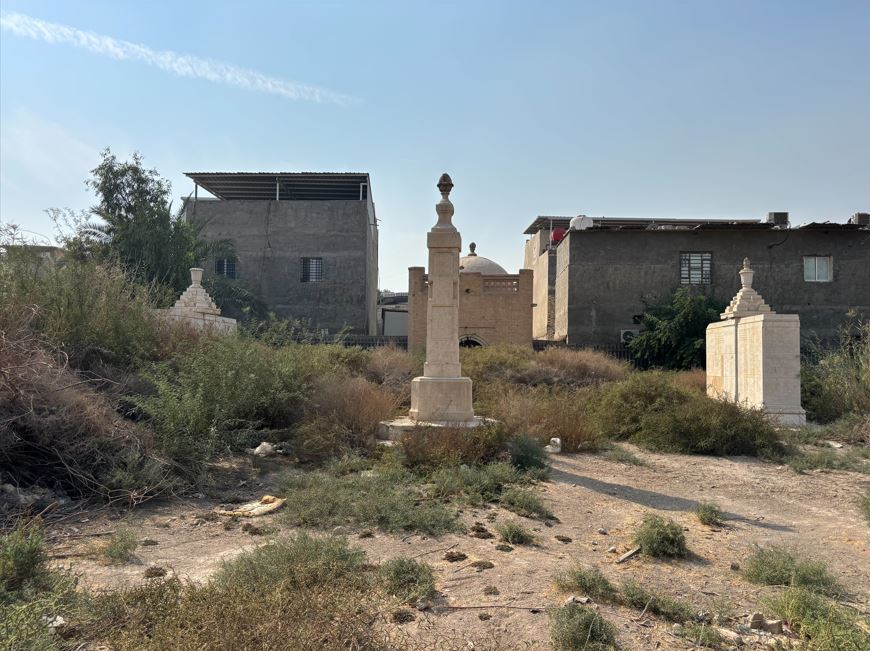
The Basra Indian Forces Cemetery includes an unknown number of First World War Indian Army mass-burials - these were not properly recorded at the time but believed to be several thousand, as well as several hundred Second World War burials of which only the bases remain. There are two standard Indian Army Great War memorials and a memorial to Turkish POWs, in addition to the Second World War cremation memorial shown in the 2003 report.
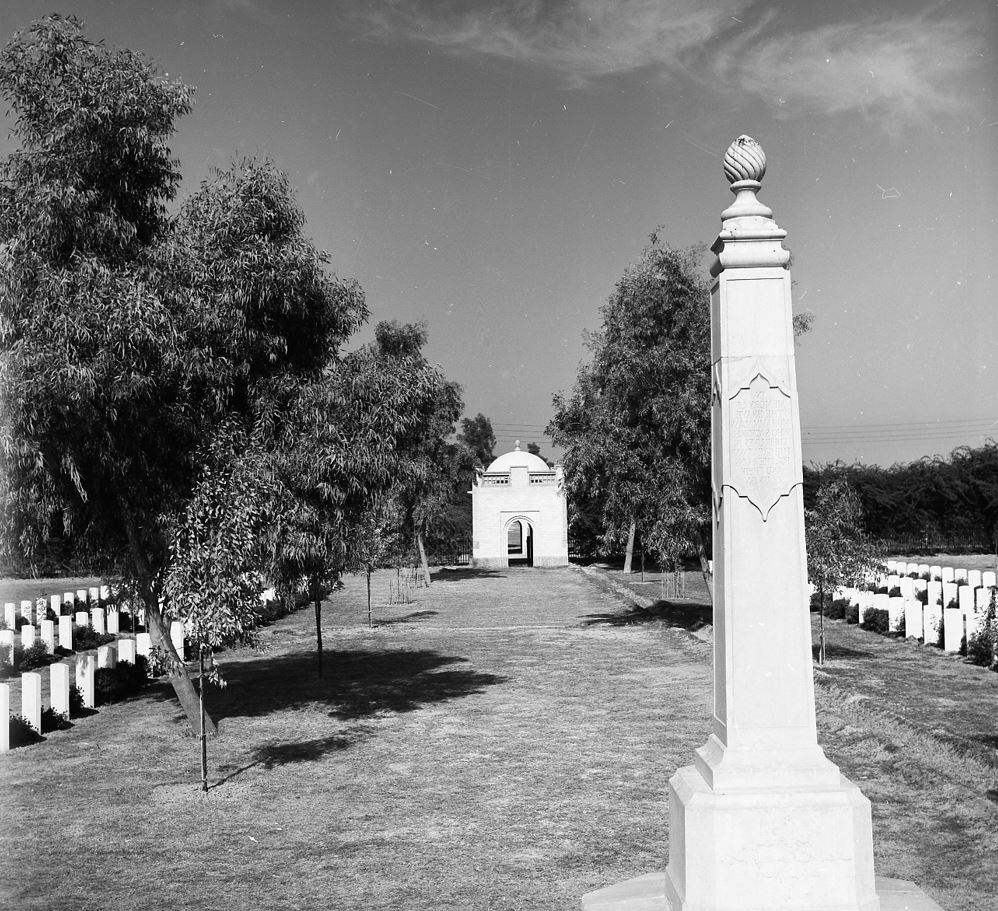
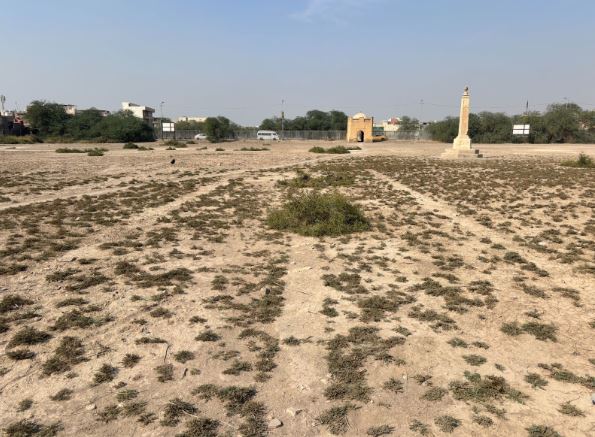
The gatehouse remains in relatively good condition although with a worrying crack in the centre arch.
The Indian Cemetery is not used for recreation but the back fence has been removed and several homes are now encroaching on the site.

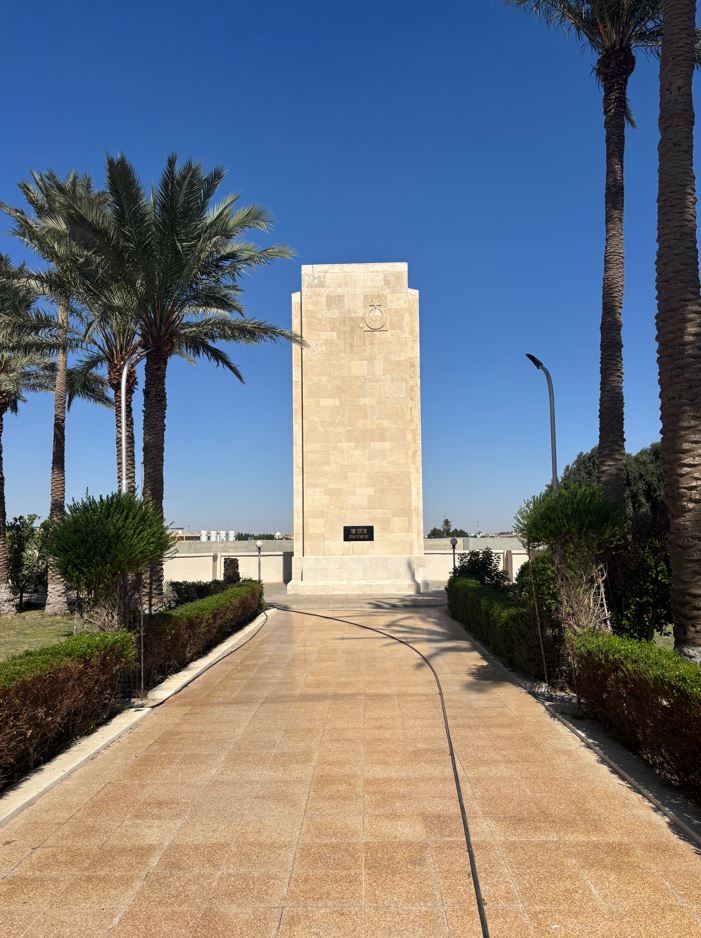
Basra Memorial to the Missing
Located a few hundred feet from the road, and surrounded by rough desert and banks of spoil from the nearby quarries and oil derricks, the Basra Memorial remains a moving and dignified building. Other than having a concrete boundary installed in 2018, the memorial has had no maintenance since it was moved to the site in 1987. From afar, it looks intact and in good condition but the combined effects of time and the harsh climate are eroding the fabric of the building each year. The majority of the 69 panels are intact and in place, with only those in the 59-69 range having suffered the most delamination from the wall, with the fragments lying on the floor.
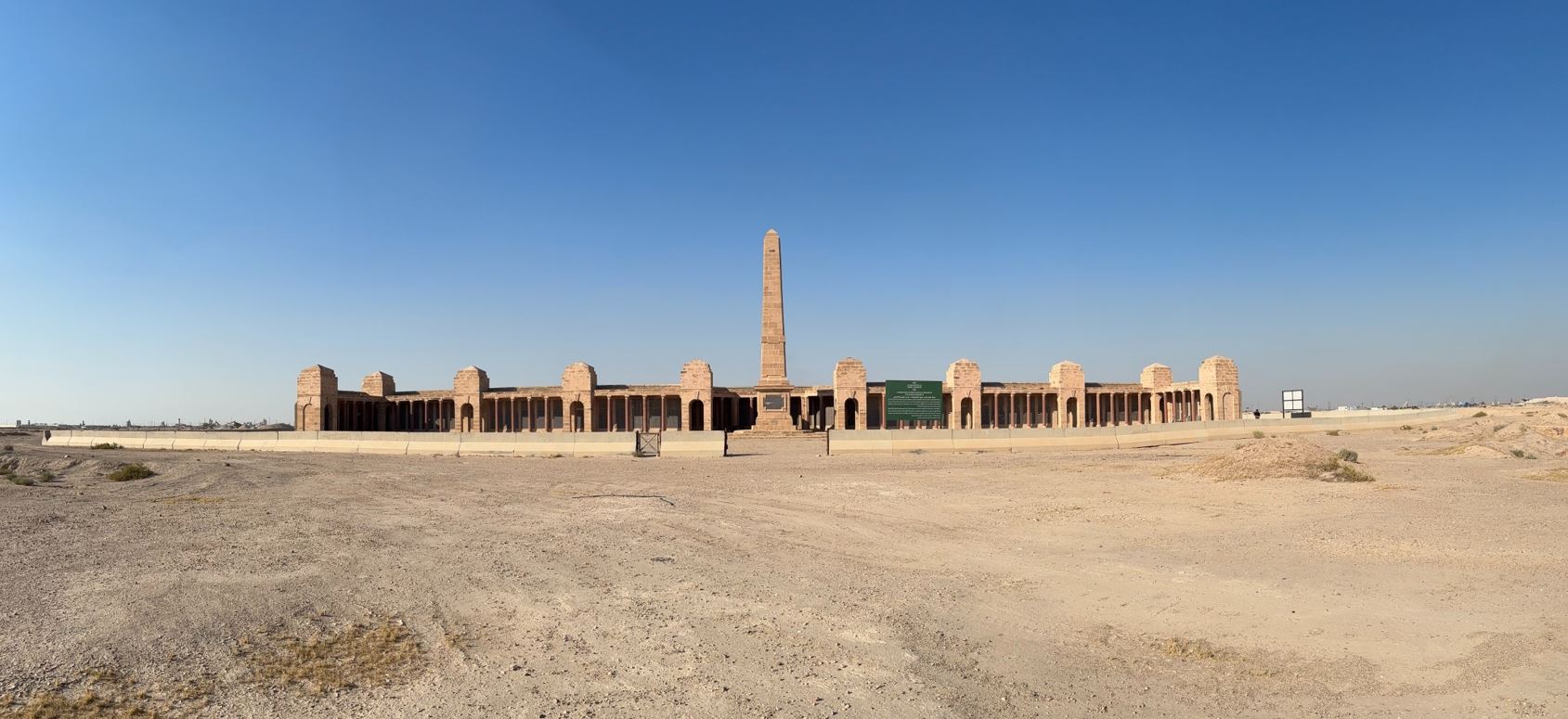
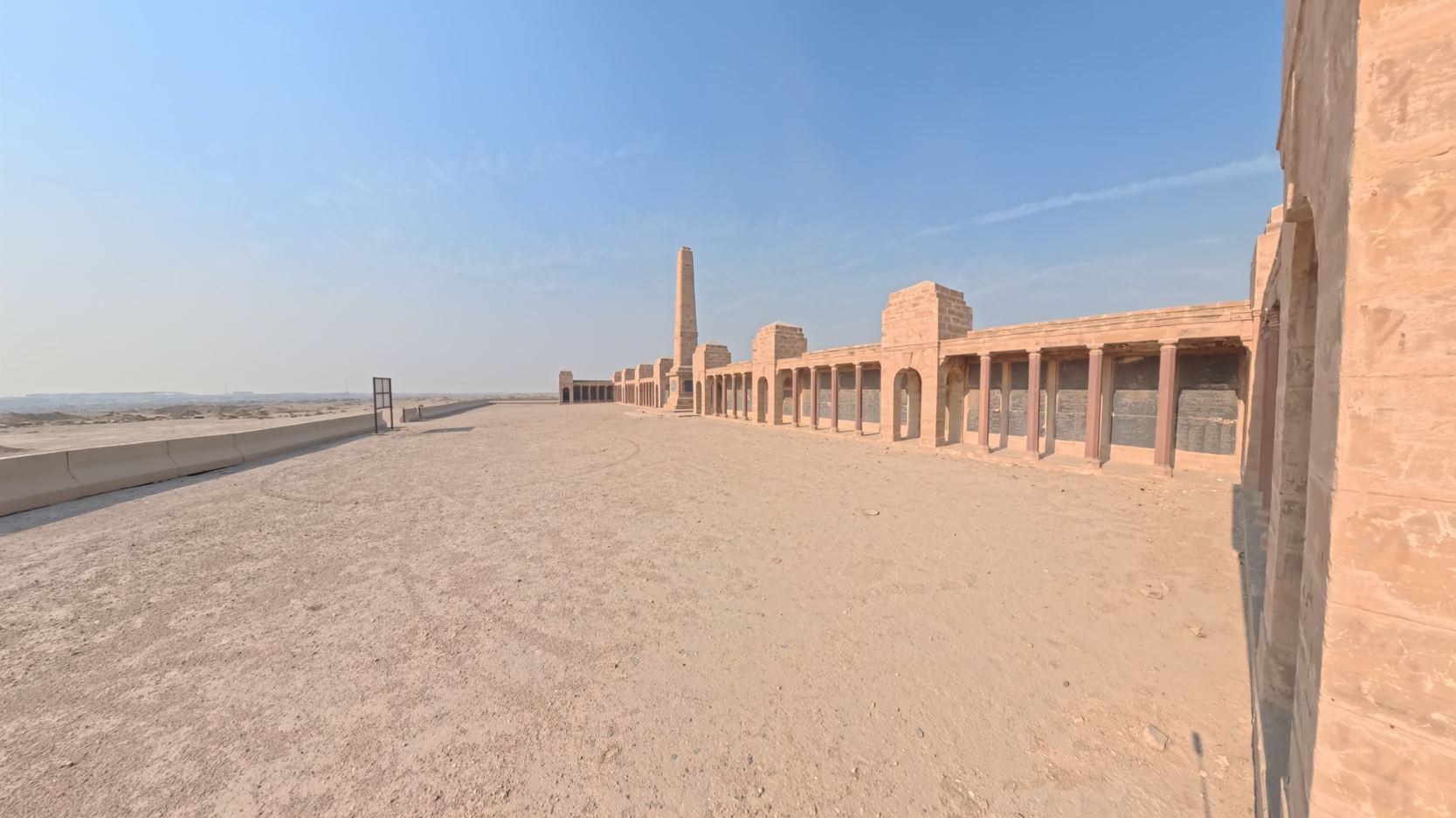
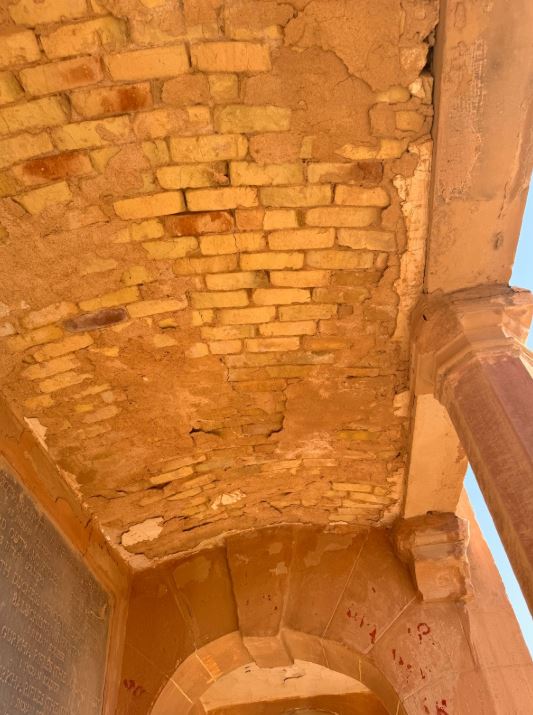
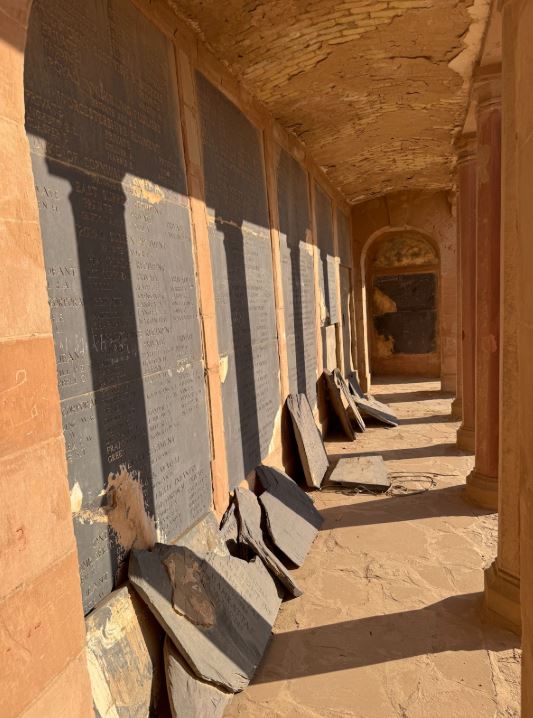

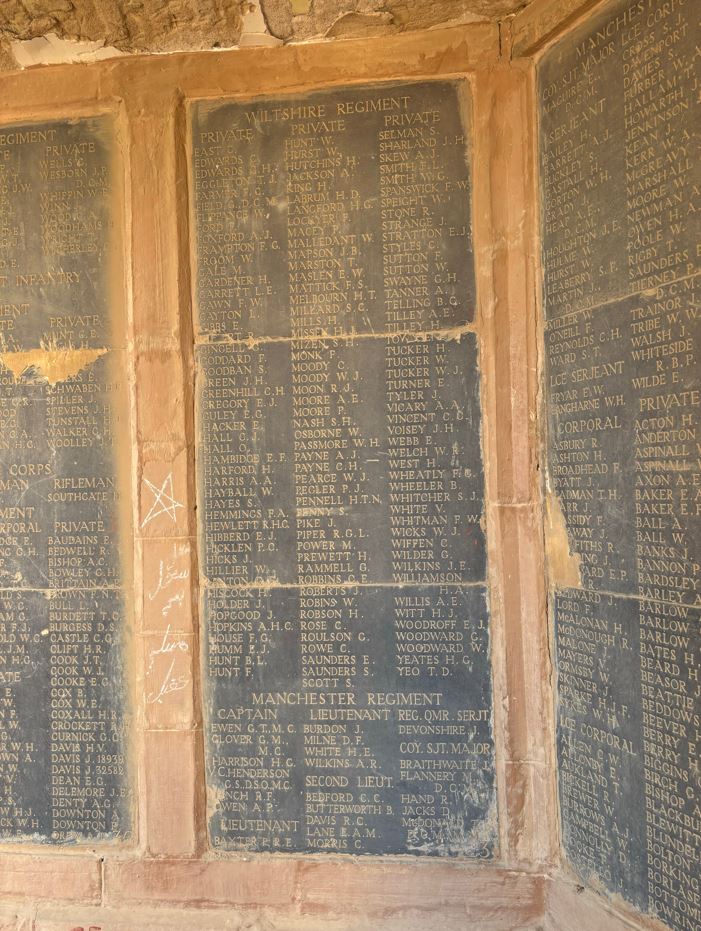
The Basra Memorial to the missing is the third largest Commonwealth Memorial in the world and the largest outside Europe. Only the Menin Gate (54,896) and Thiepval (72,337) are larger. It is also the most diverse, given that over 80% of the casualties from Mesopotamia were Indian Army.
Five VCs are commemorated at the Memorial, including two from the attempted relief of Kut - Lt.-Commander Cowley and Lt Firman killed in the same action, attempting to deliver supplies by boat to the garrison only a few days before the surrender. An article entitled 'The Pirate of Basra' gives more information.
- Sergeant David Finlay - died 21 January 1916. VC won 9 May 1915 at Rue du Bois Aubers Ridge France. Panel 25
- Private James Henry Fynn - died 30 March 1917. VC won 9 April 1916 at Sanna-I-Yat Mesopotamia. He survived the action and was awarded his medal by no less than General Maude at Amara but was later killed in action. Panel 17
- Lt Colonel Charles Henry Cowley - died 25 April 1916, age 44. VC won 24-25 April 1916 at River Tigris Magasis near Kut-el-Amara Mesopotamia. Panel 1
- Lt. Humphrey Osbaldston Brooke Firman - died 25 April 1916. VC won 24-25 April 1916 at River Tigris Magasis near Kut-el-Amara Mesopotamia. Panel 1
- Captain George Stuart Henderson VC, DSO & Bar, MC - died 24 July 1920 killed in action during the 1920 revolt at Hillah where the Manchester Column were attacked resulting in the capture of over 70 British soldiers who were imprisoned for several months before being released. Panel 31
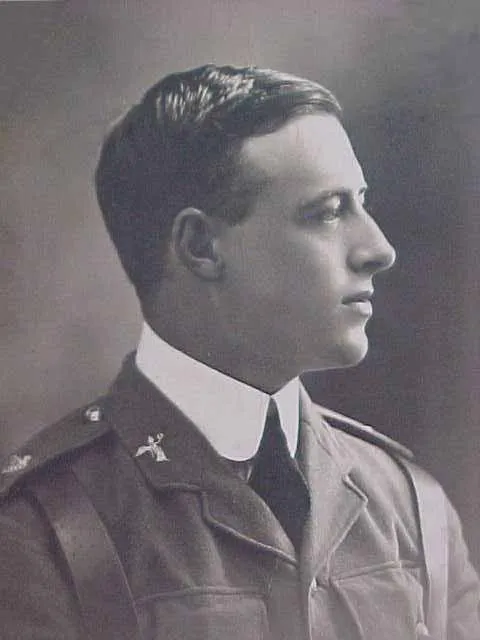
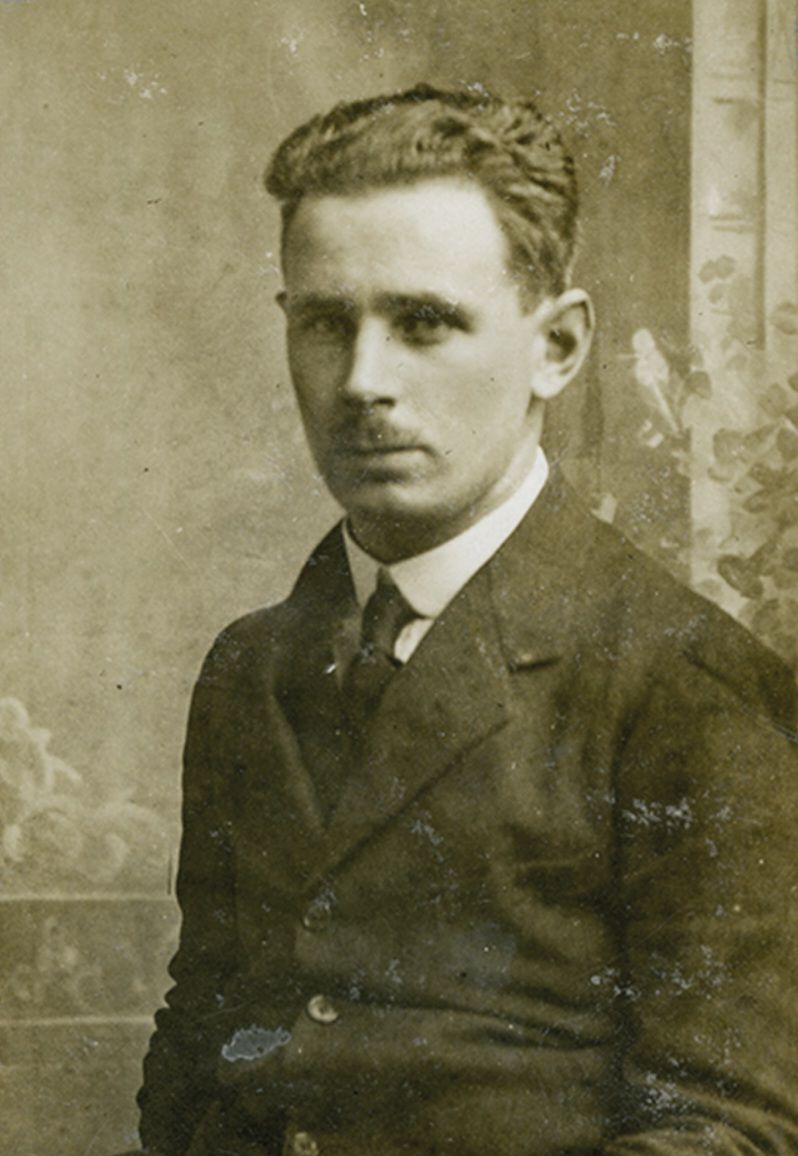
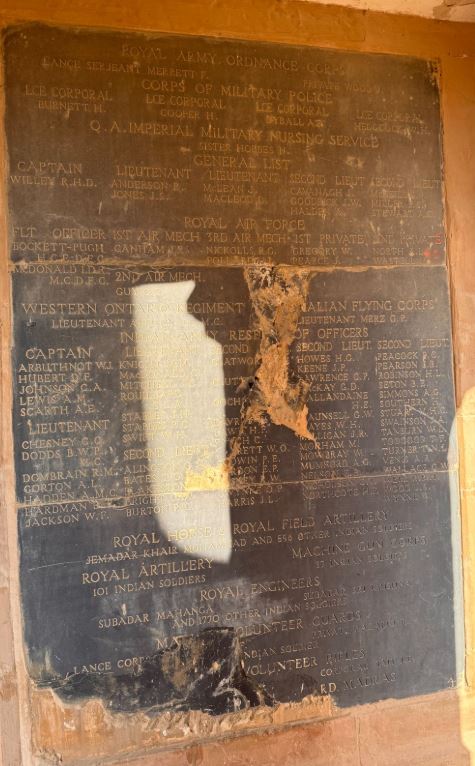
The Basra Memorial also commemorates two airmen of the Australian Half Flight - the nascent Australian Air force that was deployed early in the Mesopotamia campaign. On 30 July 1915, while returning from a mission near Nasiriyah, Lieutenant Merz and his observer, Flight Sergeant William Burns, were forced to land after engine failure in hostile territory south of the Euphrates. They attempted to make their way back to British lines but were attacked and killed by local tribesmen near the village of As-Saniya. They were the first Australian and New Zealand airmen to die on operations. Merz is on panel 43 but, sadly, the panel on which Burns was is one of the missing ones.
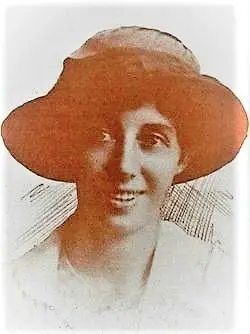
Also on panel 43 is Australian nurse Sister Florence Narrelle Jessie Hobbes, the only woman commemorated on the memorial, who died at sea.
With several water and oil pipelines running alongside the road, there is no stopping allowed by the roadside for security. This means that visitors to the site might well be detained by the soldiers based 500 yards up the road if they see you, as happened to me. Fortunately, my guide managed to talk them out of arresting us and we were allowed to leave.
Kut, Amara and Basra was the extent of the 2003 report - focussing on the Southern Commonwealth cemeteries given that mirrored the British Army’s scope of operations. There are however several more sites in the central and northern part of Iraq, and I got the opportunity to visit them as well.
Baghdad (North Gate) Cemetery
Baghdad (North Gate) Cemetery is located in the centre of Baghdad, near the bank of the Tigris river and only about 20 minutes drive from the British Embassy. This is the final resting place of General Maude who led the victorious British counter-offensive after the fall of Kut, and whose tomb remains in almost perfect condition untouched by everything that the city has endured since his death from typhus.
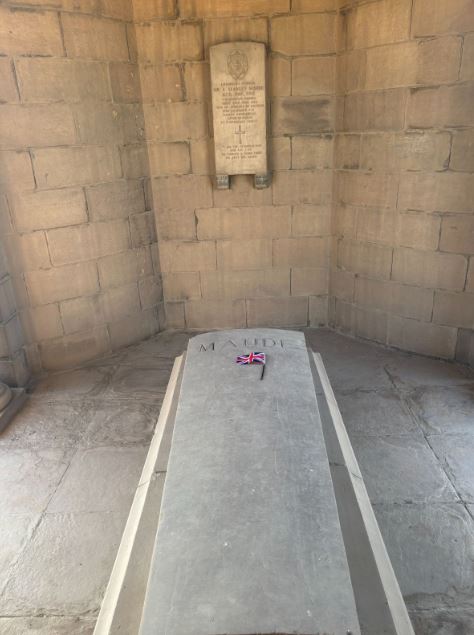
The cemetery is unique in Iraq as it most closely resembles a traditional Commonwealth cemetery, with standard CWGC graves having been retained rather than replaced as at Amara and Basra, and the traditional architectural features such as the Cross (mostly intact) and War Stone.
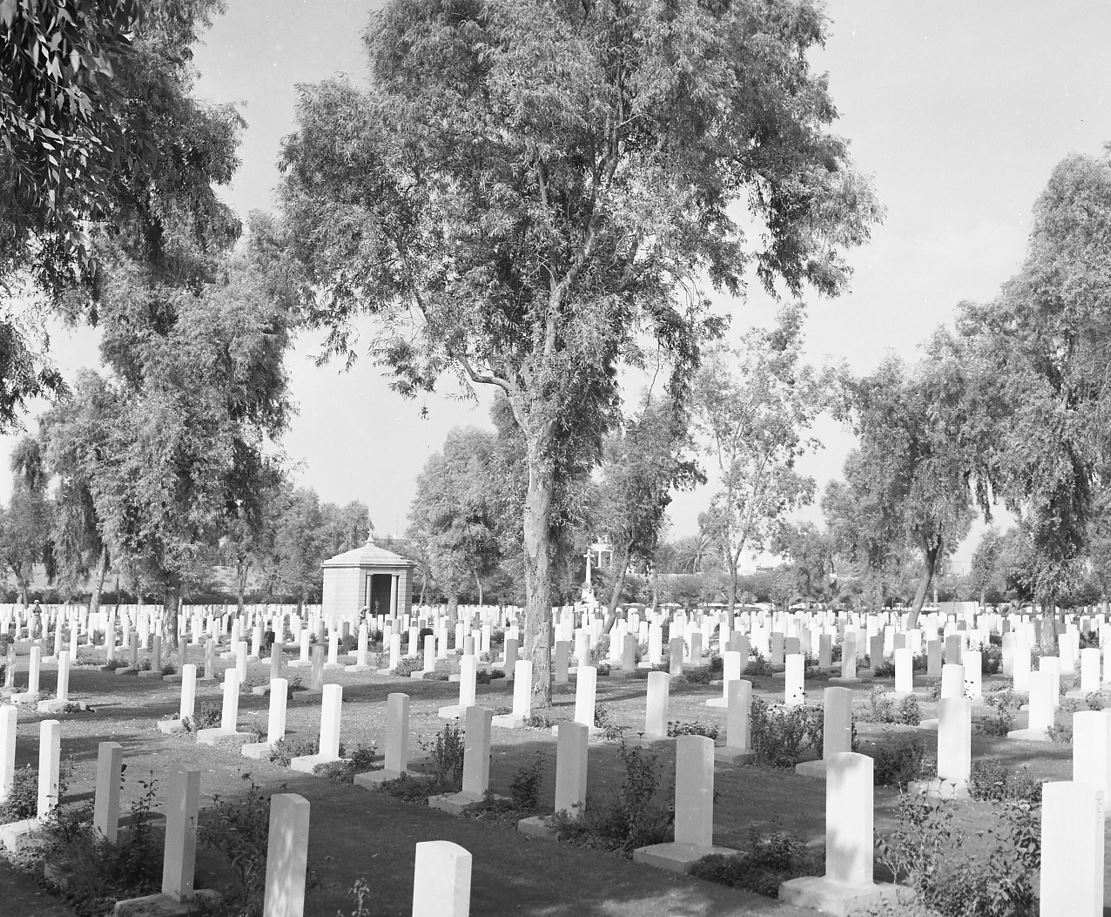
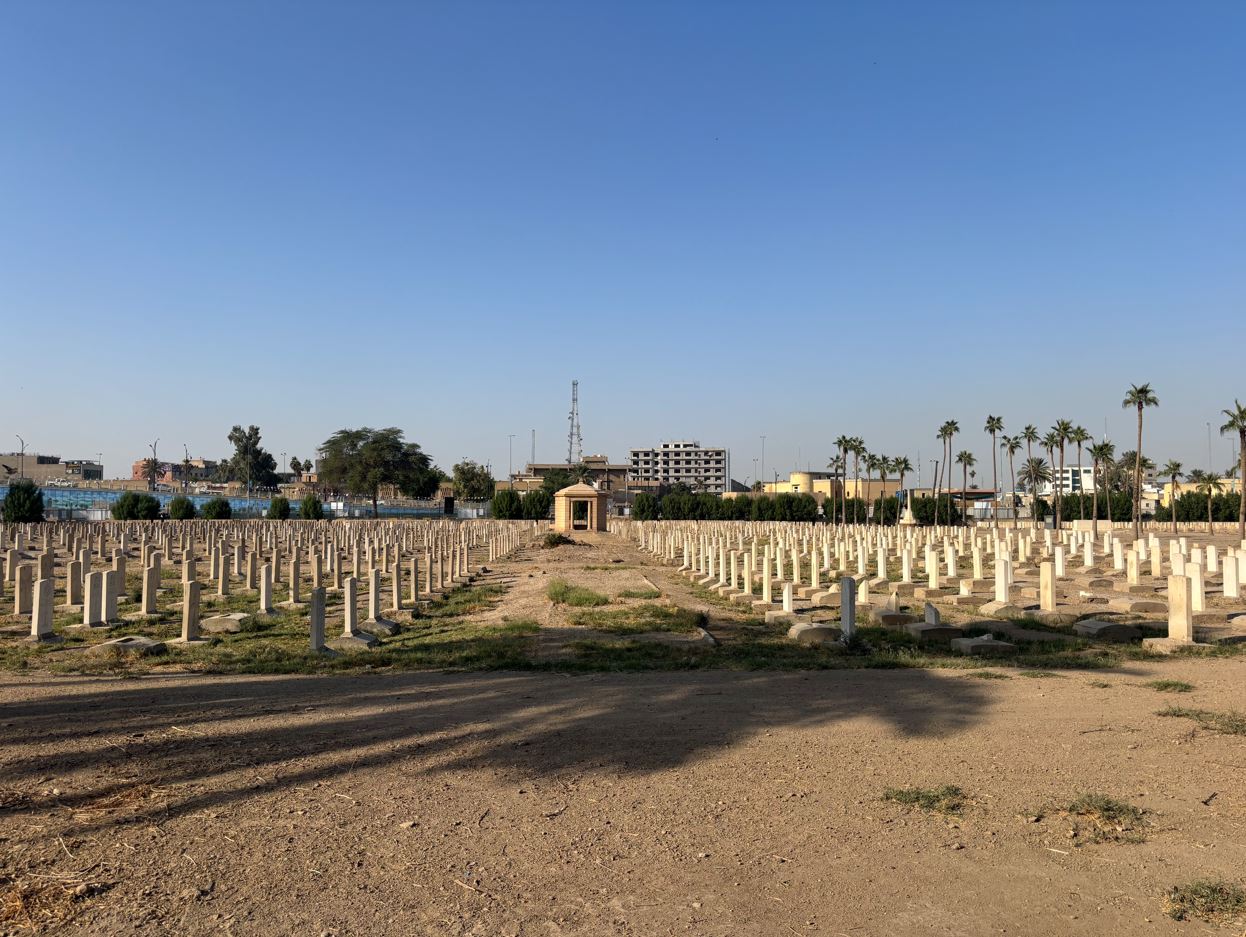
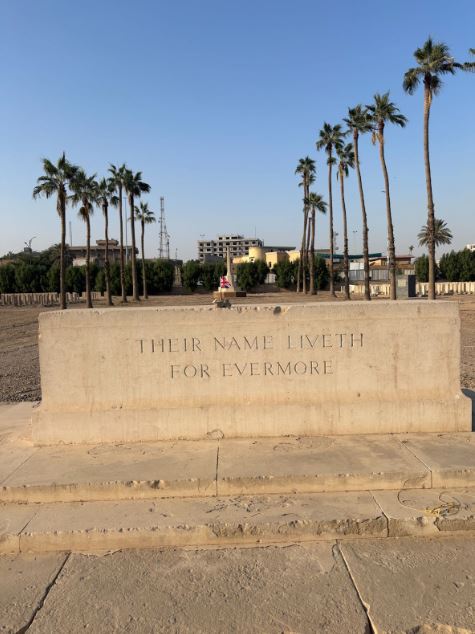
The cemetery contains around 4,480 First World War burials, 220 Second World War burials and a small number of non‑war burials (the interwar period and post Second World War, with the British military presence remaining until the 1950s).
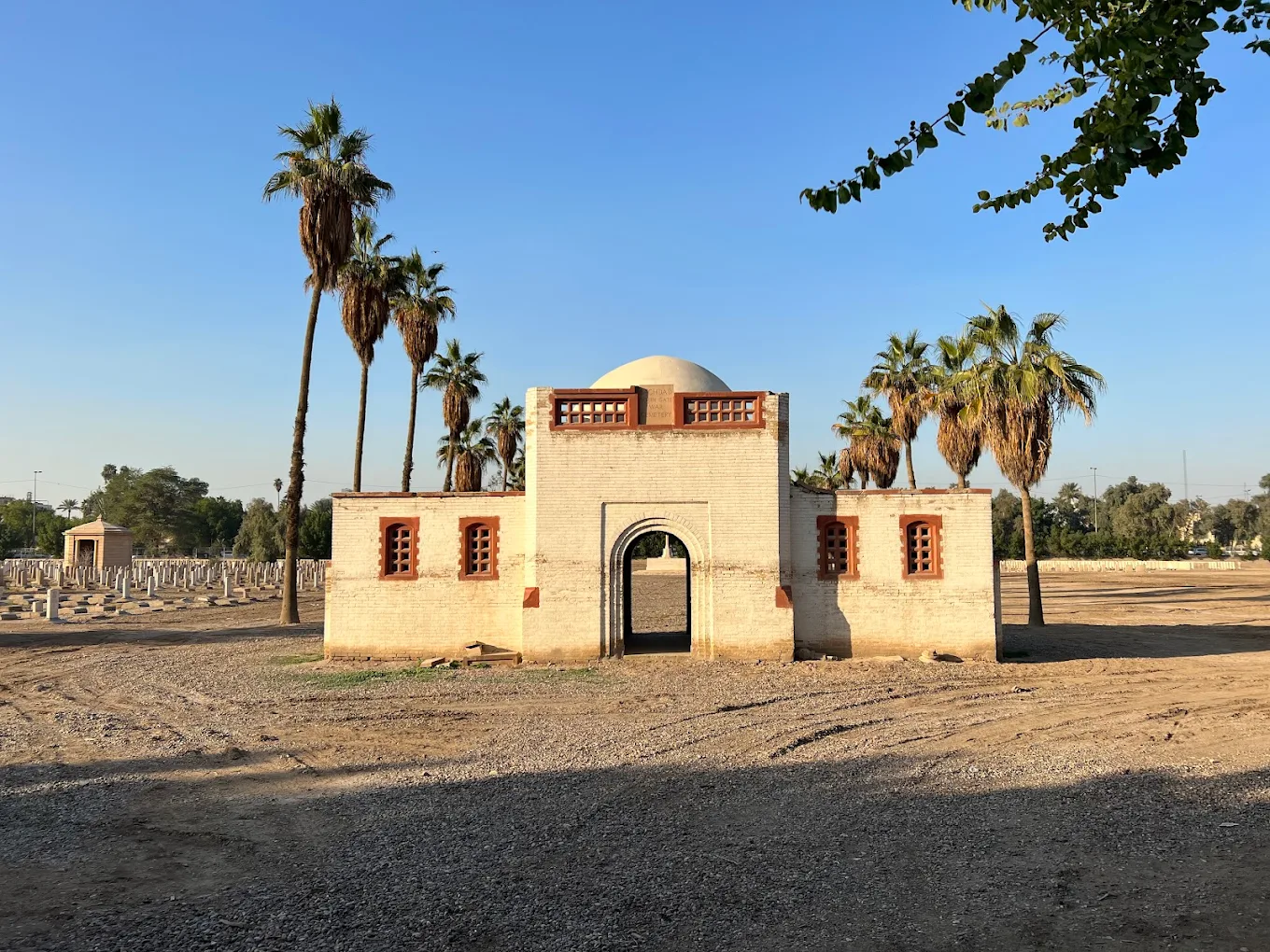
The cemetery features a number of memorials, including those that were moved there from other locations and also representing reburials from other cemeteries or those buried elsewhere. These are not listed on the cemetery map on the CWGC website, which has not been updated for some considerable time. Memorials located there include:
- Khanaqin Memorial with the names of those buried in Khanaqin War Cemetery (abandoned in the 1960s)
- 13th Division Memorial (Unit memorial moved to North Gate)
- 15th Division Memorial
- Turkish POW memorial
- Memorial to 412 Muslim Indian Army, Turkish and Arab Labour Corps casualties whose remains were moved to Northgate in 1970
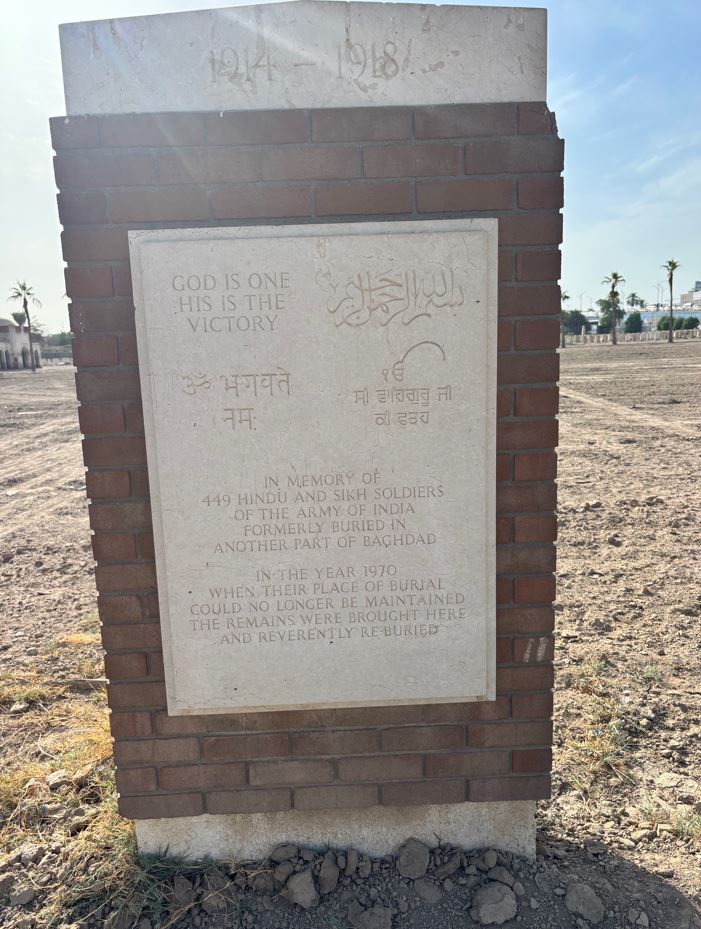
- Memorial to 449 Hindu and Sikh soldiers of the Indian Army whose remains were moved to Northgate from another cemetery in Baghdad in 1970
- Standard Muslim and Hindu/Sikh memorials (same design as at most other Iraq sites)
- Memorial to British Officers and men captured at Kut who were interred at Northgate who died on the way to Turkish POW camps or whilst there
- Memorial to Indian Army soldiers originally from a War Cemetery in Samara (erected in 1955)
- Memorial to Muslim soldiers originally from a War Cemetery in Samara reburied in Northgate (erected in 1955)
- Memorial to the 6th Battalion Loyal North Lancashire Regiment who fell attacking Ottoman forces on the Diyala River during March 8-12th 1917 and was brought into the cemetery from the banks of the Diyala River in 1947 (Unit memorial)
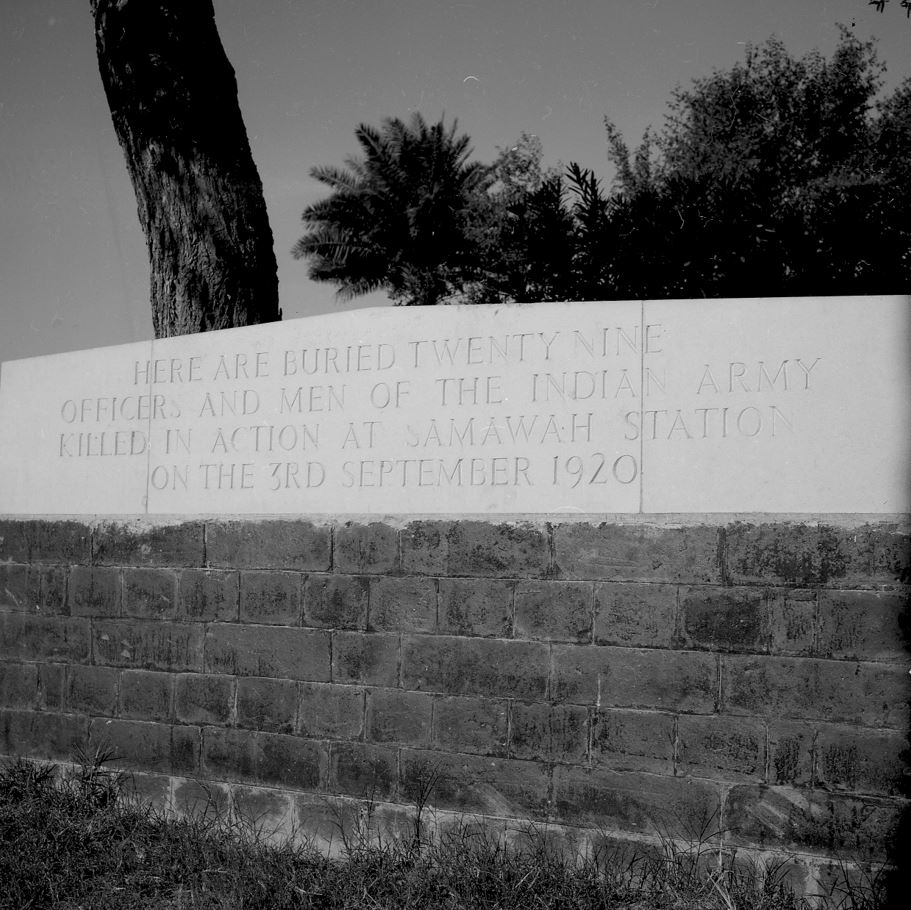
- Memorial to 29 Officers and men of the Indian Army killed in action at Samawah station in 1920 during the Iraqi Revolt (originally placed behind the 13th Division Memorial but now gone)
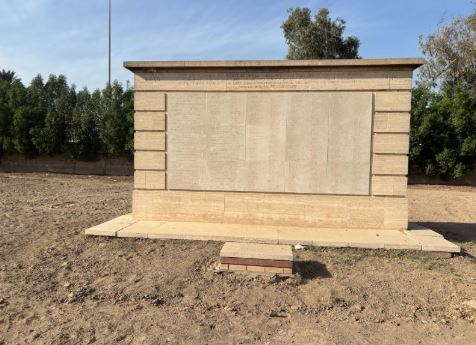
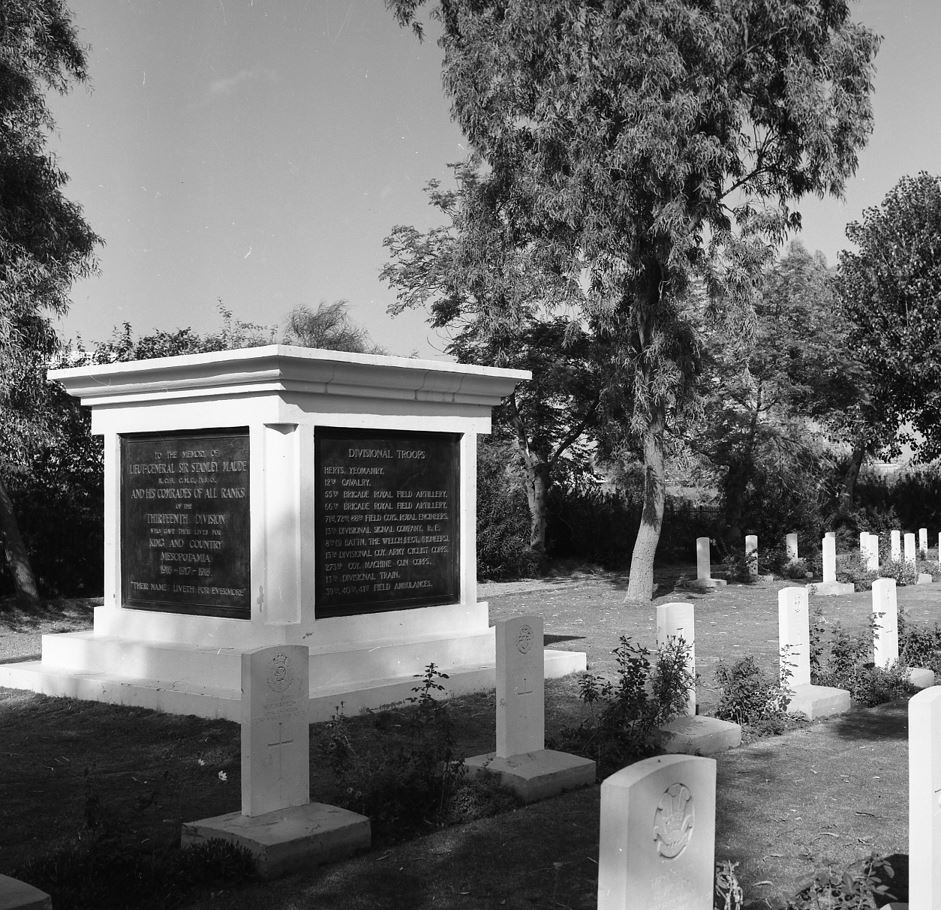
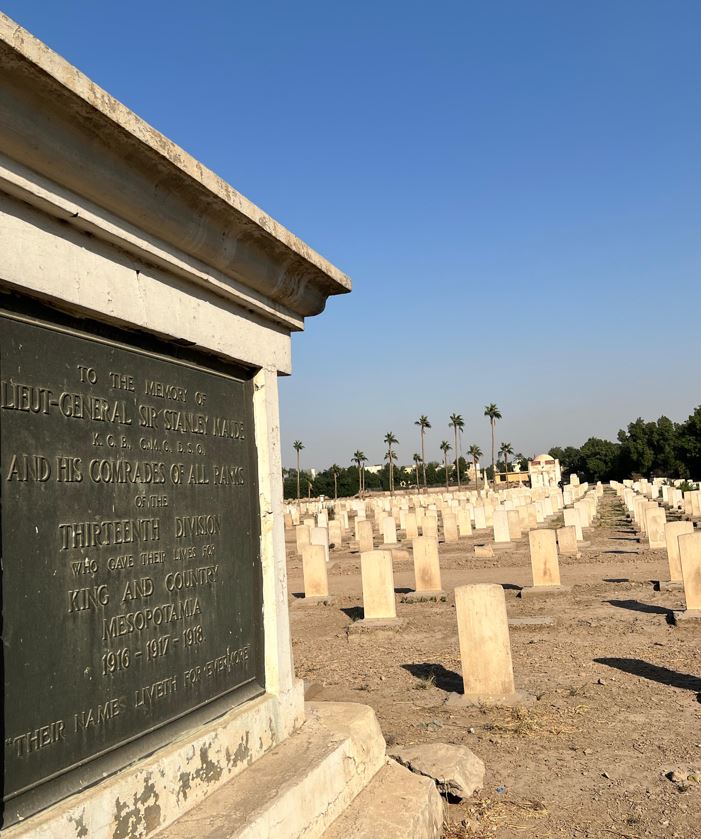
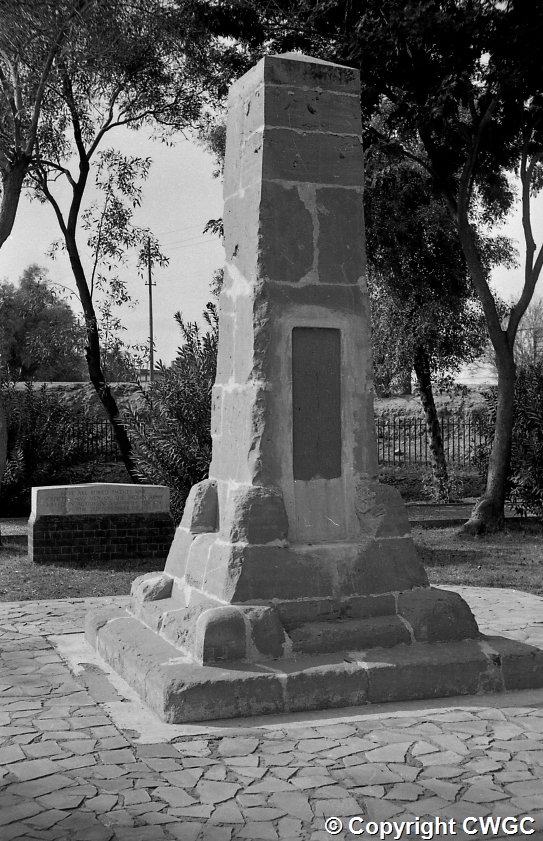
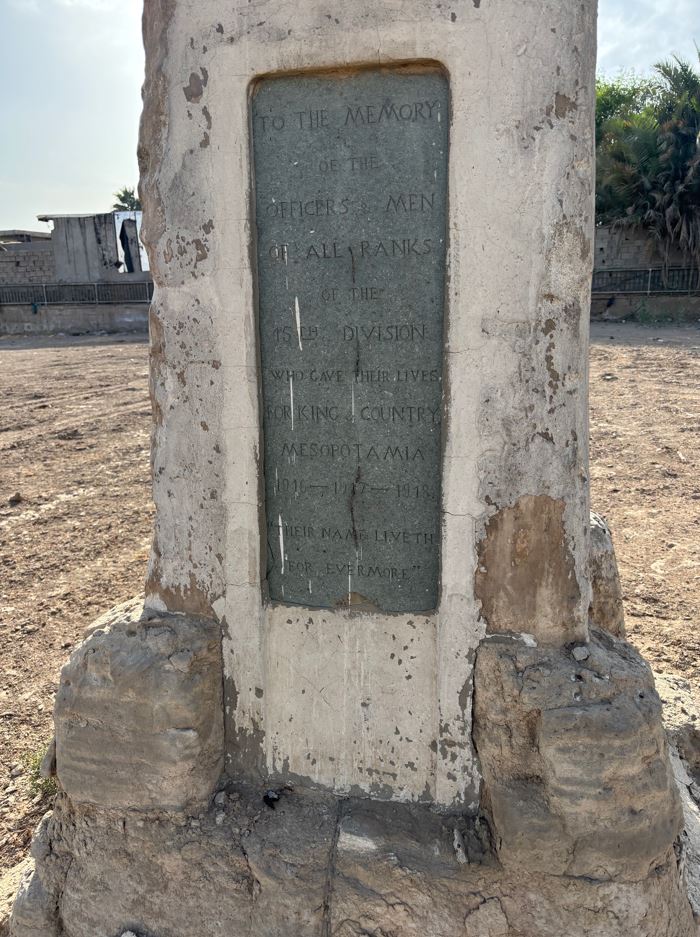
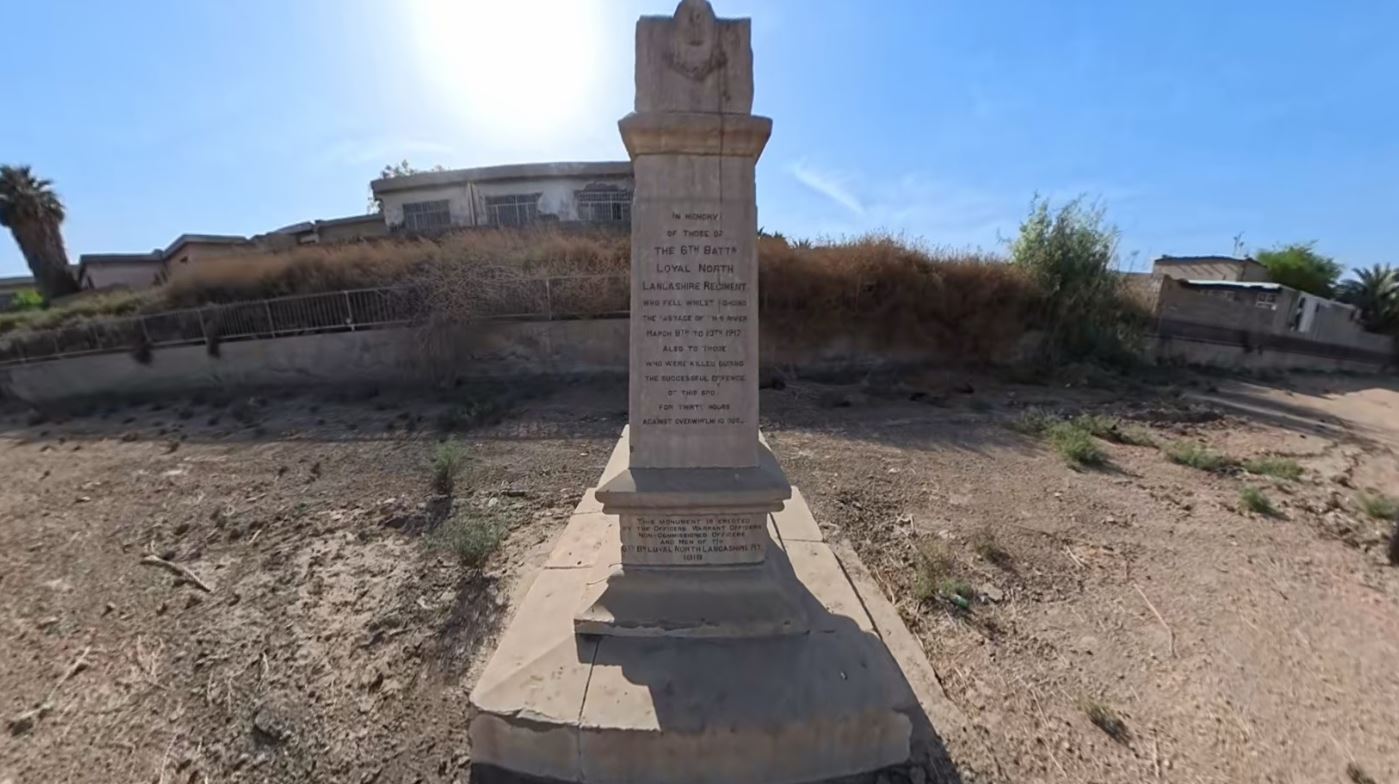
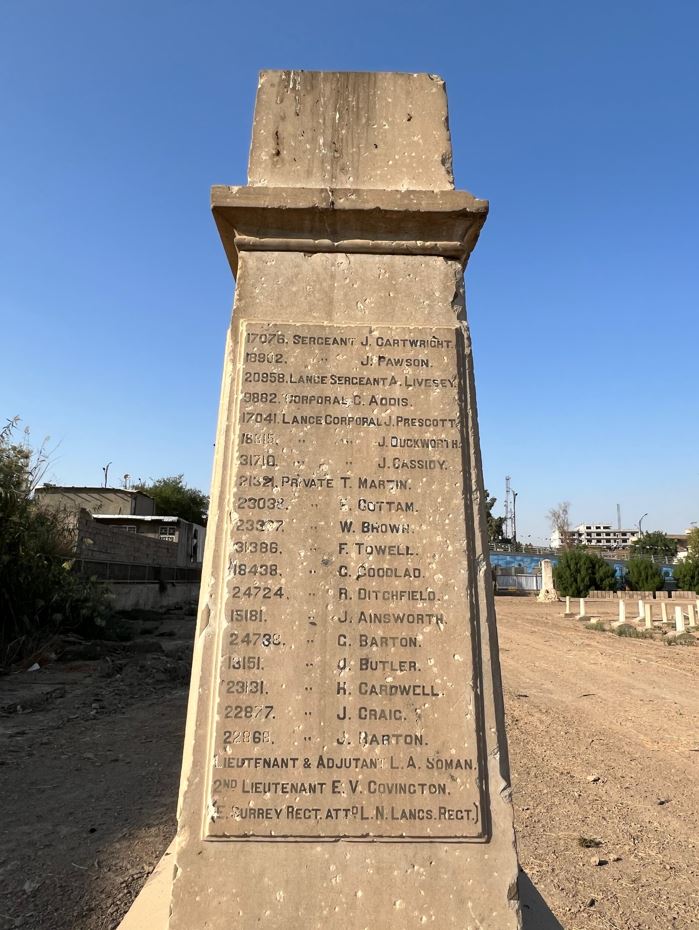
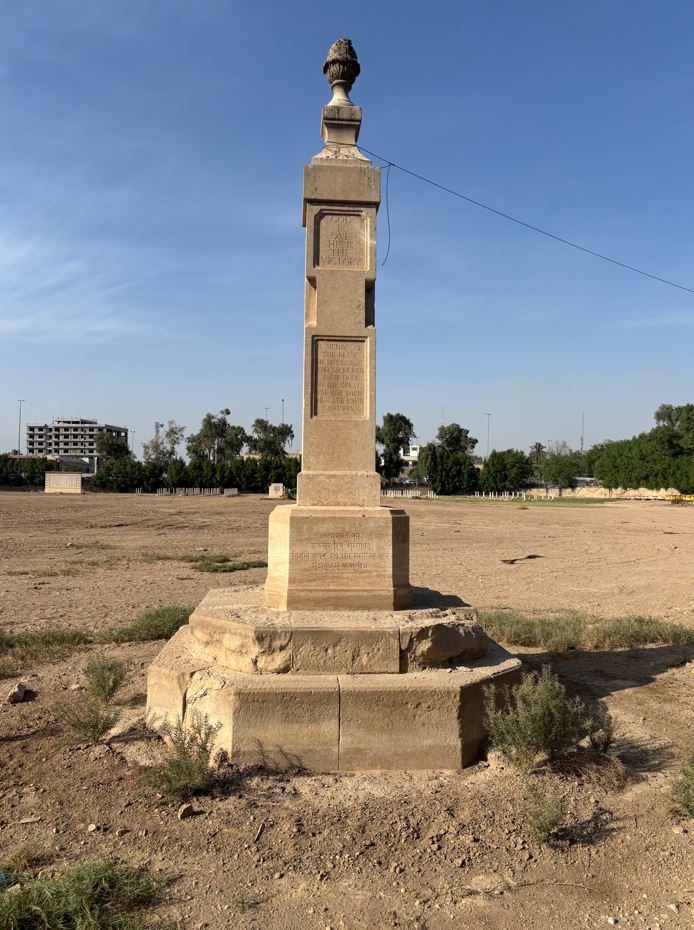
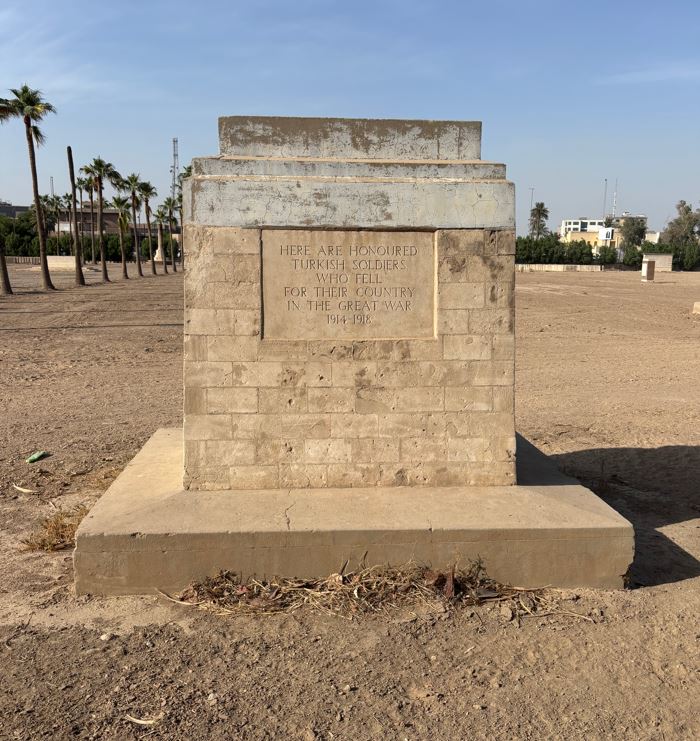
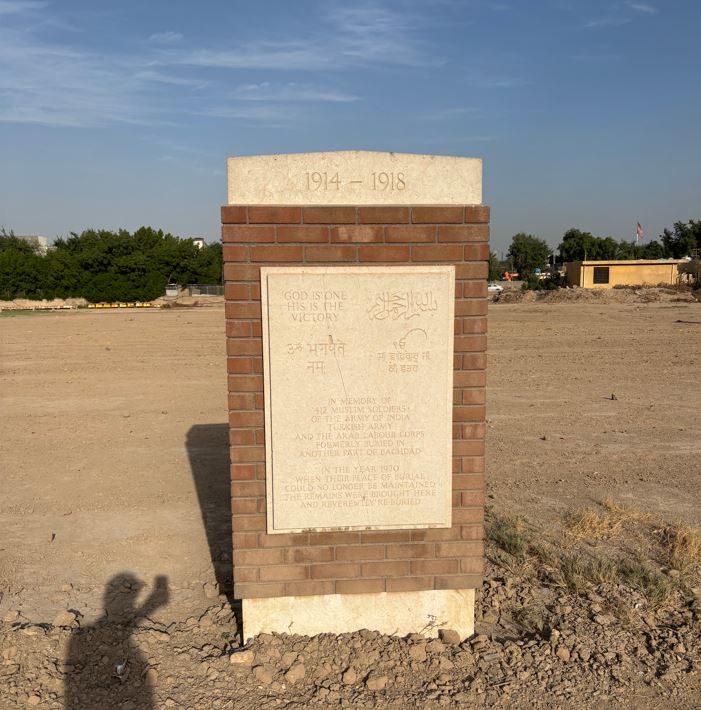
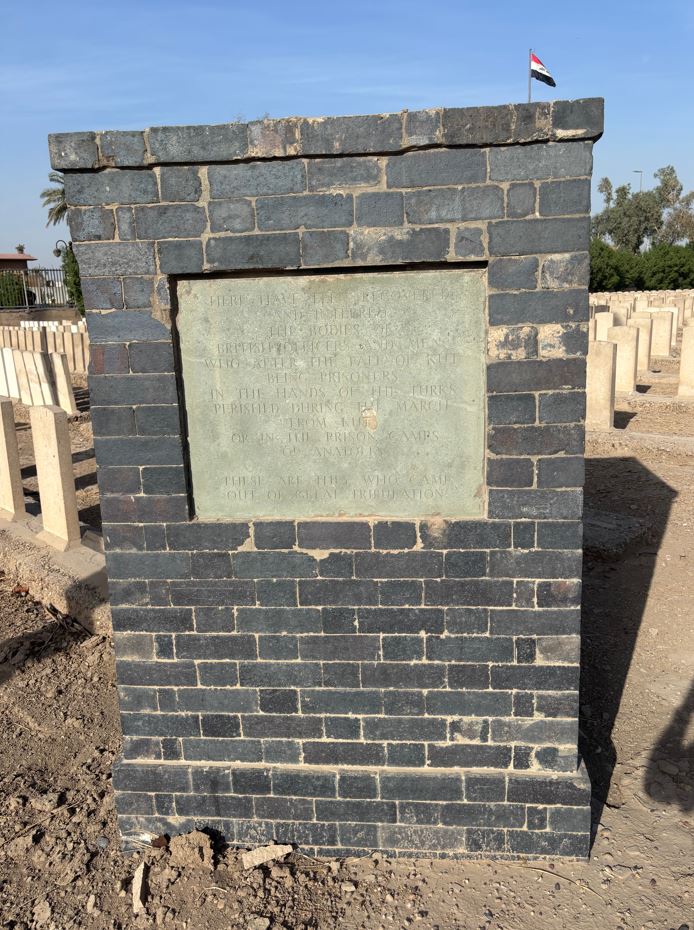
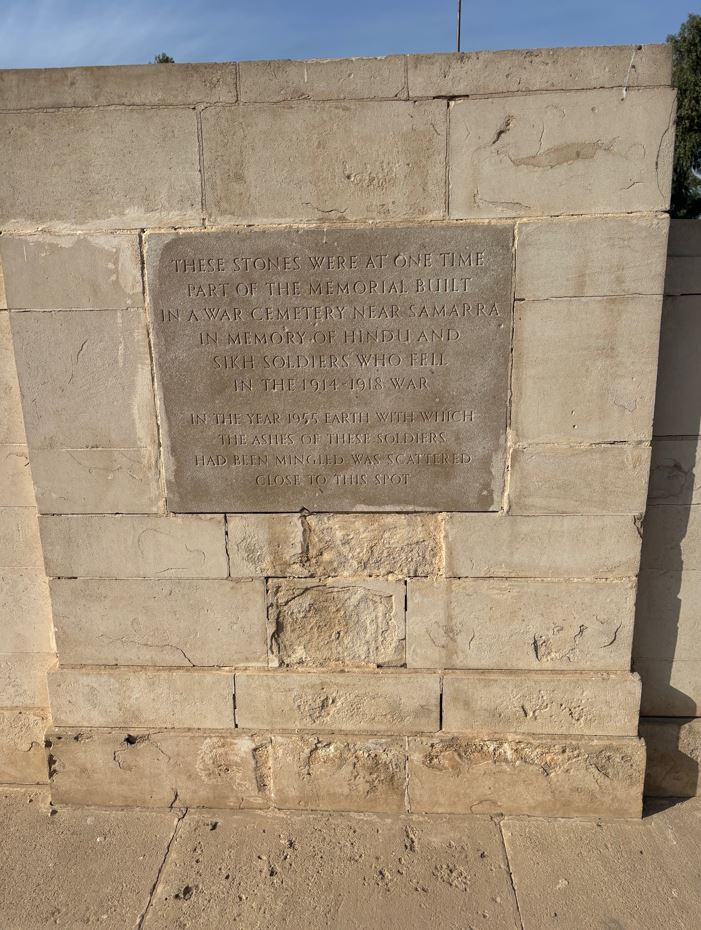
There was once a memorial to 29 officers and men killed in action by insurgent tribal forces at Samawah Station, during the Iraqi revolt in 1920. Samawah was a key railway station on the line midway between Baghdad and Basra. During the 1920 rebellion, British garrisons, including those in the Samarra area, were under pressure, and reinforcements were actively moving to secure communication lines. The 1920 revolt resulted in roughly 6,000 Iraqi deaths and around 500 British and Indian soldiers killed, with the rebellion being largely subdued by the end of October 1920. The exact nature of the action on the 3rd September is as yet unknown but likely some more, deeper research would discover it. What happened to this monument is unknown but of it there is no sign today.
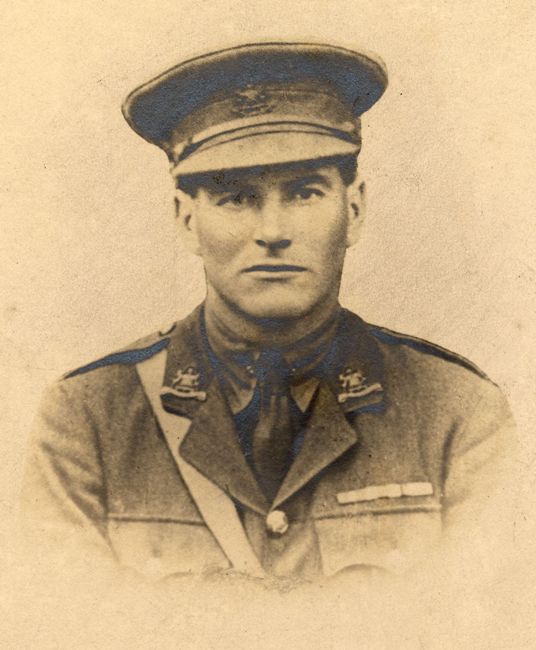
During this same period, the “disaster at Hilal” saw the capture of British troops from the Manchester column, and was where Capt. George Henderson 2nd Bn The Manchester Regiment won his VC. His body was not recovered and he is commemorated on the Basra Memorial.
For most conspicuous bravery and self-sacrifice.
On the evening of the 24th July 1920, when about fifteen miles from Hillah (Mesopotamia), the Company under his command was ordered to retire. After proceeding about 500 yards a large party of Arabs suddenly opened fire from the flank, causing the Company to split up and waver. Regardless of all danger, Capt. Henderson at once reorganised the Company, led them gallantly to the attack and drove off the enemy.
On two further occasions, this officer led his men to charge the Arabs with the bayonet and forced them to retire. At one time, when the situation was extremely critical and the troops and transport were getting out of hand, Capt. Henderson by sheer pluck and coolness, steadied his command, prevented the Company from being cut up, and saved the situation.
During the second charge, he fell wounded but refused to leave his command, and, just as the Company reached the trench they were making for, he was again wounded. Realising that he could do no more, he asked one of his N.C.O.s to hold him up on the embankment, saying "I'm done now, don't let them beat you". He died fighting.
Of the British POWs captured at Hilal, their drawings during captivity prior to their release can still be seen at the Najaf Heritage museum along with weapons captured and used during that period.
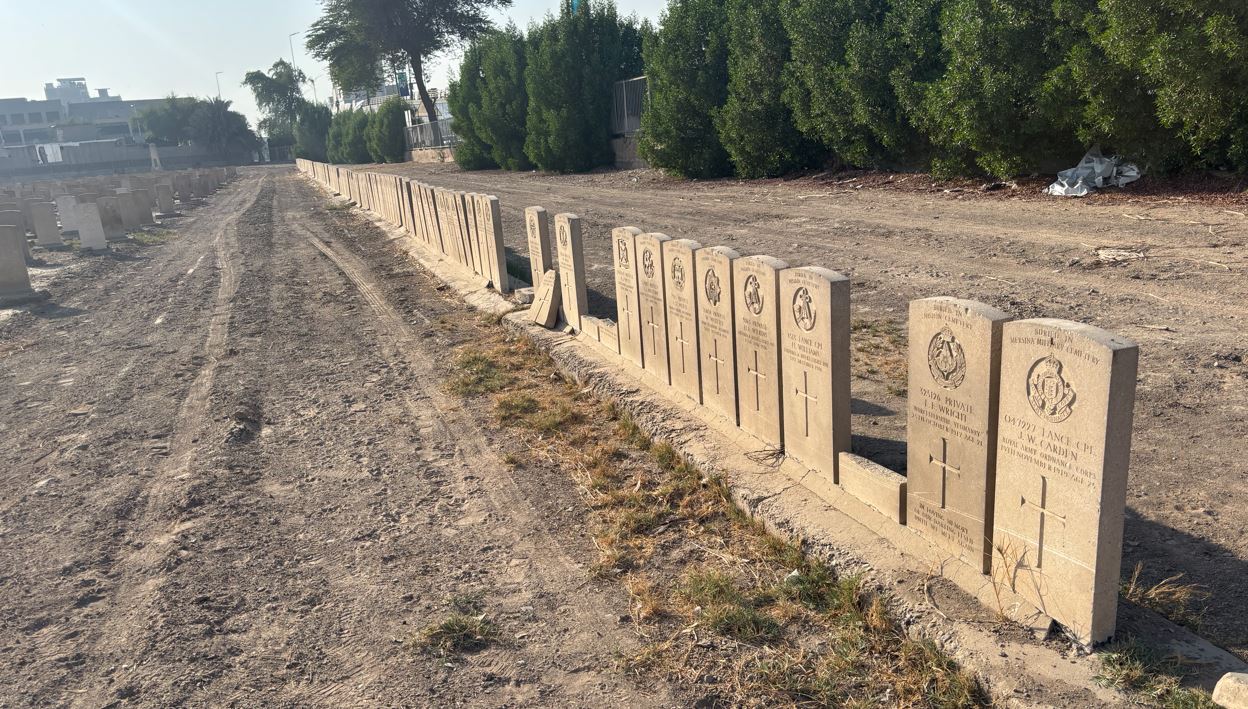
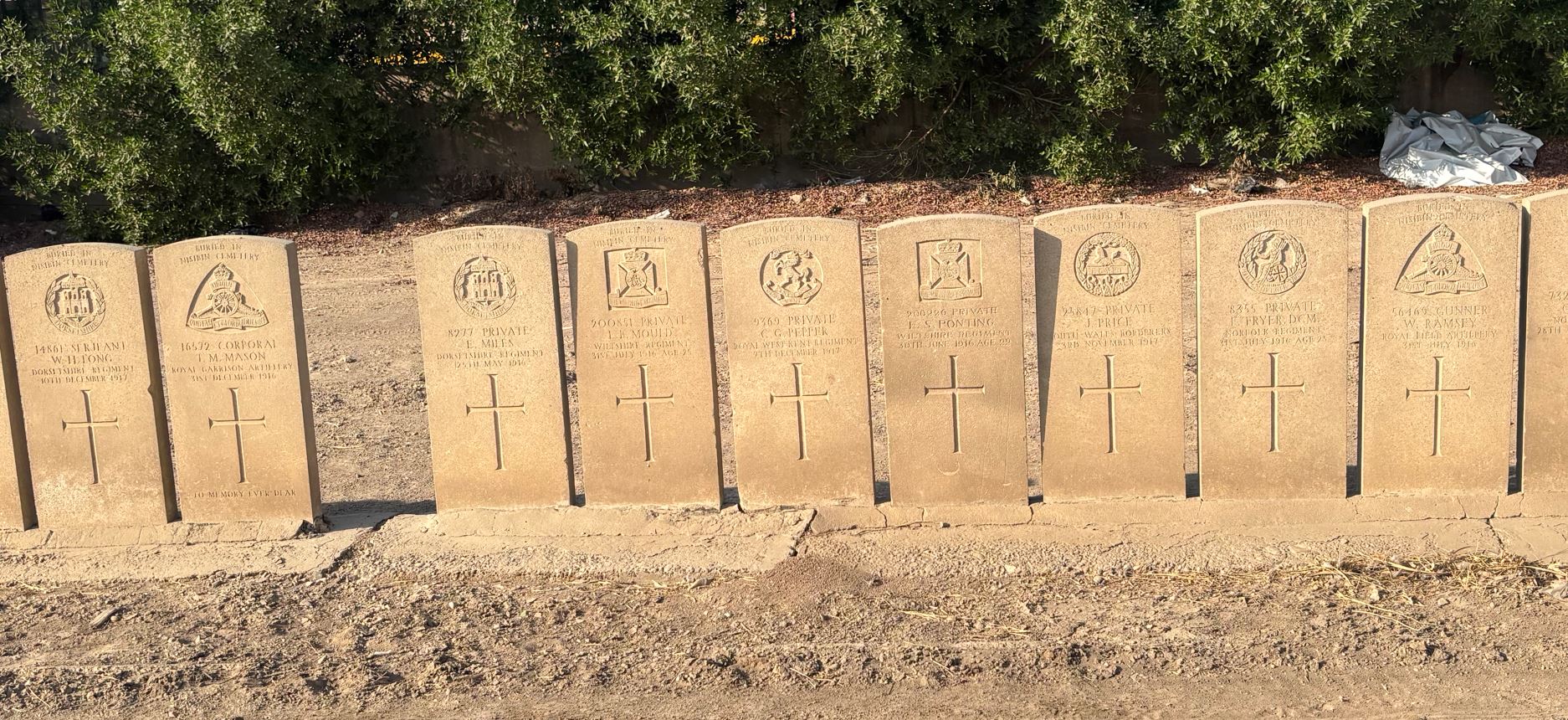
There is also a row of memorial stones for those who lost their lives as POWs in Turkey in the Ottoman POW Camps of Nisibin, Islahie, Bosanti, Angora and Mersina, 1916–1918. The information available is a little ambiguous as to whether the bodies were moved but the headstones themselves suggest these are memorials not grave markers. These include Australian and New Zealand forces killed in the Gallipoli campaign.
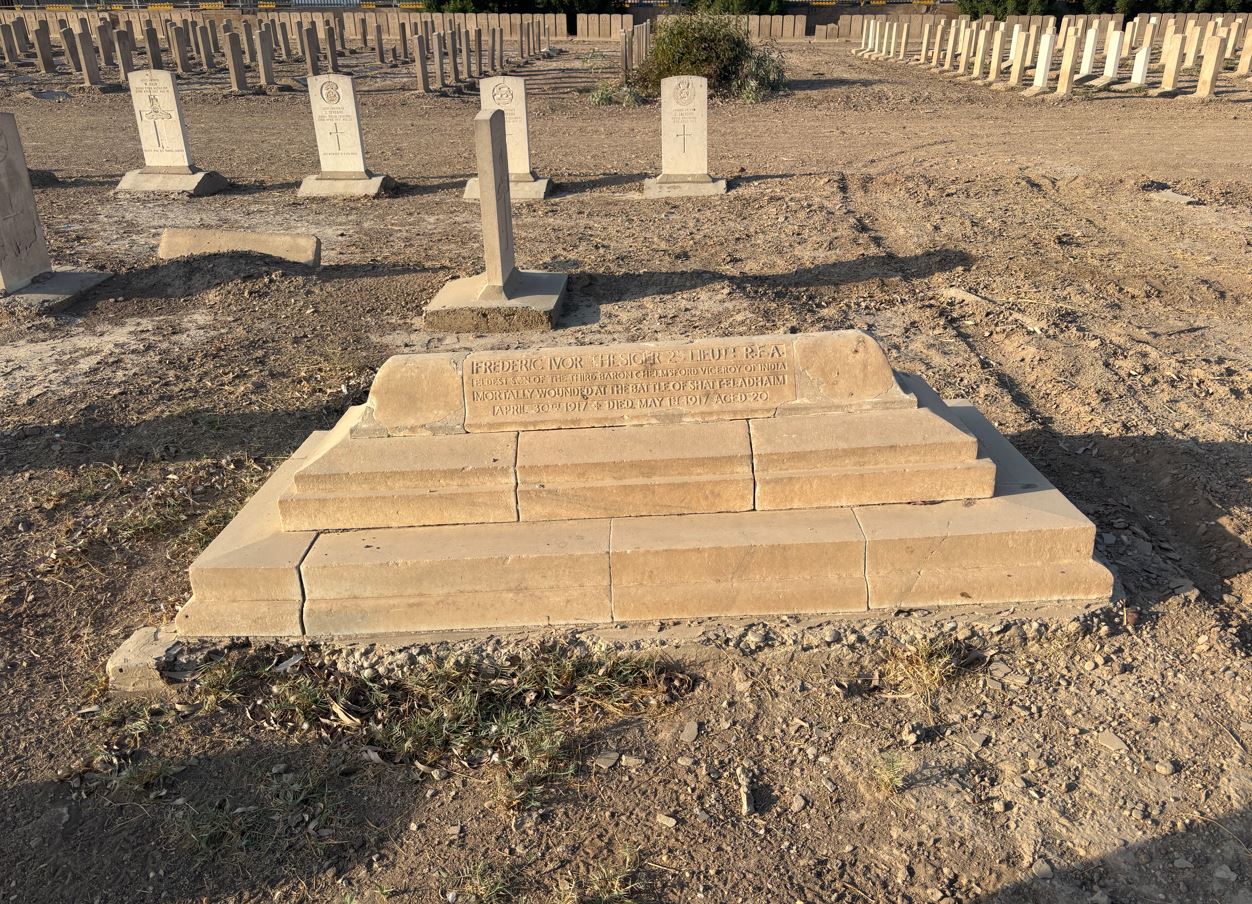
One oddity is the grave of 2nd Lt. Frederick Ivor Thesiger (related to the explorer Wilfred Thesiger) which is not a standard CWGC grave but a privately-funded one. Generally, such graves were routinely replaced by standard graves but Thesiger's family insisted it remain. Given he was the eldest son of Lord Chelmsford, Viceroy of India from 1916 to 1921, his family came with sufficient influence to have their wishes fulfilled, as they are to this day.
The casualties in the cemetery cover a very wide and diverse theatre of operations, with many extraordinary stories and a few mysteries.
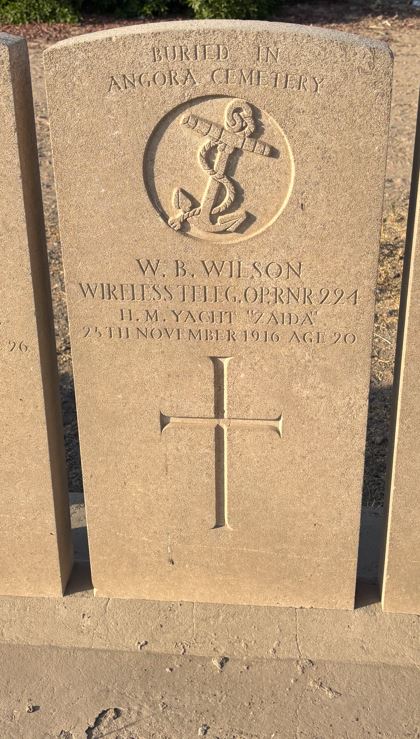
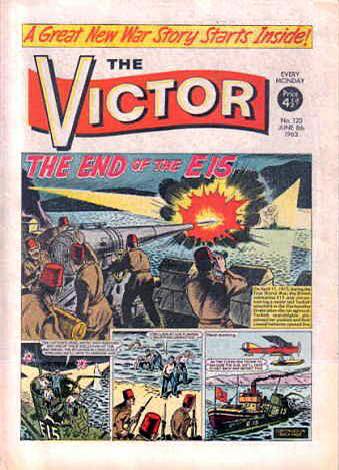
Casualties include submariners from E17, E20, E15 and I7, and sailors from HM Yacht Zaida of which there are conflicting accounts of her fate in 1916. The loss of E15 was sensationalised in The Victor comic.

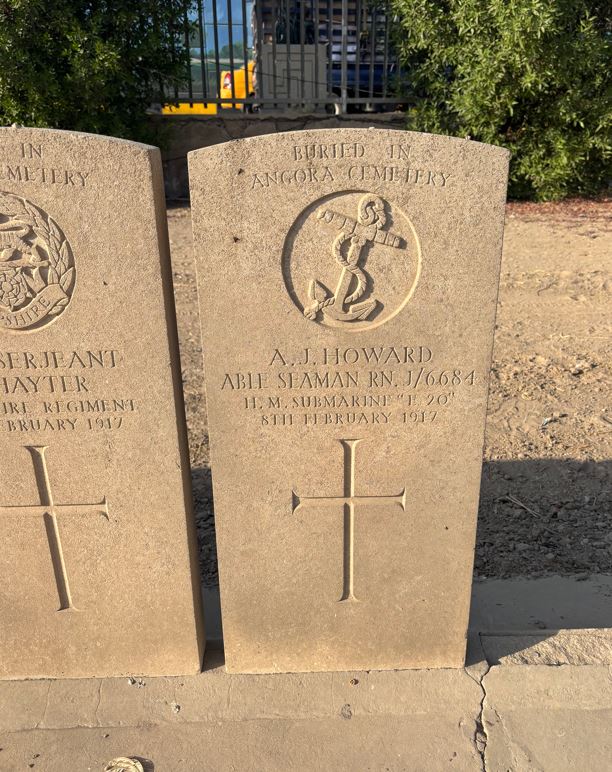
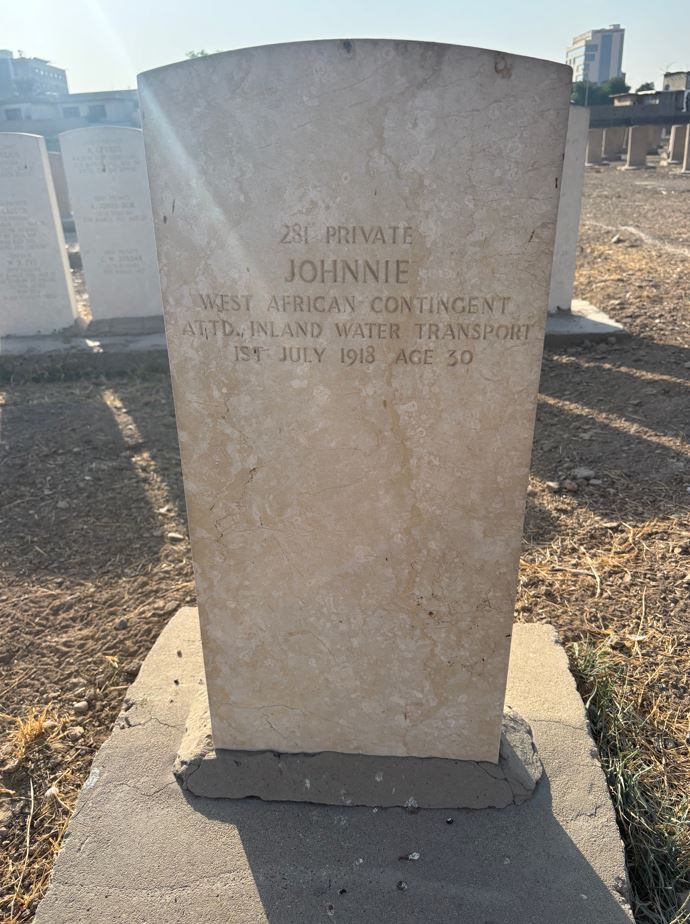
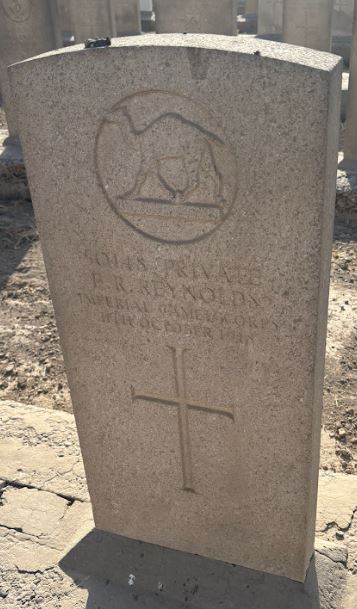
There is one grave from a casualty from West Africa (likely Nigeria), another from Burma, and a single Camel Corps grave, a unit never deployed to Mesopotamia - it is unknown how he got there.
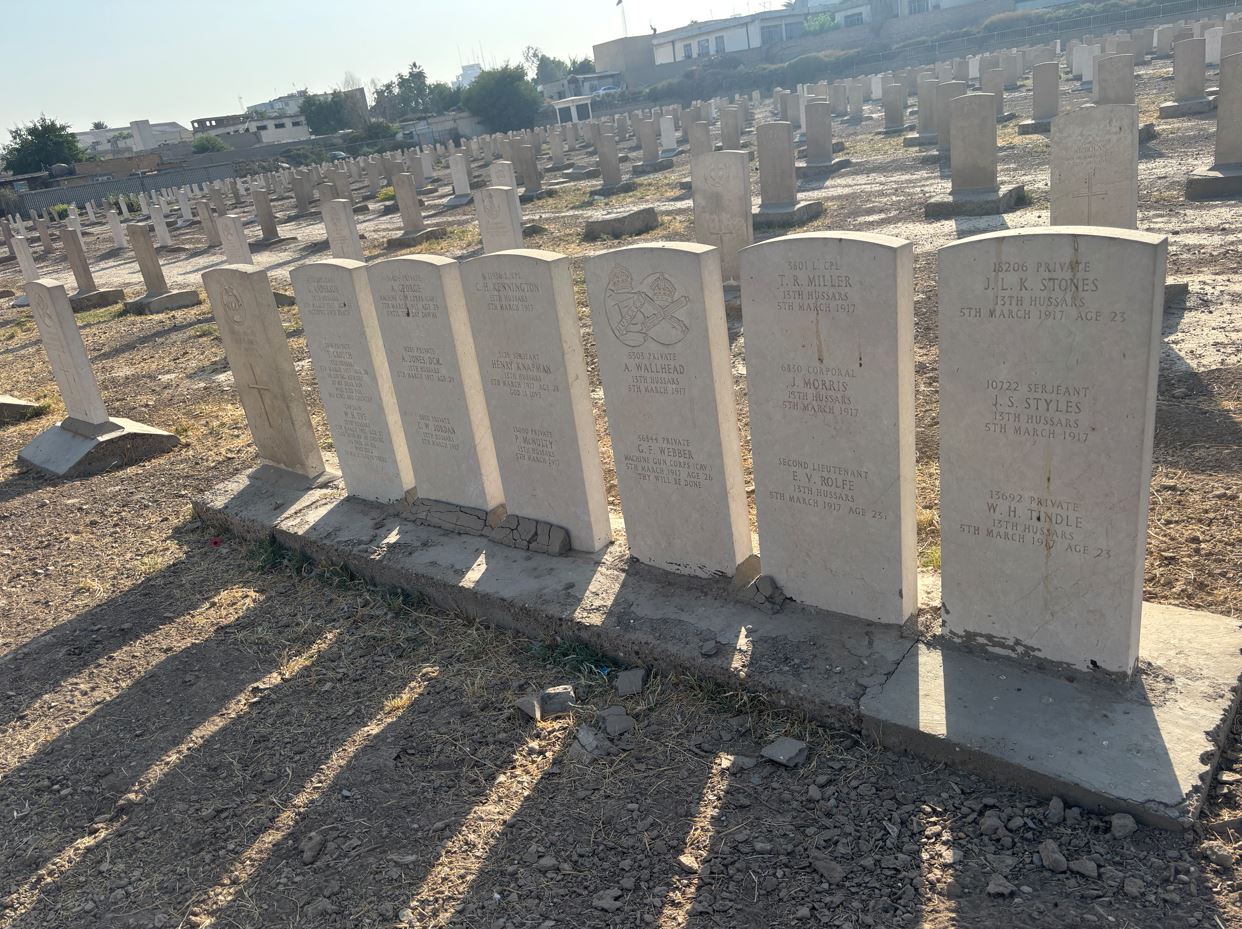
There are also a cluster of graves with shared burials suggesting commingled remains. These are all from a single action on March 5, 1917, the Battle of Lajj. The 13th Hussars, as part of the 7th Indian Cavalry Brigade, advanced toward Lajj where they encountered entrenched Turkish forces. Misinformed by a captured officer, they expected to collect prisoners but, instead, were met with heavy rifle fire. After an initial dismounted advance and a charge, the regiment became bogged down by the strength of the Turkish position. The Hussars were forced to dismount and fight on foot until the 6th Brigade was able to outflank the Turks, leading to their retreat. The regiment suffered heavy casualties at the Battle of Lajj, with nine officers and 77 other ranks killed.
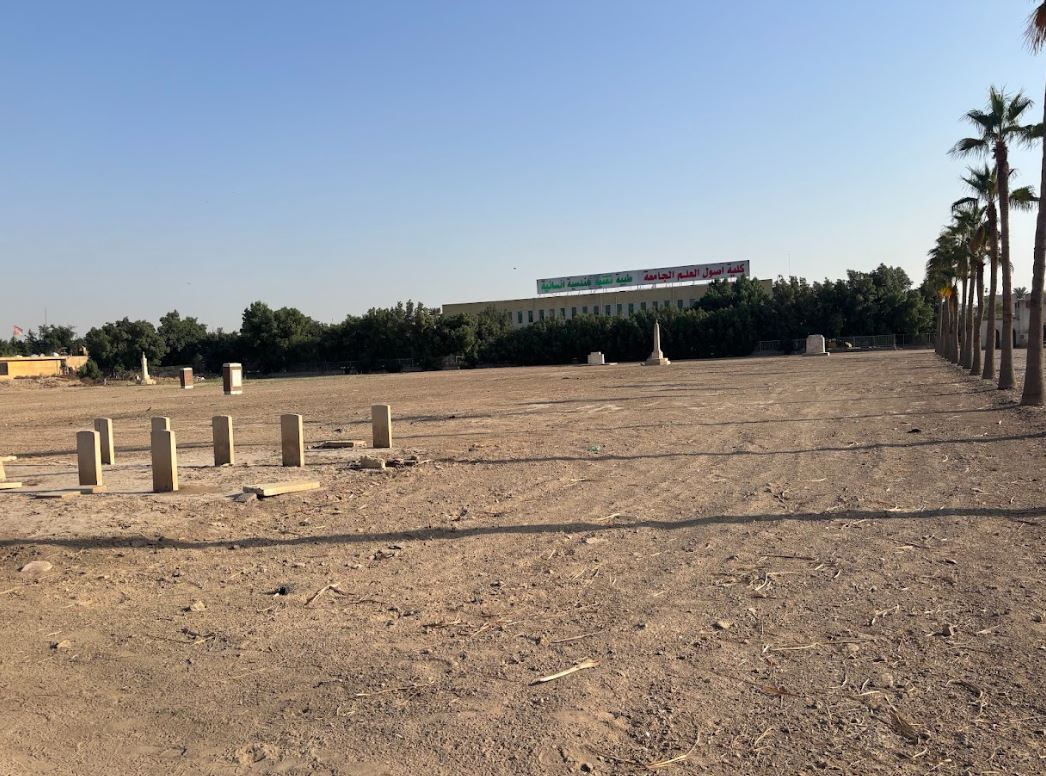
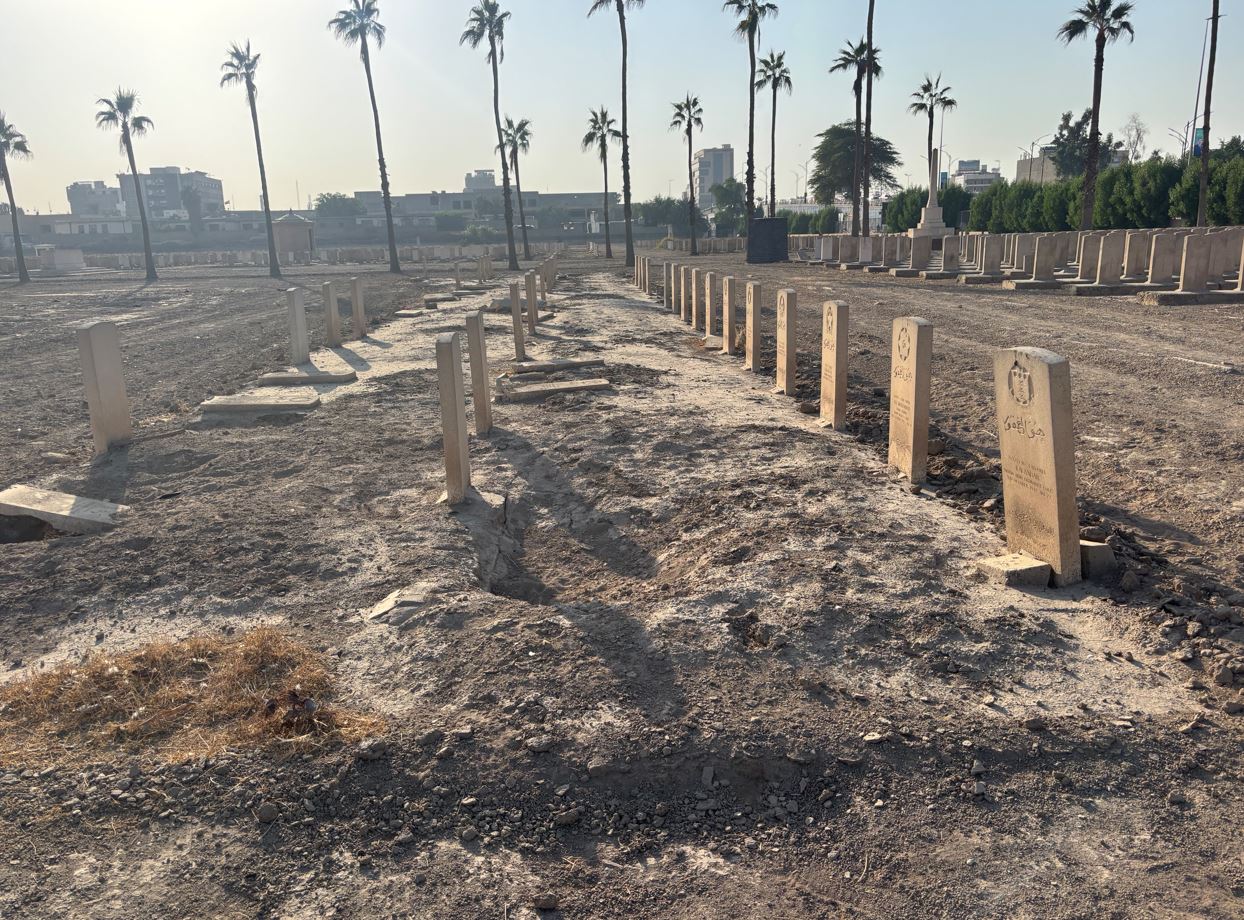
The First World War Indian Army deaths were not recorded or marked individually but the standard Hindu/Sikh and Muhammad memorials were erected in their stead. The remaining Indian Army Second World War graves are in a state of disrepair.
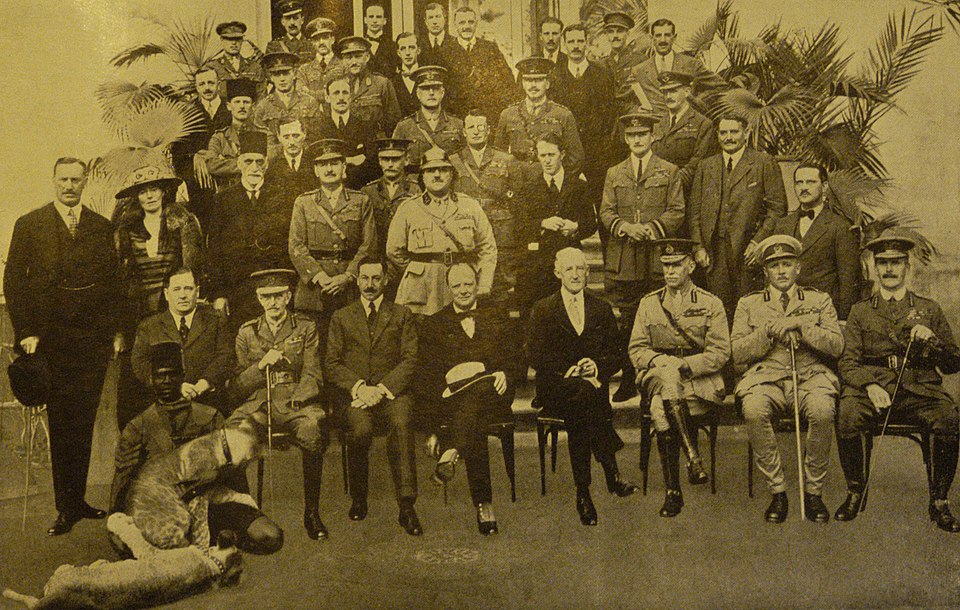
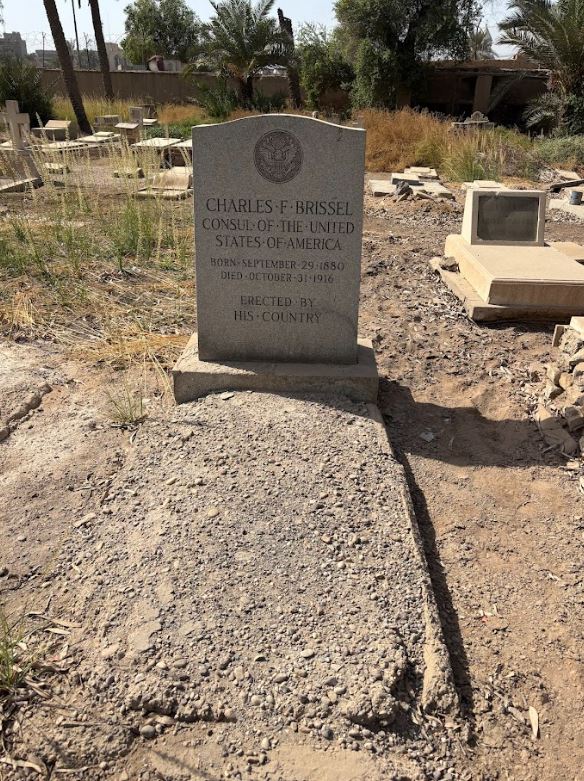
Near to Northgate is the British Civil Cemetery in which Gertrude Bell is buried. A contemporary of TE Lawrence, and the only woman at the 1921 Cairo Conference where Britain's post-war strategy for the Middle East was set, she played a critical role in the formation of modern Iraq post World War 1. A few feet from her grave is that of US Consul, Charles F. Brissel, who attempted to aid British POWs from Kut but, sadly, caught typhus whilst visiting a POW camp and died 31 October 1916. His original grave was damaged by US bombing in the first Gulf War and subsequently replaced by the US Embassy.

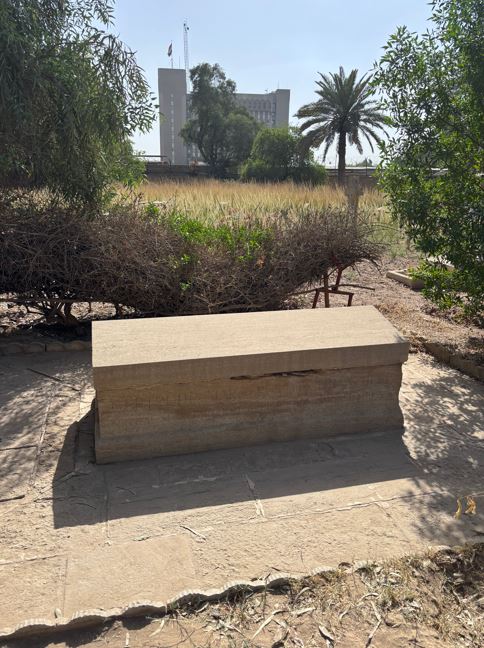
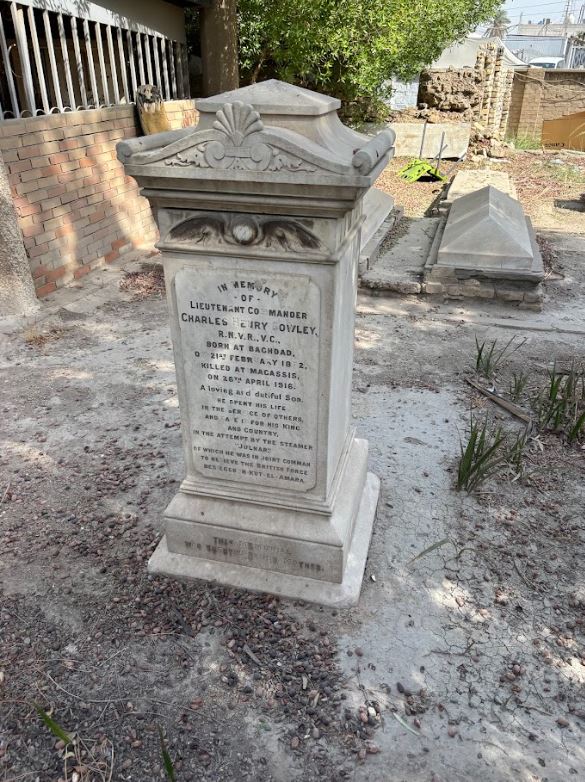
This cemetery also features a charming memorial to Lt Colonel Charles Henry Cowley VC (also commemorated on the Basra Memorial), installed by his mother.
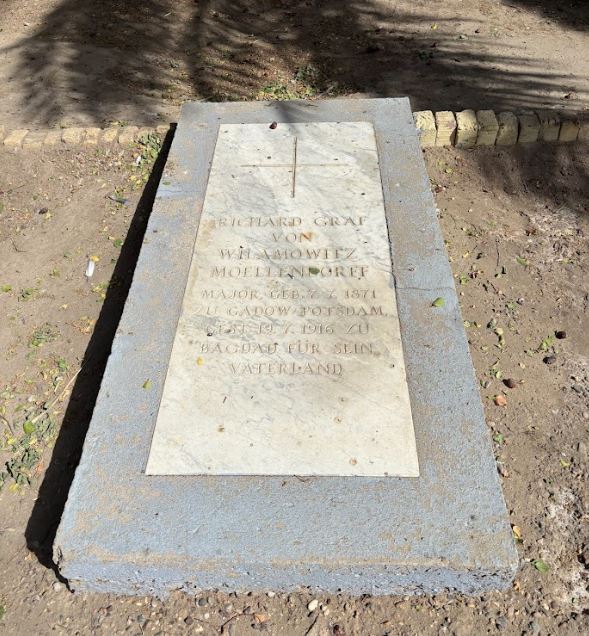
Within walking distance from the British Civil Cemetery is the German soldiers' cemetery where General Colmar Freiherr von der Goltz (“Goltz Pasha”) is commemorated. General Goltz was in command at all the major British defeats in Mesopotamia, the Battle of Ctesiphon (Nov 1915) and the pursuit and subsequent siege of Kut and defense against its relief efforts. Goltz died of typhus on 19 April 1916, just days before the surrender of Kut on 29 April 1916), with the Ottoman command passing to Halil Pasha, who accepted the British capitulation. It's a small well maintained site, well worth visiting and also close by is the Ottoman military cemetery.
Alwiya Indian Forces Cemetery
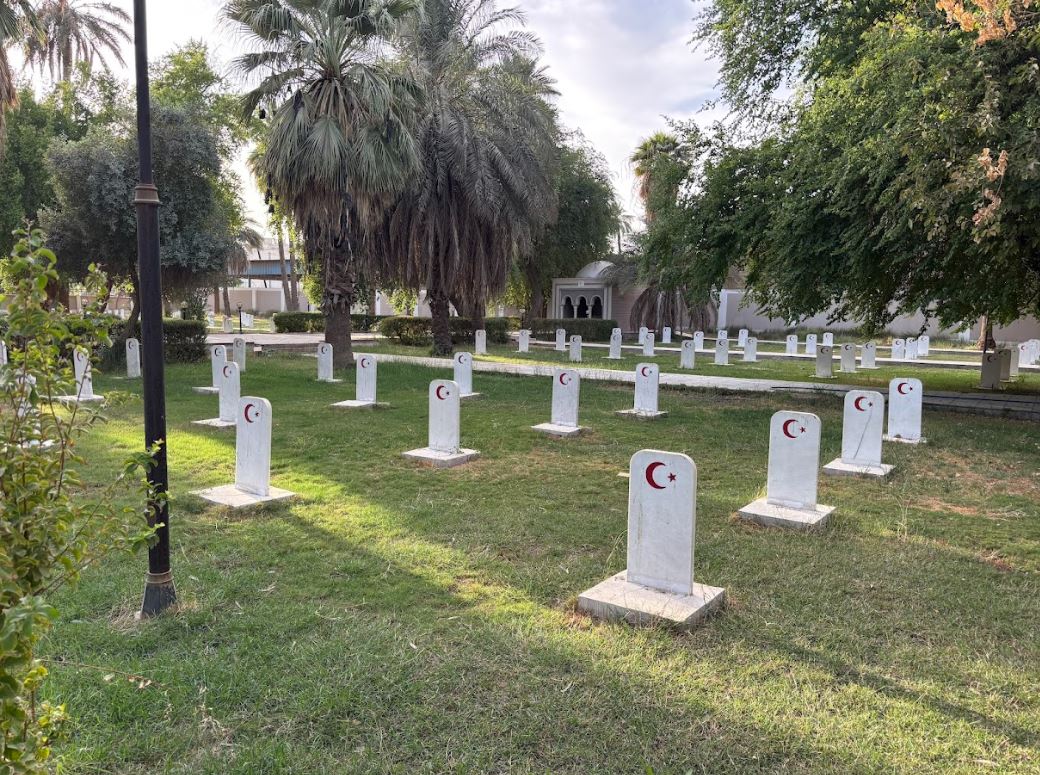
This small cemetery, not far from North Gate Cemetery, has 451 First World War Indian Army burials and features the familiar two memorials. As at other Indian Army locations, casualties were not given individual graves nor were records kept of the burials. Only one grave is of a known casualty - Rifleman Kharakbir Thapa 4th Gurkha Rifles 2nd Bn. Other than a standard CWGC sign, there is little to suggest that this is a Commonwealth war cemetery.
Habbaniya and Ma’Asker Cemeteries
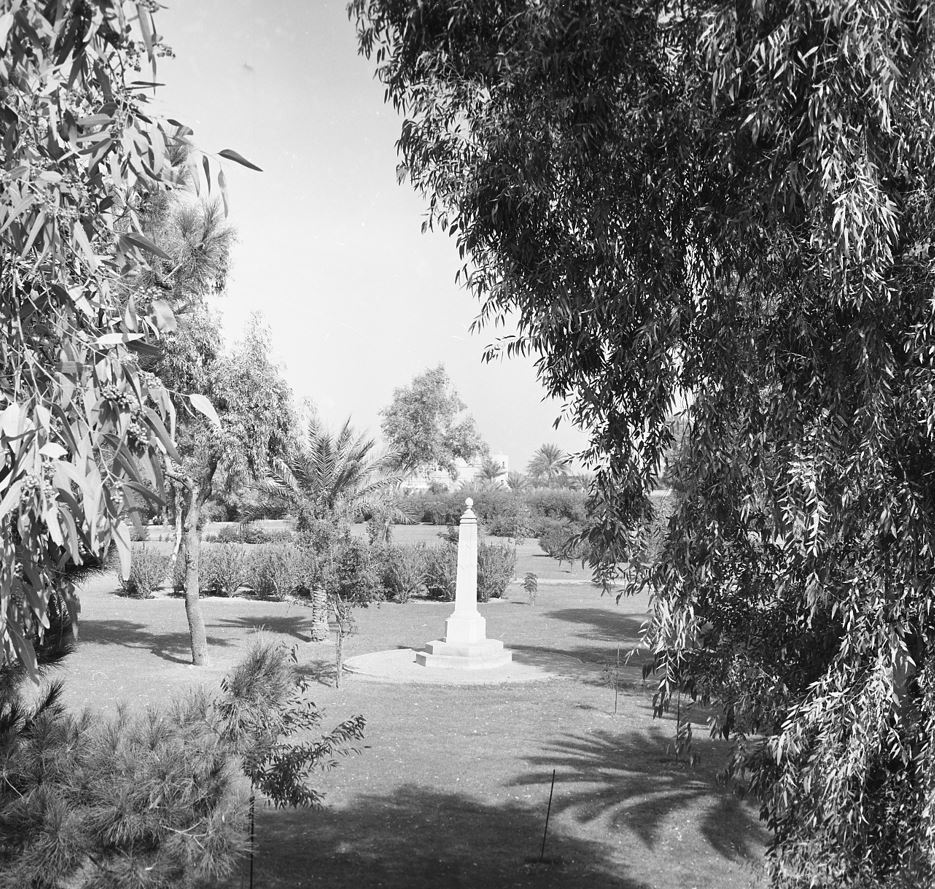
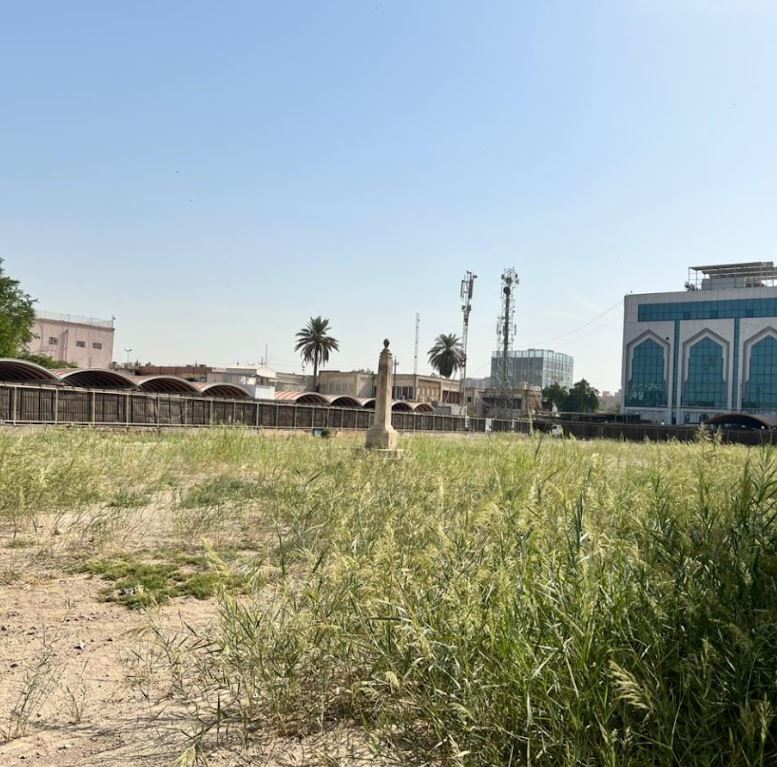
These two cemeteries contain interwar and 1939-45 casualties. Habbaniya is situated in Falluja, to the east of Baghdad, in what was an RAF base, now an Iraqi military base and takes some effort to get access to. My guide once again came into the fore and, through his contacts, got us access and a military escort. The cemetery is in good condition, having been fully renovated in 2019 although the Cross of Sacrifice is missing its cross and there is no War Stone. There is also a memorial to the Iraqi RAF levies who served with the British forces in World War II.
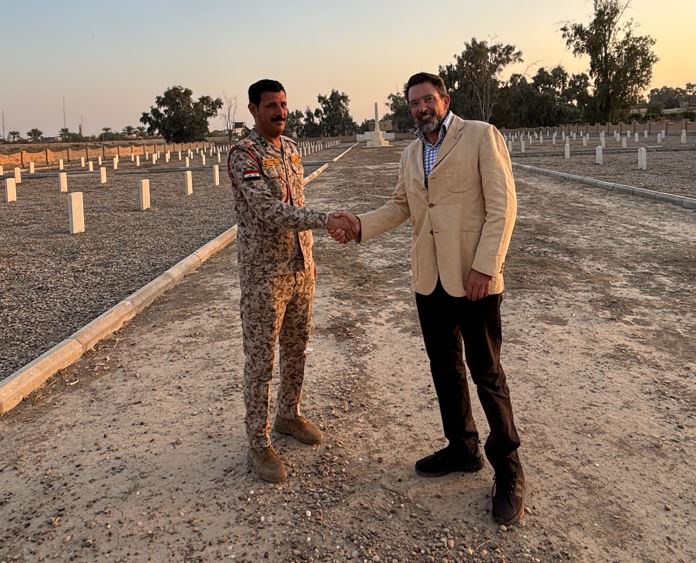
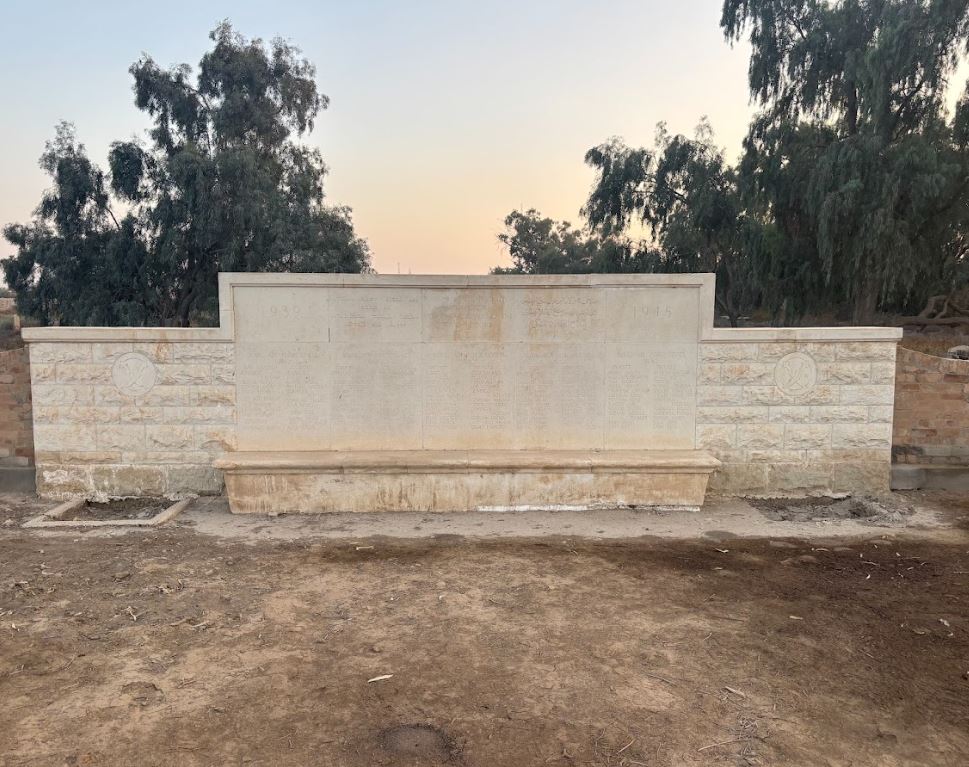
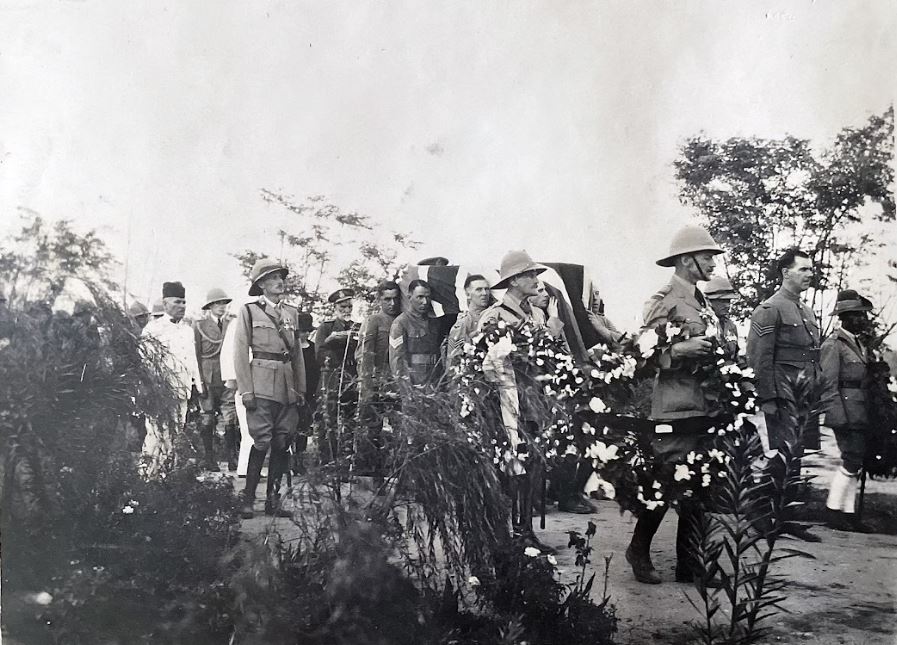
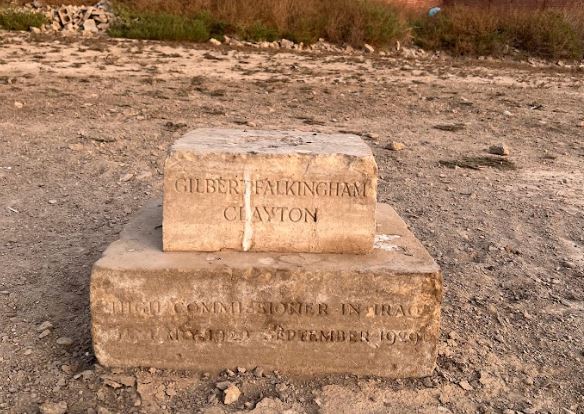
Ma’Asker Cemetery is a short drive west and was the cemetery for the Rinadi RAF base with interwar, civilian contractors and RAF casualties buried there. This includes Brigadier-General Sir Gilbert Falkingham Clayton, KCMG, KBE, CB the British High Commissioner to Iraq, who died in 1929 following a polo match in Baghdad. Clayton's funeral was attended by thousands and made the New York Times but, today, little remains of his grave or the cemetery. The cemetery site is less than 6 miles from the British Embassy.
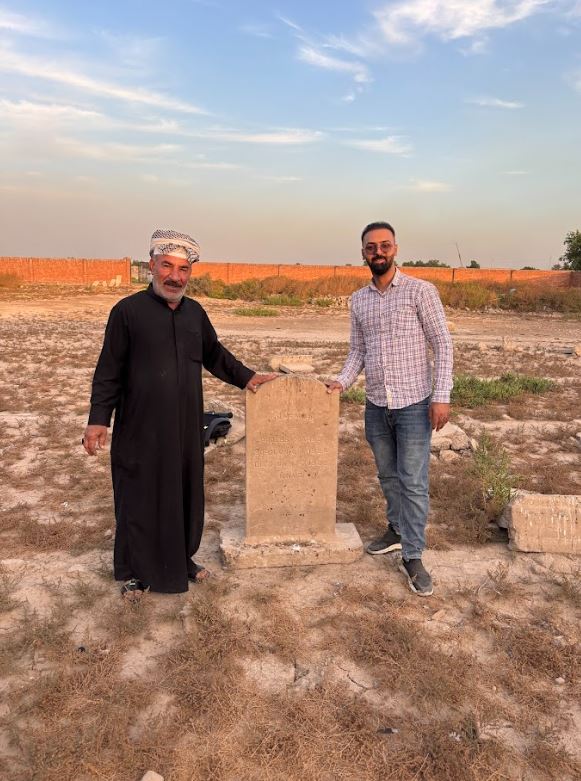
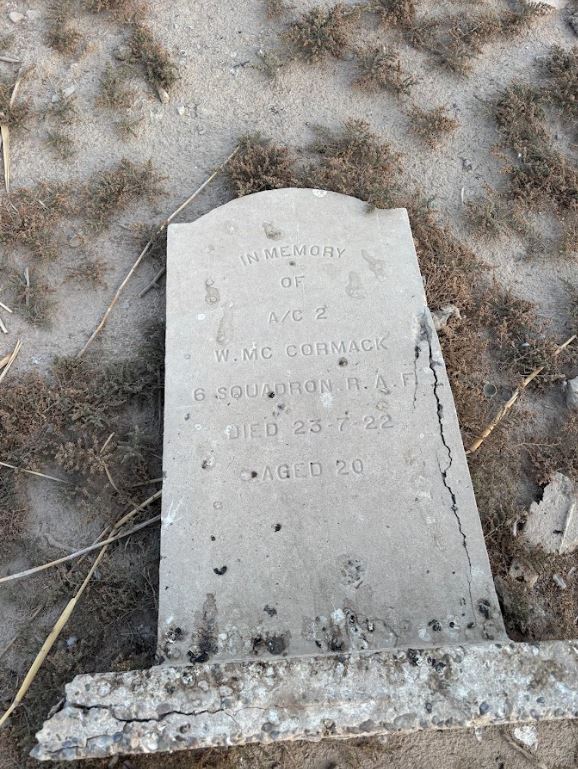
Also buried there is the rather tragic story of 6 year old Australian, Phoebe Marks, and her father, a civilian contractor at the RAF base. You can read more from Steve Buster Johnson's detailed research into Ma’Asker here.
Mosul War Cemetery
Situated 4.5 hours drive north of Baghdad, Mosul War Cemetery is a small cemetery with both First World War (191) and Second World War (145) graves.
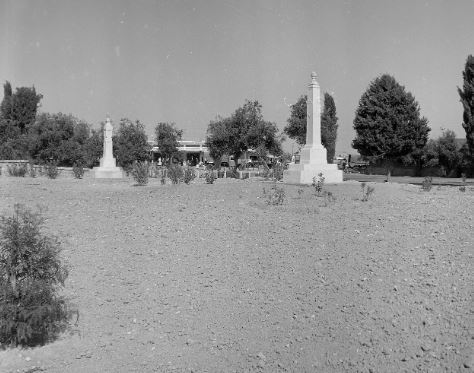
On November 3 1918, British forces illegally entered Mosul unopposed, then under Ottoman control, a direct violation of the Armistice of Mudros signed only just over a week before.
The Great War casualties are, therefore, most likely the result of illness or accident rather than battlefield deaths. All are Indian Army and only six of them are identified. However, there is one British soldier from the First World War, who was buried in the French Dominican Church at Mosul, cause of death unknown.
Gunner Edwin Joseph Sharp North, Royal Field Artillery "A" Bty. 337th Bde. from Brighton died on November 3rd. After the war, a plaque was placed in the church privately and Gunner Sharp was commemorated in Mosul War Cemetery, that memorial, along with all the headstones, no longer exists.
Enquiries with the French Dominican Church resulted in this response:
"When the restoration was started following the liberation of Mosul from ISIS, none of our graves had been desecrated.
During the previous restoration, completed in 2000, the graves existing in the church’s courtyard had to be removed to work on stabilising the building. Subsequently, the human remains were collected and gathered into three separated tombs: one for the Dominican Friars, one for the Dominican Sisters, one for the Laity.
I don’t know if Edwin was still among them at that time but, if it was the case, his body has probably been united with those of the Lay persons, most of them victims of the genocide of Christians (mainly Armenians and Assyrians) committed by that time in the region.
During the occupation of the Our Lady of the Hour Convent by ISIS, they couldn’t find the tombs hidden in the compound. During the 2000 restoration, all the headstones had been removed and buried in a nearby garden. In 2019, we extracted them from the ground and cleaned them to be displayed in the back courtyard of the convent. I didn’t notice any of them mentioning a British serviceman. Nevertheless, some stones had been stolen during the liberation (the one of the French consulate was eventually recovered) but, once more, I didn’t see any mention of a British soldier. A survey of the headstones was established by the Iraqi Antiquities as part of the rehabilitation conducted by UNESCO."
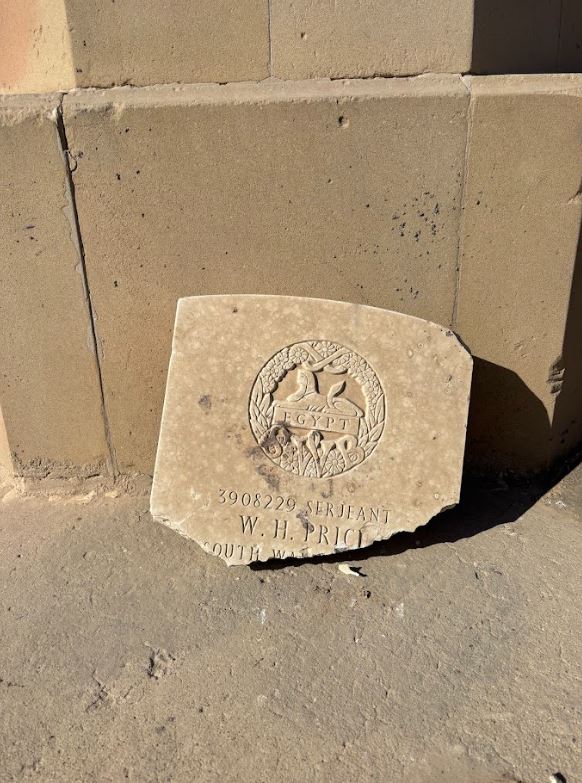
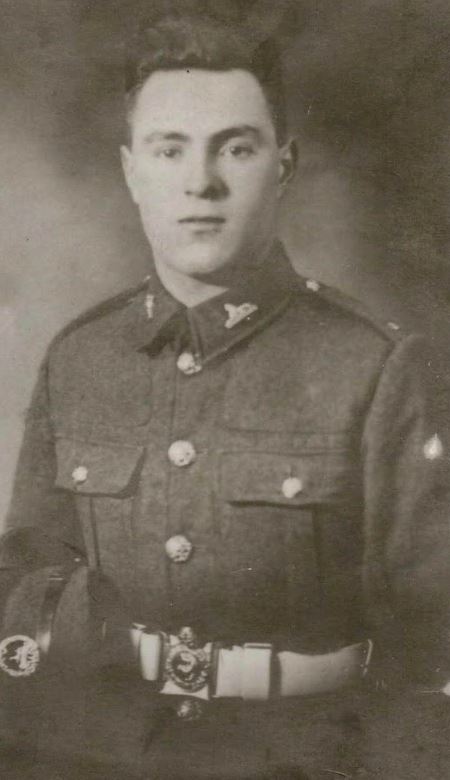
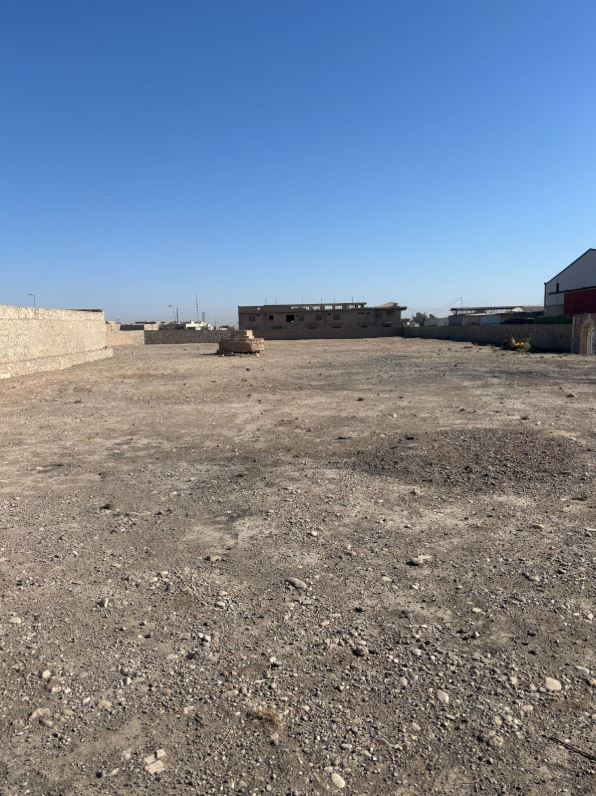
There is little left of Mosul War Cemetery, already abandoned in the 1980’s. With the Cross of Sacrifice gone and all the headstones removed, the site was further cleared by the CWGC's contractor in 2023, leaving only the fragments of the standard Indian memorials and one grave fragment of Sergeant Watkins Hugh Price of the South Wales Borderers. He died at 31 years old in 1942 and was buried in Mosul War Cemetery. A storage hut now sits where his grave was located.
One notable civilian burial there gives an interesting insight into the risks of being a British Civil Servant and the pre war tensions prior to 1939. George Evelyn Arthur Cheyne Monck-Mason (born c.1886), British Consul at Mosul, was killed during anti-British rioting there on 4 April 1939. A mob, allegedly incited by Nazi sympathisers, blamed the British for the death in a traffic accident of King Ghazi I. Monck-Mason left his office to engage with the mob outside and was hit in the head with an axe. The Prime Minister insisted on a state funeral and the death was widely reported in the international media. Today, however, of his grave there remains no sign at all.
Khanaqin War Cemetery
The town of Khanaqin is strategically placed in the Diyala River Valley, and near the Iranian Border which is a few minutes drive away. Getting to Khanaqin from Baghdad is an easy day trip.
The key battle was the Battle of Diyala River 7-10 March 1917, where British Indian Army troops, including the 7th Meerut Division and the 3rd Lahore Division, forced river crossings against the Ottomans. After the fall of Baghdad Khanaqin was occupied in May 1917.

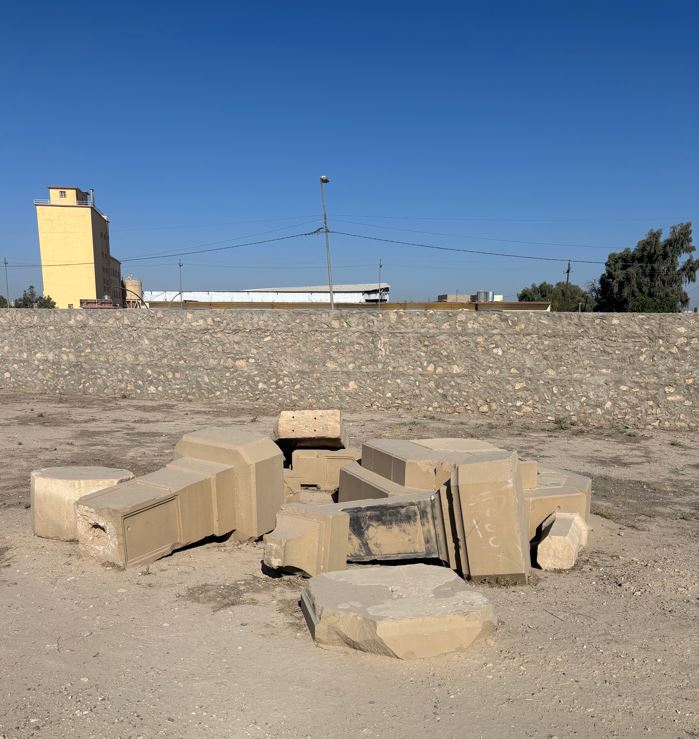
Interesting side note - there were once two memorials, on each side of the Diyala River, facing each other on hill tops - British 13th (Western) Division at table mountain Jebel Hamrin and the other Ottoman.
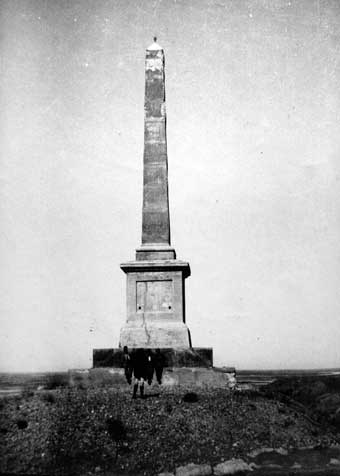
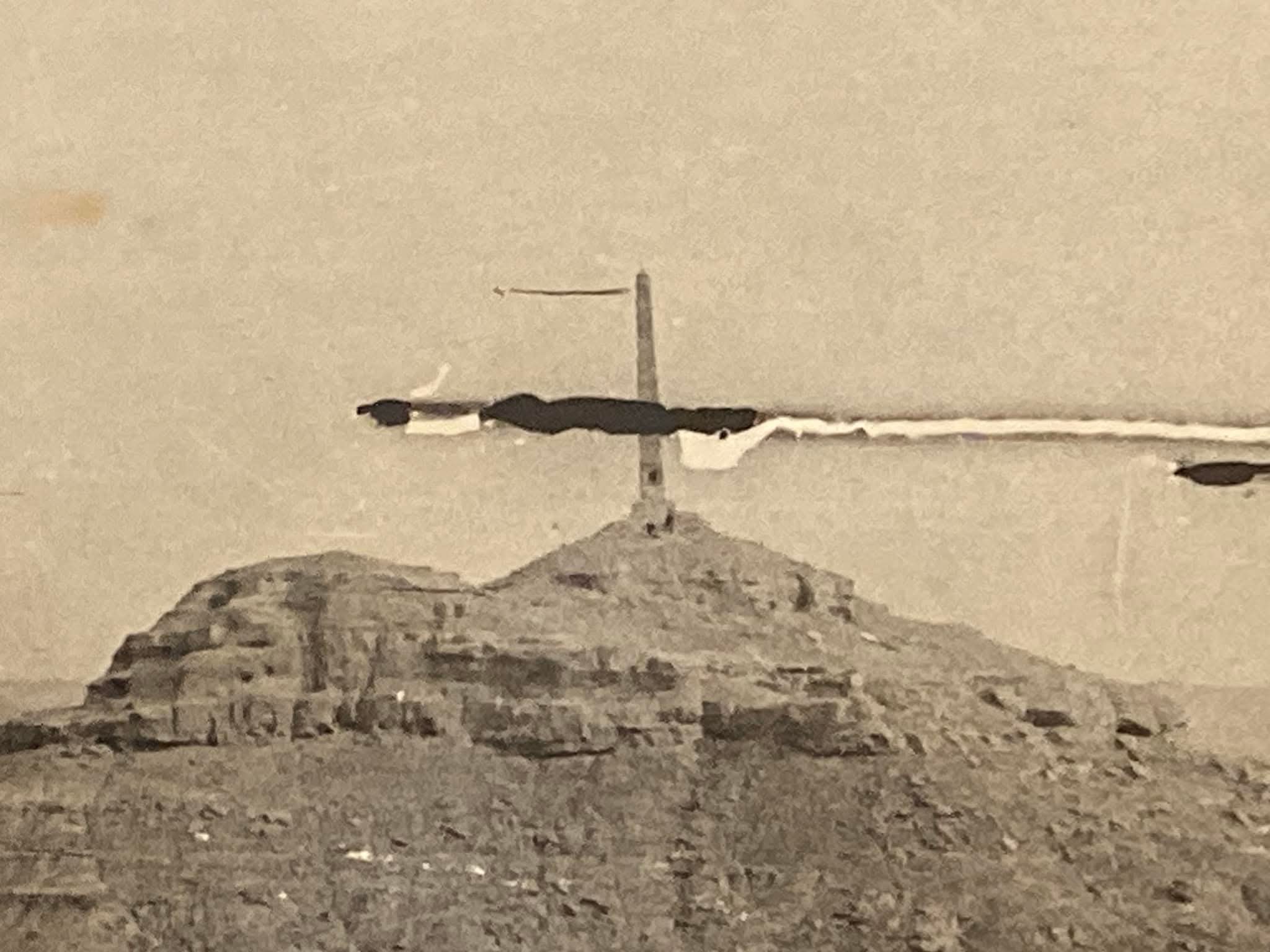
In the 1980s, one of Saddam Hussein's commanders, Ali Hassan al-Majid, visited the site. He saw the monument and asked what it was. They told him it belonged to the British, so he ordered it demolished. Now only the base remains. It is unknown what happened to the Ottoman one.
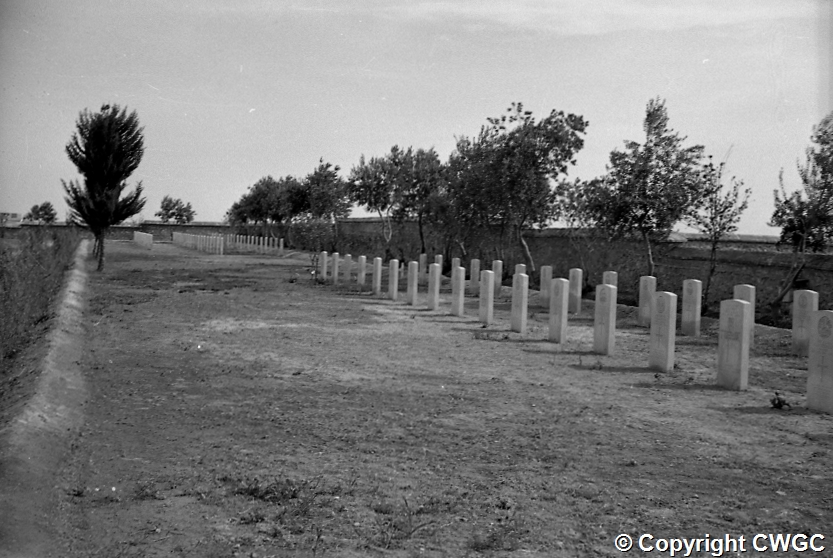
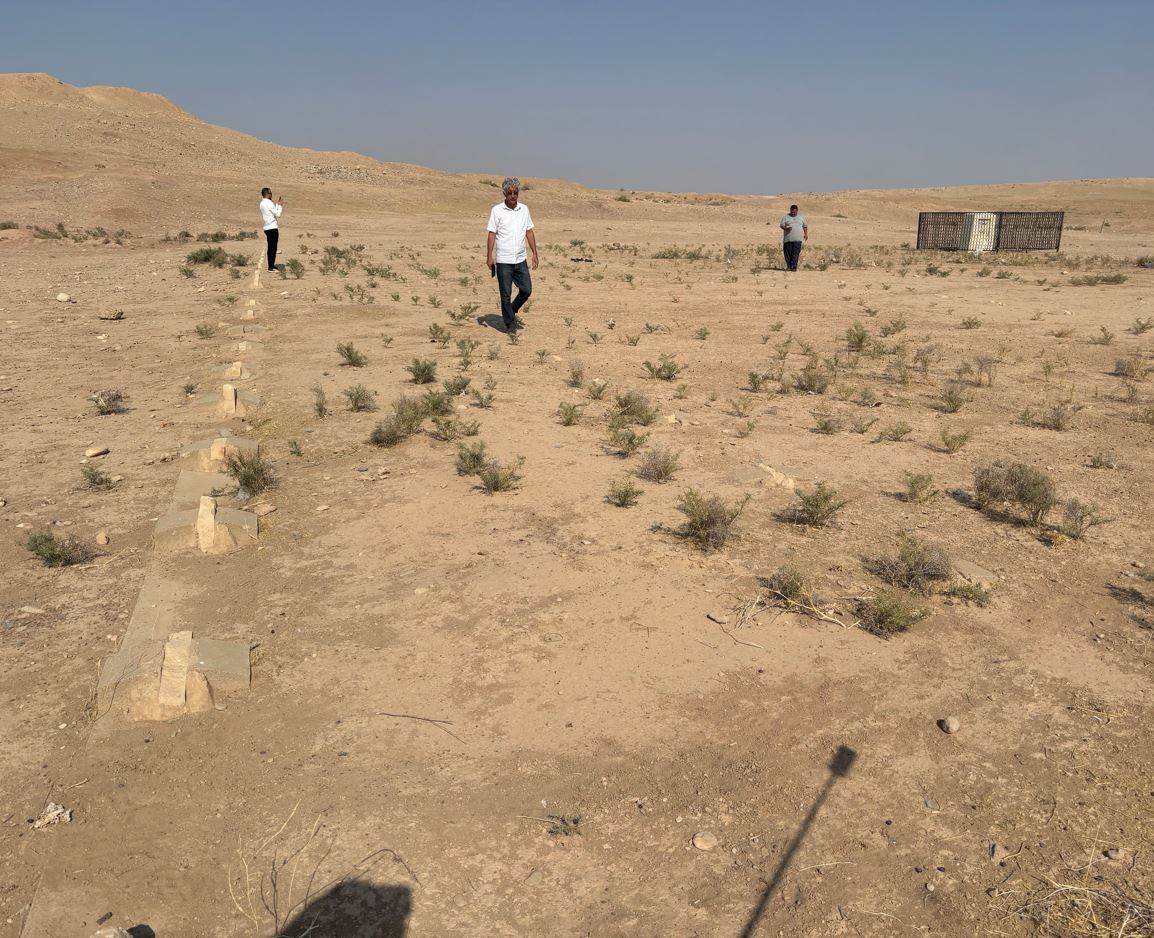
The Khanaqin War Cemetery is often called the Polish Cemetery, as the majority of its graves (437) served with the Polish forces who had an HQ nearby, and 102 with the Indian Army and three (3) Arab Legion fighters. The CWGC shared responsibility for the cemetery with their Polish equivalent, however the site was abandoned in the 1960s and a memorial erected in Baghdad Northgate cemetery.
The town was heavily bombed during the Iran/Iraq war and the town was virtually destroyed with the cemetery along with it. The grave bases remain and a central short pillar monument in the middle. Some grave fragments are kept in a dedicated area of the local Heritage museum.
There is only one other site in Iraq that the CWGC has on its website - that of the isolated grave of an Indian doctor who died in 1943 on unknown business in Persia. Originally buried in Khanaqin, his body was moved to Baghdad Northgate and then, on the insistence of his wife, reburied yet again in the holy city of Karbala. The CWGC agreed to the move, funded by his wife, on the understanding that they would not manage the grave and it would be memorialised only as a listing.
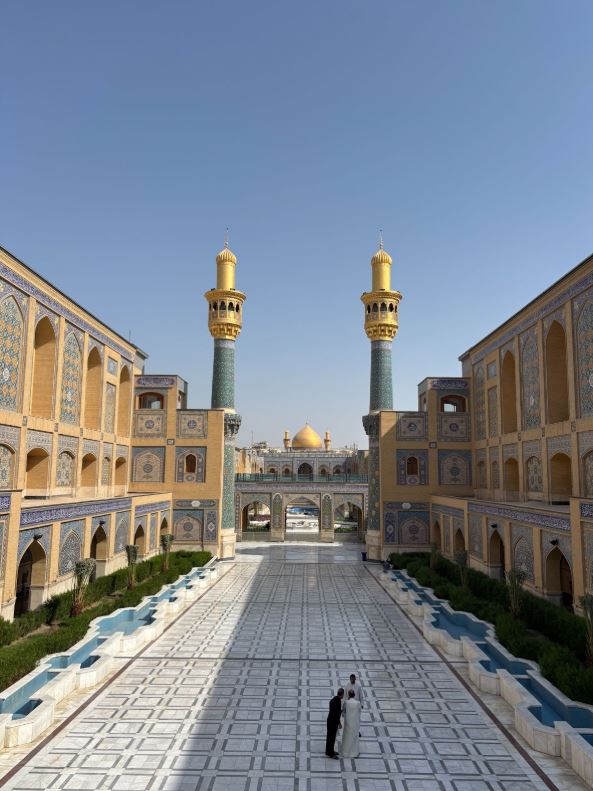
The city of Karbala and the Shrine of Ali Hussein, one of the most important holy shrines in Islam, has seen a great deal of change in the 1345 years since his death. I had the opportunity to visit and was able to confirm that there is no sign remaining of Major Askari's grave and the shrine's historian had no record that he was ever buried there.
Final notes
I published a far longer version of my visit as a field report and shared it with the CWGC. I am pleased to say that the CWGC is taking positive action with regards to Iraq and, hopefully, these sites, and the men and women buried or commemorated there, will see the attention that they deserve in the coming future.
Post Script
It would be remiss of me to not mention that Iraq is not defined by the many decades of conflicts it has suffered and there is a great deal more to see, do and experience than these and other remnants of conflicts. Iraq has over 7,000 years of civilisation and despite the terrible destruction by ISIS of so many ancient sites in northern Iraq and the heavy handed “renovations” of Saddam like the rebuilding of parts of Babylon there is an enormous history to be discovered, amazing scenery, great food and a welcoming and warm culture.
Travel in Iraq is very straightforward and easy - a guide/translator makes it more efficient for sure but it's not necessary - Google Translate does its job well enough. Concerns about personal safety are understandable - all we have heard about Iraq since the 1980s is conflict - the Iran/Iraq war, Gulf wars, ISIS and the FCO inexplicably in my opinion continues to advise against travel there. This does require insurance that specifically covers Iraq but that is easy and cheap to secure.
The most dangerous thing I encountered in Iraq is crossing the road - cars only stop if you cross but that comes with something of a leap of faith. I relied on standing behind groups of Iraqi’s when crossing busy roads as I figured they knew what they were doing.
Thousands of international companies and organisations are operating in Iraq and the archaeological work with international Universities (including the British Museum) continues.
For anyone interested in visiting I would advise first going to Facebook and joining groups like Iraq Travel Community where you will see international tourists from all over the world enjoying the country.
Further Reading
An article about the burials in Persia (Iran) can be found here First World War Graves and the Memorial to the Missing in Persia
Video resource
Alan Wakefield can be seen here talking about The Crisis at Kut 1915 - 1916
Mesopotamia on the WFA website
A number of articles about the campaign can be found on the WFA website by clicking on this link: The Mesopotamian Campaign in WW1
Becoming a member of The Western Front Association (WFA) offers a wealth of resources and opportunities for those passionate about the history of the First World War. Here's just three of the benefits we offer:

Identify key words or phrases within back issues of our magazines, including Stand To!, Bulletin, Gun Fire, Fire Step and lots of others.

The WFA's YouTube channel features hundreds of videos of lectures given by experts on particular aspects of WW1.

Read post-WW1 era magazines, such as 'Twenty Years After', 'WW1 A Pictured History' and 'I Was There!' plus others.


