
Archie's letters from Suvla
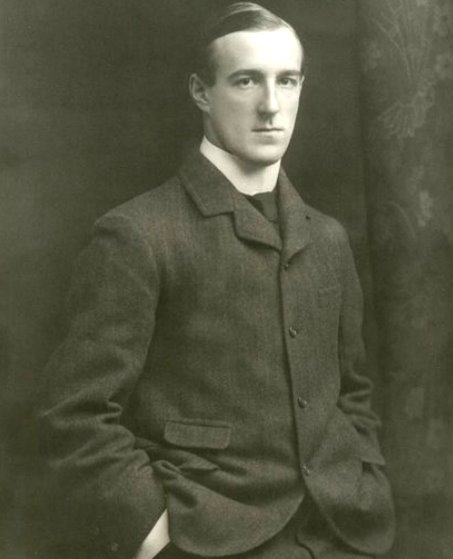
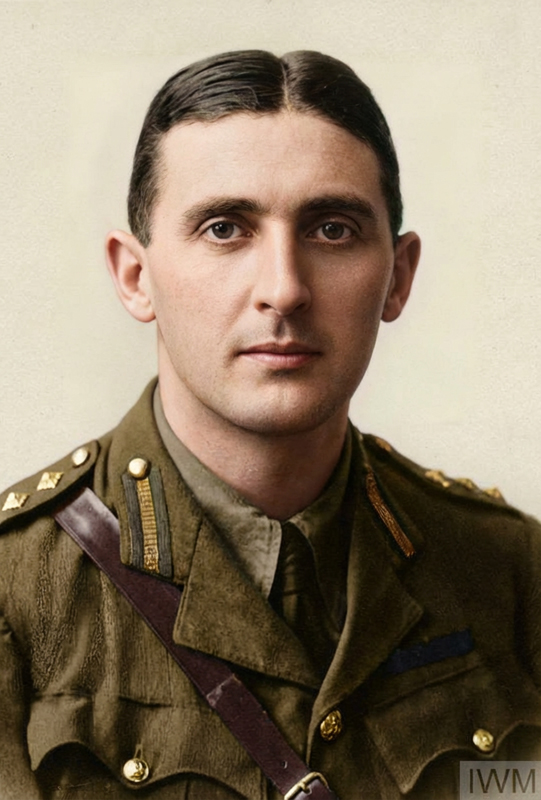
Archibald Hugh James, or ‘Archie’ as he was known, was born on 8 November 1877 in India. He was one of four sons of William Edward and Anabella Emily James.
His father worked for the Indian Civil Service but on inheriting Barrock Park (the family home just south of Carlisle in Cumbria) took his family back to England.
However William then decided to get his full pension but to gain this he would go back to India for a while. Unfortunately whilst back in India he was bitten by a rabid dog. Family legend has it that William asked a friend to smother him with a pillow before the symptoms became too bad. William died when Archie was six years old.
William's widow (known by her middle name of Emily), returned to England but could not afford to educate Archie or the other five children whilst living at Barrock Park which required quite a large staff, so she took a house in Clifton, Bristol, and Archie and his brothers went to Clifton College as day boys.
After Clifton College, the two older brothers joined the Army and the younger brother joined the Royal Navy but Archie turned his back on the military and went to Hollesley Bay College in Suffolk to study agriculture.
The college existed to train those who planned to emigrate in stock raising and agriculture. He followed his vocation by going out to India to join his Uncle Evan and worked as a manager of a tea plantation in Darjeeling.
Whilst in India, Archie joined the Northern Bengal Mounted Rifles – a corps comprised almost entirely of tea planters – as a private and learned local languages, but refused the offer of a commission in the regiment. He served in the unit for twelve years.
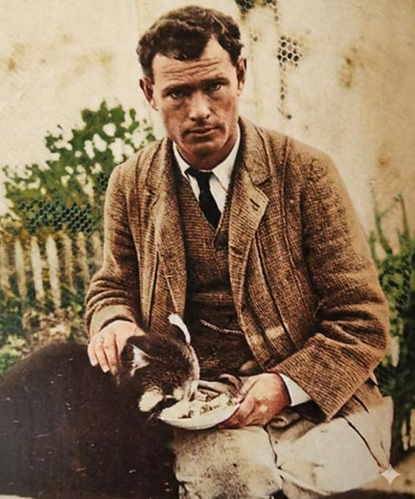
Archie inherited money from a relation in about 1910, which enabled him to retire early back in England. Subsequently, after visiting East Africa, Archie returned to the UK and was home on the outbreak of the war when he applied for a commission and was gazetted as a temporary Lieutenant in the 8th (Service) Battalion, Northumberland Fusiliers.
Promoted to Captain, he sailed for Gallipoli on 3 July 1915 with the battalion (part of the 11th (Northern) Division) on board the large liner the SS Aquitania.
On the first morning after departing Liverpool, the battalion war diary notes the Aquitania was attacked by a submarine but fortunately the torpedo missed. The passage through to the peninsula was rapid – they arrived in Mudros Bay on the island of Lemnos on 10 July and later moved to Imbros before landing on Gallipoli.
Archie’s letters
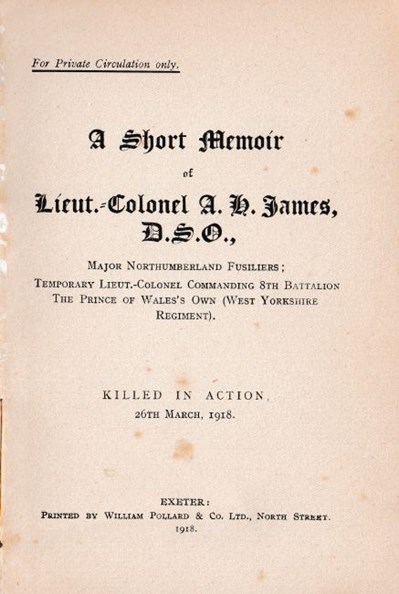
Archie (who celebrated his 38th birthday whilst on the peninsula) wrote a number of letters home, which were gathered into a small book after his death in 1918.
Most of the letters seem to have been written to his Uncle Evan. Seven of these letters deal with his involvement in the Gallipoli campaign.
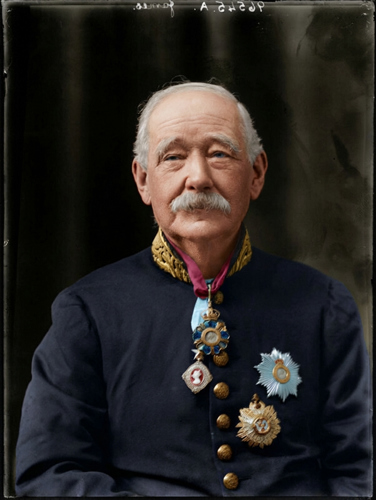
These letters are reproduced below and paint a picture of some of the events Archie took part in, including the evacuation. He mentions several officers whom he bumped into, and most of these have been able to be positively identified.
It is hoped these letters provide a small insight into the events on the peninsula as seen by an officer in the 11th (Northern) Division; a unit about which there is little written, especially in respect of the Dardanelles campaign.
Background
The landings at Suvla Bay were intended to support a breakout from the ANZAC sector by seizing the Anafarta Hills and Tekke Tepe ridge. This would ultimately enable the capture of the peninsula and the Navy to navigate the Dardanelles Straits. Led by the British IX Corps, which included the 10th (Irish) and 11th (Northern) Divisions, the Corps was later reinforced by the 53rd (Welsh), 54th (East Anglian) and the 2nd Mounted Divisions.
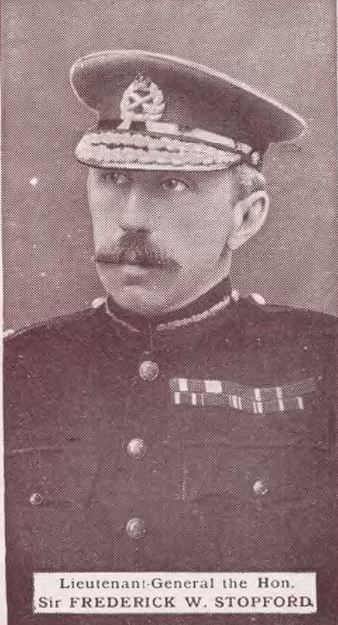
The British forces (led by the New Army Divisions) met with very light opposition; there were only about 1,500 Ottoman soldiers defending the area. But despite the light defences, the British Corps commander, Lieutenant-General Sir Frederick Stopford, failed to press the advantage, choosing instead to consolidate near the beach.
The delay allowed the Turks to rush reinforcements to the nearby heights. By the time the British advanced on 9 August, the hills were heavily defended.
8th Northumberland Fusiliers
The 8th (Service) Battalion of the Northumberland Fusiliers, part of 34 Brigade, 11th (Northern) Division, arrived at Lemnos on 10 July where the Aquitania anchored at Mudros Bay. On board were 26 officers and 839 other ranks. Disembarkation commenced the following day, with one NCO and 15 other ranks being sent back to base at Alexandria to look after the wagons and other pieces of kit that would not be needed.
Thus 26 officers and 823 men set foot on Lemnos in readiness for the forthcoming campaign. For the next few days they were employed (according to the war diary) in “making roads and carting stones etc”. An inspection by Lt General Stopford (who complimented the CO (Lt Col Fishbourne) on “the appearance of the men and their steadiness on parade”) was probably a welcome relief from the manual labour they were undertaking in the baking heat.
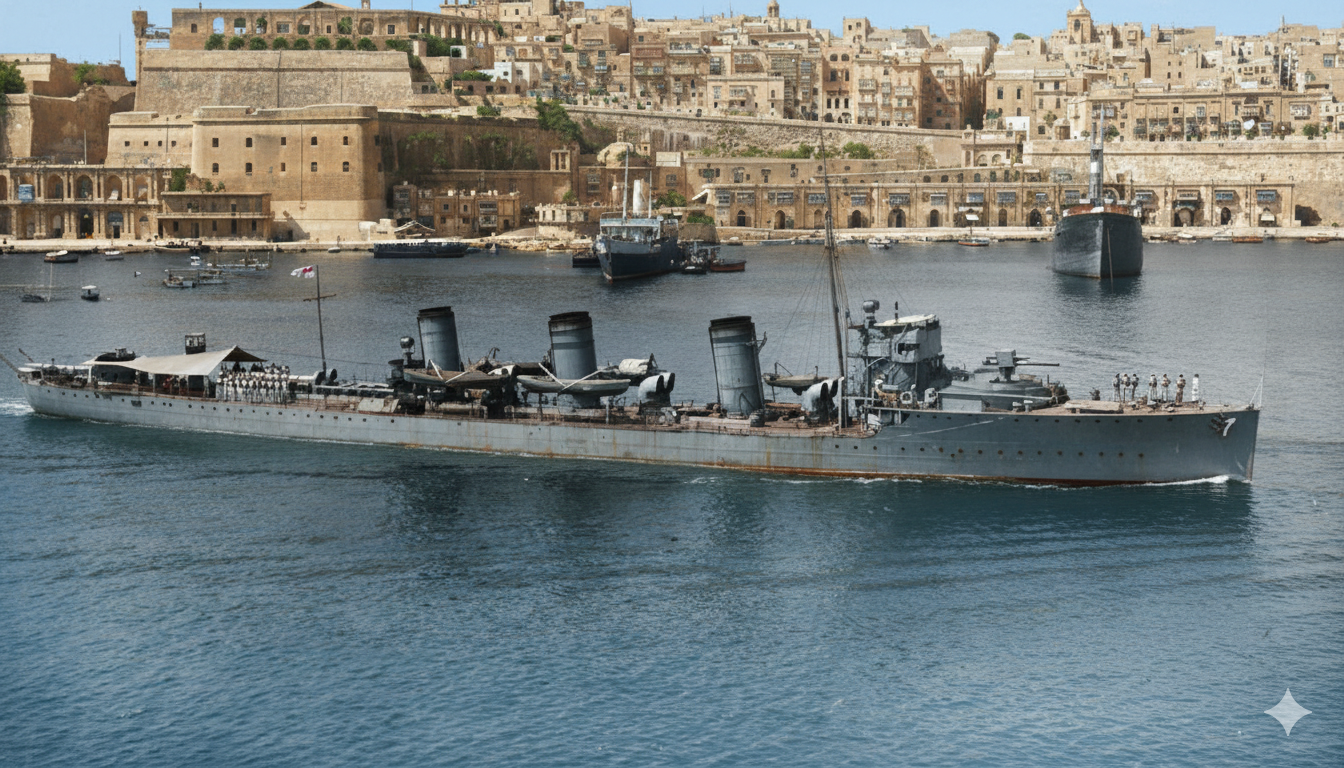
On 18 July the battalion embarked on HMTBD (Torpedo Boat Destroyers) Grasshopper and Basilisk plus the SS Osmanieh for the island of Imbros which was adjacent to the Gallipoli peninsula.
Kephalos
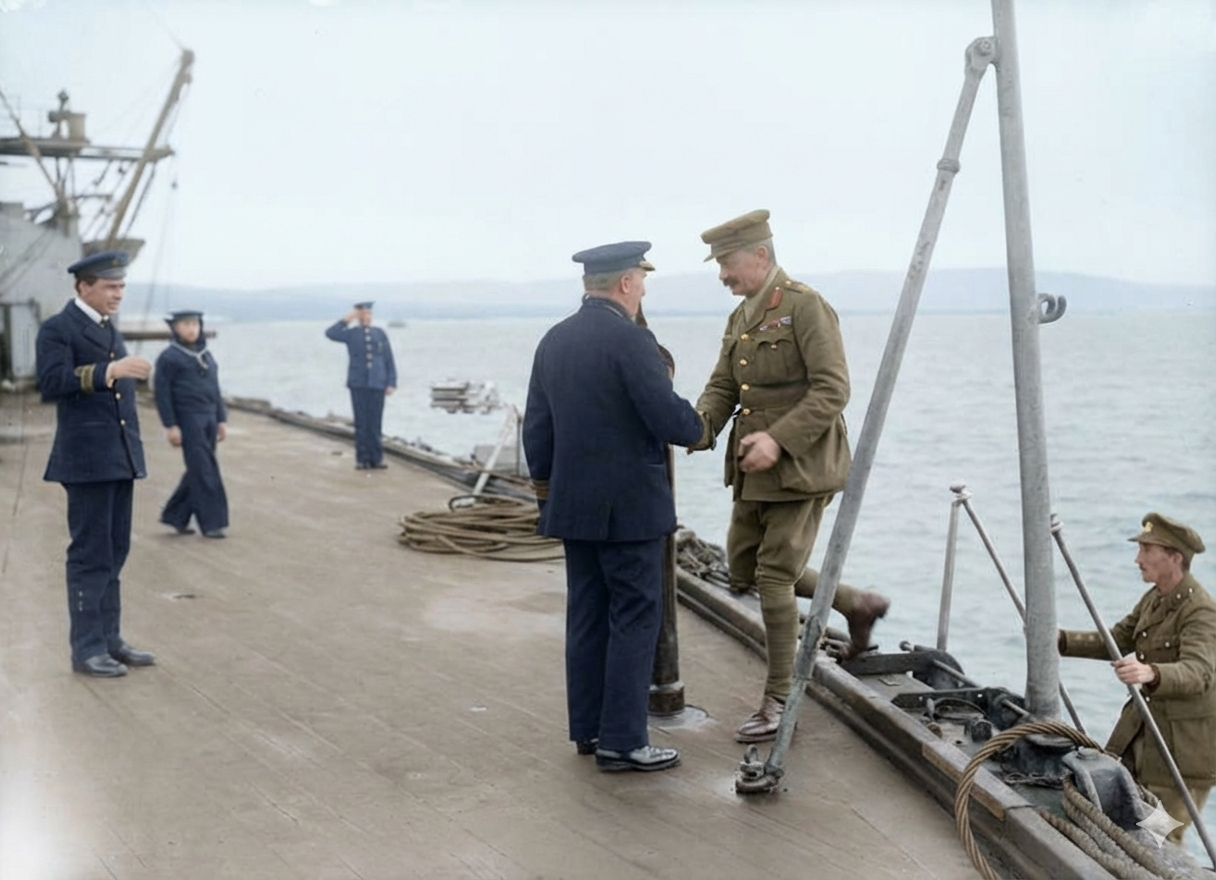
Whilst in Kephalos Camp, the battalion was inspected on 24 July by the Commander-in-Chief of the MEF, Sir Ian Hamilton. The following day 3 officers and 114 other ranks arrived from SS Lake Michigan to reinforce the battalion. This brought the battalion on the island up to 29 officers and 937 other ranks.
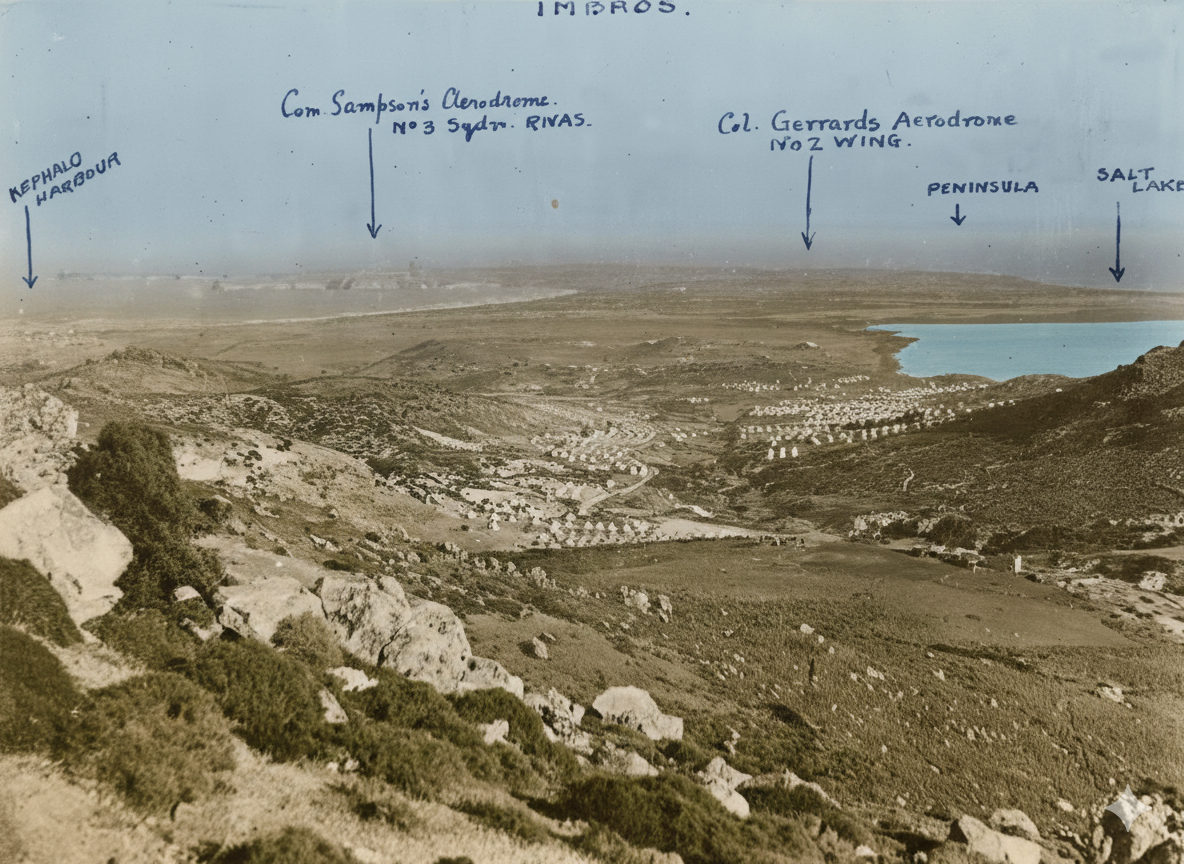
On 27 July, twelve officers and 485 of the other ranks were inoculated for cholera. This would have had some side effects on those receiving the jab. But the inoculation of 6 officers and 214 other ranks on 5 August could not have been more badly timed.
Just a day later, on 6 August 1915, the battalion embarked on two destroyers and set sail for Suvla Bay. Although a blow-by-blow account of the Suvla landing is beyond the scope of this article, the landings were largely unopposed, however complications arose when the landing craft (known as Beetles) grounded in shallow water and various battalions were landed in the wrong place.
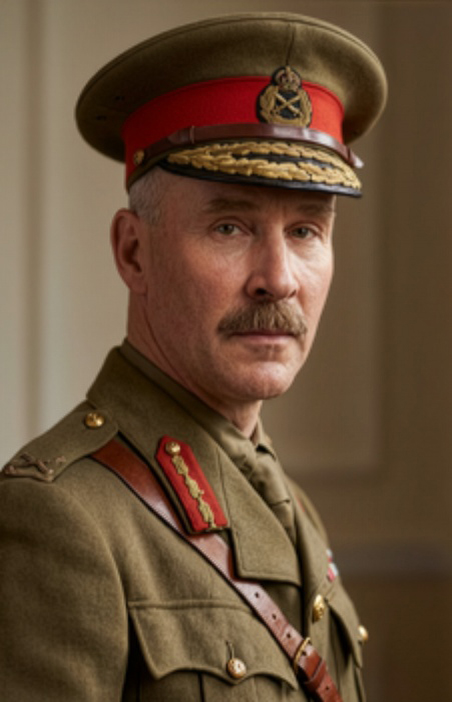
The Brigade Commander, Brigadier General William Sitwell failed to grasp the urgency of the situation, and the Divisional commander, Major-General Hammersley,[1] made matters worse by issuing contradictory orders and his judgement was further undermined when a shell exploded near his headquarters, killing one of his staff officers.[2]
Turning to Archie’s letters, he describes how he was left behind, but went over to the peninsula with the first group of reinforcements (therefore not taking part in the initial landing).
Archie’s first letter
Australian Hospital, Lemnos
15th August, 1915.
I wish I could tell you about the fighting, but I mustn't say very much. Just nine days ago we were told that we were to effect [sic] a new landing that night, and that our brigade was to be the advance guard to the Division. The second captains drew lots in my regiment as to who should stay behind with the first reinforcements and it fell to my lot to be the one. So when the regiment marched off on the Friday evening [3] I was left behind with two subalterns and 185 men.
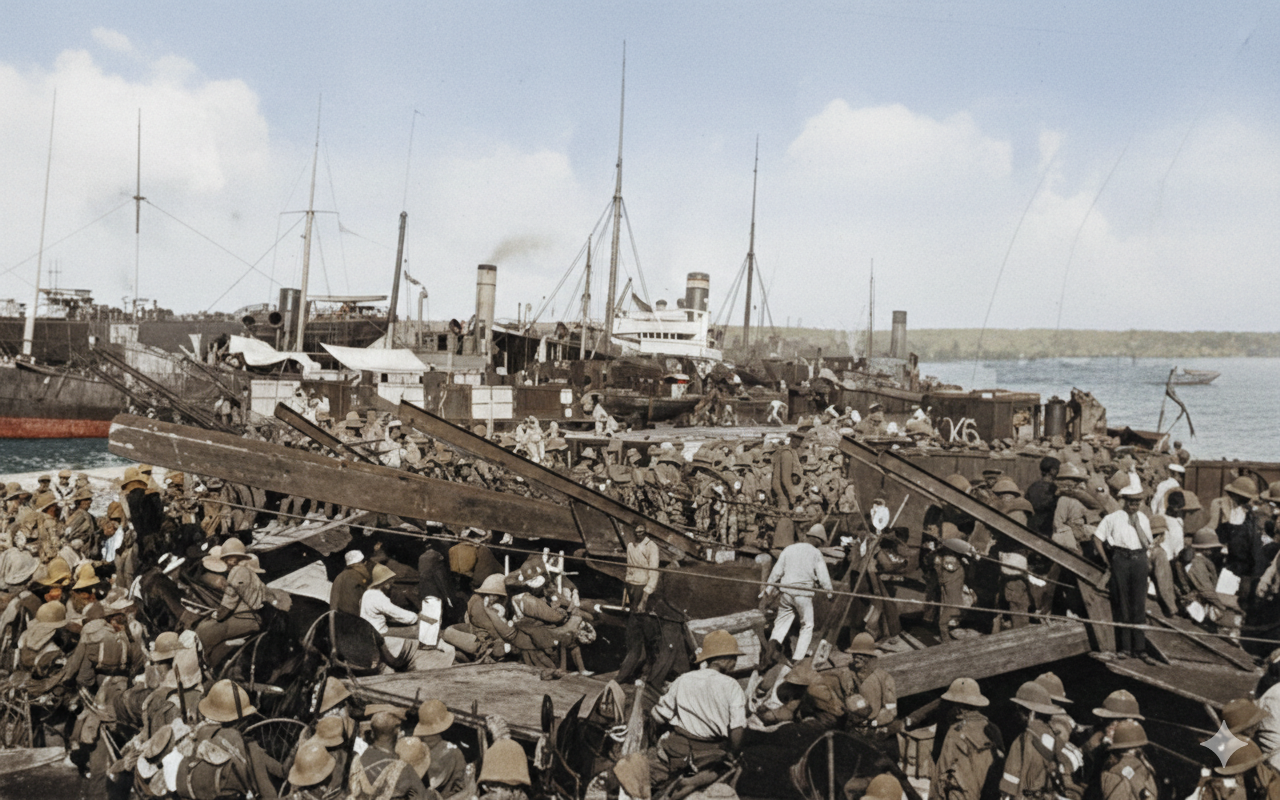
It all depended on our casualties as to how soon we should follow, and it turned out to be very soon, as on Saturday [4] at dinner-time I got orders to start at once with all my men. We crossed on a trawler, packed like sardines, and arrived at the new landing–place shortly before dawn, but didn't actually land for an hour or so.
Directly it was light a battle commenced, and from our boat we had a splendid view, and the spectacle was very fine. Our fleet were [sic] pounding the enemy's guns hidden in the hills opposite, and in the plain, between the shore and the hills, our infantry advanced gallantly to the attack.
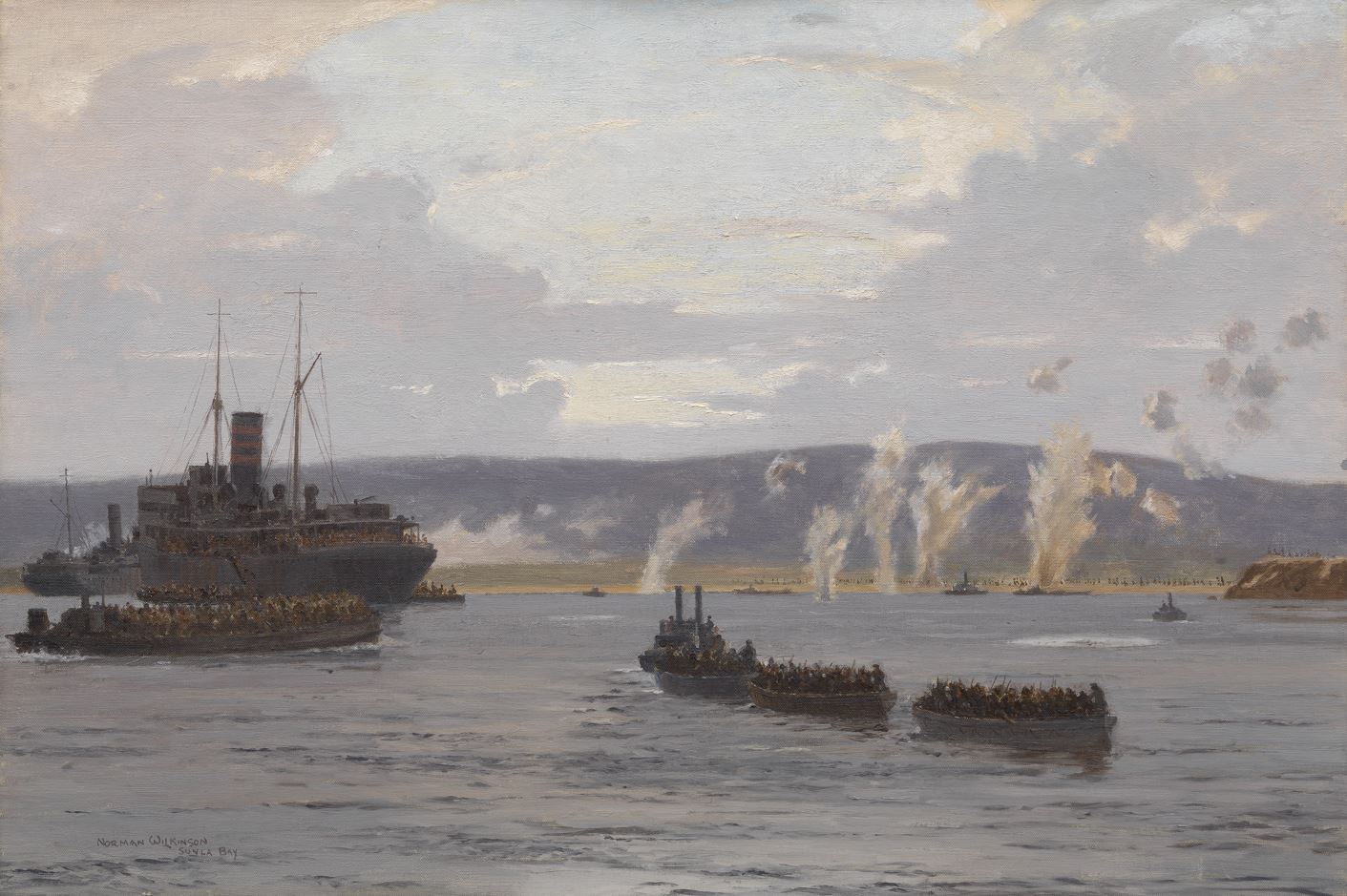
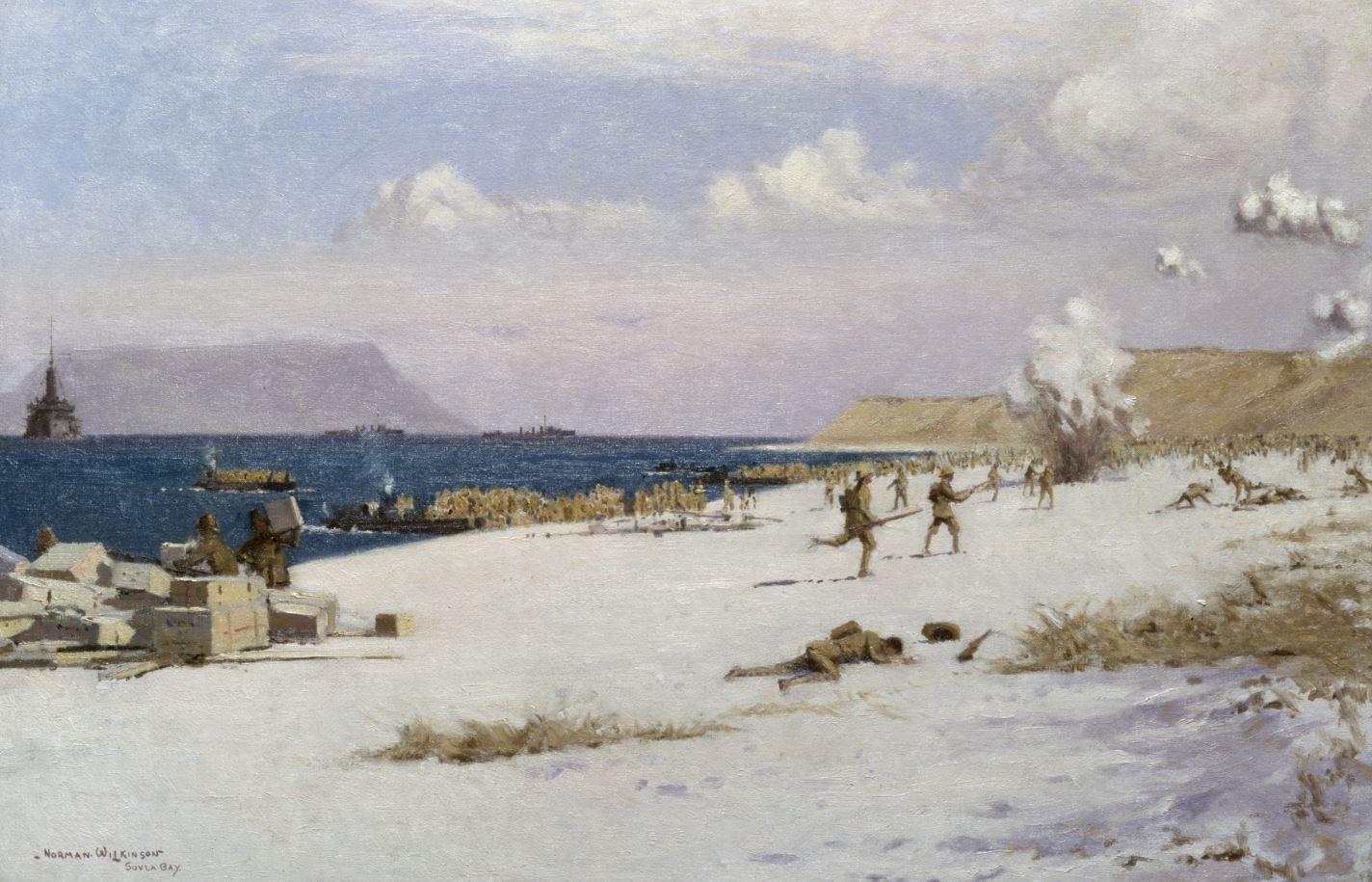
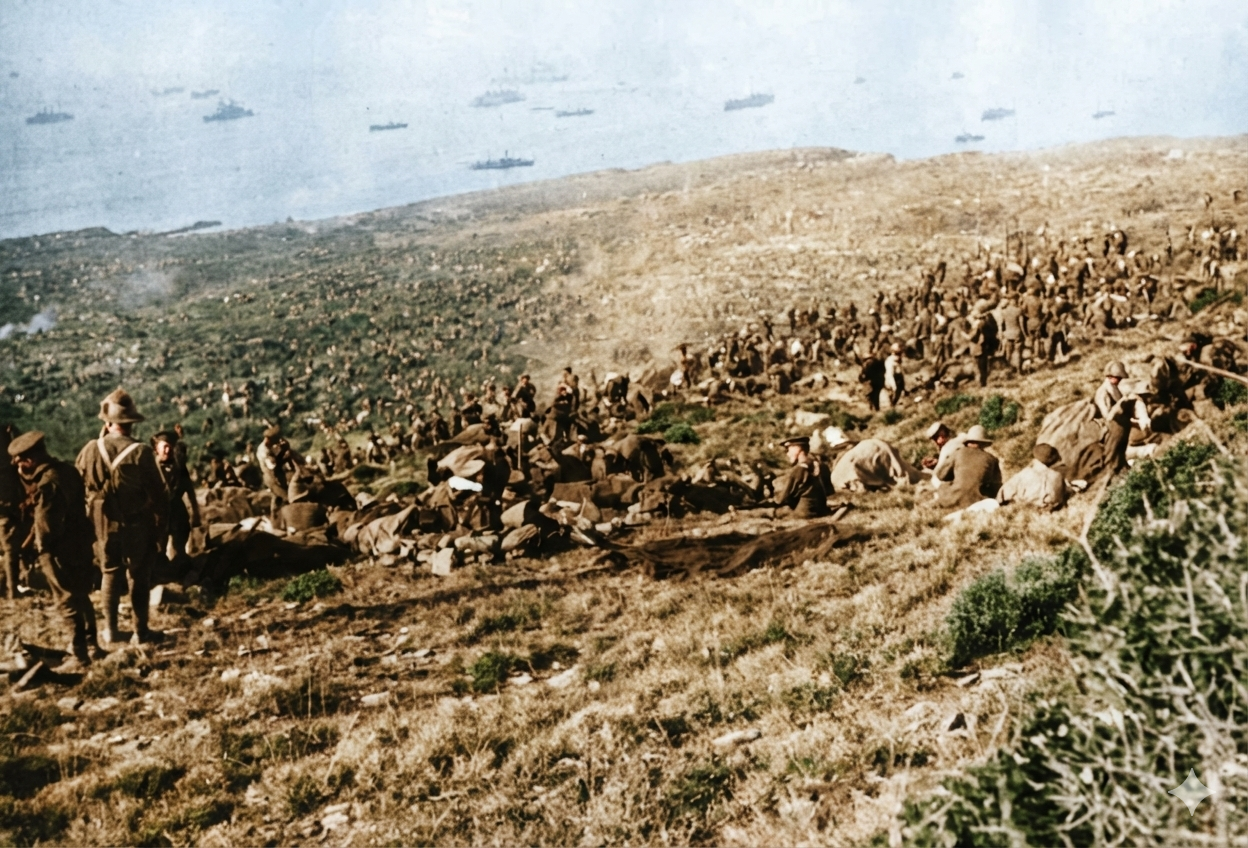
All along the beach were dotted field ambulance stations, and these came in for a hot shrapnel fire. A middy eventually landed us in small boats about 7a.m.,[5] and this took a full hour.
There was no one on this beach bar R.A.M.C., and a few padres and wounded men. One Irish priest was in tremendous form and enjoying himself enormously.[6] He evidently looked upon a battle as the highest form of sport. While my party were collecting I went a short walk with him and watched the battle. Nobody knew where my regiment was, but eventually I got directed to-the headquarters of our Division, which was on another beach, half-a-mile away. There I found some of the staff who posted me as to what had happened, and I learnt where the regiment was. I found them a mile further on, "resting," and everyone very cheerful. The colonel [C.E. Fishbourne] was sitting down awaiting removal, a bullet had passed through his body, but he was in little pain, and said he hoped to be back in four or five weeks.[7]
In the afternoon I took a short walk, a sad one, but I can't go into details. The dead Turks I saw seemed fine big fellows, and their uniforms, bar the helmet, are not unlike the German.
Next day at dawn [8] we went forward, and I had my first experience of being under fire. I found one soon got used to bullets flying about, and that it wasn't necessary to duck when a shell went whizzing over one's head. I am not allowed to say anything about the: fighting, but can mention that our men did splendidly. That night we "dug in" where we found ourselves, and at dawn again advanced.
Editor's comments
The landings were not without incident; the battalion adjutant (Lt A P Garnier) was injured during the transfer of troops from the destroyers to the lighters.
The battalion war diary for these days is very brief. It states that the battalion (on 7 August)
“...took part in attack on Turkish trenches which was successful. Fighting continuous until 7am on 7.8.15. CO wounded and three other officers. Remained on beach. Major Williams took over command.” (CWGC lists 20 fatalities for this day)
8 August. Battalion in divisional reserve
9 August. Battalion ordered to support attack, took over firing line. 3 officers killed, 1 missing, four wounded. (CWGC for this day lists three O.R. fatalities only, so the three officers the war diary states were killed on this day may include Captain R.G. Raw and 2/Lt W.S. Oliver who - according to the CWGC - were both killed on 7 August)
10 August. Battalion remained in firing line and consolidated position. (CWGC has 27 fatalities on this day, including one officer, Captain G.A.L. Paton).
Archie's letter describes his wounding
I really have had a very narrow squeak. The man next to me was shot, and as I bent over him to see if I could help him, a bullet, passing through my field glasses which I was holding in my hand, entered my breast pocket and, boring a hole through my steel whistle, which was in there, disappeared. I have several wounds in my chest, but I think they are all from splinters from my field glasses, or it is just possible the bullet splintered up, but I don't think so. At first I thought the bullet had entered the chest, and so did the doctors, as there is one round hole which just looks as if one had gone through, and I was officially put down as seriously wounded from a bullet wound in the chest.
It was about 12 o'clock when I got shot, and eight hours later was on a mine-sweeper on my way here. This hospital had not really started, and none of its things are here. However, they collected some tents and did the best they could. Captain Davidson, of H.M.S. "Cornwallis" [9] has been up every day to see us, and has fitted us out with all sorts of things. He really has been most extraordinarily kind and good.
He brought with him yesterday Captain Shewell, a marine who was with Tommy on the Temeraire. [10]
There are many Australian nurses with the hospital,[11] and all and everyone are very kind and attentive. I am not allowed to say anything as regards the number of wounded here.
You might kindly send a copy of this to my mother, to supplement my letter to her. Have had no mails for ages, and really don't know when I am likely to get any letters.
With much love, Archie
Mid-August and The Generals
Archie James, being wounded and in hospital, missed the action until October. This almost certainly saved his life.
The breakout never took place, and the debacle of the Suvla landing was arguably the nadir of the whole Gallipoli campaign. Heads rolled as a consequence.
It is well known that the IX Corps commander, Lt-General Stopford, was removed (this was on 15 August), but within a few days, there were more generals who found themselves unemployed. Without listing all of these, the one that was of direct interest to the fate of Archie's battalion was the Brigadier-General commanding 34 Brigade.
On 18 August Brig-Gen William Sitwell was relieved of command of 34 Brigade and in his place, as temporary brigade commander, Lt Col Hannay (CO of the 5th Dorsets) was appointed.
The following day, the 8th Northumberland Fusiliers (less Archie who was – luckily for him – still recovering from his wounds on Lemnos) took part in an attack which was to result in the battalion’s worst day on the peninsula.
On 19 August, no doubt in preparation for a much larger attack on a broader front that was to take place a few days later, the battalion launched an assault at 4 am.
The 8th Northumberland Fusilier's war diary states how the battalion was
“…ordered to attack entrenched position about 700 yards in front of our line and 1000 yards south of W Hill. Moved out 4am, X & Z companies front line, W & Y Companies in support. Advanced almost up to enemy trenches, unable to capture position owing to heavy fire of machine guns & rifles, occupied a gully there caught in closed order at dawn ? shrapnel. Had to retire. Second commanding officer (Major EE Williams DSO) ? and M Gun officer killed, 5 officers wounded and three missing. Other ranks, 23 killed , 141 wounded, 88 missing, 2 wounded missing. Marched back to reserve trenches under Captain CRL Fitzgerald.”[12]
The CWGC names six officers killed (including Major Williams [13]), plus 106 other ranks.
Over the next three days, a further 15 other ranks were to die, presumably of wounds from this disastrous attack.
The war diary of the 5th Dorsets describes how, on 20 August, various Turks (one an officer) arrived bearing white flags. Taken to brigade HQ, their request for an armistice was agreed in order to collect wounded and bury the dead from the previous day's fighting. The artillery firing resumed that evening.
A few days later, on 23 August, Major-General Frederick Hammersley was removed from command of the 11th (Northern) Division.
New commanders were needed, and one was found to take over 34 Brigade. Archie’s next letter details this officer’s arrival.
Archie’s second letter
7th October, 1915.
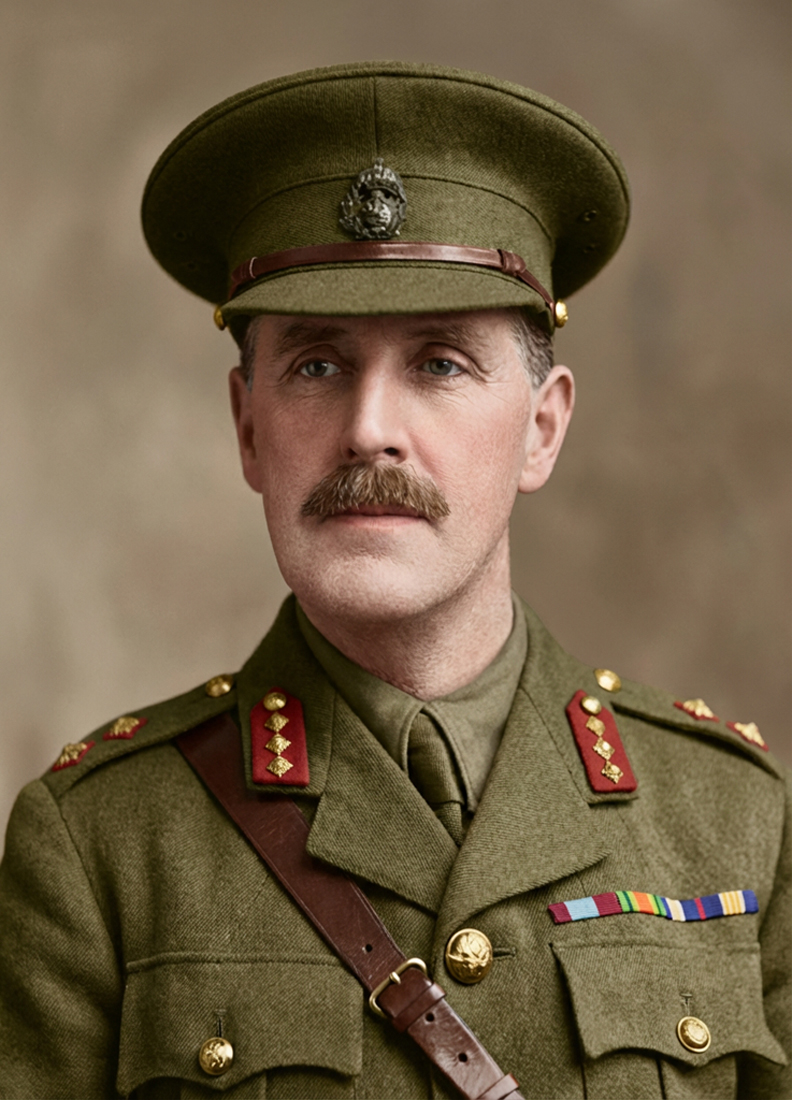
I crossed here in a small steamer last Friday,[14] having our new Brigadier-General Hill as a fellow passenger.[15]
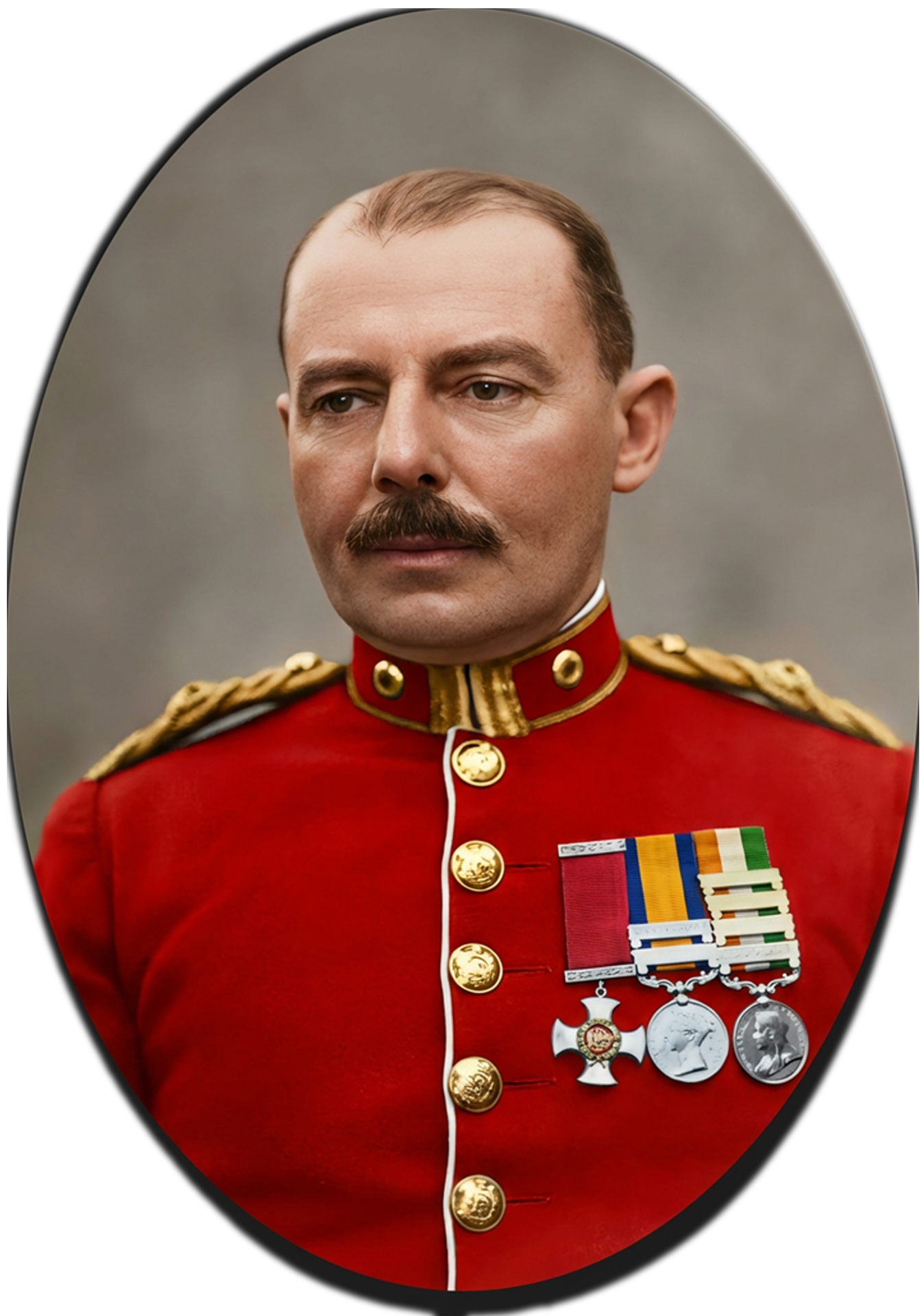
He was very civil, and I should say was "all there," and I stayed that night as his guest at brigade headquarters as a reward for looking after his baggage. Ashburner, his brigade-major, was going strong.[16]
Next morning I came to where I wrote from, and found the regiment in reserve, about two miles behind the firing line. Alas, there are only two of the original officers who came out with us, but in the last few days some eight or ten other men arrived with drafts. Out of those, two were with us in England. I am in command of "Y" Company, and have three subalterns.
We have been working [very hard] digging new trenches every night, and always under fire.[17]
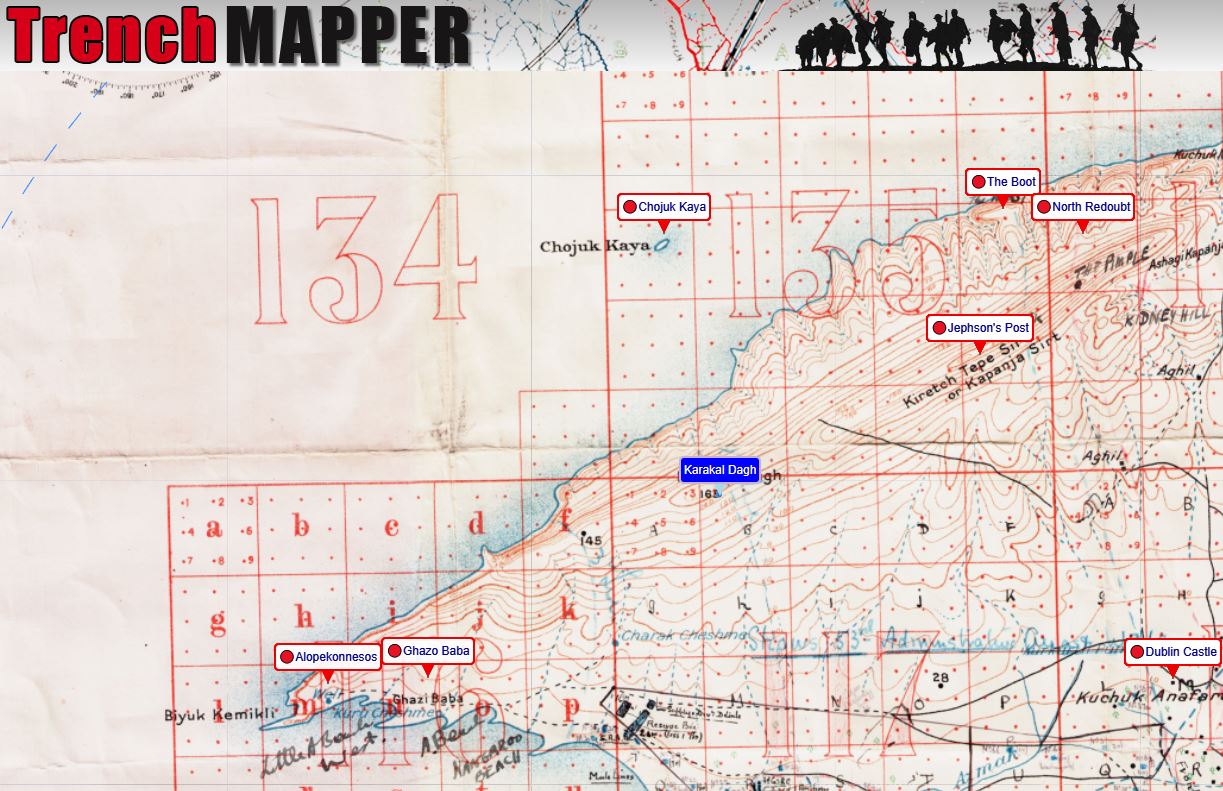
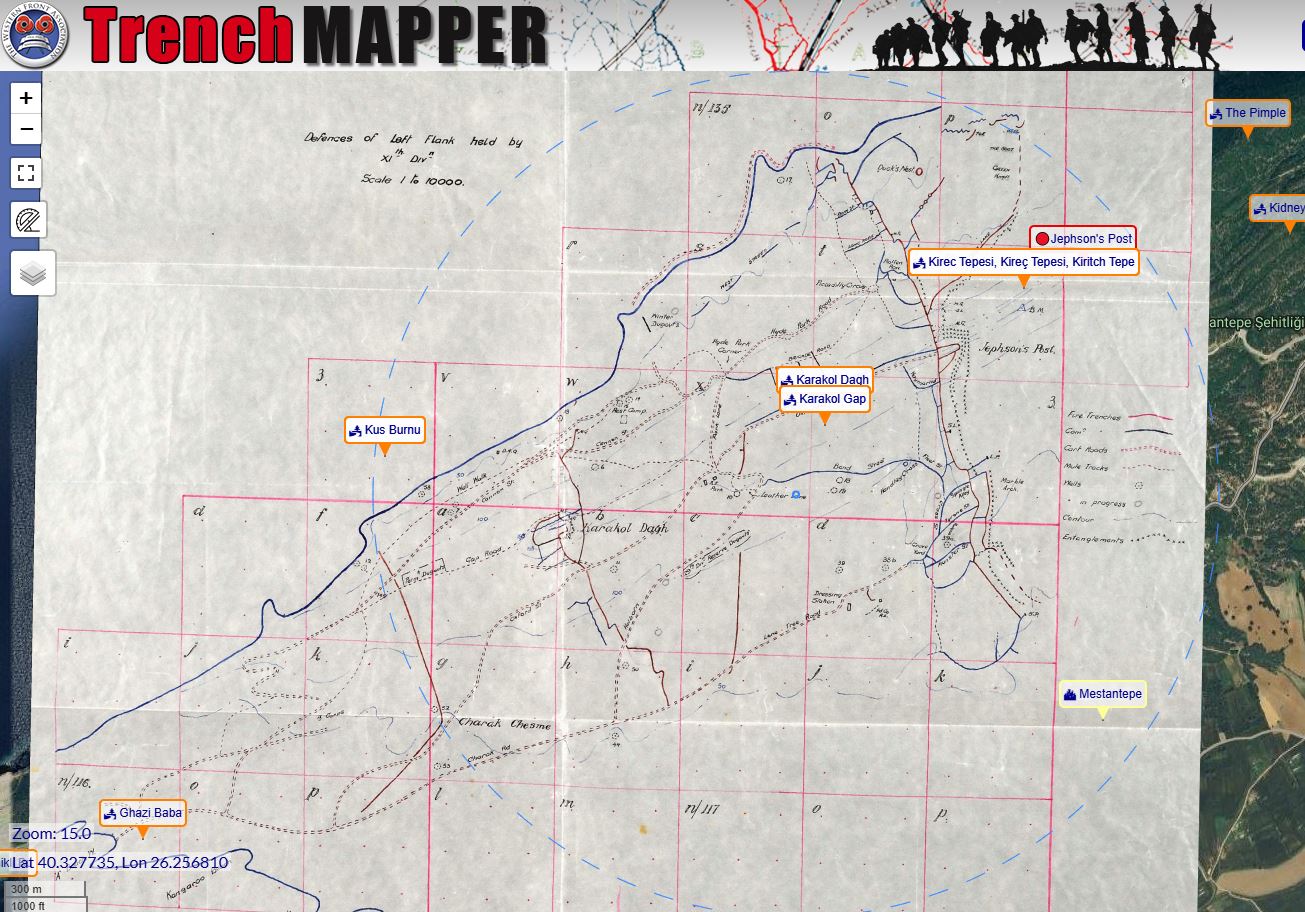
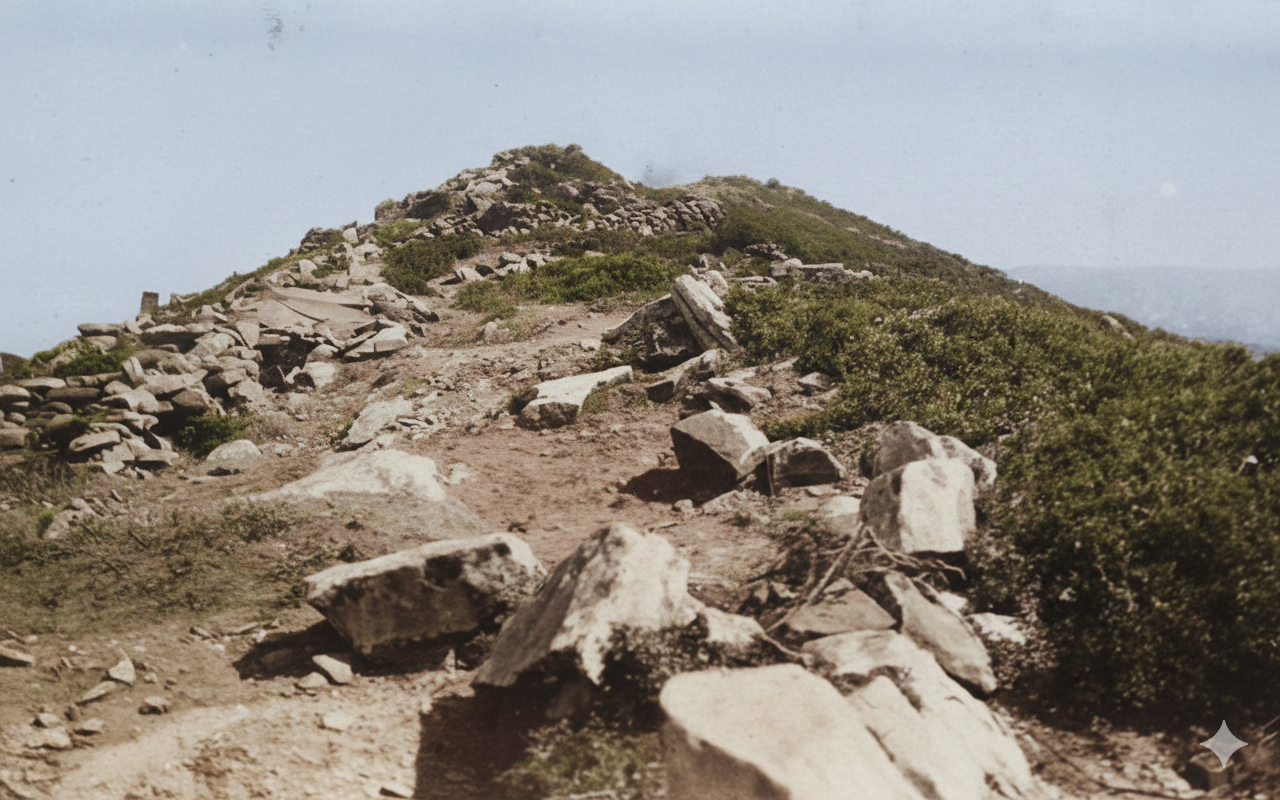
The Turkish trenches were 500 yards away, and their bullets went high, as of course they couldn't see us, and I have had in my company only two casualties, but a poor young R.E. officer, called Campbell, who was with us, got hit in the head and I am afraid is done for.[18]
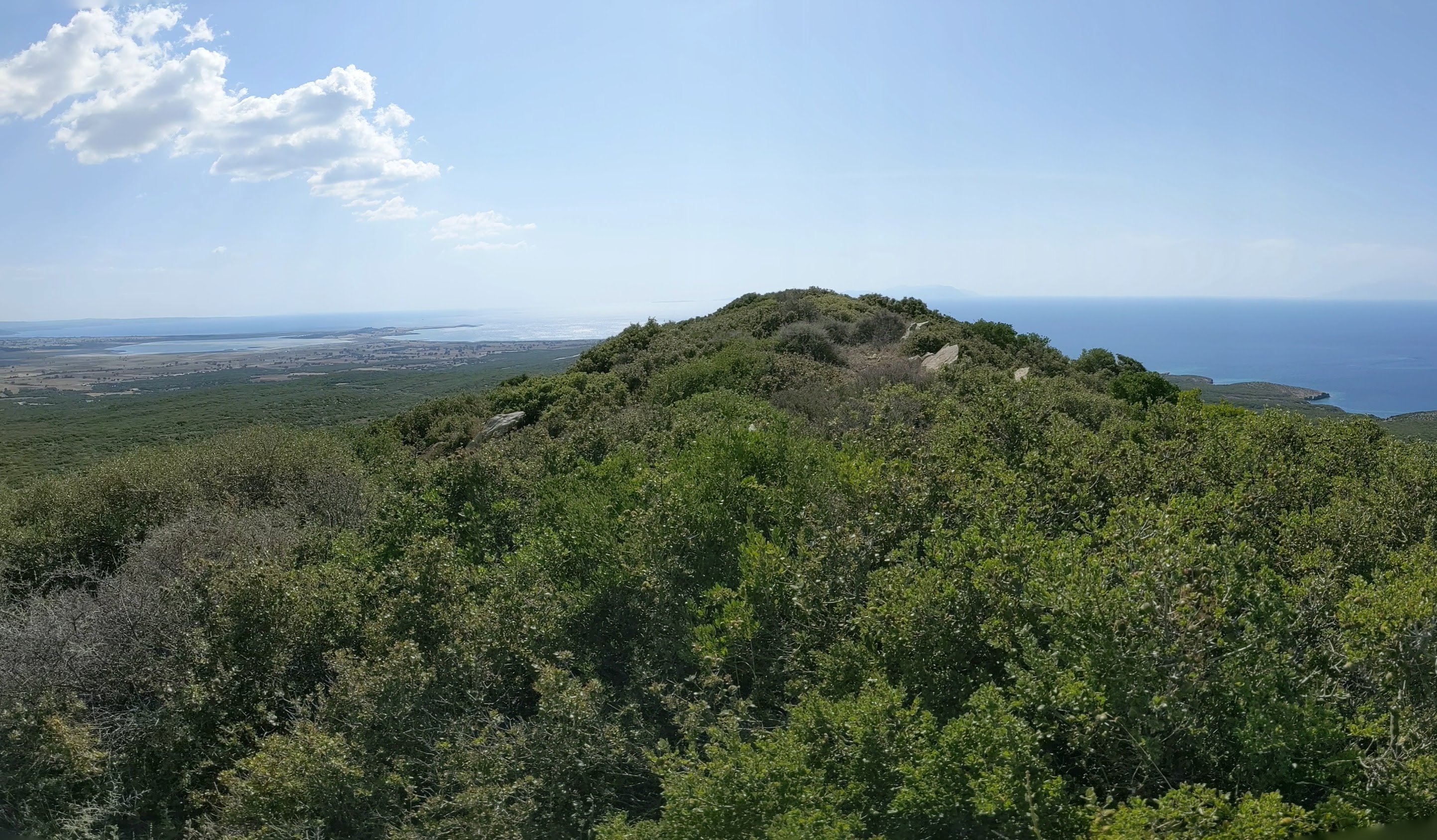
My dug-out is on a ridge overlooking the sea and commands a grand view of the bay, and to the N.W. (Gulf of Xeros).
Yesterday afternoon [19] I noticed fifteen or twenty men standing on this ridge right on the sky-line. I yelled at them to get away, and said "You are simply asking for a dose of shrapnel." Sure enough, five minutes afterwards, we had three helps of "Turkish Delight," which killed one,[20] and wounded two of my men.
The poor fellow who was killed dropped ten yards from my dug-out. At the time I was standing the other side of the ridge thirty yards away, so was lucky.
The Turks shell the beach a good deal, but so far we have artillery superiority, thanks chiefly to our naval guns- "God bless the Navy." We relieve the Manchesters to-night in the fire trenches. They got six shells yesterday in their trenches, and have had a fair amount of casualties from shelling and snipers. They are rotten trenches, and can be enfiladed. I was there this morning to have a look.
Oh! The delights. I got many letters on returning here, the first I've had for two months bar the two you addressed to the hospital. No parcels, however, were with them, bar one-some tobacco I had ordered. My valise is here, but all the contents and even the straps have been looted. I've put in a claim for £38, [21] the value of the contents, but don't know whether I shall get anything. Many thanks for your delightful letters and the things you say you have sent me. They will be greatly appreciated, the eatables I mean, by our company mess.
This is a curious life. Shells, shells, in the daytime, and at night the bubble of machine and rifle fire never ceases. I wonder how it will all end. The news from France last week cheered us up, and surely it is time some silver clouds appeared. Water is very scarce here, most or all the drinking water is brought from Port Said, and really one hasn't more than three inches in a canvas bath once a day to wash in. The weather has been beautiful lately, which I am truly grateful for. Considering the conditions, they feed us wonderfully well, and better than at Lemnos.
There are about one-fourth of the regiment left, I mean those whom we started with. Three drafts have come, so we are nearly up to strength. You get such beautiful sunsets here, the sun sinking like a ball of fire behind the island of Samothrace.
Well, good-bye, dear old Uncle Evan. We move in a couple of hours for the trenches, and meantime I have plenty to do.
With much love. Archie
Battalion reinforcements
During September and October several drafts of men arrived to reinforce the much – depleted battalion. 113 men on 9 September. Then 100 men from the 15th battalion arrived on 14 September. On 29 September 157 men from the 3rd battalion together with another 200 men from the 15th battalion.
Twelve named officers joined in early October, Archie is not named among them (presumably because he was not ‘joining’ the battalion, rather he came back from hospital.
On 10 October a further 100 men joined from the 11 th Division’s base at Mudros (these may have been lightly wounded returning to duty).
In mid October the war diary stated “much sickness among all ranks” but then in late October this changed as ‘Great Improvement in health of battalion’ was reported.
It seems much of the time in the line was at Karakol Dagh.
Archie’s third letter
18th October, 1915.
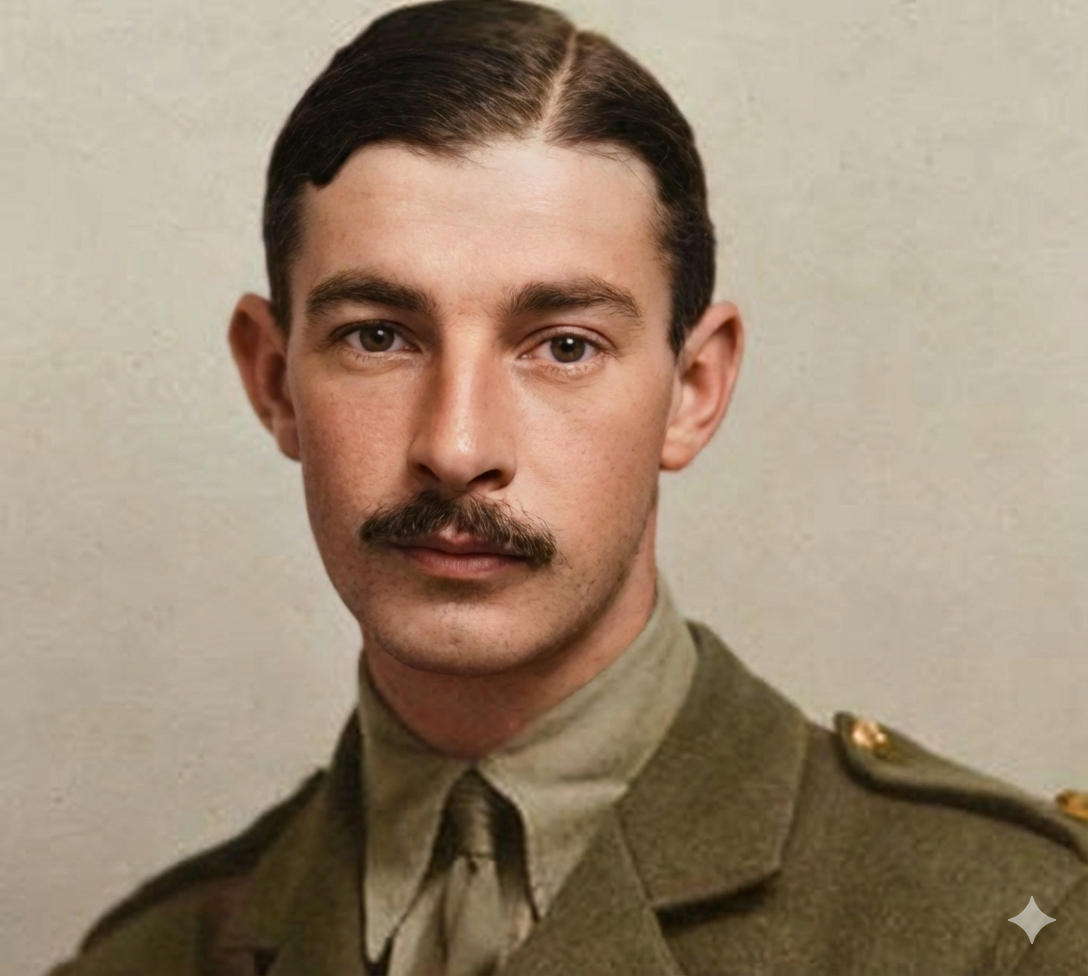
Well, we came to the firing line on the 7th, relieving the Manchesters. This was done at night, and one of the first officers I ran into in the trench was a boy called John Stirling,[22] a connection of my mother's, who has lately married a girl I know. He is a Lovat Scout, and is in a machine gun section attached to us.
The enemy's trenches are from 500 to 1,000 yards away, but both sides are making advance ones every night, so we shall soon be much closer. We have had some casualties both from shell and rifle fire, but nothing severe. The other night when we were out in front of the fire trench digging new trenches, the Turks opened a heavy fire both with machine guns and rifles on us. We had practically no cover, but lay flat on the ground, and all the bullets went over us, and we hadn't a man hit.
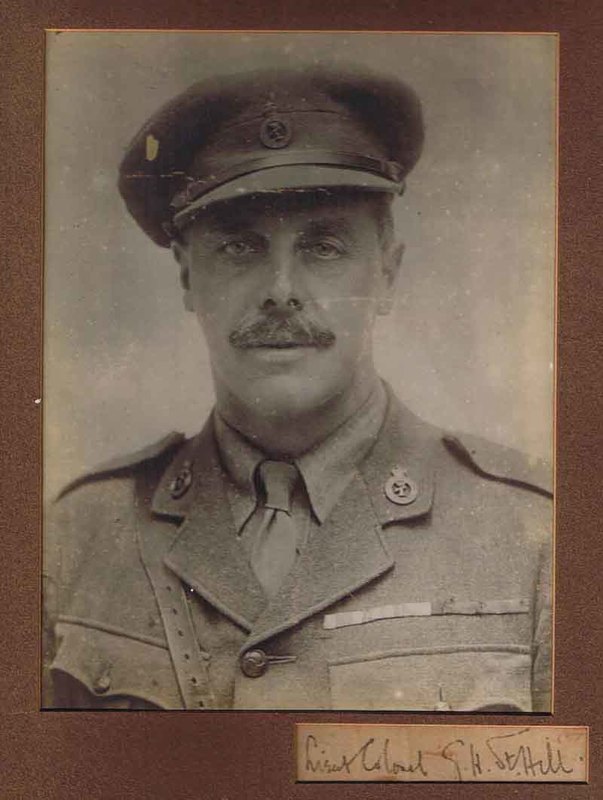
During the last few days the Royal North Devon Yeomanry have been coming to us for instructional purposes. One of them, Major St. Hill, was an old friend. [23] The M.F.H. of the Devon and Somerset Staghounds is their colonel, and they have two other M.F.H.'s in the regiment.[24] One of them, Major Greig [25] (Master of the Exmoor Staghounds) was having pot-luck [26] with me in my dug-out the day before yesterday, and yesterday he was killed by a shell.[27]
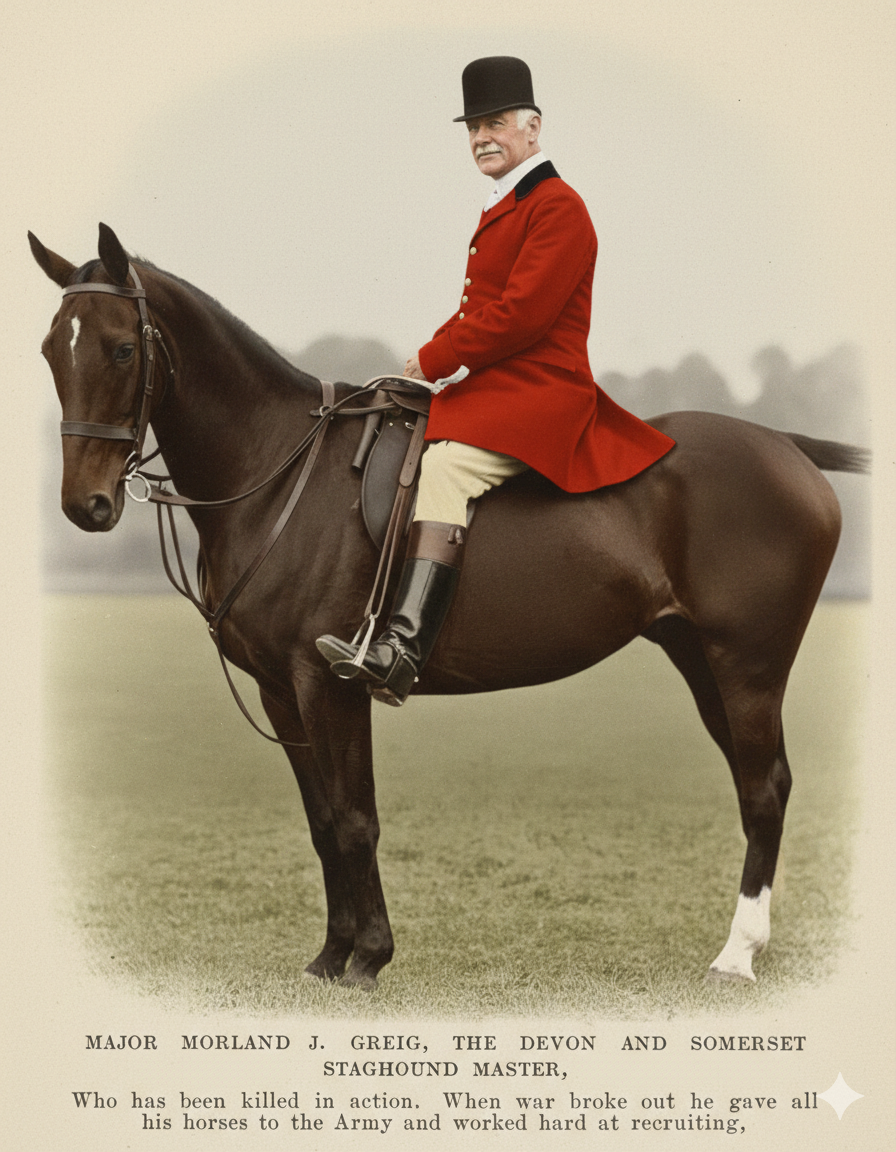
One of his [Greig's] brother officers was telling me this morning that just before he got hit he was saying that he was going to give me some of his kit to replace what I had had looted-rather nice of him, wasn't it? So now I am to help myself to what I like.
The life is very strenuous, and I get little sleep. Have had lots of shots at Turks over the parapet, but can't say I have actually hit any.
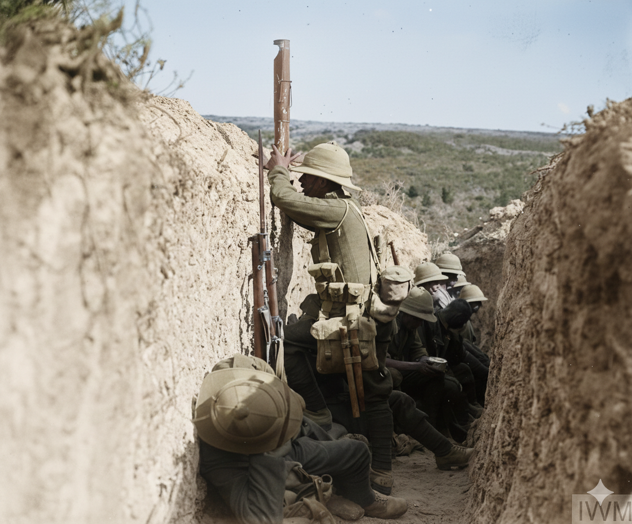
The geese are migrating to Egypt now, and when they come over the trenches they are heavily fired at, but I haven't seen any brought down.
We had two Germans dressed as British officers wandering about our trenches the other night. They finally got over the parapet saying they were going to look after a patrol which was out, and disappeared. The Brigadier [28] told me this himself, and it wasn't 500 yards from my sector.
The Turks have a band which plays in the evening, and you can hear their dogs barking when the winds blow this way. They attacked with bombs an advance post I had out the other night, but were beaten back without loss to us, but so far they have made no general attack. Judging by the digging work they do at night, I think they must be in strong numbers, and I am afraid their artillery grows stronger every day.
We have had some rain, and it has been very cold, and one can't pretend to look forward to the prospect of spending the winter here. We have no overhead shelter or cover from the rain, and no nice billet behind to rest in out of shell fire as they have in France, which is a pity. However, one must be cheerful, and it's no good whining.
Of course most of the Devon Yeomanry know the Smyth-Osbournes well, and one of their Tommies seemed to know all the boys intimately.[29]
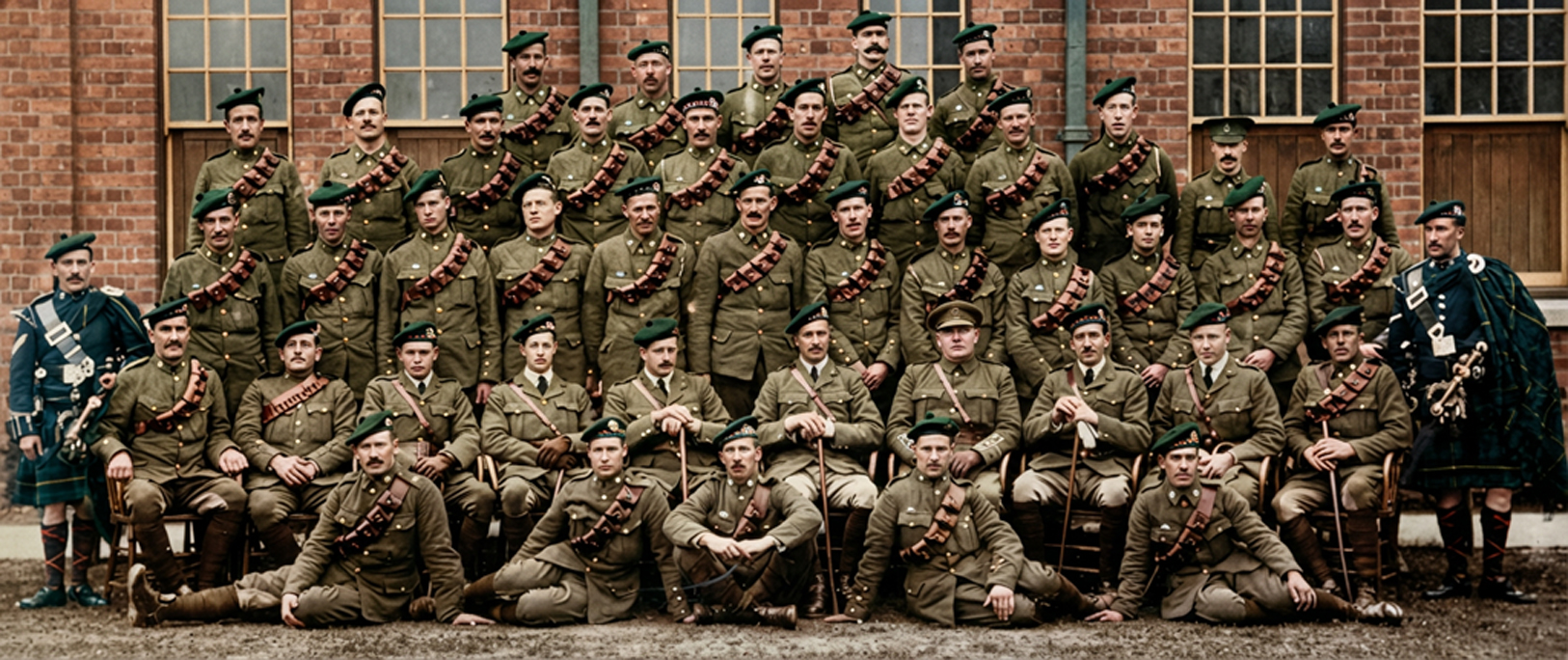
The Lovat Scouts are splendid men, and I've made great friends with several. You see they have four machine guns in my sector, so I see quite a lot of them. They are all picked Highlanders of the better class.[30]
I sleep every other night for an hour or so in a dug-out 150 yards behind the fire trench at the head of what is called "Lone Tree Gully" and have two beautiful peeps of the sea on either side of a hill behind me. All around me are graves of officers and soldiers, as there is a little flat space in this hollow which is officially known as the “Graveyard."[31]
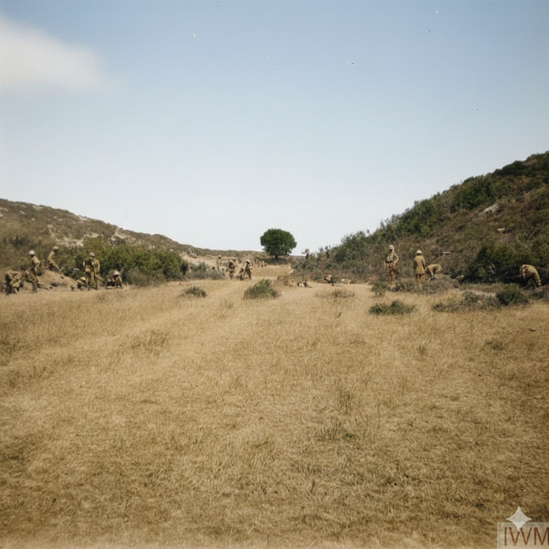
Thirty yards behind a battery is posted, which does not forget to let you know of its presence. We are on hill about 400 feet high on the left flank, so look down on Suvla and the Salt Lake, which lies three or four miles south-west. The spot where I got wounded is about three miles due east on the flat but I can't quite make out the spot.
No, please: don't have my glasses repaired - to me they are more interesting as they are. Many thanks for enclosing Cousin Henry's letter. I am so delighted he has been so well and can get about. How pleased they must have been to see him at Nunnington.
Yes, parcels arrive with any luck, though I haven’t got back my watch. My mother sent me a splendid cake, which was very welcome, and I also much appreciate sweets, or in fact any kind of grub.
With love. Archie.
Archie’s fourth and fifth letters
26th October, 1915.
The delightful letters you wrote me in July and early in August have just arrived, having followed me round, and also the fly nets and two pairs of glasses
There are rumours of our going to Bulgaria, via Salonica, but I don't know how much truth there is in it. A new C.O. is coming out from England to us from the Connaught Rangers. I know nothing about him, but hear he has twenty-two years service.[32]
I suppose our own, Colonel Fishbourne, who was shot through the body, is too bad to return… Since last writing things have been going on much as usual- no attack, but every day we have a few casualties either from shell or rifle fire. When I was out last night with a working party digging an advance fire trench, a man got shot quite close to me, but only through the knee. He is considered very lucky, as it means rest for two or three months, perhaps in England. This man was wounded in the toes in France last February. Another man yesterday wasn't so lucky; he got it through the head and was killed instantly.
Our advance trenches which will become the new firing line are getting on, and I hope to have my sector ready by the 5th, when we hear rumours of being relieved. A month in the firing line is a good long spell, and unheard of in France. The men (and officers) want a rest, but even if you do go back in reserve you never can get away from the shells, and there are always so many fatigues to do.
I had a long talk last night with a driver of the Indian Supply and Transport who brings us up our rations every night.
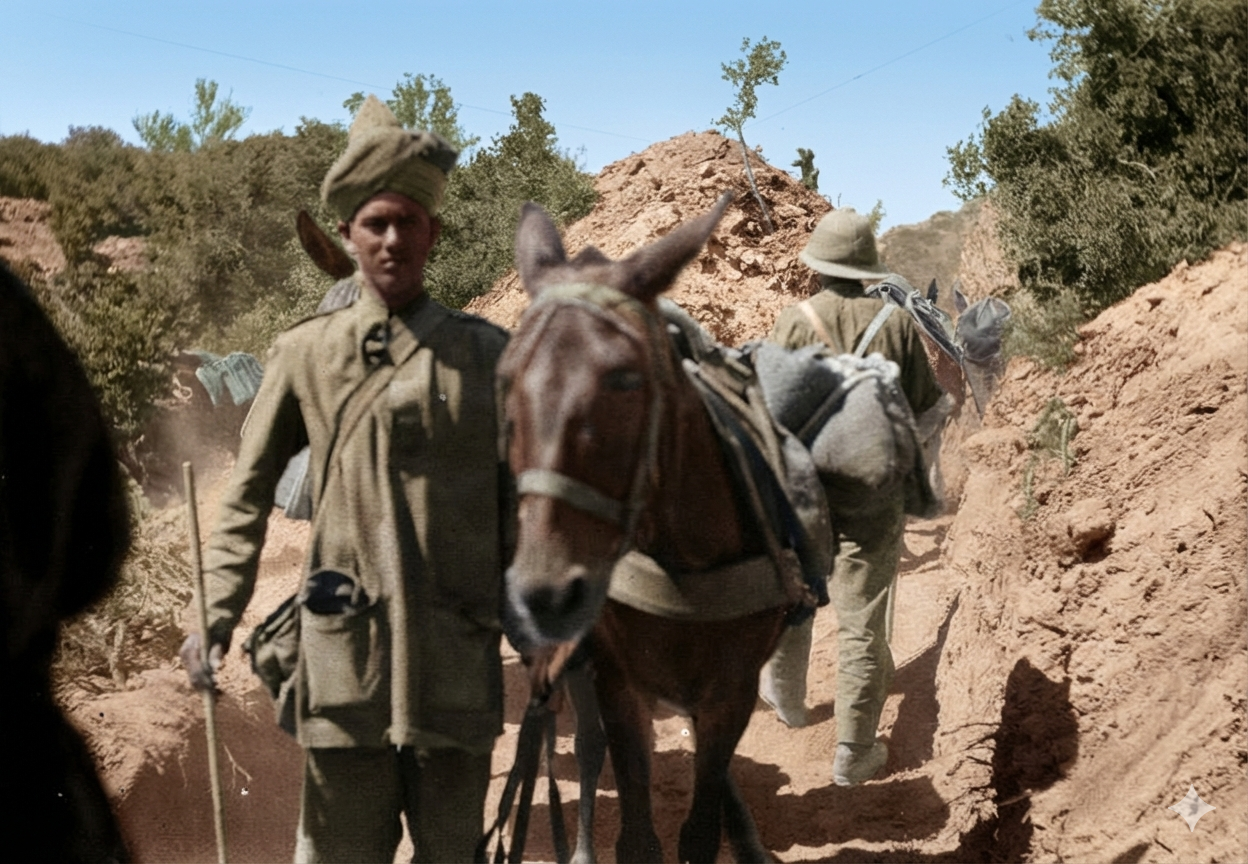
They are doing splendid work. He said he much preferred France, and complained bitterly of "Juga bahut chota hai,"[33] being so cramped. He and his lot are on the beach and "get it" every morning; how there is a single mule alive I can't understand.
You would laugh to see us potting at the geese when they come over the line on their way to Egypt, but we haven't brought down any yet.
Yesterday morning, I had several shots at a Taube which honoured us with a visit. It was flying quite low, but we did not succeed in downing it.
One of our aeroplanes had a wing damaged, and was obliged to come down on the Salt Lake one day last week.[34] The Turks then shelled it to bits, but I think the inmates succeeded in escaping, as I saw them bolting like hare in the direction of the hospital. The Salt Lake is practically dry nowadays.
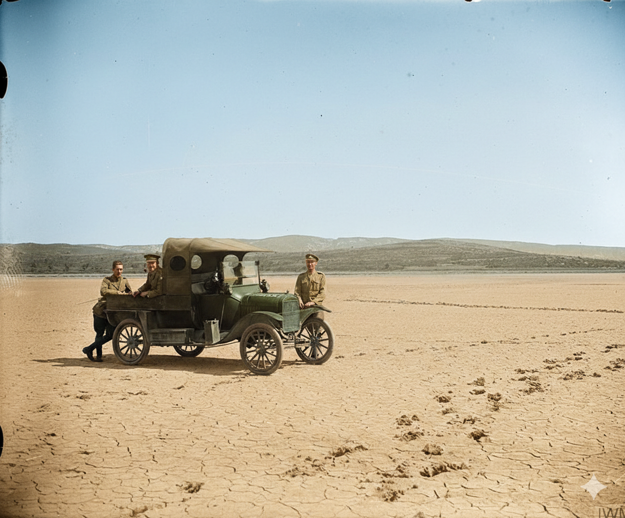
The field glasses haven't arrived yet, but please thank Jeannette [35] most warmly for letting me have them.
With much love. Archie
30th November, 1915.
This should reach you about Christmas Day, so I wish you a very happy one and the best of luck and health in the coming year.
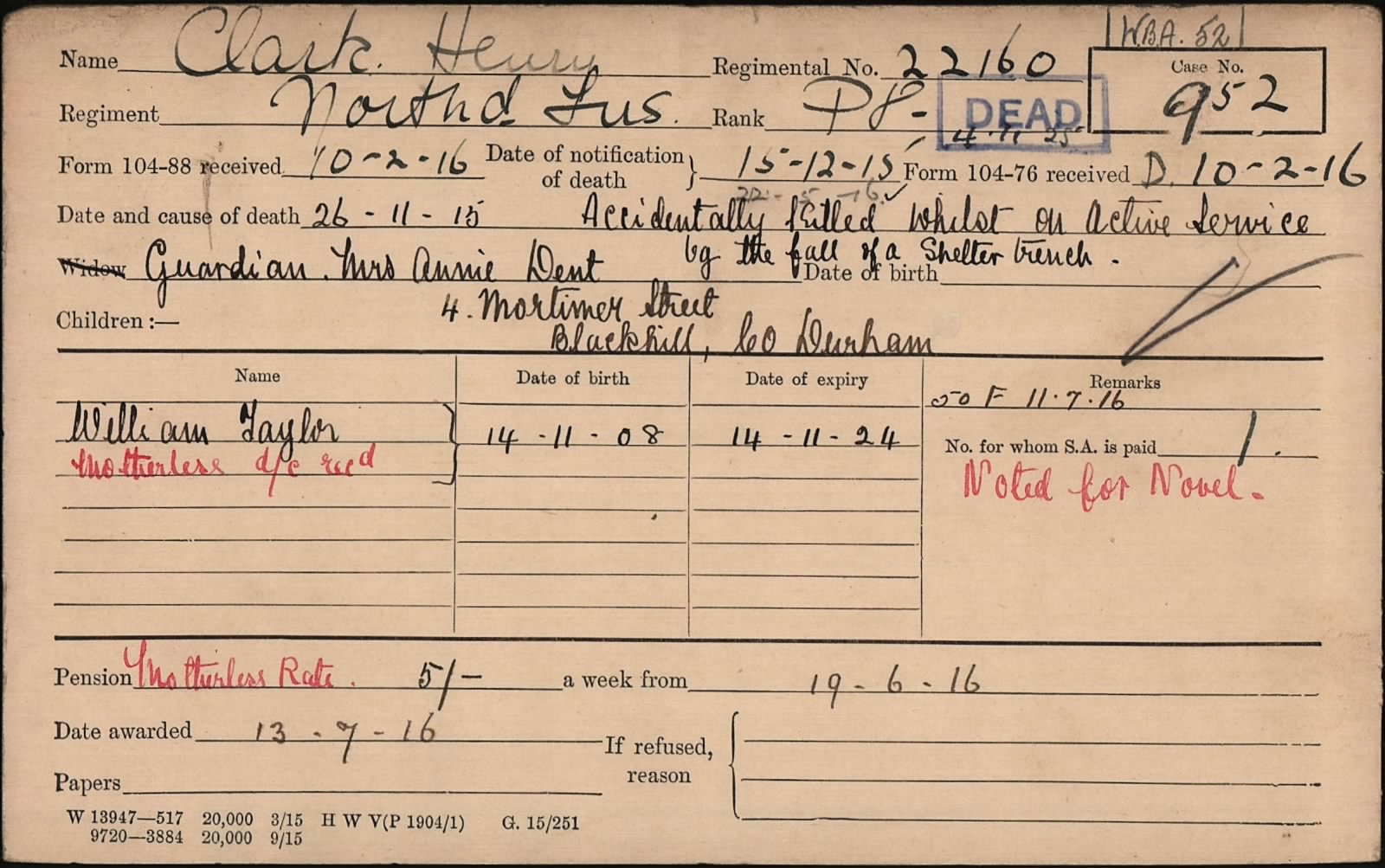
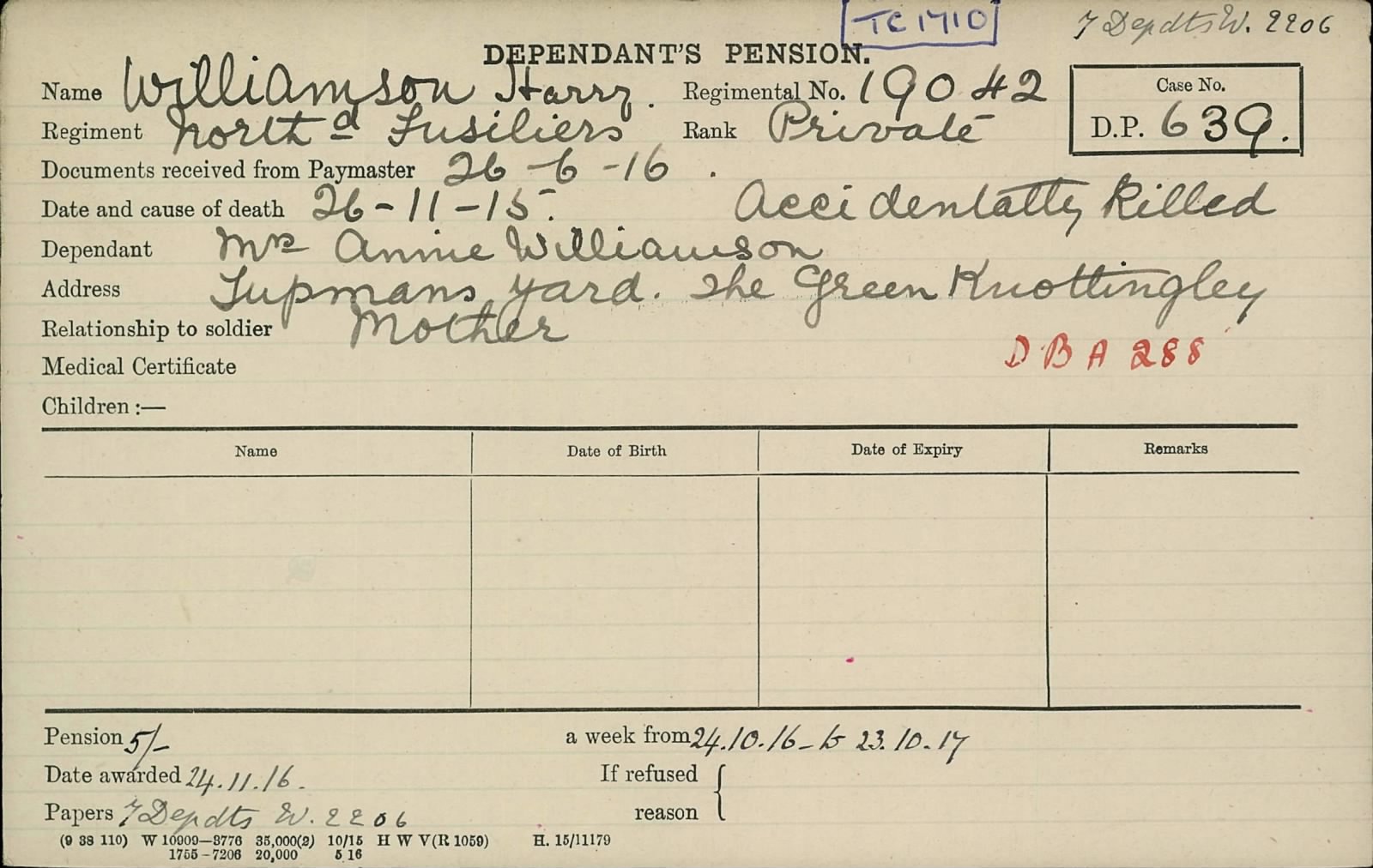
Since last writing we have been through some rough times. On Friday night there was a bad thunder storm with very heavy rain and a gale of wind which was almost impossible to walk against. Nearly all the dug-outs were flooded and some fell in, 9 men being killed and 16 injured.[36]
It rained or rather sleeted most of Saturday, and the poor men, drenched to the skin and their blankets sodden with water, had practically nowhere to shelter in. That night there was a hard frost, all the water in the dug-outs freezing hard, but it stopped sleeting on Monday, though the biting north wind still continued blowing a gale. I mustn't say the number of men who died from exposure, or the cases of frost-bites, but you can believe me when I say the troops are having a very trying time.
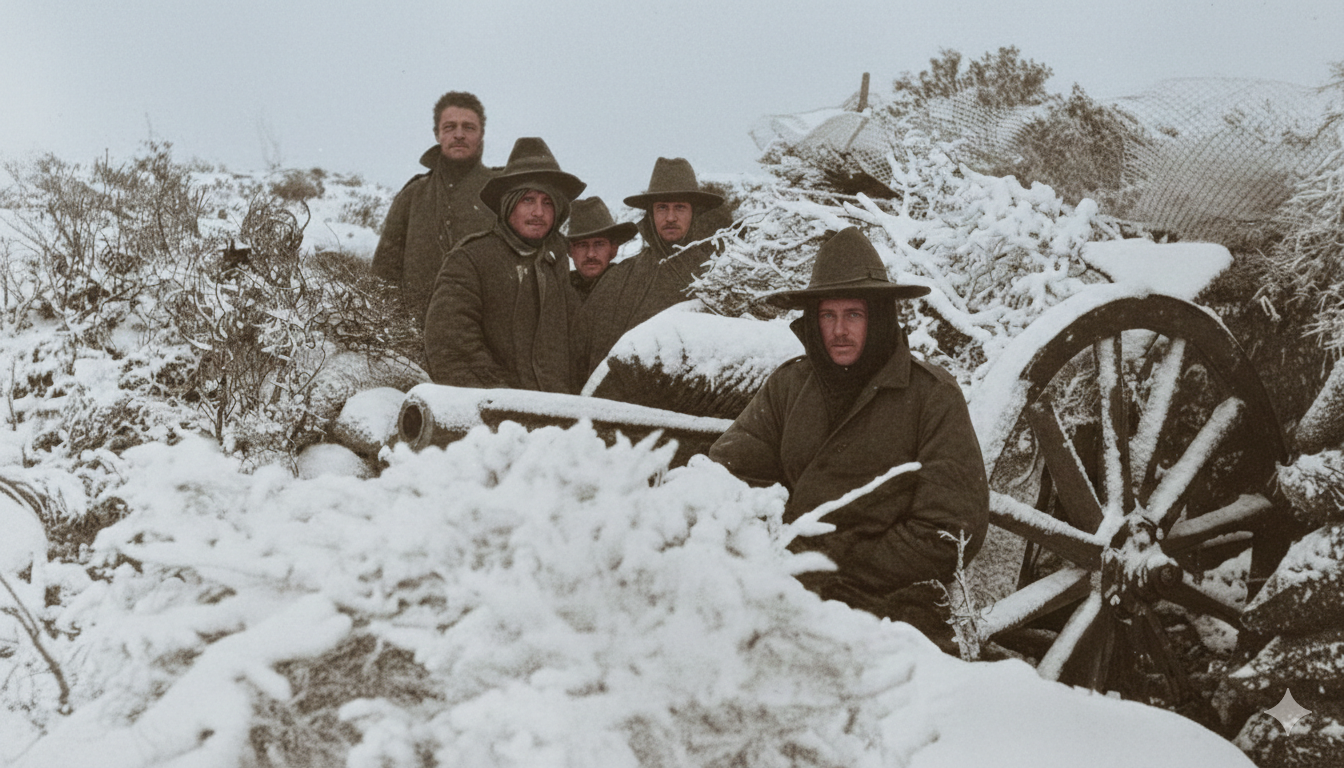
To-day the sun once more shines, and the wind has abated, making all the difference. We suppose the Turks are suffering at any rate as much as we are which is our one consolation. It is still freezing hard, but I've got my dug-out and most of my things dry again, and have rigged up an impromptu stove in the headquarter mess, so personally have nothing to grumble about.
One feels very sad at not being able to do more for the men, who are wonderfully cheery, and have stuck to it nobly. All ranks have received the Corps Commander's thanks for their behaviour under such trying conditions, and really they have been, and I am afraid will still be very trying! But we must stick to it at all costs.
I wish I could tell you more, but I mustn't.
P.S. Your goggles saved my eyes considerably all through these blizzards.
The Gallipoli evacuation
The Decision Phase
On 14 October General Sir Ian Hamilton, the Commander-in-Chief of the MEF who had resisted any talk of withdrawal, was dismissed by the British Government. His replacement, General Sir Charles Monro, arrived and, after a rapid inspection of the three fronts (Helles, Anzac, and Suvla), he immediately recommended a total evacuation.
Lord Kitchener, the British Secretary of State for War, arrived at Anzac Cove on 13 November to assess the situation personally. He initially feared the loss of prestige but, after seeing the dire conditions, agreed with Monro’s recommendation.
On 22 November, the British Government decided to evacuate Anzac and Suvla, though they initially opted to retain Cape Helles.
The Execution Phase
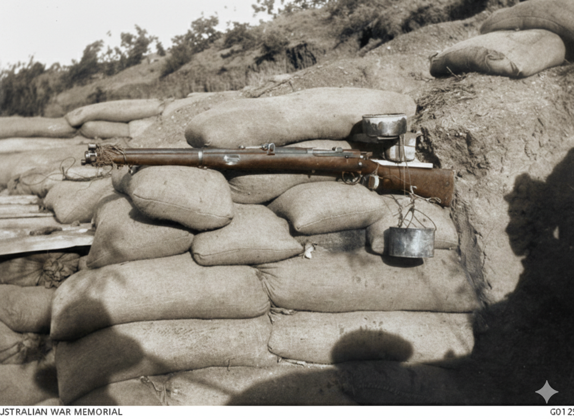
Between 10–18 December, forces were gradually thinned out. Deception tactics like "silent stunts" (periods of total silence) and the famous “drip rifles” (self-firing guns) were used to trick Ottoman forces.
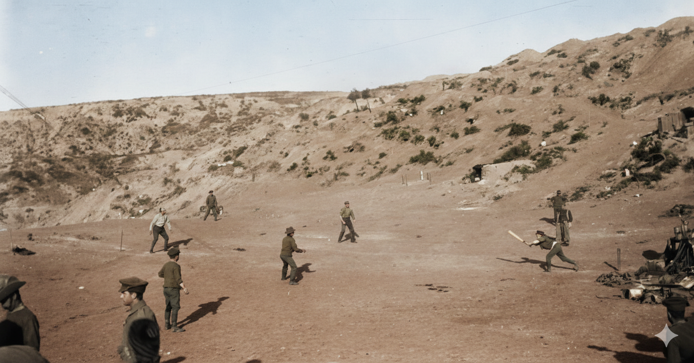
Other deception tactics were used to ensure the Turks were ignorant of the intention to evacuate. One of the more unusual ones was that of a cricket match that took place at Shell Green.
On the night of 19–20 December, the final evacuation of Anzac and Suvla took place. The last troops left Anzac Cove at 4:10 am on 20 December.
Some weeks later, on 8–9 January 1916, the evacuation of Cape Helles took place. This marked the official end of the Gallipoli campaign.
Archie’s sixth and seventh letters
11th December 1915.
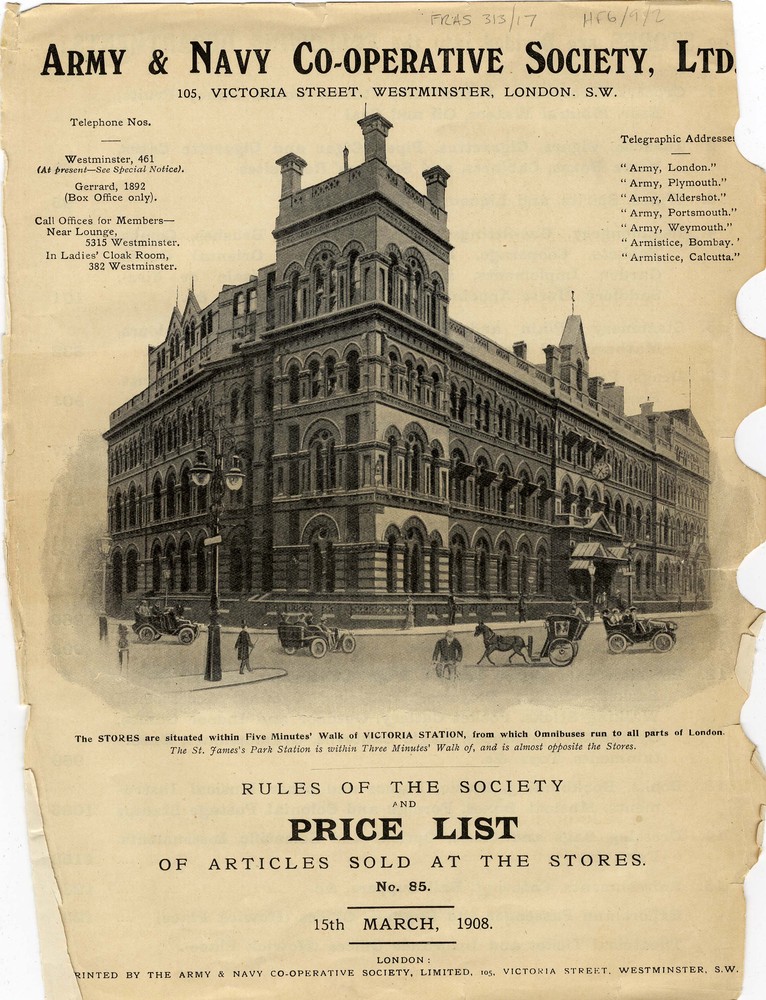
A cake and a tongue have arrived from the A.&N. Stores, so if it was you who sent them I thank you very much, and for the list of things that the A. & N. are sending, and it's possible that the other things will come later. The cake was truly excellent, and much appreciated by the headquarters mess.
We are still on the beach, as for certain military reasons I must not touch on we haven't gone back to the trenches, but are kept very busy doing certain things near where we are. The weather since last writing has been splendid, but we all wonder "Will it last?" The Turks have been very active shelling us (the beach) the last few days, and have undoubtedly got up some new guns. We have had some casualties and many marvellous escapes. One H.E. shell landed quite close to my dug-out, and so did another, sending stones flying into it - I was writing inside at the time, so was lucky.
To-day has been fairly quiet as the warships and steamers in the little netted-in-against-submarines harbour in the bay received most of the attention. They hit one of the warships once to-day, but her heavy armour makes her fairly safe against really vital injuries, but the wretched steamers when the shelling begins have to clear outside the nets to get out of range, and so risk a submarine attack. Truly, between the devil and the deep sea! A submarine tried to get through the nets the other afternoon, but failed. Great excitement, the little destroyers dashing up and down, but they did not succeed in bagging the submarine.
I have twice been on board the "Cornwallis" this last week; she is on duty here at present, and stayed the night on Sunday. The skipper, Captain Davidson, was kind to me at Mudros, and I was very glad to see him again. It was curious sitting down to a proper meal again with table linen, glass, etc., and l felt quite shy at doing so. Having a hot bath, the first I have had since leaving the "Aquitania" in early July, was also a novelty. She went into action when I was on board, and much to my delight, at my request, fired at some trenches I have a special grudge against!
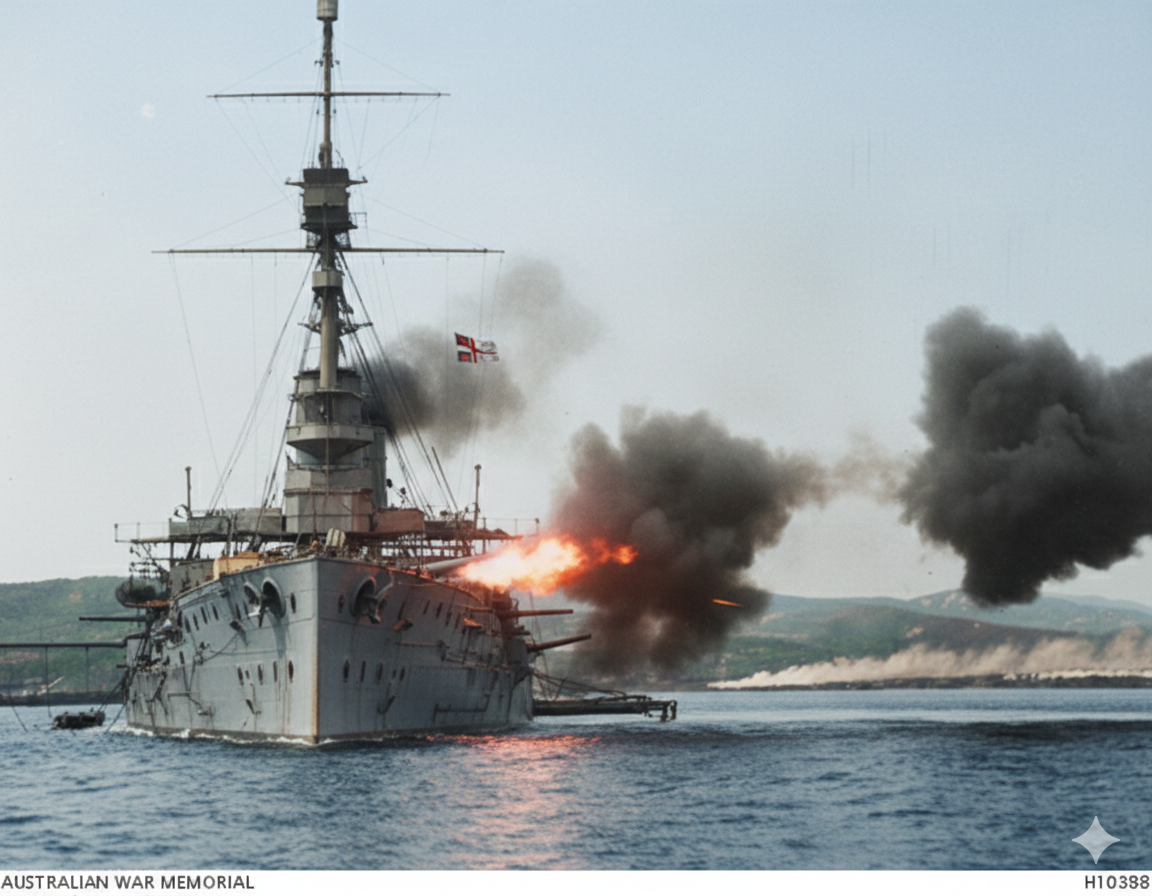
You could easily see Lone Tree Gully from the conning tower, but then it is only three miles away.
Many thanks for your letter of 11th November just received.
All those eatables when they arrive will be most welcome. I am glad Charlie didn't get the cake! You can't buy a thing here and we live on our rations and never have any liquor, bar a little rum served out twice a week.
I hope this will find you in good form, and that you will spend a jolly Christmas and try to forget the War.
With much love. Archie
IMBROS,
22nd December,1915.
Here we are again, back at the same island we left on 6th August to do the landing at Suvla Bay. What a lot has happened since then. Personally I have a great deal to be thankful for. Well, when I last wrote I think I mentioned that we had not returned to the firing line for a certain military reason.[37] That reason was that we were busily engaged in preparing the third line of defence (which was the last one), as orders had come to evacuate the Peninsula, with the exception of Cape Helles area at the toe end of the Peninsula.
Brigadier-General Percival [38] of the 29th Division was appointed Chief Embarkation Officer, and I had the honour of being chosen by my own brigadier to be the representative of the 11th Division on his staff, the other members of which were his staff captain, Major Lord Howard de Walden [39] and Captain Allen, R.A.
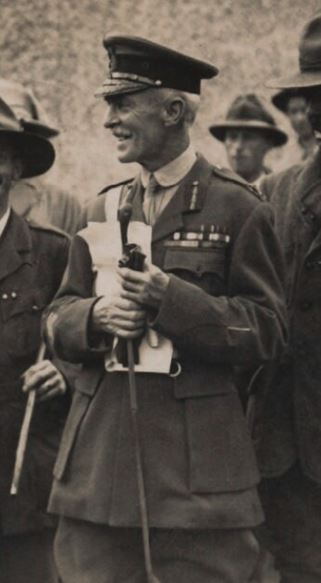
We had a very jolly little mess on the beach, and the work was very interesting. The actual evacuation of stores and odd units had begun a fortnight before, but the troops in the firing line were withdrawn in two nights.
The whole success of the withdrawal depended on two things, viz.,(1) the failure of the enemy to discover we were retiring, (2) the weather. Had the Turks attacked on the last two nights of course a great many of us would have been scuppered, and, if the weather had been rough, embarking would have been impossible.
The little piers at different places were all under shell fire, and had they shelled us during those two nights our losses must have been enormous. The embarkation staff had orders not to embark until every man had been evacuated.
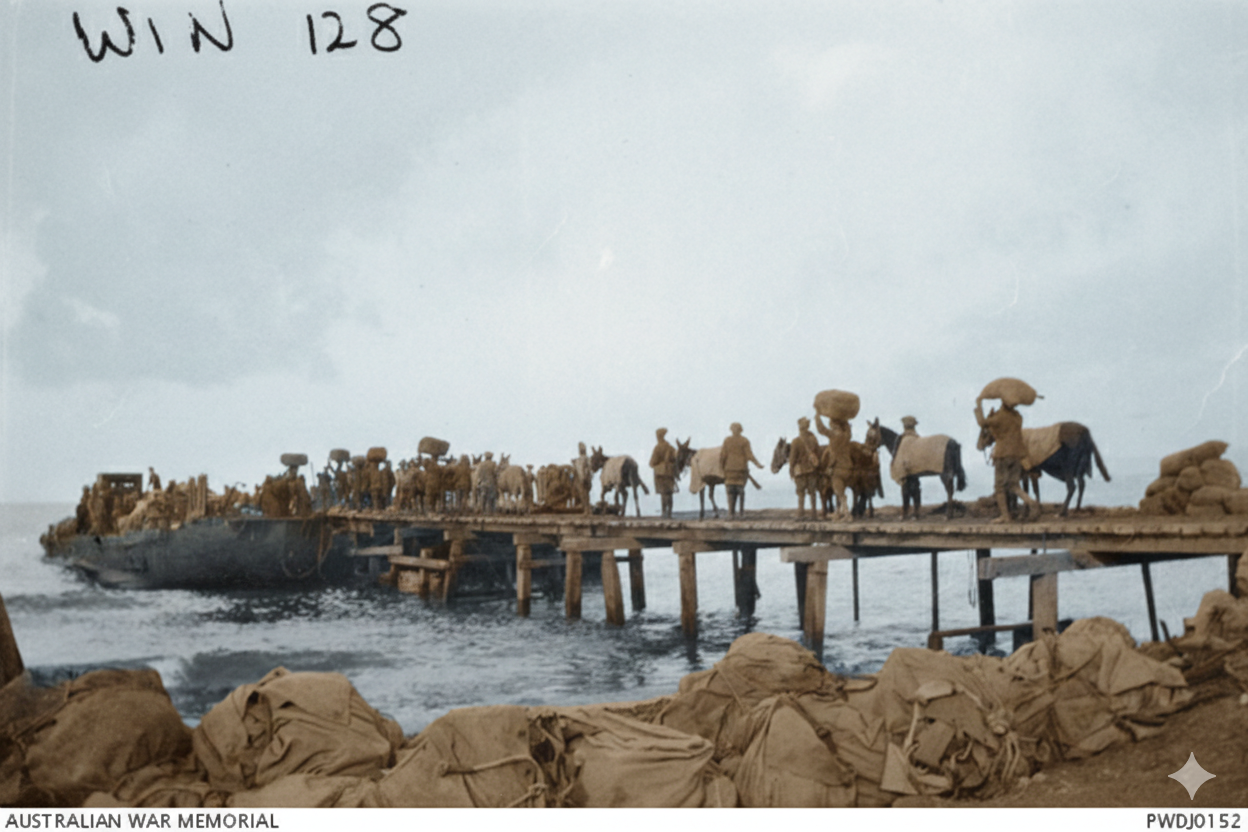
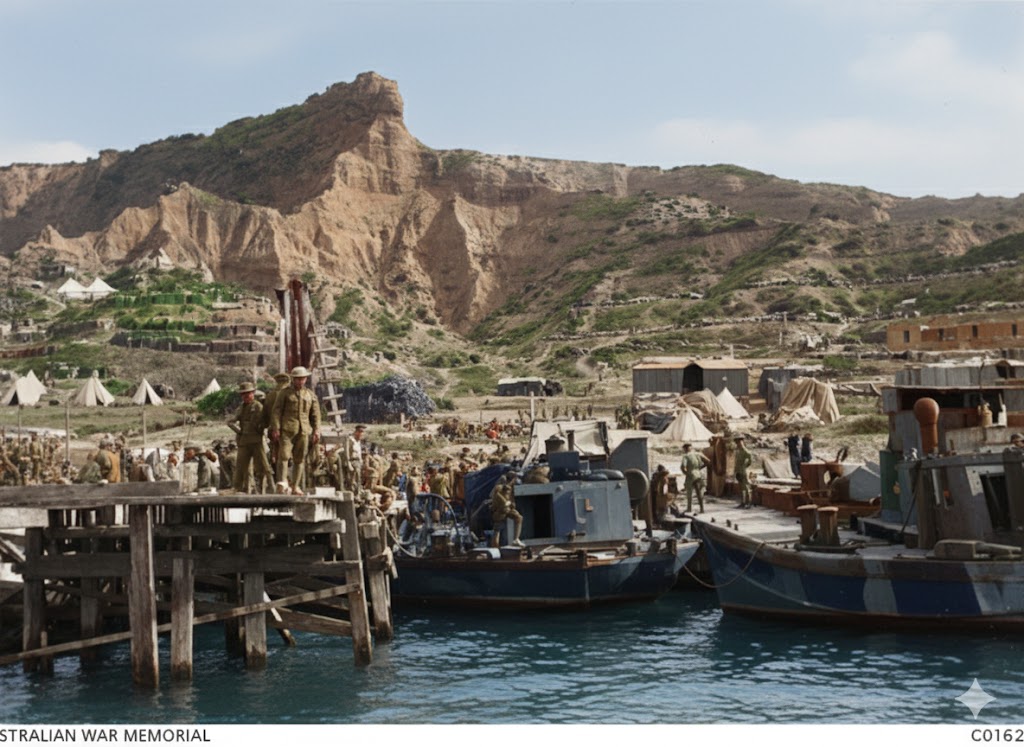
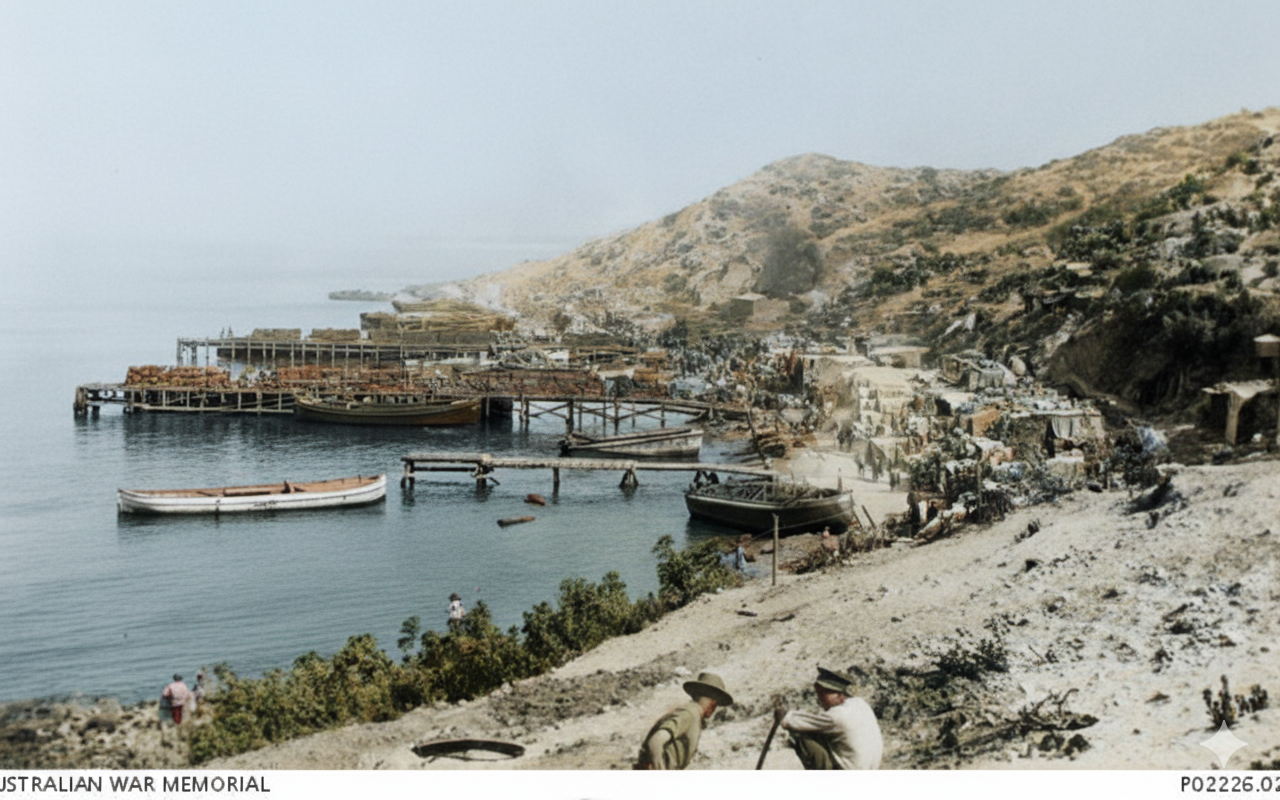
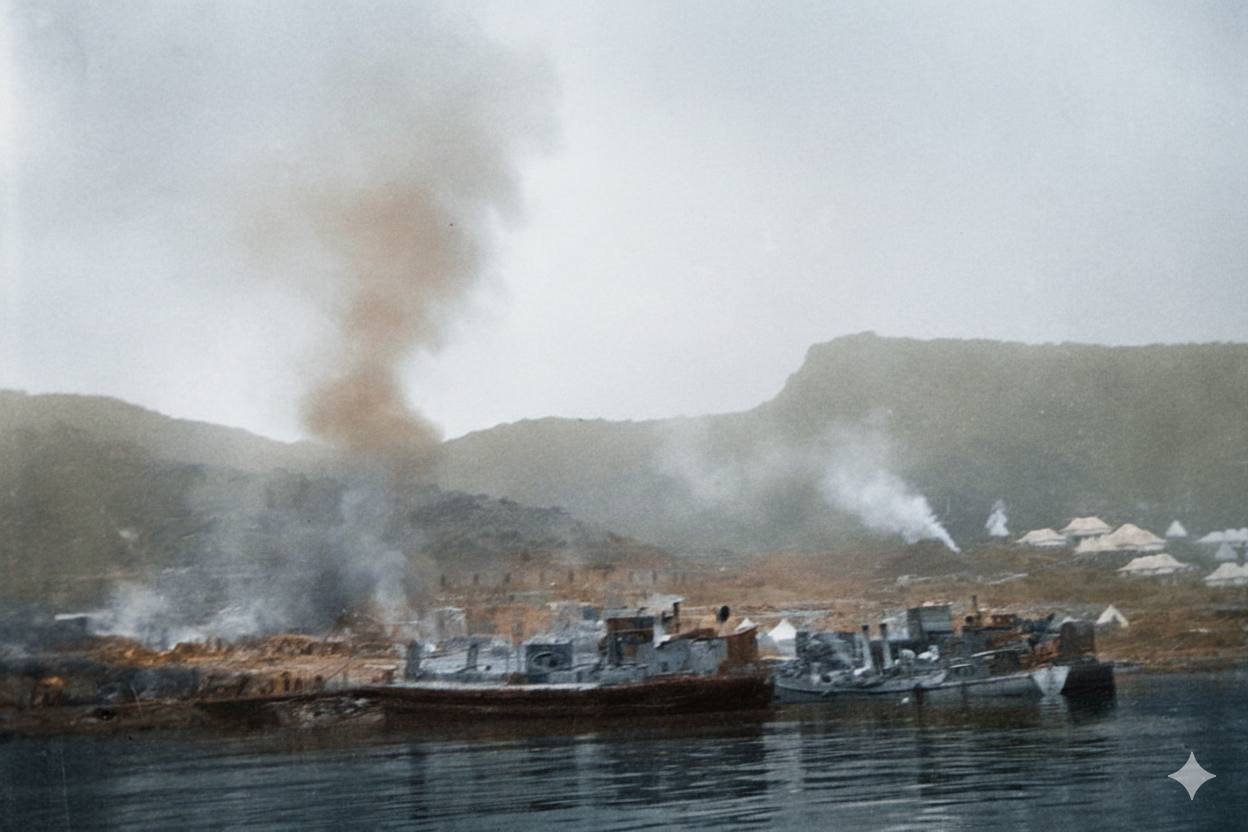
Fortunately everything went well and we got away without the Turks knowing anything about it, and the different arrangements worked like clockwork. At the very end it was most exciting: the last batch of men were due to arrive at "X" forming-up point (which I was in charge of) at 2.30 a.m., yet at 4 o'clock they hadn't arrived; there were about 200 of them and to make it worse the different dumps of stores burst forth into flame at that hour.
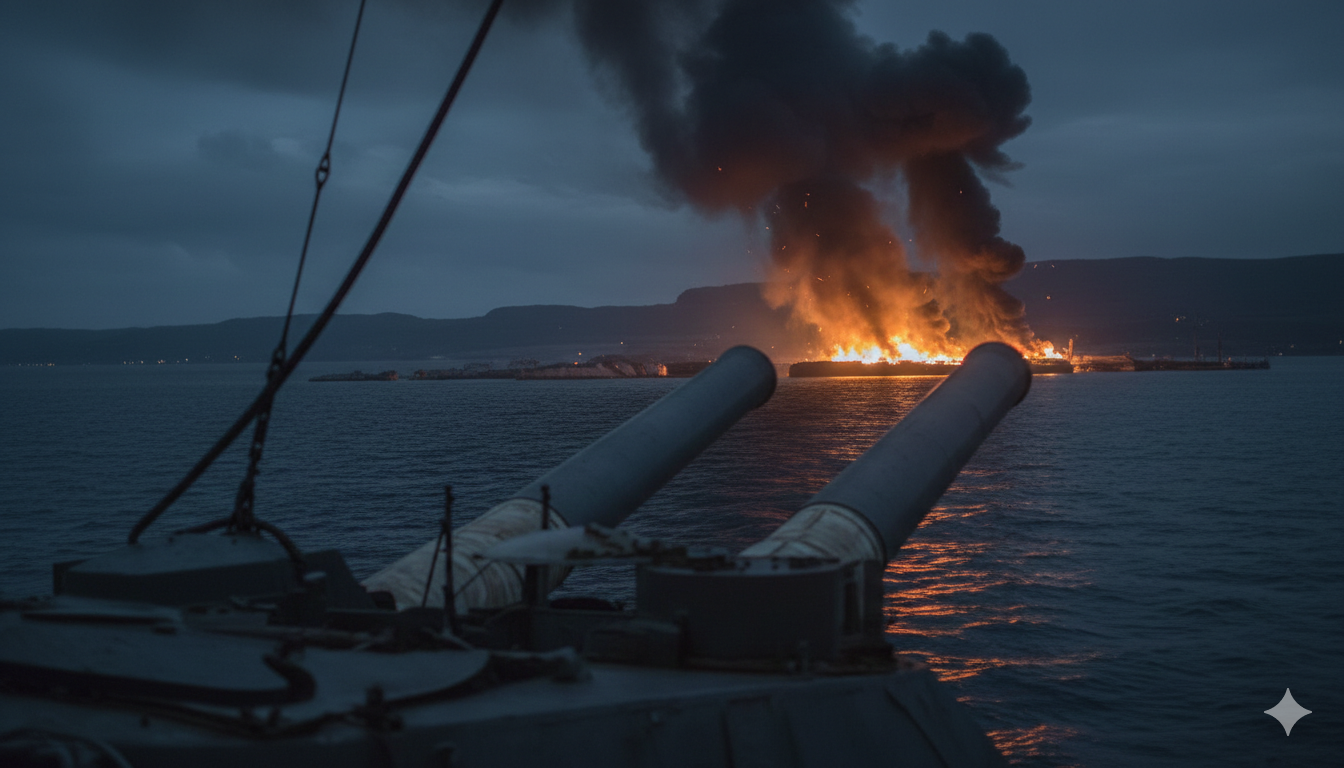
The time fuse of 1½ hours had been lighted at 2.30 a.m., as they expected by 4 o'clock the last troops would have gone. These different bonfires sent up huge pillars of flame 300 feet high, making the surroundings as bright as day. We thought the enemy must see, and every moment expected at least a heavy shelling. But apparently, as is often the case, before dawn a thick mist hung over their lines and so saved us.
The position now was rather critical. Could we afford to wait any longer for these 200 men? The last steamer crammed with troops was getting very restive as they knew a single shell would sink her. At last, at 4.30 I reported by telephone to my General that there were a number of men coming down the ridge over the sky-line. "Are you sure they aren't Turks?" was his reply. They turned out to be the lost sheep all right. But it wasn't before 5 a.m. before we all got away, and I really think I was actually the last man to leave the Peninsula.
The sunken ships acting as break water were burning merrily as we steamed through, and the sight of those vast pillars of flame from the many huge bonfires was a sight never to be forgotten. Together with Anzacs, some 70,000 men were safely withdrawn, which is supposed to be a bit of a feat. Our Corps Commander [40] has asked for a list of names of officers for favourable consideration, and Fitzgerald [41] has sent in mine with two other names for this regiment, and General Percival has done the same thing for the embarkation job.
There is just a chance I might be mentioned in despatches, but I do not count on it as there are always so many names sent in that they cannot possibly mention them all, and, as a matter of fact, there is really no reason why I should be mentioned.
We arrived here on Monday morning, and that afternoon, when we were having tea, someone had just remarked "Well, it is a relief getting away from shell-fire," when we looked up and saw a Taube overhead, dropping bombs.
As far as I can gather we shall be back again in the trenches again at Helles [42] by 15th January, in the meantime staying here.
We are all very disappointed at not going to Egypt first for a brush up - we want it and a rest badly.
I must not comment on the staff arrangements here, but will simply state that; nothing is ready for us, and that half the men will be bivouacking in the open tonight. Yesterday it poured with rain, and it was blowing half a gale. Had this weather come a day earlier I don't know what would have happened at Suvla. As it was, we were able to evacuate every single man, horse and cart, all the guns and ammunition and most of the stores. I believe £45,000 worth of the latter were burnt.
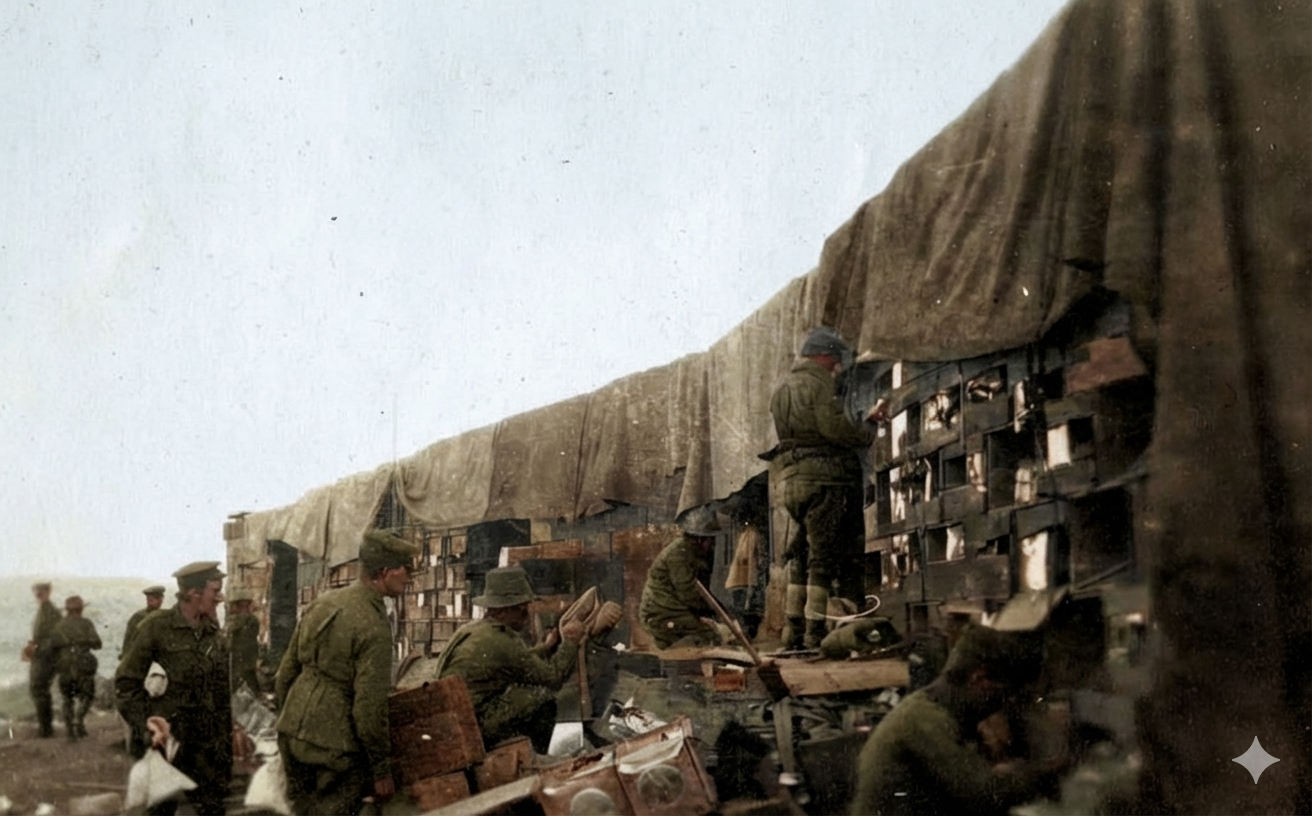
Would you mind sending a copy of this letter to my mother as I haven't time to write her such a long letter.
No mails or parcels have arrived since last writing.
Much love, and hoping you have had a happy Christmas.
After Gallipoli
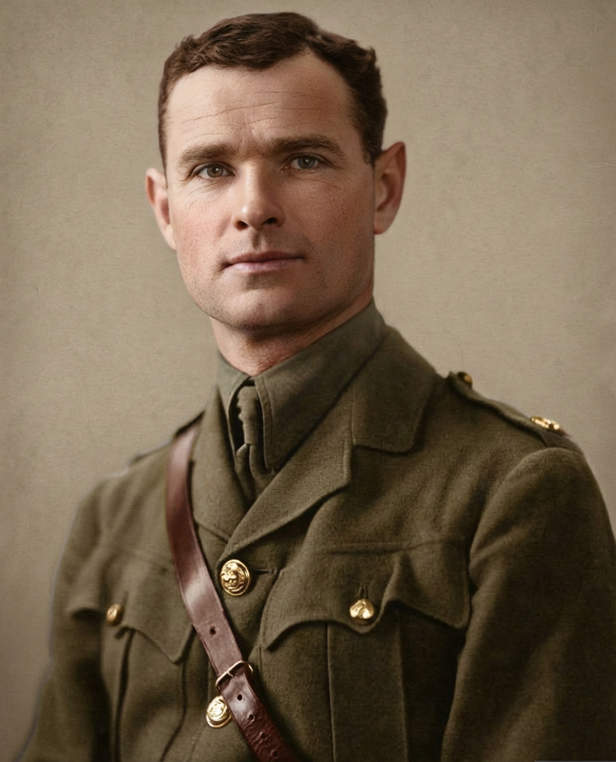
Back with his battalion, Archie found himself in Egypt but by mid July 1916 they (along with the rest of the 11th (Northern) Division had landed in Marseilles. By the end of the month Archie was gazetted a Major and was second in command of the 8th Northumberland Fusiliers.
The rest of his war record is detailed elsewhere, but by 1917 he had been awarded the DSO and bar, was commanding a territorial battalion of the West Yorkshire Regiment in the 62nd (West Riding) Division and frequently acting as Brigadier-General in 185 infantry brigade.
Archie was killed in action in March 1918.
Further reading about Archibald Hugh James
James VII and James VIII: Two outstanding officers
More on Gallipoli
There are numerous resources on the WFA website about Gallipoli, including a brilliant presentation by John Bourne: Gallipoli 1915: The Faded Vision
Acknowledgements
This could not have been written without the assistance of Rory Constant, Archie's descendant, who had a copy of a memorial book which he was willing to share with me. I am also grateful to Bernard de Broglio, David Henderson and Jill Stewart who have all contributed to this piece.
Sources
Whilst the diary entries have been entirely extracted from the above volume, further corroboration of events was undertaken by reference to the 8th Northumberland Fusiliers war diary, which can be accessed via Ancestry.
Other units' war diaries are available from the same source, although locating the required diary can be somewhat difficult.
Colourised images
Much use of Google's Gemini software has been used to enhance and colourise images in this piece. No images have been generated 'from scratch' using this new technology. Although the image showing the fires on shore taken from the fore-deck of HMS Cornwallis does look artificial, it was colourised using an original (low resolution) image freely available on Wikimedia. I am grateful to David Henderson for his assistance in the colourisation of many of these images.
References
[1] Hammersley had been commanding a brigade at Aldershot in 1911 but then disappeared for a time. He subsequently claimed to have suffered no more than a severe nervous breakdown; but his contemporaries, including de Lisle, all knew that he had been so disturbed that he had required physical restraint when undergoing treatment. (Gallipoli: A Study in Failure Michael Hickey)
[2] This was Major HL Nevill an artillery officer who was now on the staff of either the 10th (Irish) or 11th (Northern) Division.
[3] Friday 6 August
[4] Saturday 7 August
[5] Sunday 8 August
[6] Presumably of the 10th (Irish) Division
[7] Fishbourne returned to command the 8th Northumberland Fusiliers on 6 February 1916 when the battalion was moved to Egypt after the evacuation of the peninsula. He was to die of wounds on 6 October 1916 whilst commanding his battalion in France.
[8] Monday 9 August
[9] HMS Cornwallis had a busy campaign. On 25 April the warship provided men to both the 'S' and 'V' Beach landings. At 'S' Beach the ship landed a party of 36 RMLI and 25 ratings in support of the landing force of 2/SWB, commanded by Captain Davidson, the Captain of Cornwallis, in person. At 'V' Beach they provide boats' crews to land soldiers.
[10] 'Shewell' is almost certainly Arthur Meade Moore Shewell (later Major). He survived the war. 'Tommy' is Archie's younger brother Captain Thomas Norman James, RN (1878-1965) who, in 1916, was present at the Battle of Jutland on board HMS Temeraire
[11] The hospital was probably No. 3 Australian General Hospital, sited on a bare hillside at West Mudros. The hospital was landed at the beginning of August 1915 but as Archie notes, much of their kit and equipment was delayed. The staff included trained female nurses who were led by Matron Grace Wilson.
[12] Fitzgerald is likely to have been the only unwounded officer from this attack
[13] Major Edward Ernest Williams is the only one from this day's attack to have a headstone. He is commemorated by a 'special memorial' in Green Hill Cemetery.
[14] Friday 1 October
[15] On 3 June 1915 Lieut.-Colonel John Hill D.S.O. (15th (Ludhiana) Sikhs) was appointed Brevet Colonel. During the summer the much depleted Indian Corps was gradually withdrawn from France and deployed for duty with the Western Frontier Force [WFF] to include rotation of troops defending the Suez Canal. Colonel Hill at that time was appointed Brigade Commander to the 34th Infantry Brigade, Mediterranean Expeditionary Force. After the evacuation of Gallipoli Colonel Hill joined the Egyptian Expeditionary Force [EEF] and was briefly served as Brigade Commander [Brigadier-General] to the 180th Infantry Brigade. (Information courtesy of the Great War Forum). Further detail about John Hill can be found on the National Army Museum website.
[16] Brigadier-General Lionel Forbes Ashburner, DSO, MVO (1874 - 1923)
[17] The battalion's war diary puts them in fire trenches south of Karakal Dagh (also known as Karakol Dagh or Outpost Mountain). This is a significant geographical feature in the Kiretch Tepe ridge and an objective of the landings on the first day.
[18] Lt Thomas Callender Campbell died of wounds a day after the letter was dated, on 8 October
[19] Wednesday 6 October
[20] CWGC lists 6 October one 8/North Fusilier fatality, Private G E Hutchins
[21] The equivalent is £3,400 in 2026 – one can only speculate what was in it!
[22] 2/Lt (later Captain) John Stirling (1893 - 1975) of Muir of Ord (near Inverness). In later life he served as Lord Lieutenant of Ross and Cromarty from 1964 to 1968.
[23] (Collis) George Herbert St. Hill served in the Royal North Devon Hussars for eighteen years and fought in the Matabele, Angoni, and South African Campaigns. Promoted to Lt-Col at Gallipoli, he commanded the 6th Lincolnshire Regt. at the evacuation of Suvla Bay. George St. Hill was killed in 1917 whilst commanding the 2/5th Sherwood Foresters.
[24] MFH is 'Master of Foxhounds'. The 'Colonel' Archie refers to is Robert Arthur Sanders, 1st Baron Bayford.
[25] Major Morland John Grieg, aged 50 was born in Pennsylvania
[26] Soldiers often cooked in the trenches by adding whatever was available (bully beef, biscuits, potatoes) to a pot, a method often described as "pot luck" to make the best of limited, monotonous rations.
[27] Greig was killed on 17 October. He is buried in Hill 10 Cemetery
[28] This must be John Hill, who he met on the boat when coming over to the peninsula on 1 October (see end notes 14 and 15)
[29] Presumably he is referring to:
- George Nowell Thomas Smyth-Osbourne 1877-1942
- Lt-Cmdr Edward Smyth-Osbourne 1884-1916 (H.M.S. Invincible killed at Jutland)
- John Greville Smyth-Osbourne 1886-1979
- Douglas Gregory Smyth-Osbourne 1891-1960
- Wilfred Smyth Osbourne 1893-1915
[30] The 1st and 2nd Lovat’s Scouts were formed on the creation of the Territorial Force in April 1908 and placed under orders of the Highland Mounted Brigade. Dismounted the regiment sailed from Devonport, arriving in Alexandria ten days later. On 26 September 1915 they landed at Gallipoli and came under the orders of 2nd Mounted Division. Information courtesy of Chris Baker / The Long Long Trail.
[31] It has not yet been possible to locate the 'Graveyard' but 'Lone Tree Gully' is likely to be 'One Tree Gully'.
[32] It would seem that the rumours were unfounded. The Battalion commanding officer remained Major CRL Fitzgerald
[33] “The place is very small”. Archie had lived and worked as a tea planter in Darjeeling, India (he had joined his Uncle Evan there before the war), so he was probably proficient in at least one Indian dialect
[34] This seems to have been on 13 October. At 2.30pm, Flight Lieutenant Walter Shackfield Newton-Clare and observer Captain André (Andrew) Adolphus Walser departed Kephalo Point aerodrome in Maurice Farman M4 to direct the fire of 57th (Howitzer) Brigade, Royal Field Artillery
(https://aegeanairwar.com/articles/came-down-suvla)
[35] His cousin Jeannette, daughter of his Uncle Arthur C.R. James, and the wife of Captain John Bright, of the New Zealand Army, who resided with Sir Evan James at this time.
[36] 26 November was the day of the 'great storm' on Gallipoli. The CWGC lists two men of 8/Northumberland Fusiliers who died on this day. Both are buried in Hill 10 Cemetery.
[37] He was obviously being coy about the proposed evacuation in the first letter, but as the date of this letter (22nd December) was 48 hours after the evacuation, he could now go into detail
[38] Lt-Col Claude John Perceval was GSO1 of 29th Div. until August 1915, when he became the Brigadier General commanding 86th Brigade
[39] Thomas Evelyn Scott-Ellis, 8th Baron Howard de Walden, 4th Baron Seaford (9 May 1880 – 5 November 1946). In 1915 he had been attached to the 29th Division for the Gallipoli expedition, first as Military Landing Officer at Imbros and at Sulva Bay and then as Deputy Assistant Adjutant and Q.M.G.
[40] This may be Lt-Gen Sir Julian Byng, IX Commander. Byng had arrived in Gallipoli in mid August (taking over from de Lisle who had temporarily commanded IX Corps after Stopford was sent home) and oversaw the withdrawal of British, Australian and New Zealand forces from Suvla Bay and Anzac Cove.
[41] Captain (later Major) CRL Fitzgerald (1883-1977) was the only unwounded officer of the 8th Northumberland Fusiliers after the disastrous 19 August attack
[42] Helles was evacuated on 9 January 1916
Becoming a member of The Western Front Association (WFA) offers a wealth of resources and opportunities for those passionate about the history of the First World War. Here's just three of the benefits we offer:

With around 50 branches, there may be one near you. The branch meetings are open to all.

Utilise this tool to overlay historical trench maps with modern maps, enhancing battlefield research and exploration.

Receive four issues annually of this prestigious journal, featuring deeply researched articles, book reviews and historical analysis.
Other Articles


