
A photographic record of the names on the Amara War Cemetery Memorial Wall
There are two Commonwealth War Graves Commission Cemeteries in Amara. The town lies on the Tigris River and is approximately mid-way between Basra and Kut. Both of these being of significance for the Mesopotamian Campaign in the First World War.
Amara (now Amarah) was occupied by the Mesopotamian Expeditionary Force on 3 June 1915.
For obvious reasons, visits to the war cemeteries have been virtually impossible for at least two decades, but we are delighted to share a series of photographs which enable the men whose names are named on the memorial in Basra War Cemetery to be seen for the first time in years.
The headstones that were erected in Amara War Cemetery after the war showed the last resting place of some 4,621 individuals who were killed or (quite often) died of disease in the inhospitable climate. About 65 per cent (roughly 3,000) were in fact post-war concentrations into the cemetery. Of the total graves, most were identified, but 925 were not known by name.
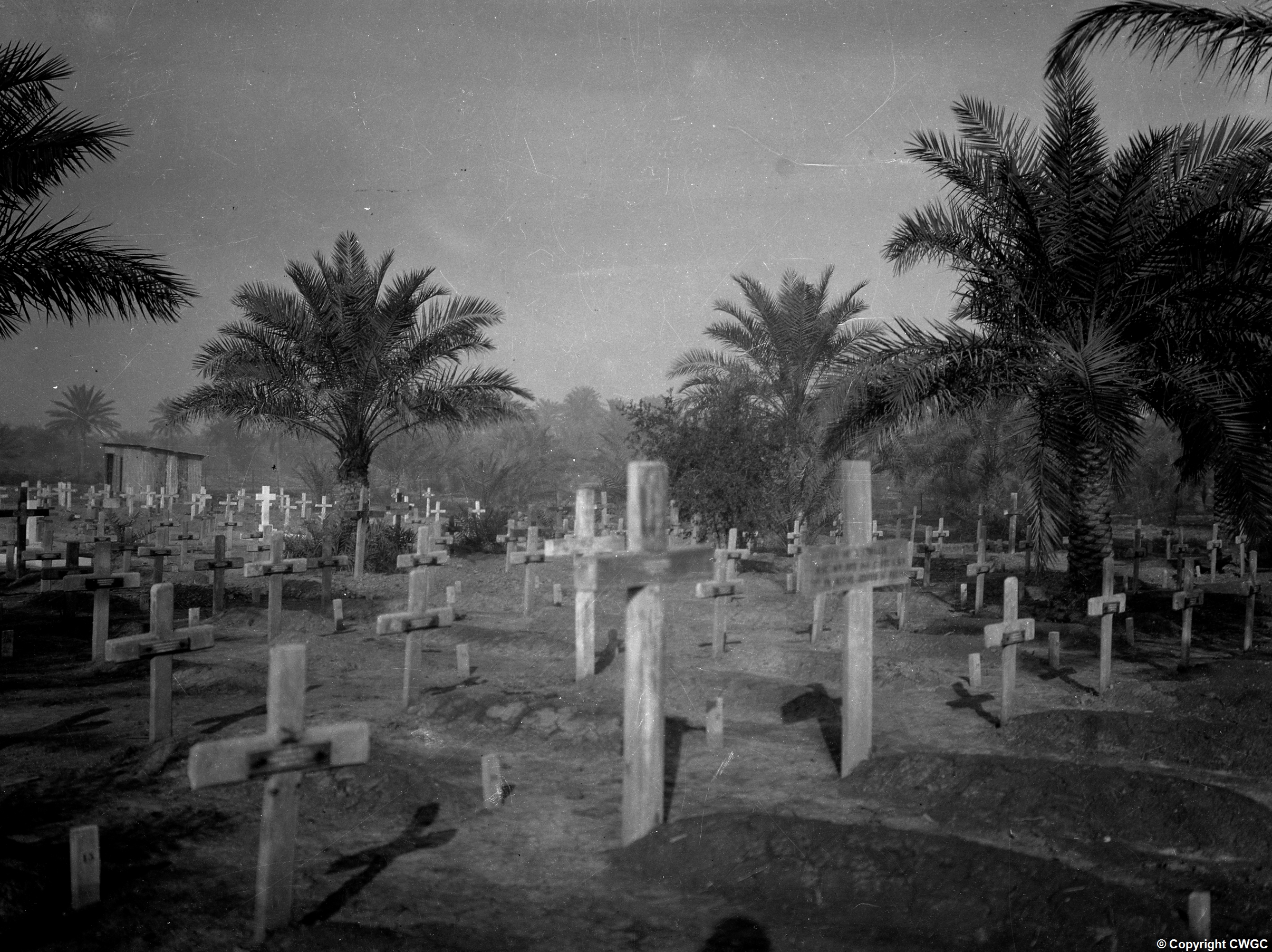
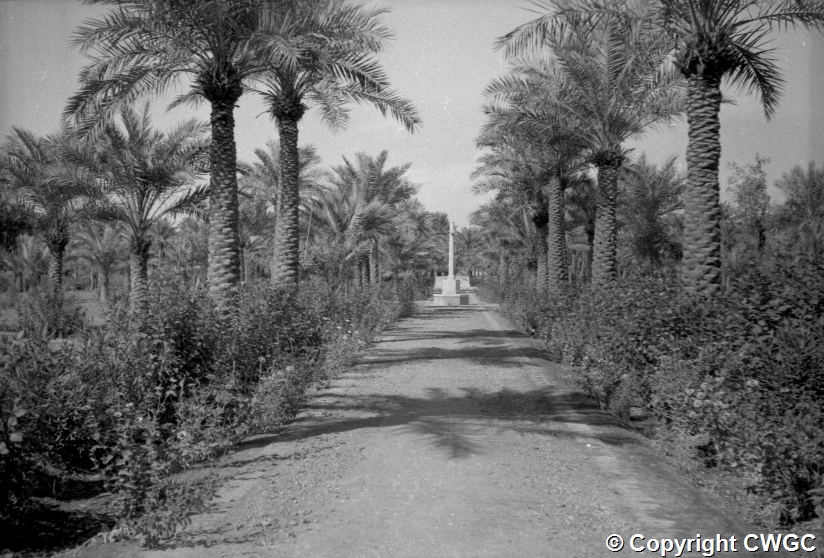
The original lay out of the cemetery shows multiple paths crossing the cemetery running north-south and west-east. The cemetery - as can be seen on the plan below - was thus divided into 31 plots.
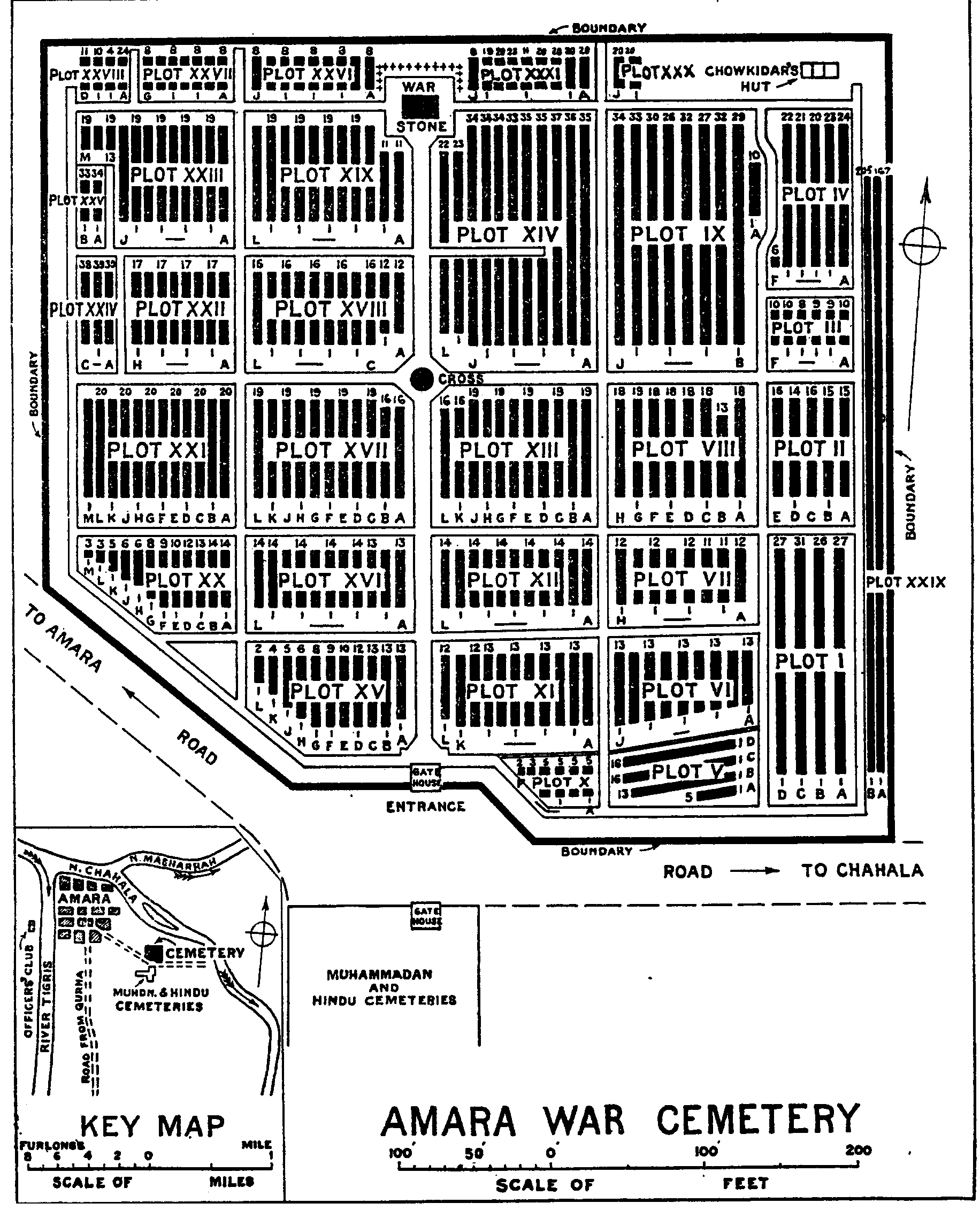
The location of the cemetery can be easily seen - as shown in the image below.
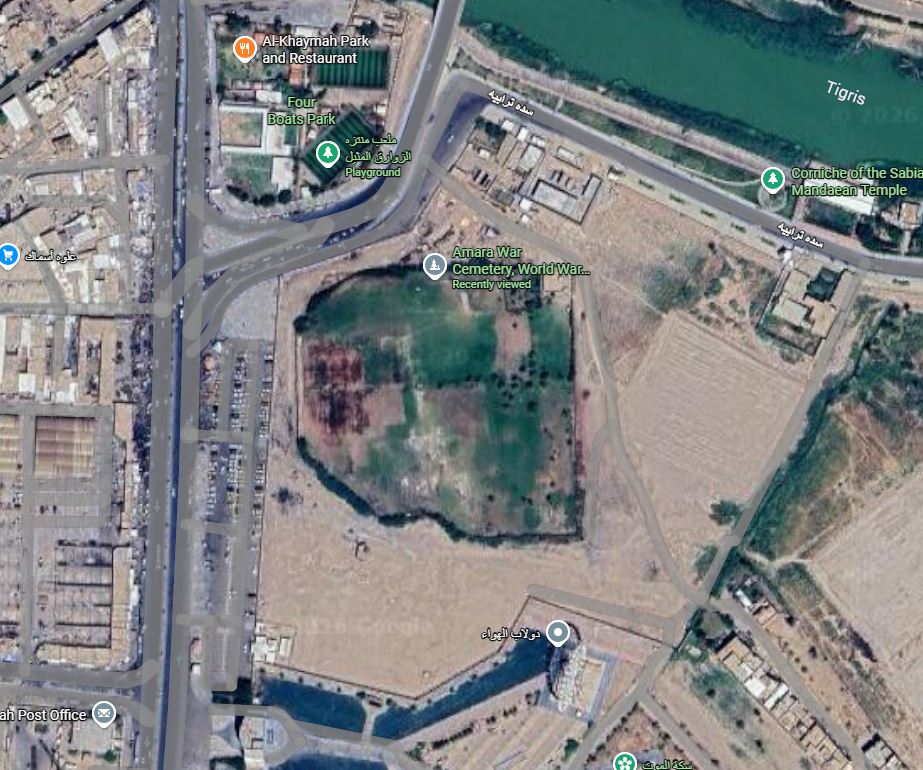
Overlaying the cemetery plan onto the satellite image provides an interesting juxtoposition
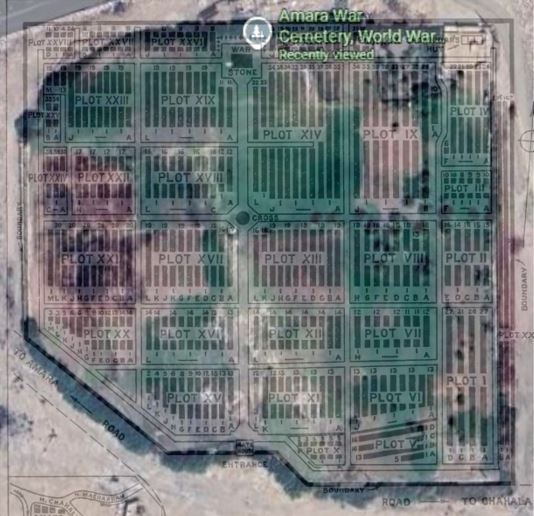
Across the road from this cemetery was (and still is) Amara (Left Bank) Indian War Cemetery.
Amara (Left Bank) Indian War Cemetery was created after the occupation of the town in 1915 and ultimately contained about 5,000 burials. However, no detailed records were made, and the graves of only nine casualties are identified by name.
Inter-war years
At the 1921 Cairo Conference, Britain established a Hashemite monarchy, placing Faisal I on the throne to act as a pro-British leader with nationalist credentials. Iraq therefore transitioned from a defeated Ottoman territory into a British-mandated territory and (in 1932) to a nominally independent kingdom.
During the interwar period (1918–1939), Amara became a focal point for the consolidation of British influence and the development of British-run medical facilities.
However, in 1933, it was realised that the salts in the soil was making the headstones in Amara War Cemetery to deteriorate. The solution was to remove all of the headstones and add the names of the men to a purpose-built screen wall. The graves were probably marked by 'stumps' which were made of wood and bitumen.
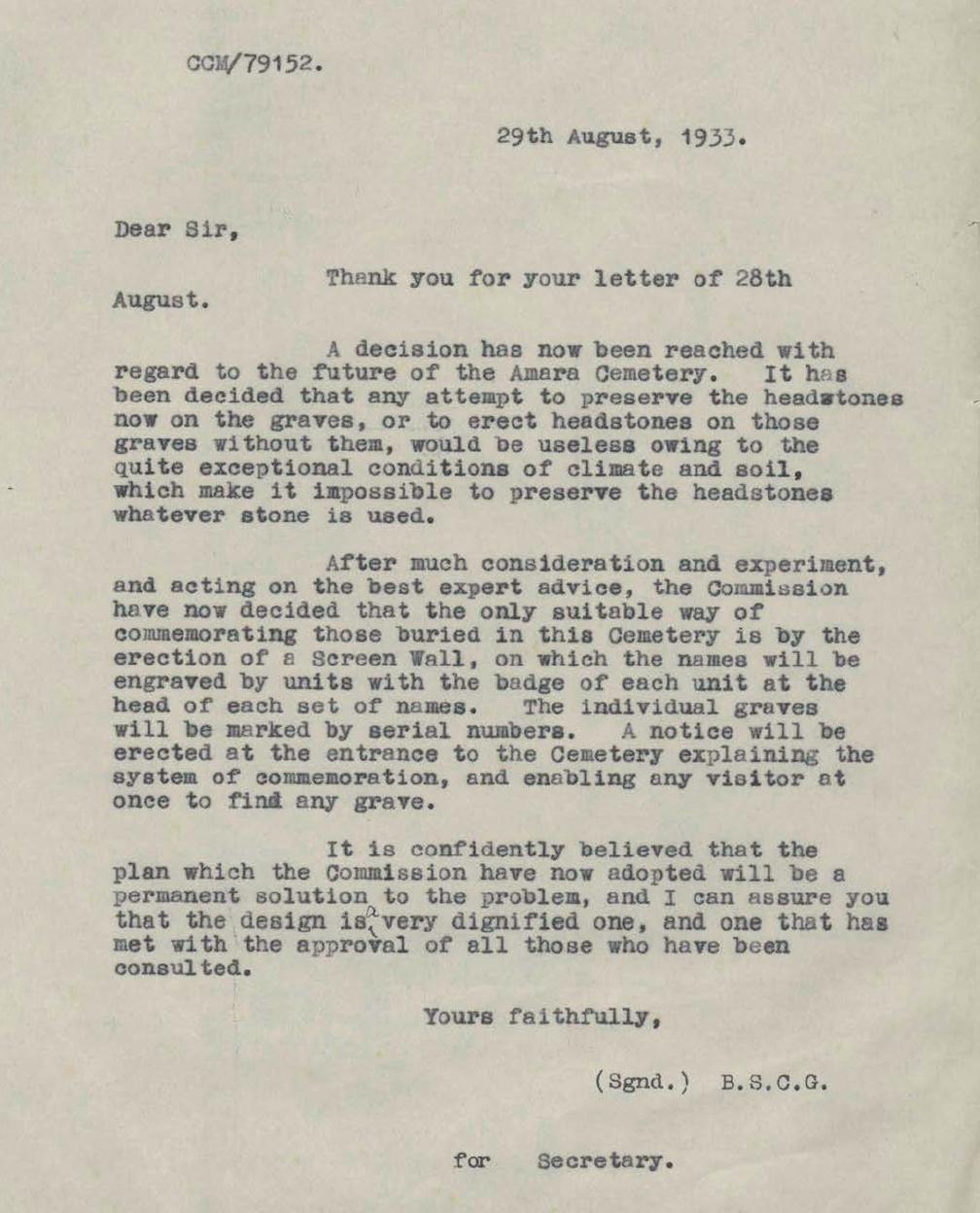
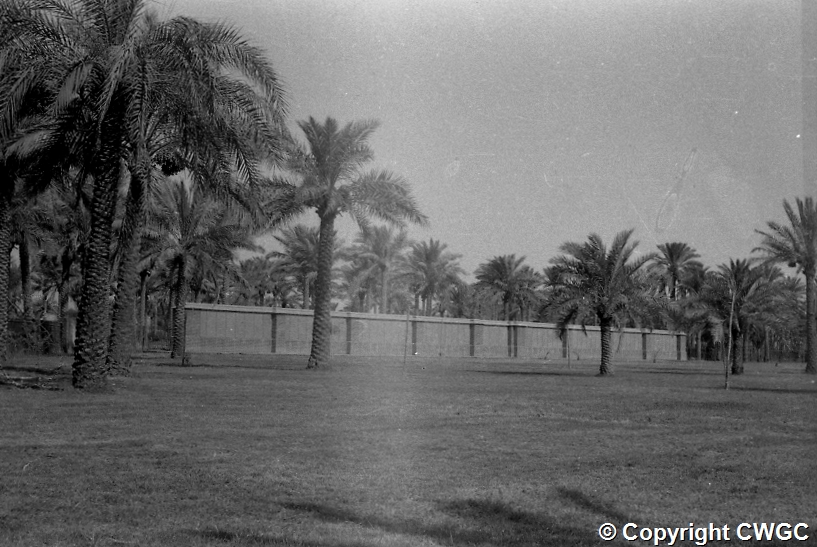
Uniquely, the names on this memorial - unlike any other memorial constructed by the Imperial War Graves Commission cemetery - also list the reference number of the plot, row and grave where the men were originally buried.
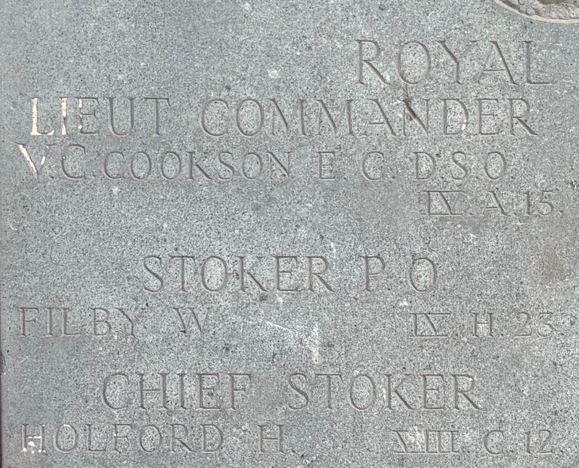
As can be seen in this image, Commander EC Cookson, VC (of HMS Clio) was originally buried in plot 4, row A, grave 15.
View the panels
Because the panels have recently (2025) been photographed by Ben Soppitt, it is now possible to view these names. This can be done via the button below.
The photographs here also show the original panel lists as well as a memorial plaque to L/Cpl Jim McCue who was killed in Iraq in 2003. We are very grateful to Ben for facilitating this piece and sharing the photographs with us.
Amara War Cemetery today
Although not to the inter-war standard of horticulture, the cemetery is looked after by a local family. This is briefly detailed in an article "A Tour of Mesopotamian War Cemeteries in 2025"
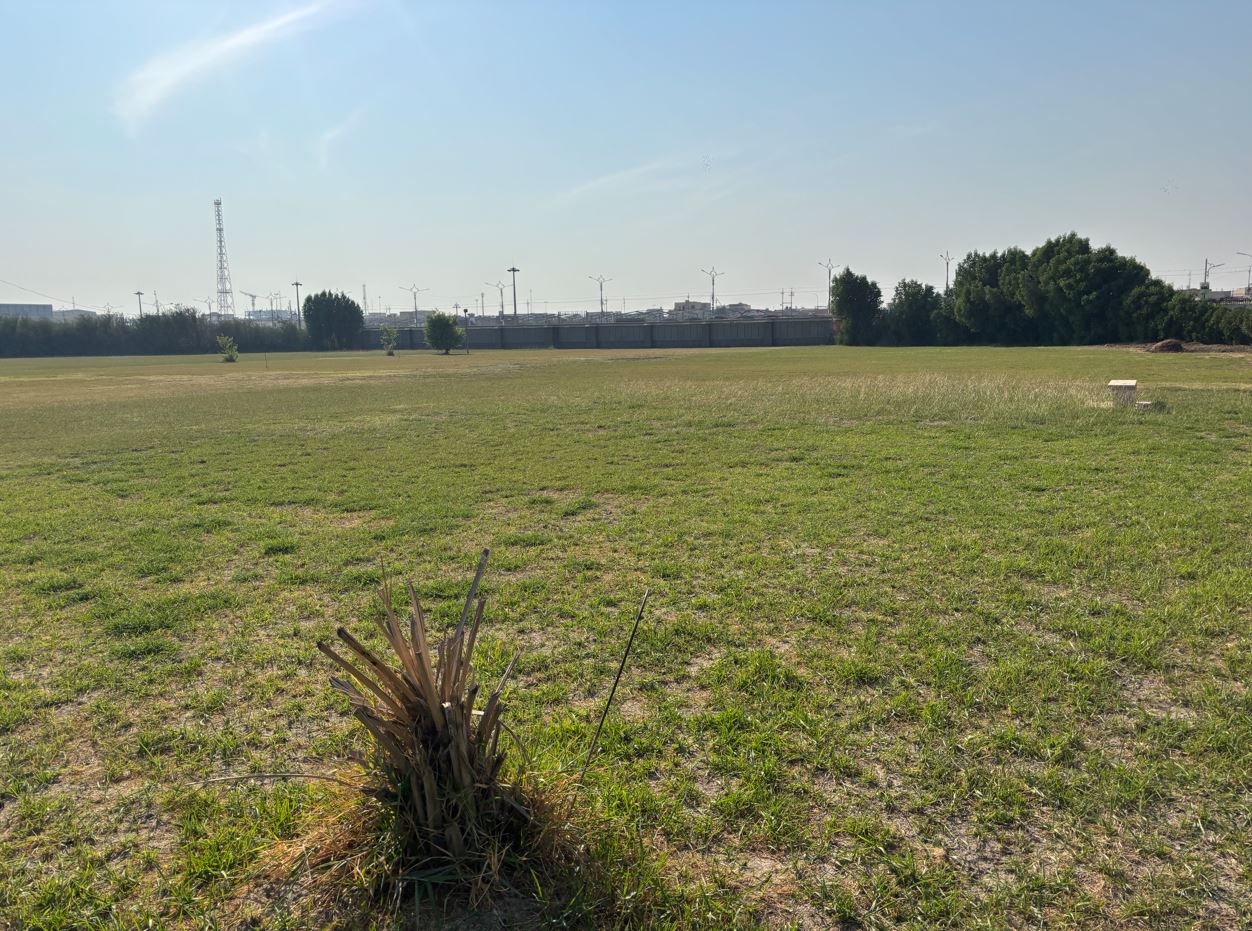
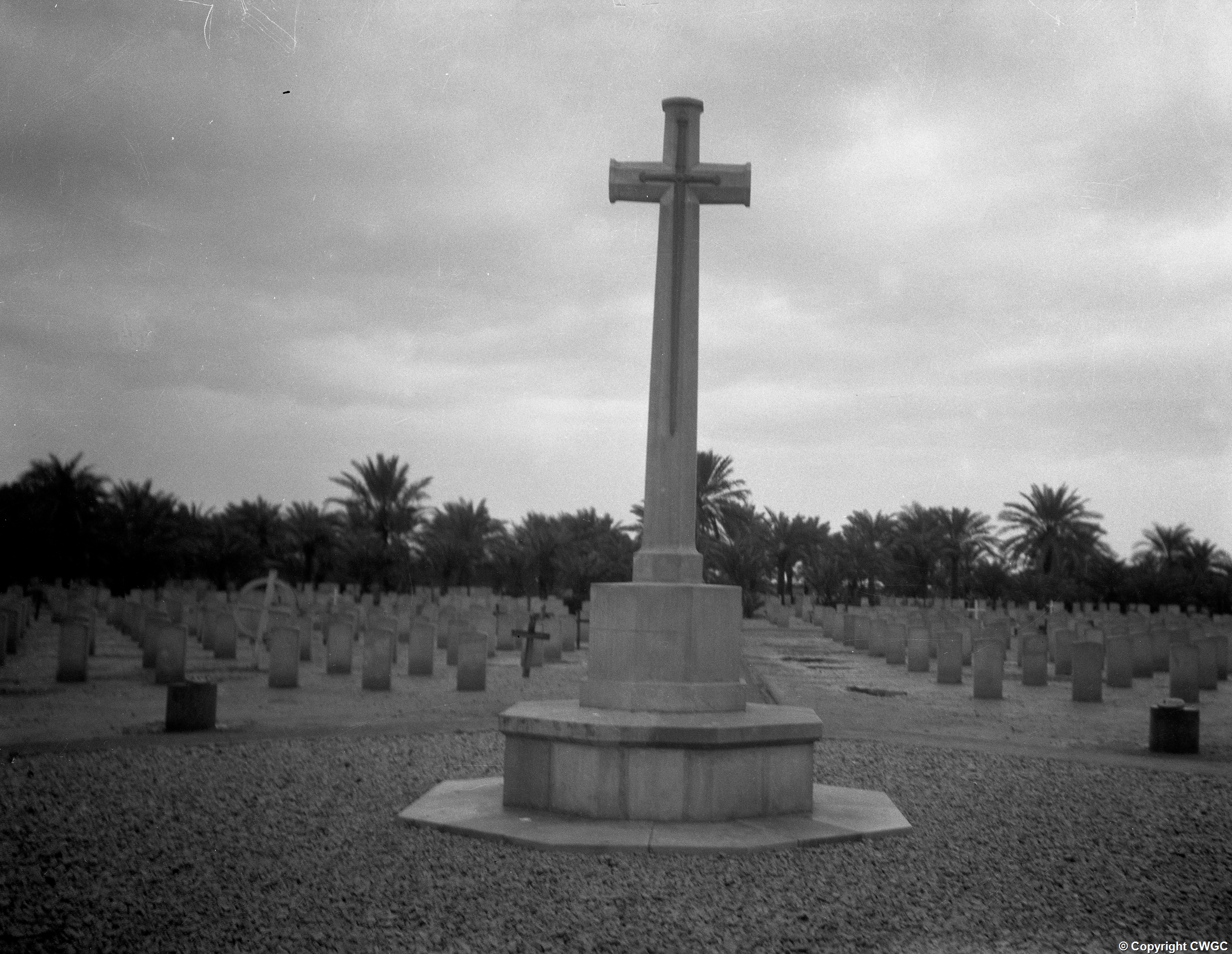
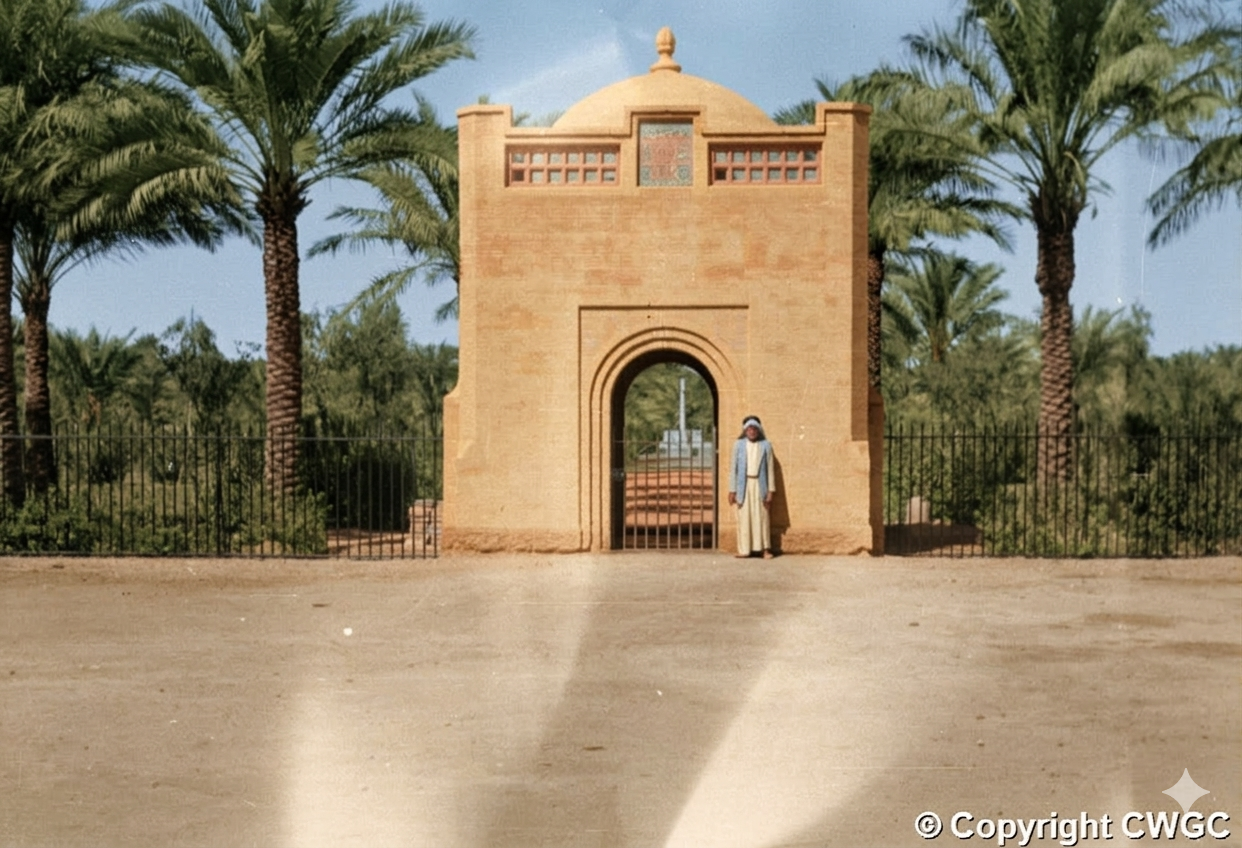
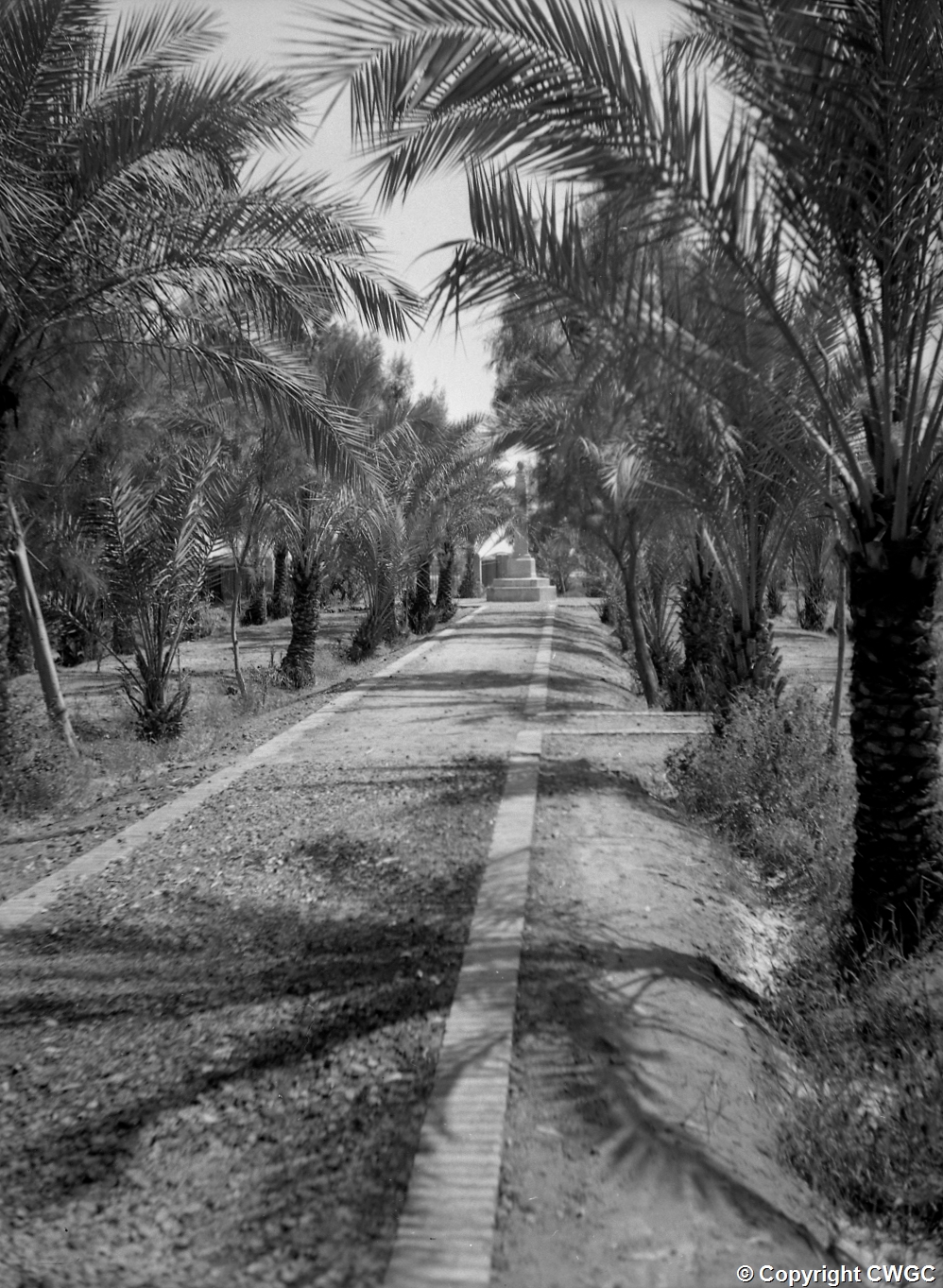
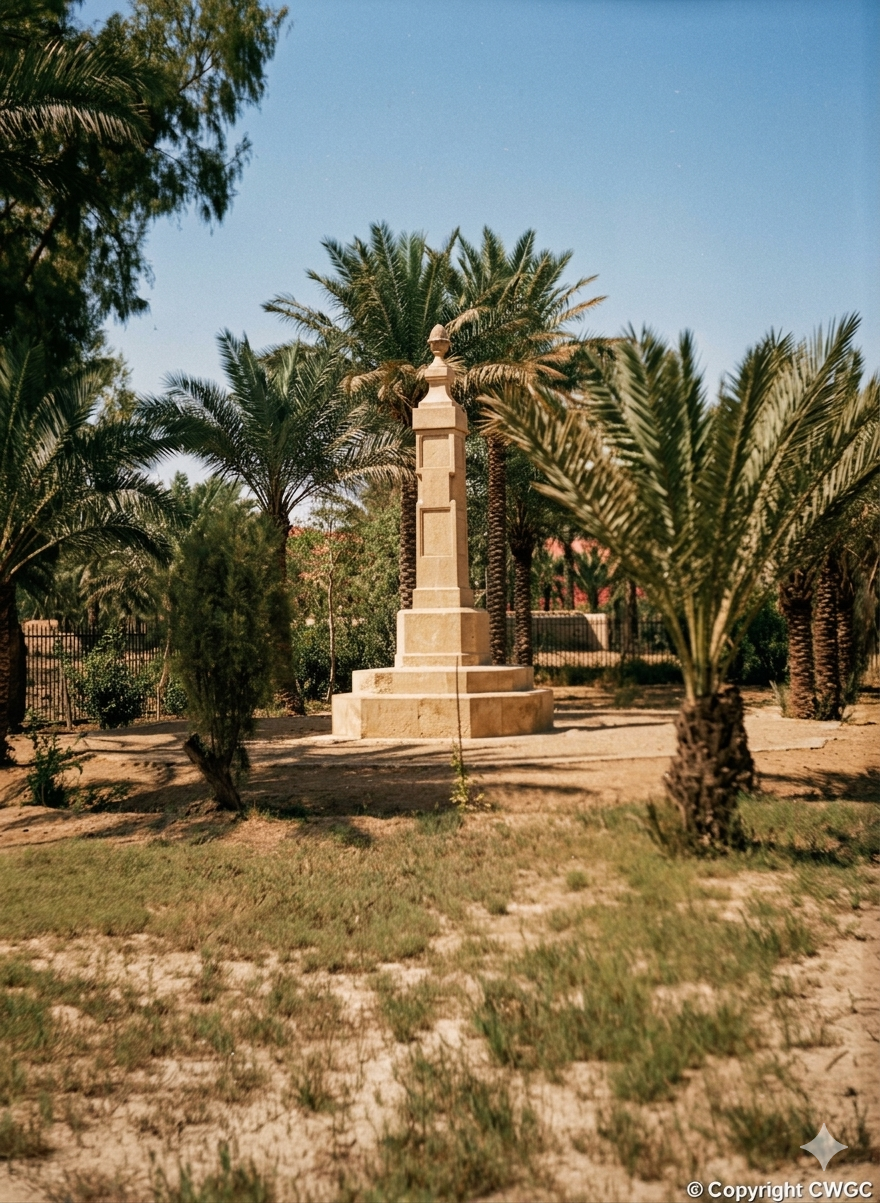
What it looked like in the 1930's is shown below via images that have been colourised.
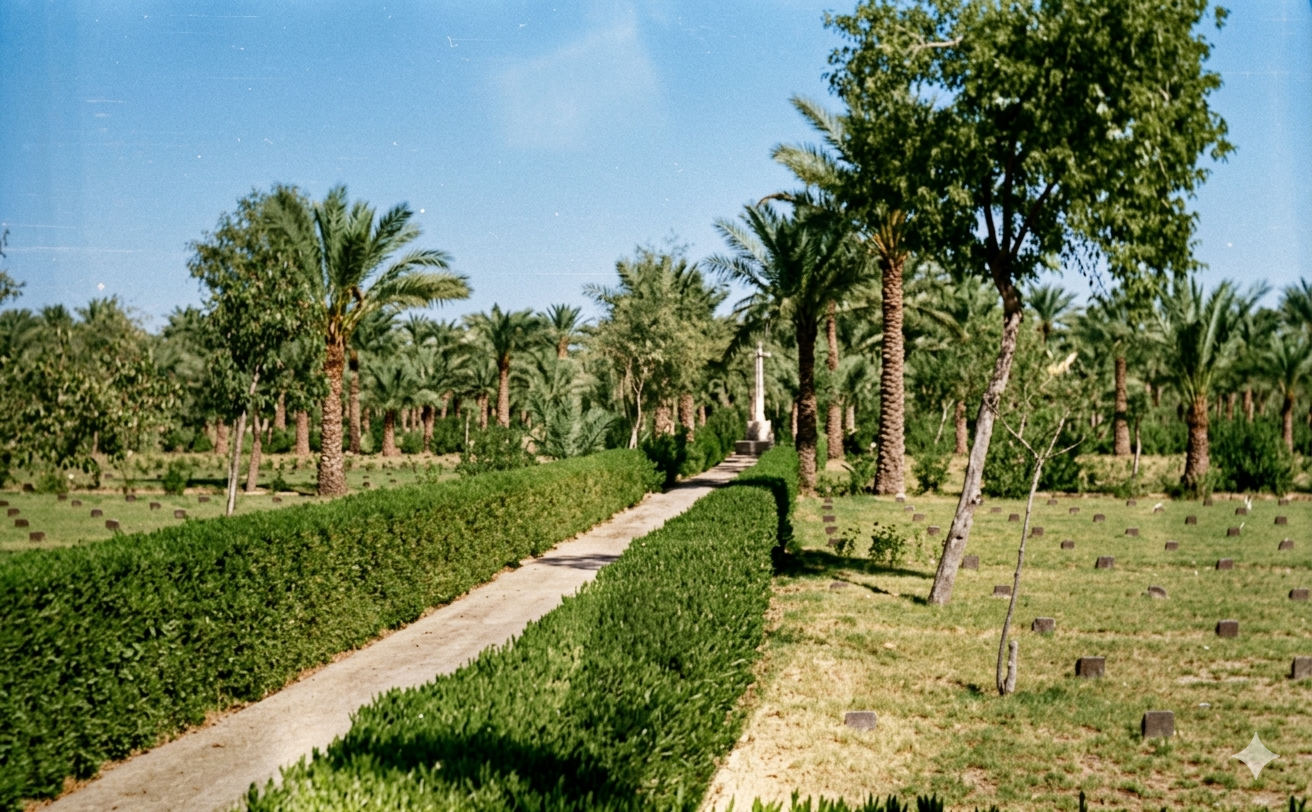
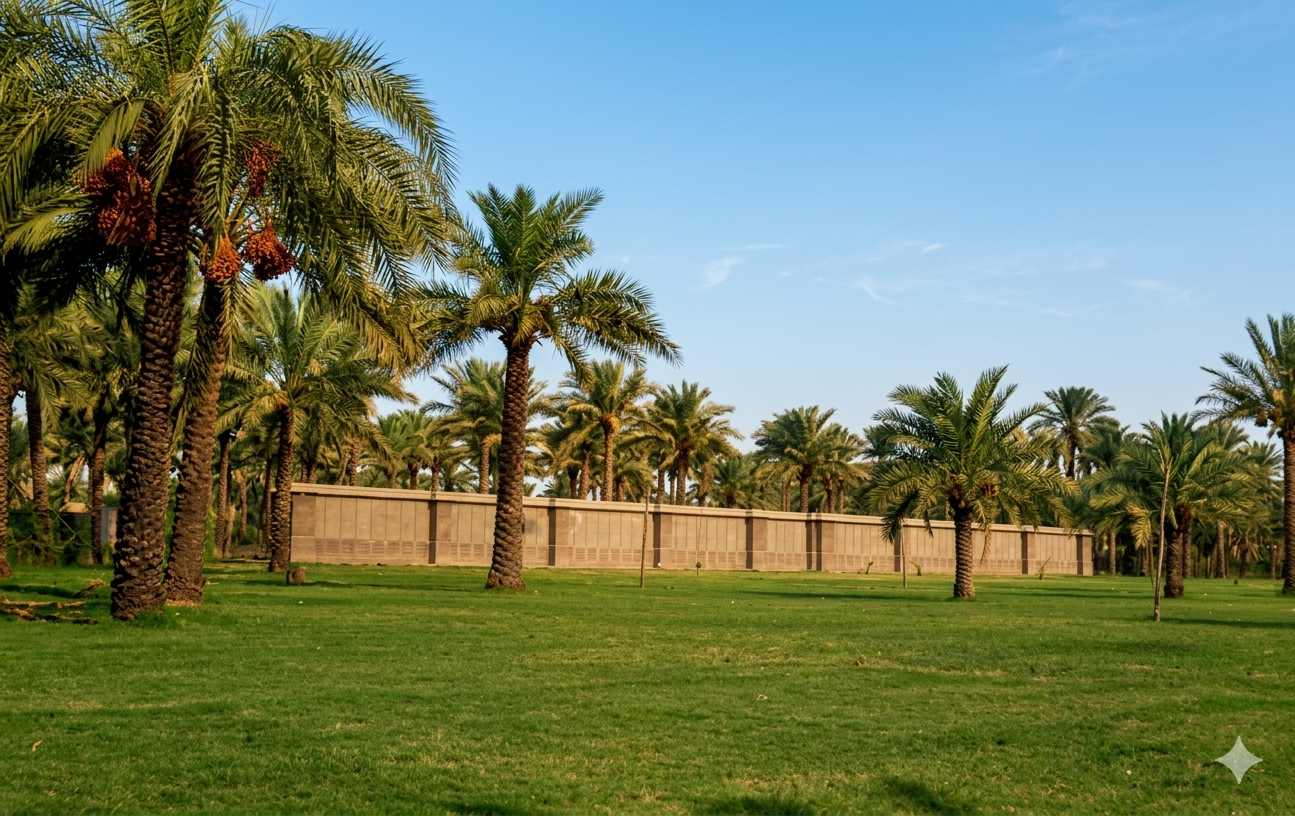
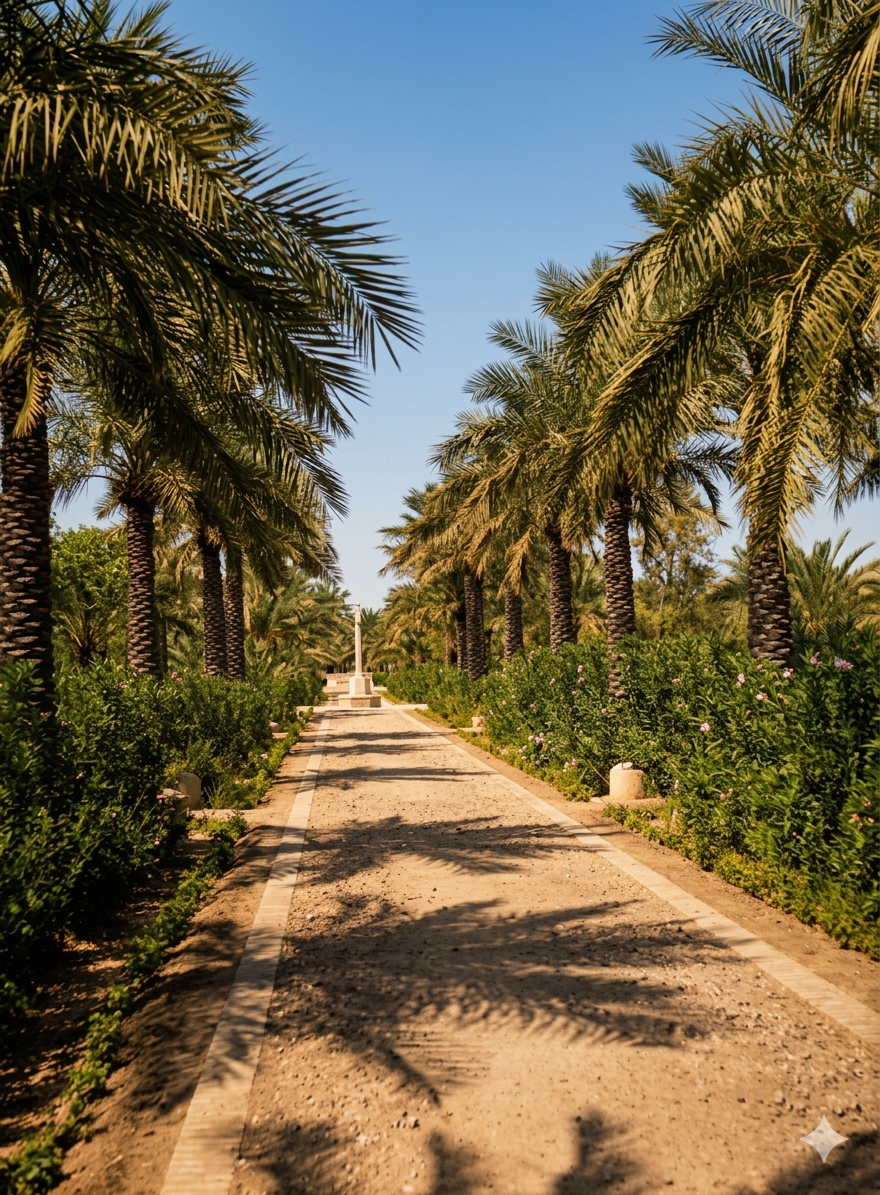
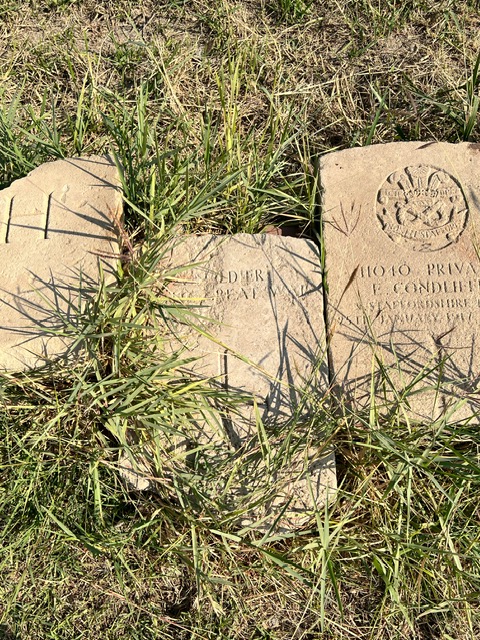
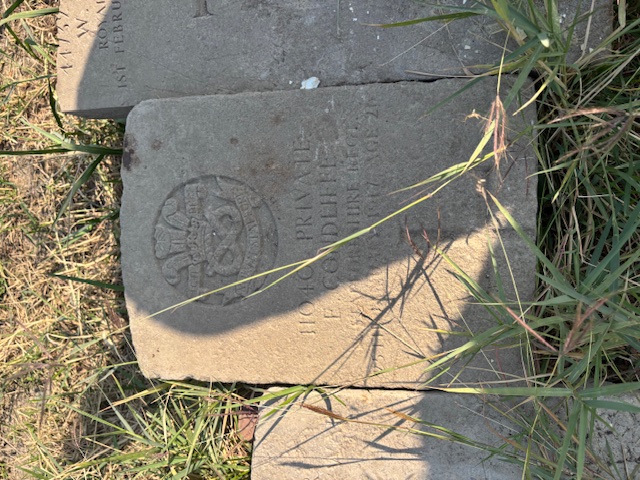
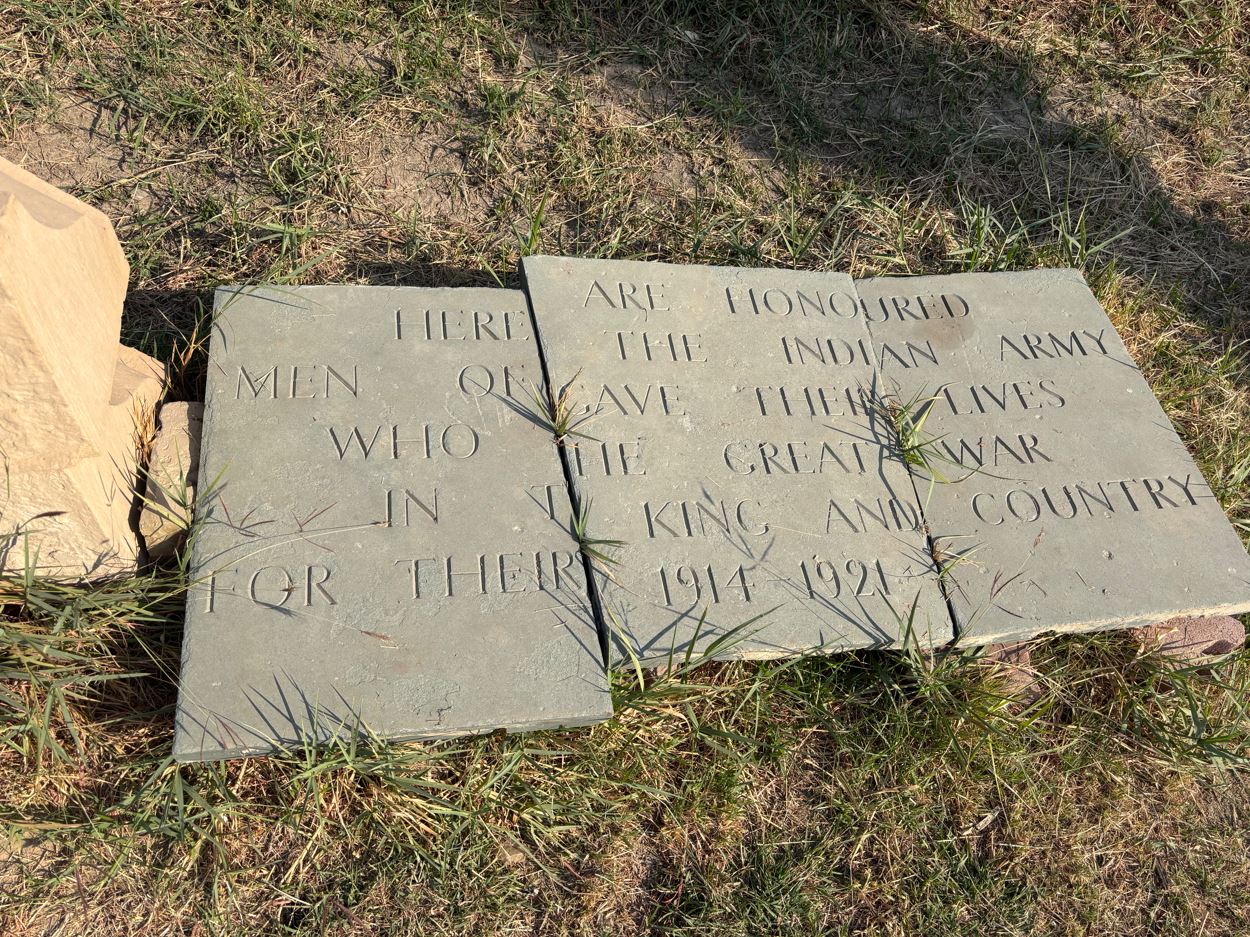
There are still a few fragments of the original headstones kept by Mr Hasan
For the moment, the cemetery is in good hands, as the same family has maintained the site since the 1960s, with Mr Hasan Ahtif Mousa and his son, Mustafa, still there despite being unpaid for many years and at personal risk.
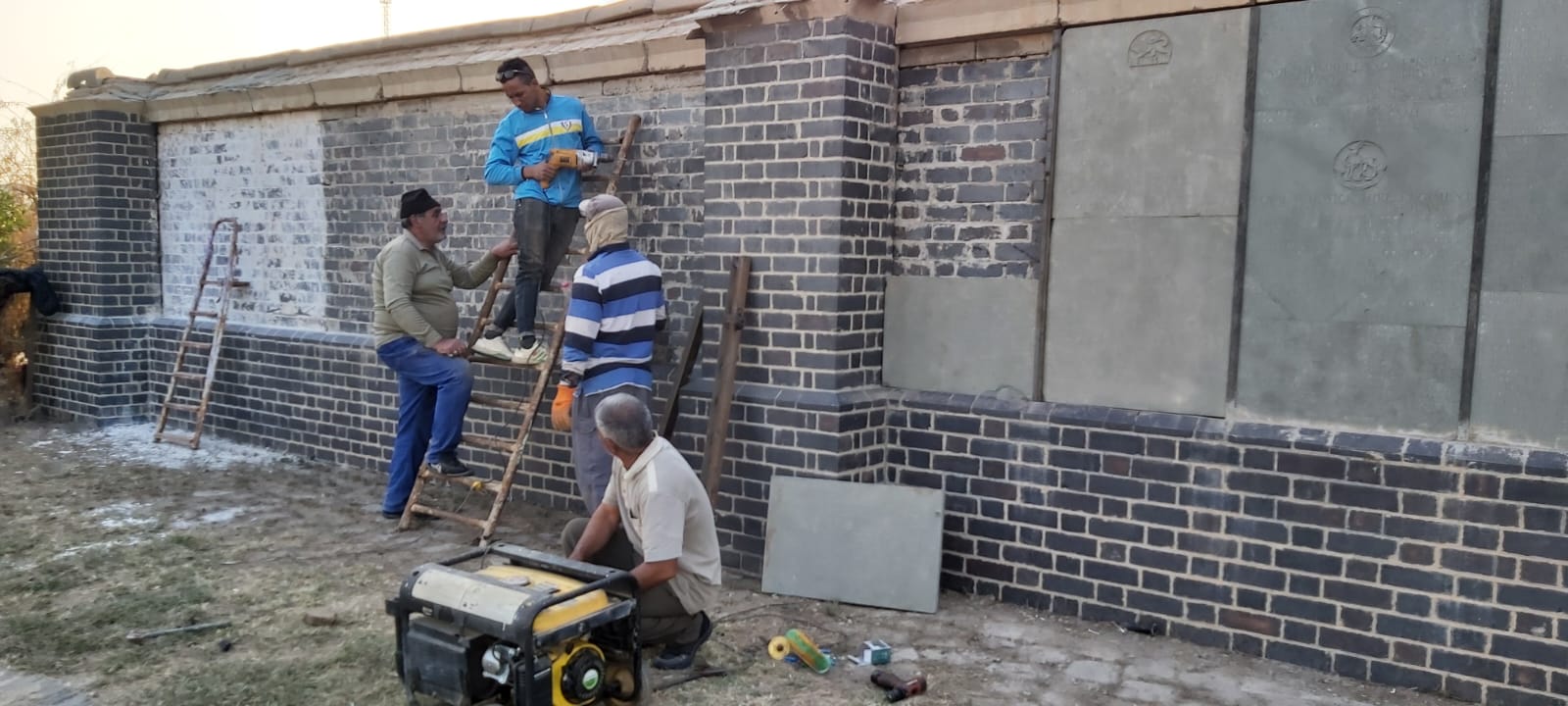
With little by way of support or resources expected of such a large site, Mr Hasan led the renovation of the memorial wall in 2022 and all the panels are intact and well displayed.
Amara (Left Bank) Indian War Cemetery
As mentioned above, adjacent to Amara War Cemetery is Amara (Left Bank) Indian War Cemetery.
Indian Army casualties were treated very differently from their European compatriots with the men buried in mass graves and without adequate record keeping so that the names of those buried at Amara are unknown.
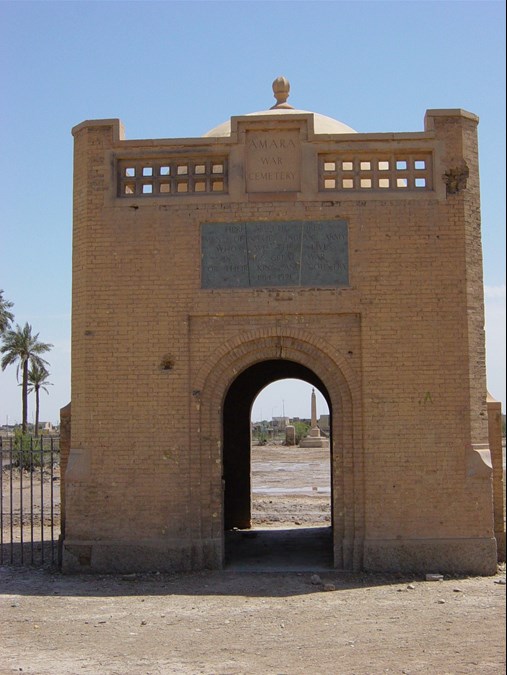
It is widely described in specialist and historical sources as the largest site of burials of Indian Army personnel anywhere.[1] The Indian cemetery has no signage, no perimeter fence and about 30% of it has been built over by an adjacent Amusement Park.
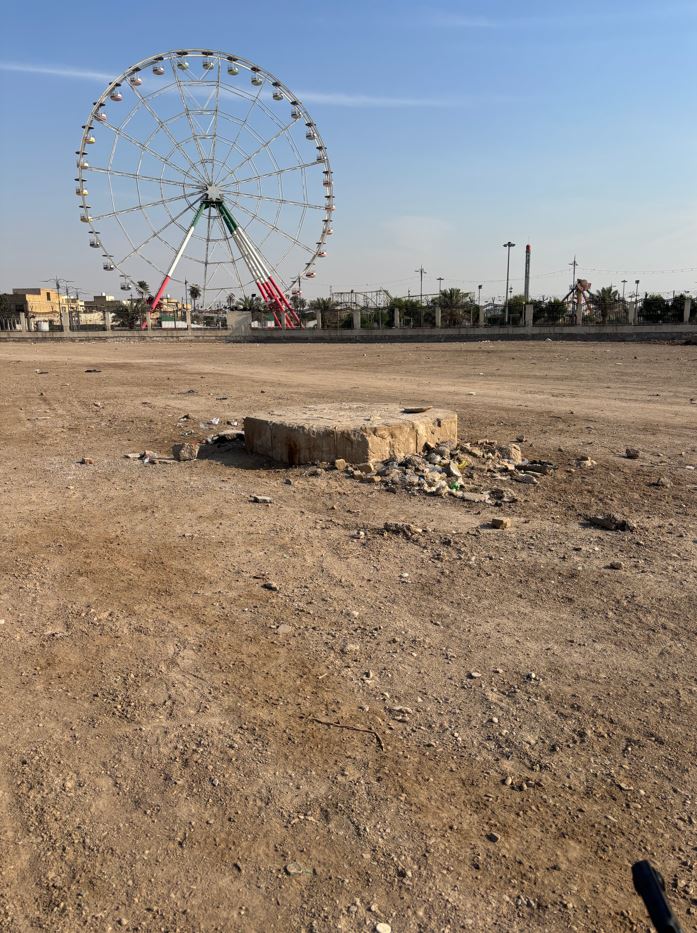
The gatehouse and two memorials survived up to 2004 when they were destroyed by militants following the invasion of Iraq by Allied forces in the second Gulf War.
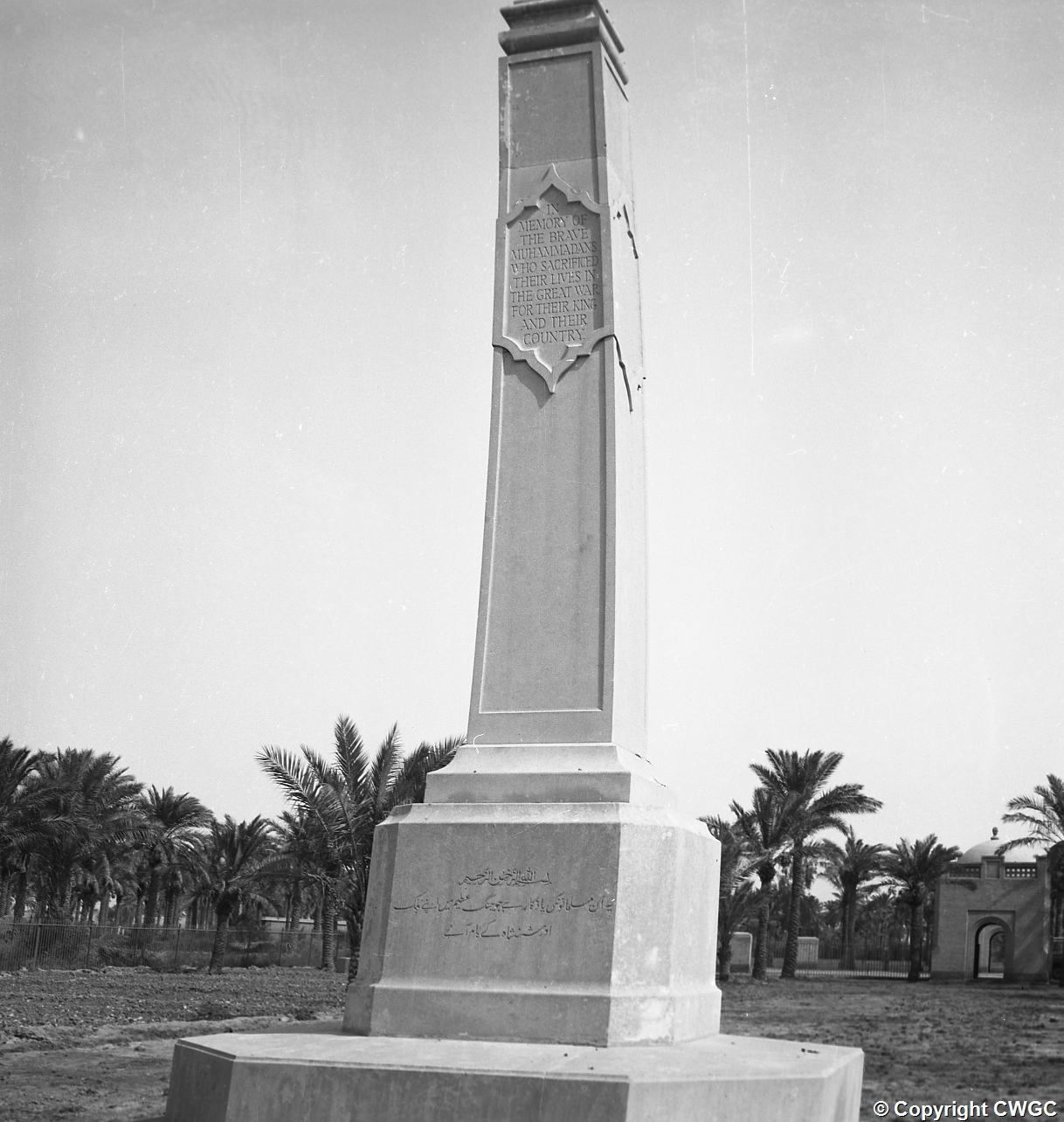
The text near the top of this memorial reads "In Memory of the brave Muhammadans who sacrificed their lives in the Great War for their King and Country"
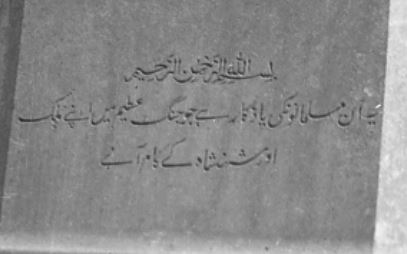
This translates as
Line 1: "In the name of Allah, the Most Gracious, the Most Merciful"
Line 2 "This is the memorial of those Muslims who, in the Great War, for their country"
Line 3: "served the Emperor."
Full list of names
The full list of names of those who appear on the Amara War Memorial screen wall can be found on the CWGC's website.
Becoming a member of The Western Front Association (WFA) offers a wealth of resources and opportunities for those passionate about the history of the First World War. Here's just three of the benefits we offer:

With around 50 branches, there may be one near you. The branch meetings are open to all.

Utilise this tool to overlay historical trench maps with modern maps, enhancing battlefield research and exploration.

Receive four issues annually of this prestigious journal, featuring deeply researched articles, book reviews and historical analysis.
Other Articles


