
MI5 and the struggle against German espionage
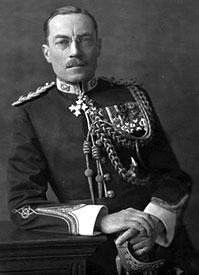
Photo shows Major-General Sir Vernon Kell.
The First World War marked a crucial turning point in the development of Britain’s intelligence and security apparatus. Faced with the prospect of espionage, sabotage, and subversion, the British government relied increasingly upon the work of the Security Service, later known as MI5, to identify and counter German intelligence activities operating within the United Kingdom.
This talk examines the origins and evolution of MI5 during the Great War, exploring how a small and relatively obscure organisation became an essential component of Britain’s wartime defence. Drawing upon contemporary evidence and subsequent historical research, it considers the nature and extent of German espionage in Britain, the methods employed by both spies and counter-intelligence officers, and the effectiveness of the measures taken to safeguard national security.
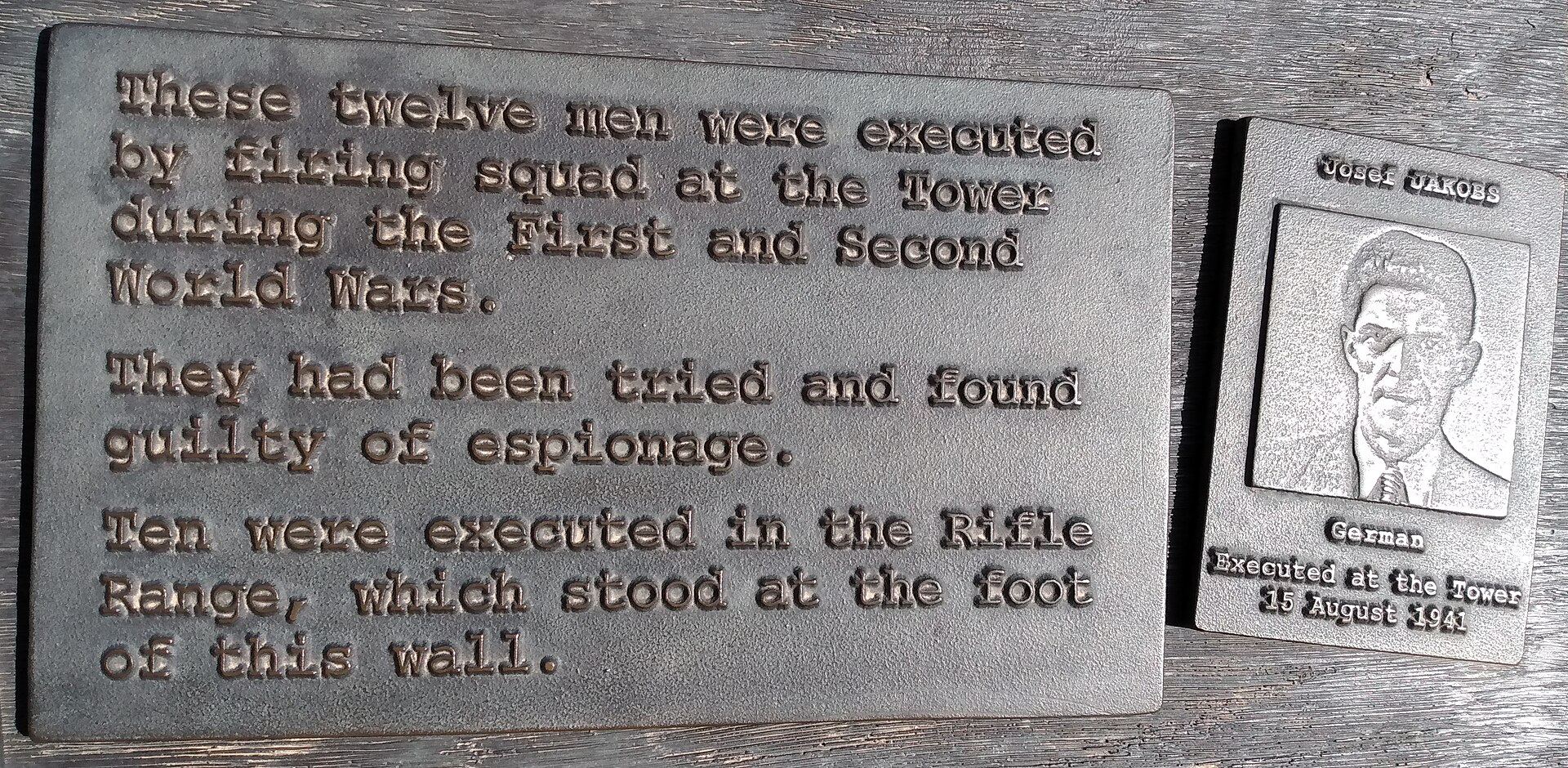
Particular attention will be given to the intelligence challenges faced by Britain in 1914, the so-called “spy fever” that gripped the nation, and the distinction between popular fears and the realities of German intelligence operations. The lecture will also examine notable espionage cases, the development of surveillance and censorship, and the wider contribution of intelligence to the British war effort.
By placing MI5’s activities within the broader context of the First World War, the talk offers an assessment of how the conflict shaped the future of British security and intelligence policy. It will appeal to those with an interest in military history, intelligence studies, and the often overlooked struggle fought beyond the battlefield in defence of the nation.
Phil Tomaselli is a widely published author, including Tracing Your Secret Service Ancestors.
Members and non-members of The Western Front Association are equally welcome. Any new members are guaranteed a friendly atmosphere and a warm welcome from a group of like-minded enthusiasts.
(Branch Chairman)
(Deputy Chairman/Events Organiser)


