
For Gallantry- and Skill? The Awarding of Medals to Combatants of the British Aerial Services During the First World War
The presentation will be live and online.
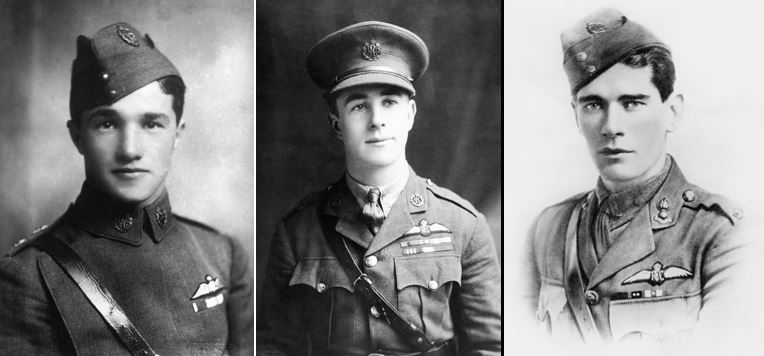
Some of the most accomplished aces of the British aerial services of the First World War, like Albert Ball, James McCudden, and ‘Mick’ Mannock, were awarded Victoria Crosses. Many others were given other awards, like the Military Cross, the Distinguished Service Order and the Distinguished Flying Cross. But the official reasons given for many of these awards are unusual. Instead of being awarded for specific incidents, they were awarded for the ‘skill’ shown over a long period of time. Their award was often connected to the official ‘score’ of the pilot, which was a privilege almost uniquely reserved for the airman.
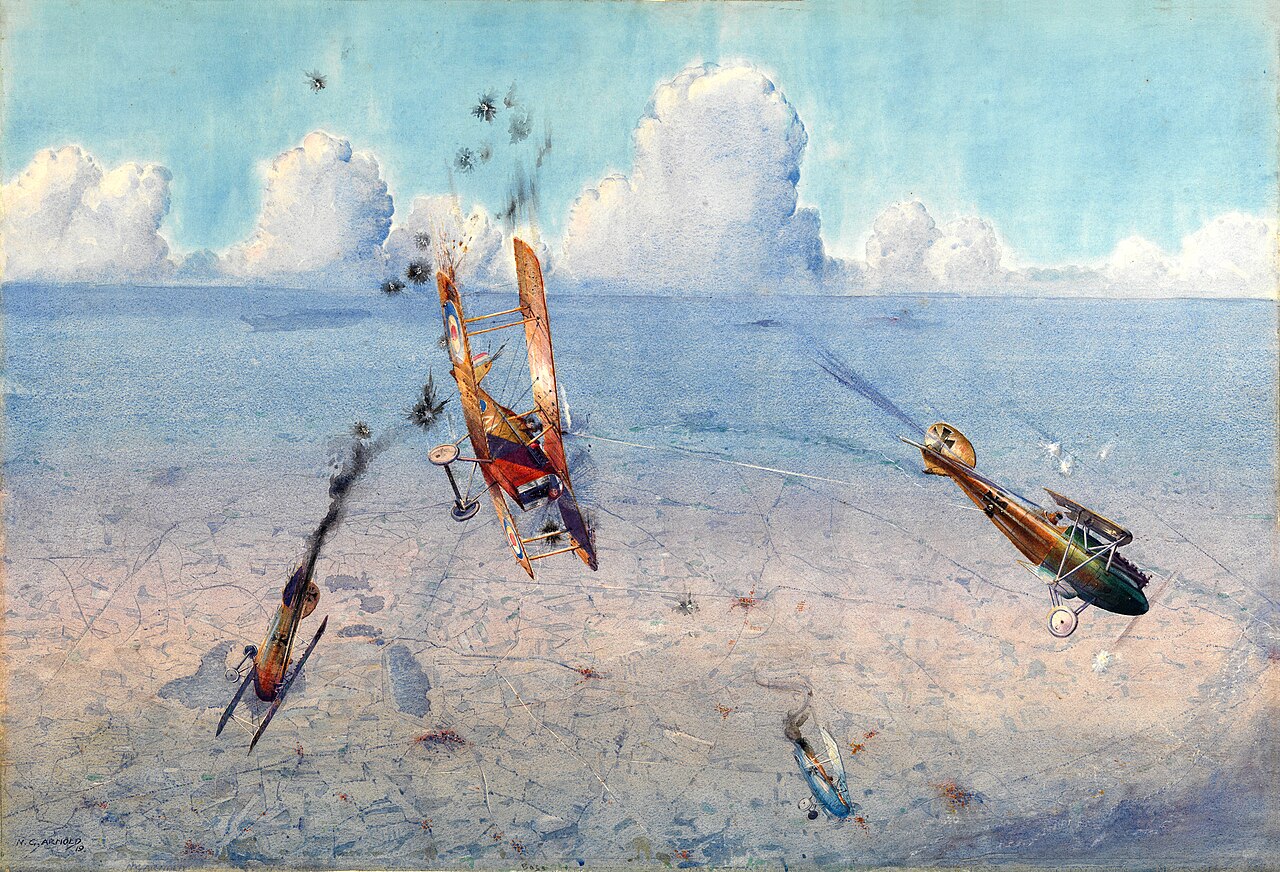
This is one of many oddities in the relationship between First World War airmen and the medals they received. In this lecture, Michael Terry examines the circumstances by which airmen, both famous and less well-known, received their medals, and what we can learn from the language used in their citations. As well as famous medals of the aces, he will examine the stories of airmen who got Victoria Crosses but remained largely unknown, the way in which receiving medals became almost an entitlement for airmen in some squadrons, and even one ace who was infuriated at not getting a Victoria Cross that he thought was his due, simply for being good at his job.
Through these examples, the lecture intends to show what this relationship between First World War airmen and their medals tells us about the glamour and mythology that surrounded the aerial services, and also to ponder what an award like the Victoria Cross is given for.
Michael Terry is a Visiting Fellow at the Open University and the academic advisor and book reviewer for the Great War Aviation Society. His work examines how First World War airmen have written and been written about in culture, considering sources as diverse as books, combat reports and computer games. His research is rooted in literary study but is considerably cross-disciplinary with military history. He was the winner of the RAF Museum Doctoral Bursary in 2023, and was awarded the RAF Historical Society’s Henry Probert Bursary in 2024. In 2026, he completed his PhD thesis on ‘The Representation of Aerial Combat in First World War Literature’. He regularly writes articles and delivers lectures about his research.
Members wishing to participate will need to register, details of how to register will be circulated via The Western Front Association's newsletter 'Trench Lines'. If you are not a subscriber to Trench Lines please subscribe now via the box at the bottom of this page.
It is also possible to register by clicking this link: For Gallantry- and Skill?
The talk will be undertaken using the 'Zoom' software which is freely available. It may not be necessary to load the software to your PC / iPad etc: but we would recommend doing so if you wish to participate in this event.


