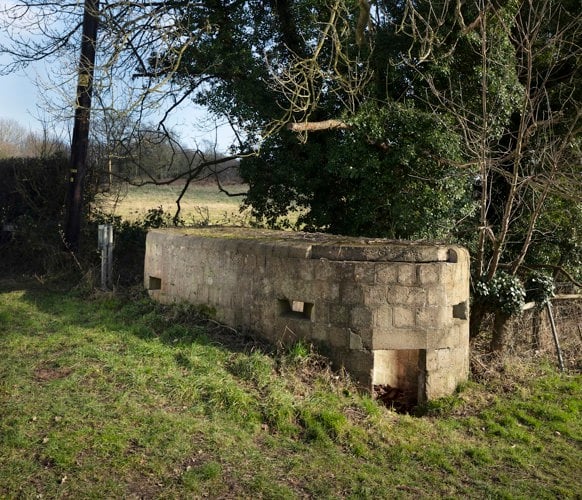
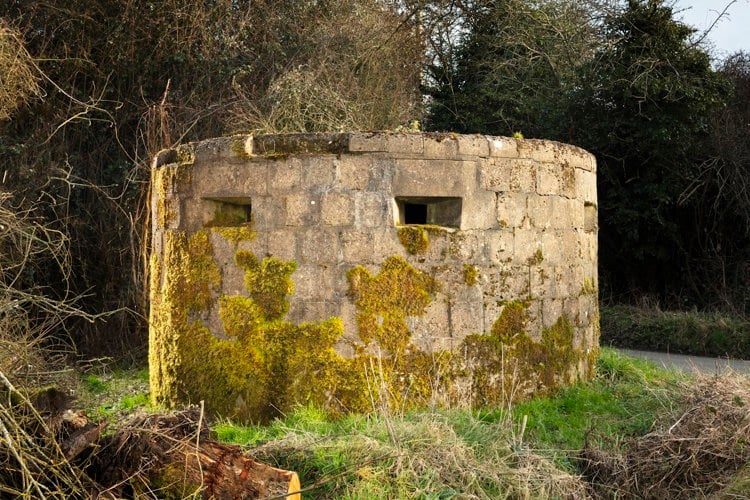
WWI pillboxes in Norfolk granted Grade II listed status
Eight World War One pillboxes in Norfolk, built as part of Britain's coastal defence against a potential German invasion, have been granted Grade II listed status, according to a report from BBC News.
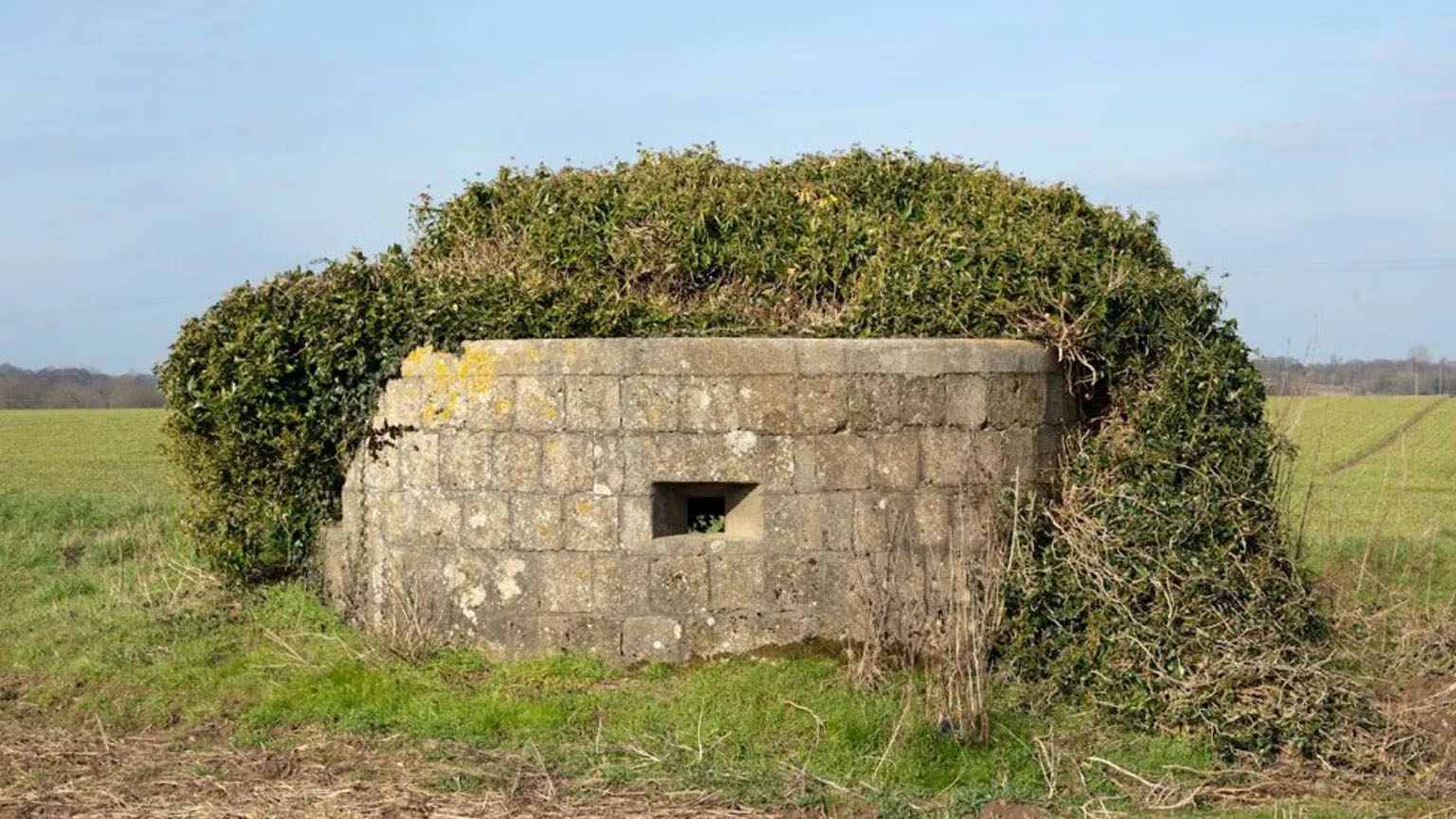
The concrete defensive structures were constructed between 1916 and 1918. Their new listed status provides them with legal protection as buildings of special architectural or historic interest. Historic England's East of England regional director, Tony Calladine, described them as "a reminder of a time when determined communities prepared to defend Britain during the Great War."
Among the newly listed structures is a rare semi-circular pillbox located at Bacton Wood, which was designed to guard a canal bridge. According to Historic England, many of these pillboxes are remarkably well-preserved, retaining their original steel doors, gun loop shutters, and white-painted interiors.
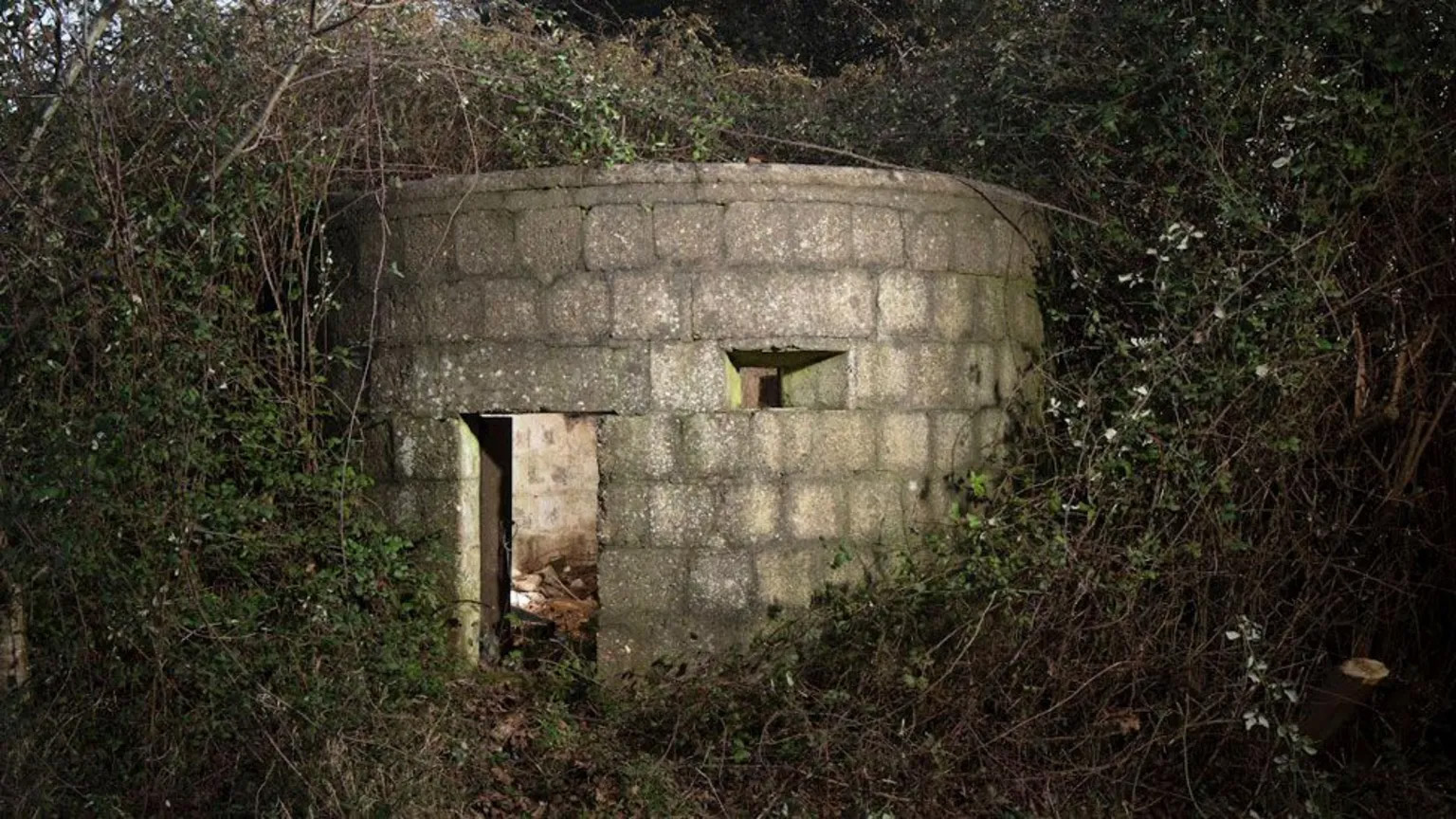
The pillboxes were strategically placed slightly inland along the River Ant and the North Walsham & Dilham Canal. This positioning was intended to create a defensive barrier to slow invading troops who might land on the coast. Most of the newly listed pillboxes are in the North Walsham area, including:
- Two at Bradfield Common, defending the Common Road and Bradfield Beck crossing.
- The rare semi-circular pillbox at Bacton Wood.
- Two circular pillboxes at White Horse Common, covering the Edbridge Mill crossing.
- Two defending the canal bridge at Bacton Road, Little London.
- A circular pillbox at Wayford Bridge, near Stalham.
Pillboxes, first used by the German army on the Western Front, were typically camouflaged and featured small openings, or loopholes, for firing weapons. As the threat of invasion grew, they became a feature along Britain's east coast.
Mr. Calladine stated that the listing "recognises their historic significance and exceptional durability." Historic England is encouraging the public to contribute photographs, drawings, and stories about the pillboxes to its Missing Pieces Project.