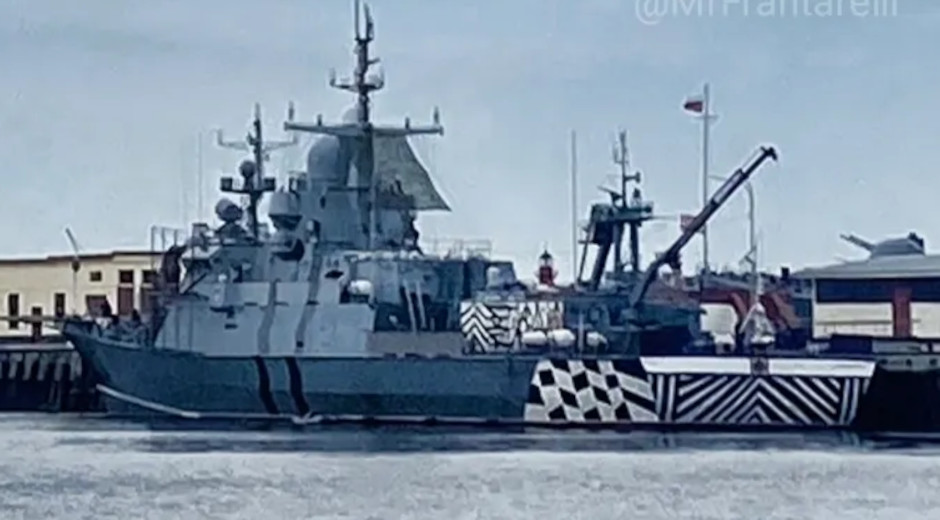
Dazzle Camouflage makes a comeback
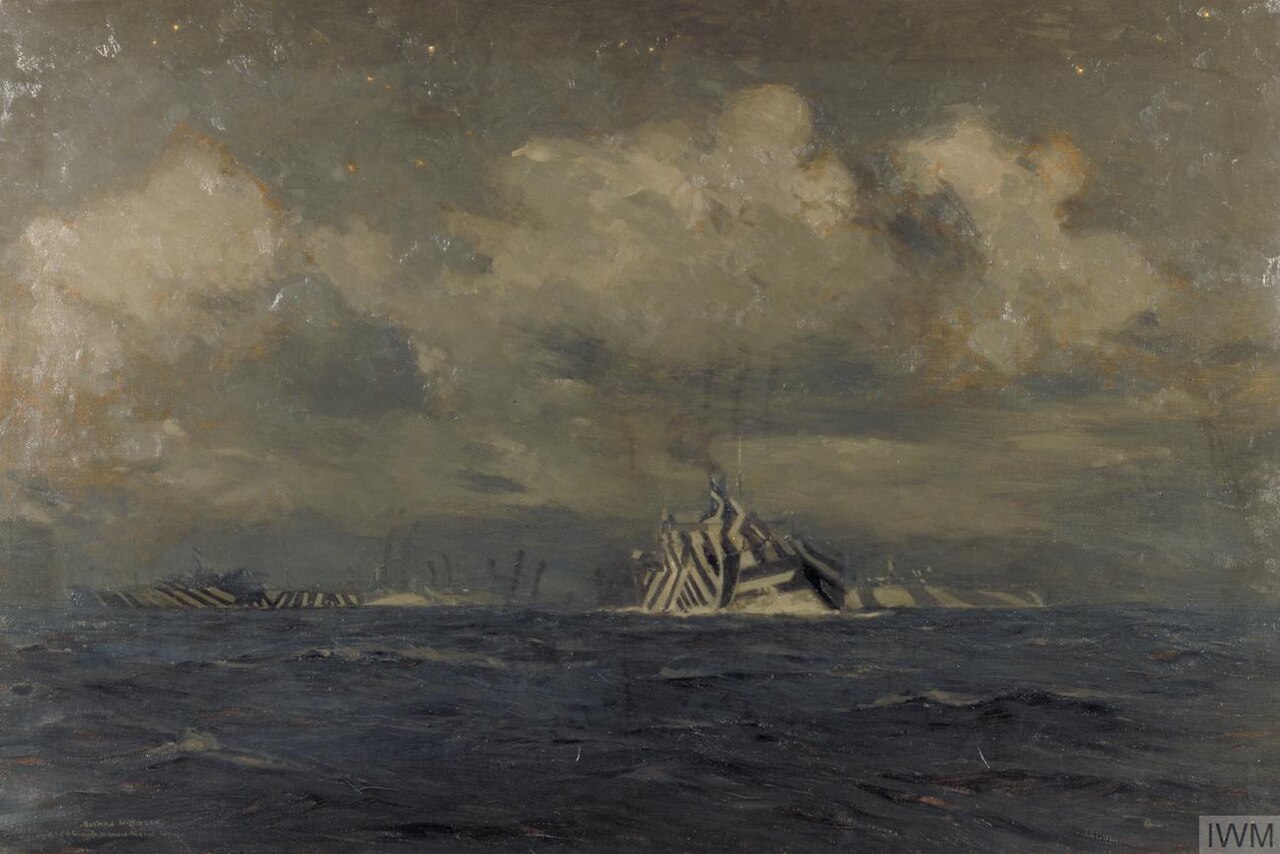
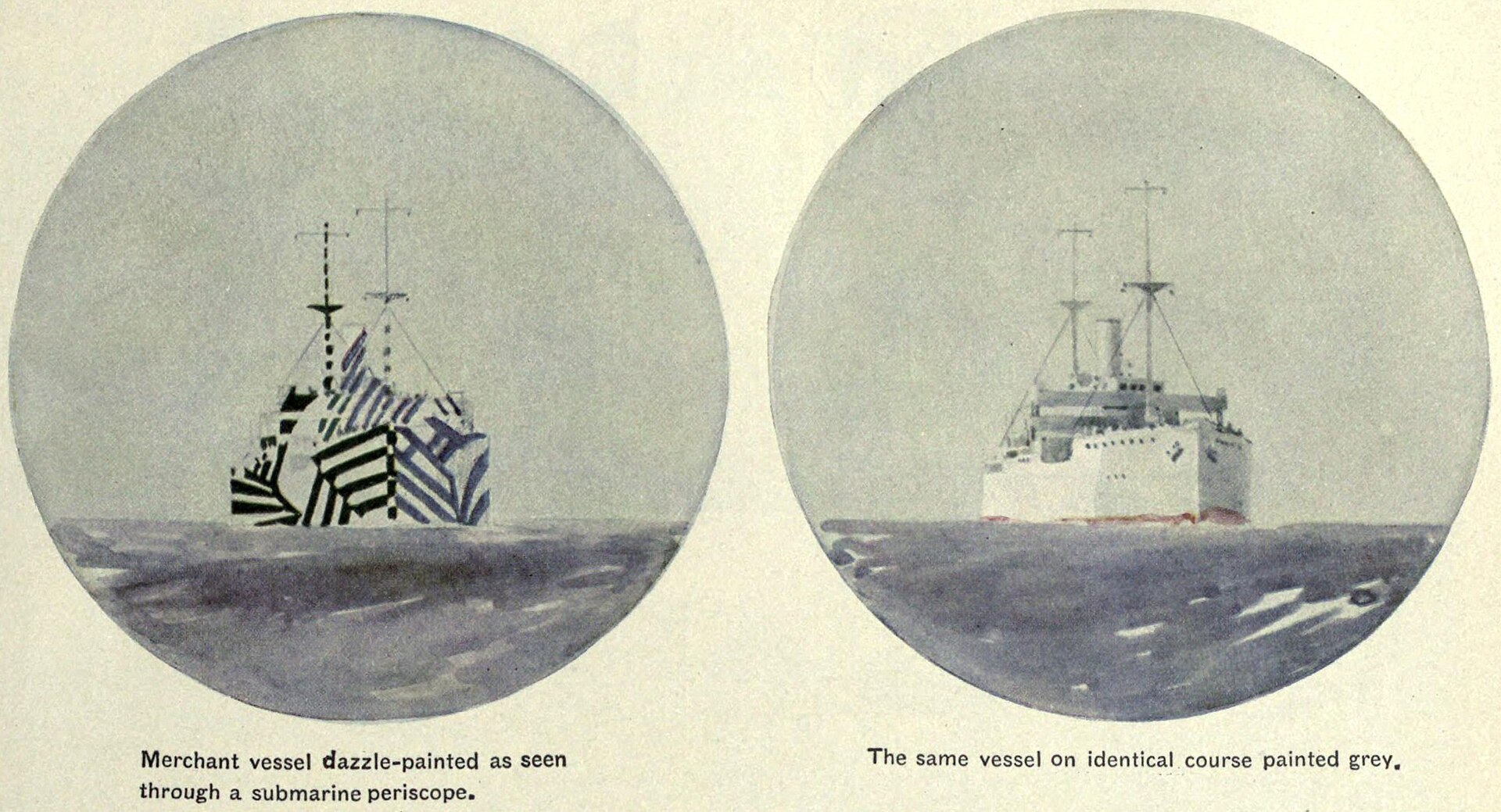
Invented by Norman Wilkinson, 'Dazzle Camouflage' was introduced during the First World War to confuse German u-boats as to the heading and speed of ships which would make attacks by torpedo significantly more difficult.
During the First World War he served in the Royal Naval Volunteer Reserve, patrolling for submarines in the Dardanelles, and Gibraltar. By 1917, he was assigned to a minesweeping operation at HMNB Devonport. That same April, German U-boat attacks increased, launching devastating torpedo attacks that sank nearly eight British ships every single day.
Considering that hiding a ship on the open ocean was impossible due to tell-tale smokestacks, Wilkinson realised that instead of trying to make ships invisible, he just needed to make them harder to target through a periscope. His solution was to paint ships "not for low visibility, but in such a way as to break up her form and thus confuse a submarine officer as to the course on which she was heading".
Fast forward 110 years
In 2026 this technique is seemingly making a comeback. It has recently been teported on the website 'UNN' that Russian cargo vessels have been spotted with 'dazzle' camouflage.
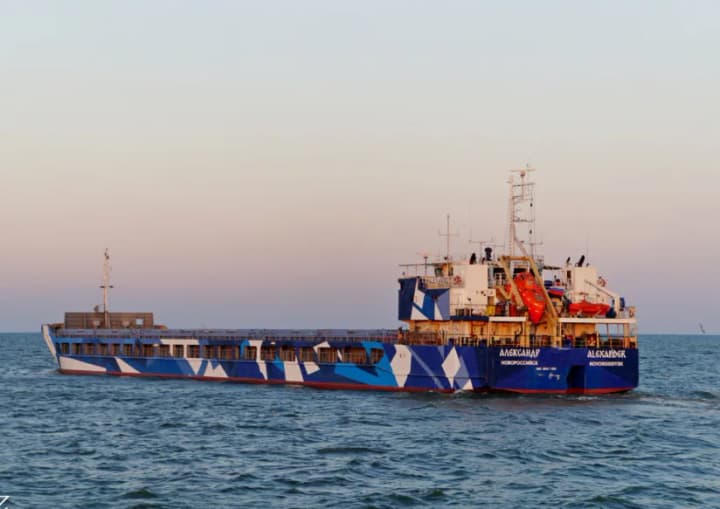
The effectiveness of this approach is, however, in doubt. Whilst the dazzle camouflage may have worked to disguise the heading of a ship to someone observing through a WWI-era periscope, it apparently does not disguise the ship to modern drone observation.
It would seem that the dazzle experiment has also been tried on some Russian warships.
According to 'Covert Shores' two Pr.22800 Karakurt Class missile corvettes, the first of class Mytishchi and newest Burya, have had dazzle camouflage applied.