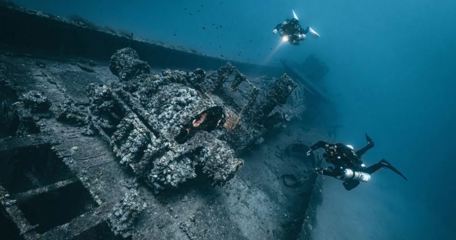
Melting glaciers in Italy reveal Great War munitions
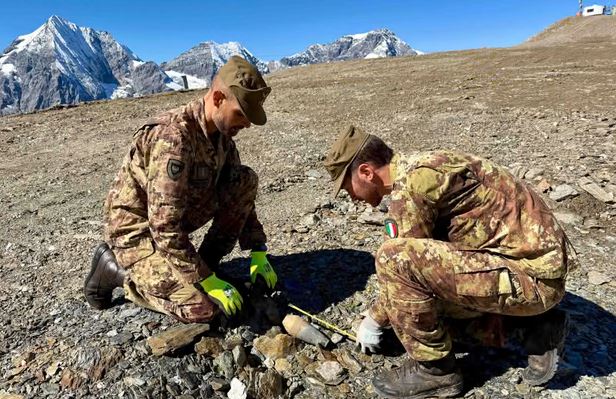
The retreat of alpine glaciers in the Dolomites has increasingly exposed hazardous material and historical artefacts from the First World War. Recently, the Italian Army’s Julia Alpine Brigade successfully recovered and neutralised a cache of approximately 250 unexploded ordnance items. This significant haul, which contained Italian 75mm artillery shells and French-manufactured Thevetot mortar shells supplied to the Italian Army, was initially discovered by mountaineers in high-altitude zones, primarily within the Canal San Bovo sector of the Primiero Valley in eastern Trentino.
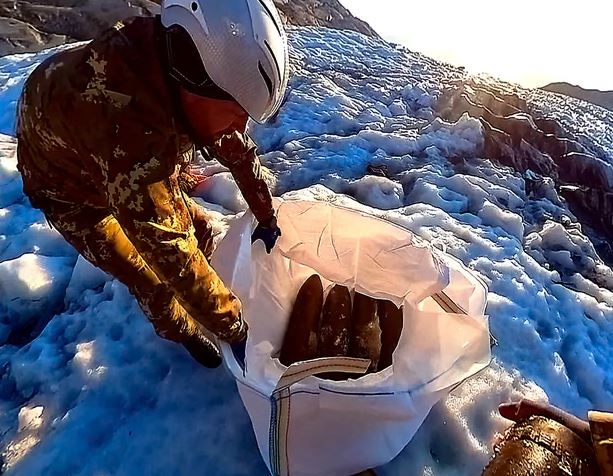
These are the remnants of the "White War" - the alpine campaign where Italian and Austro-Hungarian forces engaged in combat across treacherous, sub-zero terrain. For over a century, the surrounding glacial ice acted as a stabilising environment, preserving these munitions. However, local experts note that the rising frequency and duration of summer heatwaves at high altitudes have led to an annual increase in exposed, unexploded weaponry, presenting a risk to researchers and mountaineers. Protocol mandates that any discovered ordnance remain undisturbed and be reported immediately to civil authorities.
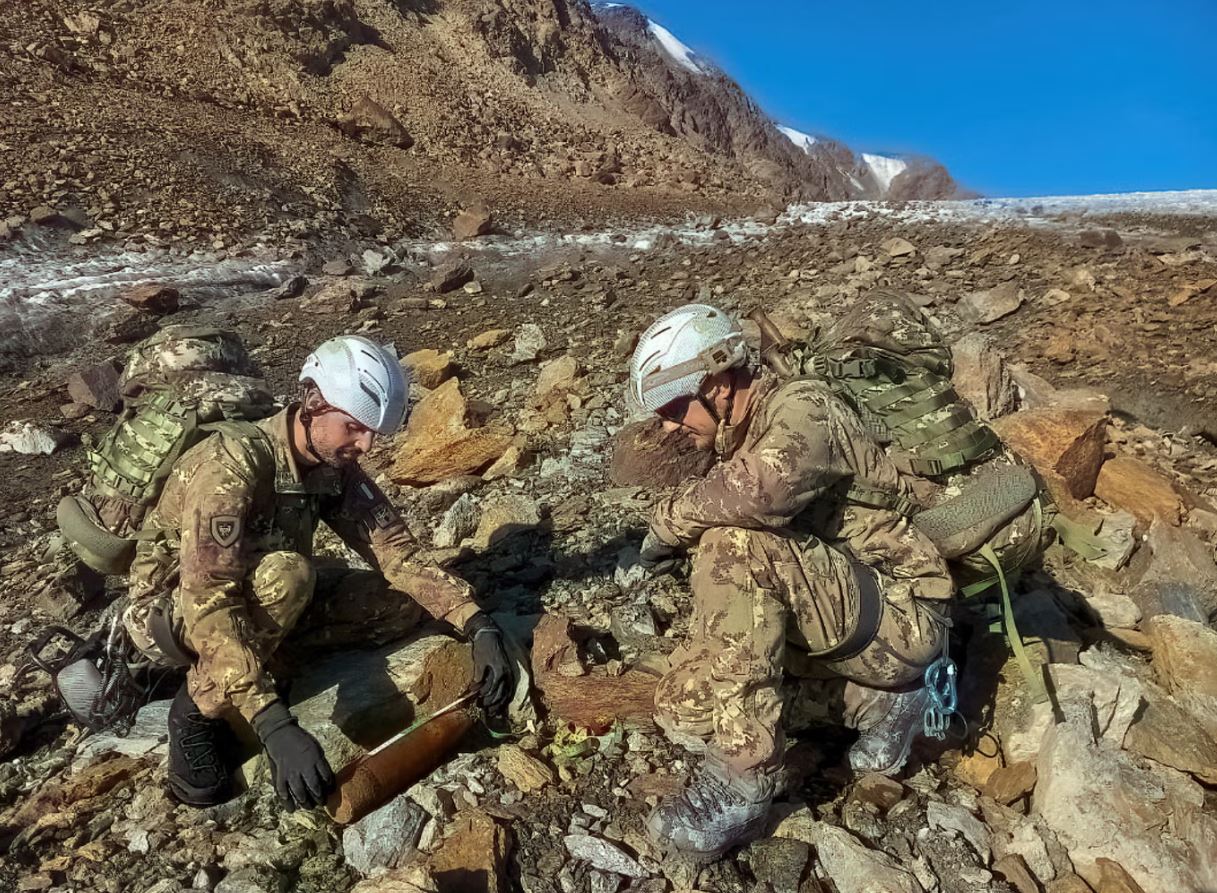
The ice served as an unintentional archaeological repository, which is now yielding a vast assortment of well-preserved historical materials. Glacial retreat has previously revealed structural military remains, such as a subterranean wooden barracks on Mount Scorluzzo that emerged in 2015, complete with organic material, textiles, and personal correspondence left behind in 1918.
Remains of fallen soldiers have occasionally been recovered, enabling formal identification and repatriation. To preserve these historical insights, a specialised White War museum is scheduled to open in Bormio in June 2027.
Latest news