
Latest 'I Was There!' Episode: Lord Beaverbrook 'Canadian Eyewitness' recounts Battle of Mount Sorrell
The latest video in our 'I Was There!' series has just been uploaded. In Episode 114 'When the Princess Pat's Fought Back to Back' we hear from Max Aitken (later Lord Beaverbrook) when he describes "possibly the most serious battle which took place in 1916 before the Somme offensive".
This was the major attack launched on the Canadian lines at Mount Sorrel on 2 June 1916. The actions lasted for twelve days, of which Lord Beaverbrook describes the first two.
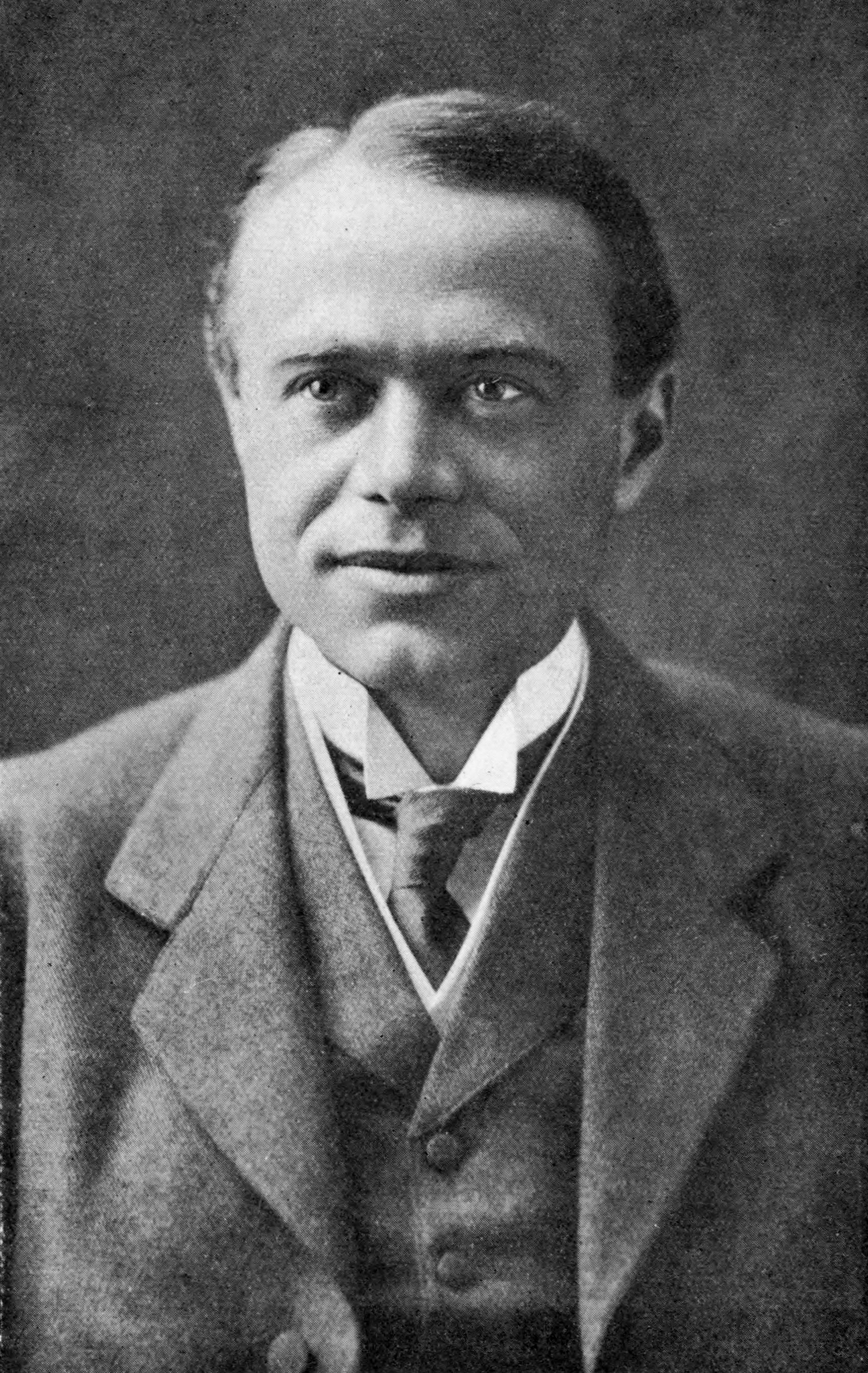
Lord Beaverbrook
In 1915, Aitken became the official "Eye Witness" for the Canadian government, a role that defined his early legacy as a war historian and master of propaganda.

IWT Videos on the website
With the launch of the new website, we are grouping the videos in a new area, and these can be filtered using the drop down option. Please do go and have a play with this function to pick out groups of videos - for example The retreat from Mons to the entire Gallipoli campaign.
Just click here to find these: I Was There Videos
Explore more
The videos are also grouped (following the format in the original magazine) into 'Chapters' (on YouTube these are 'playlists') and can be seen on the WFA's YouTube channel. These playlists are here:
- The War Clouds Break: July 29 - Aug 9 1914 Chapter/Playlist 1
- Mons: The Going Up to Battle: August 9 - August 23, 1914 Chapter/Playlist 2
- Mons: The Fighting Retreat: August 24 - September 6, 1914 Chapter/Playlist 3
- The Marne and the Aisne: September 5 - September 22, 1914 Chapter/Playlist 4
- The Antwerp Adventure: September 25 - October 13, 1914 Chapter/Playlist 5
- The First Battle of Ypres: October 14 - November 11, 1914 Chapter/Playlist 6
- Last Days of the Year: November - December 1914 Chapter/Playlist 7
- Winter and Neuve Chapelle: January 1 - March 13 1915 Chapter/Playlist 8
- Gallipoli: Bombardment and Landings: March 17 - April 27 1915 Chapter/Playlist 9
- Ypres: The Second Battle: April 22 - May 7, 1915 Chapter/Playlist 10
- Gallipoli: Summer Interlude: May - July, 1915 Chapter/Playlist 11
- The Western Front: Summer 1915 May 9 - August 13, 1915 Chapter/Playlist 12
- Home Front, First Bombs on England: May 31 - October 12, 1915 Chapter/Playlist 13
- Loos: Ill-starred offensive: September 25 - October 19, 1915 Chapter/Playlist 14
- Gallipoli: The Last Days: August 6, 1915 - January 1916 Chapter/Playlist 15
- 'Sideshows' of 1915: April - May 1915 Chapter/Playlist 16
- Prelude to the Somme, March - June, 1916 Chapter/Playlist 17
Searchable Magazine Archive
I Was There! magazine was originally published in 51 weekly issues between 1938 and 1939. The Western Front Association has undertaken a long-term project to digitize and narrate these historical accounts. The digital scans are available to members as PDF files in the Searchable Magazine Archive.
Not a member? Join us and get access to a wealth of digitised resources.
Beaverbrook's "Eye Witness" Role
- Wartime Reporting: From early 1915, Aitken was attached to Canadian forces on the Western Front, writing weekly columns on the progress of the war.
- Distinctive Narrative: His reports, which highlighted the distinctiveness and bravery of Canadian soldiers, were published in Canada and internationally, circumventing some of the strict censorship faced by regular British journalists.
- Official Historian: This role led to the publication of his three-volume bestseller, "Canada in Flanders" (1916), which provided a detailed, if sometimes embellished, account of the Canadian Expeditionary Force's achievements.
Legacy of War Records
Beyond his own writing, Beaverbrook leveraged his "Eye Witness" position to ensure the war was visually preserved:
- Canadian War Records Office: In 1916, he established and funded the CWRO to collect photographs, films, and art documenting the Canadian war effort.
- Visual History: He successfully lobbied the British War Office to allow official photographers and artists at the front, resulting in a legacy of nearly 8,000 photographs and 1,000 works of art.
Critical Perspective
While his reports made him famous, some historians have since scrutinized his accounts. Critics, such as A.J.P. Taylor, noted that while his "inside" testimony was detailed, it often bordered on fabrication to enhance his own political influence and the prestige of the Canadian forces.


