
U.S. museum returns remains of soldiers from the First World War
In a significant international effort to rectify a century-old practice, the partial human remains of over 100 Commonwealth soldiers from the First World War have been returned to Europe from a medical museum in the United States. The collection, which includes the remains of 72 British, 12 Canadian, and 8 Australian soldiers, is now being handled with the goal of providing a dignified and respectful conclusion to the stories of those who served.
A Century-Old Scientific Collection
The remains were originally collected between 1914 and 1918 by American medical personnel at Pennsylvania Base Hospital No. 10 in Le Tréport, France. At the time, it was an accepted medical practice to retain pathology specimens—such as bone fragments or tissue samples—to study novel war injuries and advance military medicine.
In 1919, these specimens were transferred to the Mütter Museum and Historical Medical Library in Philadelphia for further study. They remained part of the museum’s vast collection for over a century. However, following a comprehensive ethical review in 2025, the museum decided to dismantle the collection, prompting an international effort led by the Commonwealth War Graves Commission (CWGC) to reclaim and reinter the remains.
The Return of the Fallen
The CWGC first learned of the remains in late September 2025 and immediately began meticulous research to verify the identity and status of each individual.
• Canada: The Department of National Defence confirmed that 12 Canadian soldiers were identified. Ten of these men died of their wounds during the war, while two survived the conflict but had medical samples taken during their treatment.
• United Kingdom: The remains of 72 British soldiers have been returned. Of these, 60 died during service, while 12 survived the war.
• Australia: Eight Australian soldiers have been identified within the collection.
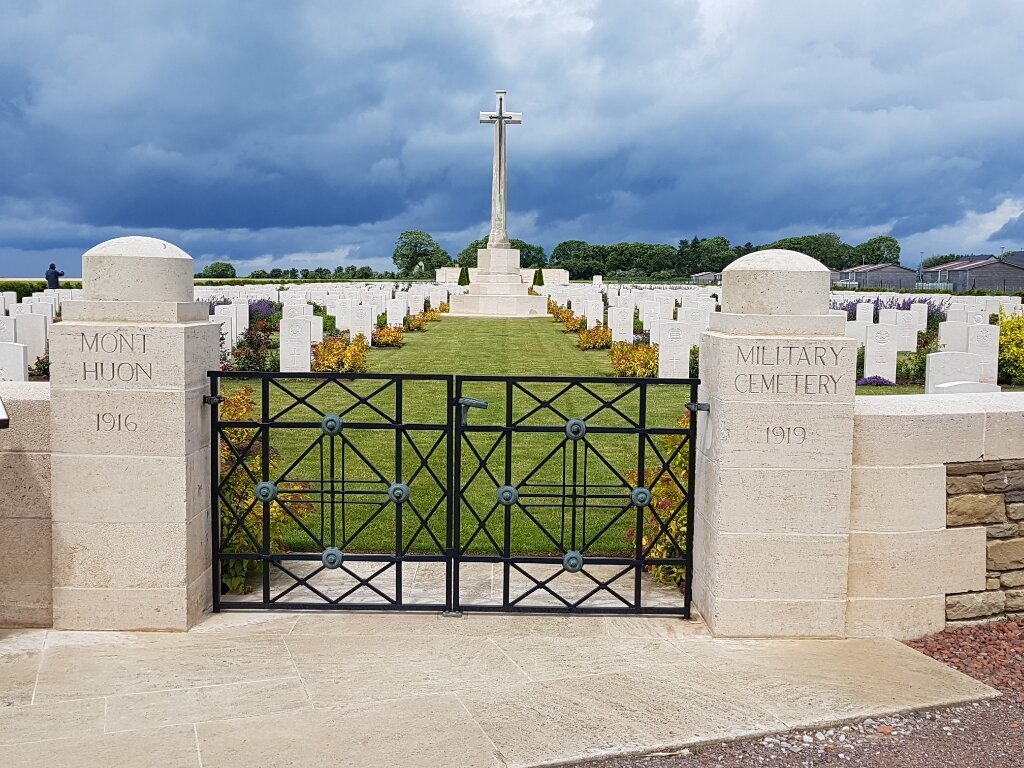
The CWGC’s Recovery Unit in Northern France has now taken custody of the remains. Specialist technical staff are working to ensure that the partial remains are interred within the existing graves of the identified soldiers, most of whom are buried at the Mont Huon Military Cemetery near Le Tréport.
The Search for Descendants
While the CWGC manages the physical interments, national authorities are taking the lead in finding the families of the deceased. In the UK, the Ministry of Defence’s Joint Casualty and Compassionate Centre (JCCC), famously known as the "War Detectives," has launched a mission to trace living descendants.
"We will work diligently to trace and contact the relatives of those whose remains have been returned," said Nicola Nash, a JCCC caseworker. "For each of the 72, we will attempt to build family trees and identify surviving next of kin to provide them with a respectful and fitting conclusion."
Once relatives are found, the MOD plans to arrange blessing services to mark the return of the remains. Similar efforts are being undertaken by the Canadian Armed Forces and the Australian Office of War Graves.
Evolving Ethics
The repatriation highlights how much standards of consent and commemoration have evolved since the Great War. While the collection was originally intended to save lives through medical research, modern military and museum policies now prioritize the dignity of the individual over scientific study.
"Our priority is always to honour those who serve," a spokesperson for the Canadian Department of National Defence stated. "Today, we treat those who paid the ultimate sacrifice with the dignity and respect they deserve."
The interment process is expected to be completed throughout 2026, ensuring that after more than 100 years, these soldiers are finally "whole" again in their final resting places.


