
Preserving the Ghosts of Gallipoli: A New Battle in the Dardanelles
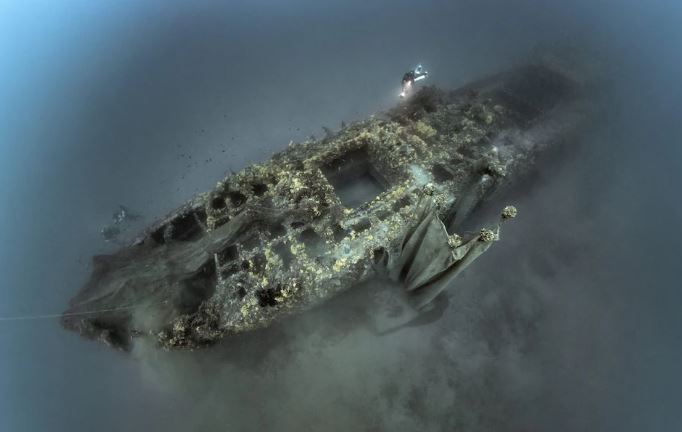
For over a century skeletons of battleships, frigates, and destroyers have rested in the depths of the Aegean. They stand as a haunting testament to the 1915 Gallipoli campaign.
Today, a new battle is unfolding in these clear waters. It is not fought with artillery, but with science, as Turkish authorities launch an innovative, world-first preservation project to save dozens of historic shipwrecks from being lost to the corrosive effects of seawater.
As is well known, the campaign ended in disaster for the Allies, resulting in heavy casualties on both sides and leaving behind a large concentration of shipwrecks. Today, more than 100 Allied and Turkish vessels lie scattered across the seabed, now protected as part of the Gallipoli Underwater Historical Park.
Science Submerged: The Deep Heritage Project
As time and tide take their toll, the Deep Heritage project has stepped in to halt the decay. The primary enemy today is rust, a process accelerated in recent years by climate change, rising water temperatures, and destructive bacterial growth.
To combat this, marine experts are utilising cathodic protection—a technique widely used on modern oil rigs and pipelines, but never before implemented on shipwrecks on such a massive scale.
By connecting "sacrificial anodes"—rods made of zinc, copper, and aluminium—to the wrecks via metal cables, engineers can redirect the natural process of electro-chemical corrosion. Instead of the historic vessels losing electrons and rusting away to nothing, the anodes corrode in their place.
"We began looking into ways to protect these historic shipwrecks before corrosion causes them to deteriorate and eventually disappear completely," explains Yusuf Kartal, head of projects for the historical site. "After all, these wrecks are not just ships. They are important historical monuments that tell the stories of the people who lost their lives there."
First Target: HMS Louis
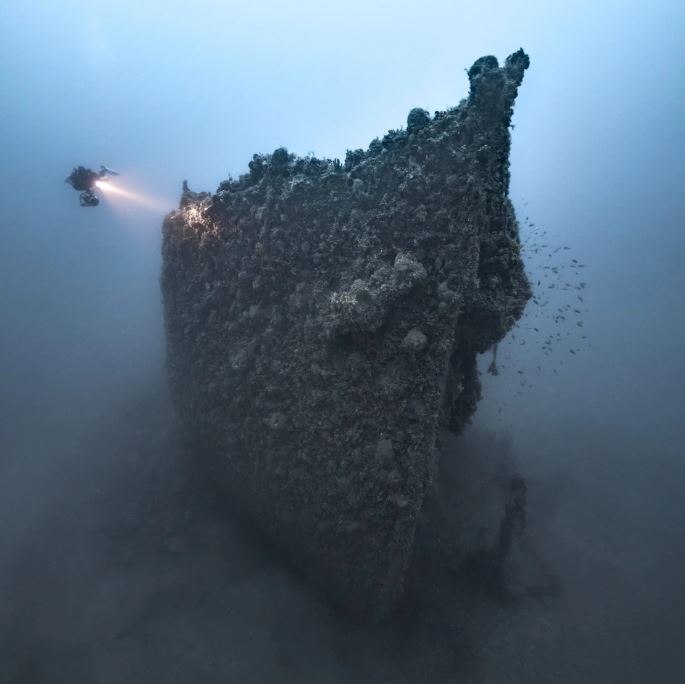
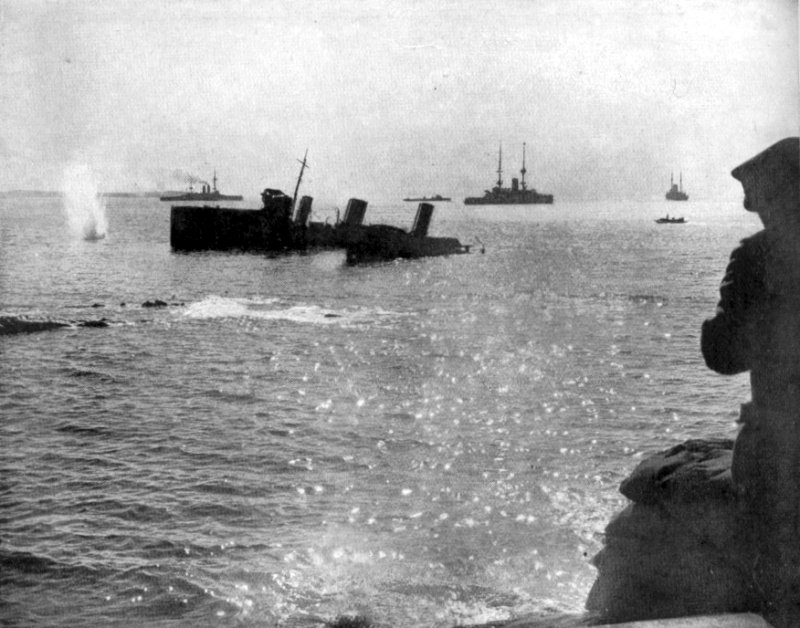
The trailblazer for this preservation method is HMS Louis, a British Laforey-class destroyer. Hit by Turkish coastal artillery in October 1915, she foundered and sank in Suvla Bay—a major flashpoint of the August Allied landings.
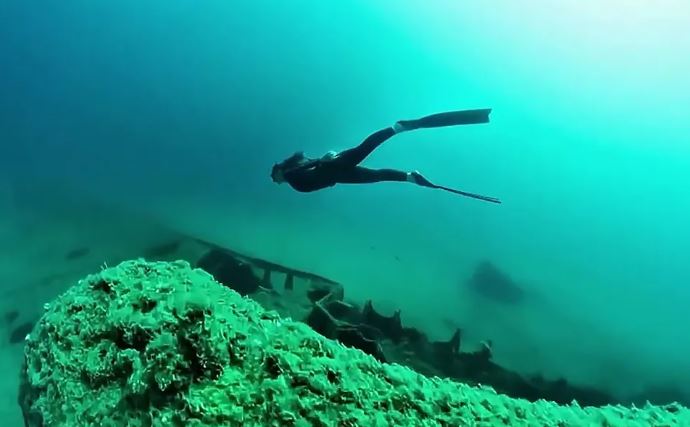
To mark the launch of the initiative, Turkish national free-diver and Guinness World Record holder Bilge Çingigiray completed a ceremonial dive to the vessel. Six sacrificial anodes have now been anchored around her hull.
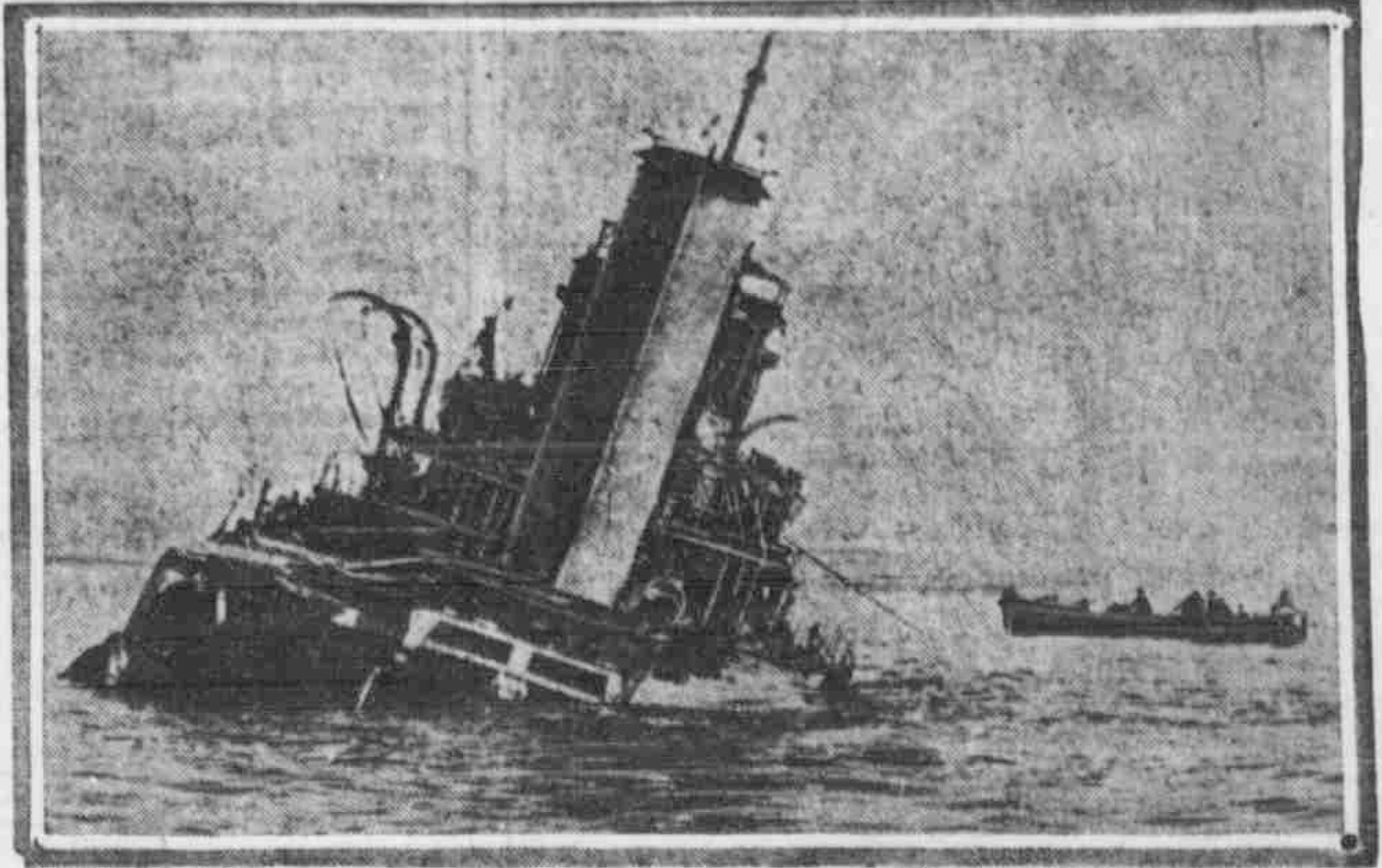
A Sanctuary for Divers and History
Because HMS Louis lies in relatively shallow water (15 metres), she is highly accessible to recreational divers, though vulnerable to wave action. Deeper wrecks, sitting at 50 metres or below, remain remarkably well-preserved and sheltered from the destructive reach of commercial fishing trawlers.
Award-winning underwater photographer Alexander Dawson, who has dived the Dardanelles extensively, notes the global significance of the project: "If it works as well as their calculations suggest, then it’s going to be a great project. If we could do the same thing for other wrecks around the world, it would be a huge step forward."
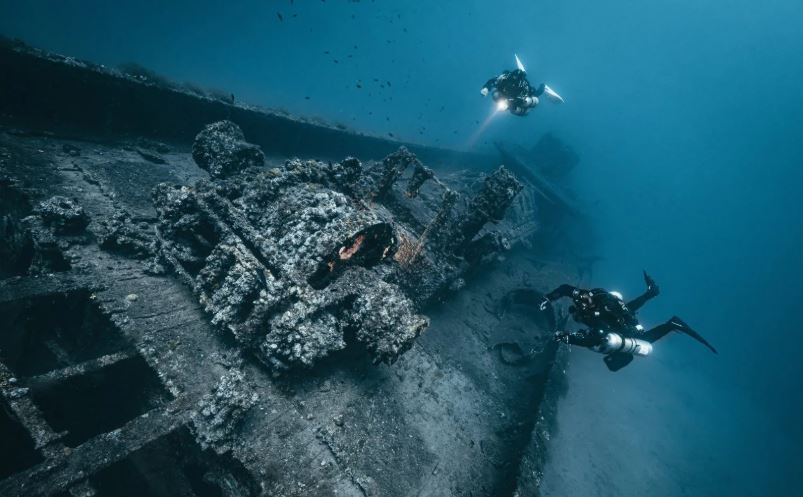
The ultimate goal for the Gallipoli Historical Area is twofold: to preserve irreplaceable wartime heritage and to establish the underwater park as a premier global destination for diving tourism. Currently, 29 dive sites (including 27 wrecks and two reefs) are open to the public.
The immediate priority for the team remains focused on the ships that are still intact enough to save. By buying these steel titans a few more decades of life, historians are ensuring that the harrowing stories of the thousands of men who fought and died in the Dardanelles will not be erased by the sea.


