
John Francis was killed in action on this day in 1915
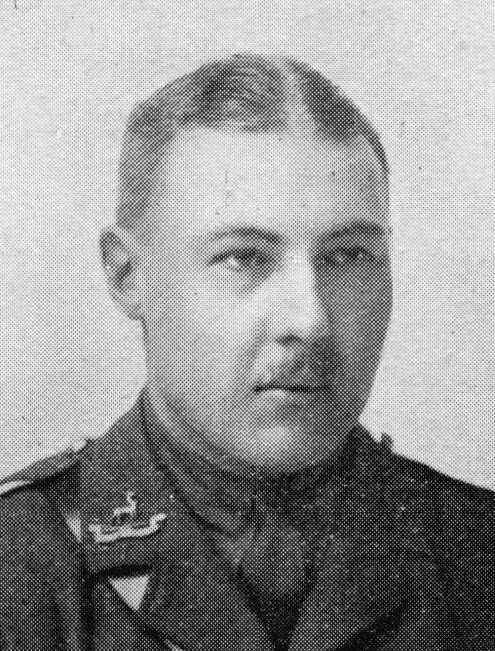
John Francis was born on 30 June 1887 in Edgbaston, the only child of John Horace Francis, a member of the firm Deakin & Francis, silversmiths and jewellers in Birmingham, and Ethel Francis née Botsford.
In 1891, the family lived, with two servants, at 59 Stanmore Road in Edgbaston.
In 1901, they had moved and now lived with their two servants and Ethel's mother, at 283 Hagley Road, still in Edgbaston
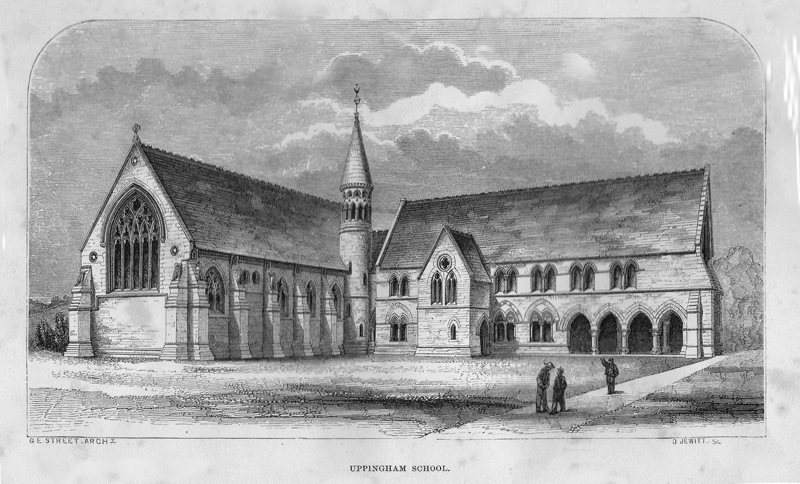
When he came of age, John became a boarder at Uppingham School, 70 miles from home.
He later studied in Gottingen in Germany.
On returning home, he became a well-known player for the Moseley Rugby Club.
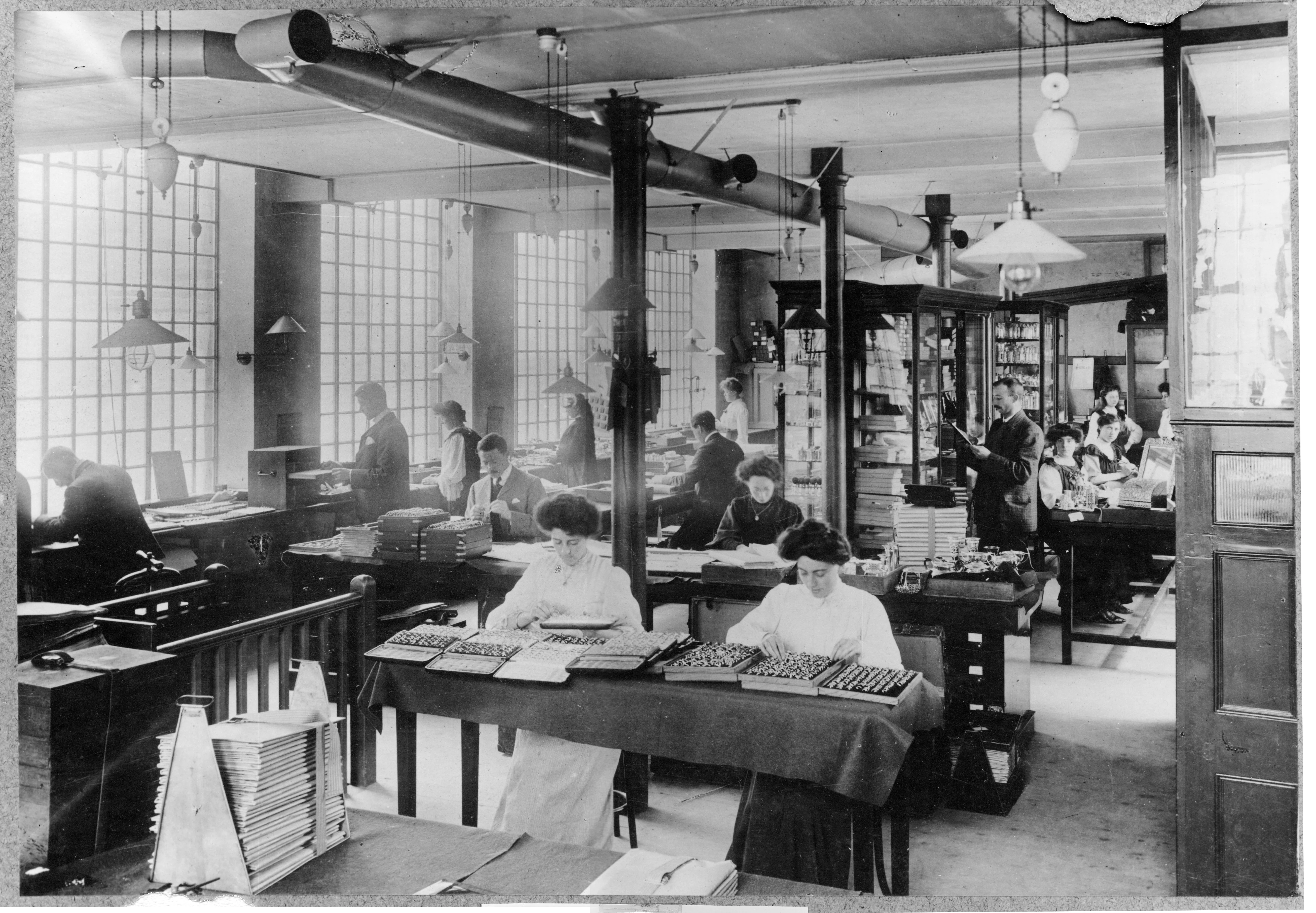
In 1911, age 23, he lived with his parents and one servant at The Brooklands in Fladbury near Pershore. He was now a Director and Secretary of Deakin & Francis, Manufacturing Jewellers. Founded in 1786, the company had been in the family for several generations. It manufactured jewellery for sale to high street jewellers.
In 1907, John joined the newly inaugurated 5th (Territorial) Battalion of the Royal Warwickshire Regiment. In April 1908, he received a commission as 2nd Lieutenant and, on 30 October 1909, he was promoted Lieutenant.
On the outbreak of war, he volunteered for foreign service and, on 5 August 1914, he was promoted to Captain and given D Company. On 21 March 1915, the Battalion went to France, travelling from Southampton and arriving at Le Havre on the 23rd.
The Battalion spent the rest of March digging trenches near Neuve Eglise. On 1st April 1915, they marched to billets in Armentieres where they spent a week receiving instruction in trench warfare.
From the 12th and for the next 3 weeks, the Battalion was in Douve Trenches, near Ploegsteert, facing Messines, taking casualties most days.
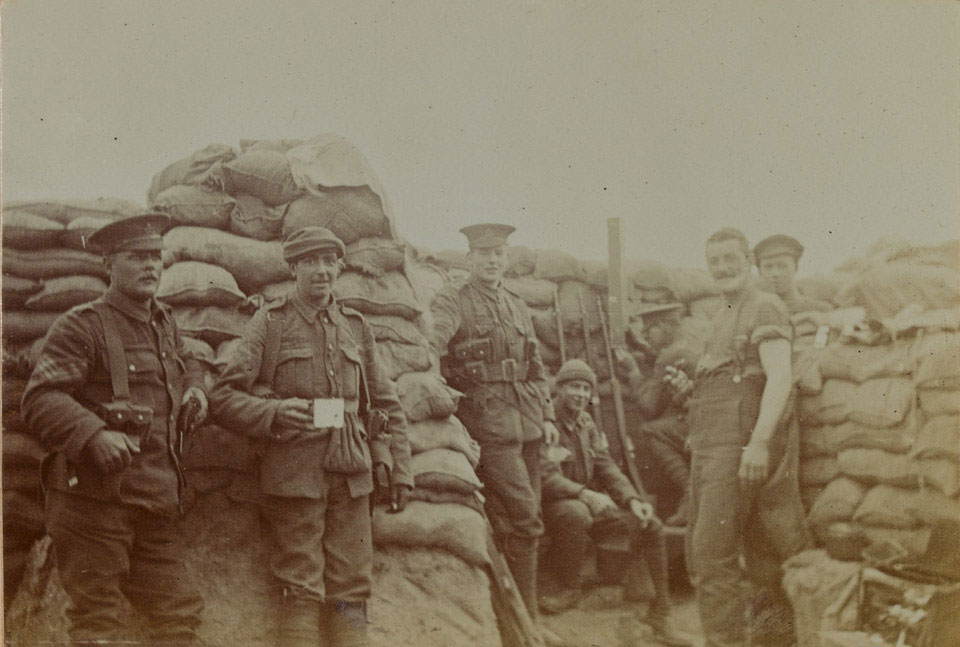
They remained in trenches in the Messines area until the end of May, continuing to dig trenches and take daily casualties.
On 29 May, they occupied trenches at Point 63, Courte Dreve, and it was here, on 2 June 1915, that John was shot by a sniper. He was the first officer of the 5th or 6th Warwicks to die in the war.
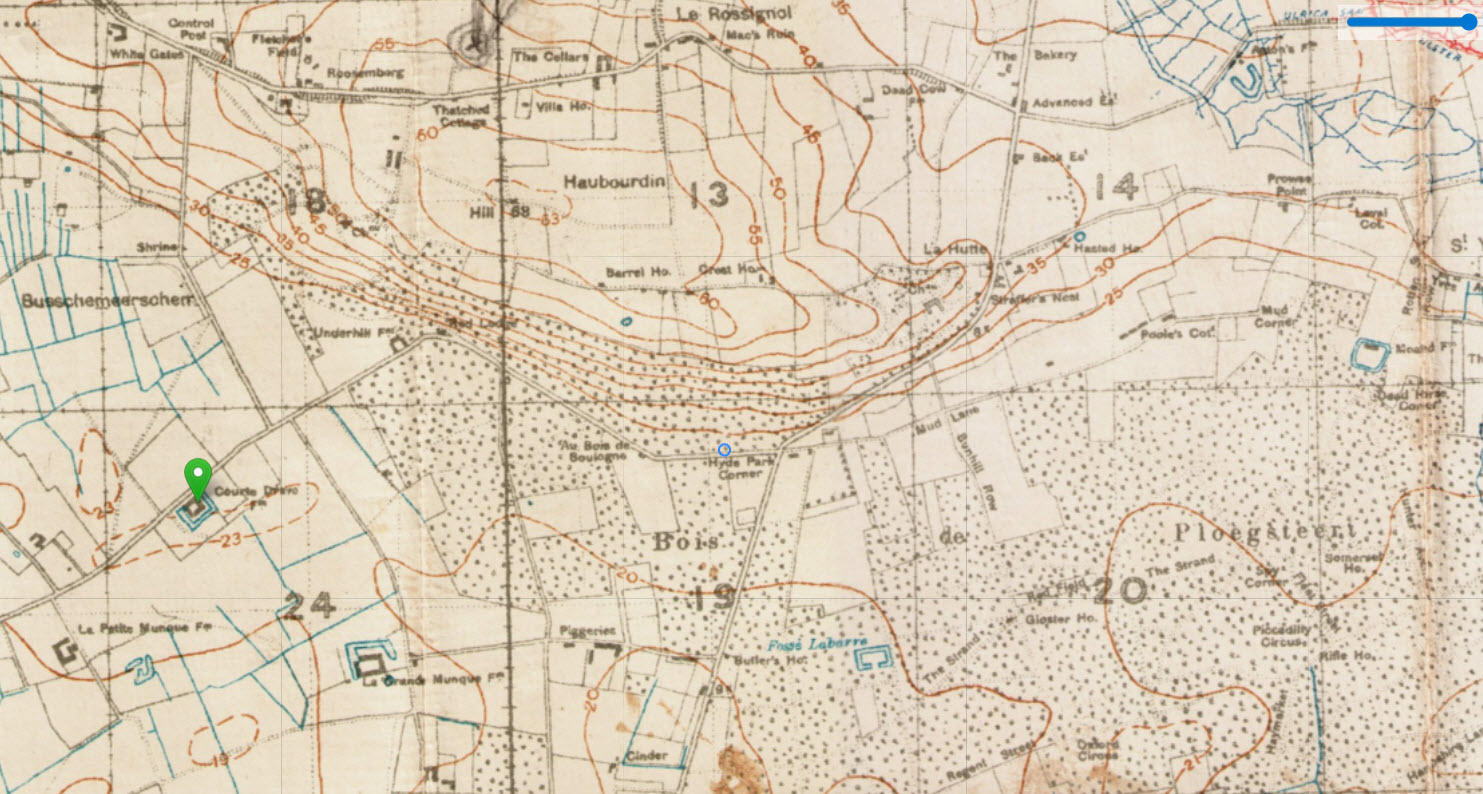
He was buried in the Warwick Cemetery at Petit Pont which became part of the Berks Cemetery Extension in Ploegsteert.
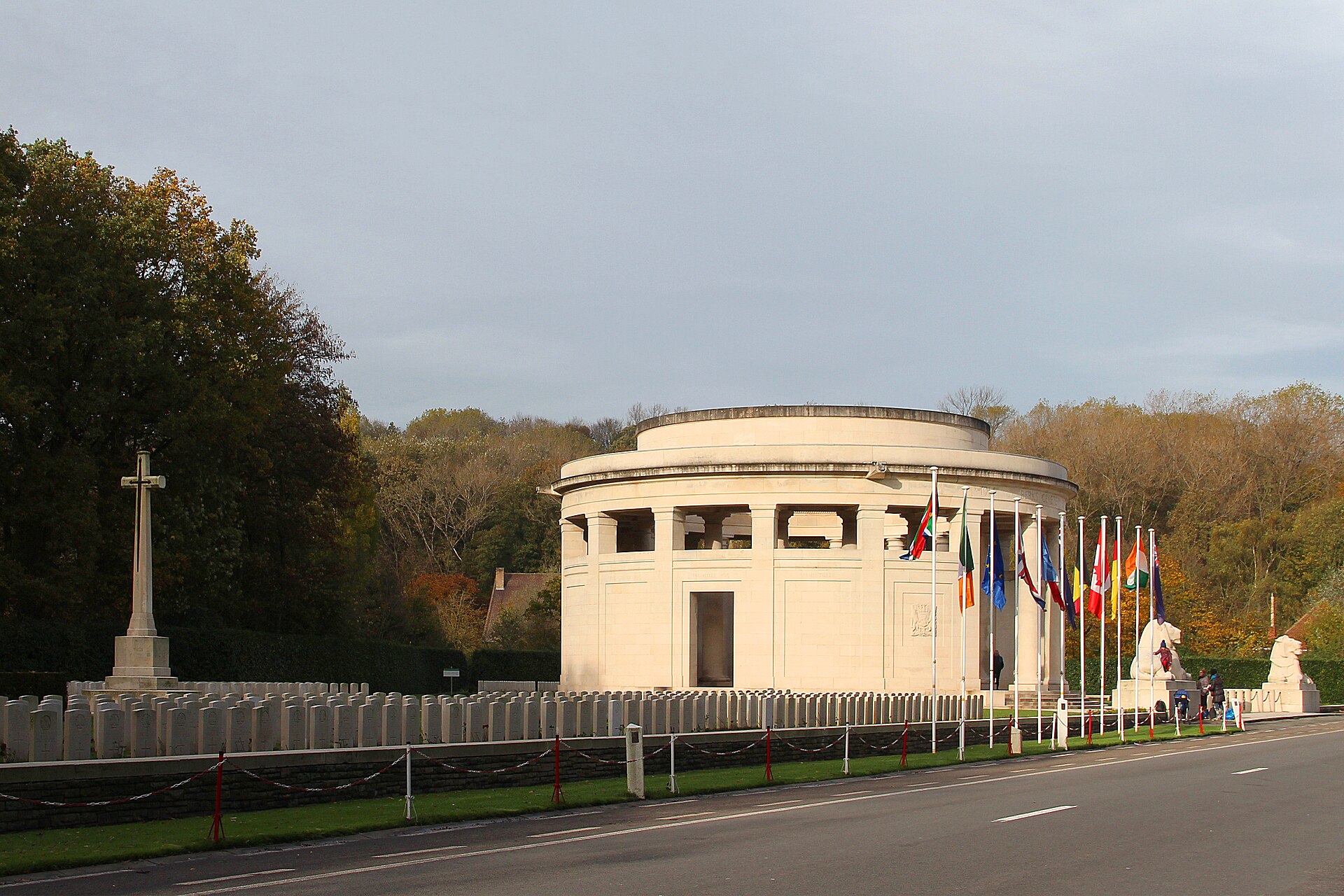
The Colonel of his Battalion wrote:
"He belonged to a fine Battalion. He was proud of the Battalion and the Battalion were proud of him. It was the officers of the type of Johnny Francis, as he was known in the mess, that made the Regiment what it was. .... In Francis, I had a perfect soldier. He was the soul of honour, a disciplined officer, a true friend. He had a keen sense of justice and a sort of rough loving kindness to his men which made them value him. He was a born commander, a leader of men. He was clever, knew his job thoroughly and had a way of imparting his knowledge to his men, and he was hard-working; he was never idle. There was never a braver man ..... I think he was the kind of man who enjoyed danger. He would take a fearful punishment on the football field, or in a boxing match, with the utmost good temper. There was about him a joyous courage. I doubted some men's courage, I doubted my own, but I never doubted his".
A Memorial Cross was erected in the churchyard at Fladbury and was dedicated by the Bishop of Worcester.
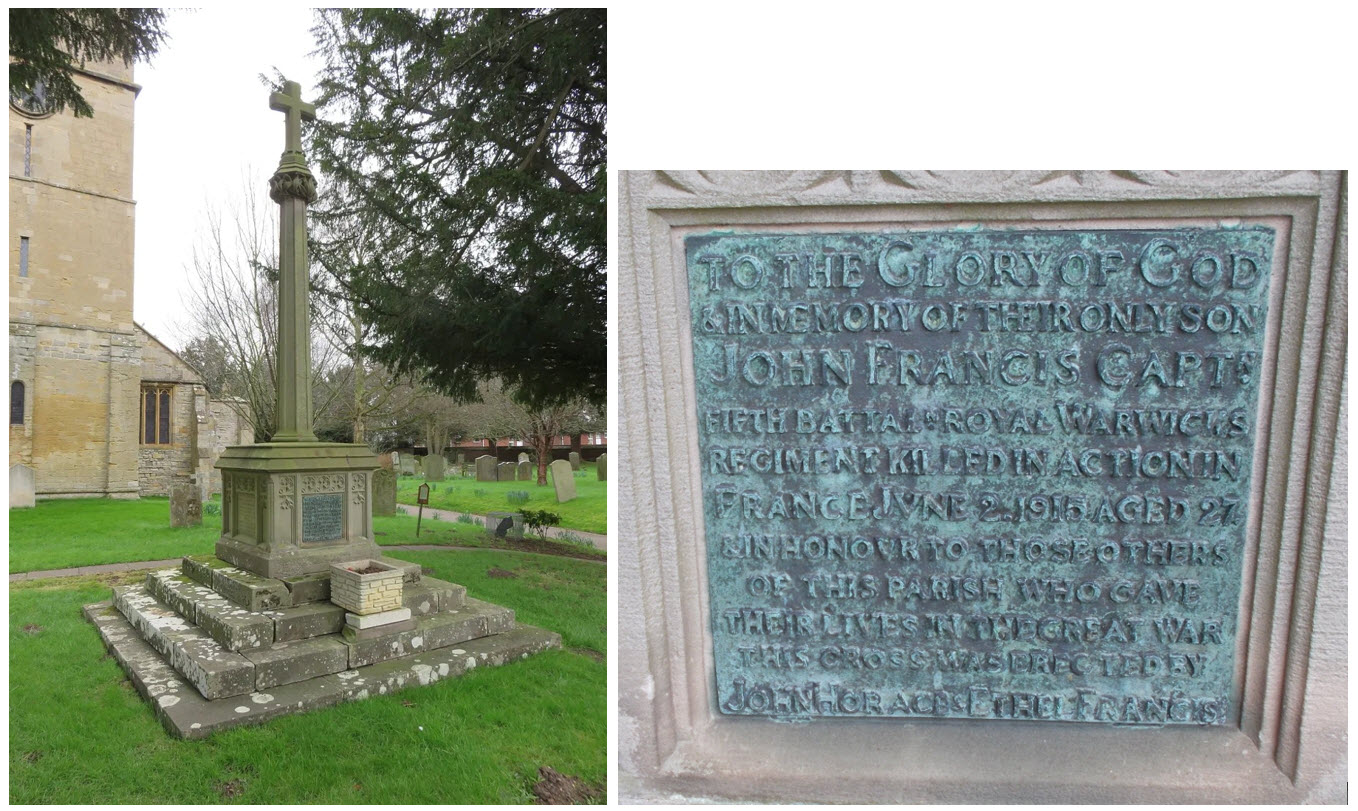
Captain John 'Johnny' Francis 1/5th Battalion, Royal Warwickshire Regiment (T.F.)