
Robert James Smith was killed in action on this day in 1916
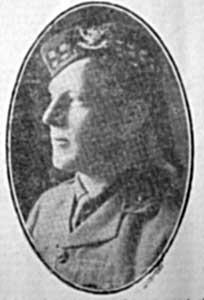
Robert was born at East Mains, Knockando on 11 October 1889, the son of John and Mary Smith. He was educated at Knockando Public School and then tutored by the headmaster for entrance to the University of Aberdeen where he studied agriculture. Whilst a student, he joined the Gordon Highlanders as a Territorial, in ‘U’ Company.
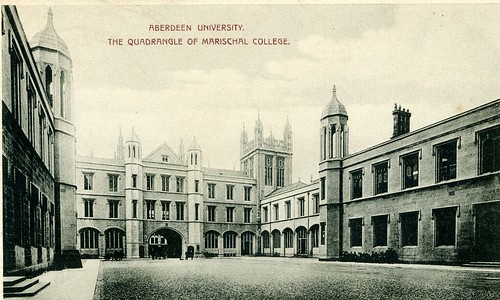
He passed his final examinations in April 1914 and then worked for the Inland Revenue Valuation Department. He had only been there for three months when he was mobilised as Private in the 4th Gordon Highlanders.
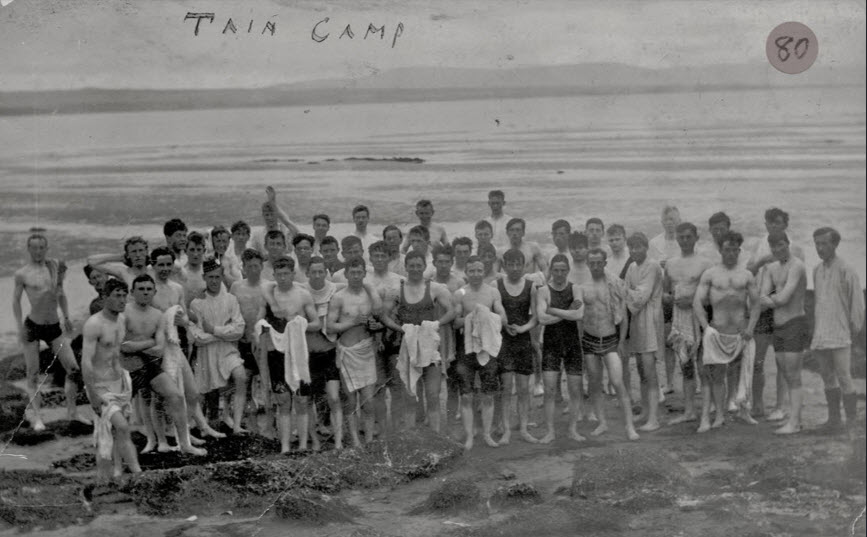
Robert went to France with his battalion on 19 February 1915. He was wounded near Ypres on 25 April 1915 and although his wound was serious, he wrote from hospital in England to his mother:
“I have surely been under a ‘lucky star’ as several times I have had narrow escapes from death”.
Following his recovery, he was commissioned in the 6th Seaforth Highlanders and returned to the front line in September 1916.
From the end of September 1916, the 6th Seaforths were engaged in preparations for an attack against the villages of Serre and Beaumont Hamel which were still in enemy hands. The attack was postponed from late October due to bad weather however the weather improved, and the attack was scheduled for 13 November 1916.
On the eve of the attack, Robert wrote home saying:
“I am now about to undergo the supreme test and I hope and trust that I may do my duty…whatever is going to happen will be all over ere you receive this. However, I am feeling fit for the trials of the day”.
In fact, Robert could have reported as sick in the days before the battle as he was suffering from a hernia. However, he chose not to and was killed in action whilst leading his company in the attack on 13 November.
Robert is buried in Mailly Wood Cemetery and is commemorated on the Archiestown War Memorial in Moray.
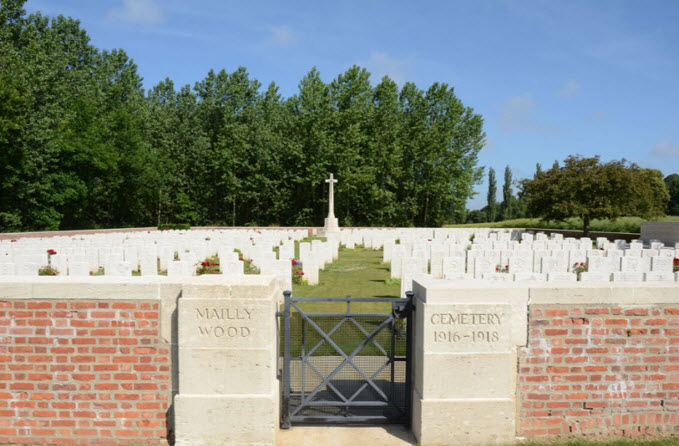
2nd Lieut. Robert James Smith, 6th Bn. Seaforth Highlanders