
Philip Anthony Brown died of wounds on this day in 1915
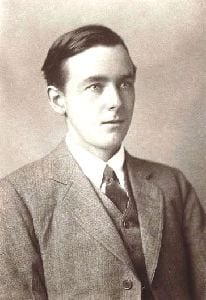
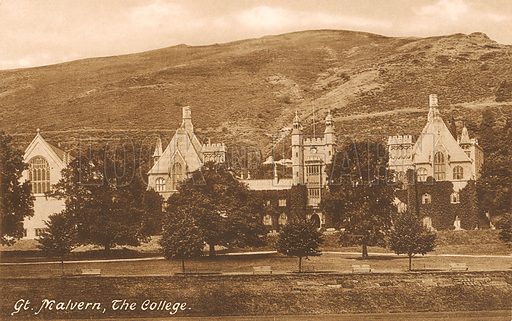
Philip Brown was born on 27 January 1886 in Beckenham, Kent. He was the fourth son of Anthony and Jane Brown. In 1891 the family lived on Park Road in Beckenham but by 1901 had moved to Southend Road, to a property with 19 rooms. Philip was educated at Abbey School and then Malvern College. Philip then studied at New College, Oxford from where he graduated in 1912.
In 1911, Philip moved to Newcastle where he became one of the first tutors in the Workers’ Educational Association, an organisation founded in 1903, initially titled Association to Promote the Higher Education of Working Men. He also became a lecturer in economics at Durham University, and at the London School of Economics.
In 1914, Philip was commissioned as a 2nd Lieutenant in the Durham Light Infantry. He was promoted to Lieutenant in February 1915. He went to France on 25 August 1915.
On 4 November 1915, the 13th DLI were in trenches near Erquinghem.
His last letter home stated:
“We have gone back to the trenches – and to such trenches. I don’t think any words can adequately describe them. It has been raining….. There is not a patch of dry ground anywhere. Boards soaked in mud, sandbags bursting with mud, ponds and even wells of mud…..yellow mud, greasy ponds, dirty clothes and heaps of mangled sandbags. A great deal of the trench work is collapsing in the wet, as was to be expected, and it keeps us busy reconstructing it. We had a certain amount of shellfire, but very little rifle fire yet. A mild enemy in front of us, I think. Now I must stop, as I am on duty and should go the rounds”.
On 4 November, Lt Brown and his observer, Pte Thomas Kenny, went out to visit a party working on the barbed wire in front of a trench. During this sortie, they lost their bearings and were unable to locate the working party. Lost somewhere in no-man’s land, Philip was shot through both thighs.
The Battalion War Diary for 4 November 1915 states:
“Weather wet. Wind northerly. Very misty. Lieut. P. A. Brown whilst superintending a working party on the wire went towards the German parapet opposite I.26.4 at 9.15am, accompanied by No. 17424 Pte T. Kenny: after losing his direction in the fog they found themselves near the German parapet and Lieut. Brown was shot through both thighs. Pte Kenny, although the enemy fire was heavy tried to carry the officer back to our lines and when the fire became hotter crawled through the mud. Still carrying the officer on his back. Finally, being nearly exhausted, he made the officer as comfortable as he could and came to our lines for help and succeeded in guiding a party of three back to where the officer lay. A hostile party had however crept up in the meantime and attacked the rescue party on its way back to our trenches. Capt. G. White thereupon sent the party on with the wounded officer and stood the enemy off with a rifle”.
His rescuer, Pte Thomas Kenny was awarded the Victoria Cross for his actions to save Philip, with the citation stating:
“For most conspicuous bravery and devotion to duty on the night of 4 November 1915 near La Houssie. His pluck, endurance and devotion to duty were beyond praise”.
Thomas Kenny was the first DLI soldier to be awarded the Victoria Cross in the war.

Despite all the efforts to save him, Philip Brown died whilst he was being carried back to the dressing station. He was buried in Ration Farm Military Cemetery.
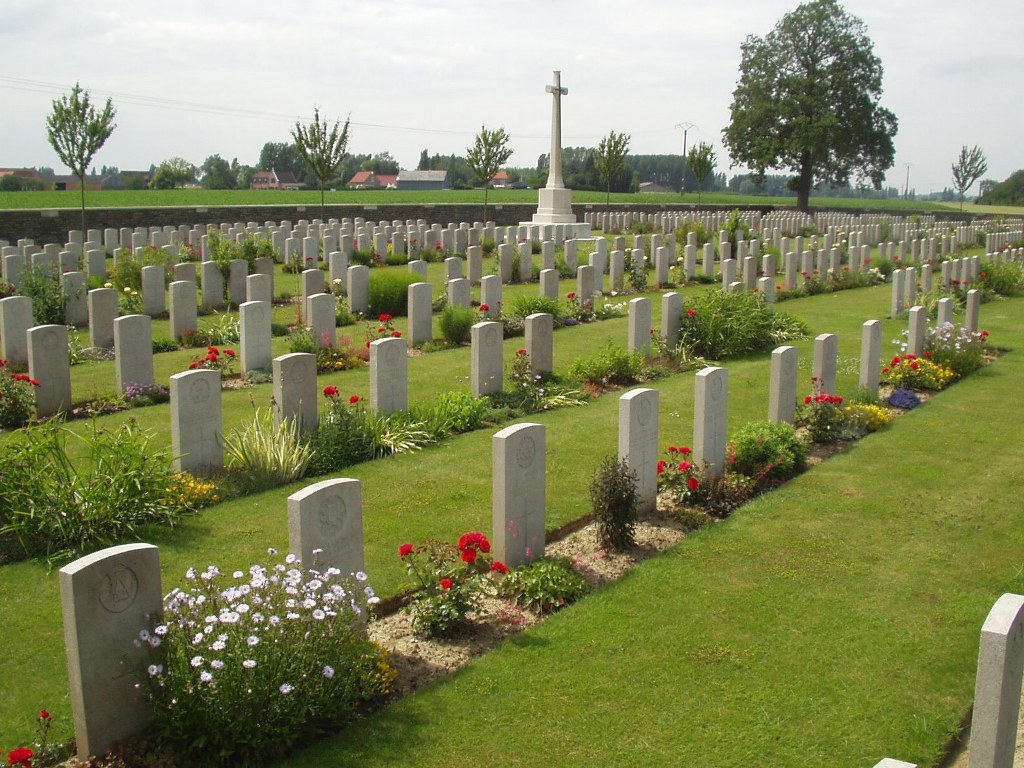
Lieut. Philip Anthony Brown, 13th Bn. Durham Light Infantry