
Peter Martin Connellan was killed in action on this day in 1914
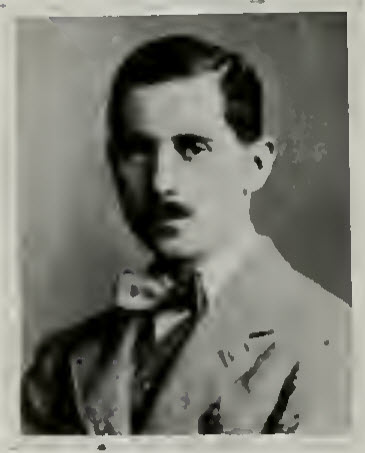
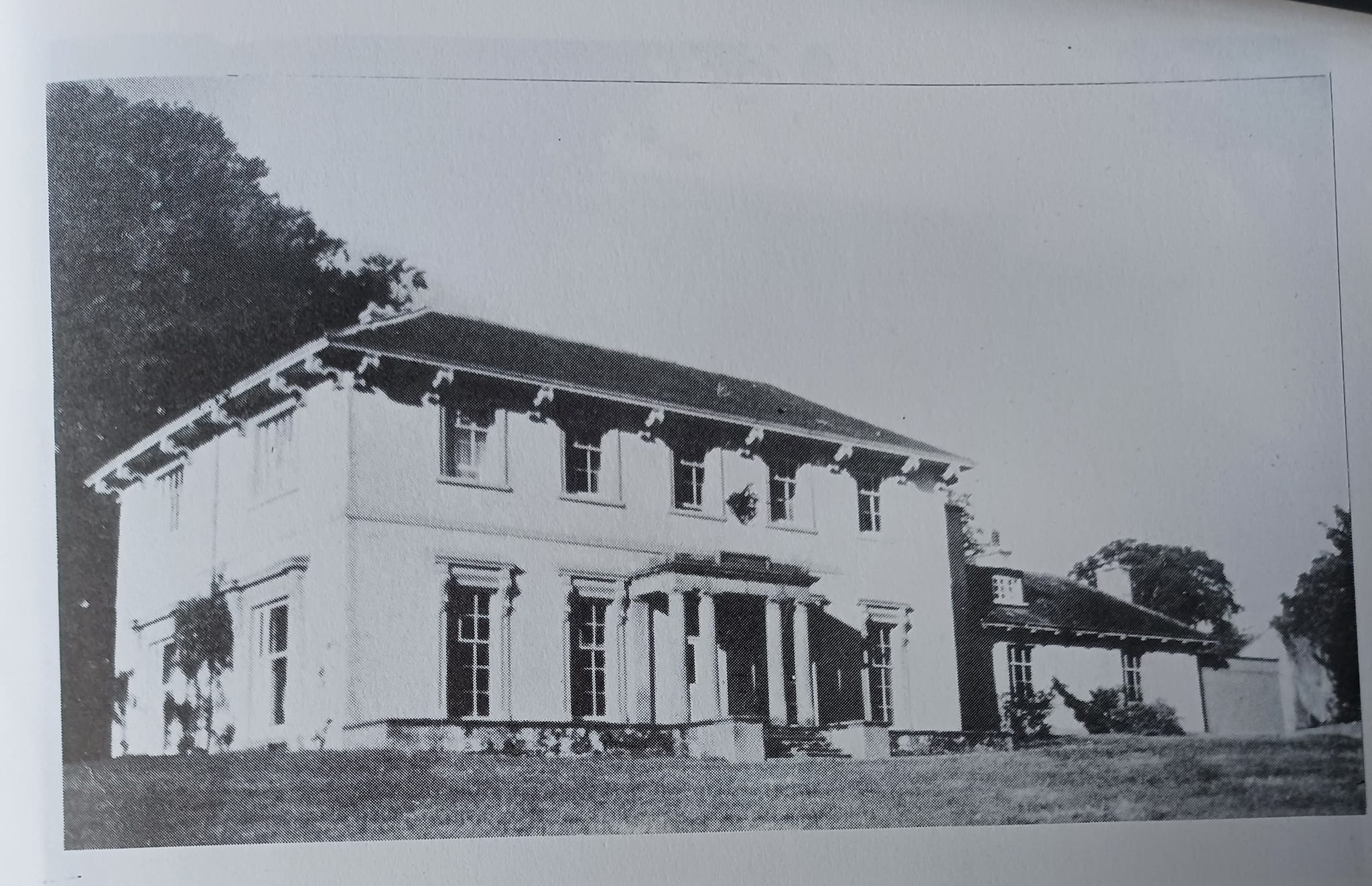
Peter Martin Connellan was born on 19 Feb 1882 at Sale in Cheshire. He was the only child of Major James Hercules Fitzwalter Henry Connellan of Coolmore House, Dysart, Thomastown, Co Kilkenny, and his wife, Laura Elizabeth (née Roberts).
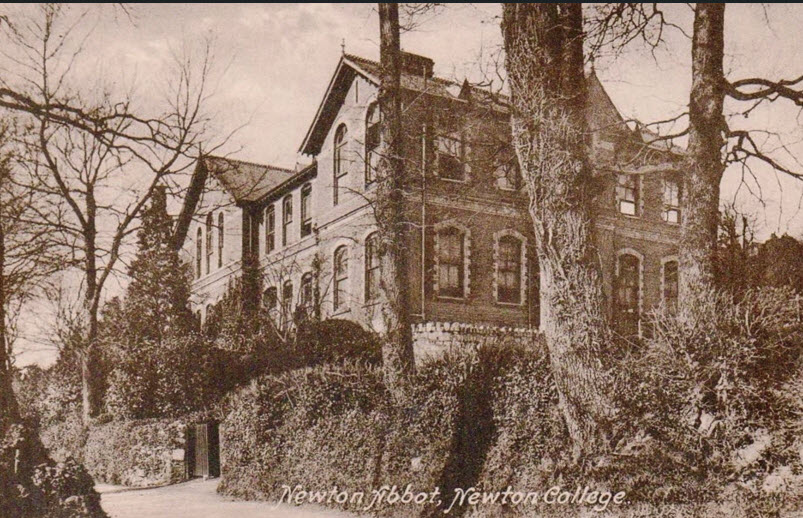
Peter was educated Newton Abbot College in Devon, then Harrow.
In 1899, Peter's mother died. In 1901, he was living with his father and 4 servants at Coolmore House. That same year, he joined the Hampshire Regiment and, in March, was gazetted 2nd Lieutenant to the 1st Battalion which, at that time, was stationed in India.
He served in India from May 1901 to January 1903. On leaving India, the Battalion went to Aden where Peter saw action acting as Signalling Officer to Brigade. On 30 Nov 1903, he was promoted Lieutenant. The Battalion returned to the UK from Aden in March 1904.
From October 1906 to October 1909, he acted as Adjutant to the 1st Battalion and, in May 1907, he was promoted to Captain.
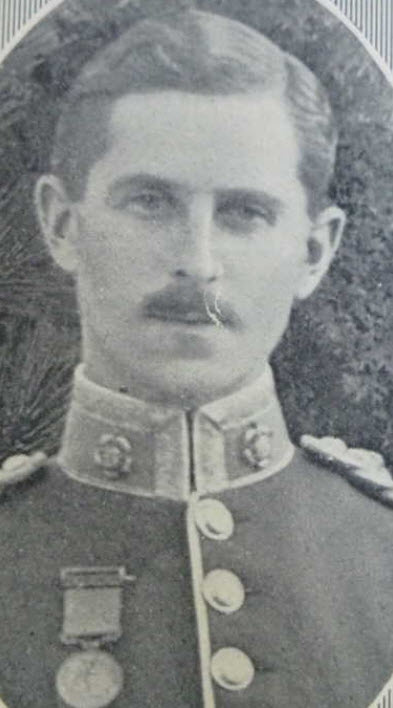
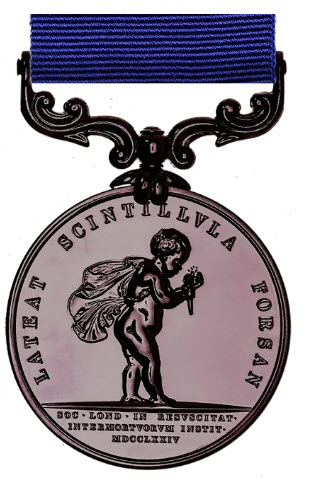
In 1909, he was awarded the Bronze Medal of the Royal Humane Society for saving one of the men in his Regiment from drowning. This medal is awarded to people who have put their own lives at great risk to save or attempt to save someone else.
From January 1911 to January 1914, he was Adjutant to to the Hampshire Depot and the 3rd Battalion.
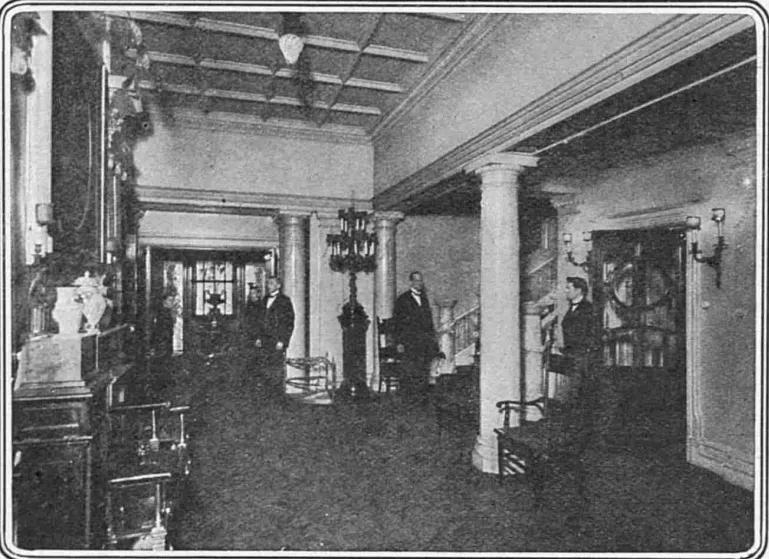
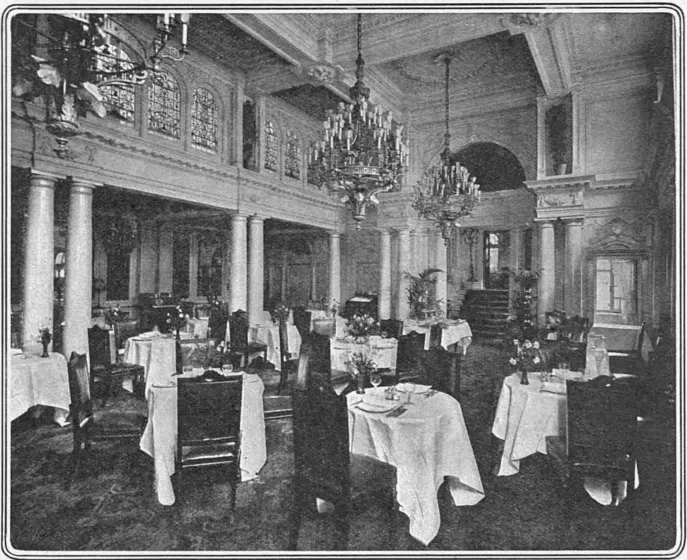
On 18 October 1911, he married Winifred Clare L Niblett in Winchester. She was a member of the New Empress Club, Mayfair’s premiere ladies’ social club which offered "opulent facilities for independent-minded women".
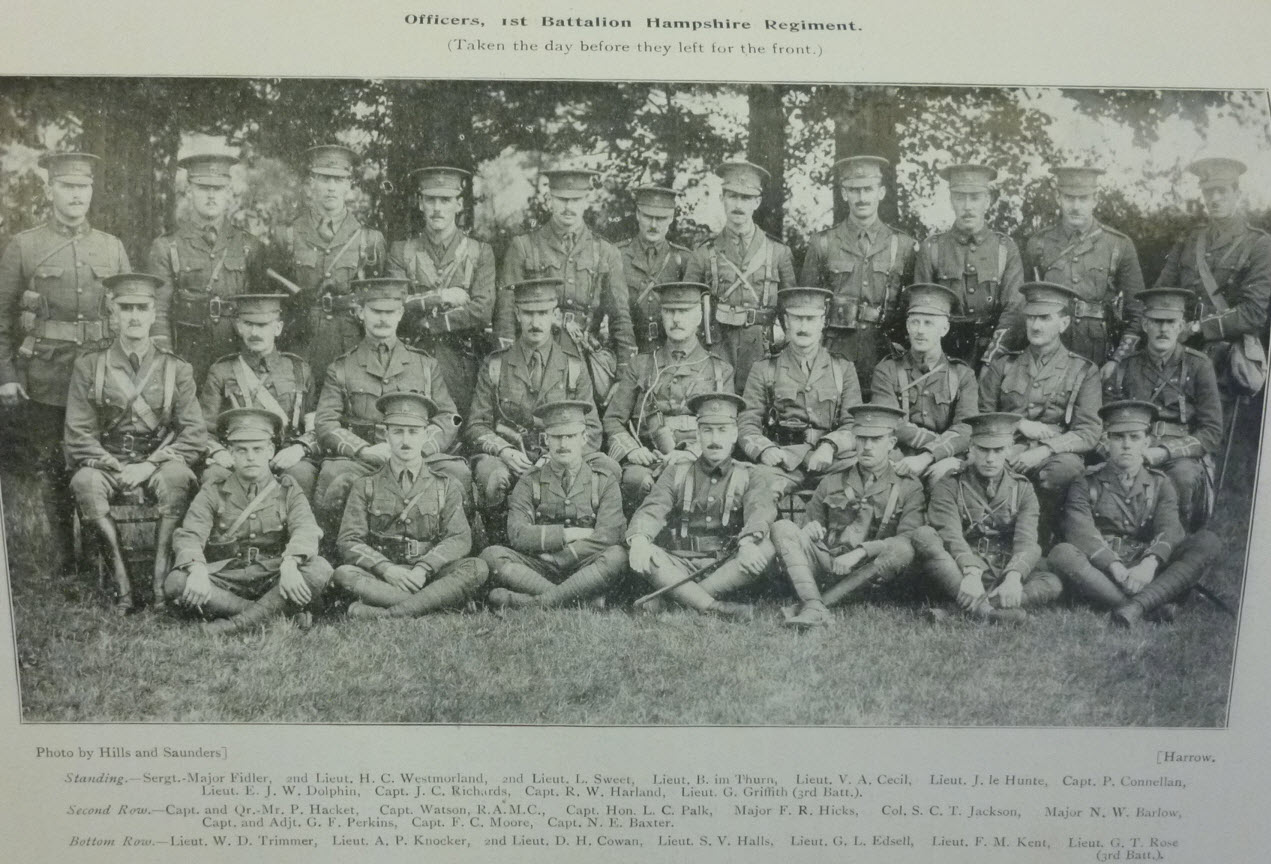
In January 1914, he rejoined the 1st Battalion in Colchester. In the third week of August, the 1st Battalion were mobilised to form part of 11th Brigade 4th Division. The day before they left Colchester, a photograph was taken of the officers.
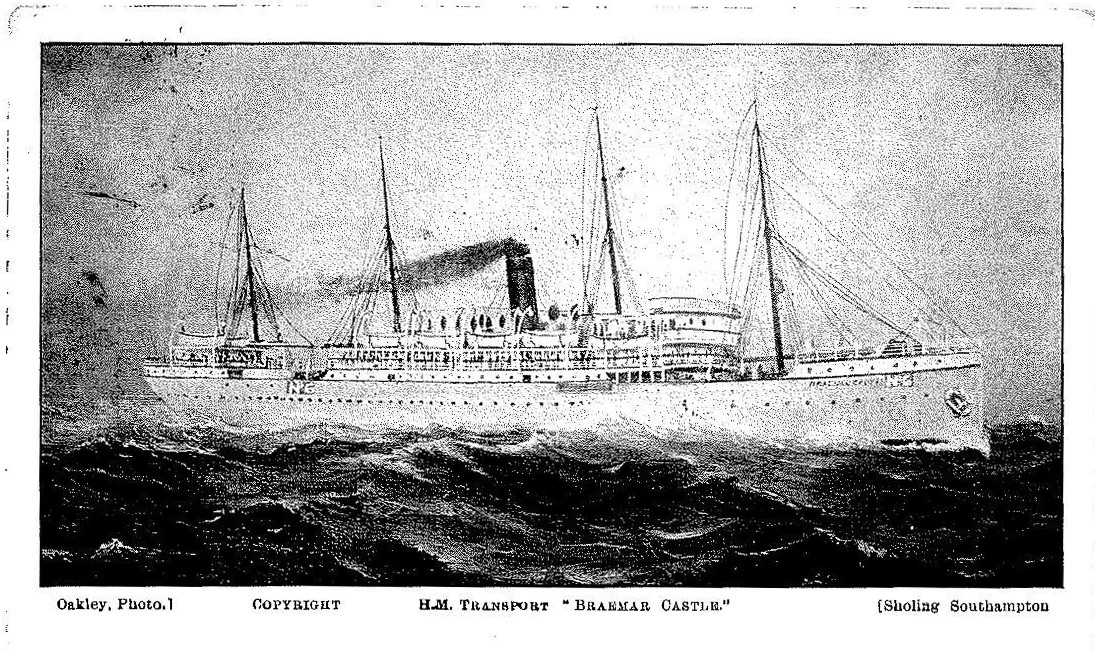
The Battalion marched out to get the train to Southampton, and from there sailed on the SS Braemar Castle to Le Havre in France.
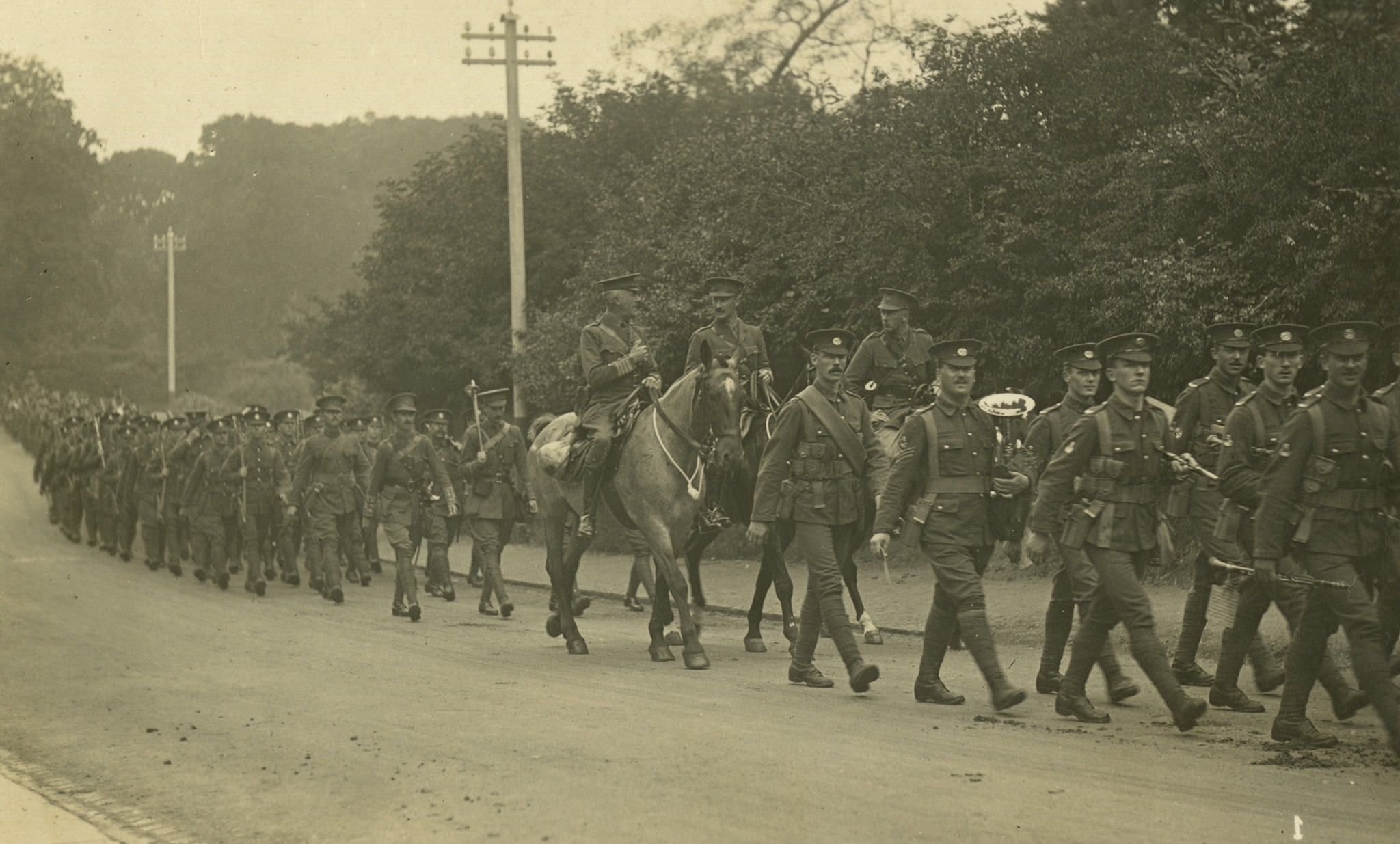
The 1st Battalion was closely engaged in covering British retirement from Mons, the Division earning warm approval of the Commander-in-Chief. It was reported that Captain Connellan bore a very conspicuous part in holding the railway line near Caudry on 26 August, being under heavy fire all day in a most exposed position. He also took part in the retirement on Ligny, and subsequent engagements.
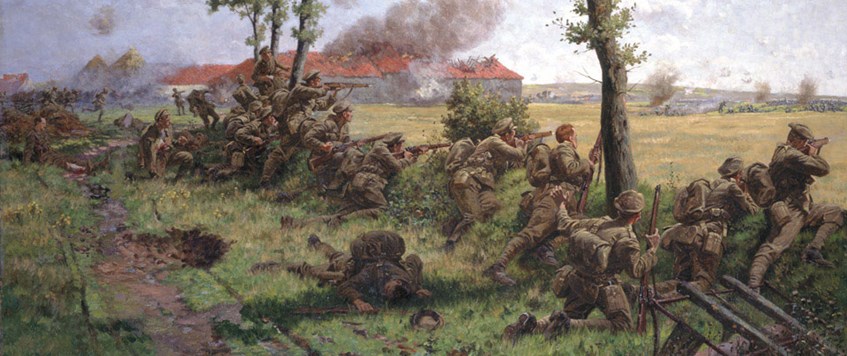
On 7 September 1914, he was promoted to Temporary Major (a rank he continued to hold until his death), and was given command of the Battalion, which he retained during the subsequent engagements at the Marne and the Aisne.
Relieved by the French near Buez-le-Long on 4 October, the Brigade moved North and was engaged in the neighbourhood of Armentières. At this point, he was second in command of the Battalion. On 20 October, to the north-east of Armentières, Major Connellan fell, shot through the neck by shrapnel.
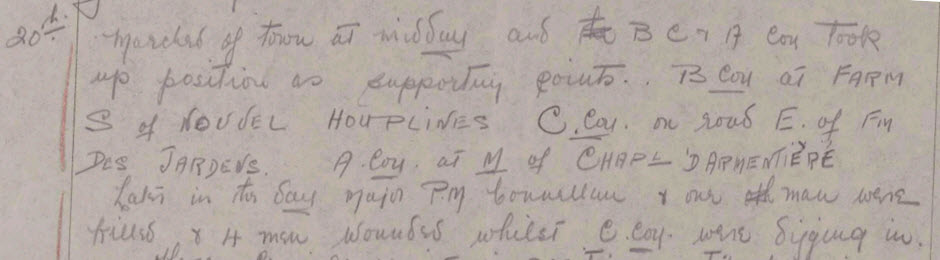
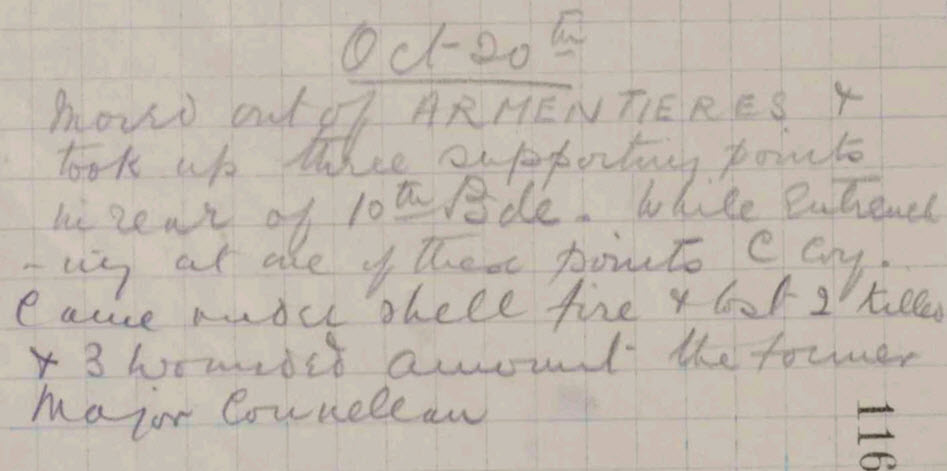
Major Connellan was twice mentioned in Sir John French's Despatches, on 8 October 1914 and 14 January 1915 (London Gazette 9 Dec 1914 and 17 Feb 1915)(espectively), and especially recommended for promotion and reward by his Brigadier who described him as "one of my ablest commanders and a born soldier".
He was a keen sportsman, a fine rider, very fond of hunting and salmon-fishing, also of games. He was a member of the Battalion polo team and a good player of hockey, tennis, badminton, etc.
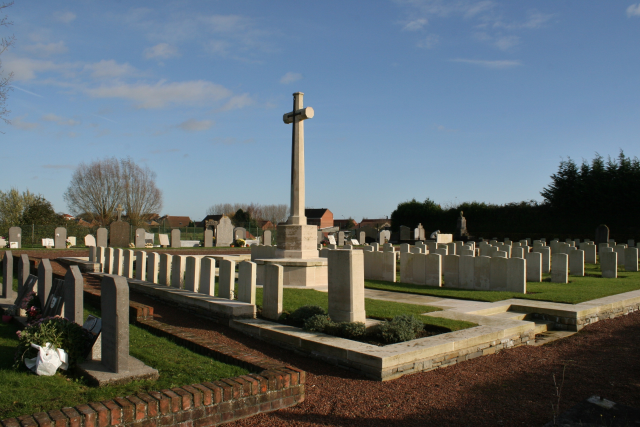
He is buried at Pont-de-Nieppe Communal Cemetery.
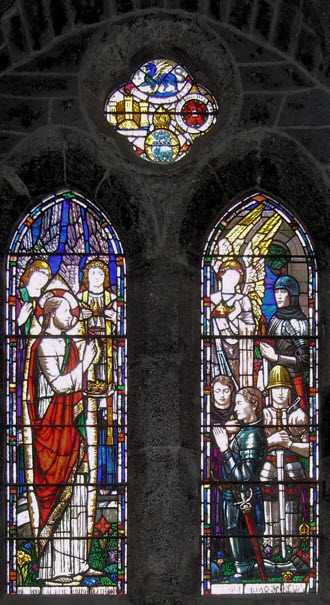
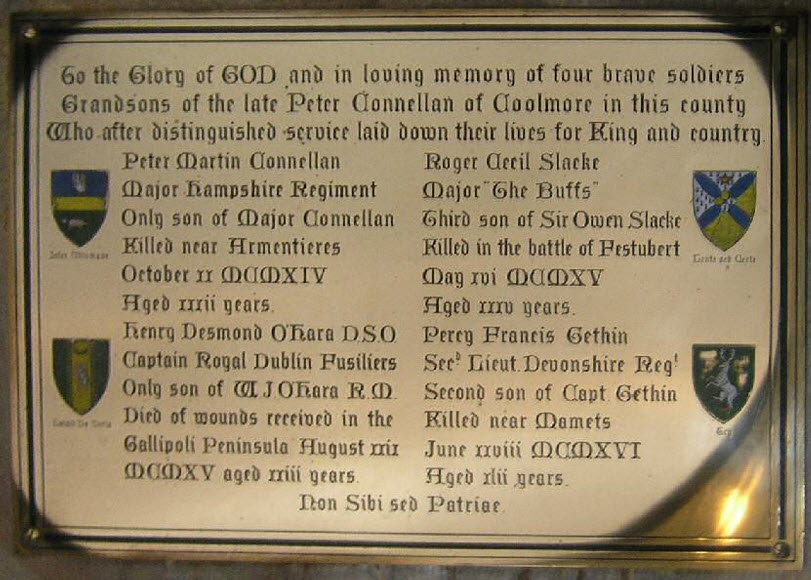
He is also commemorated at the Connellan Memorial Window in St. Cornice's Cathedral, Kilkenny. The window commemorates the 4 grandsons of Peter Connellan who lost their lives in the First World War.
His CWGC entry confirms that, at some point, his widow Winifred remarried - he is described as "husband of Winifred Bollam (formerly Connellan), of Belline, Piltown, Co. Kilkenny".
Major Peter Martin Connellan, 1st Battalion, Hampshire Regiment