
Ace in a Day: instances of WW1 airmen shooting down multiple opponents in a single day
The term 'Ace in a Day' is seemingly a modern phrase, possibly first used by a journalist called Steve Geissinger in an article in a regional newspaper, The Argus Press of Owosso, Michigan in 1997. The term, however, neatly sums up the scenario when an airman was designated an 'ace' (someone who shot down more than five Enemy Aircraft) in a 24-hour period.
'Ace'
The first instance of an airman being designated 'an Ace' was when Frenchman Adolphe Pégoud shot down five German aircraft between February and April 1915. Newspapers described him as ''l'as"(French for 'the Ace) and somehow the benchmark of five victories was created for such an accolade.[1]
'In a Day'
In most cases it took many weeks, or even months for pilots (in some cases, observers would be given the designation, but that's another story). However, just occasionally, flyers could achieve this total in a single day. But in no cases did any pilot achieve their first five 'victories' on a single mission, they would all have had previous victories to their name.[2]
Who did it the quickest?
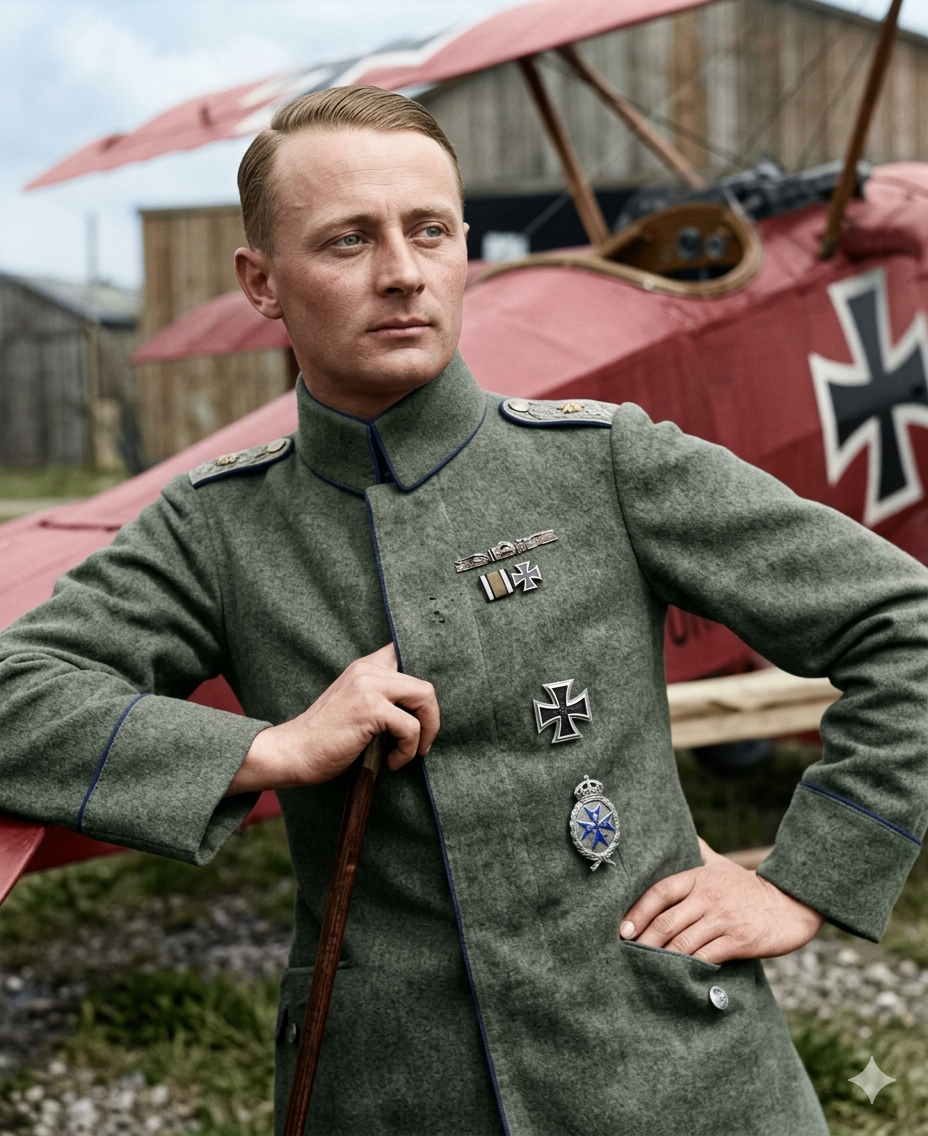
Shooting down five enemy aircraft (balloons were counted) in a day is an incredible achievement, but even more amazing is that this was managed in the space of just a quarter of an hour on one occasion.
Oberleutnant Friedrich Ritter von Röth was a 'balloon specialist' (he was to end the war with 28 victories, twenty being balloons. On 25 January 1918, as a member of Jagdstaffel 23, Röth scored his first victories, with three balloons shot down in eight minutes. He improved on this on 1 April 1918 (coincidentally the day the RAF was formed) when he shot down four balloons in ten minutes. It was on 29 May 1918 when he achieved the quickest 'Ace in a Day' return of five victories.
Selecting a time when there were no British aircraft around, and when the wind was in his favour, Röth attacked and set on fire five balloons in 15 minutes without assistance. In addition five other balloons were quickly winched to the ground to protect them. Röth had expended just 220 rounds to burn the balloons.
First to do it
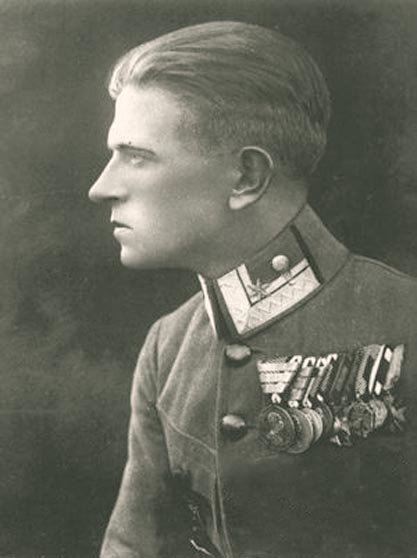
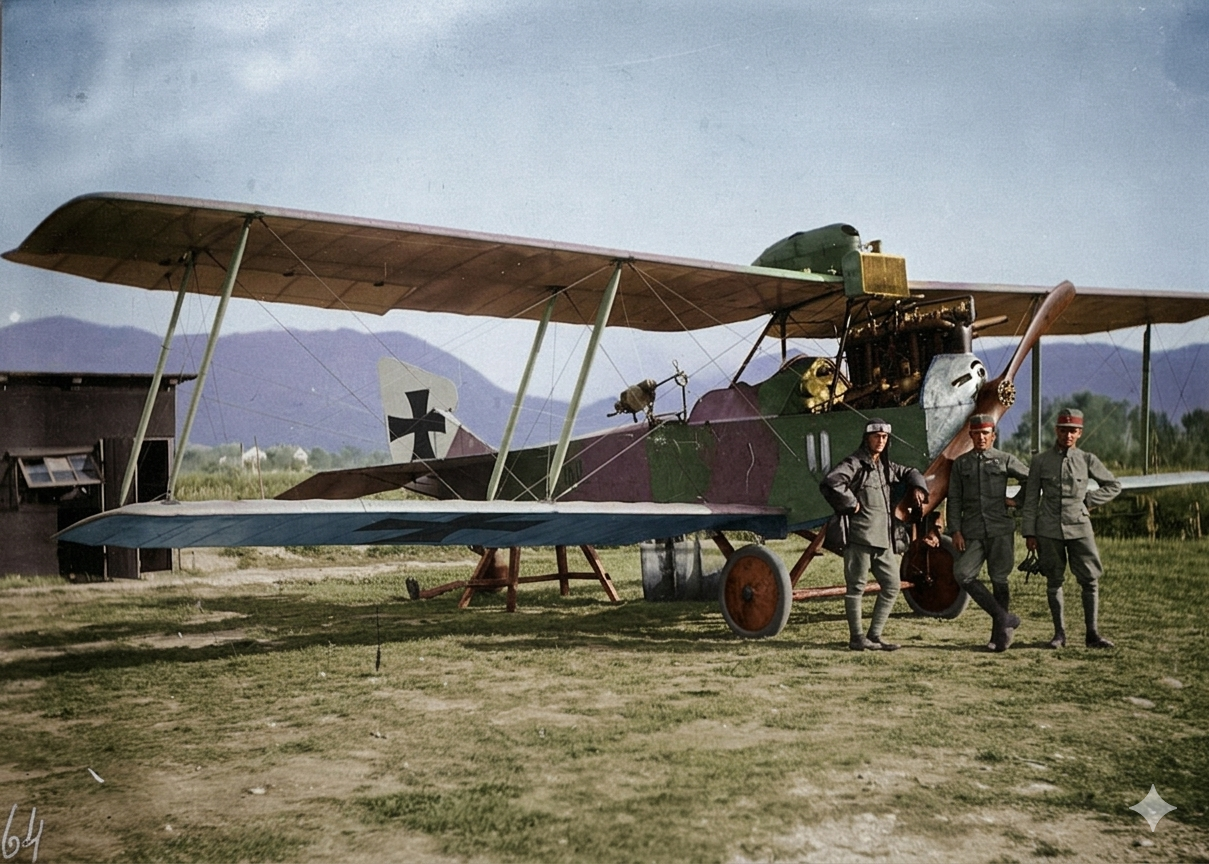
It would seem the very first airman to manage to shoot down five enemy in one day was also doubly unique. Offiziersstellvertreter Julius Arigi was with the Austo-Hungarian air service and also a non-commissioned officer. He had - in 1915 - become a POW of the Montenegrins but had escaped. on 22 August 1916 - with Feldwebel Johann Lasi - engaged six Italian Farman aircraft over the Skumbi estuary in a Hansa-Brandenburg C.I aircraft. They shot five of the Farmans down.
Next to become an Ace in a Day - in a single seater
Taking nothing away from Agri, he was assisted by his observer. The next 'Ace in a Day' undertook this flying on his own.
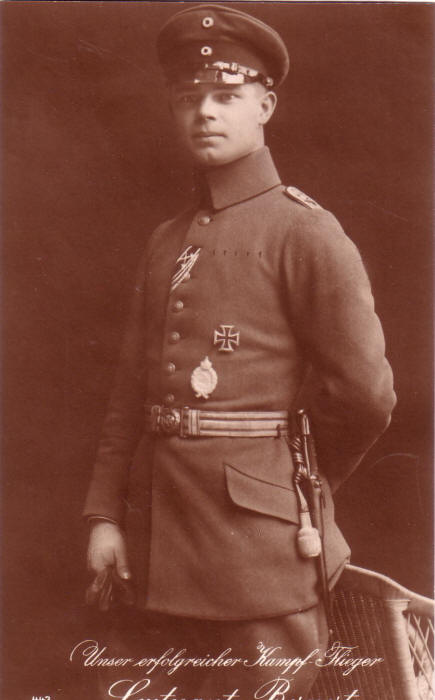
The German pilot Fritz Otto Bernert scored five victories within 20 minutes on 24 April 1917. This was of course during 'Bloody April' when the RFC lost a very high number of aircraft. His first victory was at 8.30am when Bernert came across a patrol of Sopwith 1½ Strutters. Breaking off combat with the Sopwiths, Bernert came across a formation of Royal Aircraft Factory B.E.2es.
The three aircraft were 'sitting ducks' - slow at the best of times, they were flying without aerial observers manning their rear guns - they had been left behind to enable more bombs to be carried. Two of the B.E.2e pilots were killed, and the third was captured after crashing. Finally, at 8.50 am Bernert found an Airco DH.4 and shot it down at 8.50 am, killing the observer and wounding the pilot.
Another German 'Ace in a Day'
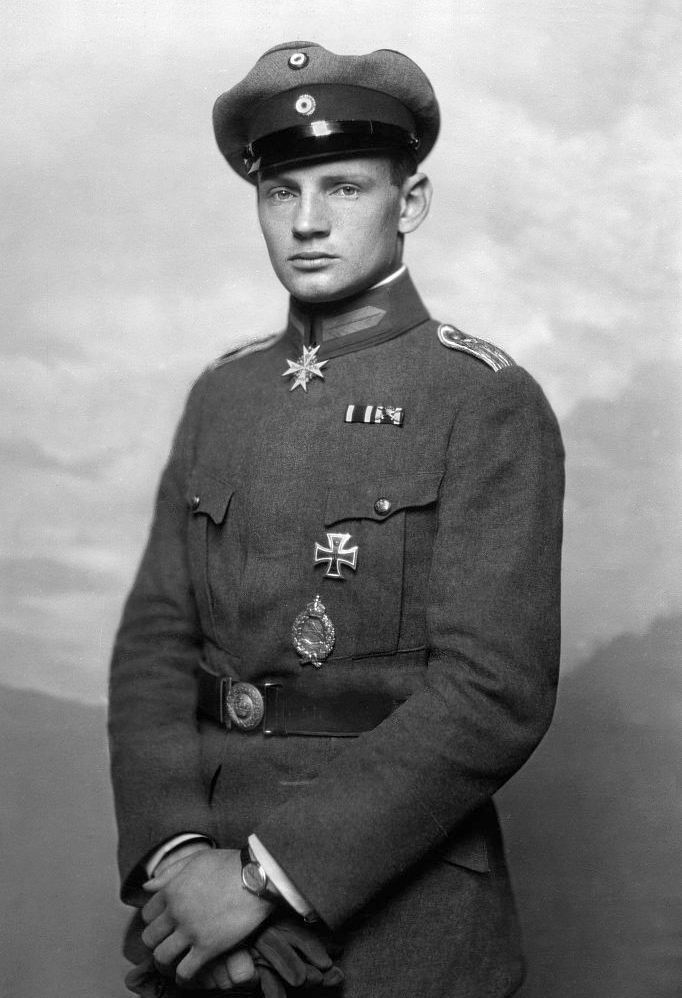
Despite the high number of victories scored by German airmen, only two Luftstreitkräfte flyers achieved the 'Ace in a Day' accolade. The second was Heinrich Gontermann who shot down a SPAD in the morning of 19 August 1918. In the evening, he took off for another sortie and shot down four allied observation balloons. The victories brought his score to 35, but he was to be killed on 30 October 1918, with his total standing at 39.
British and Empire Aces in a Day
The list of those serving in the RAF who scored five victories in a single day is, compared to those flying on the 'other side of the wire', a surprisingly long list.
South African
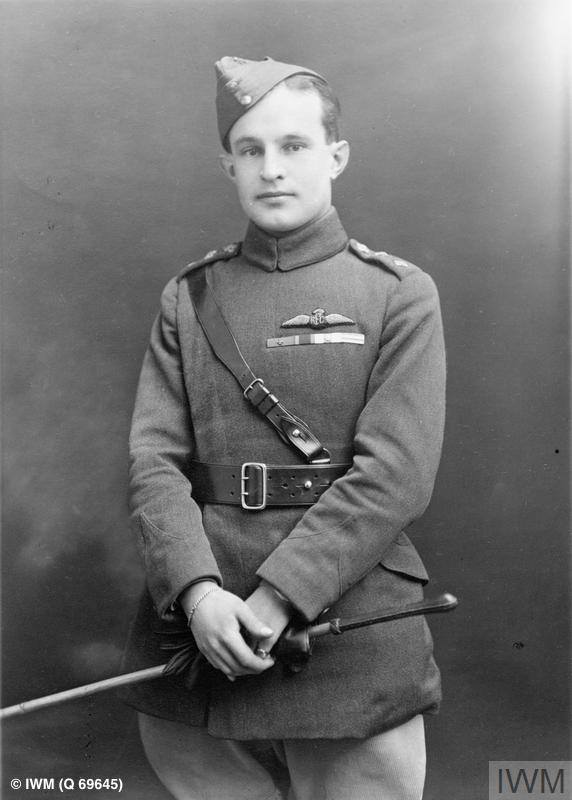
The first British (he was actually South African) airman to achieve this was Andrew Beauchamp-Proctor. On 19 May 1918, while flying with 84 Squadron RAF he sent an enemy observation aircraft down out of control; fifteen minutes later, he destroyed an Albatros D.V scout. That evening, at about 6:35 pm, he shot down three more Albatros D.Vs.
Canadian
Billy Bishop, who was also the highest-scoring Canadian ace of the war, claimed five victories on 19 June 1918. At the time, he was commanding number 85 Squadron RAF.
Just a day earlier, he had been ordered to return to England to help organise the new Canadian Flying Corps. Bishop was unhappy to be removed from operations. On the morning of 19 June, Bishop went up on his last solo patrol. In just 15 minutes of combat, he claimed to have shot down two Pfalz D.IIIa scout planes, caused another two to collide with each other, and then shot down an LVG C two-seat reconnaissance aircraft near Ploegsteert.
The problem is that many of Bishop's claims are not backed up by German records, and controversy still exists as to his total victories.
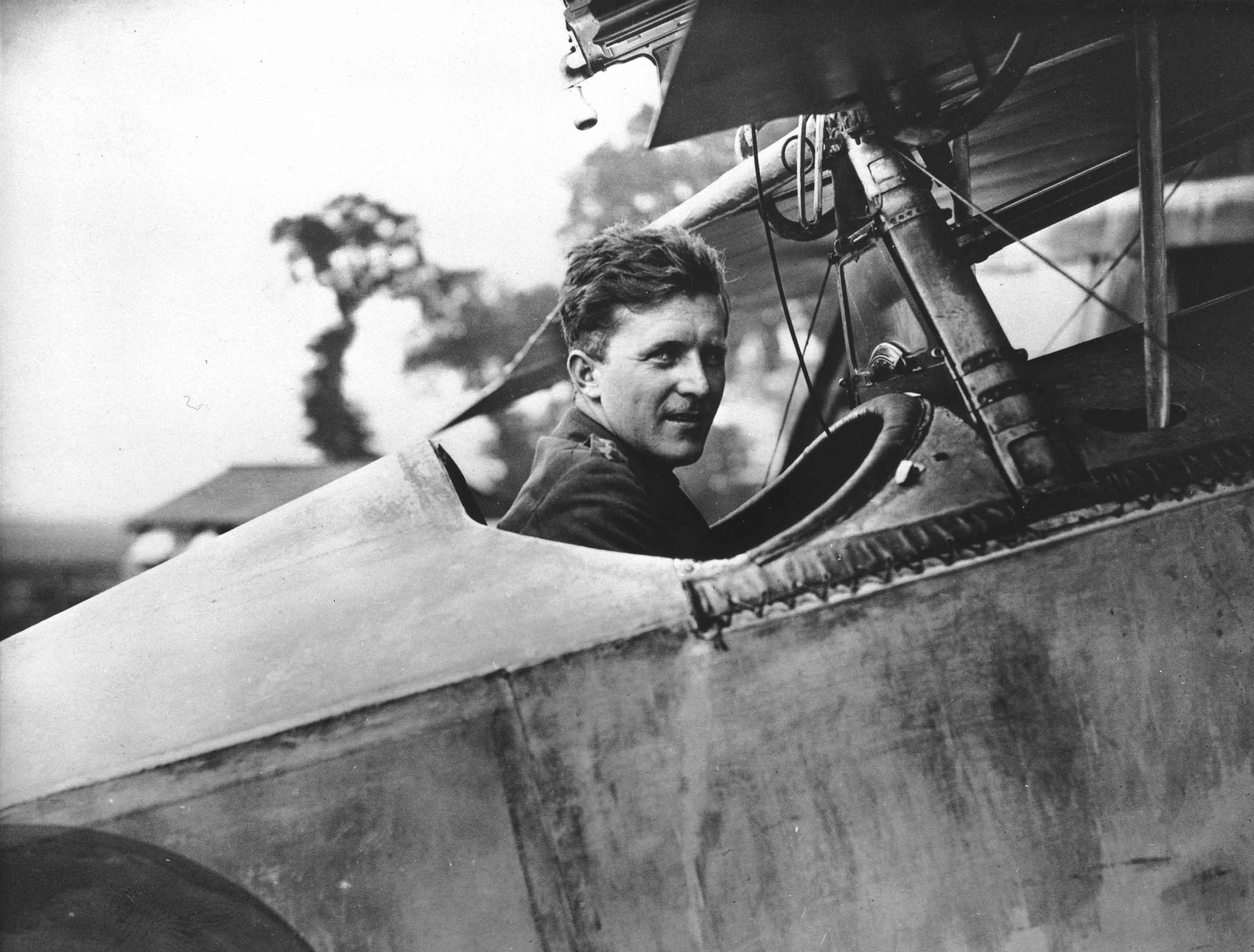
A second 'Canadian Ace in a Day' event took place just two weeks after Bishop's victories. On 28 June 1918, Frederick McCall shot down four enemy aircraft, a day later he went one better and became an 'Ace in a Day'. On 30 June 1918, McCall downed four German aircraft in the morning and a fifth that evening. For these nine victories in just two days, McCall was awarded the Distinguished Service Order. The citation for this reads:
A brilliant and gallant officer who has accounted for fourteen enemy machines. On a recent date he destroyed four during a patrol in the morning, and another in the evening, in each case closing to point-blank range with his opponent. His courage and offensive spirit has inspired all who serve with him.
Scotland the Brave
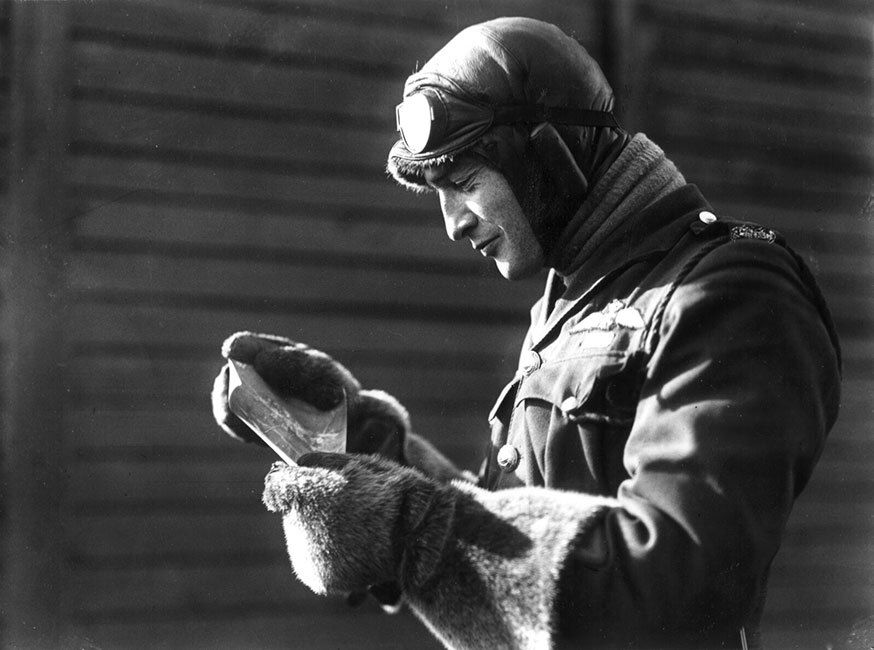
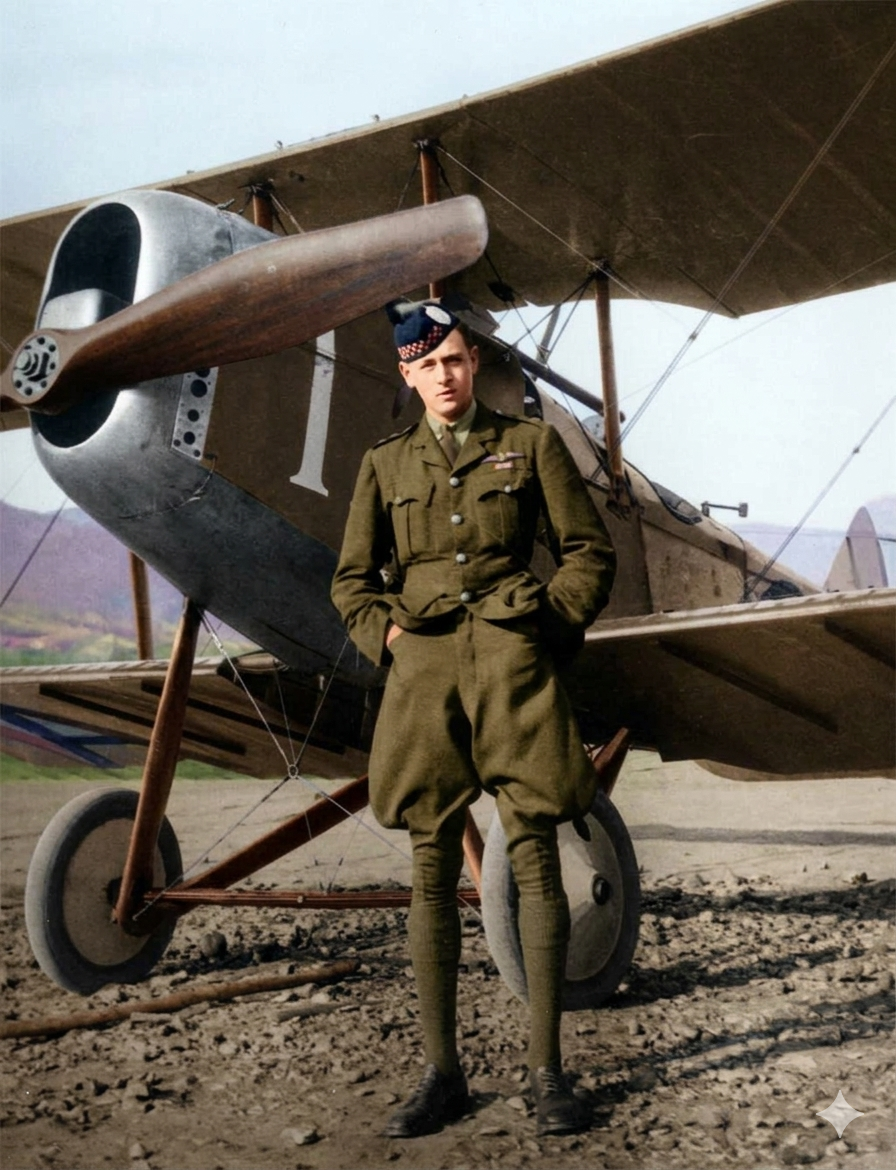
John Inglis Gilmour was the highest scoring Scottish pilot of the Great War. He also became an 'Ace in a Day' on 1 July 1918 - just 24 hours after McCall.
Gilmour had - by the end of June - amassed a remarkable 31 aerial victories, the first as far back as September 1916. They had all come in ones and twos (apart from a hat-trick on 4 January 1918). But on 1 July, he shot down two Fokker D.VIIs at 7.10 pm, South East of Bray and shot down another D.VII 35 minutes later. Five minutes later he claimed an Albatros D.V and another five minutes later drove a Pfalz D.III down.
Two Americans with the RAF
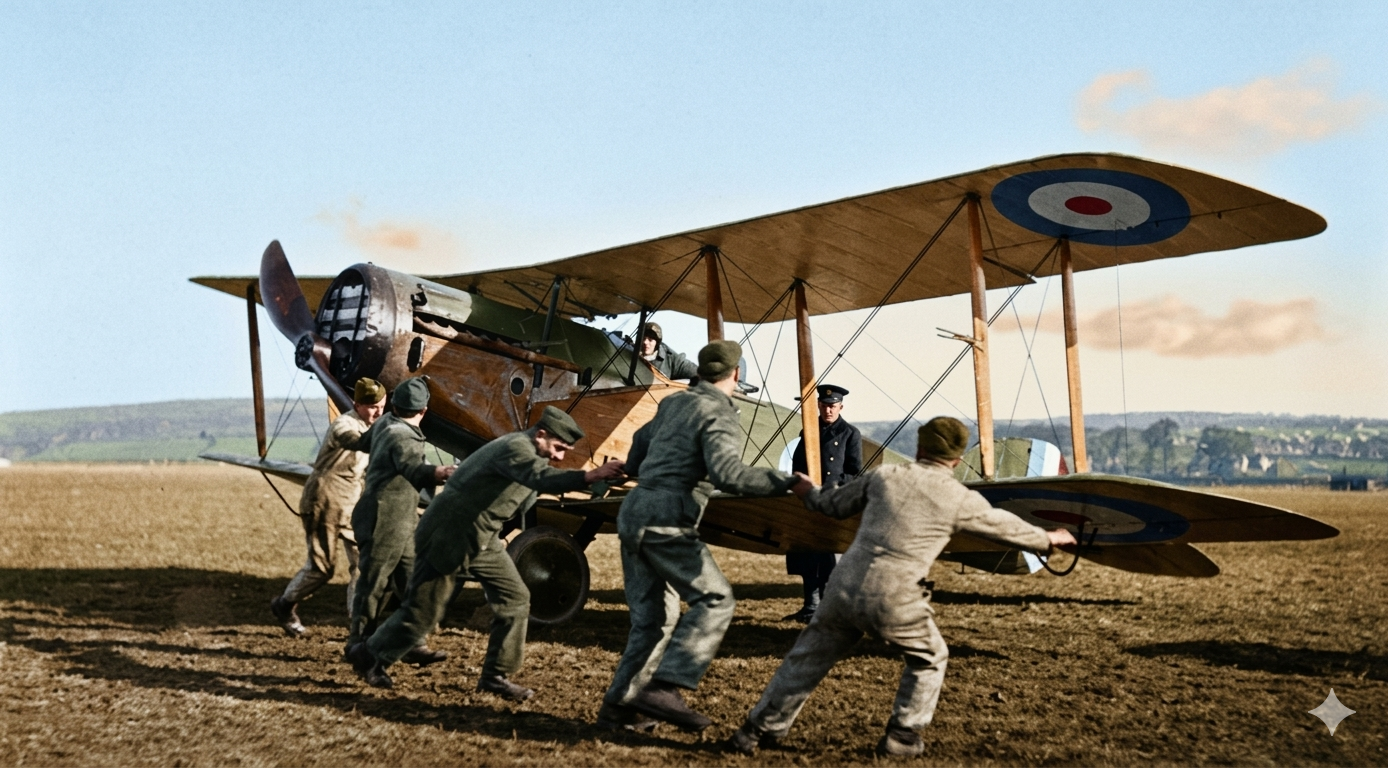
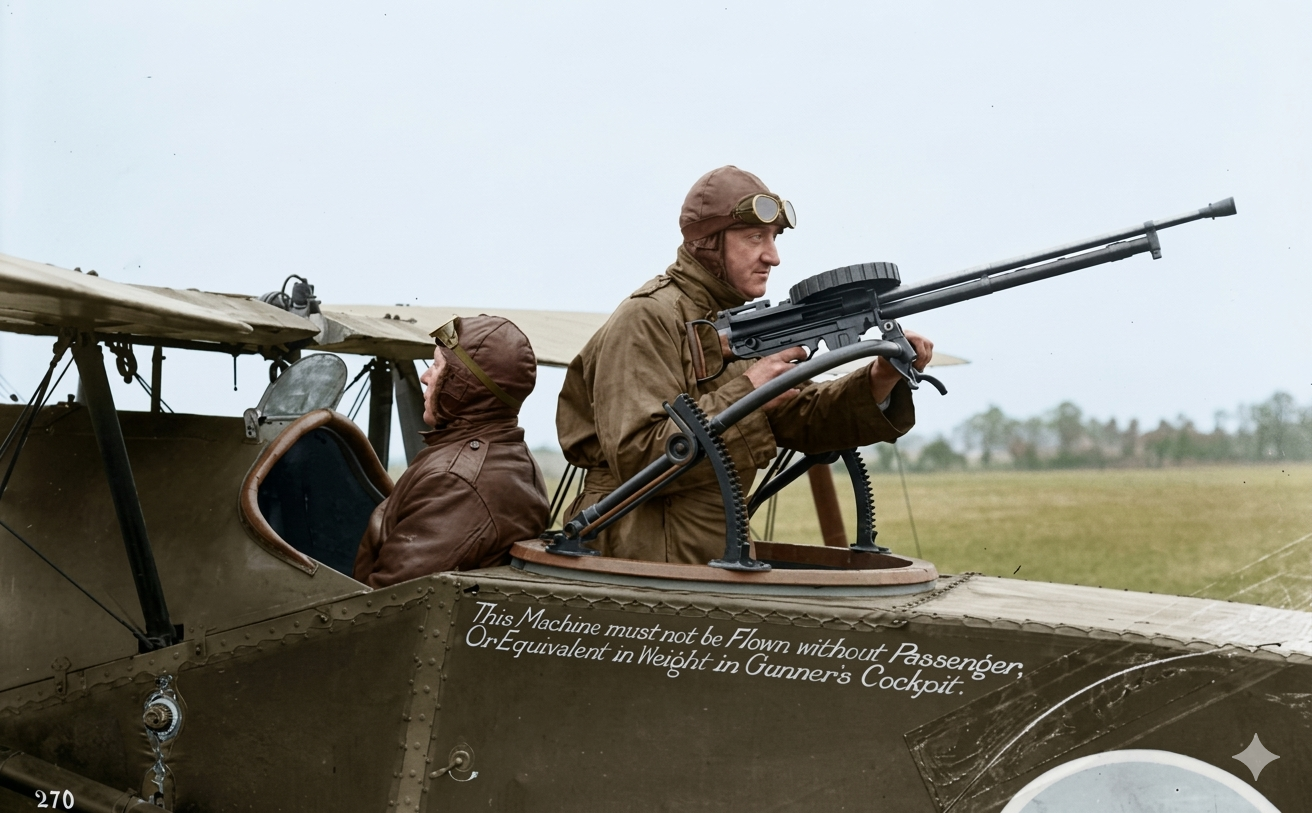
Both the American 'Aces in a Day' with the RAF were flying the same type of machine, the Bristol F.2b.
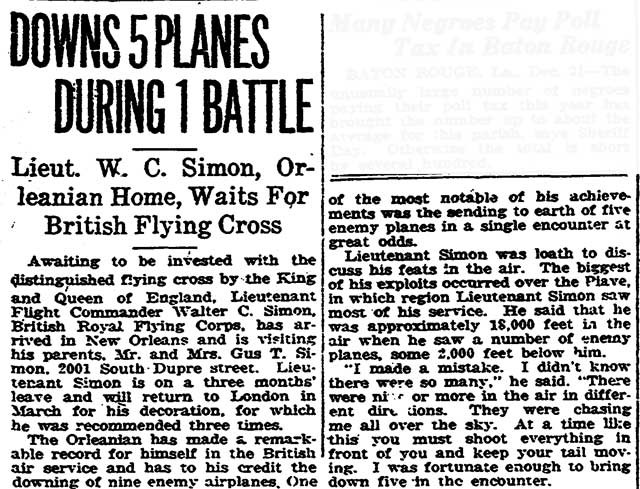
Walter Simon and William Smith
American Lt Walter Carl Simon and his observer (a Scotsman) Lt William Smith, were flying with 139 Squadron on an offensive patrol near Villaverla, in northern Italy when the patrol encountered around sixteen enemy aircraft. In the ensuing dogfight, Simon and Smith were credited with five enemy aircraft destroyed within five minutes, though both men were wounded and their aircraft badly damaged. Simon ended the war with 8 victories (seven of these shared with Smith as his observer).
Eugene Coler and Cyril Gladman
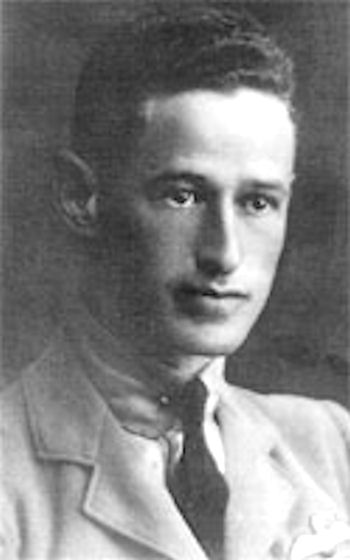
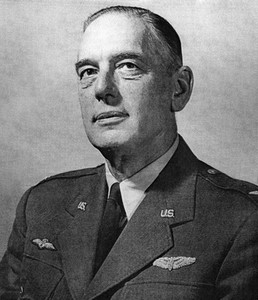
Lieutenant (later Colonel) Eugene Seeley Coler was born in Newark, New Jersey. After serving in the Candian Field Artillery, he transferred to the RFC. On 13 August 1918, he and his observer Lt Cyril William Gladman (a pre-war electrical engineer apprentice) shot down five Fokker D.VIIs in three minutes of fighting over Péronne. The following day Gladman was seriously wounded.
Coler was awarded the DFC, the citation reads:
Bold in attack and skilful in manoeuvre, this officer never hesitates to engage the enemy regardless of disparity in numbers. On 13th August when on escort duty, he dived on a formation of twenty enemy aeroplanes. In the engagement that ensued he himself destroyed three and his observer two - making a total of five machines destroyed in the fight; a fine performance, reflecting great credit on the officers concerned.
Supplement to the London Gazette, 3 December 1918 (31046/14320)
American Air Service
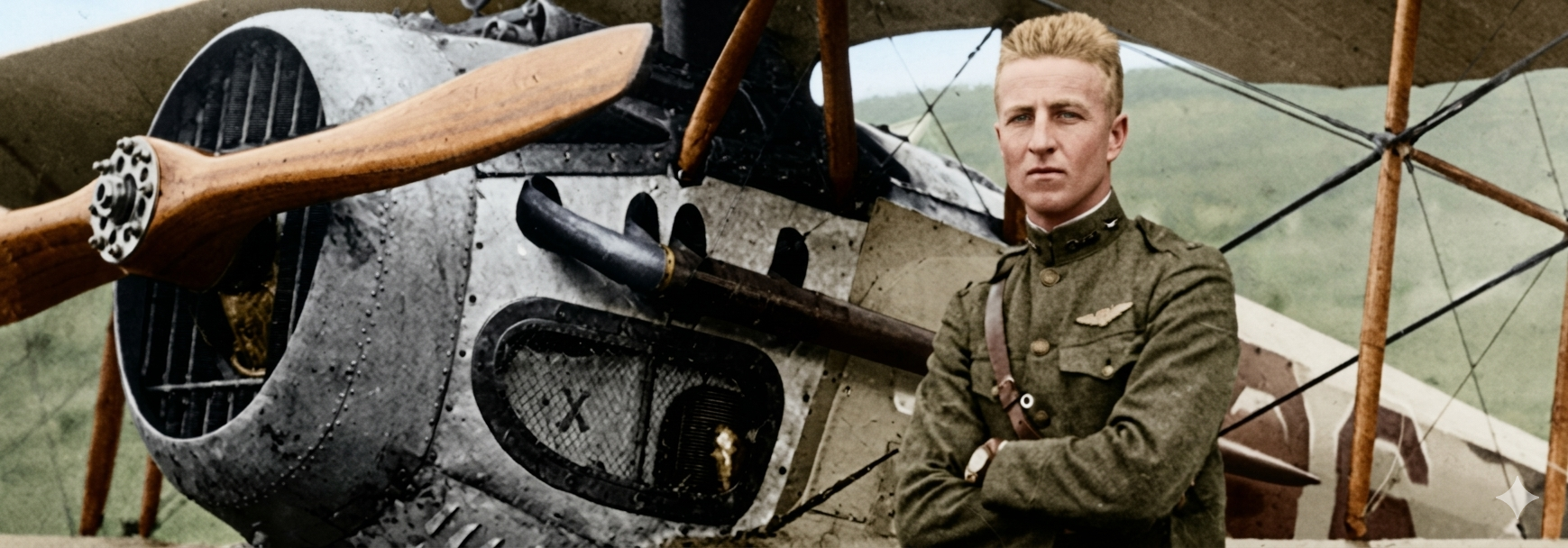
Frank Luke was famous for being a 'balloon buster'. He served in the USAAS's 27th Aero Squadron. On 18 September 1918, whilst flying a SPAD XIII, Luke achieved five victories, destroying two Fokker D.VII fighters, two observation balloons and a Halberstadt reconnaissance plane. Luke was killed in action 11 days later.
Double Ace in a Day
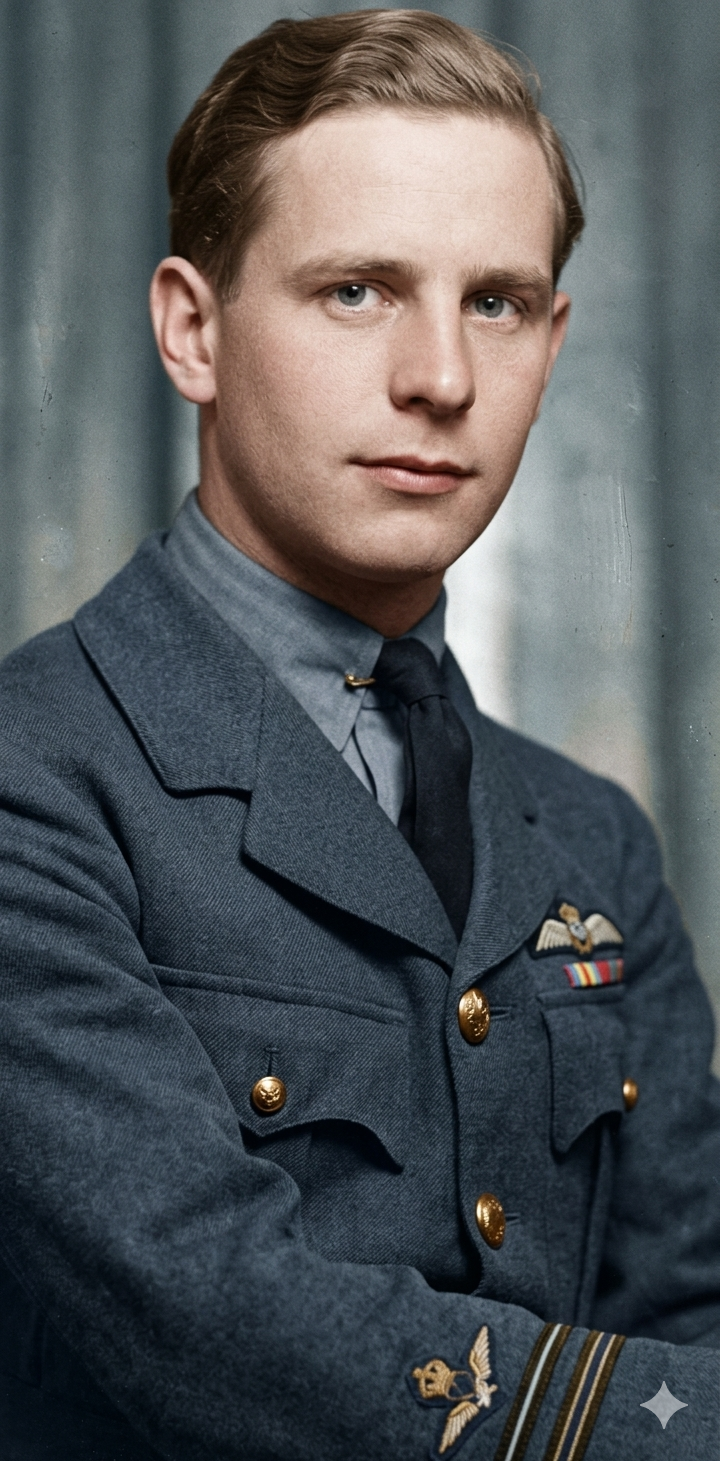
The 'Ace in a Day' was incredibly achieved twice by a pair of airmen. Flying in the Bristol F2b, pilot Captain Alfred Atkey (a Canadian) with his English observer Lt Charles Gass – managed the achievement twice within the same week.
Atkey and Gass were very successful in shooting down 29 enemy aircraft between 7 May and 2 June 1918. They were lucky, too. On one occasion, their Bristol Fighter was so badly damaged that Gass took it upon himself to crawl out onto the lower wing to counterbalance the aircraft so that Atkey could get it back to base.
It was at the very start of this spell of victories, on Tuesday 7 May 1918, they shot down five German planes in a single sortie over Arras. Two days later, on Thursday 9 May, they were credited with another five enemy machines in the course of two sorties.
Both Atkey and Gass survived the war. Atkey is credited with a total of 38 victories, making him the most successful two-seater pilot and Gass with 39 victories and is the most successful observer 'ace' of the war.
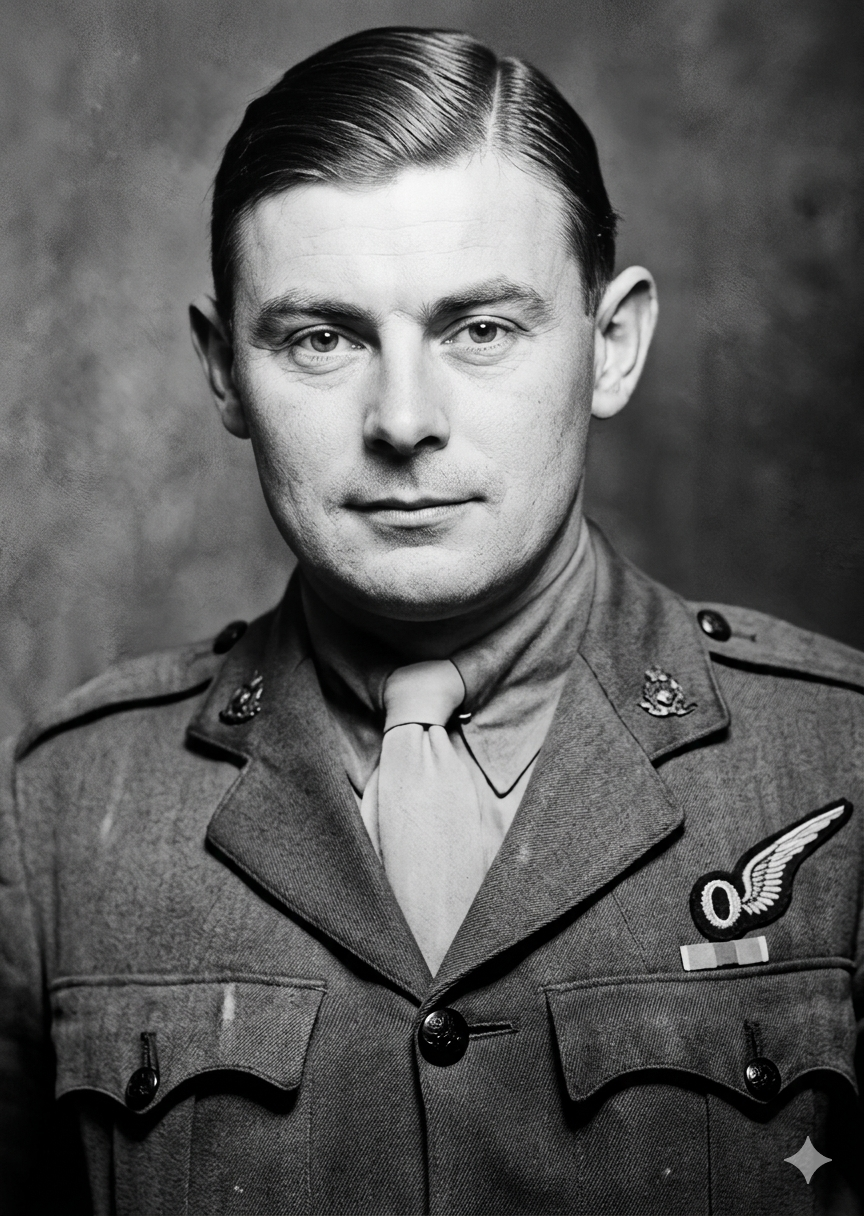
Not all 'Aces in a Day' were fighter pilots
Interestingly, one of the 'Aces in a Day' were a pair of crewmen on board a bomber. The Airco DH9 was was designed and operated as a bomber.
Arthur Spurling, a Bermudian pilot of No. 49 Squadron RAF, with his observer Frank Bell, were flying this type on 23 August 1918, when they were attacked by thirty Fokker D.VII fighters.
The account of their fight makes incredible reading
Whilst returning from a bombing mission they became separated from the formation. After flying west for sometime, Spurling saw what he took to be a friendly airfield and prepared to land, but as he lost height, he was suddenly attacked by a Fokker D.VII. Spurling then saw a formation of thirty more D.VIIs directly below him and, with little other option, continued his dive through the middle of them, firing as he went.
One of the Fokkers was hit and burst into flames; two more, taking violent evasive action, went into a spin, and one of them was seen to crash. The DH9 was then harried from astern by four Fokkers, one of which was shot down in flames by Sergeant Bell. A few moments later Bell also accounted for another which attempted a beam attack.
The DH9 was pursued by three more D.VIIs as it climbed hard towards the line, but they did not attack. An enemy two-seater tried to intercept it as it headed for home, but a few well-aimed bursts from Bell drove it away.[3]
The two crewmen shared each other's victories, each attaining ace status in a single mission. Two days later Spurling shot down another D.VII over Mont Notre Dame.
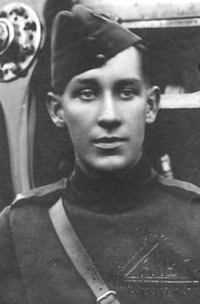
Spurling was awarded the Distinguished Flying Cross and Bell was awarded the Distinguished Flying Medal.
The citation for Bell's DFM, which was published in The London Gazette on 1 November 1918, read:
A keen and reliable Observer, who has taken part in eighteen bomb raids, invariably showing gallantry and devotion to duty, notably on a certain occasion not long since, when his Pilot dived through the centre of an enemy formation of some thirty machines; five of these subsequently closed on his machine, but by skilful manoeuvring the Pilot gave Serjt. Bell the opportunity, which he took quick advantage of, by shooting down two of the enemy aircraft in flames, while the remaining three broke off the combat and disappeared in the mist
All at Sixes and Sevens
Five in a day was certainly an achievement, and the stories detailed above are of the highest praise, but a small number of airmen surpassed the five in a day
Four sixes by three aces
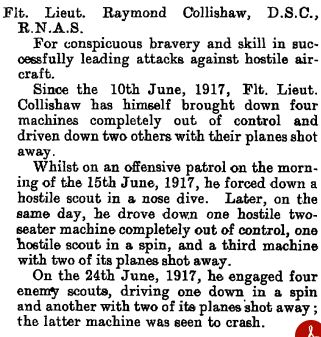
Raymond Collishaw
Collishaw was one of the top aces of the war. A Canadian, serving in the RNAS until it merged with the RFC in April 1918. It was as a RNAS pilot he shot down six enemy aircraft on one day in 1917.
The 6 July 1917 was Collishaw's most successful day in the air. The combat on that day started with him diving to help a number of F.E.2d's which had been surrounded by what Collishaw estimated to be around thirty German aeroplanes. His sqaudron (Naval 10) had two flights airborn and their intervention turned scrap into a wild dogfight.
Descending onto the rear of a red Albatros, Collishaw fired off a few bursts which he believed had hit the pilot and the Albatros began to go down.
He then had to take violent evasive action to avoid an incoming attack. This whirlwind process continued five more times – each time a damaged German aircraft left the battle. Other members of Collishaw's flight scored victories as well. Collishaw was credited with six aircraft shot down out-of-control. The following day, Collishaw was awarded the Distinguished Service Order for previous heroics.
Henry Woollett
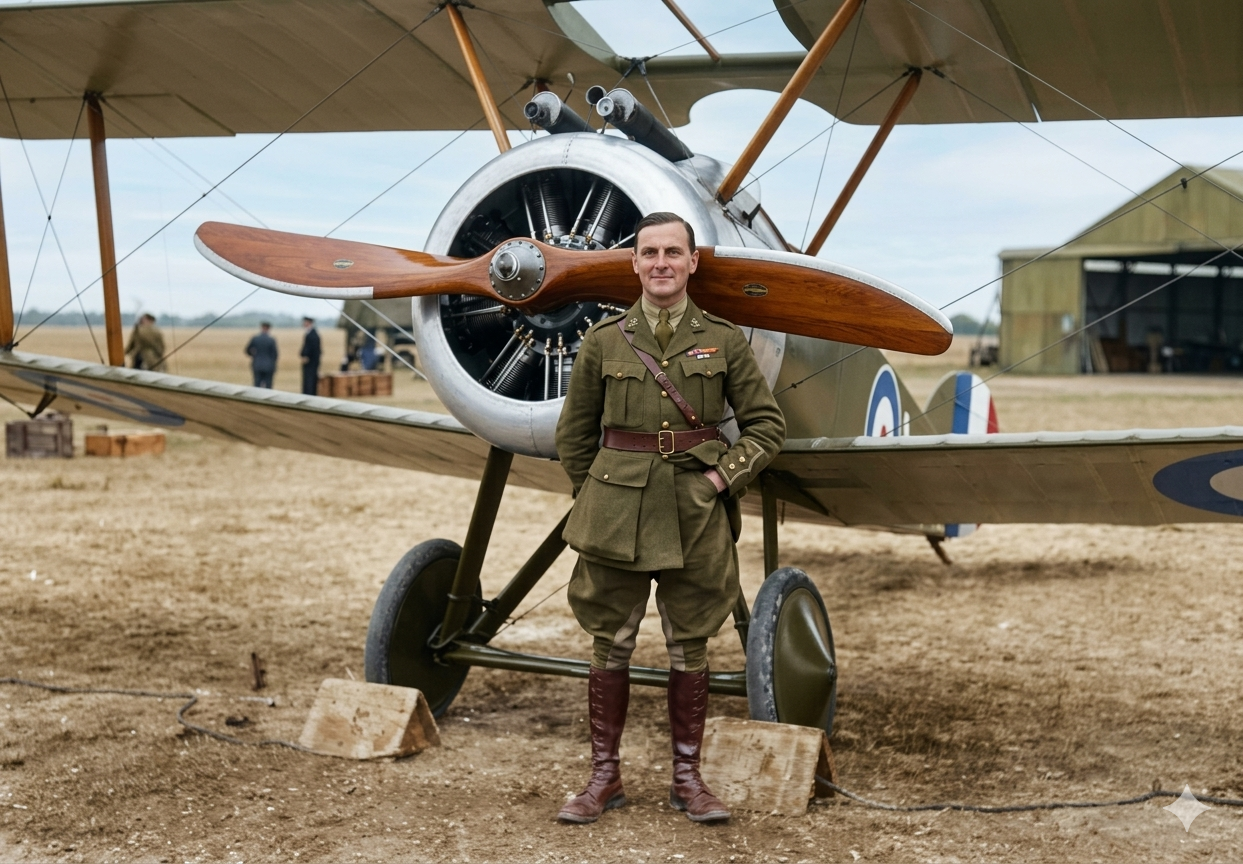
The story of Woollett's victories on 12 April 1918 are told in The Outline of Science: A Plain Story Simply Told [4]. He was flying a Sopwith Camel.
Captain H. W. Woollett of No. 43 Squadron achieved the war's record by bringing down six enemy aircraft in one day, very largely owing to the excellent qualities of his machine. Thus at 10.30 a.m., whilst leading a patrol, he saw a German machine, out-manoeuvred it, fired about thirty rounds and saw it spin down and crash. During this fight he had been attacked by several other machines. Without delay he climbed rapidly above his attackers and dived on to a two-seater, firing as he went, causing this machine also to crash. Once again he out-climbed his opponents, looped away from two attacking Fokkers, made a vertical bank, and again dived on the tail of an Albatross. After he had fired about 40 rounds, this machine burst into flames and fell to pieces. He then went home.
At 5 p.m. the same evening he attacked thirteen enemy aircraft, having absolute confidence in his own skill as a pilot and knowing that his machine could out-manoeuvre any of those he was attacking. He first fired 30 rounds into one of the enemy aeroplanes, which turned over on its back and fell to pieces. He then climbed again, manoeuvred rapidly among the remaining twelve machines, avoiding the fire of his opponents until he could fire a burst into an Albatross, which spun down and crashed. He then made for home.
On crossing the lines he saw another enemy machine above him. Once more the climb of his 'bus enabled him to get over his enemy, and he crashed his sixth machine for the day. This day's work, the record for the war, illustrates the necessity for speed in the air—speed in climb and manoeuvrability.
René Fonck
René Fonck, the top scoring French Aéronautique Militaire and Allied ace of the war, scored six in a day on both 9 May and 26 September 1918.
It was on 9 May that two American pilots became annoyed by Fonck's lectures on aerial success, and they bet Fonck a bottle of champagne that one of them would shoot down an enemy plane before Fonck. One of the Americans (Frank Baylies) took off even though the weather was hazy and promptly shot down a Halberstadt CL.II. Back at the airfield, Fonck persuaded the Americans to change the terms of the bet so that whoever shot down the most Germans that day would win.
Lingering fog kept Fonck grounded for most of the day. It was well into the afternoon before it cleared enough for him to take off at 3.00 pm. An hour later he shot down three enemy two-seater reconnaissance planes. A couple of hours later, he shot down another three enemy aircraft.
On 26 September, he repeated his feat of knocking down six enemy aeroplanes in a single day.
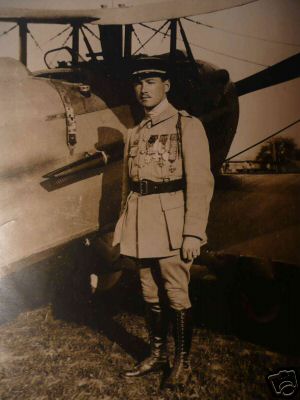
The record: Seven in a day
John Lightfoot Trollope of the RAF shot down and destroyed seven German aeroplanes on 24 March 1918.
Captain Trollope’s combat pilot career commenced in September 1916, with him flying Sopwith 1½ Strutter reconnaissance aircraft with 70 Squadron RFC.
In March 1917, he returned to the UK as a flight instructor but just four months later, in July, John was promoted to Captain and appointed as a flight commander. He returned to France to serve with the 43 Squadron, flying Sopwith Camels in a ground-attack role.
On 19 January 1918, Trollope earned his first aerial victory against a German DFW biplane over Vitry. By mid-March, he had four more enemy aircraft to his name. Towards the end of the month, Trollope had downed a total of seven German aircraft in one day.
24 March 1918
At 11:00 a.m., Captain Trollope’s flight spotted four German fighters attacking British reconnaissance aircraft. Trollope led his flight's attack, shooting one enemy aircraft at close range. He observed two more enemy planes below him and proceeded to take them on.
That afternoon, around 3:20 p.m., Trollope’s flight found three enemy aircraft over the battle line. He once again led the attack, but his guns jammed.
Captain Trollope was forced to withdraw to unblock the guns whereupon he re-engaged, downing two more enemy aircraft.
On the way home, a single German and British aircraft were spotted in a dogfight. John Trollope once again intervened and brought down his seventh enemy aircraft for the day.
For this and other actions, he was awarded a bar to his MC. The citation for this reads:
T./Capt. John Lightfoot Trollope, M.C., Gen. List and R.F.C.
For conspicuous gallantry and devotion to duty. On one occasion during the recent operations, while on offensive patrol, he encountered three enemy machines, two of which he completely destroyed. He then attacked a scout, and after firing 100 rounds into it, the enemy machine went down completely out of control, eventually crashing. Later in the same day, on his flight encountering four enemy two-seater planes, he sent three of them down crashing to earth. Within a month previous to this he fought two hostile formations, numbering 12 machines in all, single-handed, and did not break off the engagement until he had driven off all of them towards the East. He has accounted for 14 enemy machines, and has rendered exceptionally brilliant service by his gallantry and determination.
Supplement to the London Gazette, 22 June 1918 (30761/7401)
It will be noted that the above citation only references six, not the seven aircraft he downed on that day.
Four days later, on the morning of 28 March, John Trollope led a patrol of nine aircraft across the German front, to the east of Albert. During the patrol he destroyed an enemy balloon, but was attacked by a number of German Albatros D.V fighters.
In the dogfight that then took place, Trollope shot down two of the Albatroses, but he, along with four others, was shot down by the Germans. Trollope was taken prisoner, but was wounded and had to have his left hand and wrist amputated. He was repatriated, but his left arm was eventually amputated at the shoulder.
John Lightfoot Trollope died in 1958, at the age of sixty-one.
John Trollope's list of victories
| 1 | 19 Jan 1918 | 10.25 | 43 | Sopwith Camel (B6210) | DFW C (DES) | Vitry |
| 2 | 16 Feb 1918 | 11.45 | 43 | Sopwith Camel (B6210) | DFW C (DES) | Vitry |
| 3 | 17 Feb 1918 | 09.30 | 43 | Sopwith Camel (B6210) | DFW C (OOC) | Brebieres |
| 4 | 05 Mar 1918 | 15.20 | 43 | Sopwith Camel (B6210) | DFW C (OOC) | E of La Bassée |
| 5 | 11 Mar 1918 | 13.50 | 43 | Sopwith Camel (B6210) | Albatros D.V (OOC) | Sainghin |
| 6 | 17 Mar 1918 | 11.45 | 43 | Sopwith Camel (C8270) | Albatros D.V (OOC) | Maugne |
| 7 | 17 Mar 1918 | 12.00 | 43 | Sopwith Camel (C8270) | Albatros D.V (DESF) | 4 mi E of Armentières |
| 8 | 23 Mar 1918 | 13.00 | 43 | Sopwith Camel (C8270) | DFW C (CAP) | Mercatel |
| 9 | 24 Mar 1918 | 11.00 | 43 | Sopwith Camel (C8270) | DFW C (DES) | E of Mercatel |
| 10 | 24 Mar 1918 | 11.00 | 43 | Sopwith Camel (C8270) | DFW C (DESF) 1 | SE of Mercatel |
| 11 | 24 Mar 1918 | 11.05 | 43 | Sopwith Camel (C8270) | Albatros D.V (DES) | E of Mercatel |
| 12 | 24 Mar 1918 | 15.20 | 43 | Sopwith Camel (C8270) | Albatros C (DES) | Sailly-Saillisel |
| 13 | 24 Mar 1918 | 15.20 | 43 | Sopwith Camel (C8270) | Albatros C (DES) | Sailly-Saillisel |
| 14 | 24 Mar 1918 | 15.20 | 43 | Sopwith Camel (C8270) | Albatros C (DES) | Sailly-Saillisel |
| 15 | 24 Mar 1918 | 15.30 | 43 | Sopwith Camel (C8270) | C (DES) | Sailly-Saillisel |
| 16 | 28 Mar 1918 | 09.30 | 43 | Sopwith Camel (C8270) | Balloon (DES) | E of Albert |
| 17 | 28 Mar 1918 | 09.30 | 43 | Sopwith Camel (C8270) | Albatros D.V (DES) | E of Albert |
| 18 | 28 Mar 1918 | 09.30 | 43 | Sopwith Camel (C8270) | Albatros D.V (DES) | E of Albert |
This data courtesy of www.theaerodrome.com
Further Reading
The Top German Aces Of The Great War
References
[1] Raymond Toliver and Trevor Constable's 1965 book, Fighter Aces, states that the British never officially accepted the term 'Ace' and also contends that ten was the standard in the early part of the war, but that on American entry, the bar was set at five. This is obviously an area of much debate.
[2] The phrase 'kill' (for shooting down an enemy) has been avoided, as this would seem to have been adopted in the Second World War.
[3] The 49 Squadron Association Magazine February 2020 Issue 56
[4] J. Arthur Thomson, The Outline of Science: A Plain Story Simply Told (New York: G. P. Putnam's Sons, 1922) 18. Sourced from www.theaerdrome.com/aces/england/woollett
Becoming a member of The Western Front Association (WFA) offers a wealth of resources and opportunities for those passionate about the history of the First World War. Here's just three of the benefits we offer:

With around 50 branches, there may be one near you. The branch meetings are open to all.

Utilise this tool to overlay historical trench maps with modern maps, enhancing battlefield research and exploration.

Receive four issues annually of this prestigious journal, featuring deeply researched articles, book reviews and historical analysis.
Other Articles


