
Military Justice during the Great War
During the Great War (World War I), military justice was characterized by strict discipline, rapid trials, and often harsh punishments, especially in the early years of the war.
Each army had its own legal system, but common features included:
Field General Courts-Martial were used to quickly try soldiers for offenses such as desertion, cowardice, insubordination, and self-inflicted wounds.
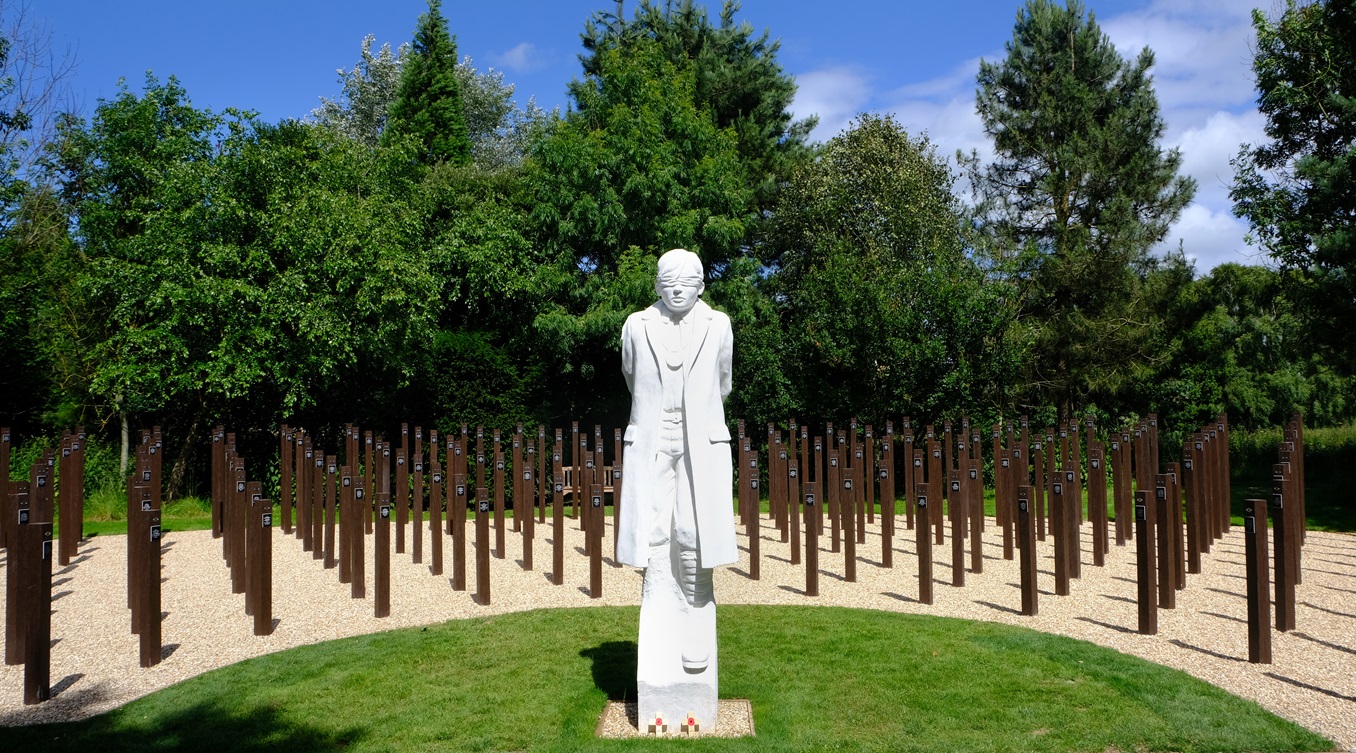
Executions were carried out in many cases to maintain discipline. For example, the British Army executed over 300 soldiers, most for desertion or similar offenses.
Legal representation and appeals were limited or non-existent, especially close to the front lines.
Over time, criticism grew over the harshness and fairness of the system, especially regarding the psychological toll of trench warfare, which was not well understood at the time.
After the war, public pressure led to re-evaluations and pardons in some countries, including the UK, where those executed were officially pardoned in 2006.
While this talk is it person, it is also available online. Please see zoom link below.
ZOOM Link: https://us02web.zoom.us/j/81486088507?pwd=meT7gE3XEjmXGamKM7AV1ij72eR7tf.1
Members and non-members of The Western Front Association are equally welcome. Any new visitors are guaranteed a friendly atmosphere and a warm welcome from a group of like-minded enthusiasts.
(Branch Chairman)
(Branch Secretary)
Other upcoming events for Wales (South) branch


