
Gloucester to honour ‘Canary Girls’ with memorial
Gloucester City Council has approved plans to commemorate the ‘Canary Girls’ who worked at a munitions factory in Quedgeley during the First World War.
The memorial will consist of information boards and plaques, placed near the site of the former National Filling Factory Number Five.
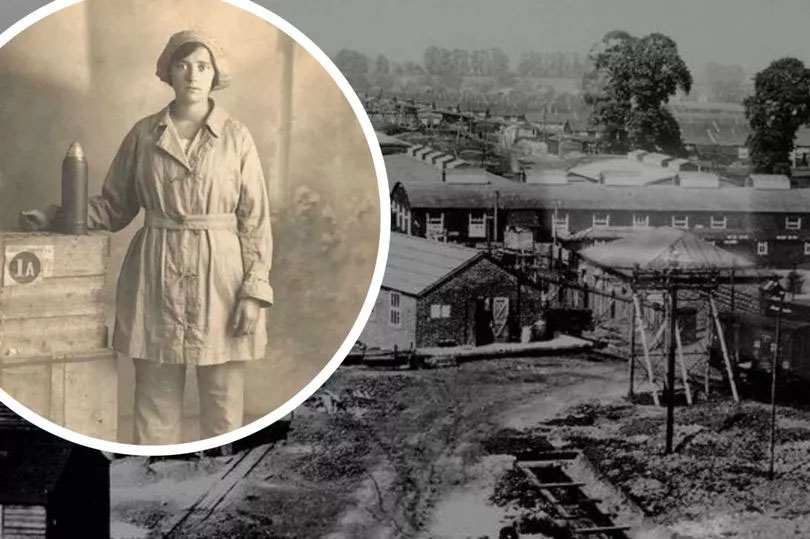
‘Canary Girls’ was the nickname given to women munitions workers whose skin turned yellow from toxic jaundice, a condition caused by handling chemicals like TNT. At the Quedgeley factory, a workforce of over 6,000 people, mostly women, filled millions of shells for the war effort. They often worked without adequate protective gear, facing severe health risks and premature death.
Councillors acknowledged that the history of these women and their vital contribution to the war effort was not widely known in the area. The project aims to ensure their sacrifices are formally recognised and remembered.
Quedgeley lies approximately three miles south of Gloucester’s city centre.
Source: Gloucestershire Live
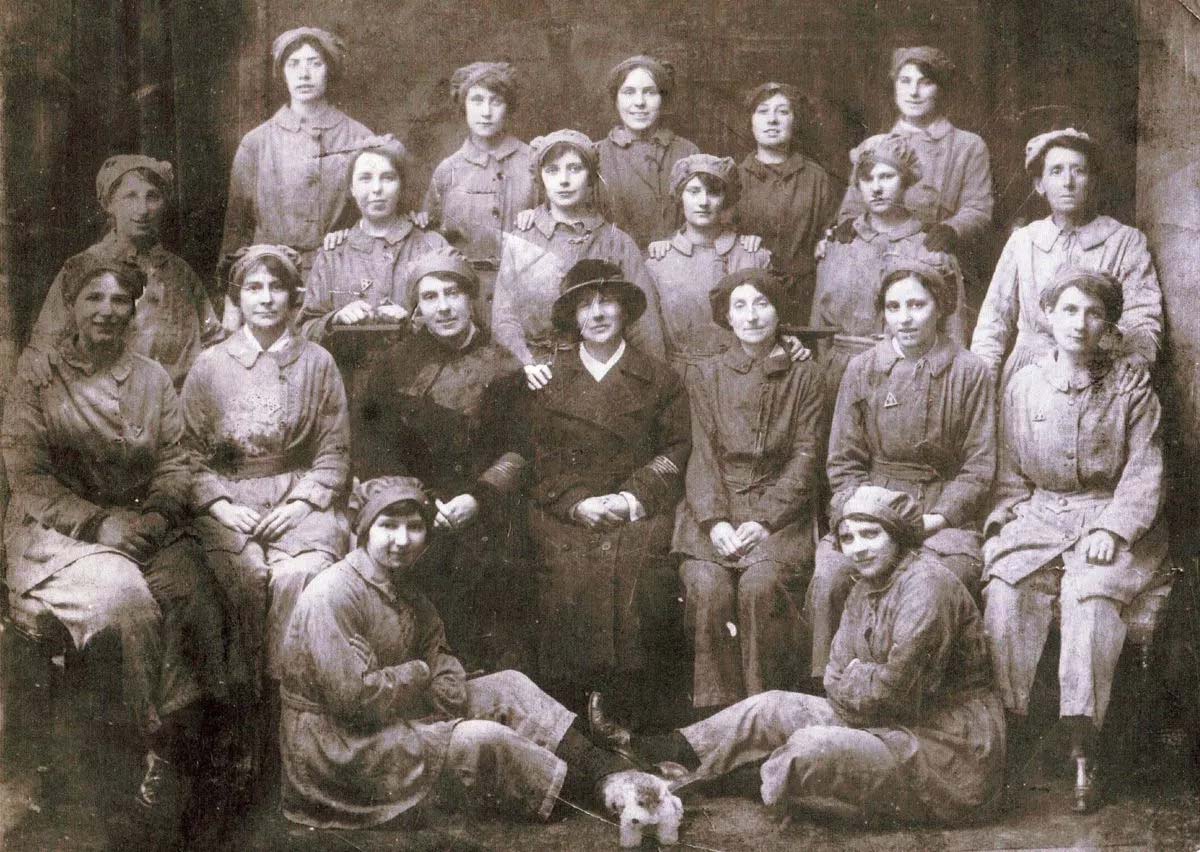
Women munitions workers
The Munitions of War Act 1915 introduced regulated wages, hours and working conditions in munitions factories – and also introduced women into these workplaces. Many of the munitions factories worked on a 24/7 basis and shifts could typically be 12 hours long over six days per week.
Despite the regulations, munitions work could be dangerous – and over the course of the war there were many incidents which caused injury or death. One of the major hazards was TNT poisoning as munitionettes worked on a daily basis with hazardous chemicals with little in the way of protective clothing. The nitric acid in the TNT caused the skin to turn yellow, hence the name ‘Canary Girls’ which was given to munitionettes. The effects of this were temporary but longer term exposure could cause more serious health issues, including liver damage, chest infections and anaemia.
On 27 March 1918, Roberta Robertson, working in the Munitions Factory at Gretna, was killed as a result of an accident. That day, an explosion occurred and Robert was killed by falling debris, with her cause of death recorded as a fractured skull. Roberta had been born and bred in Dumfries and it was unsurprising that her funeral was well attended, with the local newspaper recording that over 2,000 people had gathered to watch the funeral cortege procession on Dumfries High Street. A detachment of wounded soldiers and fellow munition workers preceded the hearse.
Roberta’s death in a factory explosion was far from unique – as an example, tragically in December 1916, 35 women were killed in an explosion at the Barnbow factory near Leeds. There were also many casualties in the explosion at the Chilwell Factory in 1918. Read more about the Chilwell Munitions factory explosion.


