
Discovery of USCGC Tampa
The wreck of a US Coast Guard Cutter, the USCGC Tampa has recently been discovered off the coast of Cornwall.
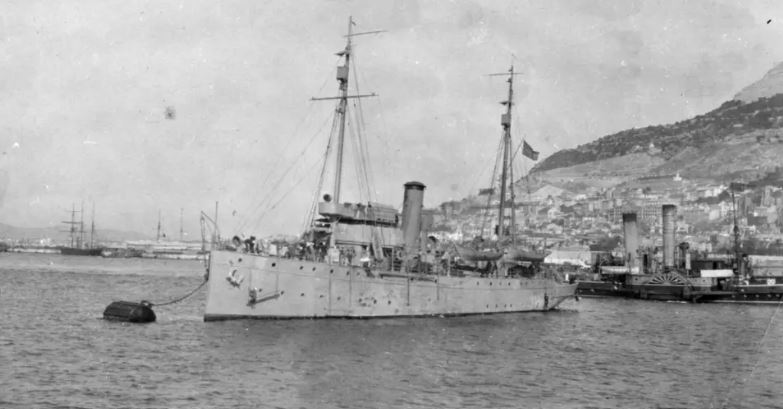
Launched in 1912 and originally named the Miami, (she became Tampa in 1916) the vessels first act on the USA entering the war was when members of her crew boarded the Austrian steamer Borneo in Hillsboro Bay on the west coast of Florida, seizing the ship and arresting the crew. After refitting, Tampa departed New York on 29 September 1917 along with the warships USS Paducah, Hubbard, and five French-manned, American-made submarine chasers. The flotilla arrived at Gibraltar a few weeks later.
For the next eleven months, the Tampa was tasked with protecting convoys from German submarines between Gibraltar and the southern coast of England.
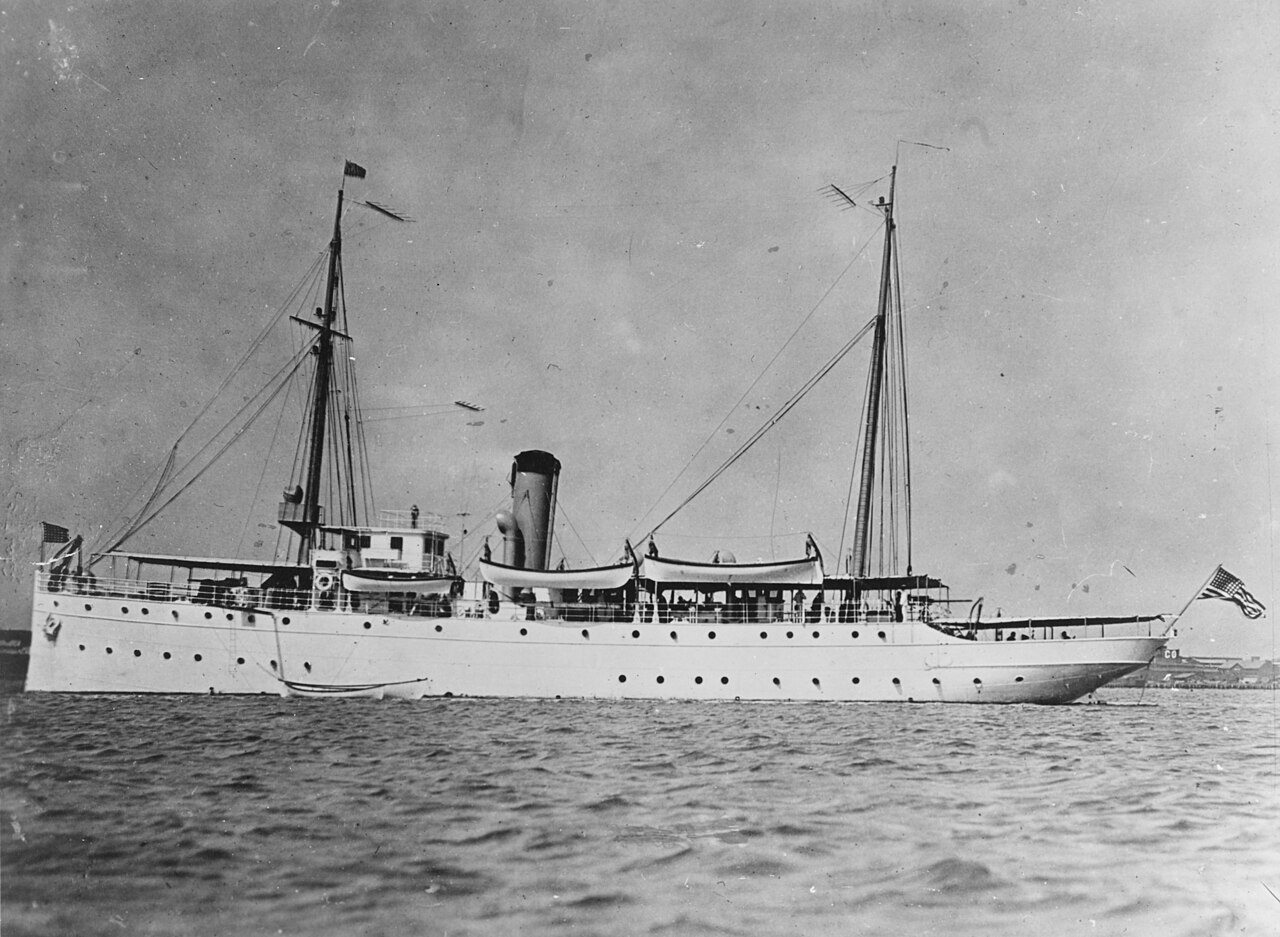
Whilst escorting convoy HG 107, at mid-day on 26 September 1918, and running low on coal, Tampa’s commanding officer, Captain Charles Satterlee, requested permission to detach from the convoy. His request was denied due to the danger of sailing alone in daylight in submarine-infested waters.
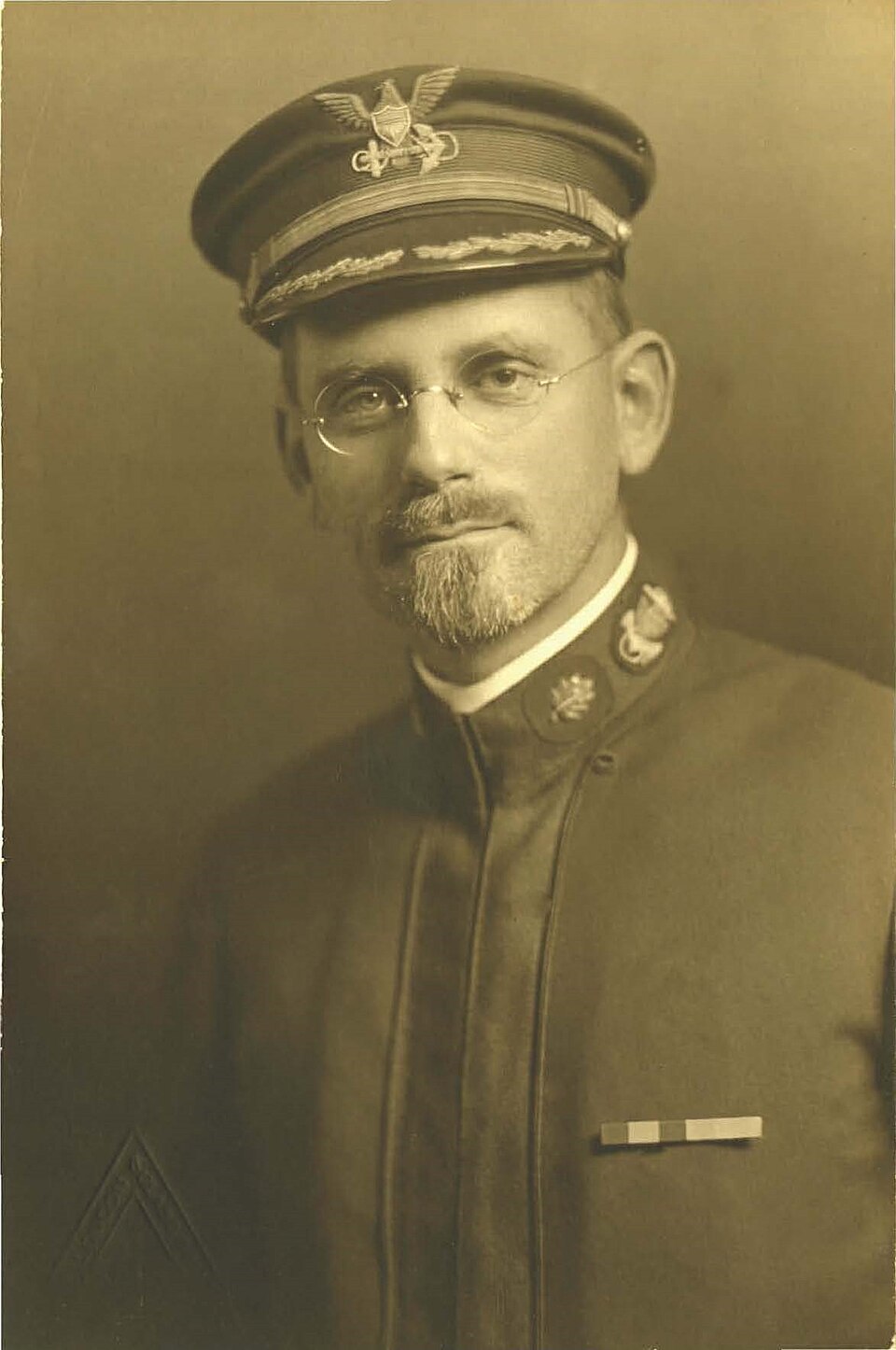
Satterlee made a second request at 1600, as the coal supply had become critical. This second request was granted and, at 1615, Tampa proceeded toward Milford Haven, with her lights out as a security measure.
As she sailed the Bristol Channel at 19:30, she was targeted by the German submarine UB-91. The U-boat submerged, manoeuvred into position, and fired a stern torpedo at 20:15 from 550 metres away. The torpedo hit the Tampa amidships on the port side, throwing up a massive column of water.
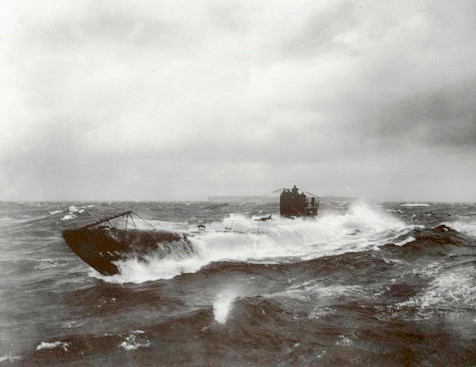
The cutter sank in less than three minutes with no survivors. All 131 people on board perished, including 111 Coast Guardsmen, 4 U.S. Navy sailors, 11 British Navy personnel, and 5 civilians.
UB-91 surfaced at 2025 but found nothing. After the ship failed to arrive in port on time, a British aircraft and two Royal Navy patrol boats were sent out the following morning to search for the Tampa. Eventually, three U.S. Navy vessels identified some wreckage.
Rediscovered
For the US Navy, the loss of the Tampa is believed to be the largest single loss of life due to combat in the Great War.
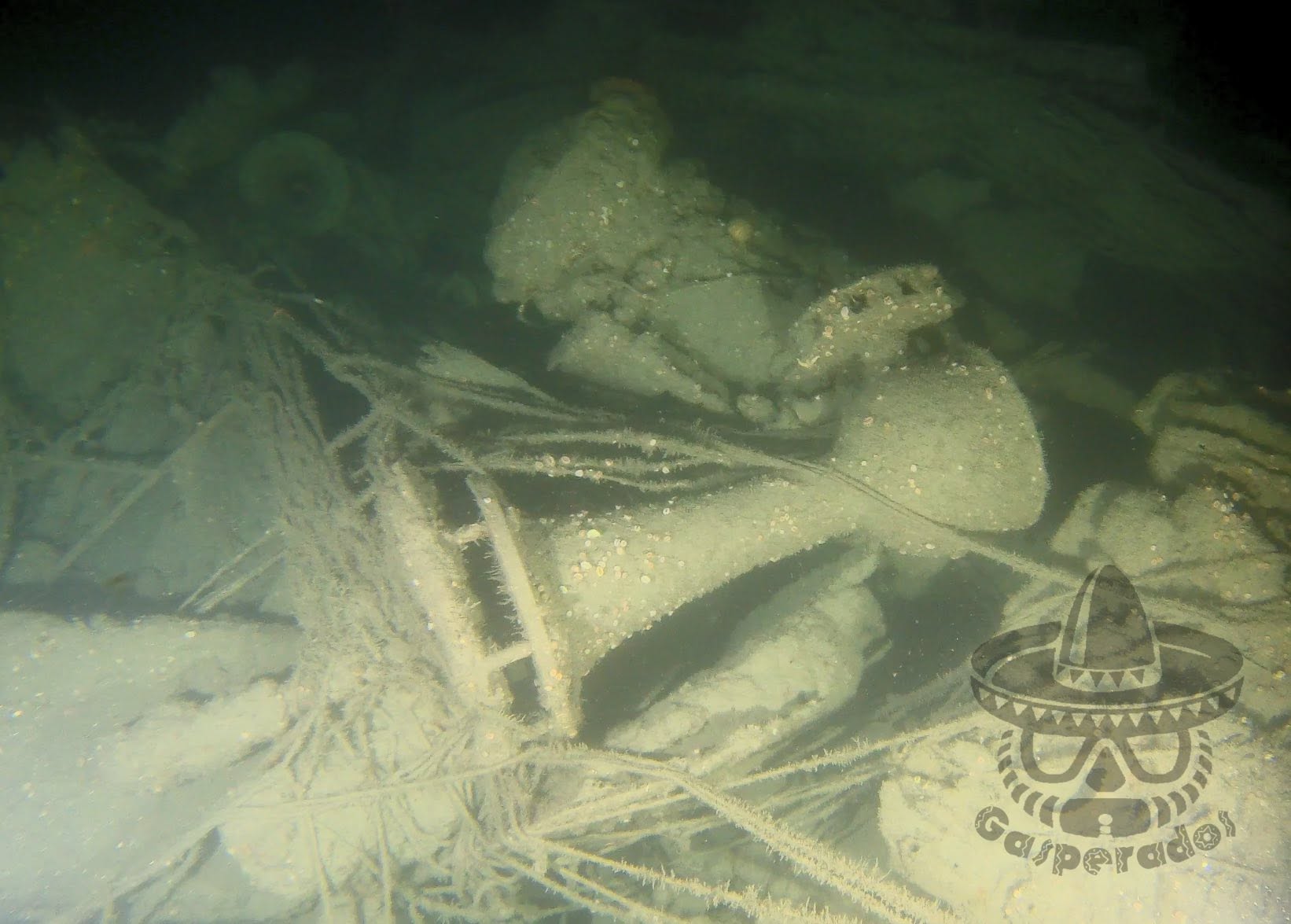
In 2026, after three years searching, the Gasperados Dive Team found the wreck at a depth of 100m (328ft) about 50 nautical miles (58 miles, 93km) north of Newquay. According to a BBC report:
Dive trips set off from Newquay Harbour with skipper Chris Lowe at the helm of his boat. It took the team about four hours to reach the search area and the depth meant they could only spend about 20 minutes at each of the possible wreck sites.
"We had a list of about 10 possible targets and the Tampa turned out to be number 10," said Lowe.
The Gasperados team dived on a wreck on 26 April 2026 which had features they were looking for.
"The first we saw was that it had a steel deck," said Steven Mortimer. "We immediately thought: 'This looks like a little warship.' "There was lots of ammunition. We also found some American plates."
However, one feature missing was a nameplate on its stern.
"We think that, as she sank, depth charges went off and just blew the back off the ship," said Mortimer.
UB-91
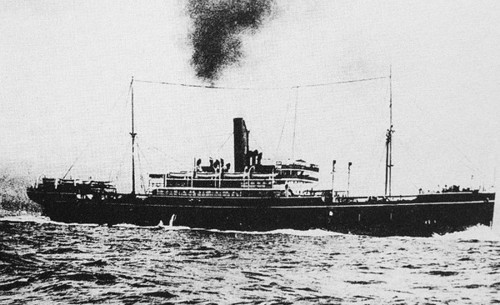
Commanded by Kapitänleutnant Wolf Hans Hertwig, the submarine's second, and final, war patrol took place between 14 September and 15 October 1918. This resulted in the sinking of four vessels: SS Hebburn (British), USCGC Tampa, Convoy Escort, SS Baldersby (British), and SS Hirano Maru (Japanese).
Under the terms of the Armistice, Captain Hertwig and a small crew delivered UB 91 to the Royal Navy at Harwich on 21 November 1918. Hertwig's crew (along with other U-Boot crews) was shipped back to Germany on board the transport Lucia Woerman. On 29 January 1920, Kptlt. Hertwig resigned from the German Imperial Navy.


