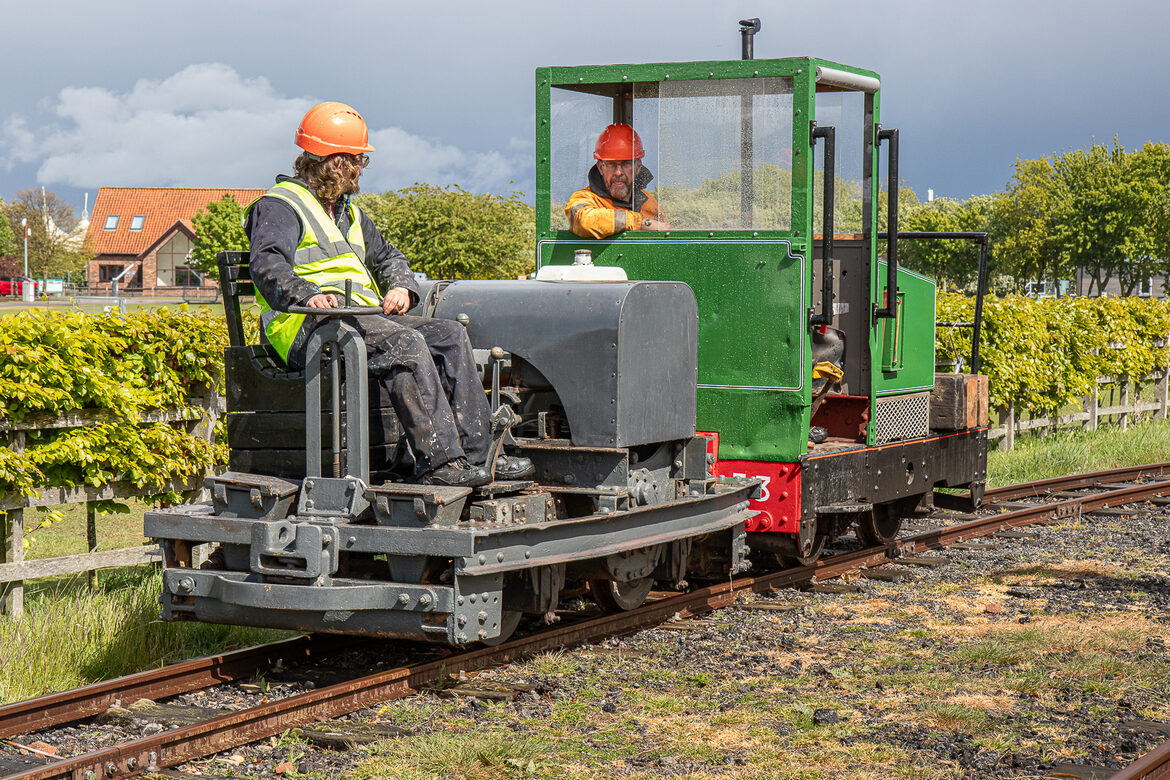
First World War Simplex locomotive joins Lincolnshire Coast Light Railway fleet
A petrol-engined narrow gauge locomotive built for service on the Western Front has been purchased by the Lincolnshire Coast Light Railway (LCLR) at Skegness, joining nine other Simplex machines already in the care of the railway’s Historic Vehicles Trust.
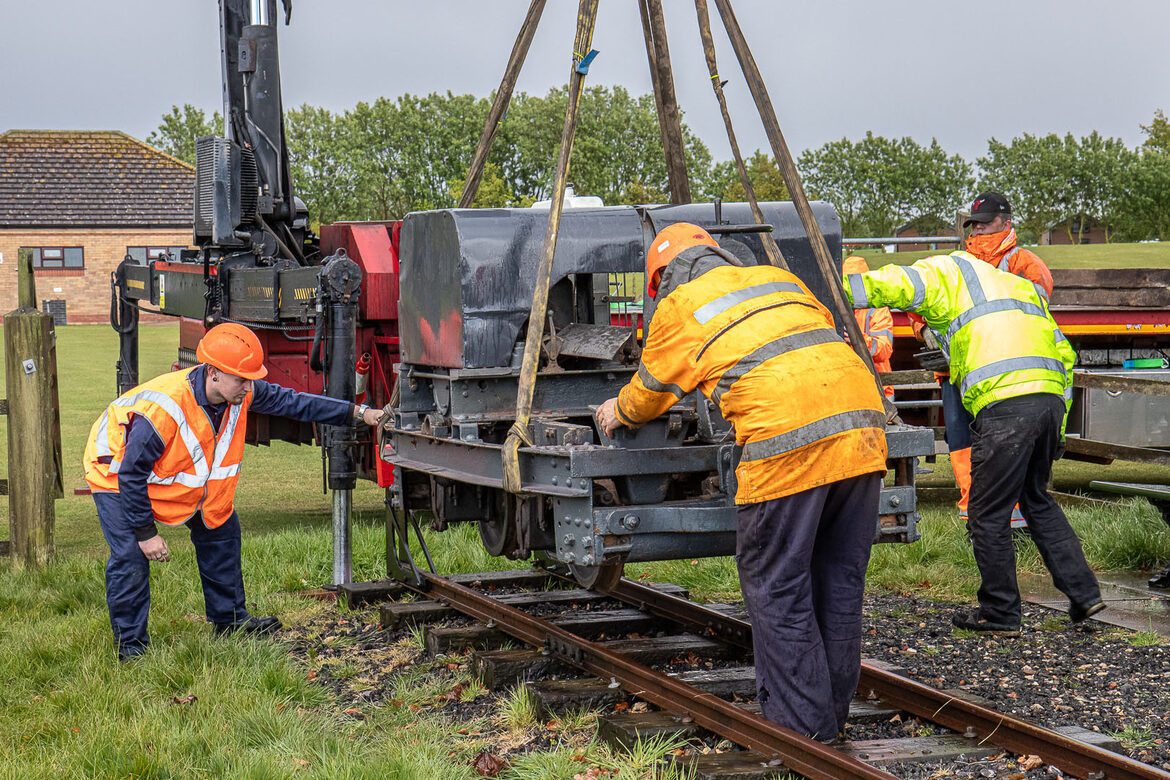
According to the LCLR, the locomotive arrived on 13 May 2026 and was lifted onto the railway's metals at the Walls Lane headshunt between rain and hail showers, before being turned to face the same way as its stablemates and hand-shunted through the points for the move up to the shed. The Trust reports it is presently a non-runner and will be assessed for restoration to working condition.
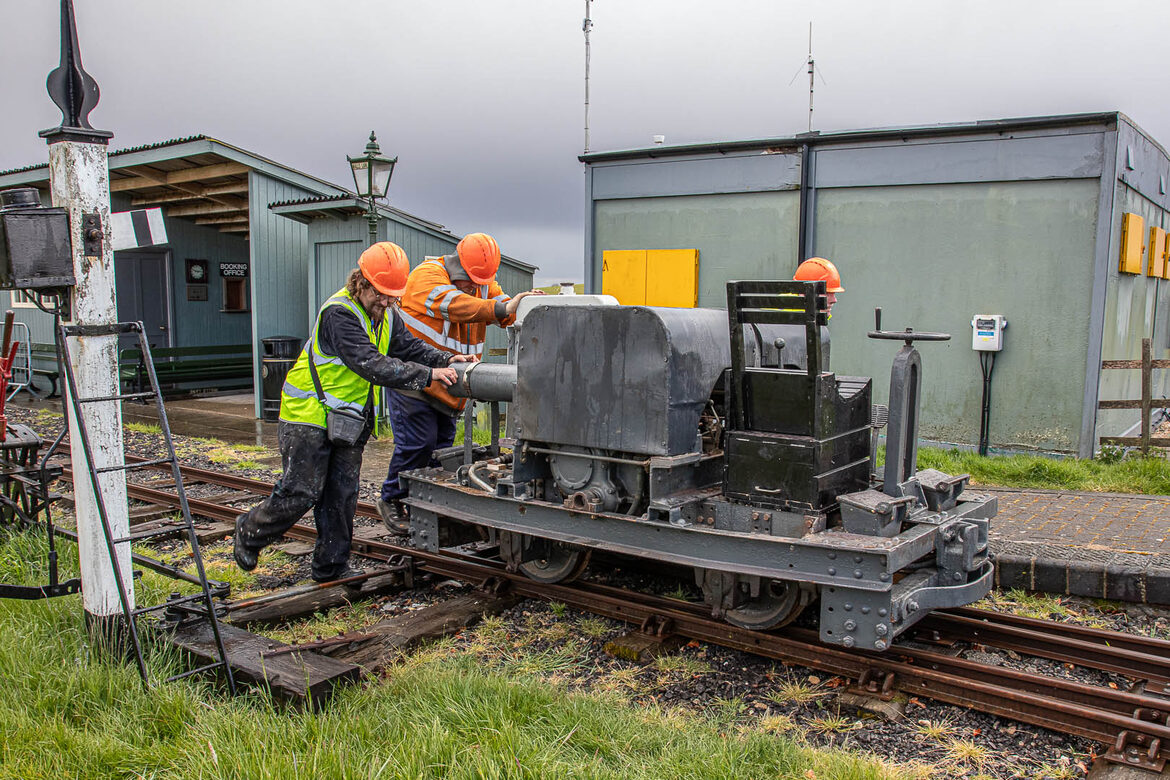
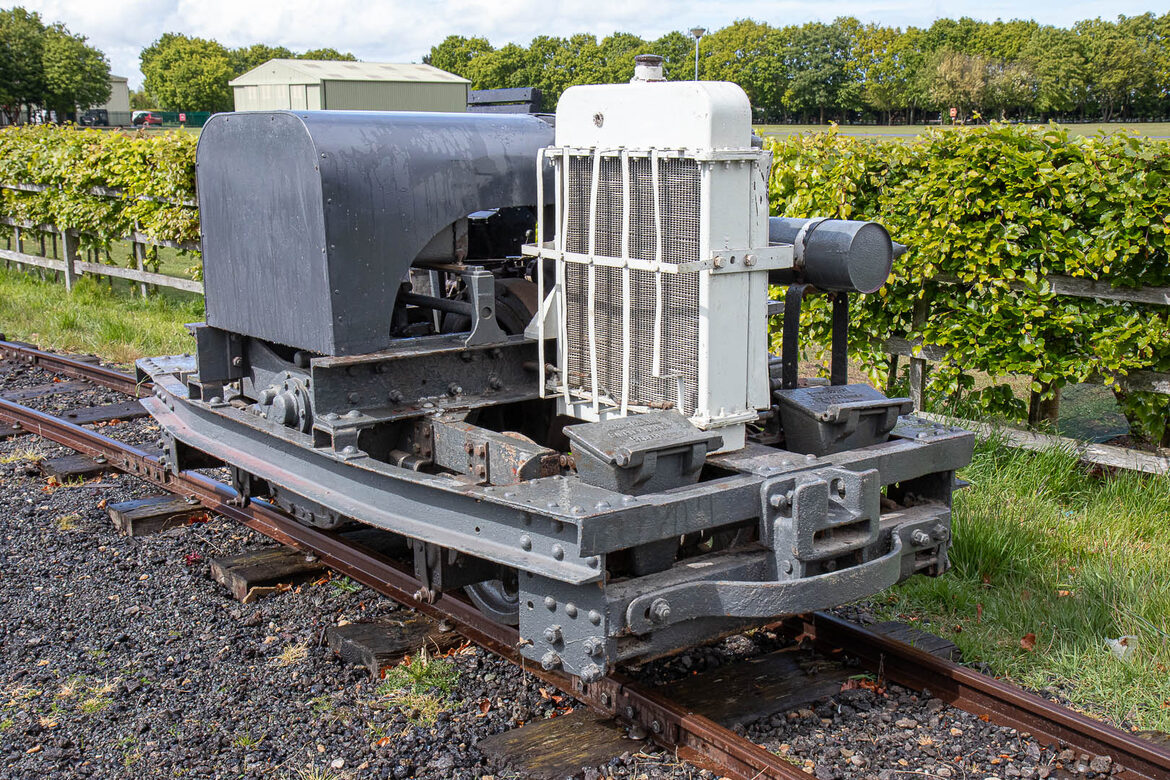
The machine was built by Motor Rail Ltd of Bedford in 1918 to the company’s Simplex design, runs on 600mm gauge, and is fitted with a 20 hp Dorman 2JO petrol engine. It is thought to carry works number 3859. Locomotives of this pattern were developed in response to a 1916 War Office specification for a small, low-profile internal combustion engine capable of working close to the front line, where the steam, smoke and sparks of conventional traction made supply trains an obvious target for German artillery and aircraft.
Until recently the locomotive had been on display in the Imperial War Museum’s Land Warfare exhibit at RAF Duxford, illustrating the role of narrow gauge railways in moving men, munitions and rations forward of the standard gauge railheads. Rail Advent reports that with that display and Duxford’s demonstration line now closed, the locomotive’s owner approached the LCLR's Historic Vehicles Trust, for whom it becomes the first petrol-powered example to sit alongside diesel Simplexes spanning 1920 to the Second World War.
The engine has had a long museum life. Rail Advent notes it was previously exhibited at the Museum of Army Transport at Beverley, in the East Riding of Yorkshire, alongside other Trust vehicles. When that museum closed, the collection was stored at Burgh-le-Marsh before moving to Skegness Water Leisure Park, the LCLR's home since its original Humberston site near Cleethorpes was given up.
Trust chairman Richard Shepherd described the acquisition as ‘a most significant addition’ to the collection, noting that Simplex locomotives ‘made possible the Allied victory in World War One’ and went on to civilian work in Lincolnshire after the Armistice — including with the Nocton Estates Railway, hauling potatoes, sugar beet and fertiliser across the Fens at a time when farm roads and lorries were not yet up to the job. The Trust intends to have the locomotive on display during the 2026 season and to include it in the cavalcade closing the railway’s Narrow Gauge at Work event.
A second, rarer Motor Rail locomotive is currently under restoration at the Apedale Valley Light Railway in Staffordshire, and further examples are based at the Leighton Buzzard Railway in Bedfordshire.
Sources: Lincolnshire Coast Light Railway, 13 May 2026; Rail Advent, 16 May 2026.
All photos © LCLRHVT 2026.