
Blue plaque unveiled for the ‘Birtley Belgians’
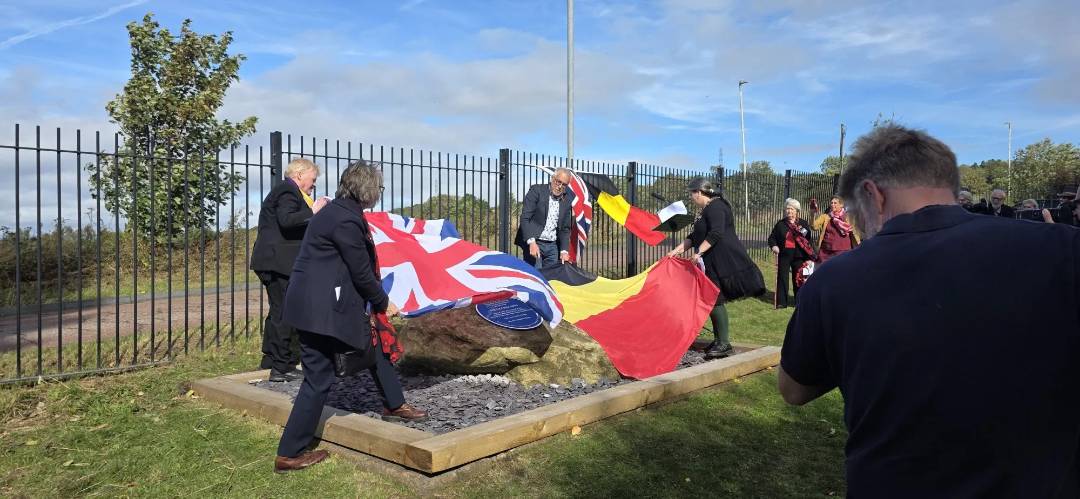
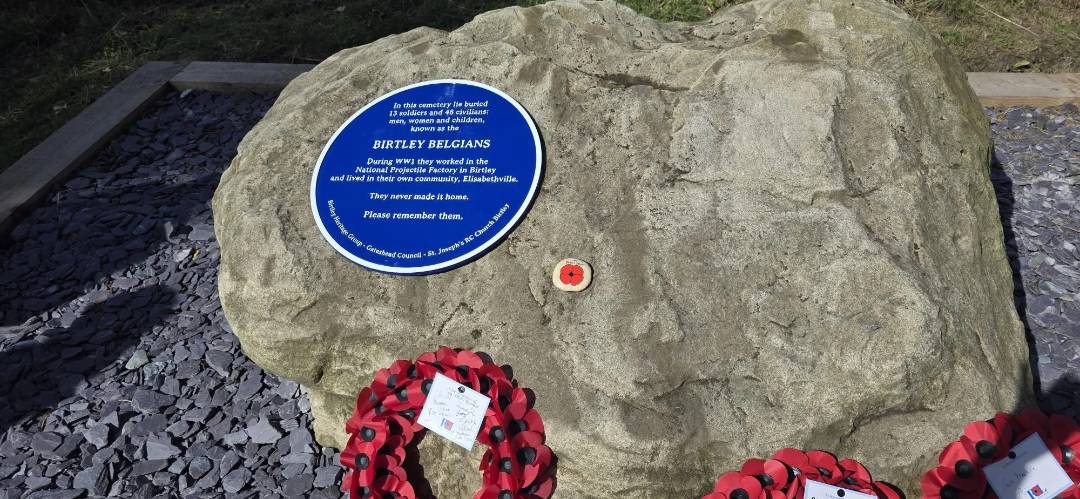
A blue plaque was unveiled on Saturday 12 September 2026 at the Birtley-Elisabethville Roman Catholic Cemetery, Gateshead, commemorating the 6,000 Belgian refugees and munitions workers who lived in the town during the First World War. Fr Martin Wheaton of St Joseph’s blessed the site, which now forms part of an annual pilgrimage for descendants and friends of the community from across the UK and Europe. The project was a collaboration between Gateshead Council, the Parish of St Joseph’s and the Birtley Heritage Group.
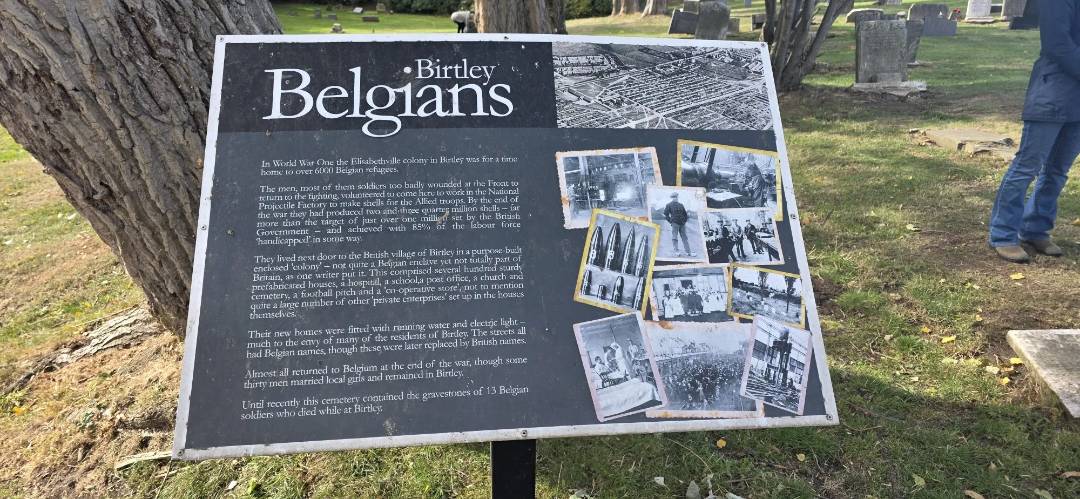
Less than a year into the war, Britain faced a shortage of artillery shells. Armstrong Whitworth opened two munitions factories at Birtley in 1916 – one producing shells, the other cartridge cases – and needed workers as skilled British labour was depleted by military service, so the Belgian government was approached to supply them. Belgium had been Europe’s leading manufacturer of armaments before the war, and many of those sent were wounded or discharged soldiers no longer fit for the front.
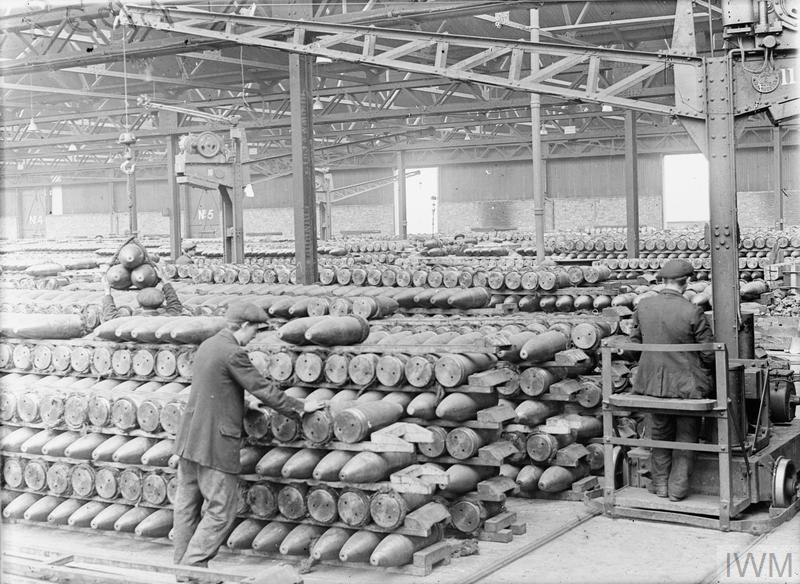
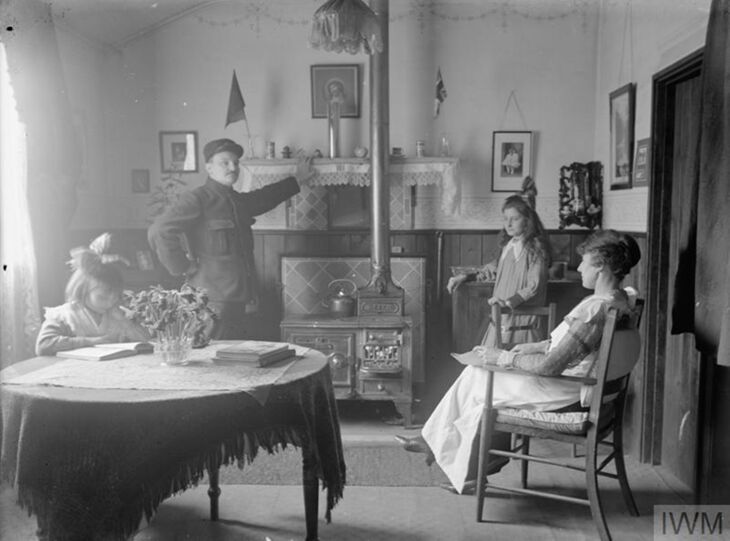
A purpose-built village, Elisabethville, was established beside the factory and named after the Belgian queen. Known to residents as ‘the Colony’, it operated as a sovereign Belgian settlement with its own gendarmes, currency and laws; Flemish and French were the main languages. More than 6,000 people lived there at its peak, housed in prefabricated wooden huts or, for single men, heated barrack blocks. The village had its own school for 700 pupils, a Catholic church, a hundred-bed hospital, shops, a cinema and a cemetery. Workers were set a target of 1 million shells; they produced 1.5 million.
Most Belgians returned home after the Armistice, though some stayed, married locally and settled in the North East. Almost 80 Birtley Belgians died during the war; the soldiers among them – 13 are named – were given headstones, but the graves of the civilians who died alongside them were marked only by simple wooden crosses, long since gone.
Dirk Musschoot, a Belgian writer who attended the unveiling, said the plaque honoured civilians as much as soldiers: ‘War is not only about heroic stories of soldiers.’ Many of the sixty burials in the cemetery, he noted, are men, women and children who had fled the fighting in Belgium hoping for something better in England, and died there instead.
Read more
Belgian refugees and the British war effort in the First World War – Imperial War Museums
Video: The Birtley Belgians – Birtley Heritage Group
Video: A Walk around Elisabethville – Birtley Heritage Group


