
George Morgan was killed in action on this day in 1915
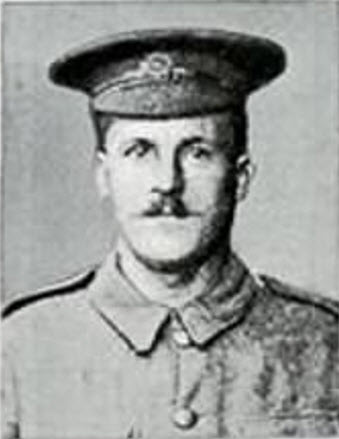
William George Morgan was born on 12 May 1883 in North Wooton, Somerset, the eldest son of William Morgan, an agricultural labourer, and his wife Mary Ann (née Billing). Ultimately, he had 5 younger brothers and 5 younger sisters.
At the time of the 1891 Census, the family (of five at the time) was living in Dulcote, near Wells in Somerset. George (as he was known) was educated at the local North Wooton Church of England school.
By 1901, the family, now numbering nine, was living at Warminster Farm in the parish of St Cuthbert Out, not far from Dulcote. Not George however, because on 6 February 1901, just short of his 18th birthday, he enlisted in the Coldstream Guards.
On 19 September 1905, he married Florence Woodley (a local farmer’s daughter) in Shepton Mallett. They went on to have 4 daughters:-
- Ethel, born 14 October 1906
- Edith Gwendoline, born 9 September 1907
- Lillian Beatrice, born 20 February 1909
- Marion Olive, born 27 November 1910
On 12 August 1914, George went to France with the 3rd Battalion, Coldstream Guards, part of the 2nd (Guards) Brigade, Guards Division. In September and October 1915, the Guards Division participated in the Battle of Loos.
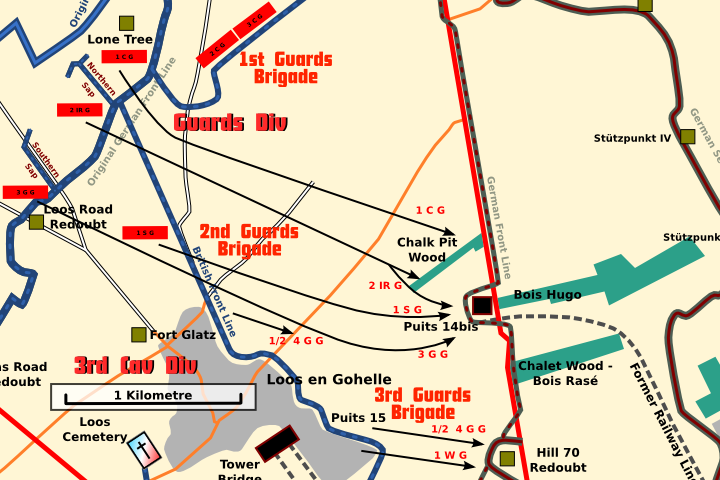
They were involved in intense fighting, particularly around Loos village and Hill 70, and suffered significant casualties. The Guards Magazine takes up the story for the days leading up to 8 October.
The Guards Division now consolidated their positions, extending their trenches to secure the new front-line. During the night of 30th September, and working throughout the hours of darkness, the 1st & 2nd Guards Brigades dug new trenches along the Lens-La Bassée road, linking up close to the Chalk Pit. Concurrently, the relief of the Guards Division began at midnight on 30th September, and was completed by 4am the following day, despite heavy shelling, appalling weather, and dreadful conditions on the ground. Three days later, the Guards Division was called forward again, this time to be prepared to conduct an attack onto the Quarries, over two miles to the north of its old positions. By 4:15am on 6th October, this complicated ‘side-slip’ of the brigades had been completed. Orders had also been received for gas cylinders to be brought forward to the front line in preparation for the attack.
Sometime around 4pm on 8th October, the Germans launched an attack along 2nd Guards Brigade’s front-line, with most of the attack concentrating just south of the Hohenzollern Redoubt. Two companies of the 3rd Grenadiers were attacked along a communication trench running east and west of their positions, and soon they had exhausted their supply of bombs. The turning point of the engagement came with the action of Lance Sergeant Oliver Brooks, Coldstream Guards, who organised a bombing party and proceeded to drive the Germans back, bombing them out of their trenches. By 7pm the line had been recovered and the Grenadiers were able to consolidate their positions. For this brave action, Sergeant Brooks was later awarded the Victoria Cross.
The official history identifies two factors in the reversal of fortunes that afternoon. Firstly, the action of the bombers so ably led by Lance Sergeant Brooks but also the supply of bombs from the 1st Irish Guards on their left which had allowed the fighting to continue. The relative ease with which brigades and battalions helped and supported each other demonstrated one of the advantages that the Guards Division had over others. Even though this was a new division, there was already a sense of unity and common training and a ‘feeling of confidence and pride which is bound up in the traditions of the Brigade of Guards’.
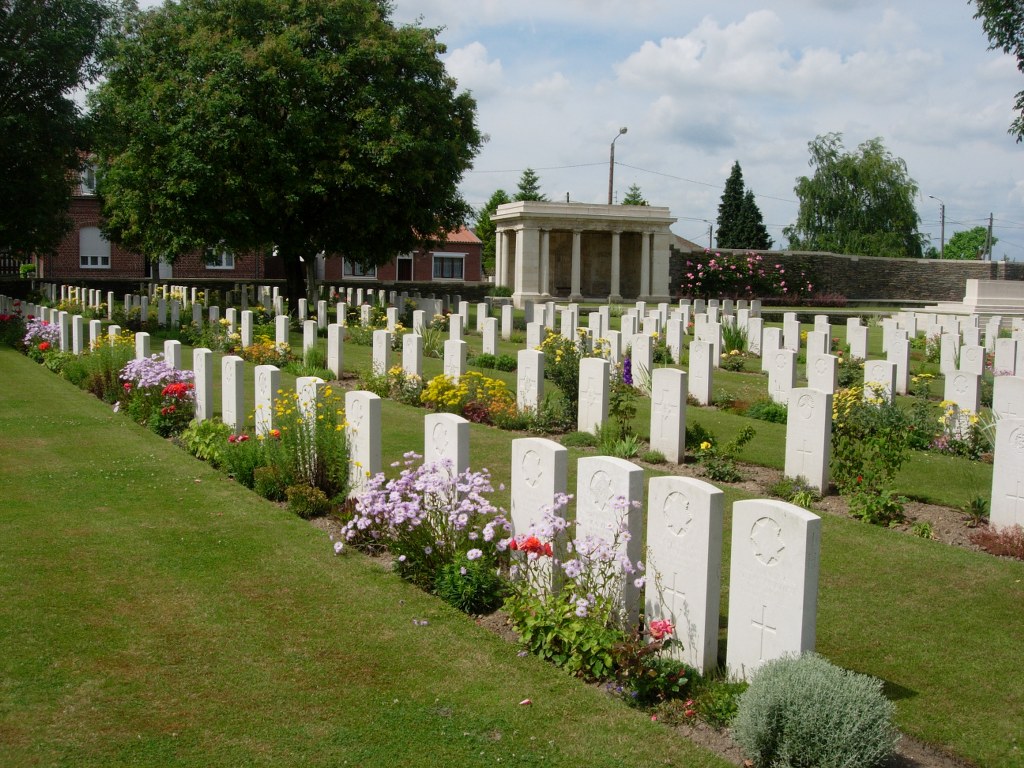
George Morgan was killed by a bomb blast on 8 October whilst helping to repel a German counter-attack at around 4.00pm, between the Double Crassier and the Chalk Pit. He is buried at Vermelles British Cemetery.
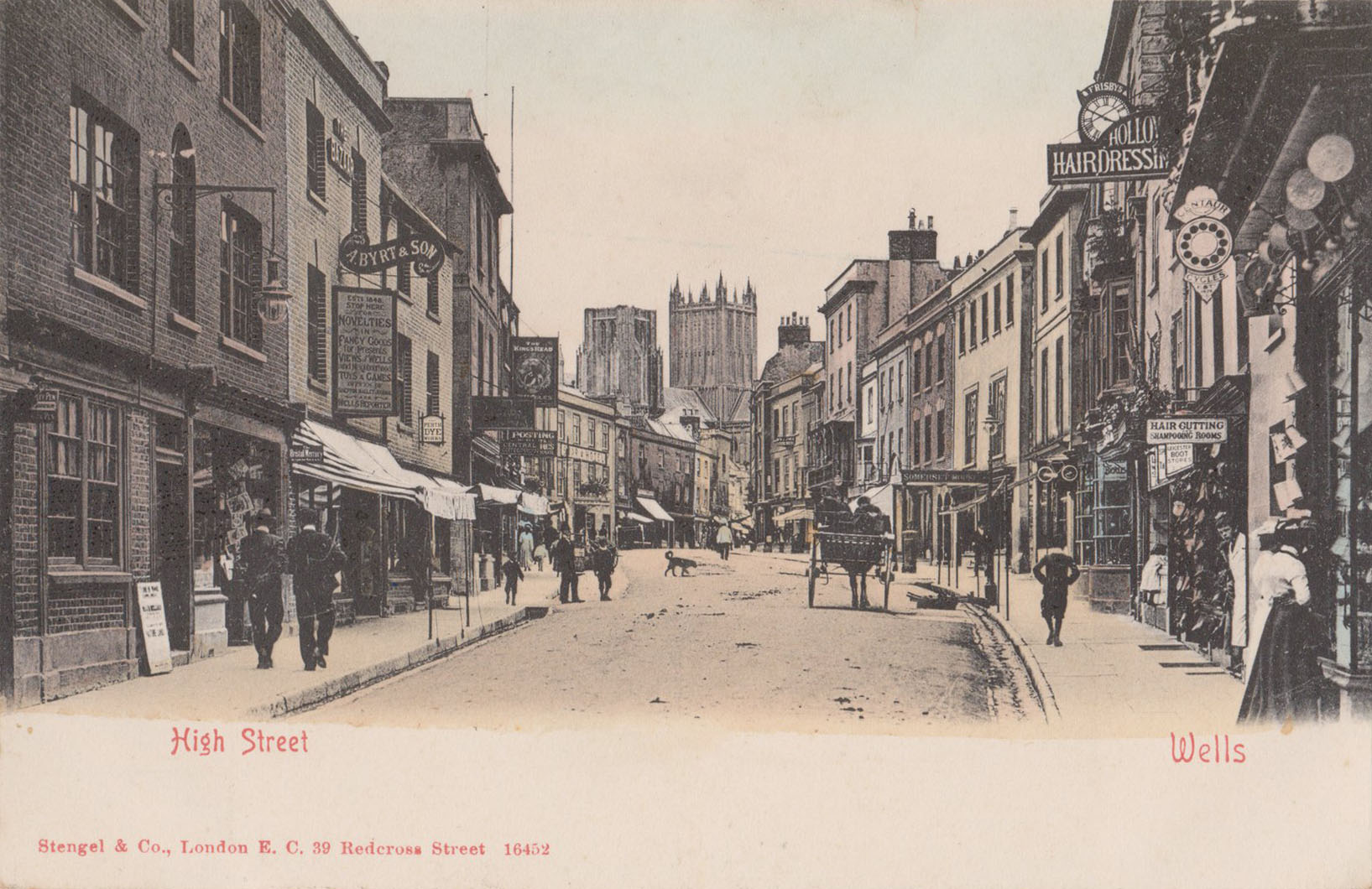
George's war pension was initially paid to Florence and the four children who were living at 42 High Street in Wells.
But, as can be seen from the Pension Record Card, she remarried in 1917 to Gunner Frank E Mason 42841 of 29th Siege Battery, RGA, and her name changed to Florence Mason.
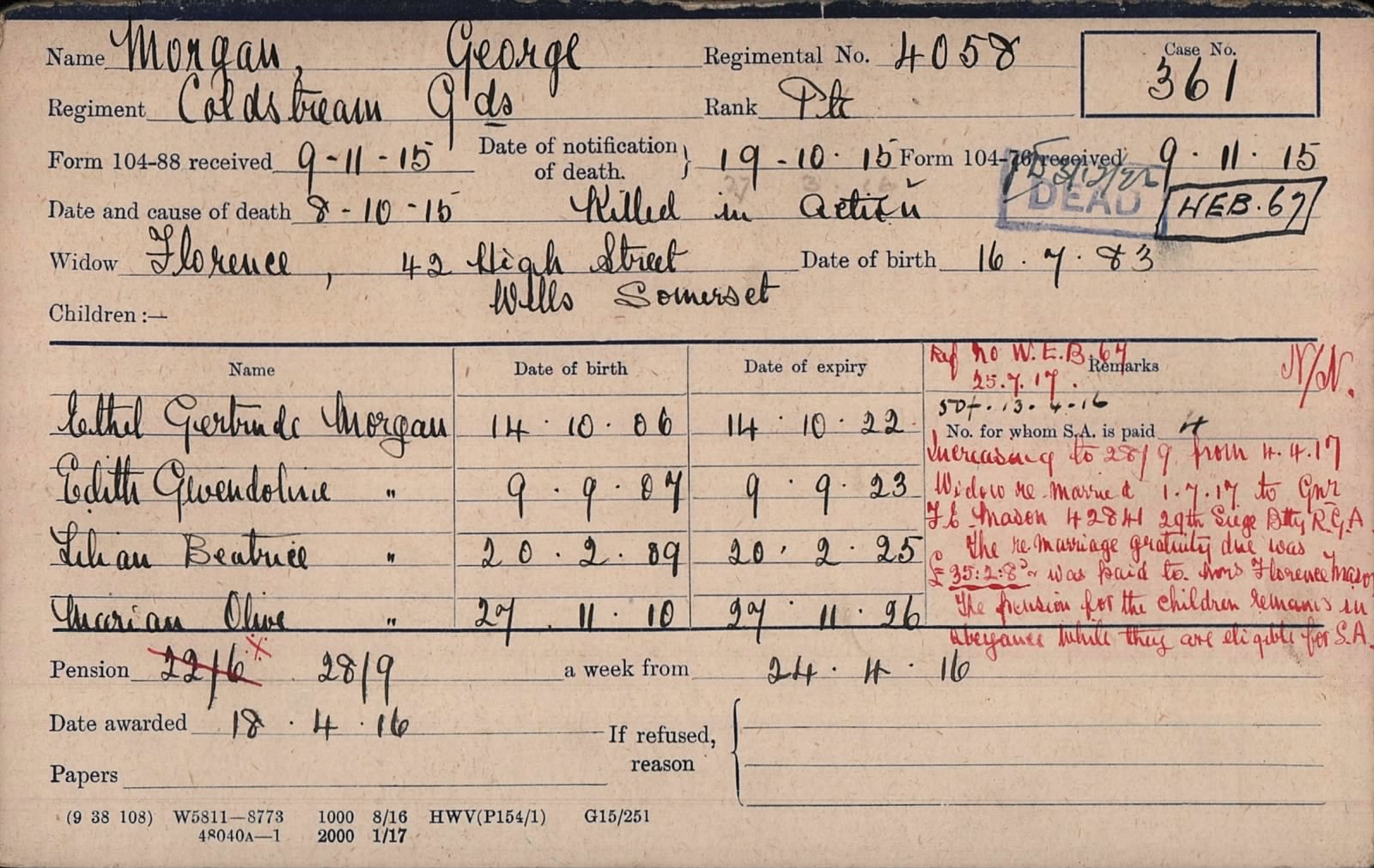
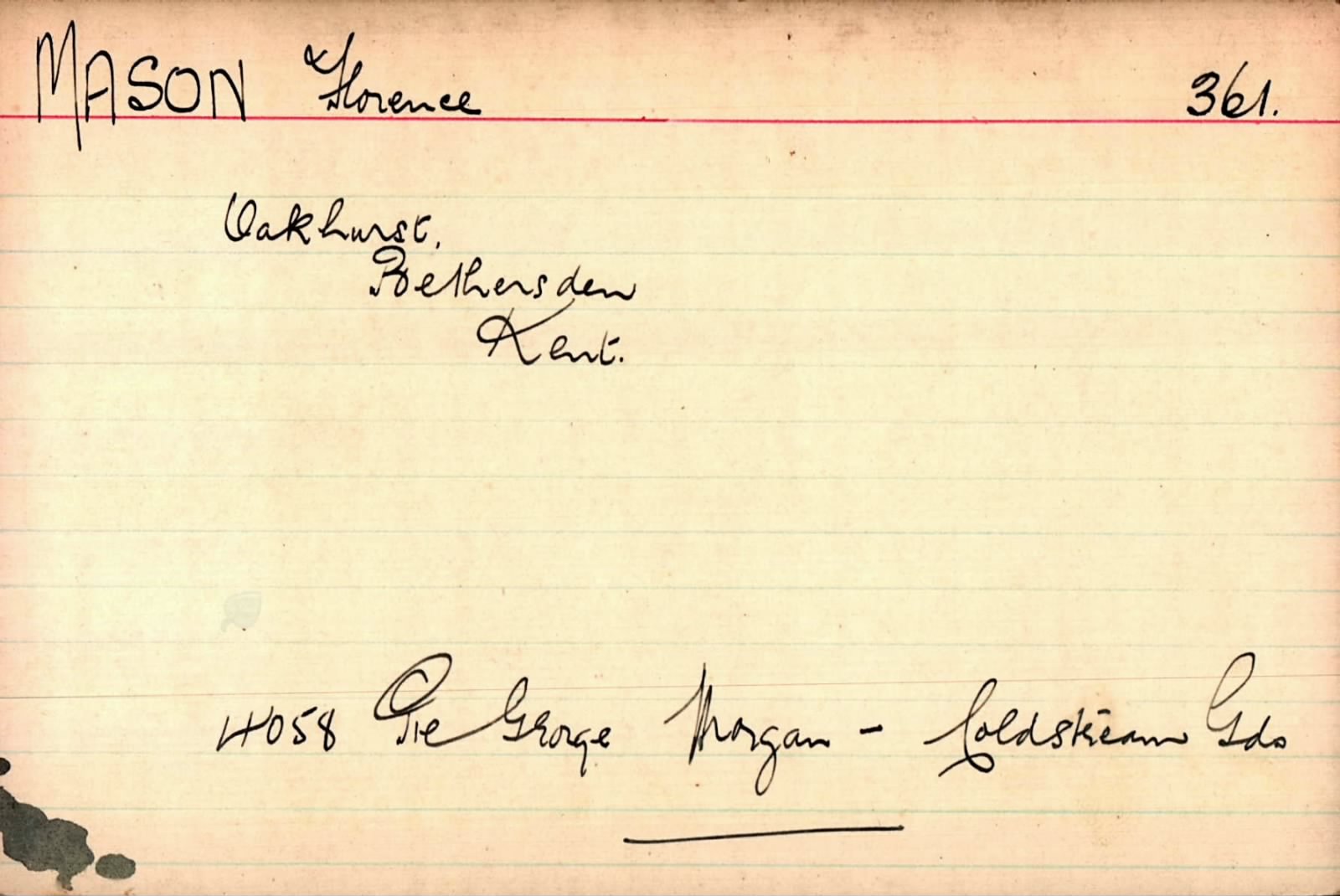
In the 1939 National Register, she was again known as Florence Morgan. She died in 1955.
Jane Belger posted on the Royal British Legion’s Every One Remembered website:-
"Vermelles cemetery is the site of George's last resting place and was visited by his daughter, grand daughter and great grand daughter in the 1970s. This visit made a lasting impression on all of us".
4058 William George Morgan, 3rd Bn, Coldstream Guards