
The Battle of Neuve Chapelle
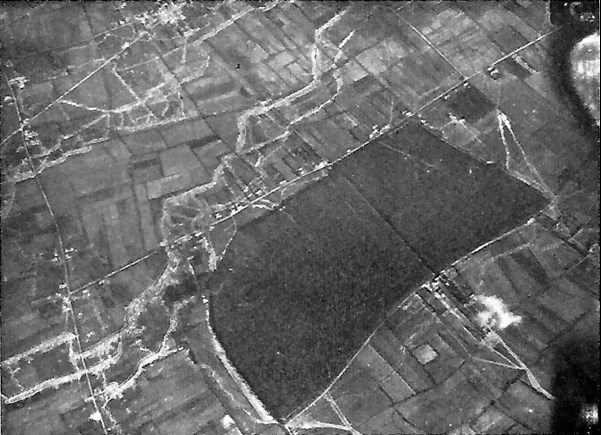
Despite the disappointments in the opening months of the First World War when the idea that "It will be over By Christmas" met with the reality of modern warfare 1915 began with optimism. The commander of the British Expeditionary Force, Field Marshal Sir John French, was convinced that a major effort would bring about an early victory. To this end, plans were put in train for an attack on the German lines at Neuve Chapelle, in the 'flat lands' in the very north of France, close to the Belgian border.
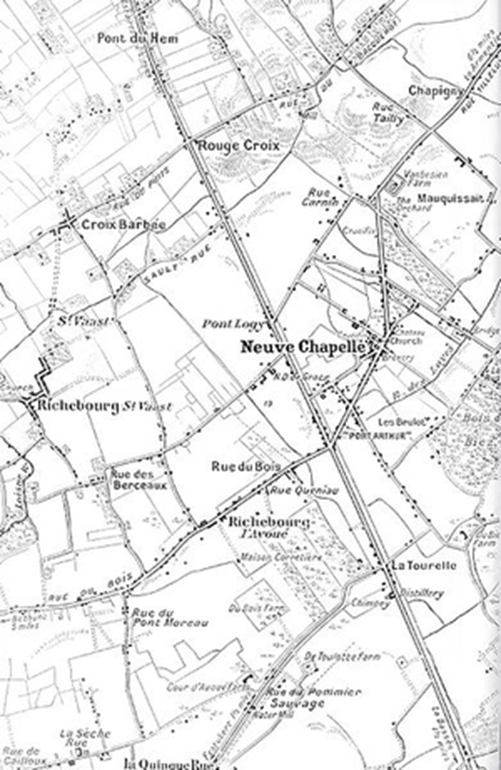
Delegating operations to the commander of the First Army, General Sir Douglas Haig, Sir John French was hoping that an advance beyond Neuve Chapelle village, to the high ground of the Aubers Ridge, would see an improvement to the muddy conditions suffered by the British troops and would also threaten the German hold on the city of Lille.
The battle that followed was the first set-piece offensive against an entrenched enemy delivered by the British Army in the First World War.
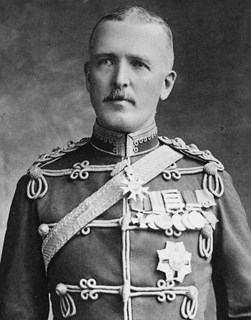
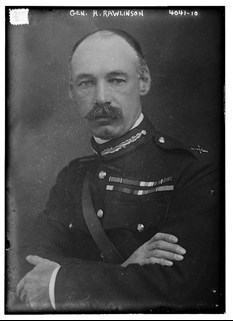
After receiving orders from Sir John French, Haig turned to the two army Corps under his command to undertake the attack. These were IV Corps (Lt Gen Sir Henry Rawlinson) and the Indian Corps (Lt Gen Sir James Willcocks)
The German defences were rudimentary compared to the sophisticated techniques used later in the war. In addition the high water table in the area prevented trenches being dug, so breastworks were constructed above the ground. These 4 feet high and 5 feet thick breastworks were protected by barbed wire suspended on knife rests – the depth of the wire varying from six to fifteen feet deep.
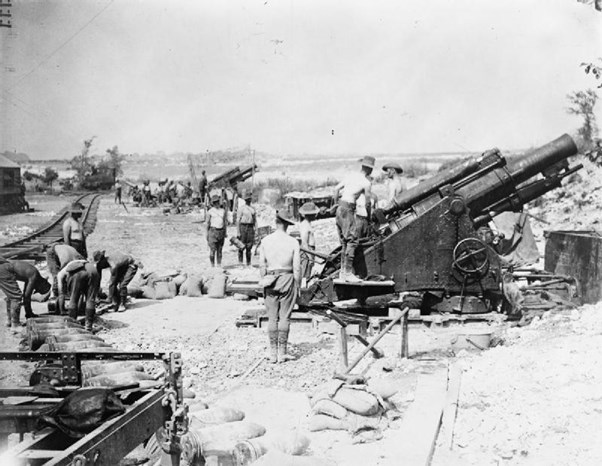
With both Corps commanders employing two divisions, the attack at Neuve Chapelle was a major affair. Artillery would be key, and although puny compared to barrages later in the war, was impressive at the time. More shells were fired in the opening 35 minute barrage than in the whole of the Boer War.
The infantry attack commenced at 8.05am on 10 March.
IV Corps
In the centre of the assault the advance was successful, with the village of Neuve Chapelle being taken. Casualties among the troops attacking the village were high, with the 2nd Cameronians (Scottish Rifles) and 2nd Lincolns suffering particularly heavily.
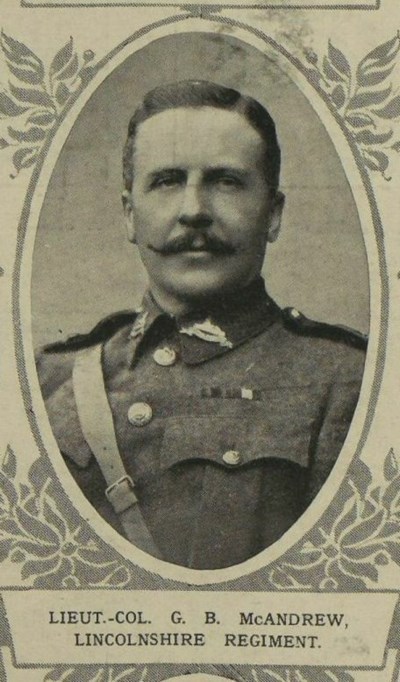
Lt-Col George McAndrew commanding the 2nd Lincolns was killed.
The war diary of the 2nd Lincolns records the following:
"At 8.05am the Guns lifted their sights and infantry attacked. The Colonel was with the assaulting companies. The battalion all rose simultaneously and rushed the first trench after cutting the barbed wire in an incredibly short time – losing only about 20 men. The blocking parties then proceeded down the trenches chasing all before with their grenades – Captain Peake did good work, he was soon afterwards shot in the head. The battalion still rushed on - the supports (A & B Coys) following up close in the rear - some of A Company supporting the firing line as soon as it got to the 2nd German trench. Lt Col GB McAndrew was killed between the first and second German trench - his right leg was blown to pieces by one of our own shells. He died asking after his regiment, without any complaint of the pain he was suffering."
The battalion's second-in-command, Major JJ Howley, survived McAndrew by only 24 hours, being killed the next day. They are buried side by side at Rue-Petillon Military Cemetery. A total of 111 officers and men from this battalion were killed or died of wounds during the course of the battle. Seven officers of this battalion are buried in plot 3, row A of this cemetery.

The losses in the 2nd Scottish Rifles were even worse with nearly 200 officers and men being killed. The battalion's officers were particularly badly hit, with the commanding officer, Lt-Col Wilfred Bliss, being killed in action.
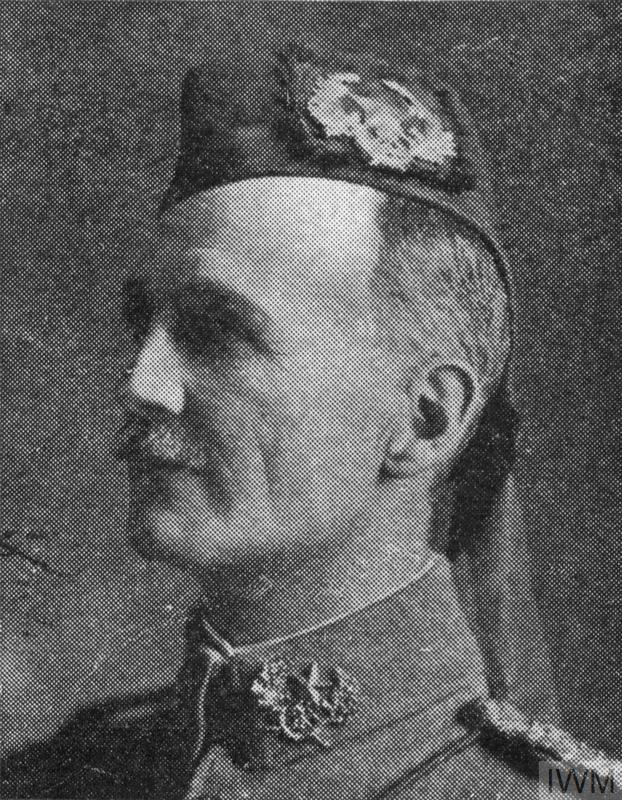
A visit to Brown's Road Military Cemetery will show nine of the battalion's officers buried side by side in row J of plot 8.
Remarkably, a total of nine Lieutenant Colonels were killed during the course of the battle.
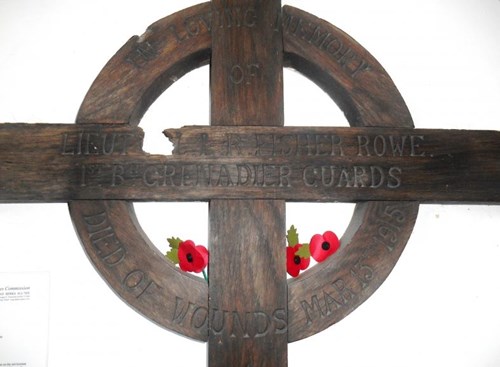
Lt-Col Laurence Fisher-Rowe, commanding the 1st Grenadier Guards died of wounds on 12 March 1915. He is buried at Estaires Communal Cemetery and Extension.
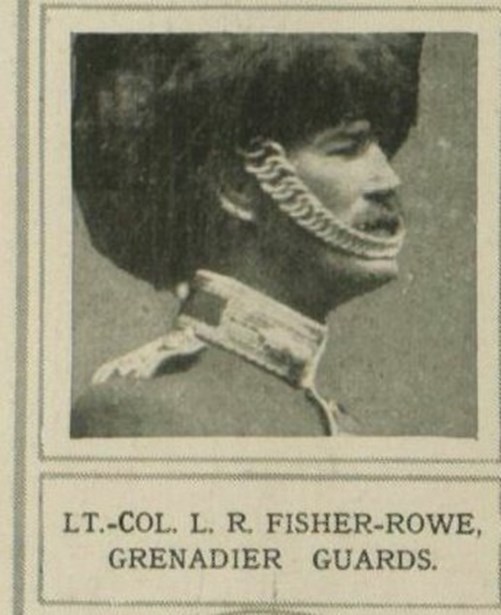
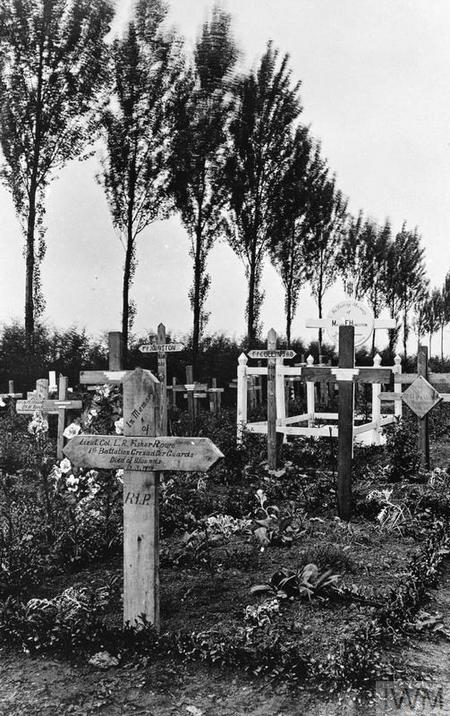
Fisher-Rowe's original wooden grave marker can be seen in St Mary Magdalene Church, Sherborne.
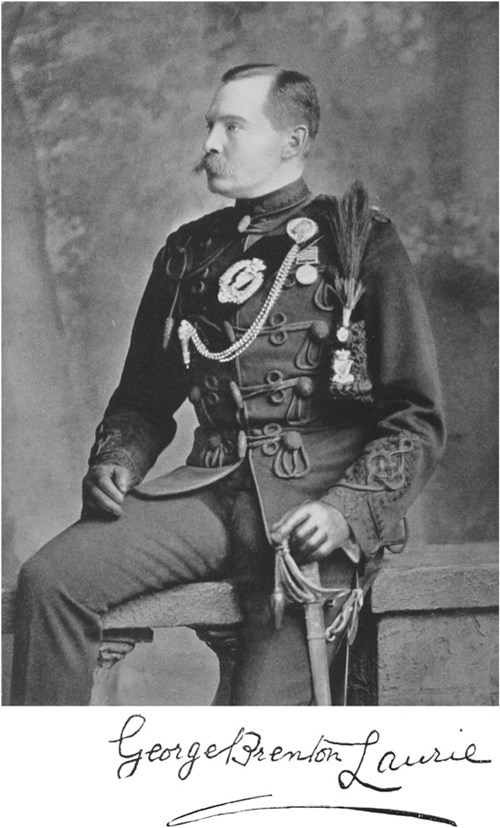
Lt-Col George Laurie, commanding the 1st Royal Irish Rifles also died of wounds on 12 March 1915. He is buried at Pont du Hem Military Cemetery.
Lt-Col Ernest Wodehouse, commanding the 1st Worcesters was killed in action on 12 March 1915. He has no known grave, and is commemorated at the Le Touret Memorial to the Missing.
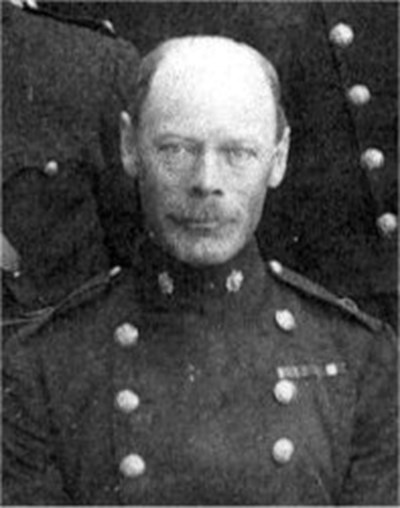
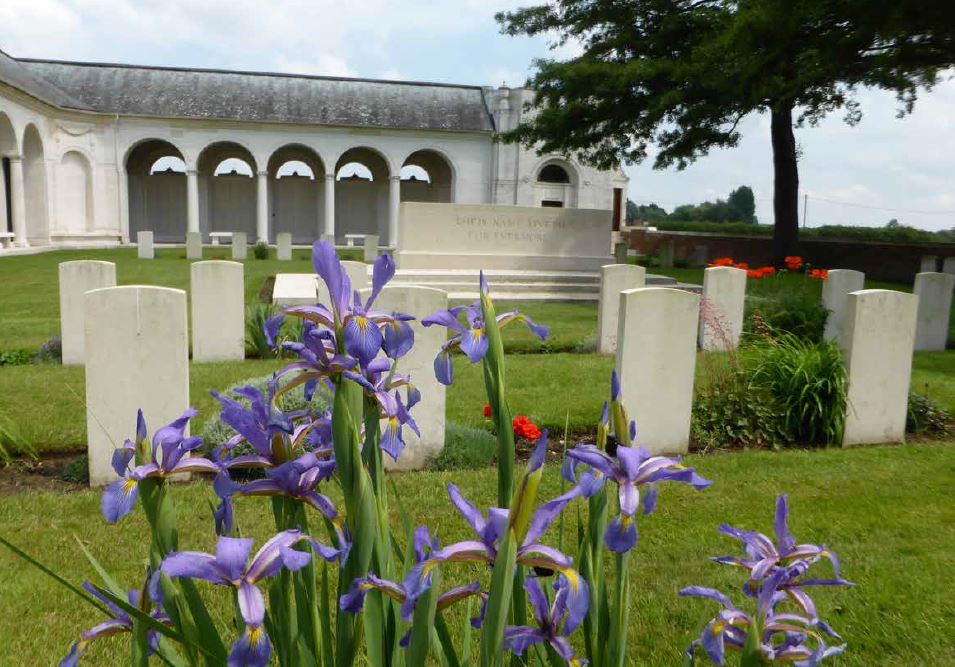
Lt-Col Henry Uniacke, commanding the 2nd Gordon Highlanders died of wounds on 13 March 1915. He lies alongside Lt-Col Fisher-Rowe at Estaires.
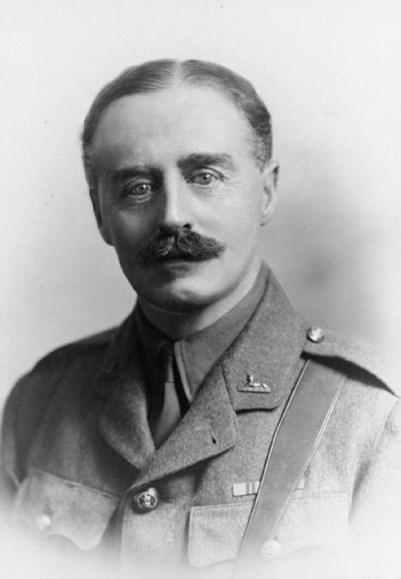
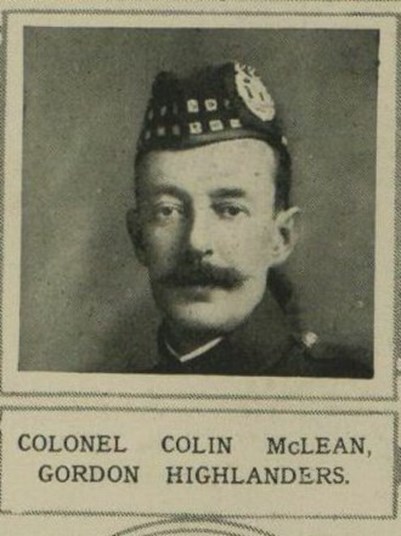
Lt-Col Colin McLean, commanding the 6th Gordon Highlanders died of wounds on 13 March 1915 and, like Lt-Col Laurie, is buried at the Pont du Hem Military Cemetery.
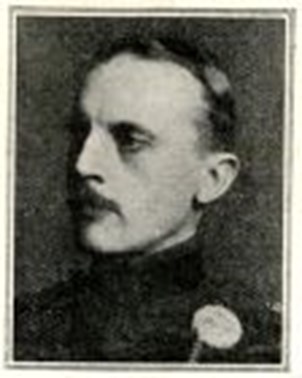
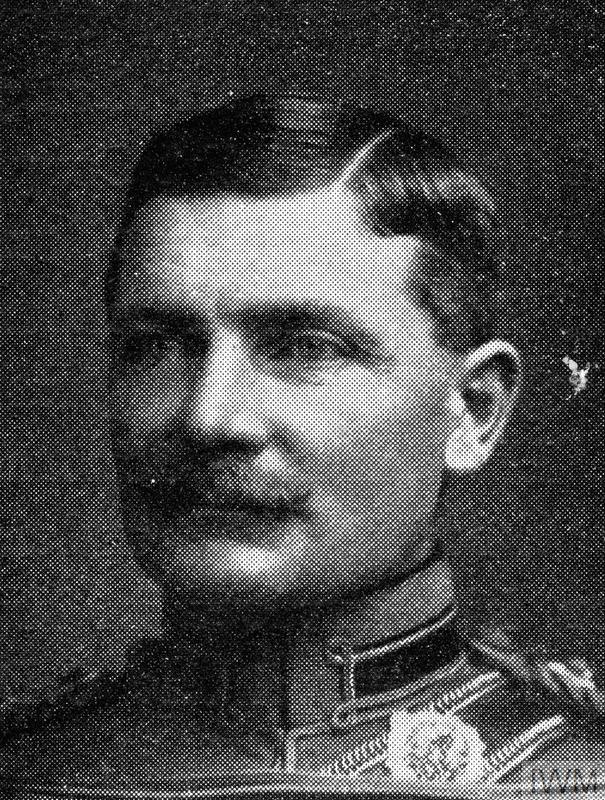
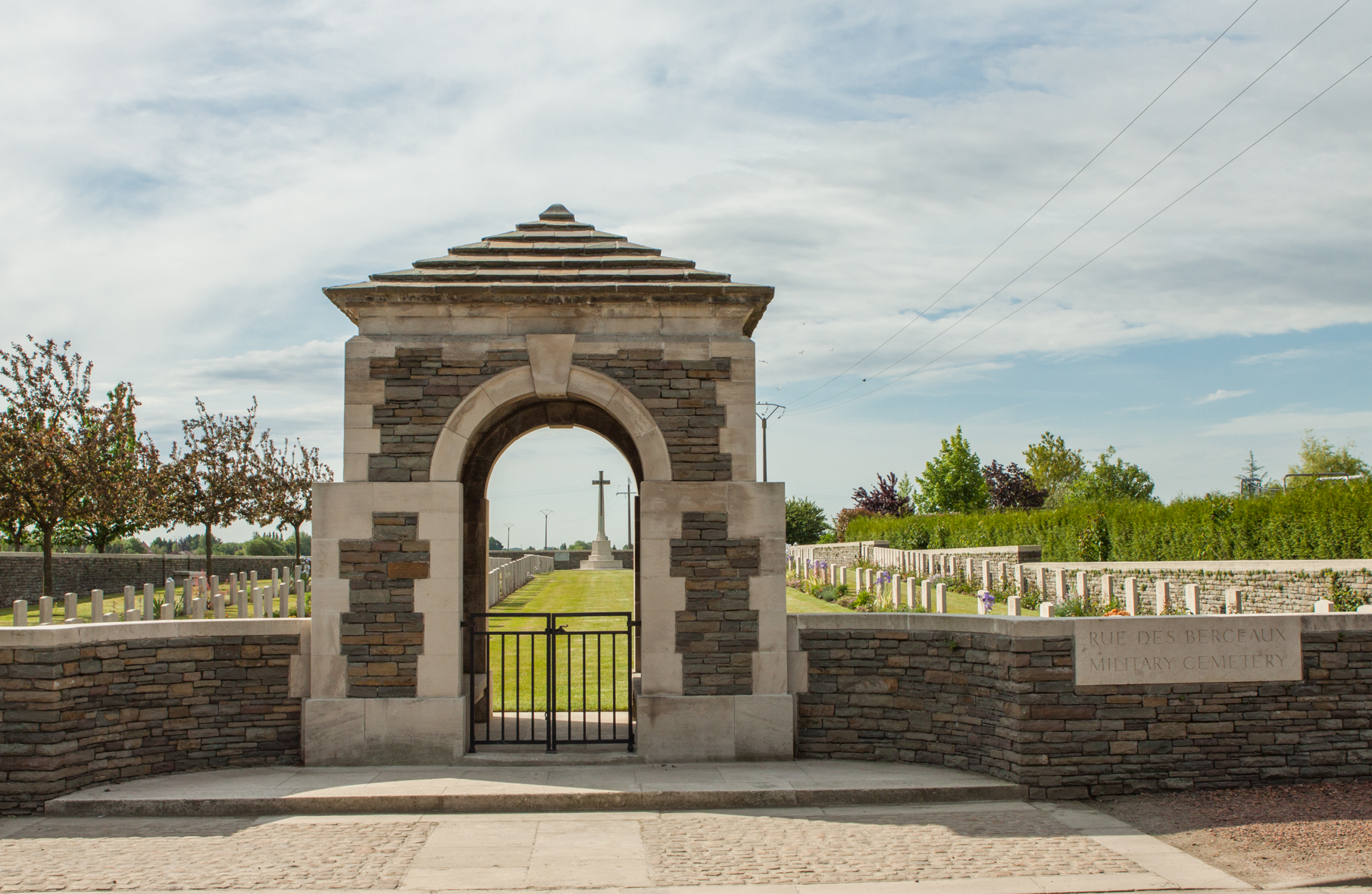
Two officers who were in command of Indian Army battalions were also killed, Lt-Col David Coley Young, commanding the 4th Ghurkha Rifles, was killed on 12 March. He is buried at Rue-des-Berceaux Military Cemetery. The same cemetery contains the remains of Lt-Col Percy Eliott Lockhart, who was commanding the 59th Scinde Rifles.
Indian Corps
On the right of the attack, away from the village itself, the two Indian Divisions suffered heavy casualties, albeit not quite on the same scale as the British 7th and 8th Divisions. These Indian Army units were the 3rd (Lahore) Division and the 7th (Meerut) Division.
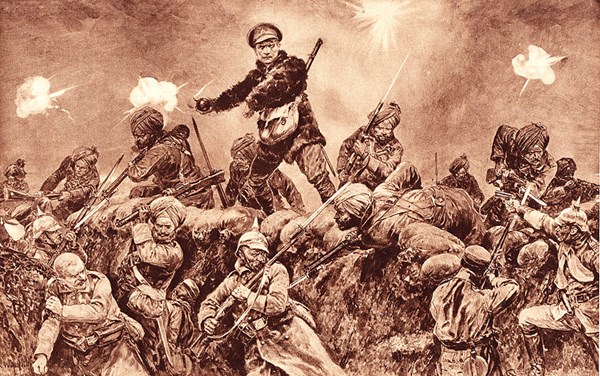
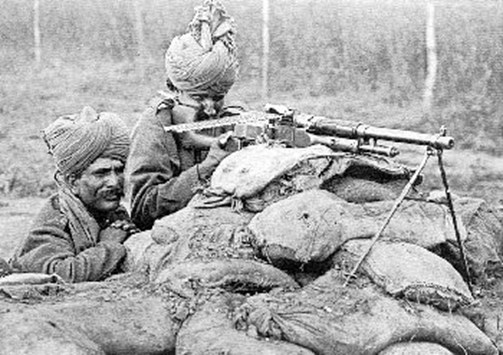
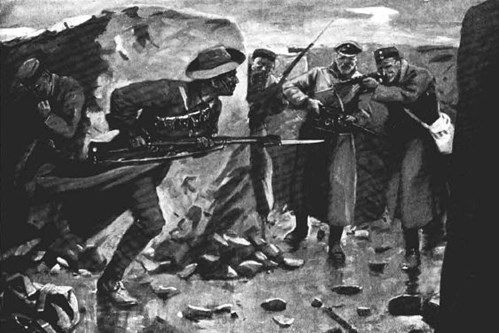
It was during the attack by the 2/39th Garhwal Rifles that the first 'Western Front' Victoria Cross of 1915 was awarded to a soldier of the Indian Army.
Rifleman Gobar Sing Negi was killed during the attack. The citation, published in the London Gazette on 28 April 1915 reads:
"For most conspicuous bravery on 10th March 1915, at Neuve Chapelle. During our attack on the German position he was one of a bayonet party with bombs who entered their main trench, and was the first man to go round each traverse, driving back the enemy until they were eventually forced to surrender..."
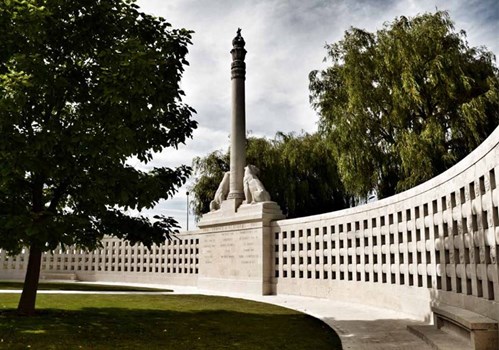
An account of the attack of the Garwhal Brigade (of the Meerut) Division comes from Captain WG Bagot-Chester of the 2/3rd Gurka Rifles:
"Our first attacking line of two double companies advanced, and our guns increased their range so as not to hit our men. Our first and second lines reached the enemy's trenches without much loss because the Boche were obviously quite demoralised by the bombardment. I followed close behind with H Company. Last of all Major Dundas brought along G Company. We advanced right through to the front line under very light fire. We all reached our objective, an old trench-line called the Smith-Dorrien Line, with only about 96 casualties in the whole Battalion, and started to dig ourselves in, in case of a counter-attack. There was very little firing from the German side and our attack seemed to have taken them completely by surprise. Some snipers left behind in our advance troubled us for some time until they were cleared out by the Leicesters on our right."
One of the battalions of the Indian 7th (Meerut) Division was the 1/3rd Londons (a number of battalions of British troops had been added to Indian Divisions). Captain AJ Agius of this battalion added further detail:
"It was hell let loose. The village and the trenches in front of it were blown to bits. The village seemed to melt away before our eyes. The Hun bracketed one of my guns and finally buried it, but no harm done. The infantry assault was launched at 8.05. Nearest us on the right were the 2/39 Garhwals. They went trotting over. Suddenly I saw a fellow stop then spin and spin till he fell. Others pushed on, tried to get through a hedge, eased to their left and got in further along. It was wonderful to watch the two attacks converge and meet."
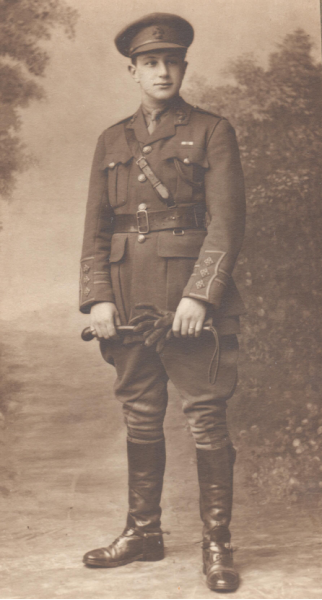
Nine Victoria Crosses Awarded at Neuve Chapelle
The award of the VC to Gobar Sing Negi was one of nine earned by British and Commonwealth troops during the battle of Neuve Chapelle.
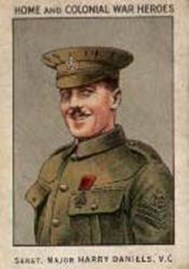
Cecil Noble and Harry Daniels
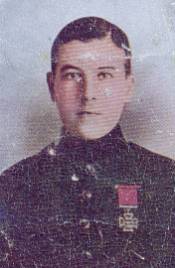
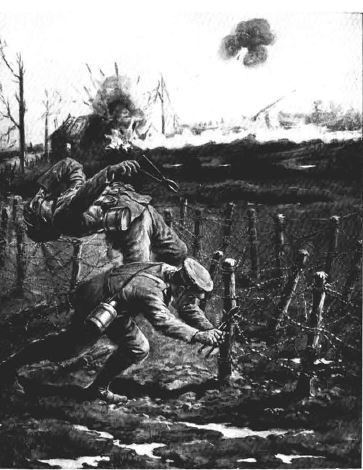
Harry Daniels joined the army at a young age and served in India. By 1915 he was 30-years-old, and a Company Sergeant-Major in the 2nd Battalion of The Rifle Brigade. On 12 March 1915 at Neuve Chapelle, his battalion was ordered to attack across no-man's land. Daniels and Lance Corporal Cecil Noble volunteered to cut the barbed wire in front of the comrades.
Daniels and Noble were wounded at once, Noble dying later of his wounds. Both men were awarded the Victoria Cross.
Jacob Rivers
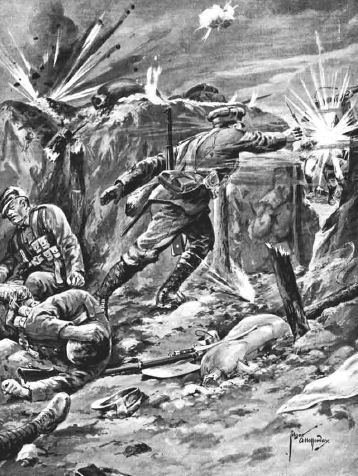
Also on 12 March 1915, Private Rivers, on his own initiative, crept to within a few yards of a very large number of the enemy who were massed on the flank of an advanced company of his battalion, and hurled bombs on them. His action caused the enemy to retire, and so relieved the situation. Private Rivers performed a second similar act of great bravery on the same day, again causing the enemy to withdraw. He was killed on this occasion, and his remains never found – Private Jacob Rivers, VC is commemorated on the Le Touret Memorial.
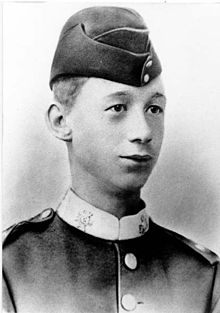
Wilfred Dolby Fuller
On 12 March, in the later stages of the battle, Lance-Corporal Fuller saw a party of the enemy trying to escape along a communication trench. He ran towards them and killed the leading man with a bomb, the remainder (nearly 50) seeing no means of evading his bombs, all surrendered to him.
Wilfred Fuller was also awarded a Victoria Cross. He survived the war.
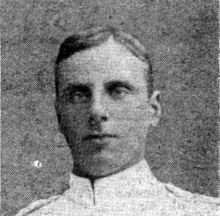
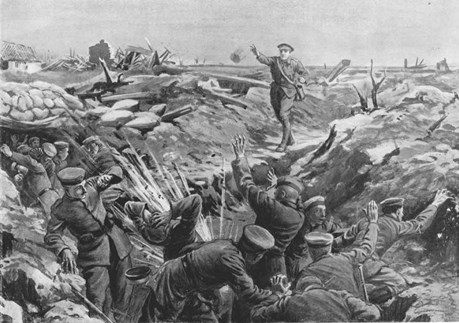
Charles Foss
On 12 March 1915 at Neuve Chapelle, after the enemy had captured a part of one of the British trenches and a counterattack made with one officer and 20 men had failed, Captain Foss dashed forward on his own initiative. With only eight men, and under heavy fire, they attacked the enemy with bombs and captured the position along with the 52 Germans occupying it.
Charles Foss VC, CB, DSO survived the war and achieved the rank of brigadier. He died in 1953.
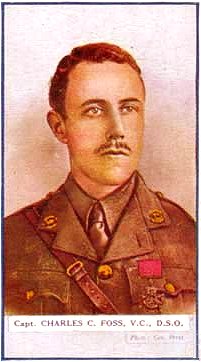
William Buckingham
William Buckingham was also awarded a VC, the citation for this award reads:
"For conspicuous acts of bravery and devotion to duty in rescuing and rendering aid to the wounded whilst exposed to heavy fire, especially at Neuve-Chapelle on 10 and 12 March 1915."
William survived the battle, but was killed on the Somme in 1916. He is commemorated on the Thiepval Memorial to the Missing.
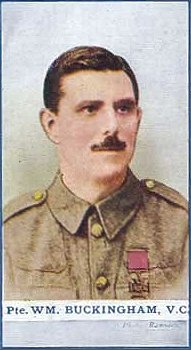
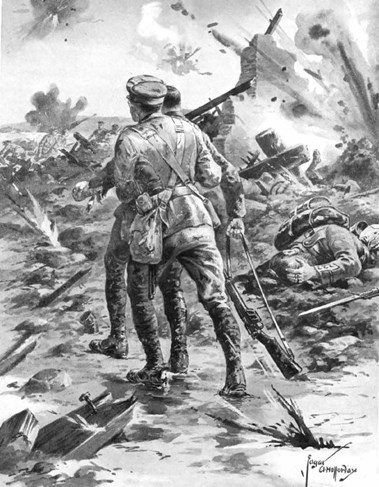
Edward Barber
The citation for Edward Barber's Victoria Cross reads:
"For most conspicuous bravery on 12 March, 1915, at Neuve Chapelle. He ran speedily in front of the grenade company to which he belonged, and threw bombs on the enemy with such effect that a very great number of them at once surrendered. When the grenade party reached Pte Barber they found him quite alone and unsupported, with the enemy surrendering all about him."
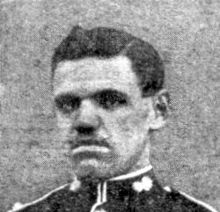
Unfortunately Edward Barber was killed during this action and is commemorated on Le Touret Memorial.
William Anderson
Born in Dallas, in the north of Scotland, Anderson worked in Glasgow with the City's Tramways but later moved to Newcastle upon Tyne. He enlisted with Yorkshire Regiment in 1905, serving for seven years. When war broke out he was called up as a reservist and went to the front in France with the 2nd Battalion. William was with this unit when he earned his VC. The citation reads:
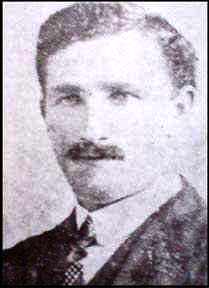
"For most conspicuous bravery at Neuve Chapelle on 12 March, 1915, when he led three men with bombs against a large party of the enemy who had entered our trenches, and by his prompt and determined action saved, what might otherwise have become, a serious situation. Cpl Anderson first threw his own bombs, then those in possession of his three men (who had been wounded) amongst the Germans, after which he opened rapid rifle fire upon them with great effect, notwithstanding that he was at the time quite alone."
Anderson was eventually killed in action on 13 March, but his remains were never found. He is commemorated on the Le Touret Memorial.
Battlefield Memorial
Captain Agius, mentioned above, survived the war, but his battalion (the 1/3rd, Londons) suffered 46 fatalities on this opening day of the Battle of Neuve Chapelle.
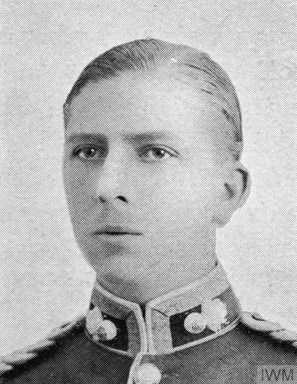
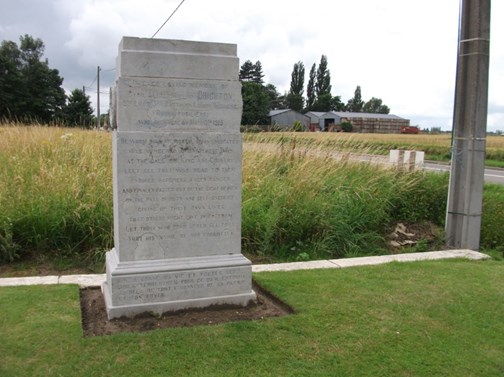
All but six of these men are commemorated at the Le Touret Memorial, but one of the officers from this battalion, Cyril Chichton, is buried in the cemetery adjoining this memorial. He also, very unusually, has a Battlefield monument.
For details about 2/Lt Cyril Crichton's fascinating story, please see this WFA website article.
Crichton's battlefield memorial was originally a few yards away on the west side of the Estaires Road opposite the cafe at La Bombe. Damaged when the Indian Memorial was shot up in 1940 and later by a vehicle, the memorial was skilfully repaired. In 1965, to accommodate road widening, it was moved to the lawn outside the Indian Memorial, where it remains.
Aftermath
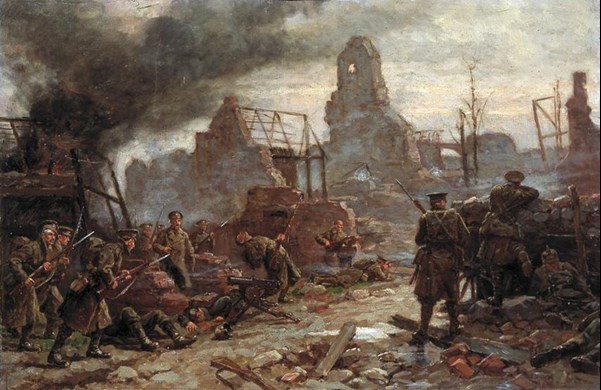
In the short term, the initial attack, although successful, did not lead to any real benefits to the Allied cause. The long term results of the Battle of Neuve Chapelle are controversial to this day. The brief but concentrated artillery bombardment may have resulted in incorrect conclusions being drawn. It was arguably the surprise of the 'hurricane' bombardment rather than the weight of shells that resulted in the initial success: a point misunderstood until 1918.
After the Battle of Neuve Chapelle and other attacks on the western front , a major argument broke out about the supply of artillery ammunition to the BEF. Sir John French became involved in what became known as the 'Shell Scandal' which, along with other factors during 1915, contributed to the fall of the government later in 1915.
Further reading
Morning Attack Neuve Chapelle. A reminiscence from Fred Dixon
Becoming a member of The Western Front Association (WFA) offers a wealth of resources and opportunities for those passionate about the history of the First World War. Here's just three of the benefits we offer:

This magazine provides updates on WW1 related news, WFA activities and events.

Access online tours of significant WWI sites, providing immense learning experience.

Listen to over 300 episodes of the "Mentioned in Dispatches" podcast.


