
‘What a fine girl she was’
It’s very rare to visit a parish church and not come away without a tantalising hint of a moving story connected with either of the two world wars. They’re often inspired by memorial plaques or windows, which are still doing the job for which they were intended, often more than a hundred years ago, reminding us today of the sacrifices of yesterday.
And the stories behind the memorials aren’t always about front line heroics.
Take this plaque on the south wall of St Mary’s church at Harrow-on-the-Hill in Middlesex, for example.
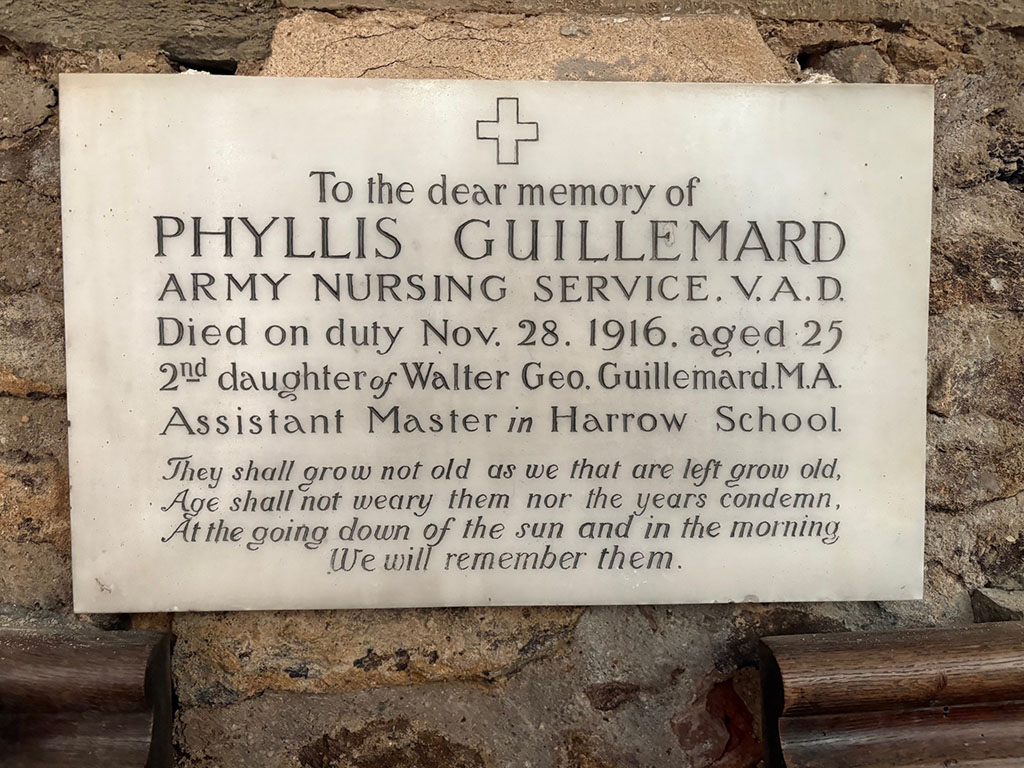
It commemorates a Voluntary Aid Detachment nurse, Phyllis Guillemard.
She died on November 28th, 1916, at the age of 25.
Who was Phyllis? How, where and why did she die? And why is she memorialised in a church in Harrow?
The answer to the last question is easy, because the plaque tells us that Phyllis’s father, Walter, was an assistant master at Harrow School. He was a descendant of Huguenot immigrants, and taught classics and modern languages at the famous public school. Phyllis was his second daughter.
But much more information is available, thanks to one of the extraordinarily effective local research efforts inspired by the centenary of the First World War. Projects took place all over the country, and many are still on-going. In this case, we thank the East Woodhay Local History Society in Hampshire, set up in 1997, who investigated all those named on memorials at East Woodhay and nearby Woolton Hill, for a centenary booklet and exhibitions.
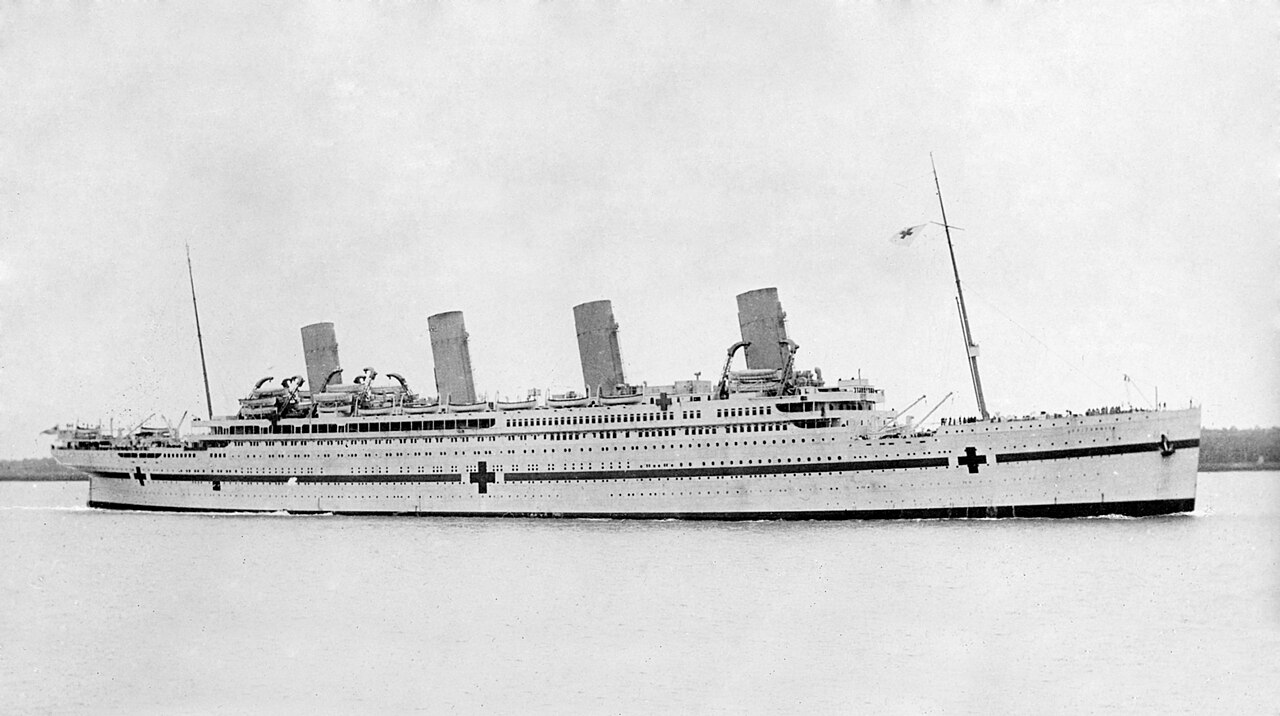
From them, we learn that Phyllis and her older sister Ruth enrolled with the V.A.D. in May, 1915, at the Reading War Hospital, a former workhouse. They served together on the hospital ship Aquitania in the Aegean, before returning to the U.K. on the Britannic, a sister ship of the ill-fated Titanic.
The sisters were then posted to Queen Mary’s War Hospital at Whalley in Lancashire, a 2,000-bed hospital at the site of an old asylum. It was there that Phyllis caught influenza, and then pneumonia, and died. A memorial service was held at the hospital. Ironically, the hospital ship Britannic was sunk after striking a mine a week before Phyllis died.
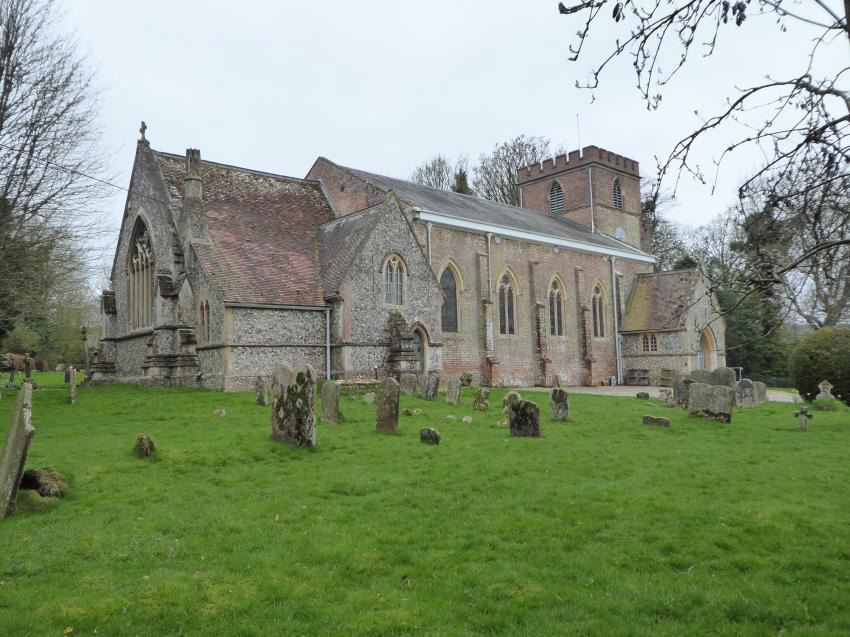
Phyllis is buried at St Martin’s church in East Woodhay, because her father Walter retired from Harrow School in 1908, and after two years travelling in Europe, the family settled at Malverleys, East End, near East Woodhay.
She rests next to her father, who died six months before her.
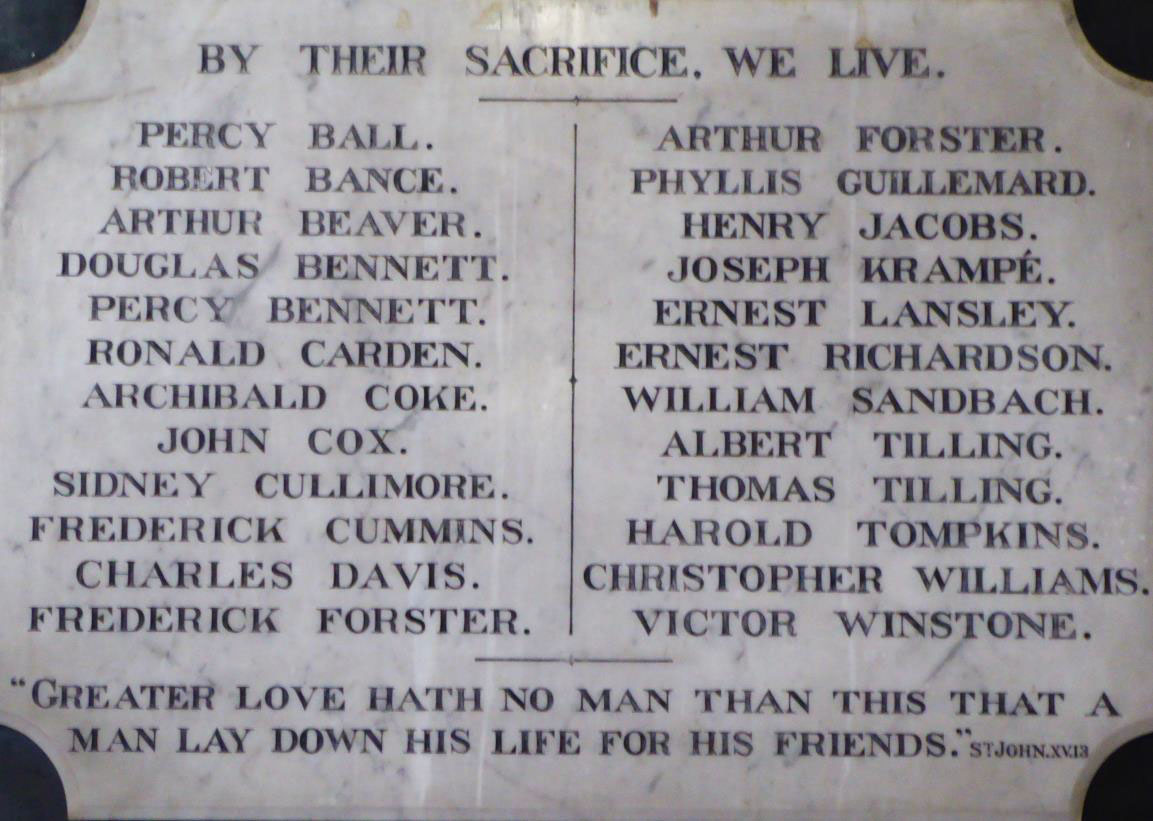
Her name appears on a memorial at the church.
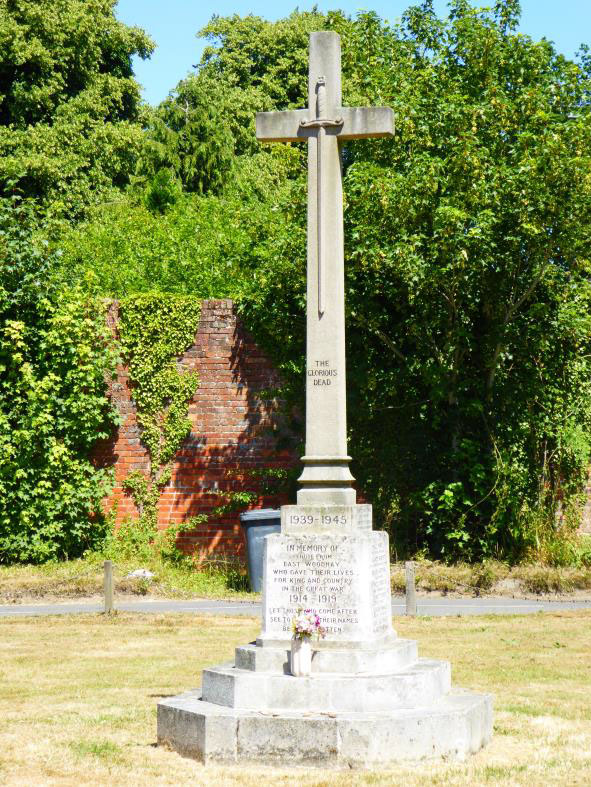
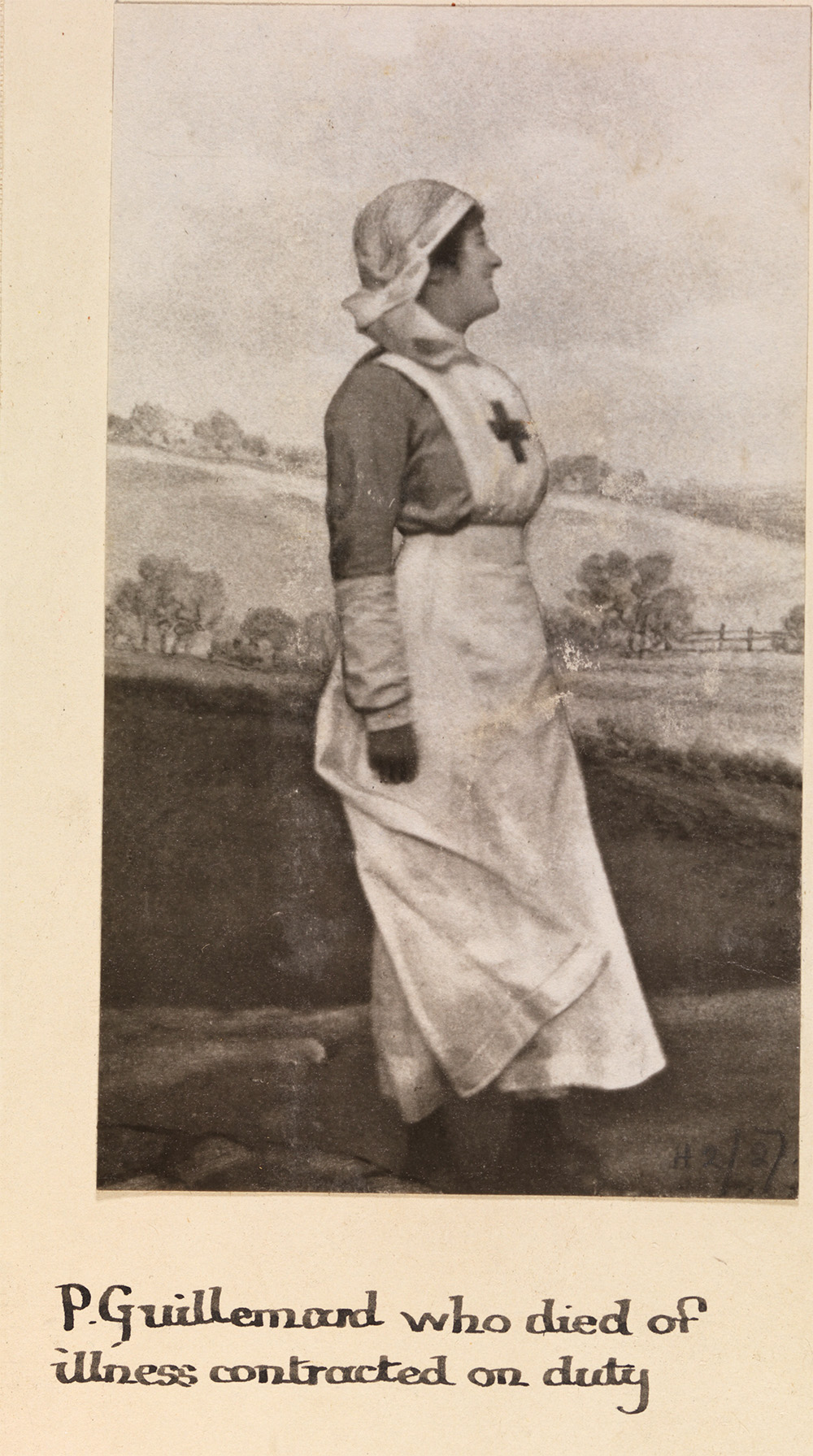
Touchingly, a photograph of Phyllis is held in the Imperial War Museum archives.
It was donated by her mother Agnes, who sent an accompanying note: I am very pleased to send my dear daughter’s photograph. You can see what a fine girl she was.
Two of Phyllis’s nephews died in WWII.
Hugh was the only son of her sister Ruth; he served in the Black Watch and was killed at El Alamein.
Her younger sister Eleanor had a son Duncan, who served in the Cameron Highlanders; he died in Burma.
Credits
Thanks to the East Woodhay Local History Society: www.wooltonhill.com for extensive information and pictures from East Woodhay
Picture of the Britannic courtesy of www.commsmuseum.com
Picture of Phyllis courtesy of the Imperial War Museum
Becoming a member of The Western Front Association (WFA) offers a wealth of resources and opportunities for those passionate about the history of the First World War. Here's just three of the benefits we offer:

With around 50 branches, there may be one near you. The branch meetings are open to all.

Use this tool to overlay historical trench maps with modern maps, enhancing battlefield research and exploration.

Receive four issues annually of this prestigious journal, featuring deeply researched articles, book reviews and historical analysis.


