Not all Barons were Red: Examples of German WW1 Aces and their colour schemes
It is likely that even those who know next to nothing about the First World War, if asked to name an individual from this conflict may, with a little prompting, say “Baron Manfred von Richthofen”. Without a doubt many more would recognise his nickname ‘The Red Baron’.
Richthofen is renowned for having painted the various aircraft he flew a vivid red, which, combined with his title, led to his nickname. The name der Rote Baron was perhaps equally well known within Germany, although during his lifetime he was more frequently described in German as “Der Rote Kampfflieger”, which could be translated as "The Red Battle Flyer" or "The Red Fighter Pilot" and was the name used as the title of Richthofen's 1917 autobiography.
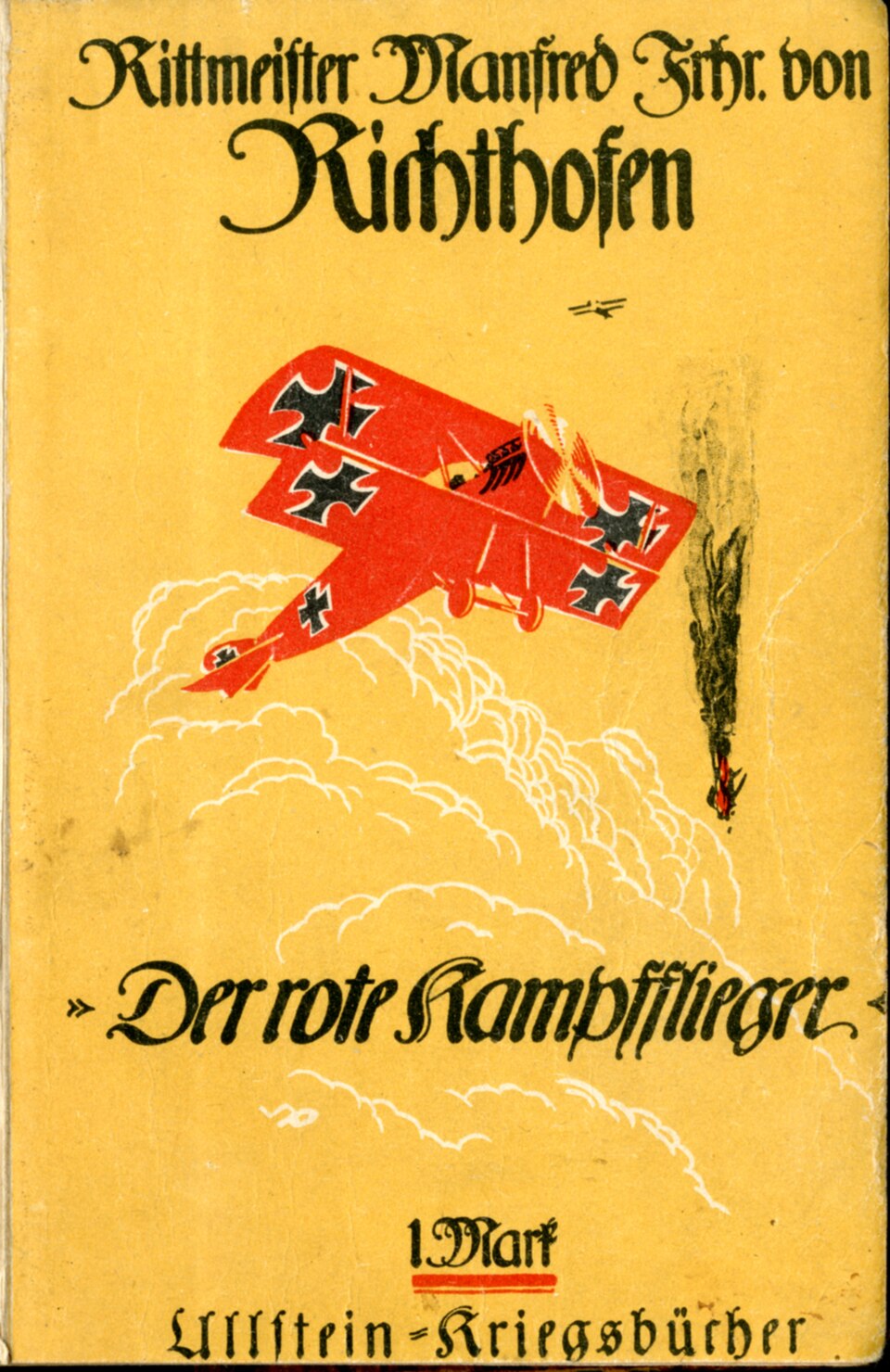
Richthofen was not alone in choosing a colour scheme and sticking with it. Lots of German pilots adopted garish colours or markings, the more famous of these are detailed below.
Werner Voss
Voss, an ace with 48 victories, famously adorned the engine cowling of his Fokker triplane with a painted face, which included a prominent moustache, eyes, and eyebrows. The design is believed to have been inspired by Japanese kites that Voss had seen and flown as a child.
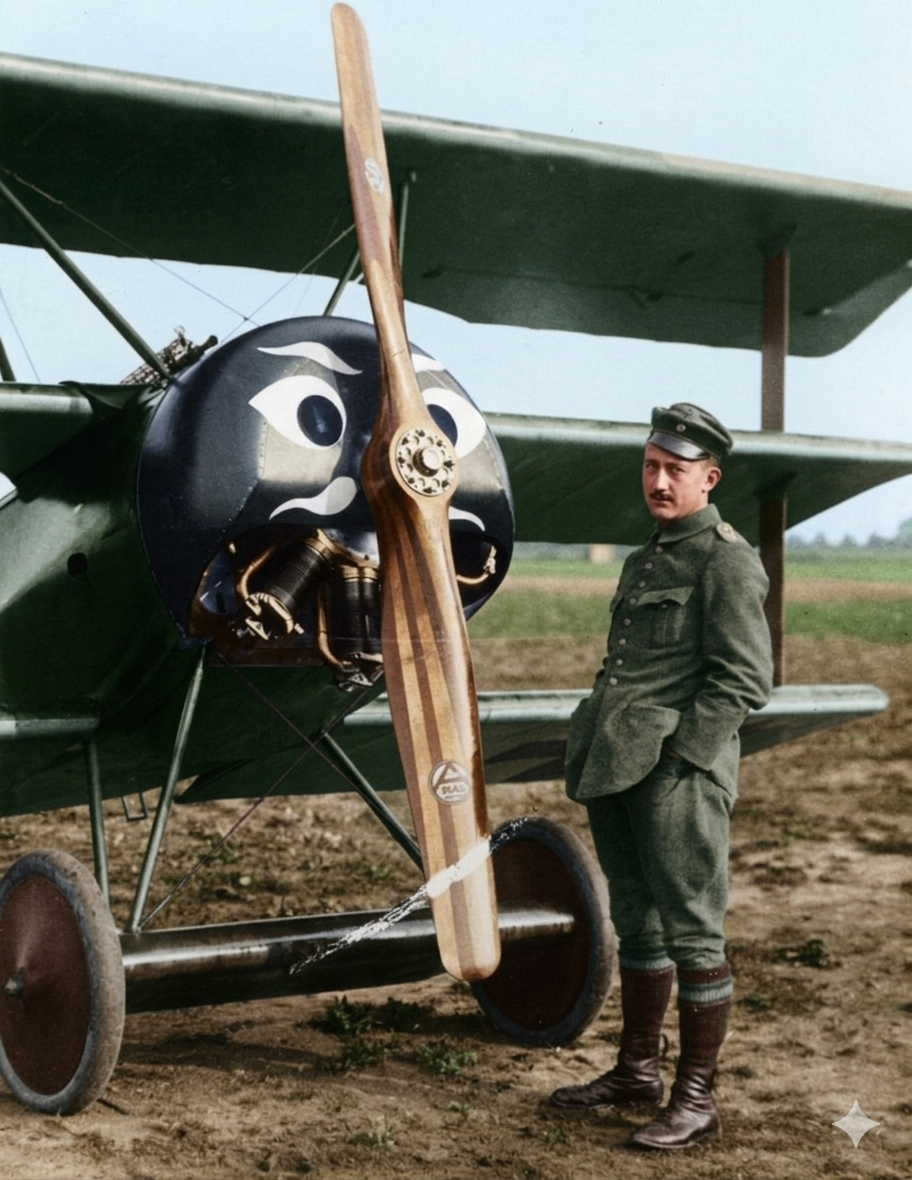
Voss was shot down in an epic dogfight on 23 September 1917. Despite being outnumbered Voss, using the triplane’s superior rate of climb and its ability to slip turn, outflew his opponents. He was able to turn at high speeds and attack those behind him.
After flying past Capt James McCudden, in a head-on pass, Voss’s Fokker was hit with bullets. One round pierced his right side and passed through his lungs. The victory was attributed to Arthur Rhys-Davids.
A British perspective
2/Lt Bill Johns (post-war the author of 'Biggles' Captain W.E. Johns) wrote between the wars of his experiences. He describes in two passages the sight of German aircraft from his cockpit (he was flying a DH4).
I was watching a string of what appeared to be gaudy butterflies crawling along the ground; now and then the sun flashed on their wings. It was a full squadron of Fokker DVIIs trailing us and climbing fast.[1]
What’s ahead? Bending down and staring forward through my centre section, I can just make out a cloud of tiny black specks, circling against the sky, now eggshell blue, for all the world like a swarm of midges on a summer’s evening. Huns! They’re waiting for us to get farther over so that if one of our machines is damaged it will not be able to get back to its own side of the lines.
The enemy machines begin to take more definite shape as we draw nearer to them, and presently it is possible to make out the shark-like bodies of Albatrosses, Pfalz, and Fokker Triplanes.
Five minutes later comes the first clash. Nine enemy fighters, painted in blue and yellow stripes, come down with a roar and a rush. We know them well; they come from Metz.[2]
Ernst Udet
Ernst Udet was another German 'ace' (he was the highest-scoring German fighter pilot to survive that war, and the second-highest scoring after Manfred von Richthofen) whose wartime colours have been discussed online. But, as with many of these individuals, a consensus view cannot be nailed down. On the highly regarded forum 'The Aerodrome' a discussion about Udet's colours had the following comment:
Everybody, but nobody agrees on the colours. Search some earlier threads and you will find plenty on it. The nose was either black or red, the stripes on the wing were either red and white or black and white, and about the only thing everyone agrees on is the white chevrons on the tailplane as used on his other aircraft and the lettering.
It would seem, however, that Udet had a sense of humour. The tail of his aircraft has the inscription "Du doch nicht!!" which can be translated as "Definitely not you!". That was his common answer to the question "Who would shoot you down?" - "Definitely not you!"'
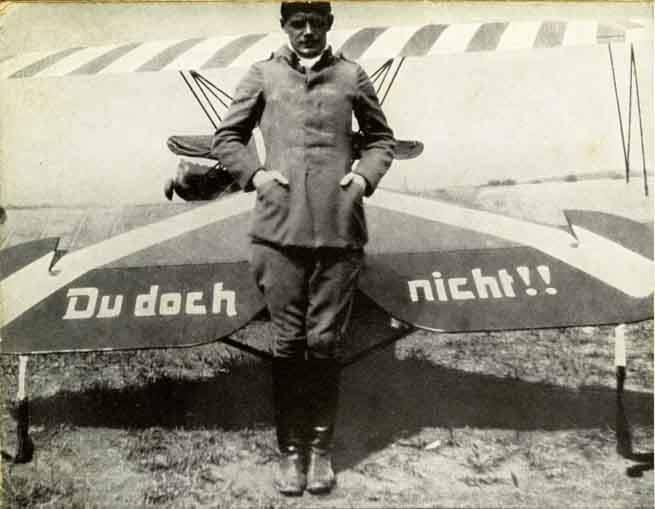
In addition, Udet adorned his plane with the name of his girlfriend, Eleanor "Lo" Zink. A photo of the fuselage with 'Lo' painted on the side is seen below.
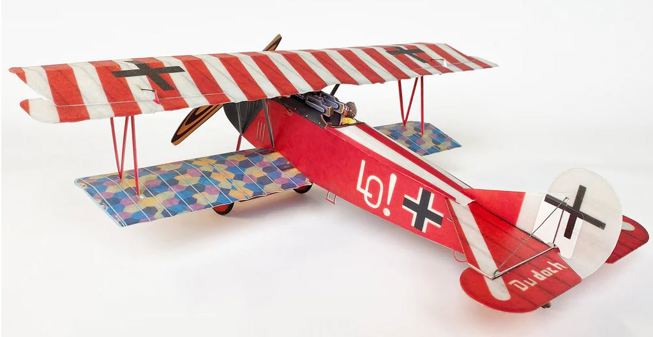
Udet married Eleanor "Lo" Zink on 25 February 1920, however the marriage lasted less than three years and they were divorced on 16 February 1923.
Jasta 19
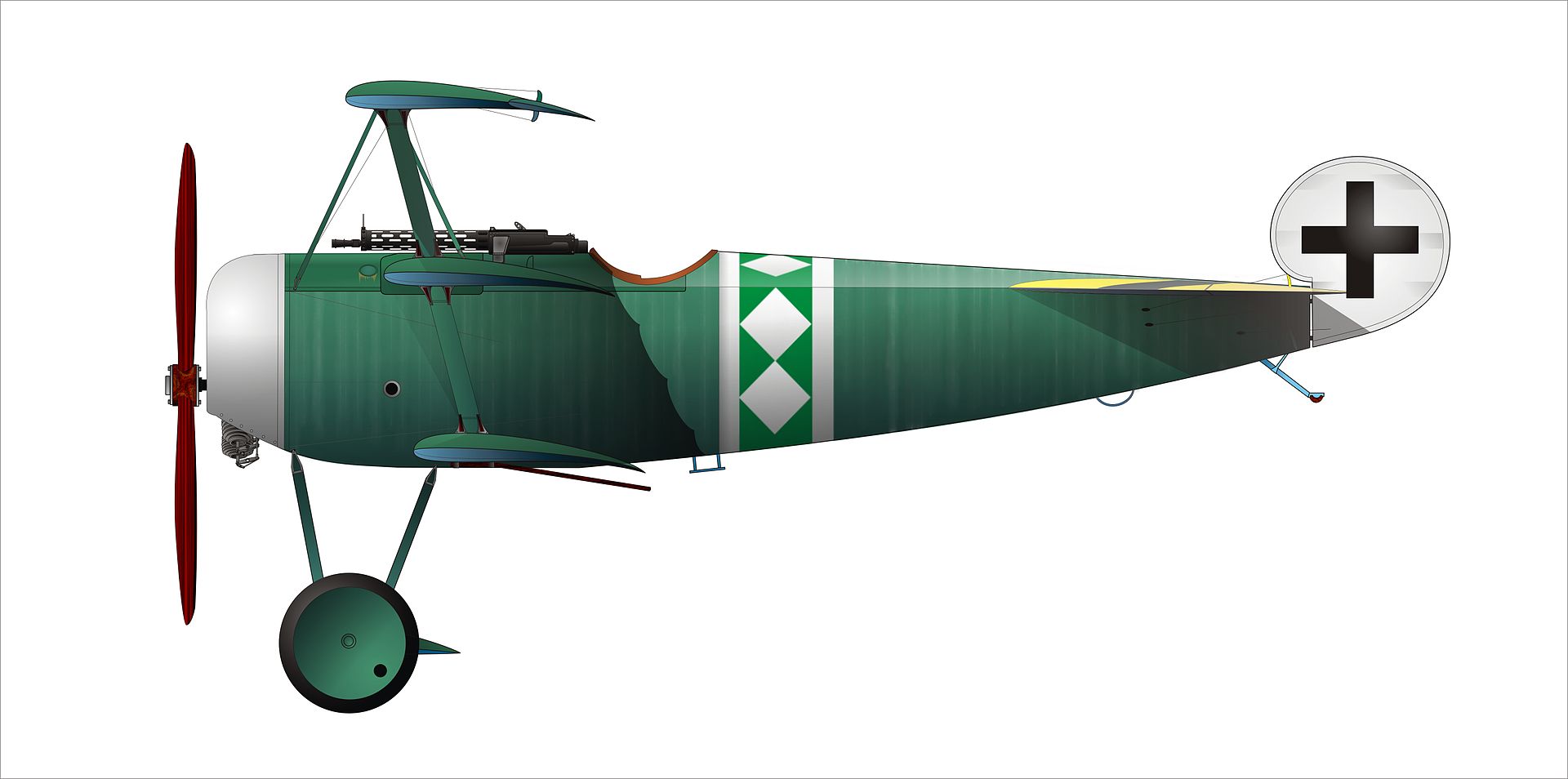
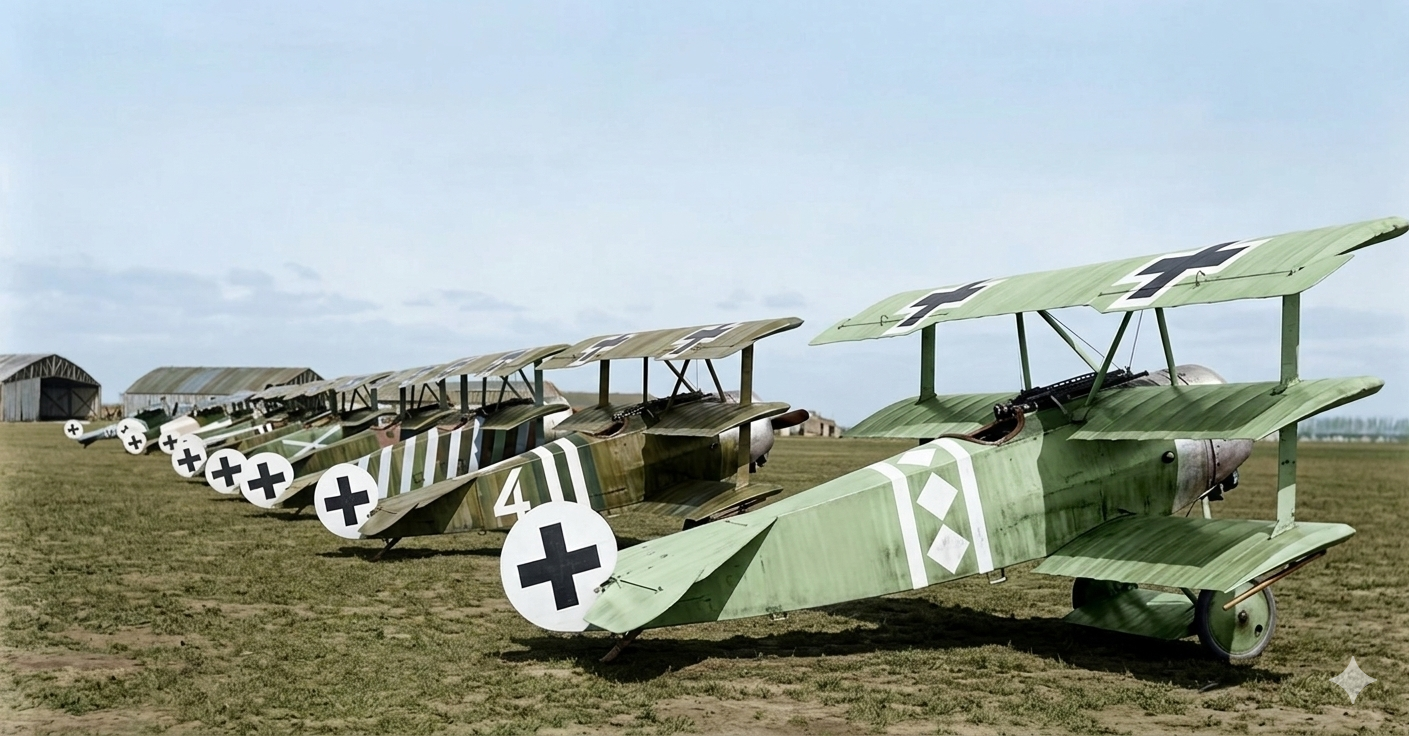
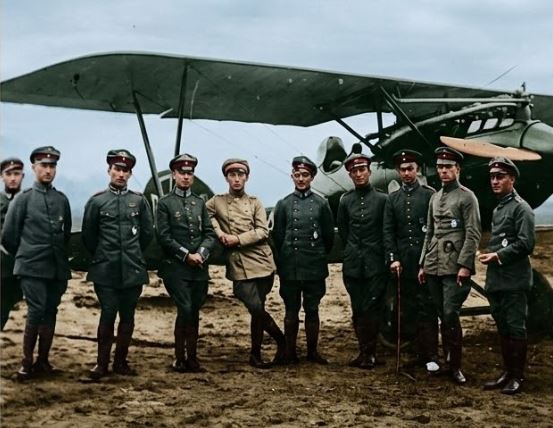
An interesting photograph of Fokker Dr.1 Triplanes is shown below. This clearly shows different patterns adorning the numerous aircraft.
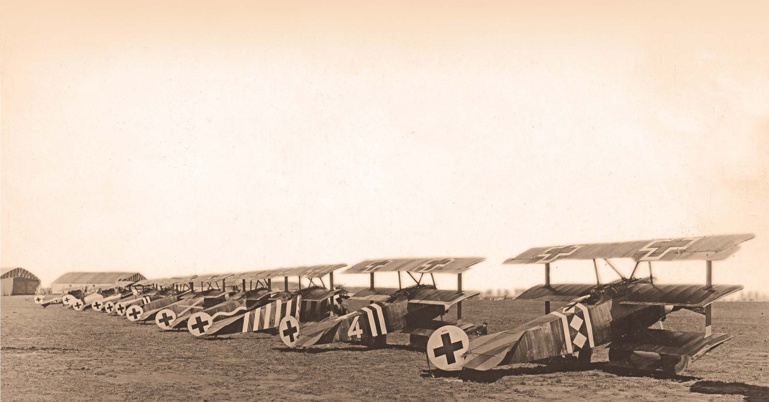
It is possible the aircraft nearest the camera was one flown by Leutnant Pippart.
Josef Jacobs
The German Ace, Josef Jacobs was known to fly an all-black Fokker Triplane with a devil painted on the side. One of his more notable victories came on 10 September 1917 when Jacobs shot down French ace Jean Matton as his seventh victim.
It was only in February 1918, when Jacobs started flying the Fokker Dr.I with Jagdstaffel 7, that he had his aircraft finished in a distinctive black scheme.
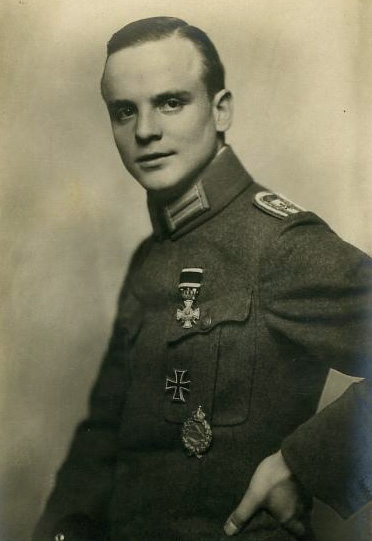
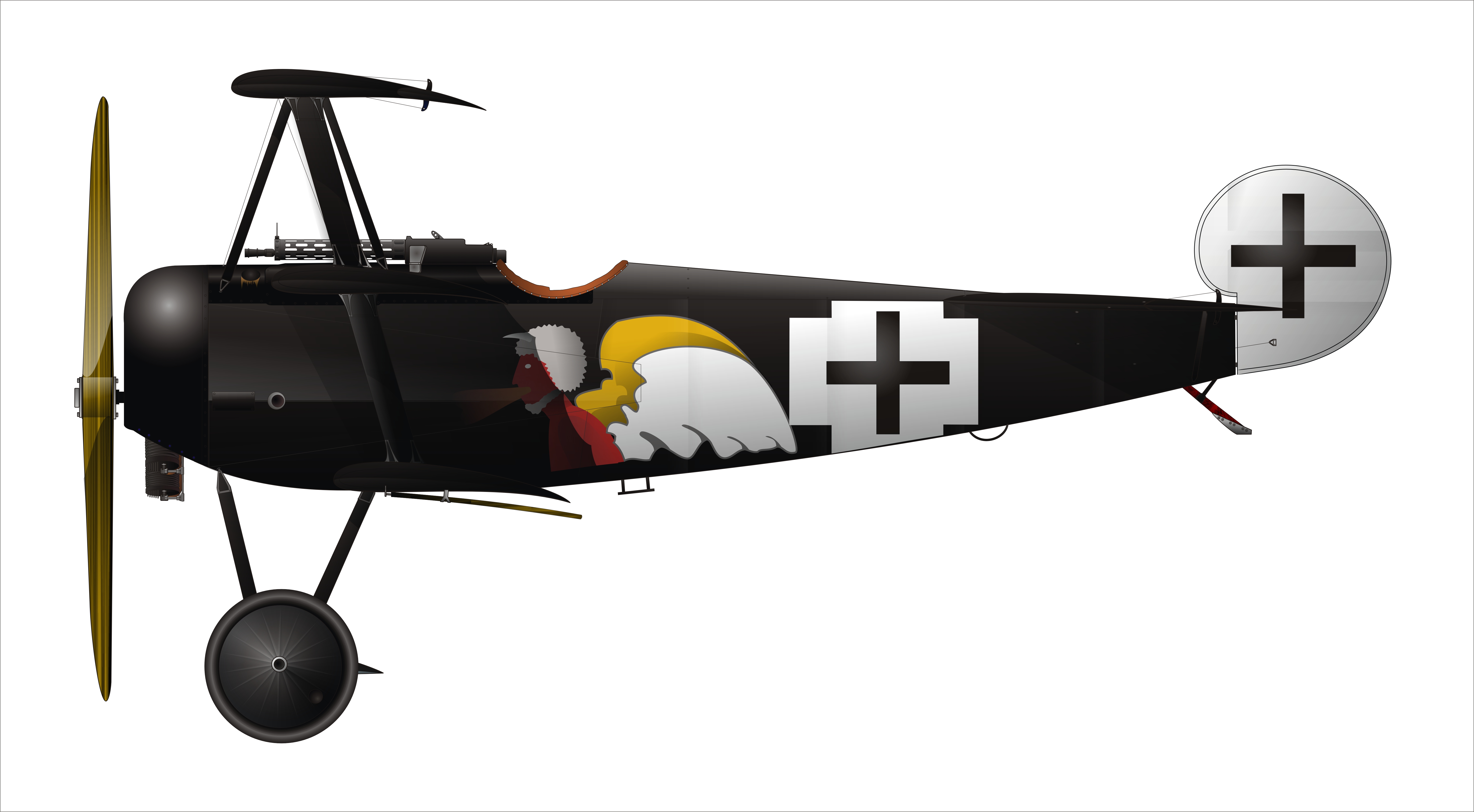
Whilst flying the Fokker triplane he was awarded the coveted Pour le Mérite in July 1918 when his tally rose to 24. He continued with the triplane until October 1918, using its manoeuvrability to become this aircraft type's highest-scoring ace, with over 30 confirmed victories.
Jacobs would remain with Jagdstaffel 7 until the armistice. His final victory tally was 48 enemy aircraft and balloons; this total tied him with Werner Voss in fourth place among the war's German aces. Jacobs died in 1978.
Lothar von Richtofen
Manfred’s younger brother, Lothar, had his ability as a pilot demonstrated very early in his career. His first 24 victories all came within 47 days (28 March to 13 May 1917). Lothar quickly developed a reputation for being impulsive and aggressive, which is somewhat different to his brother, who was far more calculating. There is very little consensus as to his colour schemes, but there is a view that the rear of his aircraft was painted yellow.
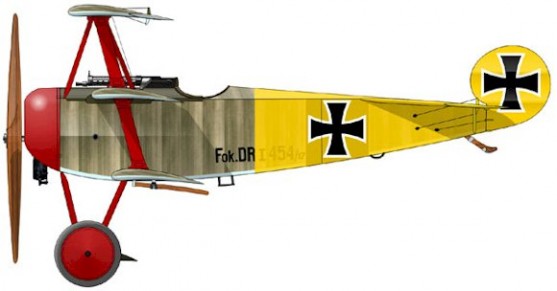
Lothar died aged 27 on 4 July 1922 in a flying accident.
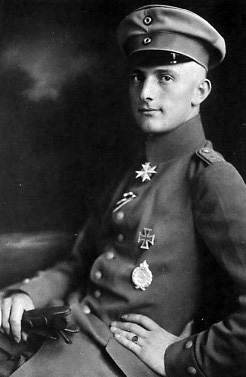
Erich Loewenhardt - the ‘Yellow Peril’?
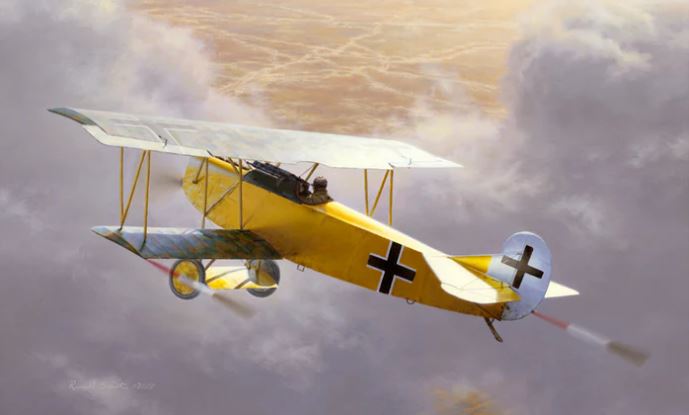
Perhaps the most striking colour scheme was that adopted by the third-highest ace, Oberleutnant Erich Loewenhardt (7 April 1897 – 10 August 1918)
Flying with Jagdstaffel 10 in Albatros fighters and later the Fokker D.VII, he scored 54 confirmed victories and was never defeated in aerial combat.
Loewenhardt volunteered for the Imperial German Army Air Service and initially qualified as an aerial observer, before completing his pilot training in 1916, at which point he started flying reconnaissance missions.
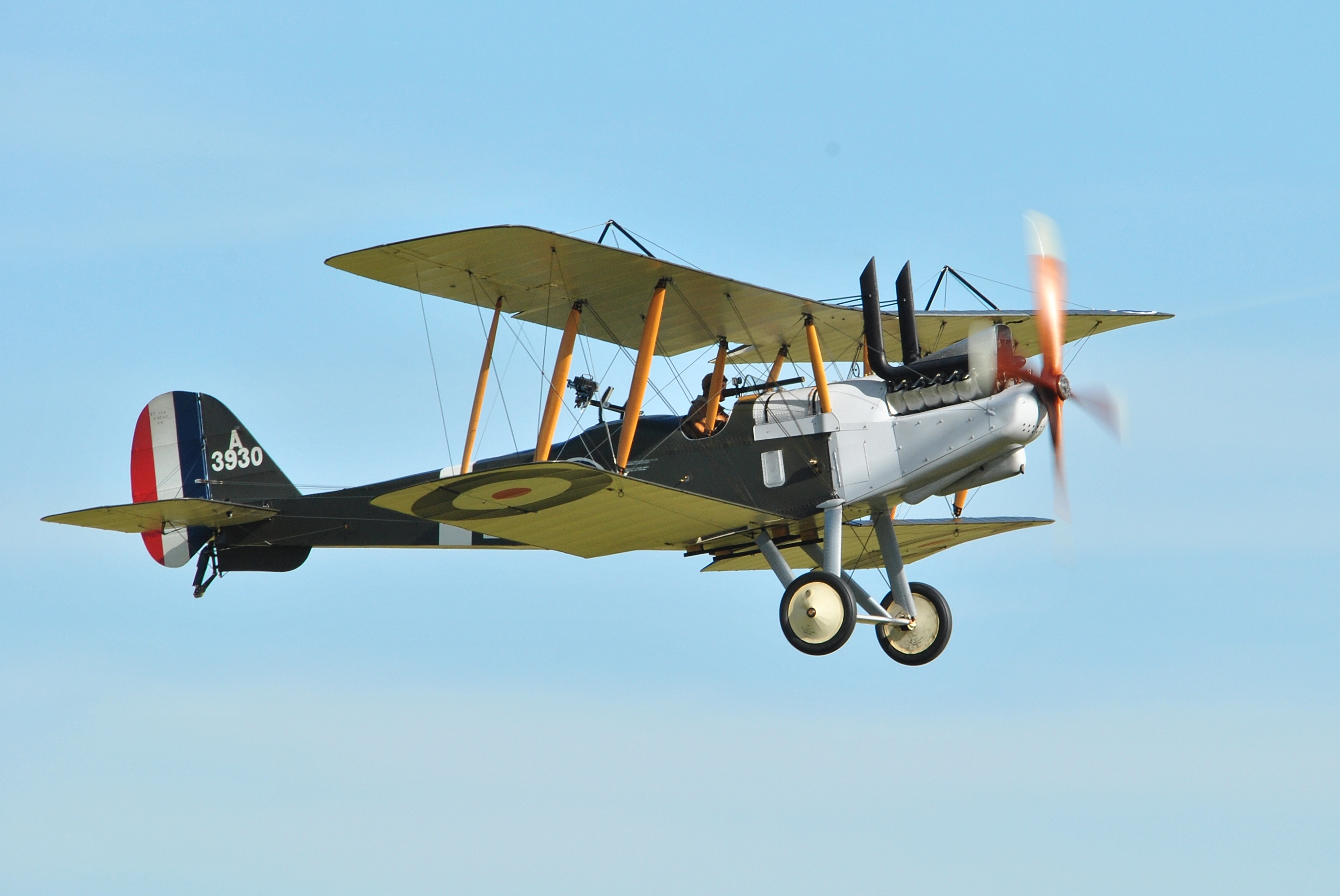
Not satisfied with this, Loewenhardt then trained as a fighter pilot and joined Jagdstaffel 10 in March 1917. Within just a few weeks he destroyed an observation balloon but had to wait five months before his next victory. In August, he shot down a Royal Aircraft Factory R.E.8, of number 9 Squadron RFC, his first aircraft victory.
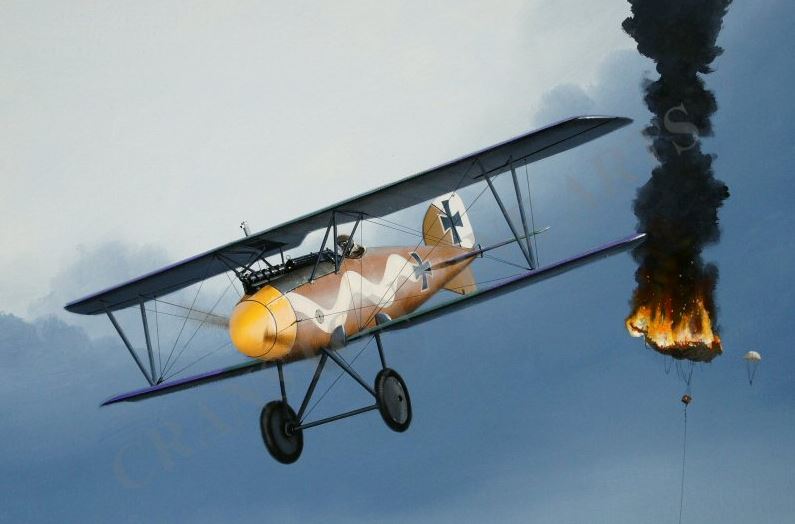
By mid-March 1918 his total had reached twelve, of which seven were observation balloons (although this does not detract from him as Observation balloons were exceptionally hazardous targets, being guarded by very strong anti-aircraft guns plus fighter patrols).
He gained five victories in March 1918 and, as a result, was appointed as the commander of Jagdstaffel 10 a week before his 21st birthday, making him one of the youngest pilots to command a squadron in the German Air Service.
During April, Erich Loewenhardt added two more victories to his tally. In May his squadron changed from the Albatros D.III to the Fokker D.VII, in which he shot a total of seven targets during that month. At the end of May – with his total victories at 24 - he was awarded the Pour le Mérite, (the “Blue Max”).
In June 1918, he brought down eight aircraft, seven of them SPAD fighters, while in July he accelerated, with 16 victories. Over the course of May, June and July 1918, he hit two targets in a single day on five different occasions.
Loewenhardt was probably the most effective German pilot by a significant margin at this time.
He was involved in the 8 August Battle of Amiens, above the fields east of Villers-Bretonneux. On this day he claimed a ‘hat trick’ of victories, although it has never been established which pilots he shot down. On this day the RAF lost 97 aircraft, either destroyed or damaged beyond repair (and some 26 aircrew were killed). His victories were all against Sopwith Camels, which had been tasked with making dangerous bombing attacks on the bridges over the River Somme.
Two further victories were scored the next day (9 August) – the victims again being Sopwith Camels. Another victory (against an SE5a of 56 Squadron) was recorded on 10 August around noon.
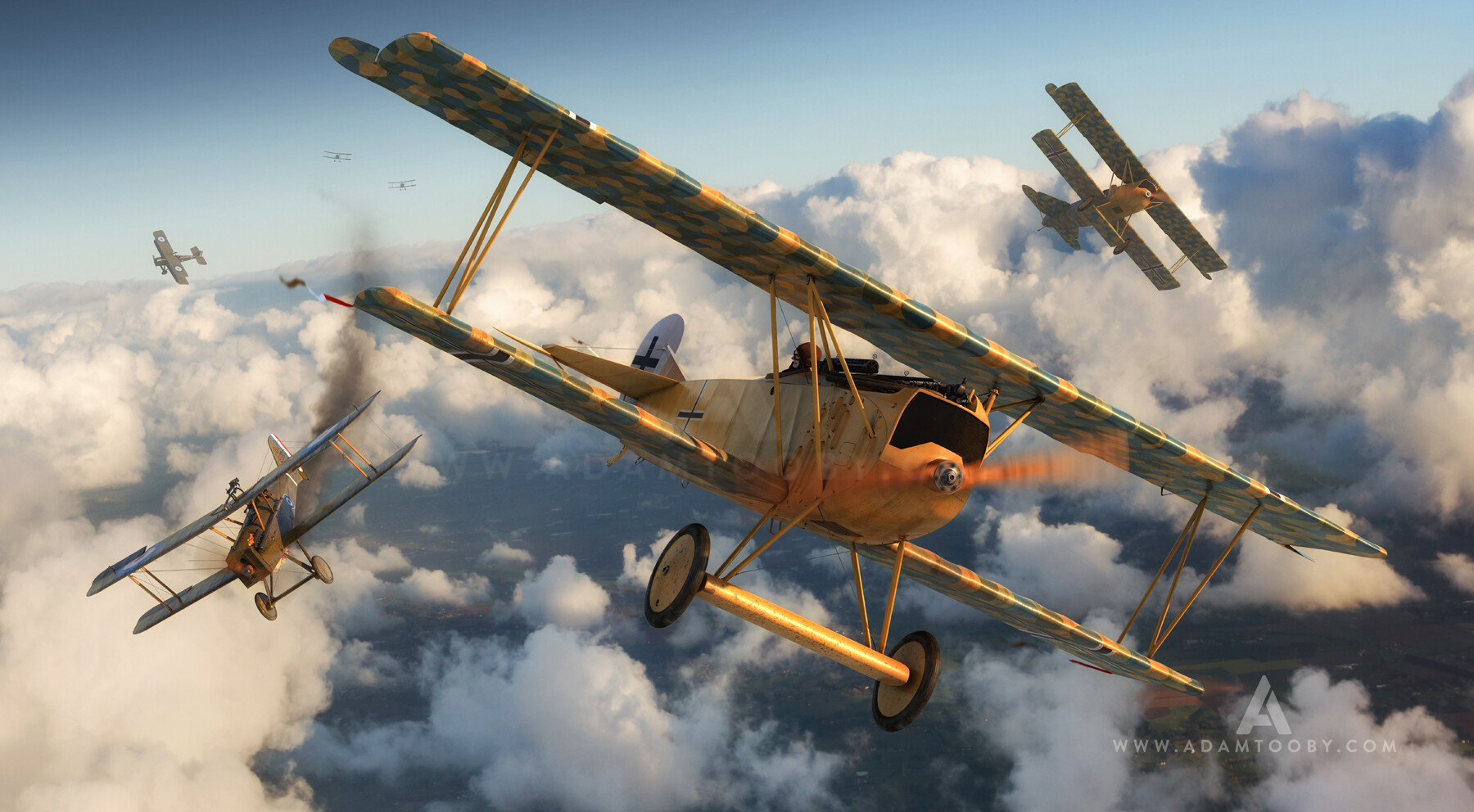
Lowenhardt continued fighting after this (his 54th victory) but his Fokker D.VII collided with another D.VII, piloted by Leutnant Alfred Wenz from Jagdstaffel 11 squadron. As the aircraft went down, both escaped their aircraft successfully, and took to their parachutes, but while coming down, Loewenhardt’s parachute did not open and he fell to his death.
Alfred Wenz wrote in 1960:
“The reason for the misfortune was that Loewenhardt and I were attacking the same Sopwith, Loewenhardt from above and I directly behind the Sopwith at the same height. I fired at a distance of not more than 40-50 yards. I saw exactly the English pilot when he looked down by my shots out of the guns – but, in the same moment I saw a yellow machine (of Oblt. Loewenhardt) for a fragment of a second over, crashing with one or both wheels on the right upper plane of my machine, going into rags. My machine went down in a spin – the first several 100 meters vertically – what could I do? After considering quite rapidly the situation, I jumped out and my parachute opened. As I had had a great speed, 2 belts, by which the parachute is bound to the body, sheared so that I was hanging in the cords. But I was quite calm and still glad about my first victory. I could not know in these minutes that my comrade, Oblt. Loewenhardt, was already dead. His parachute had not opened and I never can declare why he jumped out too.”
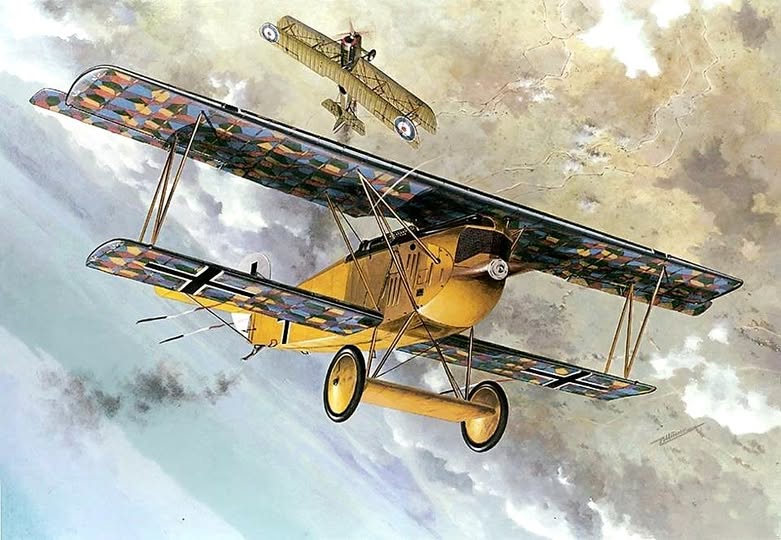
Lothar von Richtofen witnessed the collision and wrote about it in 1921 [3]
"Then, all of a sudden, I see the Englishman dive straight down, a trail of smoke behind him. At almost the exact same instant – whats that? Löwenhardt is no longer flying behind the downed Englishman, just a chaotic mess of thousands of splinters. I immediately go down in a steep dive to see what´s actually going on down there. That Löwenhardt has been rammed is immediately clear to me. Coming closer, I watch a parachute falls from the jumble of splinters and then deploys.
"At first, I was hoping it was Löwenhardt, but upon closer inspection, the man in question was wearing fur gloves. So it wasn’t Löwenhardt, for he hadn´t taken any such gloves along on this flight. I then observed where the parachute landed and where the yellow machine went down, as well….. They bring back, uninjured, the man [Alfred Wenz ]who had collided with Löwenhardt. Of Löwenhardt himself, there is nothing to be found, except for his machine. Only eight days later was his body recovered by our infantry.”
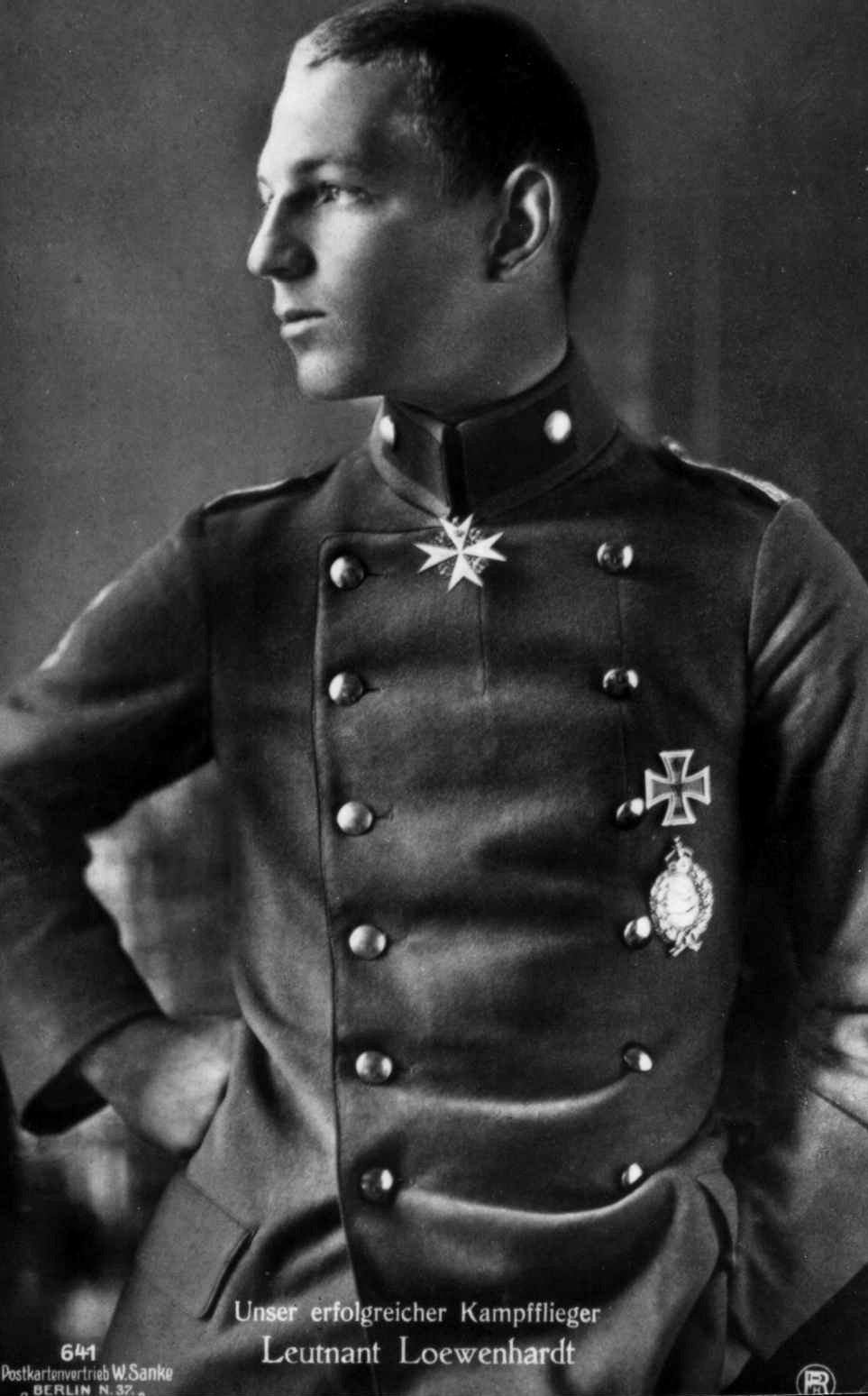
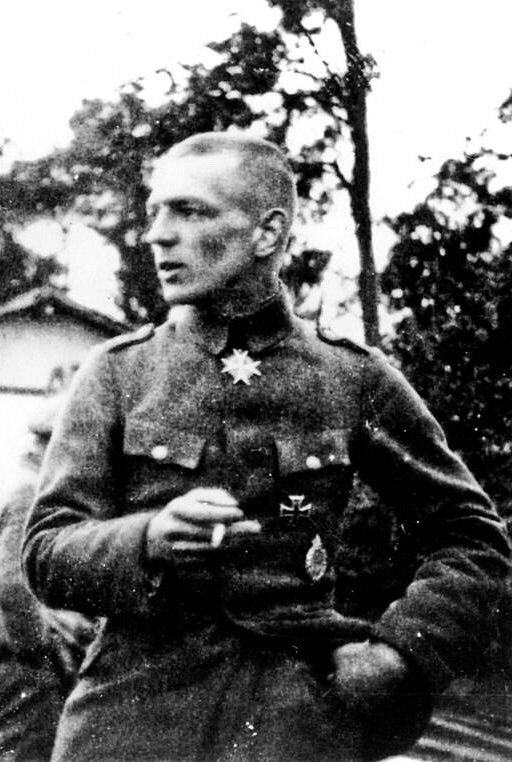
Had Loewenhardt not crashed into his comrade, it is not inconceivable that he could have overtaken the Red Baron's total of eighty victories. To reach the Red Baron's total, he would have obviously needed to shoot down another 26 aeroplanes.
If Loewenhardt had lived, perhaps we'd be talking about the 'Yellow Peril' instead of the 'Red Baron'.
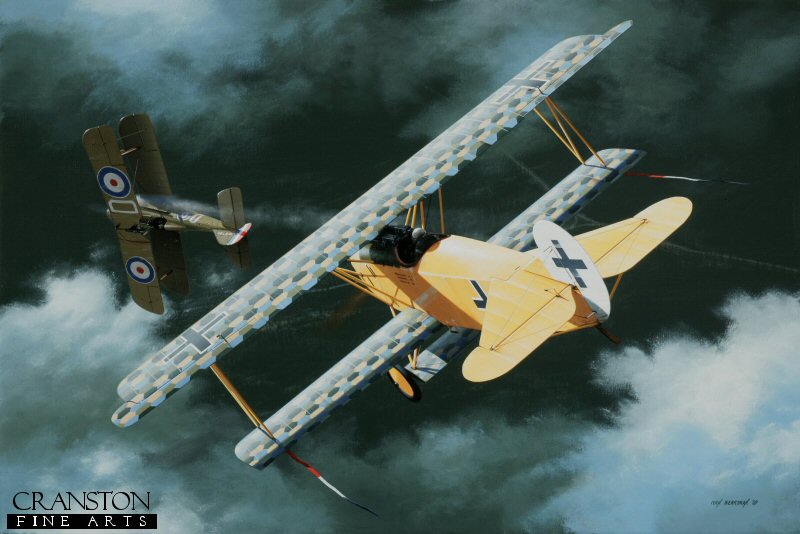
Further Reading
To see a list of German Aces, an article on the WFA website provides a useful summary: The Top German Aces Of The Great War
References
[1] ‘Shot Down from 20,000 Feet!’ The Modern Boy 2 February 1931; ‘My Most Thrilling Flight’ Popular Flying June 1932; ‘Why I am Still Alive!’ Answers, 11 August 1934; and 'Popular Flying' June 1936.
[2] 'Flying Twenty Year ago'. Seemingly anonymous, but definitely authored by W.E. Johns. Published in 'Twenty Years After', part 29, Chapter LXIII (page 1036)
[3] www.airwar19141918.wordpress.com/2018/09/30/10-august-1918-lowenhardt/
Becoming a member of The Western Front Association (WFA) offers a wealth of resources and opportunities for those passionate about the history of the First World War. Here's just three of the benefits we offer:

Identify key words or phrases within back issues of our magazines, including Stand To!, Bulletin, Gun Fire, Fire Step and lots of others.

The WFA's YouTube channel features hundreds of videos of lectures given by experts on particular aspects of WW1.

Read post-WW1 era magazines, such as 'Twenty Years After', 'WW1 A Pictured History' and 'I Was There!' plus others.