
The South London Ghost Stations: Why Five ‘Temporary’ WWI Closures Became Permanent
In the midst of World War I, London’s rail network underwent a radical contraction. As resources were diverted to the front lines and staffing levels plummeted, several stations across the capital were closed to save money and manpower. For most, this was a temporary measure. But for a specific cluster of five stations in South London, the "temporary" signs stayed up for over a century.
A recent viral map shared on Reddit - and highlighted by Supercar Blondie - has reignited the debate over these forgotten hubs. These stations sit in what is now a "station-free swathe" of Zone 2, leaving modern residents to wonder: why did the trains stop for good?
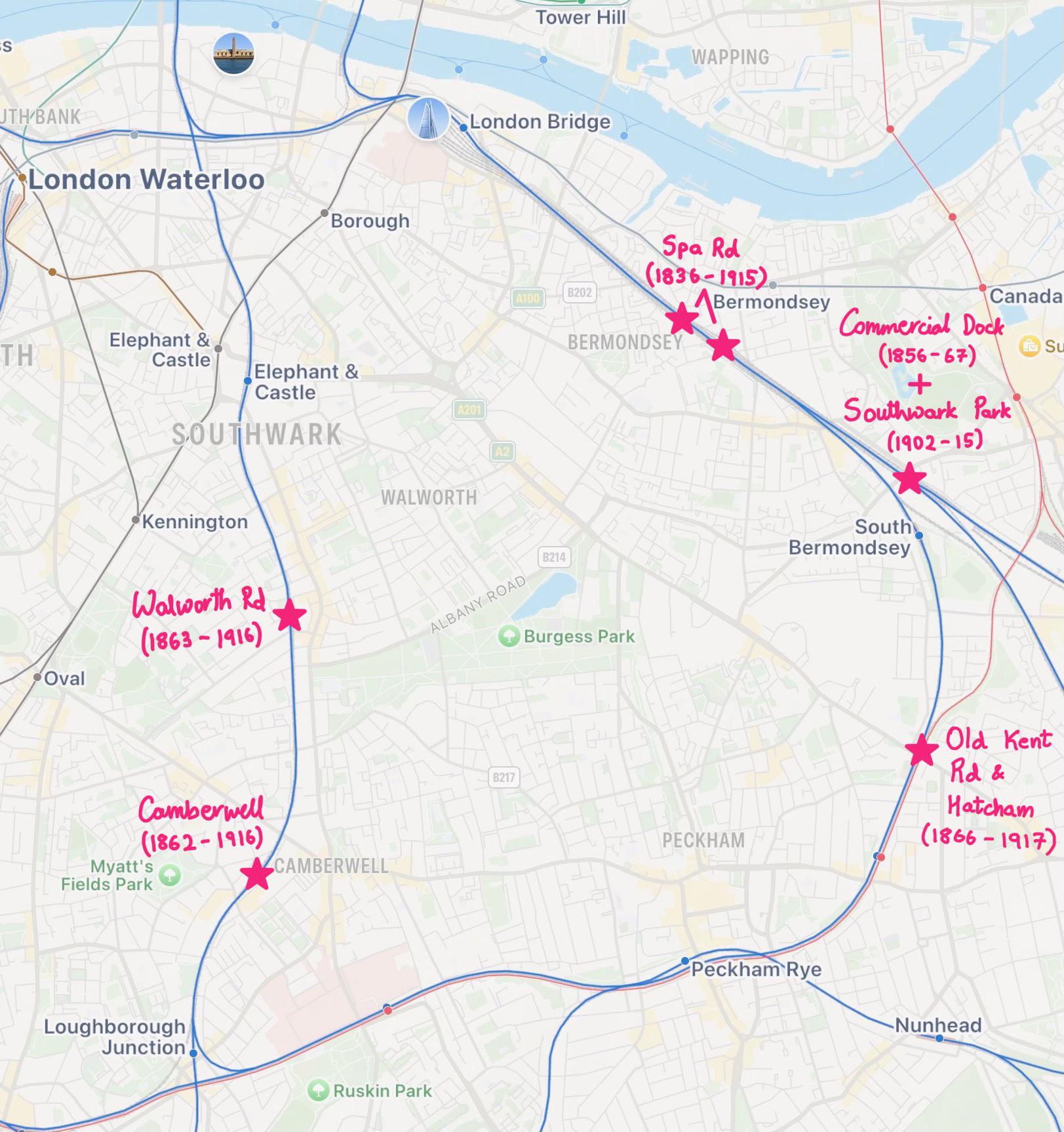
The "Forgotten Five"
The stations in question are Spa Road, Walworth Road, Camberwell, Southwark Park, and Old Kent Road & Hatcham. These once formed a vital part of the South London transit landscape. Here is a look at their history and their eventual demise.
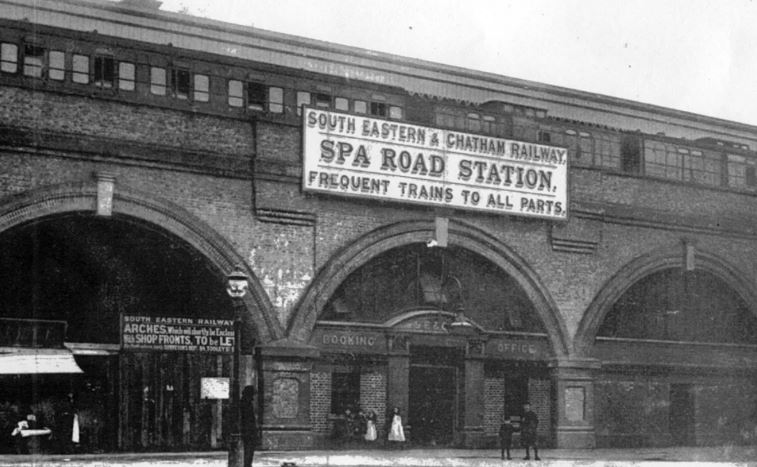
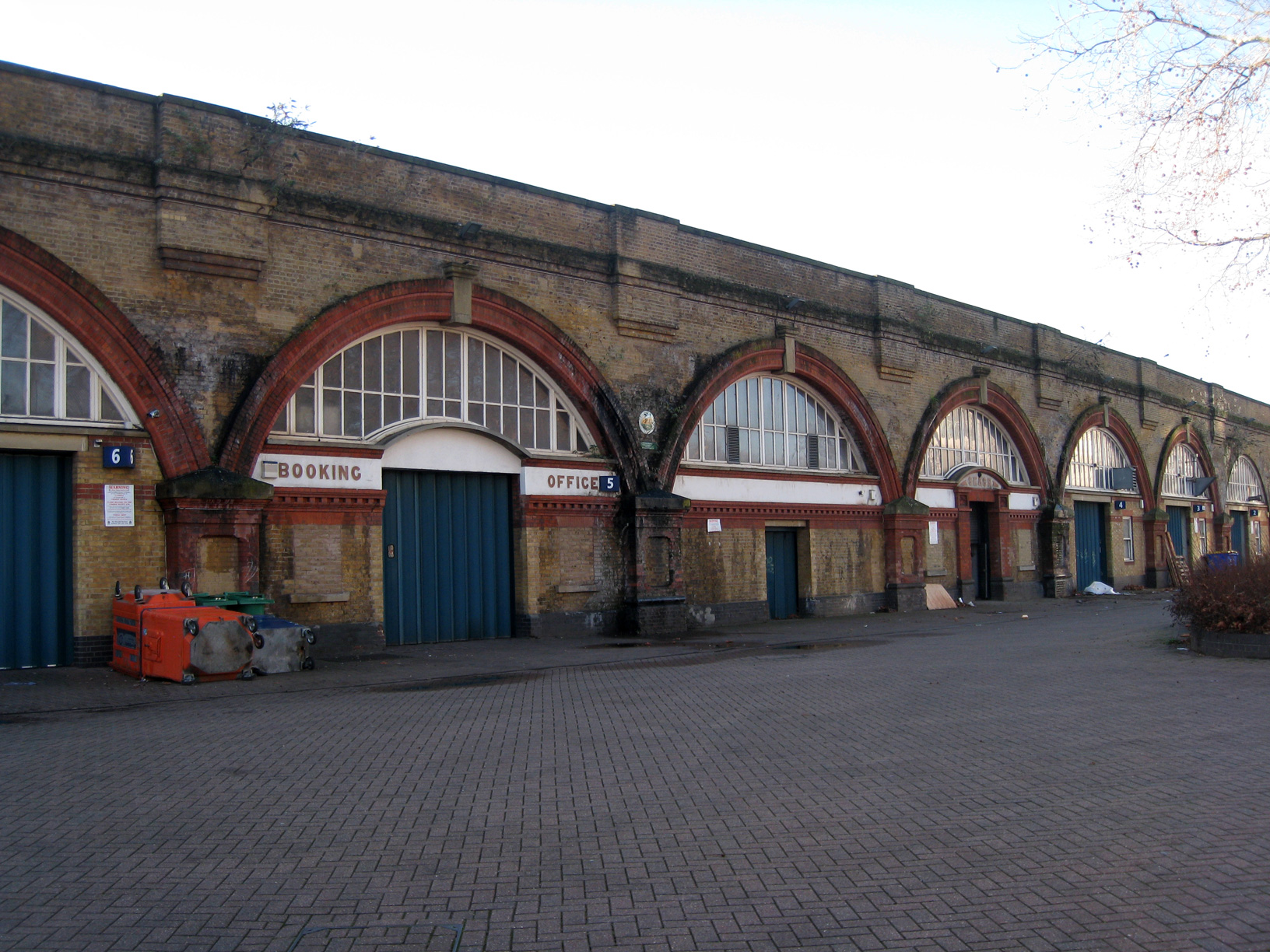
Spa Road (1836–1915)
Spa Road holds a prestigious title: it was the original terminus for London’s very first railway. Opening in 1836, it served the London and Greenwich Railway. However, its proximity to the massive London Bridge station eventually made it redundant. Closed as a cost-cutting measure in 1915, the site is now largely occupied by an industrial estate, though eagle-eyed commuters can still spot remnants of the brickwork from passing trains.
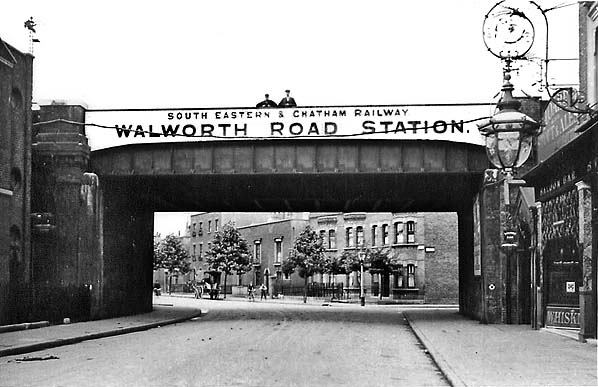
Walworth Road (1863–1916)
Serving the London, Chatham, and Dover Railway, Walworth Road was once a bustling stop. It was shuttered in 1916. While there were ambitious plans in the 1980s to revive the station as part of the Thameslink project, the high costs of reconstruction and modern safety requirements meant the plans never left the drawing board. Today, the station has been almost entirely demolished.
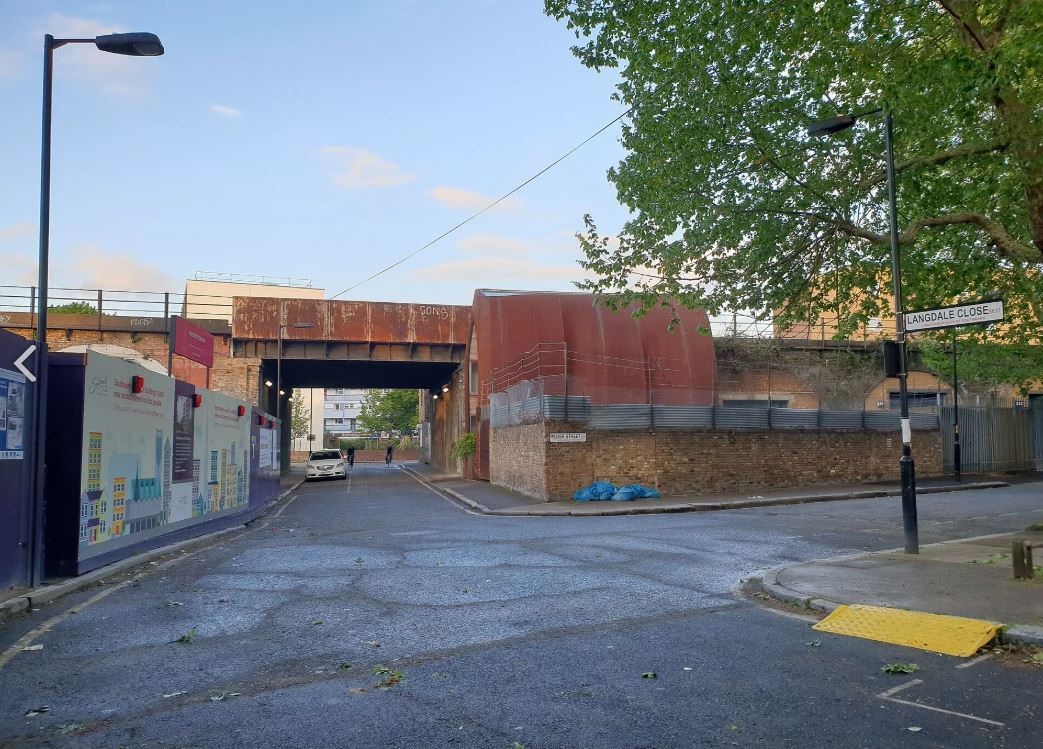
Camberwell (1862–1916)
Perhaps the most "missed" station on the list, Camberwell was located on the line between Elephant & Castle and Loughborough Junction. Despite its closure in 1916, there has been a persistent local campaign to reopen it. Advocates argue that the area is a "transport desert" compared to the rest of Zone 2. While Transport for London (TfL) has considered the proposal, the technical difficulty of adding a stop to a high-frequency line remains a major hurdle.
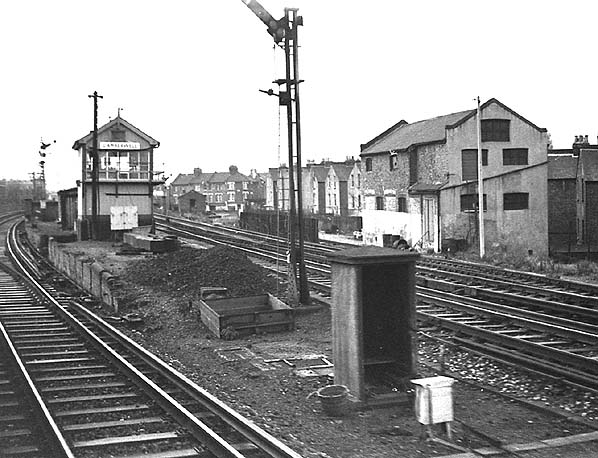
Southwark Park (1866–1915)
Located in Bermondsey, Southwark Park station suffered from a classic case of "too much competition." It was situated very close to Spa Road and Deptford. When the war necessitated cutbacks, it was an easy target for closure. The station was largely demolished to make way for track improvements, and very little remains of the original structure today.
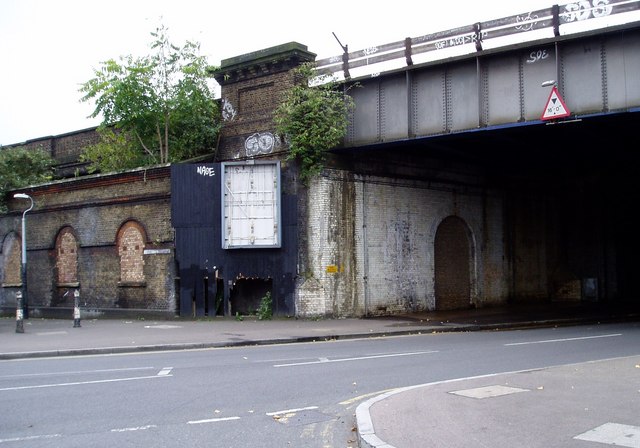
Old Kent Road & Hatcham (1866–1916)
The Old Kent Road is famous as the cheapest property on a Monopoly board, but its real-world rail history is just as interesting. This station closed in 1916 and, like its neighbours, fell victim to the rise of the electric tram, which offered a cheaper and more frequent alternative for local travel at the time.
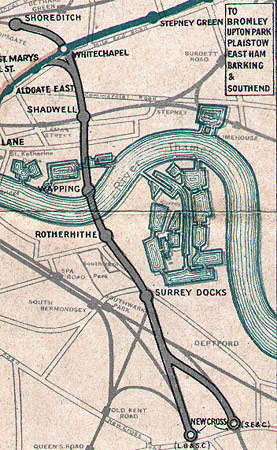
Why They Never Reopened
While the war was the catalyst, several factors ensured these stations remained "ghosts":
• The Rise of the Tram: In the early 20th century, South London had an extensive and efficient tram network. These trams ran at street level and were often more convenient for short hops than the heavy rail stations.
• Proximity: Many of these stations were built in an era of competing private rail companies. This led to "over-saturation," where stations were placed incredibly close to one another.
• Post-War Economics: By the time the war ended in 1918, the rail companies were facing financial hardship. Reopening low-yield stations wasn't a priority, especially as cars and buses began to dominate the roads.
A Century-Old Void
Today, the absence of these stations is felt more than ever. As South London’s population grows, the "enormous station-free swathe" identified by transport enthusiasts has become a point of frustration. While the Bakerloo Line extension and potential Thameslink upgrades offer some hope for the future, the "Forgotten Five" remain a haunting reminder of a rail network that once was.
For now, these stations exist only in archives, on old maps, and in the ruins of Victorian brickwork hidden behind the ivy of South London’s railway arches.
Becoming a member of The Western Front Association (WFA) offers a wealth of resources and opportunities for those passionate about the history of the First World War. Here's just three of the benefits we offer:

Identify key words or phrases within back issues of our magazines, including Stand To!, Bulletin, Gun Fire, Fire Step and lots of others.

The WFA's YouTube channel features hundreds of videos of lectures given by experts on particular aspects of WW1.

Read post-WW1 era magazines, such as 'Twenty Years After', 'WW1 A Pictured History' and 'I Was There!' plus others.


