
Francesco Baracca: Italian WW1 air ace and the Ferrari connection
There is a surprising connection between the cars built by the Italian firm of Ferrari and the First World War that not many people are aware of.
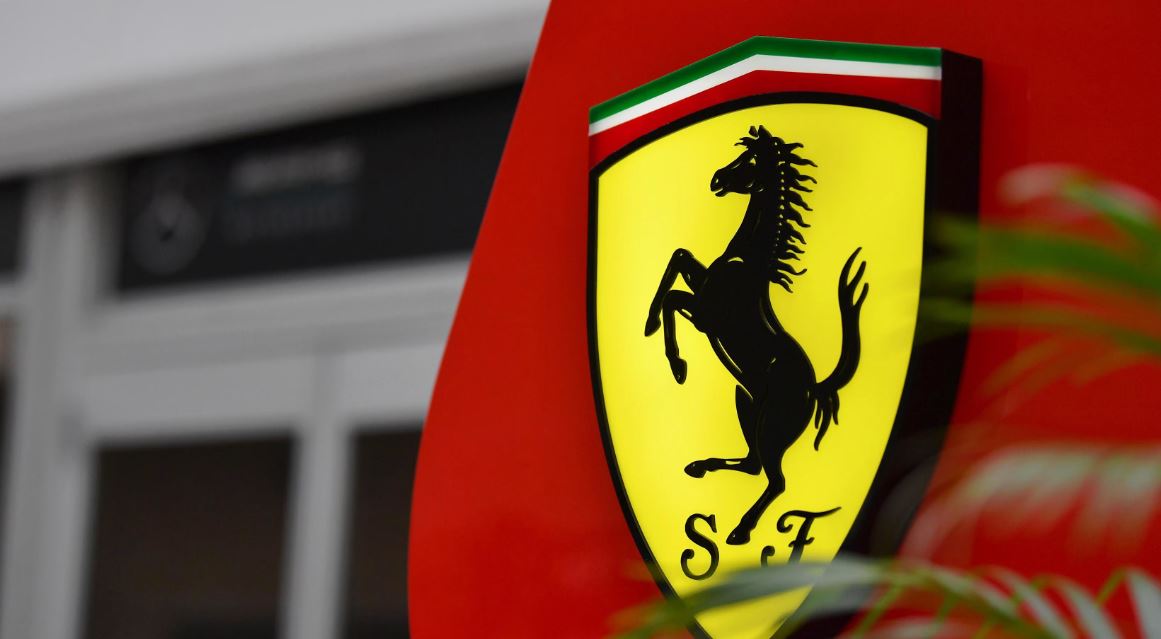
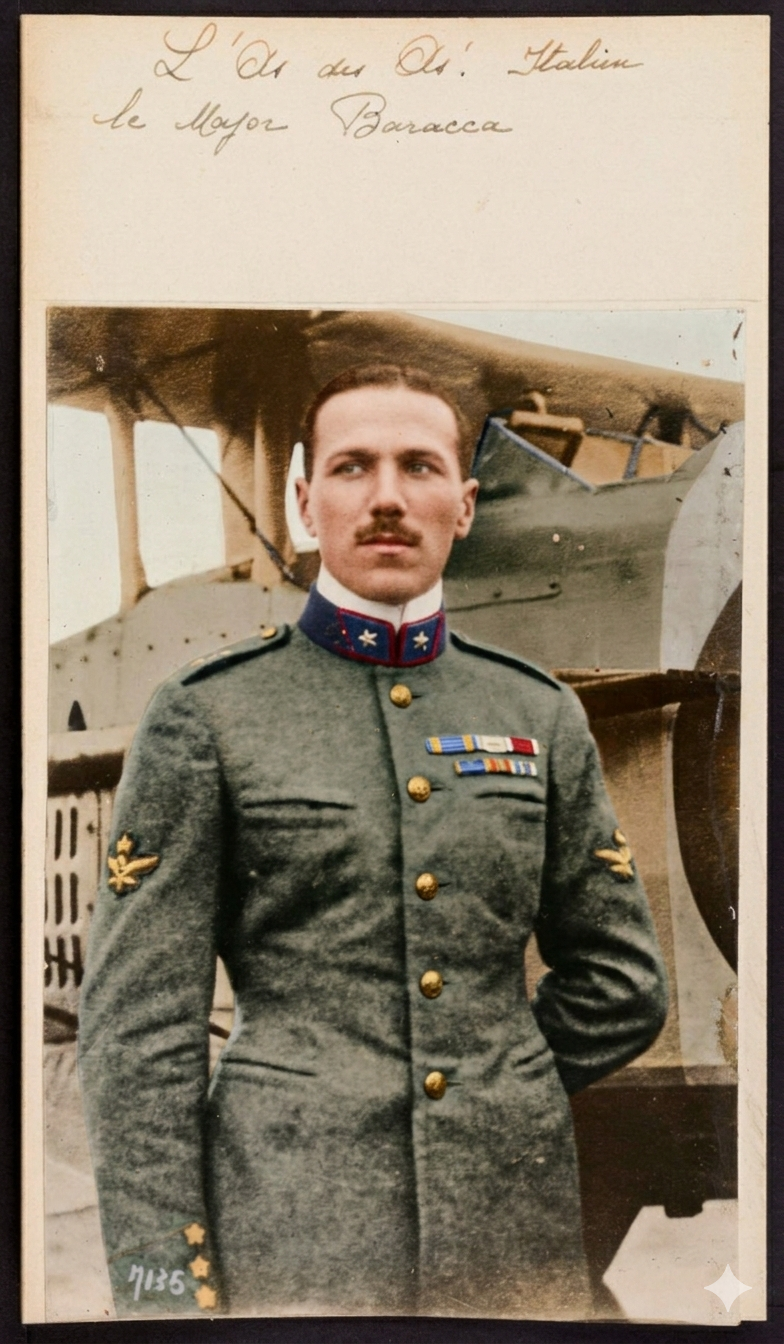
The story starts with the leading Great War Italian pilot, Francesco Baracca.
Francesco Baracca: Early Life and Cavalry Origins
Born into an affluent family on 9 May 1888, in Lugo di Romagna, Baracca’s early military career was within the cavalry. From 1907 to 1909, he attended the Military Academy of Modena, followed by the Cavalry Training School.
In July 1910, he was commissioned as a second lieutenant in the prestigious 2nd Cavalry Regiment, Piemonte Reale, stationed in Rome.
Like many young officers of his social standing, Baracca embraced the aristocratic lifestyle associated with his uniform, attending concerts, opera evenings, and hunting parties.
The Genesis of Italian Fighter Aviation in the First World War
In the years before the outbreak of the Great War, Italy was one of the first countries to embrace military aviation. Its air arm dates back to 1884, when the Italian Army (Regio Esercito) acquired its own air component and operated balloons based near Rome.
In 1911, reconnaissance and bombing activity during the Italo-Turkish War by the Aeronautical Service (from 1913 the Aeronautical Corps ) represented the first use of heavier-than-air aircraft in armed conflict.
Despite this early adaption of aircraft, upon entering the First World War in May 1915, the Italian air arm was decidedly small and inadequately equipped.
In May 1915 the Army Air Force consisted of:
• 6 Blériot squadrons with 37 aircraft for 30 pilots;
• 4 Nieuport monoplane squadrons with 27 aircraft for 20 pilots:
• 4 Farman squadrons with 22 aircraft for 20 pilots.
The Transition to Aviation
Baracca’s pivot toward the skies began in April 1912, when he travelled to Reims, France, to attend a prominent flying school. It was here that he earned his pilot’s licence.
He returned to Italy in July 1912 and was integrated into the military's flying detachments. As Italy mobilised for war in the spring of 1915, the army sought to bolster its underdeveloped aviation branch by procuring French Nieuport aircraft. On 23 May 1915 - the day before Italy formally declared war on Austria-Hungary - Baracca arrived in Paris for advanced training.
Upon returning to Italy to pilot the newly acquired Nieuports, Baracca initially faced deep frustrations, primarily due to Italian machine guns that were notoriously prone to jamming during Austrian interceptions. With air combat still in its infancy, pilots were forced to develop tactical doctrines through trial and error.
1916
On 7 April 1916 Lieutenant Francesco Baracca of the 1st Fighter Squadron (1ª Squadriglia Caccia) in a Nieuport 11 attacked an Austro-Hungarian Hansa-Brandenburg C.I (some sources say an Aviatik), forcing it to land near San Caterina di Udine, resulting in the capture of the two-man crew.
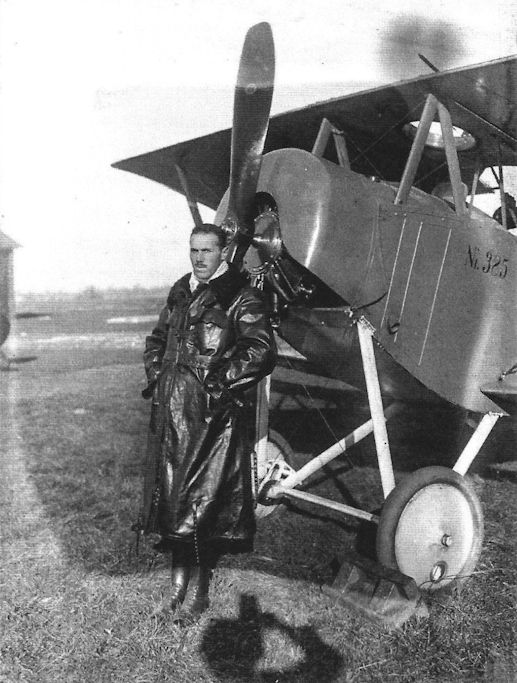
Ascendancy in the Skies
On 11 February 1917, Baracca secured his fifth confirmed kill, officially becoming Italy’s first fighter "ace." This milestone elevated his status from a respected squadron member to a nationally recognized figure.
By March 1917, he transitioned to the SPAD S.VII, an aircraft equipped with a synchronized machine gun capable of firing through the propeller arc, and subsequently flew the more formidable SPAD S.XIII.
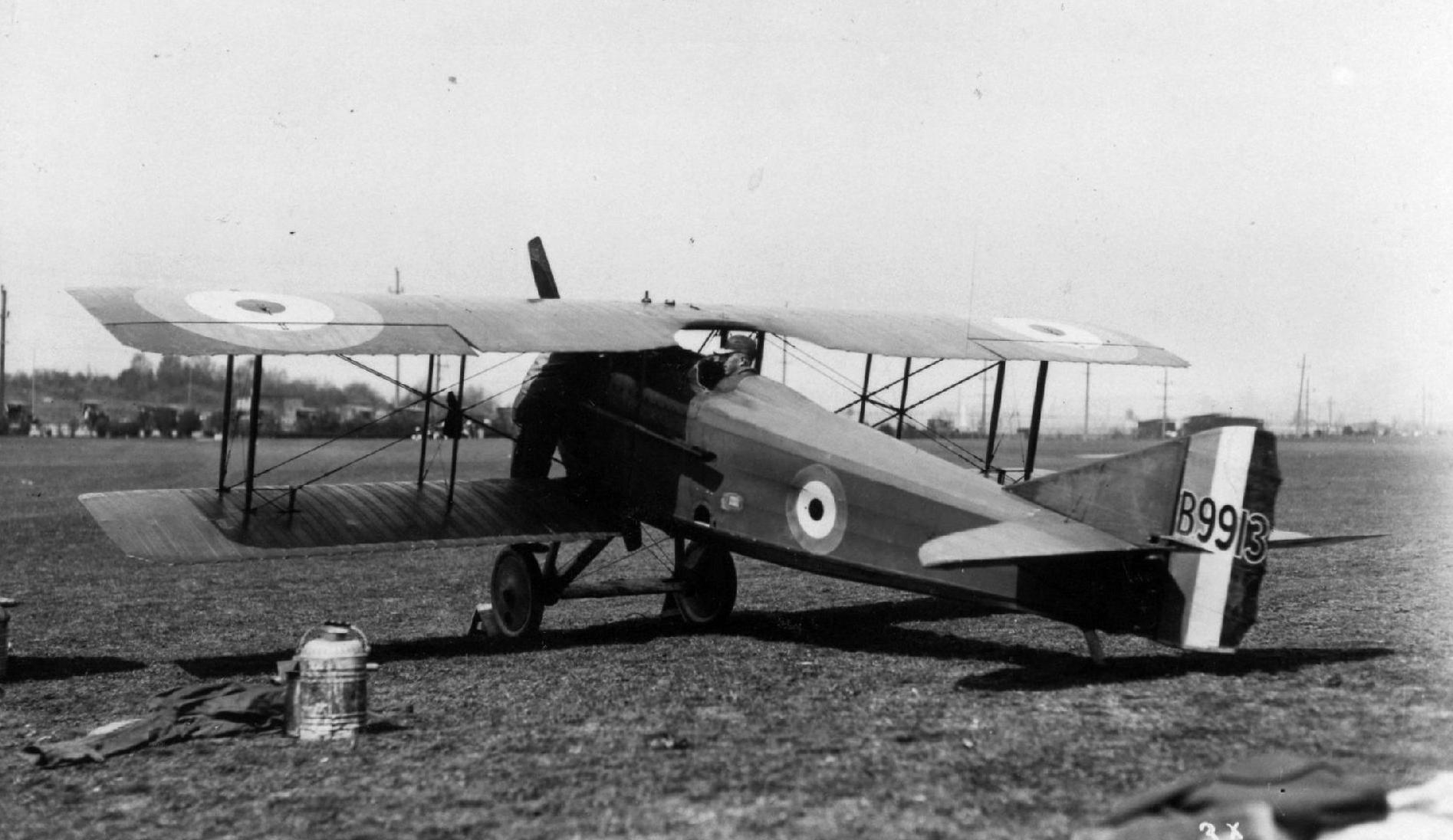
Leadership and Resilience at Caporetto
Baracca’s tactical brilliance naturally led to leadership roles. On 6 June 1917, he was appointed commander of the 91st Fighter Squadron, a unit destined to become one of Italy’s most elite formations. Following his 19th victory on September 6, 1917, he was promoted to major for war merit, adding to a growing list of decorations for gallantry.
His leadership was most severely tested during the catastrophic Austro-German offensive of October 1917, which culminated in the Italian defeat at Caporetto. The Italian army endured a gruelling retreat under immense pressure; in the forty days following the battle, Baracca shot down ten additional enemy aircraft, maintaining an unrelenting operational pace while the ground forces struggled to regroup.
Although it is not recorded when he adopted it, Baracca flew with a distinctive personal emblem painted on his aircraft: a black prancing horse which was derived from the insignia of his former cavalry regiment.
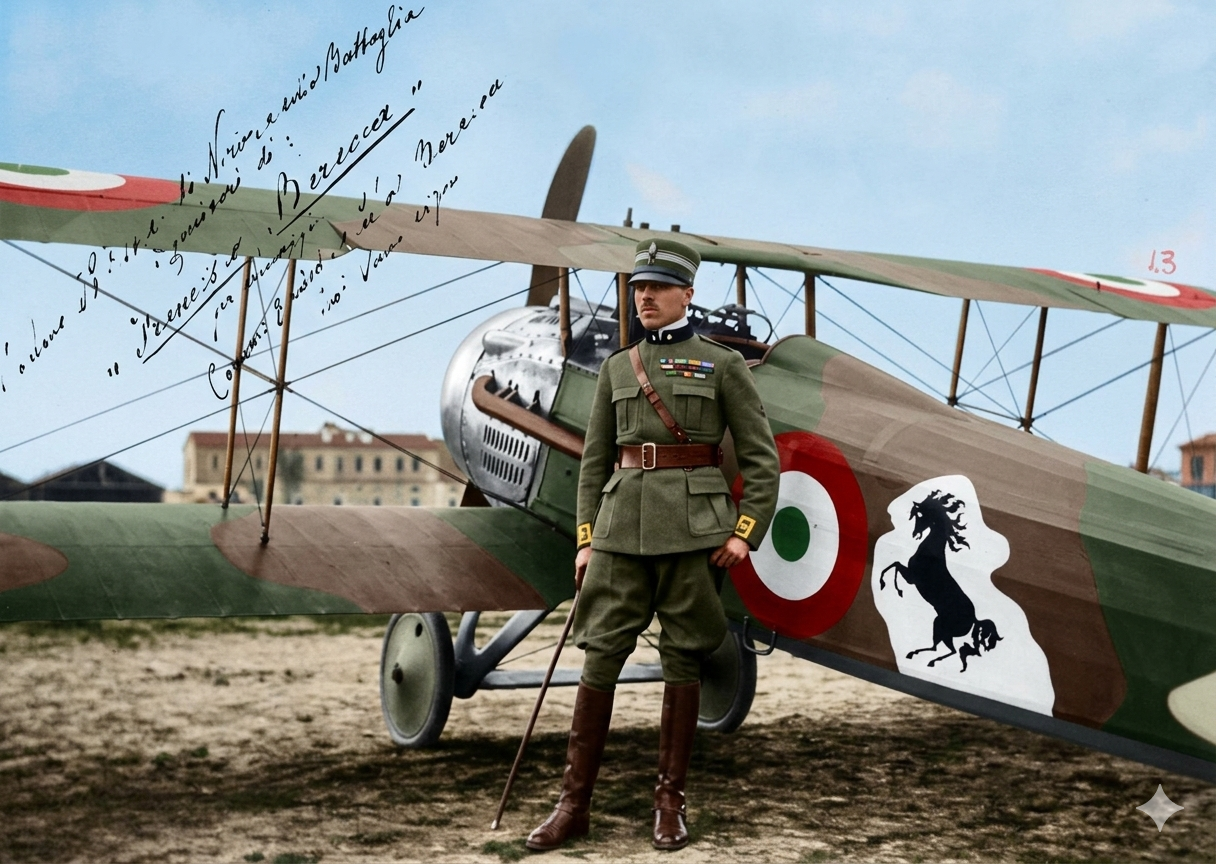
Final Mission and Legacy
In mid-June 1918, hostilities intensified as Austro-Hungarian forces launched their final offensive along the Piave River.
On the evening of 19 June 1918, Baracca embarked on a low-altitude ground-attack mission to strafe enemy infantry. Tragically, his aircraft crashed on the Montello hill near Nervesa. He was just thirty years old. The exact circumstances of his death remain contested; Italian authorities attributed it to ground fire from an infantry machine gun, whereas Austrian records credited the kill to Arnold Barwig, an observer in a Phönix C.I aircraft.
Due to the fierce combat in the sector, Italian forces could not recover his body for several days. Baracca died having amassed a total of 34 confirmed aerial victories. Posthumously awarded Italy’s highest decorations for valour, Major Francesco Baracca's name and legacy became permanently inextricably woven into the identity of Italian aviation.
Enzo Ferrari
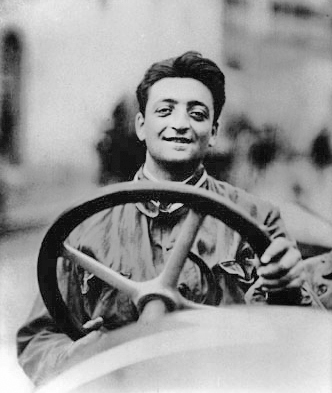
Meanwhile, an artilleryman was being discharged from the Italian Army. Enzo Ferrari (1898–1988) served in the Italian Army's 3rd Mountain Artillery Regiment during World War I, largely performing metalwork tasks like shoeing mules. His wartime experience was marked by personal tragedy, losing his father and brother to the 1916 'flu pandemic and nearly dying himself in the 1918 outbreak. He was discharged in 1918.
Following the collapse of his family’s carpentry business, young Enzo sought a foothold in the automotive world. After being rejected by Fiat, he found work in Milan with CMN (Costruzioni Meccaniche Nazionali), a firm that repurposed old truck chassis into passenger cars.
Ferrari’s transition from test driver to racer began in 1919 at the Parma-Poggio di Berceto Hillclimb he finished 4th in his category driving a CMN 15/20. The at the Targa Florio Enzo finished 9th overall despite a fuel leak that nearly forced a total retirement.
The Origin of the Shield
The most enduring moment of Ferrari’s career occurred on June 17, 1923. After winning the Savio Circuit in Ravenna, Ferrari met Count Enrico and Countess Paolina Baracca - the parents of the late flying ace.
"Ferrari, why don't you put my son's prancing horse on your cars? It'll bring you good luck," the Countess told him.
Ferrari adopted the Cavallino Rampante (Prancing Horse) but made it his own. While the horse remained black as it had been on Baracca’s fuselage, Ferrari added a canary yellow background—the official colour of his home city, Modena. Although the encounter happened in 1923, the iconic shield did not officially debut on a Scuderia Ferrari car until the Spa 24 Hours on 9 July 1932.
The SPAD Fighters: Instruments of Allied Air Superiority
As the First World War progressed, the rapid evolution of aviation technology meant that aircraft became obsolete within months. For Francesco Baracca and the Italian Corpo Aeronautico Militare, the introduction of the SPAD series - built by the French manufacturer Société Pour L'Aviation et ses Dérivés - marked a turning point.
Designed by the French engineer Louis Béchereau, the SPADs abandoned the lightweight, highly fragile designs of early war aircraft in favour of strength, speed, and heavy firepower.
The SPAD S.VII:
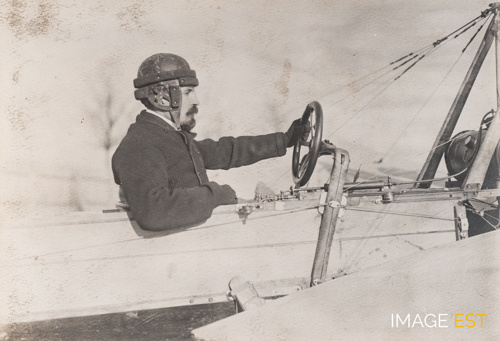
Introduced to the front lines in the latter half of 1916, the SPAD S.VII represented a shift in fighter design. Baracca began flying this aircraft in March 1917, and it was the machine in which he further confirmed his status as an 'ace'.
• Design Philosophy: Unlike the highly manoeuvrable but fragile Nieuport fighters Baracca initially flew, the S.VII was built for structural integrity. It was a sturdy biplane that could survive steep, high-speed dives without its wings tearing off - a fatal flaw in many earlier aircraft.
• Powerplant: It was powered by the revolutionary Hispano-Suiza 8A water-cooled V8 engine. Delivering between 150 and 180 horsepower, this engine gave the S.VII a top speed of around 119 mph, making it one of the fastest fighters of its time.
• Armament: Crucially, it featured a single synchronised Vickers machine gun mounted right in front of the pilot. The synchronisation gear allowed the gun to fire safely through the spinning propeller arc, making aiming as simple as pointing the nose of the aircraft at the enemy.
For Baracca, the S.VII was a revelation. Its ruggedness perfectly suited the harsh, turbulent weather conditions of the Alpine and Piave fronts, and its diving speed allowed for aggressive "hit-and-run" tactics.
The SPAD S.XIII:
As enemy aircraft improved, Louis Béchereau and his team developed the S.VII and its successor was duly produced, being the SPAD S.XIII. Entering service in late 1917, the S.XIII became Baracca’s final aircraft, as well as the favoured mount for other legendary Allied aces like France's René Fonck and America's Eddie Rickenbacker.
• Enhanced Firepower: The most significant upgrade was its armament. The S.XIII boasted twin synchronised Vickers machine guns, instantly doubling the pilot's offensive output.
• Increased Power: It utilised an upgraded Hispano-Suiza 8B engine capable of 200 to 220 horsepower. This pushed its top speed to approximately 135 mph.
• Handling Characteristics: The S.XIII was heavier and notoriously difficult to fly at low speeds, with a steep gliding angle that made landing difficult for novice pilots.
Baracca's Tactics in the SPAD
Baracca’s success in these aircraft was not just a matter of superior machinery, but of matching the machine to the tactic. Because the SPADs were not "dogfighters" capable of tight, turning circles like the enemy Fokker Dr.I triplanes, Baracca utilised the SPAD's weight and engine power to his advantage.
He preferred to patrol at high altitudes. Upon spotting an enemy, he would use the SPAD's structural strength to execute a rapid dive, unleashing a burst of machine-gun fire, and using the momentum to climb back up to safety before the enemy could react. It was a highly disciplined, lethal style of combat that the SPADs executed flawlessly.
Becoming a member of The Western Front Association (WFA) offers a wealth of resources and opportunities for those passionate about the history of the First World War. Here's just three of the benefits we offer:

The WFA regularly makes available webinars which can be viewed 'live' from home. These feature expert speakers talking about a particular aspect of the Great War.

Featured on The WFA's YouTube channel are modern day re-interpretations of the inter-war magazine 'I Was There!' which recount the memories of soldiers who 'were there'.

Explore over 8 million digitized pension records, Medal Index Cards and Ministry of Pension Documents, preserved by the WFA.


