
The Dardanelles Commission and its verdict on Gallipoli
The Dardanelles Commission was Britain’s official inquiry into the Gallipoli campaign: how it was planned, how it was fought, and why it failed.
Its findings came in two reports, the second of them long delayed. Together they remain the nearest thing to an official verdict on the disaster, and a primary source for anyone researching how Whitehall investigated its own wartime failures.
Two wartime disasters
By the summer of 1916, two wartime disasters were public knowledge, and Asquith’s government faced growing pressure to account for them. Gallipoli had been abandoned that January. By April, the garrison at Kut el Amara had also surrendered, this time in Mesopotamia. That July, with criticism mounting in the Commons, the government agreed to formal inquiries into both campaigns, established under the Special Commissions (Dardanelles and Mesopotamia) Act, 1916.
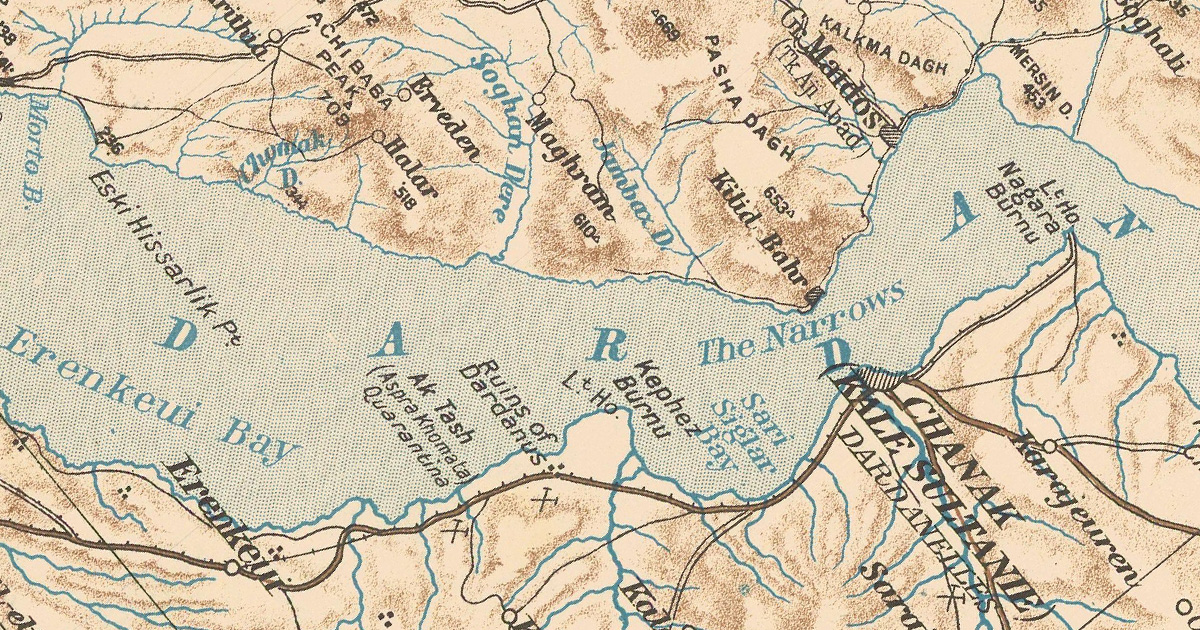
The Dardanelles Commission
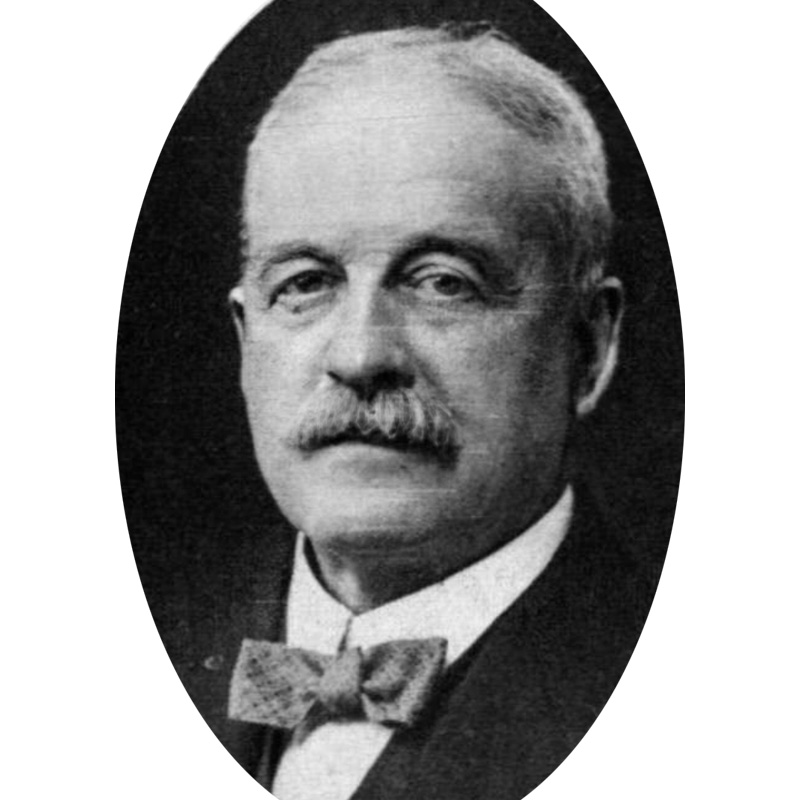
Lord Cromer, formerly Britain’s de facto ruler in Egypt, took the chair of the Dardanelles Commission. After his death on 29 January 1917 the judge Sir William Pickford succeeded him. 10 commissioners sat in total, and the membership reached beyond Westminster: Andrew Fisher, a former Australian Prime Minister, and Sir Thomas Mackenzie, New Zealand’s High Commissioner and a former premier of his own country. Their presence acknowledged how much the Dominions had sacrificed in the campaign.
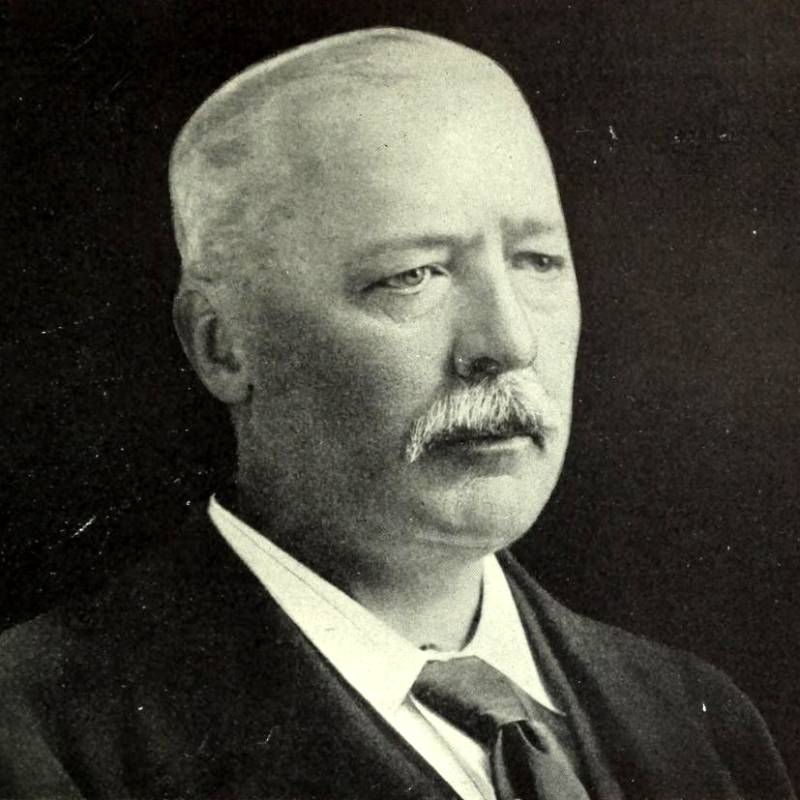
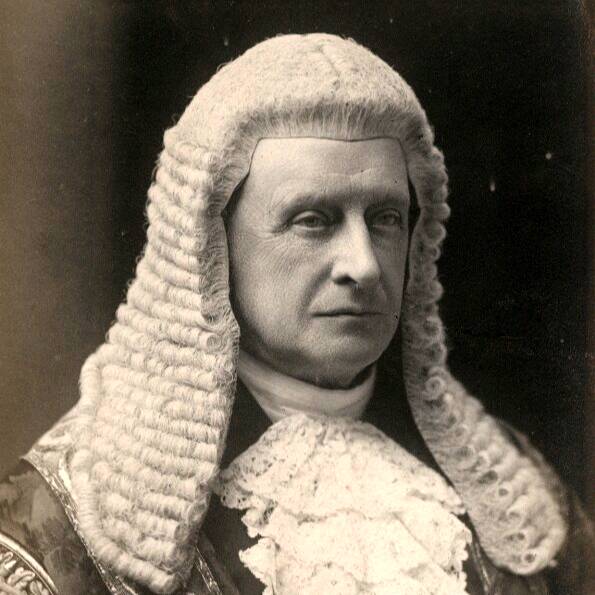
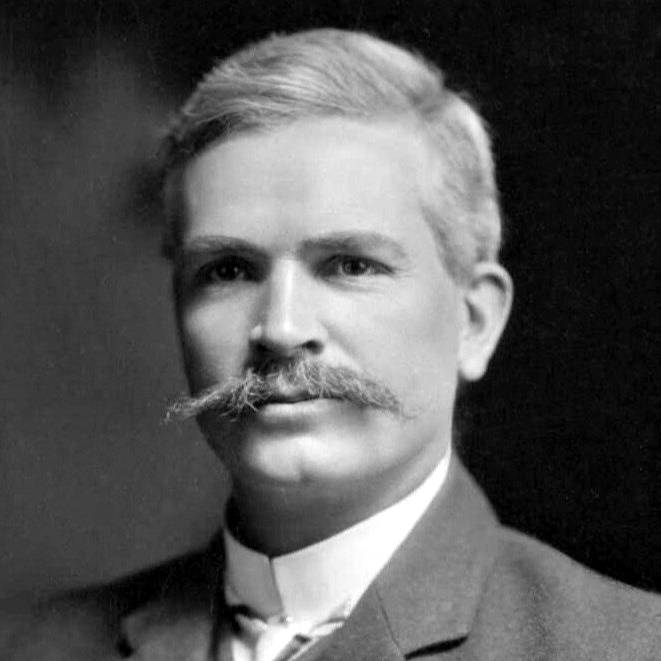
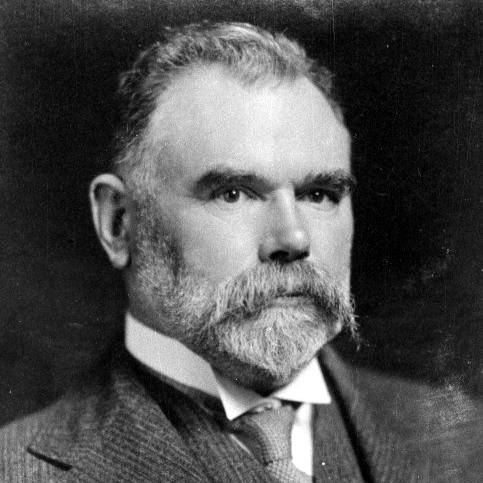
What the commissioners were asked to examine was broad: how the operation had begun, how it had been conducted, and which government departments bore responsibility for its failures. Between August 1916 and September 1917, across 89 sitting days, they took evidence from 168 witnesses. Churchill and Lord Fisher were among the more familiar names, alongside Sir Ian Hamilton. None of that evidence was made public. The whole inquiry proceeded behind closed doors.
First Report, Final Report
Parliament received the First Report on 12 February 1917, though what MPs could actually read had already been trimmed. A supplement issued alongside it tried to summarise the parts that had been struck out. Even so, its central finding stood: Kitchener’s War Office had operated with so little input from his own general staff that the staff had, in practice, ceased to function.
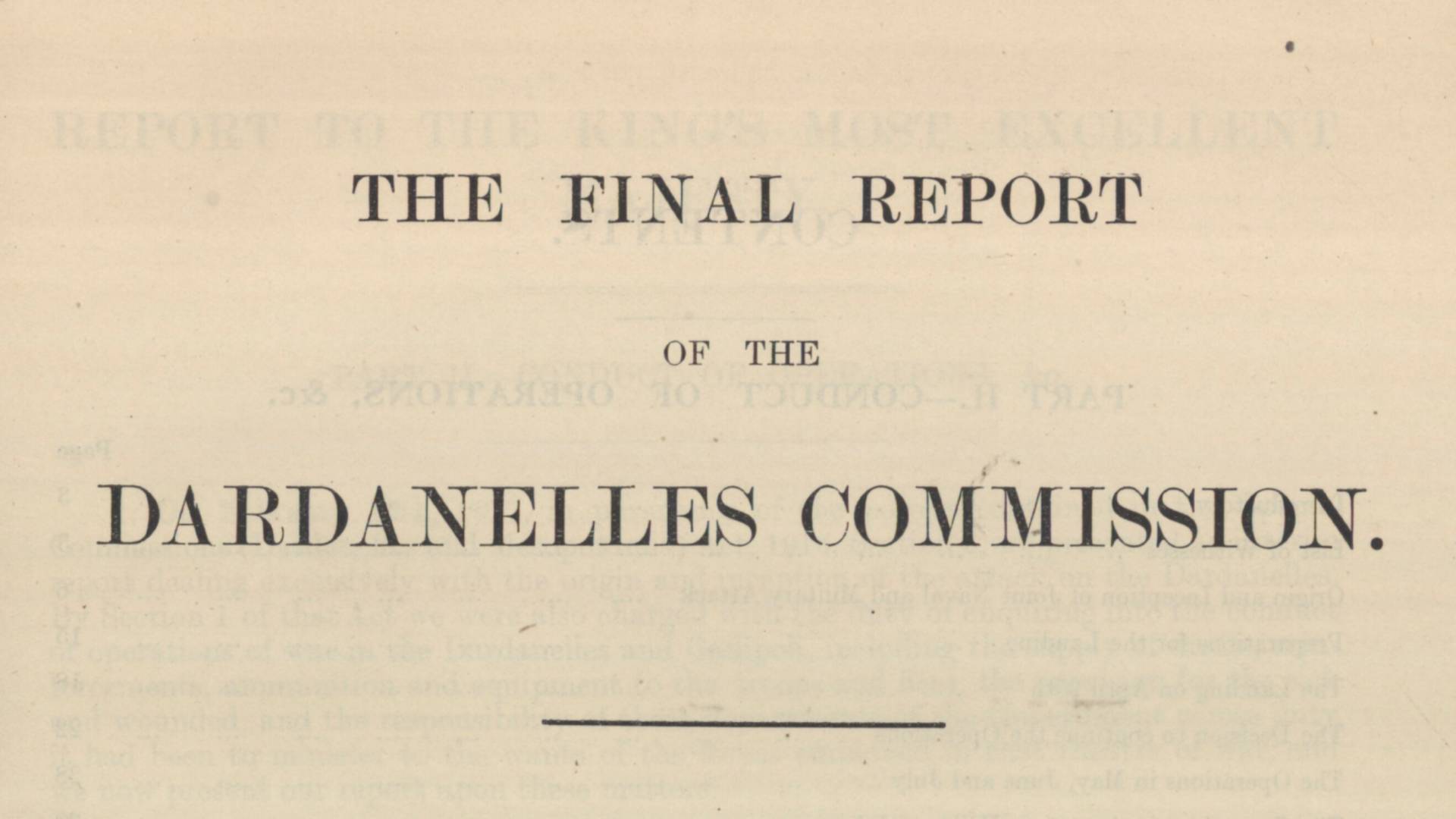
The Final Report took longer still. Signed off in December 1917, it covered the fighting itself, from the landings of 25 April 1915 through to the evacuation. The War Cabinet then held it back for the rest of the war, worried about handing intelligence to the enemy. By the time it appeared, on 17 November 1919, the war had been over for a year, and Parliament let it pass without debate. Its judgements fell on planners and commanders alike: Kitchener and the War Council were faulted for launching the expedition without a proper military plan, and Sir Ian Hamilton for an over-complex August offensive and an ill-judged personal intervention at Suvla. The sharpest criticism of the fighting itself fell on the three Suvla generals, Stopford, Sitwell and Hammersley.
Both reports, with the supplement issued alongside the first, are now available in a single searchable PDF.
Founded upon hope
Jim Grundy will be a familiar name to many members: a former branch chairman of the WFA who also runs several Facebook pages on the campaign. His verdict: ‘The attempt to force the Dardanelles and the establishment of the Dardanelles Commission had one thing in common: they were both founded upon hope.’ The campaign, he argued, rested on hopes that never held up:
- that naval power alone could force the Straits
- that any landing would meet little sustained resistance
- that a grand Balkan alliance would follow
- that contact with Russia would shorten the war.
The force of that argument lies in a document written nine years before the landings.
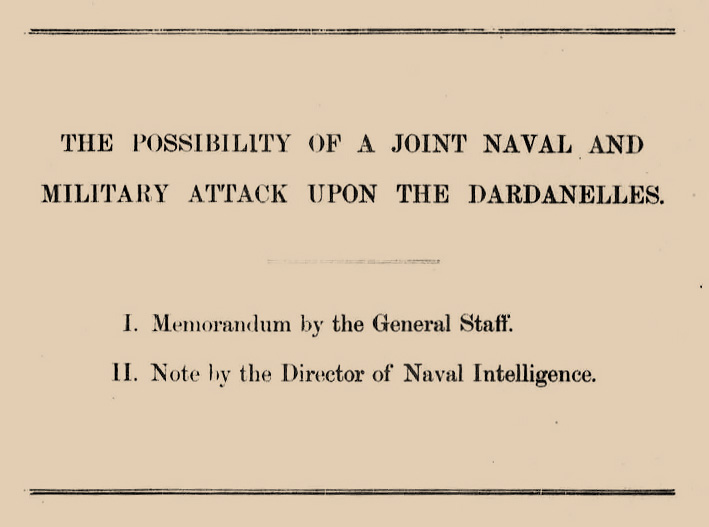
In December 1906 the General Staff was asked whether the Dardanelles could be forced. Its answer was no: not by the fleet alone, and not by a joint naval and military expedition either, given the risks involved. The memorandum was drafted by Major General Charles Callwell and issued over the initials of Sir Neville Lyttelton, Chief of the General Staff, and printed for the Committee of Imperial Defence as Paper 92-B.
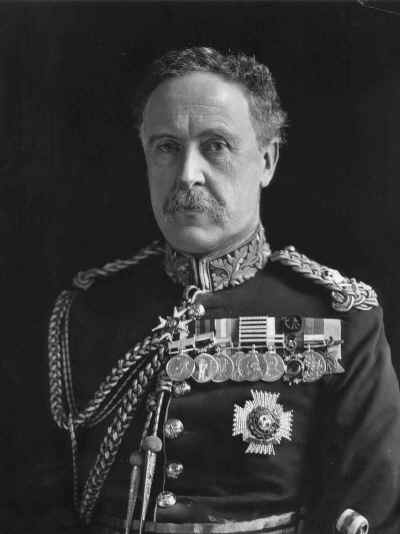
Much of what it foresaw would be borne out in 1915:
- a fleet forcing the Straits unsupported could not compel a surrender, and might have to run the gauntlet a second time to get out
- no landing could be made against opposition unless the covering squadron could guarantee the troops ashore unmolested, and the General Staff doubted that guarantee could be given
- preparations for such an expedition could not be concealed, and a Turkish force ‘possibly even 100,000′ strong would be waiting when it arrived
- command of the sea normally lets an attacker strike anywhere along an enemy coast, forcing the defender to guard all of it; against Gallipoli the objective was fixed, so the Turks would know which beaches to watch.
The General Staff concluded that, whatever the prize, it was not prepared to recommend the attempt. The Director of Naval Intelligence dissented in part, holding that a landing could succeed if the government committed sufficient force and accepted heavy losses.
The Committee of Imperial Defence adopted the finding on 28 February 1907, agreeing that such an operation would involve great risk. The paper was then withdrawn from circulation, on the grounds that it was inexpedient to have a document in existence showing that the coercion of Turkey presented such difficulty.
It resurfaced on 19 February 1915, the day the naval bombardment of the outer forts began, when Asquith read extracts from it to the War Council. The paper had been retrieved by Lieutenant Colonel Maurice Hankey, secretary to both the Committee of Imperial Defence and the War Council, who told the Council it was not exactly applicable to the present problem; the minute records only some ‘more or less desultory discussion’ of how far it applied. Five days later Hankey circulated the full text, together with a letter he had commissioned from Julian Corbett on earlier attempts on the Straits. Callwell, by then Director of Military Operations, was not asked for a fresh assessment. He later suspected he knew what that assessment would have been: a panel of purely military advisers, meeting without ministers present, would have produced a report ‘dead against the whole thing’.
For Grundy, that is the question the commission never put to itself: whether the hopes behind the campaign had ever been realistic in the first place.
Reading the full reports
The First Report, its supplement and the Final Report, appendix, documents and maps included, have been brought together into a single 253-page PDF, digitised by Little Gully Publishing with an OCR layer that makes the whole inquiry searchable by keyword rather than read page by page.
The scans come from the National Library of Australia’s copy, made available through its Trove archive.
References & further reading
The Dardanelles Commission – reading the report that judged Gallipoli https://littlegully.com/blog/dardanelles-commission-report
Founded upon hope: what the Dardanelles Commission didn’t ask https://littlegully.com/blog/founded-upon-hope-what-the-dardanelles-commission-didnt-ask
Can the Dardanelles be forced? What the General Staff said in 1906 – full transcripts of the 1906 memorandum and the Corbett letter https://littlegully.com/blog/can-the-dardanelles-be-forced-what-the-general-staff-said-in-1906
The possibility of a joint naval and military attack upon the Dardanelles, 20 December 1906 – TNA CAB 38/12/60 https://discovery.nationalarchives.gov.uk/details/r/C6172763
War Council minutes, 19 February 1915 – TNA CAB 42/1/36 https://discovery.nationalarchives.gov.uk/details/r/C6268071
Becoming a member of The Western Front Association offers a wealth of resources and opportunities for those passionate about the history of the First World War. Here’s a sample of some of the numerous benefits:

Browse and search our rich collection of digitised magazines and periodicals.

With TrenchMapper™, members get enhanced access to thousands of geo-referenced maps, including Gallipoli.

Access over six million pension records of men who served in the Great War. Essential for family history research.


