
The Mesopotamia Commission Report
The campaign fought in Mesopotamia during the Great War, receives relatively sparse attention in modern historiography.1 A flurry of interest, briefly followed the British Army's 2003 occupation of southern Iraq during Operation Telic, as serving soldiers came upon the footprints of their Great War predecessors. American interest in the campaign developed from the 1970s as the US was drawn into Middle Eastern politics.2 Recent original study has come from India, where finally the letters of Indian soldiers, who formed the majority of the Mesopotamia Expeditionary Force (MEF) have been uncovered by Indian academics.3
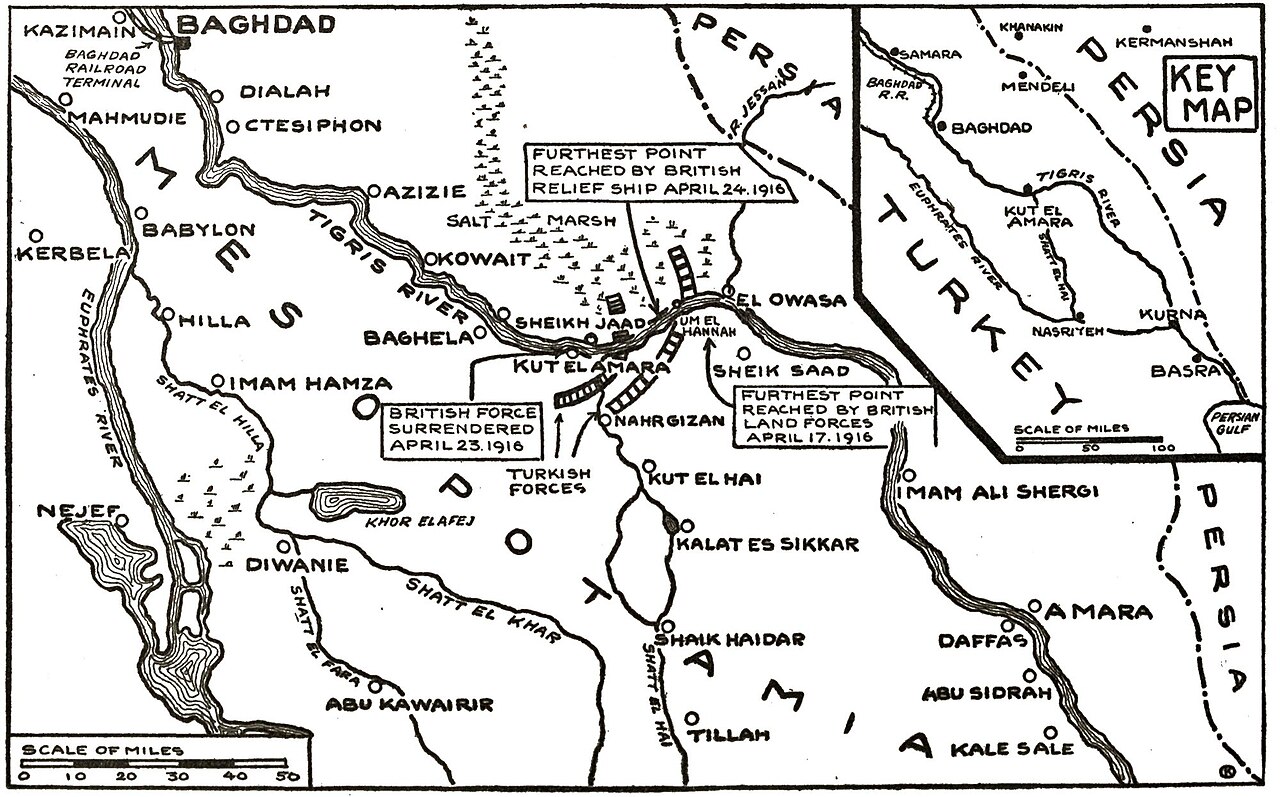
If the campaign in Mesopotamia is generally little known, the exception is the military and political debacle of the 1915 advance on Baghdad with its concomitant medical breakdown and the almost equally appalling failed attempts to relieve Townshend at Kut. At the time the truth regarding the medical breakdown was slow to trickle out from Mesopotamia as the authorities clamped down. Censorship always irritatingly severe became draconian.4 It was however inevitable that the truth would emerge. Wounded officers returning home were anxious to make sure the truth came out. As Secretary of State for India, Austen Chamberlain had for some time been receiving extracts from letters carried home.5 Even before the truth about the treatment of the wounded from Ctesiphon became public the medical breakdown was repeated when General Aylmer launched his initial attempt to relieve Kut. 6 The two Indian divisions from France were pushed upriver without waiting for their medical units and a second debacle occurred as, once again, the numbers of casualties far exceeded expectations and transport arrangements failed.7
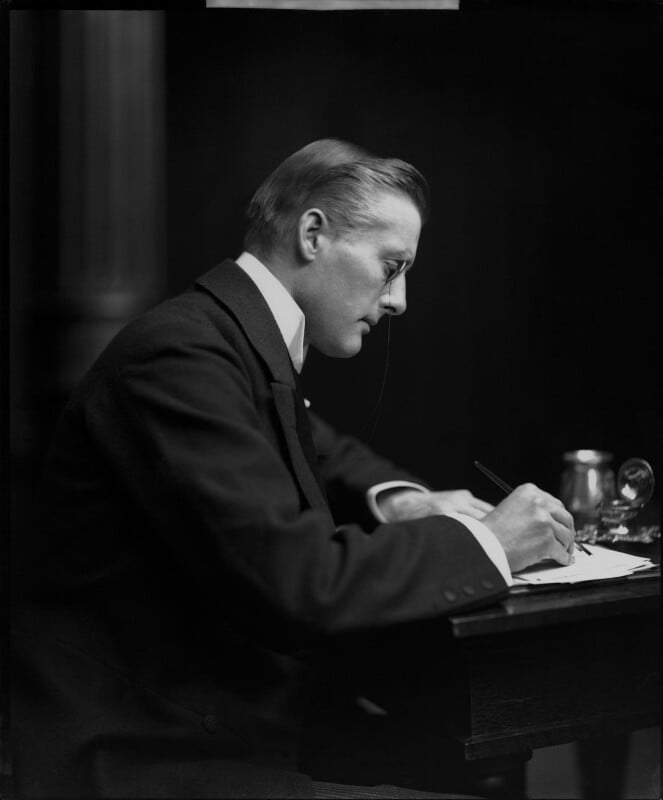
Chamberlain, an experienced politician, was well aware of the likely effect of disclosure, writing to the C.I.G.S. 'when these reports get abroad we shall have a regular row here. Public opinion will not stand such a state of things and it will be right. But we ought not to wait for public opinion'.8 He advised A J Balfour that 'we are likely to hear more of this criticism' when he asked for information on the transportation of medical units from France.9 He vigorously hounded Hardinge in his increasing concern about rumours of the treatment of the wounded. In February he notified him of the sorts of stories in circulation.10 He requested that Beauchamp Duff despatch an officer to Mesopotamia to investigate. Telegraphing the Viceroy, he advised him that 'Reports continue to reach me of grave deficiencies in medical arrangements in Mesopotamia' and asked for a telegraphed summary of the officer's report 'as soon as you receive it'.11 Again on 24 February he informed Hardinge,
I am profoundly disturbed about the medical arrangements above Basra. Evidence is rapidly accumulating in the private letters which are now reaching this country that the condition of things has amounted to an absolute scandal. I know that the difficulties of transport are tremendous, but there can be no excuse for the shortage of bandages, splints & such like necessary appliances, nor for the condition of the barges, in which the wounded were transported, nor for the absence of any protection for them against the weather.12
Hardinge finally admitted that Aylmer's recent attempts to relieve Townshend left 'little doubt in my mind that our wounded and sick soldiers have since the Sheik Saad engagement undergone considerable suffering'. He identified the shortage of river transport which in November 'was barely sufficient for the maintenance of two divisions' and now without augmentation had to supply seven divisions.13 Chamberlain's pressure on India eventually resulted on 31 March 1916, in the appointment of the competent Vincent–Bingley Commission, Complaints from M.P.s flowed into Chamberlain and even the Palace made known their concern. 14 There is evidence of irritation in his reply to Lord Stamfordham that 'His Majesty cannot be more disturbed or distressed than I have been by the accounts which have reached me'.15 By 15 March correspondents to The Times were warning that the 'public will demand that responsibility for such a disaster shall be brought home to the right quarters' and 'There is much matter for very persistent questions in Parliament'16
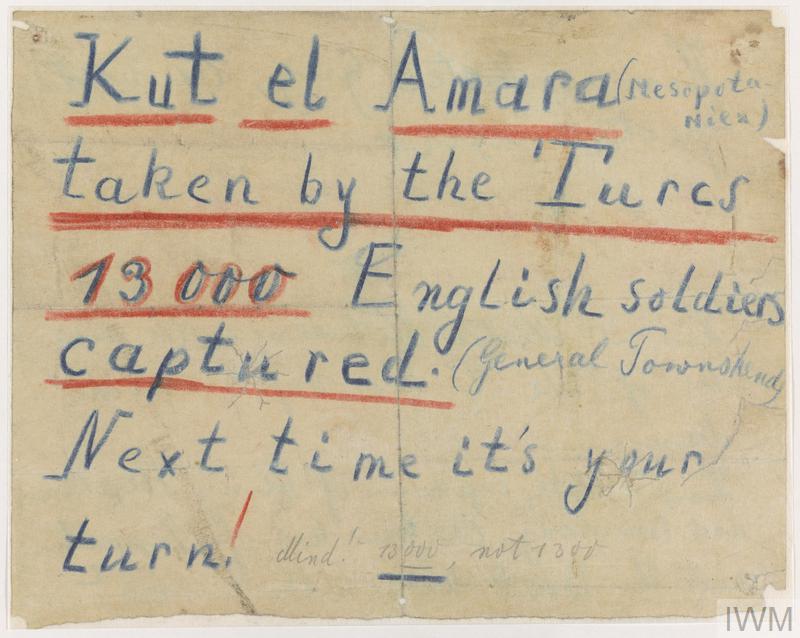
On 2 May 1916, a matter of days after Townshend surrendered Kut, the House of Commons was beset by those persistent questions from M.P.s echoing highly critical press reports of the appalling treatment of the wounded. It resulted in the Government bowing to the sustained pressure and agreeing to lay before the House the papers relating to Mesopotamian operations. The combination of medical scandal and military disaster rattled the Government. Hankey describes the decision to release the Mesopotamian papers as a 'decision taken by politicians on political grounds alone'.17 The effect of publication on current operations was ignored. Between Bonar Law making the offer to publish papers, and 18 July, when Asquith announced a reversal of the Governments decision and his refusal to lay the papers before the House, there had been intense lobbying. The War Office, Foreign Office and the Admiralty all expressed opposition, orchestrated by Hankey. The War Committee meeting on 20 July, agreed as an alternative to the release of the papers, to hold Inquiries into both Mesopotamia and the Dardanelles despite strong advice and dire historical precedent.18 Meanwhile the suspicion that the Vincent-Bingley Report into the medical breakdown, was being deliberately withheld or at least delayed by India was widespread. The Vincent-Bingley Report had been signed on 29 June 1916 and as Sir H Craik pointed out the contents of this Report 'were already a matter of comment'.19 The scathing Vincent–Bingley Report, however, was delayed beyond the establishment of the Mesopotamia Commission and it was included in its entirety as Appendix 1 to the Commission Report.
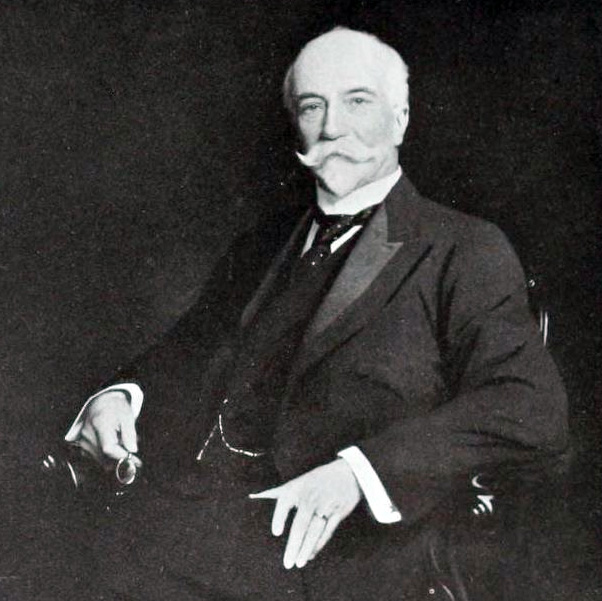
The widespread opprobrium attached to the disasters in Mesopotamia and the Dardanelles rocked the Asquith Coalition and occasioned the Prime Minister's agreement to a Special Commission of Inquiry. 20 Asquith had acknowledged that the operations in Mesopotamia 'have excited, and are exciting, widespread, and I think legitimate, interest and anxiety'.21 The Government's proposal for a Special Commission was intended primarily to avoid the publication of papers which would 'furnish the enemy with information which would be of value to him under existing conditions'.22 Asquith could perhaps more truthfully have added and furnish the political opposition with information of value to them too. Carson, who at that time was considered to be the leader of opposition to Asquith's Government, certainly considered it 'futile after the statement of the Prime Minister, to proceed to debate the question'.23 Aubrey Herbert, a personal witness to at least some of the Mesopotamian tragedy spoke for many when he hoped 'the Prime Minister will be in a position before long to give us the assurance that those responsible people are no longer going out in positions where they can do us the harm they have done us in the past'.24 Despite clear Parliamentary support for the identification and punishment of the guilty, the seeds of the eventual failure of the Commission were sown by both its terms of reference and constitution.25 The Act of Parliament appointing the Commissioners was passed on 1 August 1916; the Commission was to enquire into,
The origin, inception and conduct of operations of the war in Mesopotamia, including the supply of drafts, reinforcements, ammunition and equipment to the troops and fleet, the provision for the sick and wounded and the responsibility of those departments of Government whose duty it has been to minister to the wants of Forces employed in that theatre of war.26
When the Commission finally reported ten months later Austen Chamberlain, Secretary of State at the India Office, considered it to be 'the saddest & most appalling document that I have ever read'.27 The criticism of his personal role was limited to 'saying in 'private' telegrams or letters what I ought to have said in public i.e. formal, official despatches.'28 Though it was 'heart rending', he gave no indication that he considered the matter one which required his resignation.29 It was however to be its catalyst.
The Commission Hearings
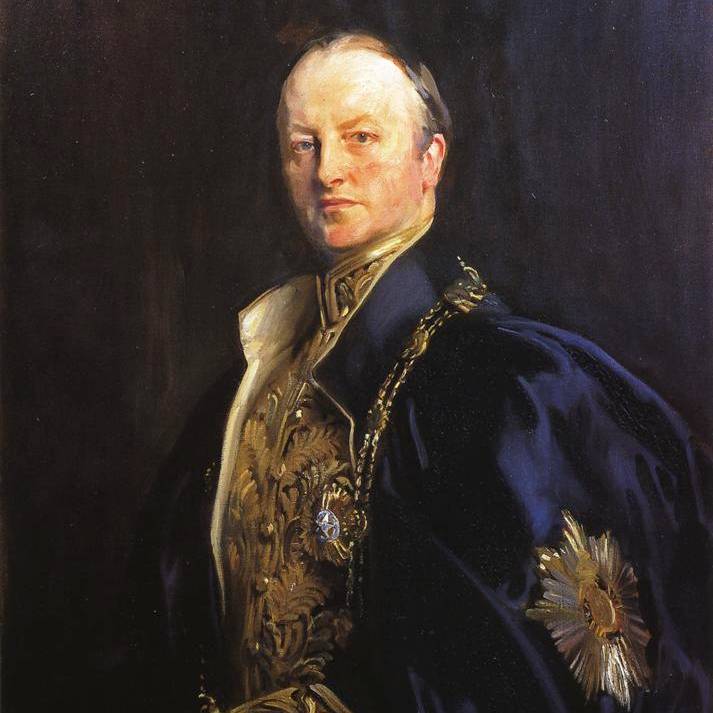
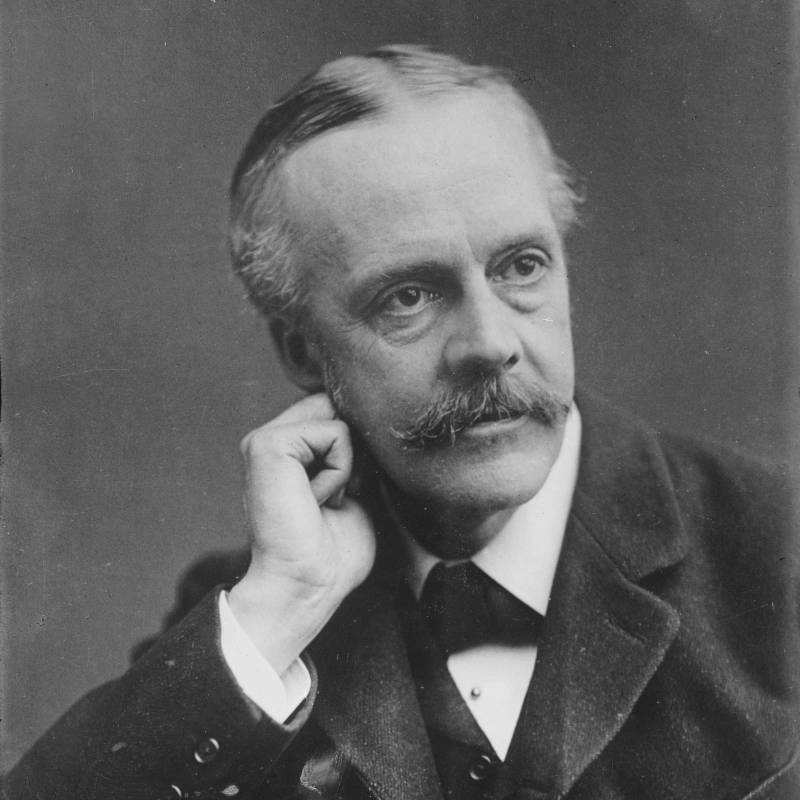
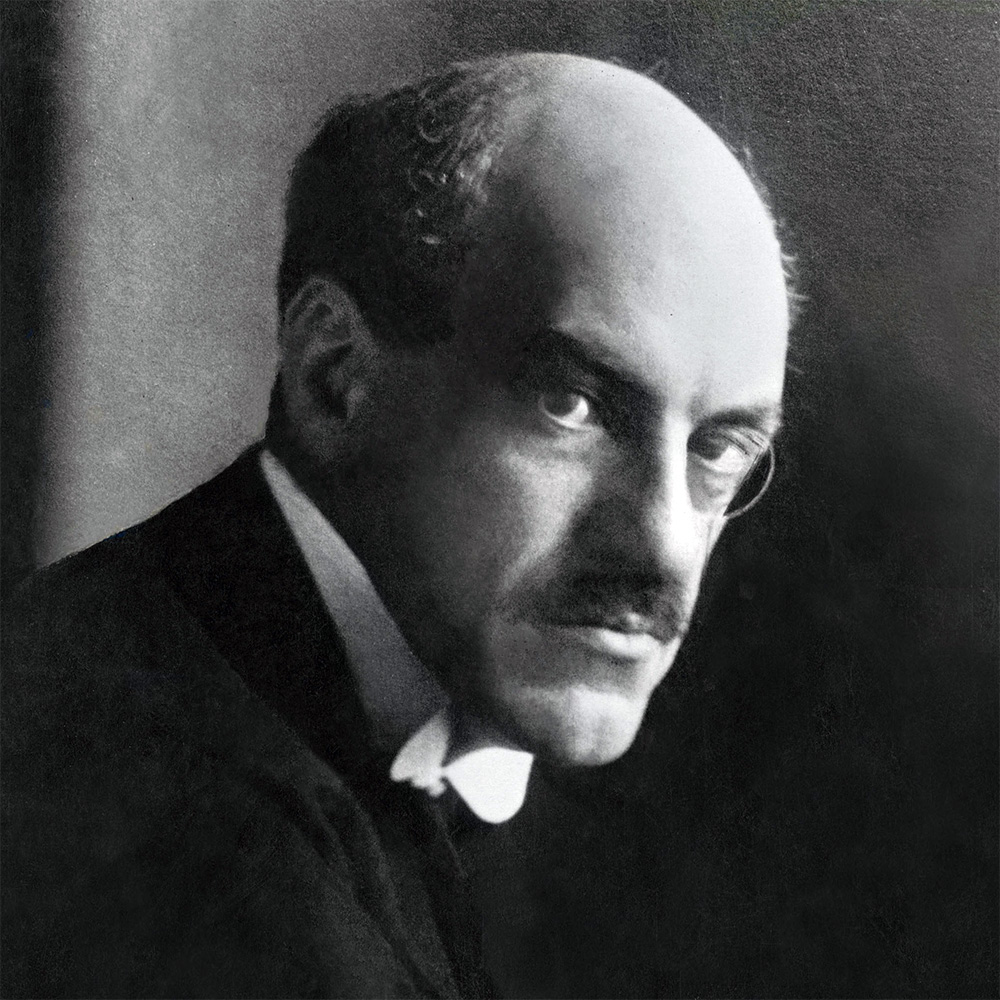
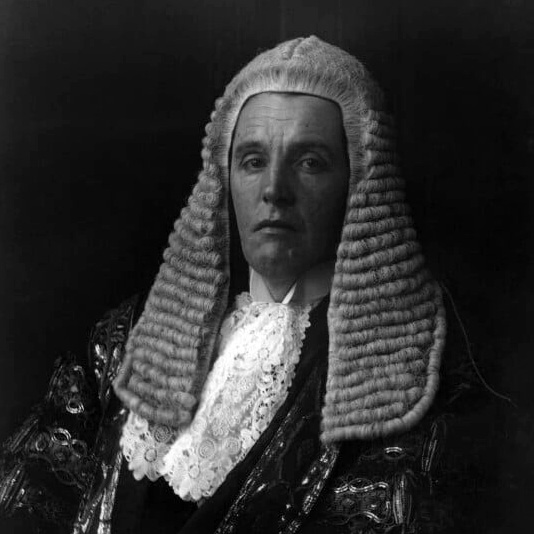
The British Medical Journal, which maintained a professional interest in the Commission throughout, reported its first sitting at the House of Lords on 21 August 1916.30 Over one hundred witnesses including Sir Austen Chamberlain were heard at over sixty meetings.31From the outset Chamberlain was in, if not secret, then certainly unofficial communication with Lord George Hamilton, the Commission Chairman. Hamilton advised him of the 'intensity of feeling in India against Beachamp Duff, the Military Authorities and even Hardinge'.32 In a handwritten letter Hamilton, warned Chamberlain that the Commission would be interested in investigating whether Chamberlain consulted his Council about the Mesopotamia expedition.33 It is understandable that Chamberlain did not feel threatened by the Commission. He had after all forced the establishment of the Vincent – Bingley Commission on a reluctant India and had retained the India Office in Lloyd George's December 1916 Coalition Government. Chamberlain presented his Statements to the Commission, 'I understand the particular desire of the Commission is that I should present a statement on two points, first the reason which caused His Majesty's Government to approve the advance to Ctesiphon and secondly, the use of 'private' telegrams.34 Chamberlain emerged from his Commission hearing with no thought that it would lead to his resignation.
Publication of the Commission Report
The Secretary, Sir Maurice Hankey, advised the War Cabinet on 23 May 1917, that Sir George Cave, Secretary of State for Home Affairs had received the Report of the Mesopotamia Commission.35 Ominously it had been accompanied by a Resolution of the Commission indicating that their Report 'requires prompt publication' and requesting the Chairman to take the 'requisite steps'.36Nevertheless, the War Cabinet were not going to comply with the Commissioners demands without first understanding what the Report recommended. They rather belatedly considered that 'as a military campaign is still being continued in Mesopotamia it would not be in the public interest to publish the Report until it had been examined by Lord Curzon, and by the Naval Staff and the General Staff.' The Cabinet made clear the urgency they attached to the replies of the service staffs.37
It was purely by chance that Chamberlain had been present for these initial exchanges. He had been invited to the War Cabinet to secure agreement to the Indian Government's plans to change from a passive to an active role against Mashud tribesmen on the frontier. By that time Chamberlain's attention had moved to more immediate issues. In March the Government had been shaken by sustained opposition from Lancashire, to Chamberlain's support of India's increase of import duty on cotton goods, to help fund its war effort.38 By May, in the aftermath of the Imperial Conference, Chamberlain's principal preoccupation was the development of proposals for limited Indian self- governance which he was destined never to carry through.39
Lord Curzon undertook on behalf of the War Cabinet, the 'summary of the salient features of the Report of the Mesopotamian Commission.'40 During its preparation, Curzon was in contact with Chamberlain seeking information on the current positions of those the Commission had named, adding 'I am not suggesting that there is culpability that will be for the Government to decide.'41 Curzon was charged to 'place before them on Tuesday 5 June his recommendations'. Surprisingly it had taken two weeks for the War Cabinet to realise they should all read the Report and Hankey was directed to obtain copies of the Report for all members of the War Cabinet and the Secretary of State for India.42 Following the War Cabinet Meeting, Curzon dashed off a hand written note to Chamberlain informing him of Cabinet agreement that he would receive his own copy as soon as it was available from the printers, ending reassuringly that 'the only high official who comes well out of the transactions is yourself.43
The Admiralty replied on the 30 May, returning their copy and offering 'no objection to the publication of the report'.44 Robertson replied the next day regretting that publication of the Report, which 'reflects great discredit on many high officials' and would 'seriously diminish the confidence of the public and fighting services in their leaders' must be published.45 Robertson was consistent in his opposition, he had written to Chamberlain in March the previous year saying that 'If he [Townshend] is successfully extricated I dare say we shall hear no more of the necessity for a Commission. It is to be hoped we shall not, in any case. These Commissions seldom do any good and always some harm'.46
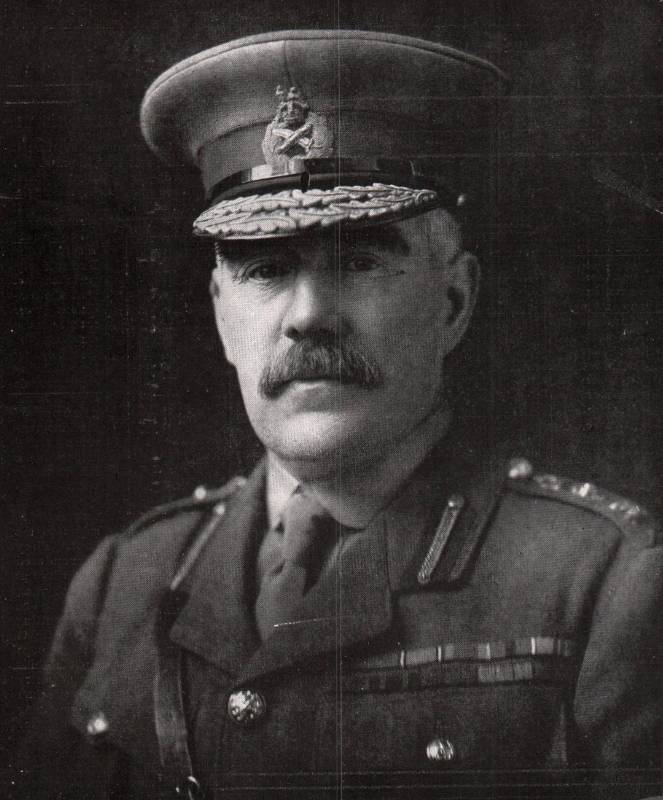
Curzon's Memorandum on the Report of the Mesopotamia Commission dated 4 June 1917 ran to eleven printed pages.47 Chamberlain read a copy the day after it was completed, passed to him 'in the strictest confidence' probably before it had been seen by the Prime Minister.48 Chamberlain, who by then had received his own 'heart rending' copy of the Commission Report, replied the same day, 'I am in general agreement with you' but did not miss the opportunity to challenge the Commission's personal criticism of him for failing to make use of 'my council'.49
Curzon and Chamberlain were working closely together but it had not always been the case. Chamberlain writing to Bonar Law on the formation of Asquith's coalition expressed reservations, 'I agree with Carson that I would sooner have Selborne in, than Curzon - infinitely sooner. Curzon is mauvais coucheur as Asquith said; and, I mistrust as I know you mistrust, his judgement – and not without good cause'.50 Chamberlain quickly adapted to Curzon's appointment as Lord Privy Seal, writing to Curzon, a former Viceroy, who saw India as his particular sphere of expertise, that 'I am following up the various suggestions you have made to me in regard to the India Office affairs and shall always be glad to receive suggestions from you.'51 Even after his resignation, Chamberlain was effusive in his praise, 'Work together in such times as these proves men's character & temper & quickly ripens knowledge & friendship. You have been very considerate and very helpful to me coming as I did raw and inexperienced into a field you have made your own, and I shall not forget your kindness'.52
A four day Cabinet adjournment prevented any discussion of Curzon's paper by the War Cabinet until 6 June 1917 when the Government abandoned hope of avoiding publication, due to 'the terms of Section 6 of the Special Commission (Dardanelles and Mesopotamia) Act 1916, the War Cabinet were of opinion that there was practically no option in regard to the publication'.53 They did however decide that 'it might be necessary to accompany publication of the Report by a statement of the action to be taken by the Government' and that further time was required' whilst in the event of pressure in Parliament for immediate publication they would prevaricate, 'the Government had the matter under consideration', 'an early decision will be given'.54 There is evidence in these discussions of pressure beginning to mount on the Government. Hankey writing to Chamberlain the same day warned that, 'the Government will have to proceed carefully', citing the Roebuck Committee, which after the Crimean War, had pronounced guilt on military officers, who were subsequently absolved from the blame, which was then shifted to the Treasury. 55 Despite already having conceded the necessity of publication, the argument was allowed to resurface when it was next discussed on 11 June.56 To all the old arguments, Lord Derby, Secretary of State for War added concern at the effect the Report would have on the Americans, then 'seeking counsel from us on all matters of military administration'.57 It was recognised however, that the 'Government could only refuse to publish if they were prepared... to face a Vote of Censure and to stand or fall by the result.' Lloyd George, never a courageous politician, hardly needed the added incentive of Curzon's confirmation that Lord George Hamilton, Chairman of the Commission, would feel bound to repeat to Parliament his statement that the Report was expressly prepared for publication. Failure to publish the Mesopotamia Report after the Government had allowed the Dardanelles Report, with its criticism of Asquith's Government, to be published, could well leave them open to the 'baseless but embarrassing rumour to the effect , that the Government in their decision were sheltering themselves behind the plea of public interest.'58 It was pointed out that the Report only animadverted with 'special severity' upon officials whose names were comparatively unknown to the general public. Austen Chamberlain must have begun to shift slightly uneasily in his seat, he was after all the only member of the Front Bench to be individually named, however qualified in the Report. In the end it was considered that Britain was traditionally credited with a readiness to acknowledge its failures, all defects had long since been remedied and the principal culprits removed. This, together with the fact that there were few new revelations in the Report minimised publication risks. A final decision was held over until Balfour and Smut's could study the report and papers. Questions in the House were to be postponed until 13 June.
When the War Cabinet met shortly after lunch the following day, it was to be one of only two occasions when an entire War Cabinet Meeting was devoted solely to the Report of the Mesopotamia Commission.59 It was the occasion for Balfour to resurrect the arguments against publication; his principal proposal was that 'the Government would be well advised to take Parliament frankly and unreservedly into their confidence at a Secret Session of both Houses'.60 Carson who had fought Asquith, for the Inquiry in the first place, concurred.61Chamberlain does not appear to have expressed a view, reserving his comments for a plea that the War Cabinet set aside the time to discuss his Indian reforms, so clearly shown to be needed by the Report.62 A decision was again postponed until the next day but Lloyd George undertook to see Lord George Hamilton and to read the 'political barometers' to test the proposal of a Secret Session.63 It was also agreed that the Law Officers of the Crown and the Judge Advocate-General should be asked for their legal opinion on the action which should be taken under Civil and Military Law if the 'Cabinet considered that proceedings should be initiated against the several individuals, mainly and directly responsible for the gross and culpable mal-administration.'64
By now Chamberlain was a regular attendee at all War Cabinets where the Commission Report was to be discussed. On Wednesday 13 June he was present for the discussion which finally decided that,
-
The Report should be published at the earliest convenient opportunity, together with the Vincent-Bingley Report and the annexes to both documents.
-
Having regard to the lapse of time and the difference in the political and military situation in Mesopotamia since the events which came within the purview of the Commission, and in view of the difficulties raised and suspicions excited in consequence of the omissions decided on in the case of the Dardanelles Report, the excisions recommended by the C.I.G.S. were not of sufficient importance to justify their being accepted.65
It had taken the War Cabinet almost a month to come to this decision. The Government was still not in a position to announce the disciplinary action it intended to take against the guilty, despite earlier recognition of its importance.66 The absence of the Prime Minister meant no immediate steps were taken regarding the taking of legal opinion.67 Bonar Law, deputising for the Prime Minister took questions in the House later that day, he was categorical, but as it turned out, unduly optimistic, in his answer to Commander Wedgwood and others.68 He asserted that, 'The Report of the Mesopotamia Commission, which includes Sir W Vincent's Report, will be published immediately without alteration.69 Although not published, the Mesopotamia Commission Report was placed 'on the table' in both Houses the following day. 70
Chamberlain warned the Viceroy of the imminent publication of the Mesopotamia Report.71 There was clearly concern as to how it would be received in India. Beauchamp Duff to whom Chamberlain had loaned an advanced copy of the Report, thought the findings 'surprising as well as disappointing' he went on however, to make the entirely apposite remark that 'not ten people in India will read this report itself while newspaper comments in the London papers- either originals or in translations will reach the bulk of the population'. Duff naively suggested that the newspapers should be prevailed upon to be circumspect.'72 Chamberlain's reply sets out most clearly his own opinion on the Mesopotamia Commission Report, 'Personally I viewed with extreme reluctance the appointment of the Commission during the War, and I regret the necessity for the publication of such a Report at the present time,' as for making representations to the papers, 'I think the only result would be to embitter controversy and increase the attacks'.73 It was not until Tuesday 25 June that the Home Office published the Report 'in time for the morning papers the following day'.74
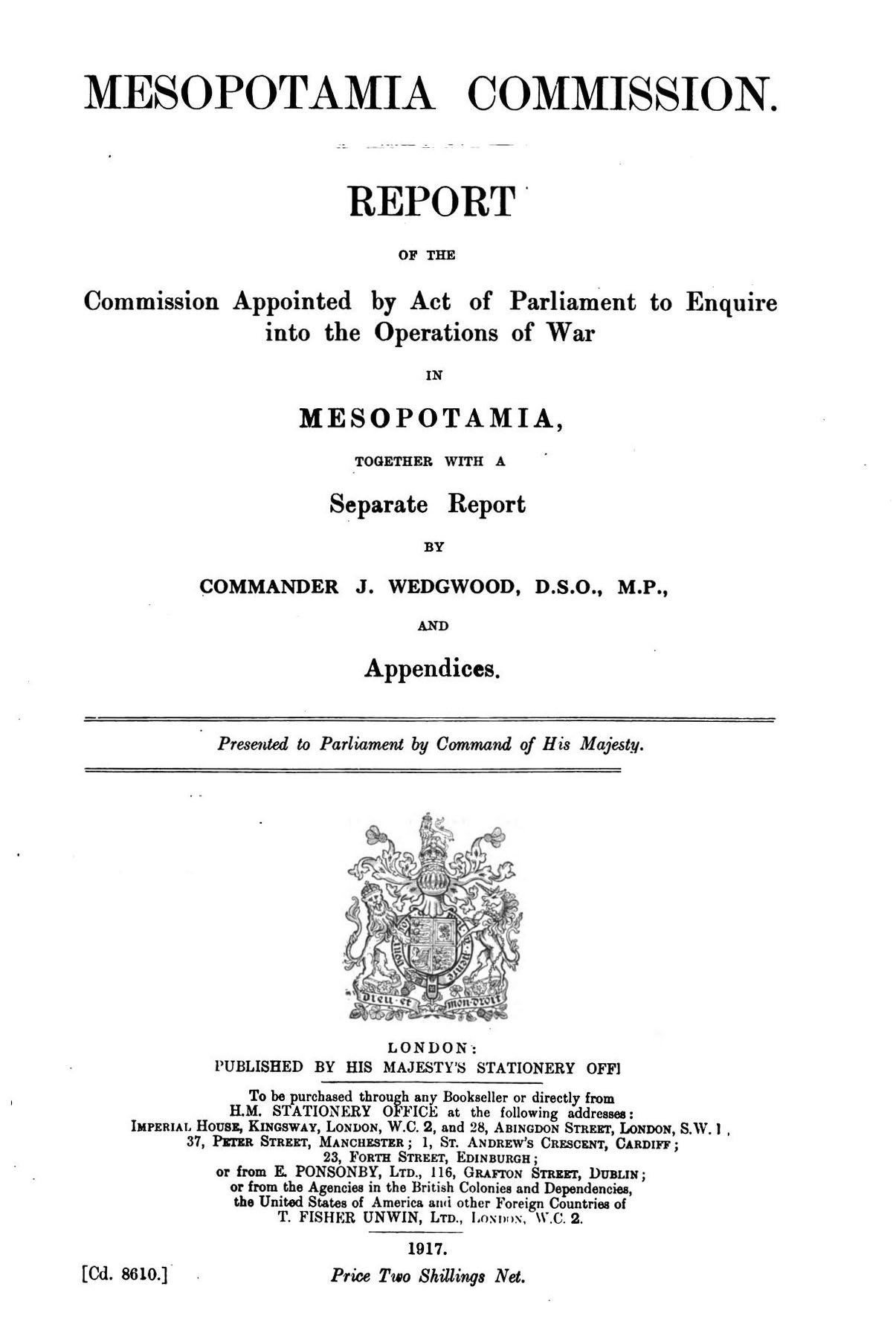
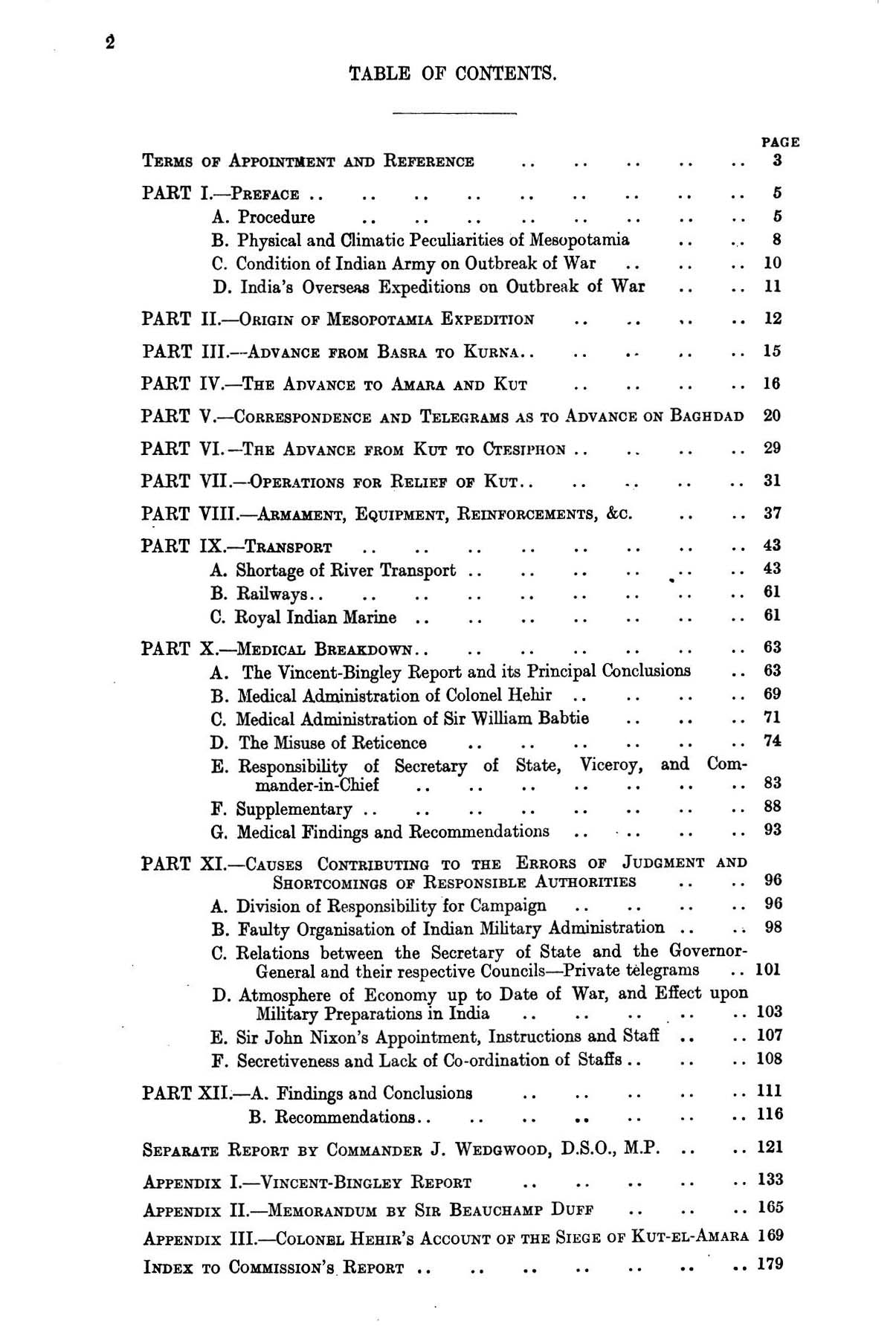
There was no respite. Although the Report had sat in both Houses of Parliament since 14 June, it was the press reaction to its publication, which really ignited the demands for a debate.75 Bonar Law replying to Sir John Jardine's request for a discussion on the Commission met with the suggestion that he 'put down the question next week after the House has had time to study the Report'76 Bonar Law was still claiming to be unable to make a statement a week later.77 It was finally agreed that the House would unusually sit on a Friday for the second day of the two day Debate but by then legal advice meant it was no longer to be called the Mesopotamia Commission Report Debate but rather the Court of Inquiry Debate.78
The War Cabinet and Legal Opinion
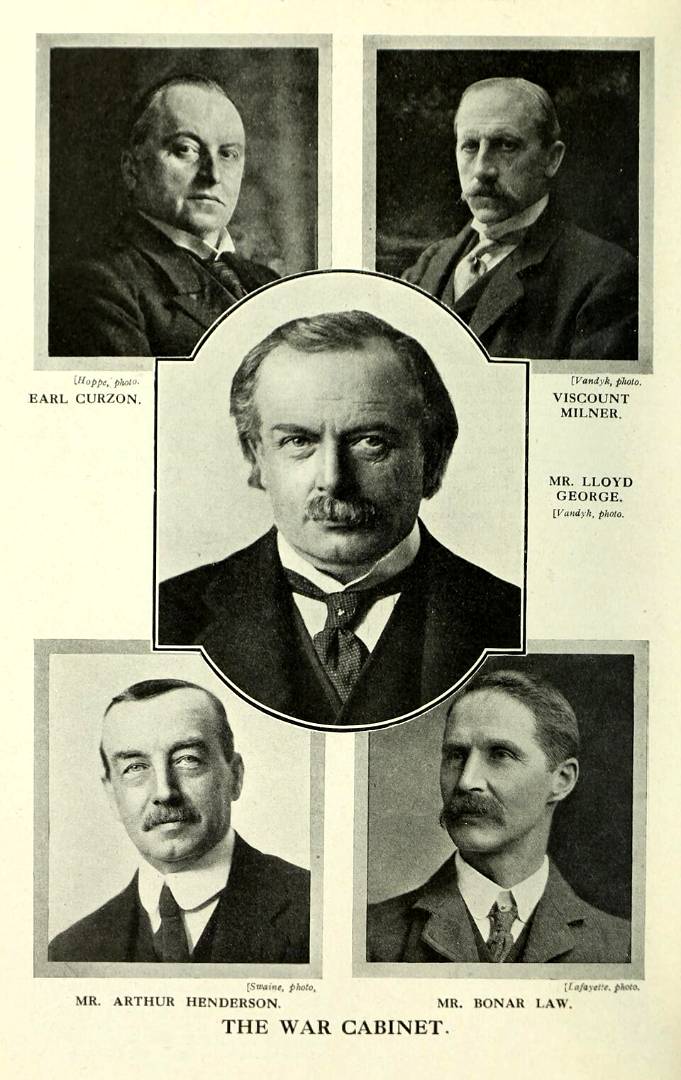
One of the most lauded achievements of Lloyd George's December 1916 Coalition was the creation of a small War Cabinet comprised of non- departmental Ministers.79 The reality however was often somewhat different. Chamberlain, invited to attend one meeting, scribbled an acerbic pencil note to Lord Curzon 'I think the War Cabinet of five has achieved a record attendance today – I make the number 28!'80 The War Cabinet's struggle with its response to the Mesopotamia Commission Report had drawn in advisors, particularly legal advisors on a grand scale.
Chamberlain had anticipated the Cabinet decision to discipline those criticised by the Report. He raised the question of disciplining officers of the Indian Army and Indian Medical Corps with his Military Secretary General Sir Herbert Cox, who had replaced General Edmund Barrow in January that year. On 7 June Cox informed him that, 'An officer may be tried and punished by court-martial, or he may be removed from the service by compulsory retirement or dismissal by exercise of the Royal Prerogative'.81 He added, 'apart from these two methods there is no absolute power to punish or censure an officer'. There was no right for an officer to demand a court-martial, but 'if any charge or reflection is made on his character or conduct as an officer, he should submit the case within a reasonable time' for investigation.82 Chamberlain had also learned from Cox that Beauchamp Duff, the former Commander in Chief India, had accepted the equivalent of his pension and become supernumerary to the establishment of generals.83 Cox also informed Chamberlain that Colonel Heir had returned to India to resume his duties as A.D.M.S, whilst Surgeon-Generals Hathaway and Babtie were officers of the R.A.M.C. and were therefore at the disposal of the War Office. Sir John Nixon was, unemployed, residing in England but still on the active list.84 Chamberlain passed the information to Hankey.85 Chamberlain was not present at the War Cabinet of the 15 June, which concluded with a brief discussion about what disciplinary action should be taken.86 It was agreed that Curzon, Barnes, Lord Derby and Austen Chamberlain would confer and make recommendations.87 Dashing off a hand written note to Chamberlain, Curzon called the meeting for 3pm the following Monday at the Privy Council Offices. He also told him that the P.M. had been persuaded to delay talking to the Law Officers until their recommendations were completed.88
Barnes, who had replaced Henderson as Labour Party representative in the War Cabinet, had been brief, but particularly critical in his Memorandum to the Cabinet. He considered that 'it would not be sufficient to merely reprimand there must be punishment', Beauchamp Duff, Nixon, Hathaway, MacNeece, and those like the Naval Architect Sir John Biles' should all be dealt with and at least dismissed the service in disgrace'.89 Curzon's sub-committee reported on 18 June 1917.90 Article 527 of the Royal Warrant for the Pay, Appointment, Promotion, and Non-Effective Pay of the Army was to be used. Beauchamp Duff was to be called upon to retire. He was to retain his pension. Harsher was the judgement on Surgeon-General Hathaway who was also to be called upon to retire, though he was to forfeit any long service pension. MacNeece was to escape with the 'Displeasure of the Army Council'. There was no agreement on Surgeon-General Babtie, from whose judgement of 'called to retire retaining his pension 'Lord Derby dissented. Barnes believed Nixon should suffer a similar sentence but the rest were not prepared to condemn him. No disciplinary action was recommended in the case of Aylmer, Davison, Heir or Lumsden.91 No civilians appeared on the list. There was no recognition that the Cabinet were attempting to wield a power they did not possess and effectively usurping the Army Council who, it seems was expected to rubber stamp the decision.
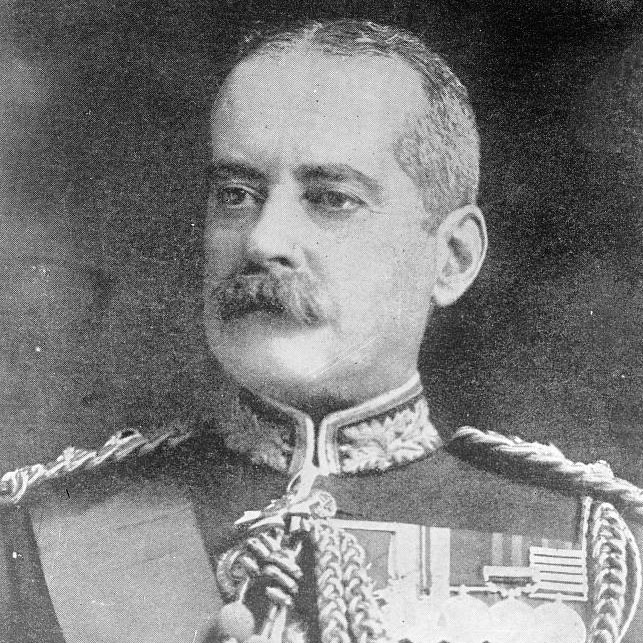
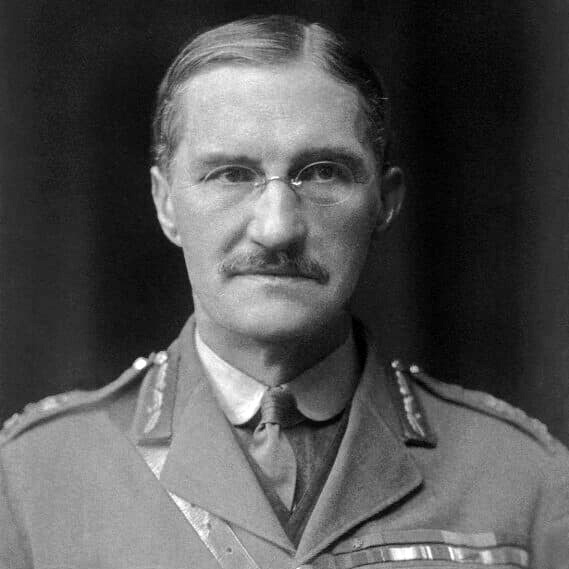
If Chamberlain and his colleagues considered they had circumvented the time consuming further delay implicit in court-martials, by the use of Article 527 of the Royal Warrant, they were soon disabused. In a paper, dated 25 June 1917, Lord Derby circulated to the War Cabinet the comments of Brigadier-General B.E.W. Childs, the Director of Personal Services, together with those of General Macready, the Adjutant General and the Judge Advocate General.92 The Army's legal authorities were unambiguous, It was not the role of the Cabinet to instruct the Army Council to dismiss officers under Article 527 adding that whilst 'it is laid down that an officer may at any time be called upon to retire or resign his commission should the circumstances of the case demand', it was solely the prerogative of 'Our Army Council '. Childs went on to say that 'I hold that it is incumbent upon the Army Council to enquire into all the evidence before coming to that opinion... they could not in law or equity accept the opinion or the directions of the Cabinet'. Recognising that the Memorandum may appear 'ridiculous' by suggesting the Army Council are superior to the Cabinet he nonetheless offered the Cabinet no acceptable alternative, there was to be no rubber stamp.93
Unlike Macready the A.G and Mr F Cassel the J.A.G., Chamberlain was not invited to the War Cabinet of 26 June, an omission which could only have increased his unease. Hankey explained that 'your presence was in no way forgotten, but the matter was taken rather unexpectedly and the decision quickly arrived at.' 94 The presence of the Law Officers however militates against Hankey's explanation.95 The Cabinet was obliged to abandon its summary justice, just as it had abandoned its attempts to avoid the Report's publication. It finally resolved to call upon the J.A.G. 'to peruse the Report, the evidence and documents pertinent to this question,' and to 'render a report to the Secretary of State for War... giving his view as to whether the evidence justified a charge or charges being preferred against any of the military officers whose conduct is questioned by the Commission'.96
Felix Cassel, the J.A.G, set about destroying the legal basis of the Mesopotamia Commission Report when he reported to the War Cabinet on 4 July, 'A good deal of the evidence was of a hearsay nature and consequently inadmissible', 'Certain matters were not fully disclosed by the evidence', the enquiry by the Commissioners did not appear to have been conducted in all respects in accordance with the usual legal procedure', 'officers concerned did not have the advantage of legal assistance'.97 In short the Commissioners may have produced a Report which amply demonstrated what had gone wrong and excited sympathy for the consequential heart rending suffering but the failure from the inception to establish a judicial Inquiry meant it was useless as the basis of charges. Cassell doubted that a conviction could be obtained.98 The Attorney-General F.E. Smith, supported by Edward Carson, himself a lawyer, confirmed that the War Cabinet had no legal right to dictate to the Army Council whether the officers should be tried or not, or how they should be dealt with.99 A proposal that the Government place before Parliament a Bill setting up a special tribunal of judges and military offices to try all the officers concerned, was rejected not only as a departure from precedent, a violation of a man's right to be tried by his peers but also that there was 'adequate existing legal machinery'.100 Surgeon-General Babtie the only officer still being employed was to be suspended. The Cabinet ,under increasing pressure from Parliament to hold a debate on the Report, decided to ask the Army Council, following consultation with the J.A.G and the Crown Law Officers, to advise them 'as to what disciplinary action if any, they propose to take'.101
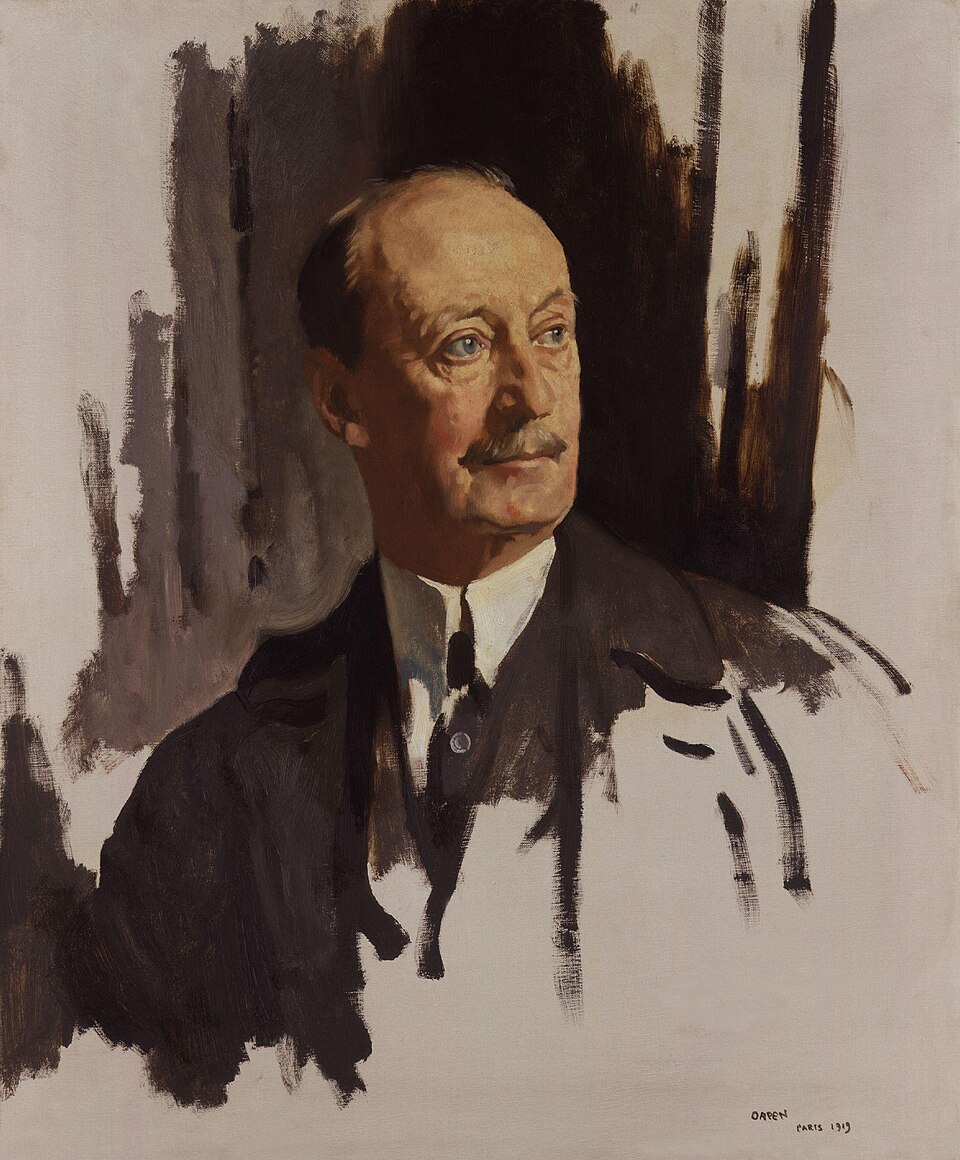
Lord Derby's Memorandum to the War Cabinet, containing the Army Council's decision was dated 7 July.102 Chamberlain did not attend the War Cabinet of 10 July 1917, the first occasion when the discussion relating to charges against military officers was extended to include civilians. 103 The named civilians were principally Chamberlain and Hardinge; the latter had excited particular criticism.104 Perhaps the army was pleased that soldiers alone would not face the prospect of punishment but to the extent that it is possible to interpret Hankey's minutes, the proposal seems to have emanated from the War Cabinet. Given that Curzon, Derby and Barnes had already rejected the inclusion of civilians when they set out who they considered to be guilty, it limits the source of the proposal to Bonar Law, Milner, Smuts or the Prime Minister.105 Certainly if the Army Council's opposition to its Court of Inquiry being used for 'reporting on the conduct of any person not subject to military discipline,' its doubt about the 'legality of such procedure' and its request that the Prime Minister write to the Army Council 'requesting them to add in the Terms of Reference the fact that a report was to be made on persons not subject to Military Law,' it seems highly unlikely that they were the instigators.106
The time frittered away on discussion about publication and summary punishment now began to be felt, between 10 July 1917 and 12 July when the Debate on the Mesopotamia Commission Report was due to open, there were four War Cabinets. At War Cabinet 180 of 10 July, it was decided that the 'Court should be formed under the provisions of the Army (Courts of Inquiry ) Act of 1916, and should be composed of two judges, of whom one should be the Chair, and three military officers.107 There were two War Cabinets on 11 July. The first was held at 11.30am.the final item on the agenda was Mesopotamian Commission Disciplinary Action. Acknowledging that the Court of Inquiry authorised the Army Council to appoint civilians as members of a Court of Inquiry, the Army Council reiterated their concern that it did not authorise them to call for a report from such a Court on civilians, neither would such a Court be under an obligation to report on such persons. The precedent of the Barrett case was, however, quoted in which a 'general report was called for'.108 The Attorney General undertook, whilst presenting the case before the Court, to call for a report on the actions of all concerned.109 It is important to note that the Court Of Inquiry established under the Act of 1916 may, at the request of the Attorney General report on civilians and military but it had absolutely no power to punish. 110 Following War Cabinet 181, Curzon advised the Lords and Bonar Law read a statement to the Commons.111 Being selective with his words he implied that the delay in offering the House a debate was because the Report from the Government's legal advisers had only been received 'this week'. He pointed out that the Mesopotamia Commission itself was not a judicial body and it had taken time to find a suitable vehicle which would investigate both soldiers and civilians. Punishment of military men would be left to the Army Council, but it was by no means clear and certainly not expressly stated what sanction civilians adversely reported on would face. In his only contribution to the Debate, Mr Billing put his finger on the issue when he asked Bonar Law 'May I ask by what instrument the Government can punish civilians?' He was not offered an answer.112 The purpose of the Court of Inquiry was, in effect, to provide a legally more robust version of the Mesopotamia Commission's criticism of individuals, on which action could be taken if appropriate, but, at least as far as punishment of civilians was concerned the Government was no further forward.
The second War Cabinet of the 11 July 1917 was held at 6.30pm, by which time Chamberlain had tendered his resignation to Lloyd George. It was evidently not general knowledge as Hankey used his erstwhile title as Secretary of State for India in his list of attendees.113 Once again the Army Council expressed doubt over the legality of the procedure of being asked to instruct the Court of Inquiry to report on people not subject to military law. It was entirely understandable as it struck at the very heart of the British Constitution for the Army to seek a report on Ministers of the Crown, even if there was a dubious precedent of a vindictive woman scorned.114 The Government really was in a quandary. Both Houses had already been informed of the Government's intention to investigate both soldiers and civilians. Lord Derby capitulated to Cabinet pressure, providing that the Army Council could be assured of its legality. The final War Cabinet before the opening of the two day Debate took place at 12.15pm on 12 July, less than four hours before F E Smith, the Attorney General, was due to open the Debate for the Government.115 The Army Council would issue the necessary instructions providing the Prime Minister would place in writing his request for them to extend the Terms of the Inquiry to include people not subject to Military Law. The War Cabinet held the view 'that it was undesirable that any such letter should be written, as it could not in itself give any protection to the Army Council and might be construed as an attempt by the Government to exercise influence in a judicial matter'.116 The irony of the statement escaped comment. Throughout, the Government clung to the Barrett precedent showing no sense of proportion between a sleazy sexual investigation criticising a civilian's attempts to influence the Army and Army- State relations dating back to the Restoration. The War Cabinet's eventual proposal was a Preamble to the Terms of Reference rather than a letter from the Prime Minister. It was with the reluctant agreement of the Army Council in hand that the Attorney General opened the two day Debate on the Mesopotamia Commission Report.
The Court of Inquiry Debate
The long awaited Debate on the Mesopotamia Commission Report or as it was by then known, the Court of Inquiry Debate, was opened at 4pm on the 12 July by the Attorney General Sir F.E. Smith.117 Simultaneously in the Lords, Earl Curzon of Kedleston, Lord President of the Council, introduced the Debate by stating the Terms of Reference for the new Inquiry.118 The Attorney General and Sir John Simon who opened for the Opposition debated for two hours the merits of the Government's Inquiry proposals. Simons made a strong case of objection to the proposal of a Court of Inquiry under the Army Act. Sir Mark Sykes made a valiant attempt to drag the debate back to the Commission Report , when he frankly admitted that 'It is difficult for one who has little or no legal experience at all to follow the speeches which have just been made'.119 He went on to comment that 'If the result of these Debates is to set up permanent Courts which go on inquiring and inquiring into one scandal after another, with fresh questions raised, with further depreciation of our prestige in the eyes of our Allies, I do not see how we are helping on the War in any way whatsoever'.120 It was beginning to be clear after three hours of debate that the House was not convinced of the value of further Inquiries, particularly the one proposed by the Government. Chamberlain was in the House but had not taken his seat on the Front Bench, a position Montagu drew attention to when he rose to speak. The thrust of Montagu's contribution can clearly be read as a manifesto for change in the Governance of India, indeed he had warned the Prime Minister of his intention to do so. 121Although he subsequently claimed to have made the speech 'without the faintest suspicion that there would be in a few minutes a vacancy at the India Office', he was an ambitious and experienced Parliamentarian and the protestations have a hollow ring.122 He had been informing Lloyd George of the 'strong criticism of Mr Chamberlain's retention of office' since at least 3 July.123 Montagu in his subsequent letter of acceptance of the post of Secretary of State for India made clear to Lloyd George that 'Of course it will be taken as general acceptance by Government of the policy outlined in my speech'.124
When Chamberlain rose shortly after Montagu to make his statement, there had been no support from the floor for the Government's Court of Inquiry and yet Chamberlain stated 'The whole House thinks that a judicial tribunal must try the question', continuing that it, 'carries with it another decision for me.' It is difficult to understand why he would make this statement other than the obvious conclusion that his speech was written in advance. It does however support the idea that it was in recognition of Parliamentary criticism and his concomitant inability to deliver his Indian reforms, rather than the exact nature of the Inquiry itself, which underpinned his resignation. Chamberlain's statement defended his actions which had been subject to criticism in the Report. More vehemently he defended the actions of other named individuals particularly, Hardinge and his former Military Secretary General E Barrow. By 10pm Mr King was expressing the general dissatisfaction with the Debate, 'I think the public outside, when it reads the account of the Debate which has taken place here this evening will be very dissatisfied...With one thing, at any rate, I ought to say it will not be dissatisfied, and that is the dignified way in which the right hon. Gentleman the Member for West Birmingham has resigned office.'125 He went on to appeal to the Government 'to throw over this miserable scheme of a Court of Inquiry, and to have some more direct...method of inquiring into cases of men who have been severely censured by this Report'. The Foreign Secretary, Mr Balfour confirmed on behalf of the Prime Minister that the Government was quite prepared to drop its proposed Court of Inquiry in favour of a short and agreed Statute. If Chamberlain resigned because of the nature of the Inquiry, the Government were already indicating their willingness to abandon it. The final hour of the Debate saw A J Balfour make a 'miserably halting speech, which damaged Harding whom he sought to defend'; in so doing he was highly critical of the Commission and its Report.126 Sir Archibald Williamson, himself one of the Commissioners opening the second day's debate just before 1pm.on the 13 July, defended the Commission Report and his fellow Commissioners.127 Four hours later the House adjourned, little light had been shed, either on the subject of the Report or on the further Inquiry. Asquith was among many who thought Chamberlain's resignation showed 'a fine chivalrous spirit' but the resignation was 'wholly uncalled for'.128 The Prime Minister shortly after 4pm. agreed with Asquith's comments expressing his own 'profound regret 'and that of all his colleagues. The Debate petered out with Commander Wedgewood attacking his critics but with no firm resolution to do anything. The Government's action in steering the Debate away from the Report itself and into the Grimpen Mire of discussion on a second Inquiry could be seen as skilful politics, however, since the Government had failed to emerge from its own War Cabinet discussions with any clarity on the way forward it seems unlikely that it was premeditated.
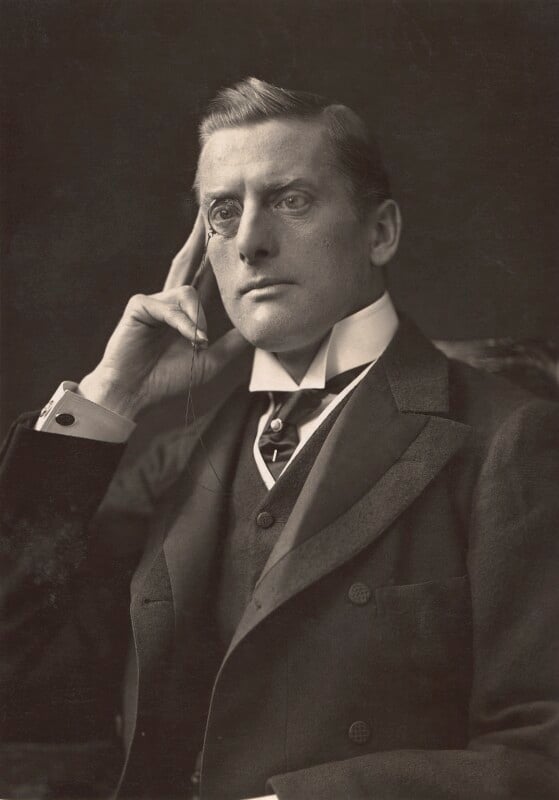
The numerous suggestions that he should withdraw his resignation prompted Chamberlain into a flurry of correspondence in which he sought to make clear that his resignation was irrevocable. To the Prime Minister, he was 'sorry that he could not accept his advice, but you will see from the papers of this morning, as I know from letters from members, that both in and out of the House my decision to resign is felt to be right, and that doubt about its finality would not only destroy my reputation but would anger the public and injure the Government'.129 The letter is also of interest in that Chamberlain, ever loyal to subordinates suggested Lord Islington, his Under Secretary as his replacement noting, 'he is a reformer but would I think, work well with the office, with Council & with the Government of India. But above all, he knows what has been done & is doing & will not have to begin as I did at the very beginning'.130 This suggestion however, did not suit Lloyd George's Governmental reorganisation plans, he had already decided on Montagu as Chamberlain's successor. Chamberlain made very much the same comments to Curzon two days later, 'Only one word for the moment, I think you will have to drop the tribunals altogether, but whatever your decision please understand that my resignation is final and cannot be withdrawn I am quite certain that its withdrawal would ruin my reputation; it would weaken the Gov't & reopen controversy which I think you can now put an end to.131 The public would not understand it, all our critics; many of our friends would be ungratified & puzzled, whilst our enemies would shriek blasphemies to heaven!'132
At the War Cabinet of 18 July, it was decided to recommend to Parliament that the idea of a second Inquiry should be dropped. Soldiers would be referred to the Army Council.133 The only other civilian, Lord Hardinge, who had proffered his resignation for the third time, was declared by A J Balfour to be too important to be deprived of at this present juncture. There is a discernible distancing of the War Cabinet from Balfour when it was added that 'he alone was in a position to judge'.134 When Bonar Law made his statement to the Commons later that day, it was predictably Balfour's protection of Hardinge, contrasted with Chamberlain's principled resignation that drew the attention. Mr Dillon moved an adjournment for the purpose of discussing 'the refusal of His Majesty's Government to accept the resignation of Lord Hardinge'.135 When the vote was taken, the only time Parliament had divided during the whole episode, the Government defeated the motion by 176 votes to 81.136 By then Chamberlain was already taking a complete rest in the country. He told Lansdowne that 'an ex –Minister who has just resigned is always in the way unless he gets right away' he was loathe to become a focus for the Government's opponents.137 Chamberlain writing to his sister Ida summed up his feelings on his resignation,
'it is curious that most men in the Cabinet would say there was no need & indicate some surprise; whilst to the others it is clear I was right. I ask curiously: Would they have known it was right if I had not done it? & I think Robbins of [Birmingham Daily Post] gave the answer, No, they hadn't thought it out clearly for themselves, but the moment you did it, this vague unrest crystalised [sic]and they believed that it was what they had always seen to be necessary.'138
The letter went on to say 'Well, there is an end to my ambition to do big work for India & the Empire in that sphere. I think I was on the right lines; I was beginning to see my way'.139
Conclusion
Paul Davis in his study of the Mesopotamian Campaign and Commission draws the conclusion that the after-effects of the Mesopotamia Commission were 'negligible'.140 Certainly if the demands of the press and certain elements of Parliament, for punishment are to be the criteria, then the only soldier to suffer in the aftermath was Surgeon-General Hathaway.141 Surgeon-Generals, Babtie and MacNeece together with General J E Nixon were all found to have provided 'satisfactory explanations' when their cases were reviewed by the Army Council.142 Hardinge remained at the Foreign Office. The resignation of the Secretary of State for India, who despite having been judged by the Commission to have been 'admirable in tone and purpose' in his efforts to oblige India to address the medical inadequacies, became the major casualty of the Report albeit temporarily.143
Chamberlain did not resign as a direct response to the limited personal criticisms of the Mesopotamia Commission Report but rather, his resignation was occasioned by the Parliamentary and to a lesser extent public and press reaction to it. Evidently the War Cabinet's sudden decision to include civilians in the proposed Court of Inquiry was itself a response, not to the Report but to the Parliamentary criticism expressed in the Debate of 9 July.144 What the Report actually said became less important than the impression it made.145 Ironically, Chamberlain's own reputation for propriety, honour and self-sacrifice almost certainly contributed to the atmosphere of expectation that both Pike Pease and Montagu detected in the House. His friends all knew he would do the right thing, even before he had made his decision. Chamberlain resigned because it was expected and because he feared he had lost the support of significant sections of the House. To remain therefore jeopardised the Indian reforms which he had championed. His confusion over the role of the Government's proposed Court of Inquiry did nothing to dissuade him from resignation.
The effects of Chamberlain's resignation were threefold, in the short term; it provided the pressure relief valve, without which it is unlikely that the Government could have escaped the Mesopotamia Commission Report imbroglio. Secondly it provided the opportunity for Lloyd George to reorganise his Cabinet, and provided something of a diversion to facilitate Churchill's return. In the longer term it preserved the momentum for gradual movement towards Indian political reform, even if his successor gained most of history's accolades. That there was some understanding between Chamberlain and Lloyd George seems evident from the confidence with which he anticipated his return to power. When he did return in April 1918, it was to a central role, directing the remainder of the war from within the War Cabinet, a promotion long advocated by Hankey.146 Chamberlain's resignation therefore not only enhanced his personal reputation but facilitated his return to the very heart of Government where he was to remain for much of the inter-war years.
Notes
Mesopotamia, the land between the two rivers, now known by its Arabic title Iraq.↩︎
Busch, Galbraith and Paul K Davis↩︎
Kaushik Roy et al.↩︎
The Times, 14 March 1916 complained of 'our impression is that far too little has been made public about the trials of the Mesopotamian Expeditionary Force'.↩︎
Mss AC46/2/58 letter from officer serving in Mesopotamia 16 January 1916; Probably Lt. Palmer son of Lord Selborne.↩︎
General Sir Fenton John Aylmer V.C. Royal Engineers, 1862-1931.↩︎
The Times ran its first Editorial on 14 March 1916, p7, 'Mismanagement in Mesopotamia'; Followed over the next days by letters to the Editor of the experience of family members in Mesopotamia.15 March 1916, p9; 17 March 1916, p9; March 24 1916, p9; Map 3.↩︎
Mss AC46/2/62 Chamberlain to Robertson, 25 February 1916; War Committee of 3 February 1916 had approved in principle the transfer for the direction of operations in Mesopotamia from the Government of India to the War Office.↩︎
Mss AC46/2/36 Chamberlain to A J Balfour 17 May 1916.↩︎
Mss AC46/2/57, Notes on Medical arrangements, Chamberlain to Hardinge 11 February 1916.↩︎
Mss AC46/2/2, Chamberlain to Viceroy 22 February 1916.↩︎
Mss AC12/31 Chamberlain- Hardinge, 24 February 1916.↩︎
Mss AC 46/2/3, telegram Viceroy to Chamberlain, 25 February 1916; Something of an exaggeration as 6 Indian at Kut, 3, 7 & 12 Indian divisions plus 13 division and several brigades in Tigris Corps.↩︎
Mss AC46/2/64 Chamberlain to the Queen, 28 February 1916; Mss AC46/2/65 Lord Stamfordham to Chamberlain 28 February 1916↩︎
Mss AC46/2/66, Chamberlain to Stamfordham, 29 February 1916.↩︎
The Times, 15 March 1916, p9.↩︎
Hankey, Supreme Command, p518↩︎
Hankey, Supreme Command, p.522↩︎
Hansard, HC Deb 17 July 1916, vol.84 cc655-8↩︎
HC Deb 24 July 1916 vol. 84 cc1358-1360; The Bill covered both the Dardanelles and Mesopotamia Inquiries.↩︎
HC Deb 18 July 1916 vol.84 cc850-860↩︎
Asquith opening the 18 July Debate, vol.84 cc850; HC Deb 20 July 1916 vol. 84 cc1236↩︎
HC Deb 20 July 1916 vol. 84 cc1236-1291, Sir E Carson.↩︎
HC Deb 20 July 1916 vol. 84 cc1236-1291↩︎
Davis, P.K. Ends and Means, The British Mesopotamia Campaign and Commission,(London: Associated University Presses, 1994) p.180;It was Parliamentary rather than Government pressure which saw the inclusion of Commissioners with Naval and Military backgrounds but there was no legal advisor.↩︎
Parliamentary Commissioners, Report of the Mesopotamia Commission, (London: HMSO. 1917) para. 2 p.5↩︎
Self, The Austen Chamberlain Letters, p.48;Mss AC/5/1/29↩︎
Self, R.C. The Austen Chamberlain Letters, The Correspondence of Sir Austen Chamberlain with his sisters Hilda and Ida, 1916-1937, (Cambridge U.P. for Royal Historical Society 1995)p.48;Mss AC5/1/29; Chamberlain was also singled out from his Cabinet colleagues for having Ministerial responsibility for the Baghdad advance and for failing to consult his India Office Council, Mss AC/48/61, Statement prepared by the Secretary of State for India for presentation to the Mesopotamia Commission, 14 December 1917 and Mss AC47/2/25, Lord Hamilton Lead Commissioner 7 August 1916.↩︎
Mss AC48/8, Chamberlain to Curzon 5 June 1917↩︎
BMJ. 26 Aug 1916, p300↩︎
Mesopotamia Commission Report, Part 1 paragraph 7. P.6↩︎
Mss AC47/2/27, Lord George Hamilton to Chamberlain 22 September 1916. Duff C in C India, Hardinge the Viceroy.↩︎
Mss AC47/2/25 G.W.H. to Chamberlain 7 August 1916.↩︎
MSS AC48/61 Statement prepared by Secretary of State for India for presentation to the Mesopotamia Commission 14 December 1916; MSS AC47/2/30 printed note from Secretary of State on use of 'private' telegrams 14 December 1916.↩︎
TNA CAB/23/2/62, Minutes of War Cabinet 144, Wednesday 23 May 1917, para.3; the Prime Minister, Curzon, Milner, Bonar Law and Henderson had been joined by Derby, Robert Cecil and Chamberlain and the service Chiefs. The India Office's Arthur Hirtzel and Major General Sir H V Cox were also in attendance.↩︎
TNA CAB/23/2/62, Minutes of War Cabinet 144, Wednesday 23 May 1917, para 3 pp186-187.↩︎
TNA CAB/23/2/62, Minutes of War Cabinet 144, Wednesday 23 May 1917,para 3↩︎
Self, R.C. The Austen Chamberlain Letters, The Correspondence of Sir Austen Chamberlain with his sisters Hilda and Ida, 1916-1937, (Cambridge U.P. for Royal Historical Society 1995):AC/5/1/17 Austen to Hilda 17 March 1917,↩︎
Dutton, Gentleman in Politics, p.135↩︎
TNA CAB/23/2/64 Minutes of War Cabinet 146 25 May 1917 para 7.↩︎
Mss AC/48/1 Hand written note from Curzon to Chamberlain 27 May 1917; he named General Sir John Nixon, Surgeon-General Hathaway, Surgeon General MacNeese, Col. P Heir, Surgeon-General Sir W Babtie, General Sir Fenton Aylmer, Director of R.I.M. Capt. Lumsden, Director of Stores at the India Office and finally Sir Beauchamp Duff.↩︎
TNA CAB/23/2 /68 War Cabinet 150, 30 May 1917. Para. 13.↩︎
Mss AC/48/2 Curzon to Chamberlain 30 May 1917.↩︎
TNA CAB/24/15/58 Admiralty to Hankey, 30 May 1917↩︎
TNA CAB/24/14/91 War Office G.T.891 31 May 1917; Robertson made a number of redactions the War Office required.↩︎
Mss AC/46/2/14, Robertson to Chamberlain 6 March 1916.↩︎
Mss AC/48/77, Curzon's Memorandum for the War Cabinet, 4 June 1917; also Mss LG/F/163/2/3a.↩︎
Mss AC/48/7 Hand written note Curzon to Chamberlain, 5 June 1917↩︎
Mss AC/48/8 typed letter Chamberlain to Curzon 5 June 1917; Mss AC/48/9 Typed report on the Mesopotamia Commission↩︎
Mss AC/12/126, Chamberlain to Bonar Law 17 May 1915; Lord Selborne, William Waldergrave Palmer, 2nd Earl of Selbourne. [17 February 1859-1942] 1882-1885 Assistant private secretary to Chancellor of Exchequer – Hugh Childers. Elected Liberal MP for East Hampshire and later Edinburgh West. Liberal Unionist like his father over Home rule. Under Secretary of State for Colonies under Joseph Chamberlain in Lord Salisbury's Govt. [Salisbury his father in law]. 1900 appointed Privy Councillor. 1900-1905 First Lord of the Admiralty retained post under Balfour 1905 succeeded Lord Milner as High Commissioner for South Africa. 1910 returned to England. 1915 President of the Board of Agriculture in Asquith's Coalition Govt. resigned 1916.↩︎
Mss Eur F112/114 Chamberlain to Curzon 1 June 1915. [Individual papers within files of the Curzon archive at the British Library are not consistently numbered, the file reference and date therefore are in many cases the only practicable reference].↩︎
Mss Eur. F112/118A, (135-137), Chamberlain to Curzon, 15 July 1917.↩︎
TNA CAB/23/3/3 War Cabinet 156, 6 June 1917 para 1,p2↩︎
TNA CAB/23/3/3, 6 June 1917, para. 1.↩︎
Mss AC/48/13, Hankey to Chamberlain 6 June 1917.↩︎
TNA CAB/23/3/7, War Cabinet 160, 11 June 1917, para.16.↩︎
TNA CAB/23/3/7 War Cabinet 160, 11 June 1917, para16.↩︎
TNA CAB/23/3/7 War Cabinet 160, 11 June 1917, para16↩︎
TNA CAB/23/3/8, War Cabinet 161, Tuesday 12 June 1917. Lloyd George, Bonar Law, Curzon, Milner, G N Barnes and Smuts were joined by Balfour, Carson, Chamberlain and Macdonough D.M.I.; the other occasion being the 6.30pm Cabinet on July 11. TNA, CAB/23/3/30.↩︎
TNA CAB/23/3/8, War Cabinet 161, Tuesday 12 June 1917, para 1 p2.↩︎
Hansard HC Deb 18 July 1916 vol. 84 cc850-860.↩︎
TNA CAB/23/3/8, War Cabinet 161, Tuesday 12 June 1917, para. 1pp2-3.↩︎
TNA CAB/23/3/8, War Cabinet 161, Tuesday 12 June 1917, para 1.p3↩︎
TNA CAB/23/3/8, War Cabinet 161, Tuesday 12 June 1917, para 1.p3↩︎
TNA CAB/23/3/9 War Cabinet 162, Wednesday 13 June 1917, para.18 p6↩︎
TNA CAB/23/3/3. Para. 1.↩︎
TNA CAB/23/3/9 War Cabinet 162, Wednesday 13 June 1917, para.18 p6↩︎
Commander J C Wedgewood D.S.O., M.P. one of the eight Parliamentary Commissioners and author of the 13 page Minority Report. The Commission was Chaired by Lord George Hamilton assisted by the Earl of Donoughmore, Lord Hugh Cecil M.P., Sir Archibald Williamson, Bt. M.P., John Hodge M.P. Admiral Sir C.A.G. Bridge and General the Right Honourable Sir N. G. Lyttelton. The Report is TNA CAB/19/26↩︎
Hansard HC Debs 13 June 1917 vol. 94 c936↩︎
Hansard, HL Debs 14 June 1917, vol. XXV c437↩︎
Mss AC/47/2/7 telegram Chamberlain to Chelmsford 21 June 1917.↩︎
Mss AC/48/18, Beauchamp Duff to Chamberlain 22 June 1917.↩︎
Mss AC/48/19 Chamberlain to Beauchamp Duff 25 June 1917.↩︎
Mss AC47/2/9, Hankey to Chamberlain 21 June 1917.↩︎
Weekly Dispatch 1 July 1917. P.4; The Times, 27 June 1917, p.7↩︎
Hansard, HC Deb 27 June 1917 vol. 95 c375.↩︎
Hansard, HC Deb 3 July 1917 vol. 95 c898.↩︎
Hansard HC Deb 12 July 1917, vol.95 cc2153-2268 and HC Deb 13 July 1917, vol. 95 cc2309-2380↩︎
Turner, J. 'British Politics and the Great War' in J Turner (ed.) Britain and the First World War, (London: Unwin Hyman, 1988) p.125; Bourne, J. Britain and the Great War 1914-1918, (London: Arnold, 1989)p127.↩︎
Mss Eur. F112/118. Undated AC to Curzon; Mss TNA. CAB/23/3/23, War Cabinet 175 of the 4 July 1917 is the likely occasion.↩︎
Mss AC/48/10, Minute Cox to Chamberlain 7 June 1917.↩︎
Mss AC/48/10, Minute Cox to Chamberlain 7 June 1917↩︎
Mss AC/48/5, Cox to Chamberlain 4 June 1917.↩︎
Mss AC/48/5, Cox to Chamberlain 4 June 1917.↩︎
Mss AC/48/11 Chamberlain to Hankey 8 June 1917.↩︎
TNA CAB/23/3/12, War Cabinet 164, 15 June 1917.↩︎
TNA CAB/23/3/12, War Cabinet 164, 15 June 1917, para. 11 p.4↩︎
Mss AC/48/17 Curzon to Chamberlain 15 June 1917.↩︎
Mss AC/48/7 Printed Report by G.N. Barnes M.P. 6 June 1917, p2. Mss, LG/F/163/2/3b.↩︎
TNA CAB/24/17/8, Memorandum by Lord Curzon as to proposed disciplinary action, (GT 1108)18 June 1917.↩︎
TNA CAB/24/17/8↩︎
TNA CAB24/17/77 Memorandum for War Cabinet, (G.T.1177) 25 June 1917↩︎
TNA CAB24/17/77 Memorandum for War Cabinet, (G.T.1177) 25 June 1917↩︎
Mss AC/48/24 Hankey to Chamberlain 29 June 1917 including hand scored comments.↩︎
TNA CAB/23/3/17, War Cabinet 169, 26 June 1917.↩︎
TNA CAB/23/3/17, War Cabinet 169, 26 June 1917,para.18,p.8↩︎
TNA CAB/23/3/23, War Cabinet 175, 4 July 1917, para2, p2↩︎
TNA CAB/23/3/23, War Cabinet 175, 4 July 1917, para2, p2↩︎
TNA CAB/23/3/23, War Cabinet 175, 4 July 1917, para2, p4; The officers being, General Sir Beauchamp Duff, Surgeon- General Hathaway, Surgeon-General Babtie, Surgeon-General MacNeece and General Sir John Nixon.↩︎
TNA CAB/23/3/23, War Cabinet 175, 4 July 1917, para2, p4↩︎
TNA CAB/23/3/23, War Cabinet 175, 4 July 1917, para2, p4↩︎
Mss AC/48/84 Lord Derby's Memorandum 7 July 1917; TNA CAB/23/3/28, Appendix I, (G.T. 1327)↩︎
TNA CAB/23/3/28, para.18↩︎
Between the publication of the Commission Report and the decision to include civilians in the follow up Inquiry, Lord Hardinge was openly criticised in Parliament on 27 June, 28 June, 2 July, (including an Adjournment Debate), 3 July, and 9 July. The Government may have been particularly irritated by Mr King asking 'whether any disciplinary notice had been taken of those officials and persons censured in the Mesopotamia Report' or 'whether it is the policy of the Government to wait and see what debate in this House may produce' Hansard HC Deb 10 July 1917 vol. 95 c1735.↩︎
TNA CAB/24/17/8, Memorandum by Lord Curzon as to proposed disciplinary action, (GT 1108)18 June 1917↩︎
TNA CAB/23/3/29, War Cabinet 181, 11.30am. 11 July 1917, para.17, opening statement; TNA CAB/23/3/30, War Cabinet 182, 6.30pm. 11 July 1917, para 1, final paragraph p2; TNA CAB/23/3/31, War Cabinet 182, 12 July 1917, para. 1, opening paragraph.↩︎
TNA CAB/23/3/28, War Cabinet 180, 10 July 1917, para.18↩︎
Messenger, C. 'Scandal in High Places' BCMH Newsletter, pp1-14, www.bcmh.org.uk. The case of 2/ Lieutenant Patrick Barratt RWF, involved undue influence by Mrs Mary Cornwallis-West, wife of the Lord Lieutenant of Denbighshire and 'ladies man' General Sir John (Jack) Cowans Quartermaster- General↩︎
TNA CAB/23/3/29, War Cabinet 181, 11.30am 11 July 1917, para.17↩︎
Hansard HC Debs 11 July 1917 vol. 95 CC1917-22↩︎
Hansard, HC Debs 11 July 1917 vol. 95 cc1917-22↩︎
Hansard HC Debs 11 July 1917 vol. 95 CC1917-22 Noel Billing M.P.(Hertford);question by Sir H Dalziel, 'are we to understand that this proposed new judicial Commission will have power to examine into action of members of the War Cabinet? Is there any precedent for a judicial Commission having that power? Bonar Law's reply that 'I do not know that there is a precedent. They will have that power.'↩︎
TNA CAB/23/3/30. War Cabinet 182. 6.30pm. 11 July 1917 para.1↩︎
Hansard, HC Debs 11 July 1917 vol. 95 cc1917-22↩︎
Hansard HC Debs 12 July 1917, vol. 95 c2153.↩︎
TNA CAB/23/3/31, War Cabinet 183, 12 July 1917, para.1↩︎
Hansard, HC Deb 12 July 1917 vol.95 c 2153↩︎
Hansard, HL Deb 12 July 1917, cc919-921.↩︎
Hansard, HC Deb 12 July 1917 vol.95 cc2153-2268, (6pm)↩︎
Ibid.↩︎
Mss LG/F/39/20, Montagu to Lloyd George 3 July 1917.↩︎
Mss LG/F/39/23 Montagu to Lloyd George, 17 July 1917↩︎
Mss LG/F/39/20 Montagu to Lloyd George, 3 July 1917.↩︎
Mss LG/F/39/23 Montagu to Lloyd George, 17 July 1917.↩︎
Hansard, HC Deb 12 July 1917 CC2153-268 (10pm)↩︎
Hankey, Supreme Command, p.528; Hankey heard the debate from the gallery.↩︎
Hansard HC Deb 13 July 1917, vol.95 c2309.↩︎
Hansard HC Deb 13 July 1917, vol.95 cc2309-80 (3pm.-4pm.)↩︎
Mss AC/15/4/82 13 July 1917↩︎
Mss AC/15/4/82 13 July 1917↩︎
Underlining is on the original manuscript.↩︎
Mss Eur. F112/118A (135-137) Chamberlain to Curzon 15 July 1917.↩︎
Hansard, HC Deb. 18 July 1917, Vol.96, 49, Bonar Law's statement; Davis, P.K. Ends and Means, p221. Surgeon-General Hathaway was the only soldier found to have provided an insufficient explanation and he was obliged to retire.↩︎
TNA CAB/23/3/37, War Cabinet 189 18 July 1917 para. 1 and Appendix 1↩︎
Hansard, HC Deb 18 July 1917, vol.96 c47.↩︎
Hansard, HC Deb 18 July 1917, vol.96 cc511-514↩︎
Mss AC/15/4/76, letter Chamberlain to Lord Lansdowne, 19 July 1917.↩︎
Self, Diary Letters, p.49; AC/5/1/31, 25 July 1917↩︎
Ibid.↩︎
Davis, Ends and Means, p.221↩︎
Beauchamp Duff had already taken the equivalent of retirement.↩︎
Mss AC/12/161 War Office to Chamberlain 24 October 1918, enclosed copy letter to Montagu and draft question and answer to be put to the House.↩︎
Mesopotamia Commission Report, Part X, E, paragraph 99 (c) p.88: The Times 27 June 1917, p.7,had considered Chamberlain's culpability to be 'almost wholly technical'.↩︎
Hansard HC Deb 9 July 1917, vol. 95 cc1583-6↩︎
Hansard, HC Deb 12 July 1917, vol. 95 cc2153-268, Speech of Lord Hugh Cecil following F E Smiths opening address. Chamberlain's own speech drew attention to Cecil having 'begged the House to distinguish between what the Commission said and what other people said they had said'.↩︎
Hankey, Supreme Command, p.794↩︎
Reading the report
Read the Mesopotamia Commission’s report online at archive.org.
Becoming a member of The Western Front Association (WFA) offers a wealth of resources and opportunities for those passionate about the history of the First World War. Here's just three of the benefits we offer:

With around 50 branches, there may be one near you. The branch meetings are open to all.

Utilise this tool to overlay historical trench maps with modern maps, enhancing battlefield research and exploration.

Receive four issues annually of this prestigious journal, featuring deeply researched articles, book reviews and historical analysis.
Other Articles


